When Largemouth Bass Spawn on Georgia’s Lakes
There's nothing quite like the anticipation of spring fishing in Georgia, but sometimes it feels like largemouth bass are playing hide-and-seek when it comes to their annual spawn. It can be incredibly frustrating trying to pinpoint exactly when these feisty fish decide to hit the beds, leaving many of us wondering if we're too early, too late, or just plain missing out on the action. This guide is here to unravel the mysteries of the largemouth bass spawn across Georgia's diverse lakes, helping you understand the "when," "where," and "how" to make the most of this exciting time.
Understanding the Largemouth Bass Spawning Cycle in Georgia
The largemouth bass spawn isn't a single event that happens on one specific day across all of Georgia. Think of it more like a rolling wave, influenced heavily by environmental factors. It's a critical period in the life cycle of the bass, driven by instinct, and understanding its nuances is key to consistent fishing success.
The Crucial Role of Water Temperature
If there's one factor that dictates the largemouth bass spawn more than any other, it's water temperature. Bass are cold-blooded creatures, and their biological clock for reproduction is directly tied to the warmth of the water. They're not just looking for a single magic number, but rather a sustained period within a comfortable range.
Generally, largemouth bass in Georgia will start showing pre-spawn behaviors when water temperatures hit the mid-50s Fahrenheit. This is when they begin to move from their deeper wintering grounds towards shallower areas, staging for the main event. The actual spawning — when they build their nests (often called "beds") and lay their eggs — typically kicks off once the water warms consistently into the 60 to 68-degree Fahrenheit range. If the water gets much warmer, say into the low 70s, some late spawners might still be at it, but the peak activity usually tapers off.
One of the most common frustrations anglers face is a sudden cold front during this sensitive period. Imagine a beautiful string of warm, sunny days, and you're seeing bass on beds everywhere. Then, out of nowhere, a cold rain moves in, dropping air temperatures significantly and chilling the water. This can cause bass to pull off the beds temporarily, moving back to slightly deeper water or seeking out warmer, more protected pockets. It's a real bummer when it happens, but understanding that this is a natural reaction helps you adjust your strategy. You can almost feel their internal thermometers telling them to hit the pause button.
Pre-Spawn, Spawn, and Post-Spawn Phases
To really maximize your chances during this period, it's helpful to break down the spawning cycle into three distinct phases: pre-spawn, spawn, and post-spawn. Each phase presents unique opportunities and challenges for anglers.
Pre-Spawn: The Feeding Frenzy
This is often considered one of the most exciting times to fish for largemouth bass in Georgia. As water temperatures climb into the mid-50s, bass begin to migrate from their deeper winter haunts into shallower staging areas. They're driven by an instinct to gorge themselves, building up energy reserves for the strenuous act of spawning. They'll be looking for baitfish and crawfish in creek channels, along points, and on secondary ledges leading into shallow coves. You'll find them actively hunting, and they can be incredibly aggressive, willing to chase down a variety of lures. This is when you can really feel those powerful strikes!
Spawn: Bedding Behavior
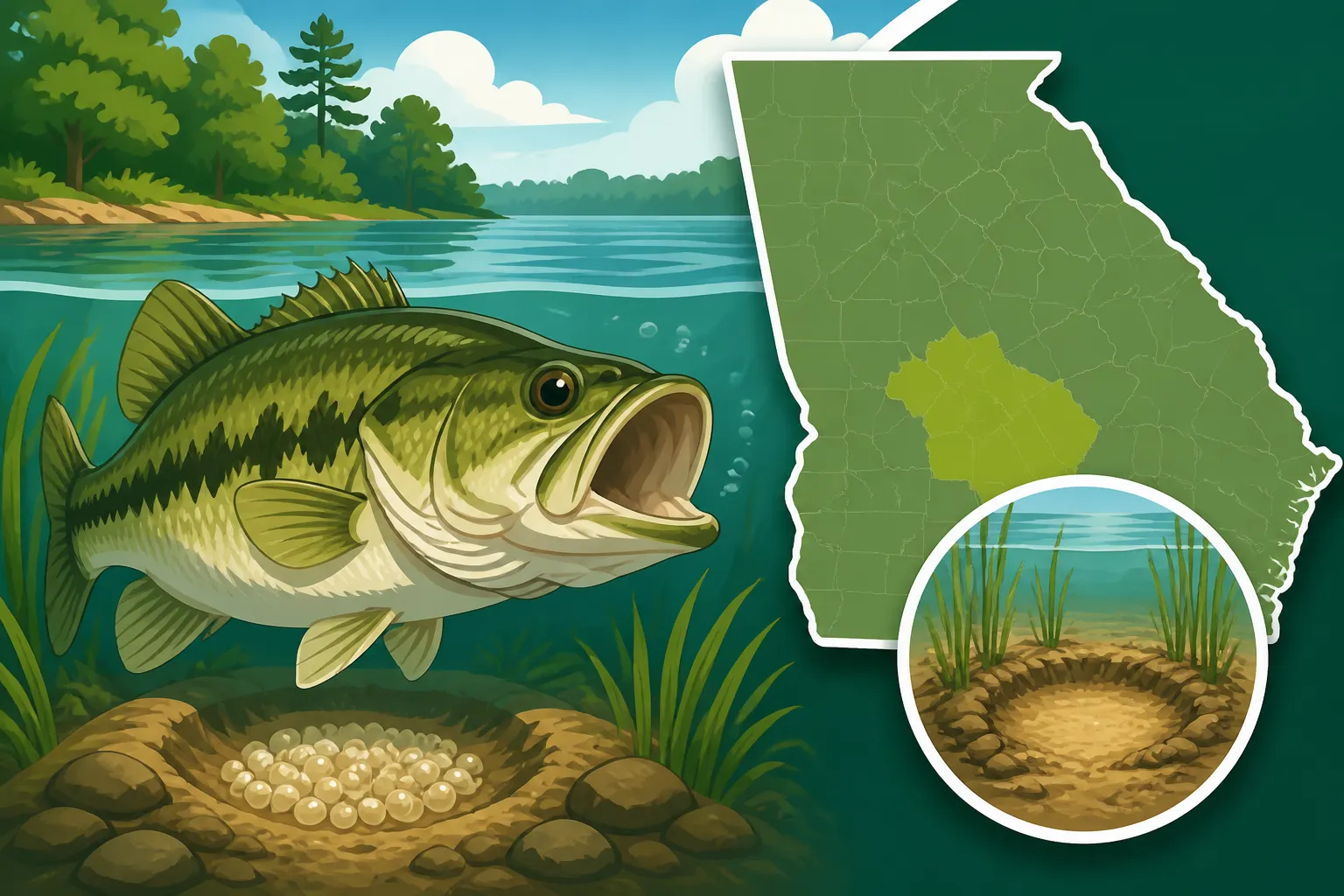
When the water stabilizes in that optimal 60-68 degree range, the bass commit to the actual spawn. Males will move into very shallow, protected areas – often 1 to 5 feet deep – and fan out circular nests on firm bottoms, clearing away debris. These "beds" are usually found near some form of cover like docks, submerged logs, brush piles, or even just alongside grass lines. Females will then move onto these beds to lay their eggs, which the male then fertilizes and guards fiercely. During this phase, the male bass becomes highly protective and territorial. While they might not be actively feeding, they will strike at anything they perceive as a threat to their eggs or fry, making them catchable, especially if you can spot their beds. It's a delicate dance to catch them without stressing them too much, especially when they're so focused on reproduction.
Post-Spawn: Recovery and Transition
Once the eggs have hatched and the tiny fry have dispersed, both male and female bass are often exhausted. The females, having expended a huge amount of energy laying eggs, are particularly depleted. They'll typically move off the beds first, seeking out slightly deeper cover nearby where they can rest and recover. Males will remain guarding the fry for a short period before also moving off. During this post-spawn phase, bass are still catchable, but their feeding patterns shift. They're often looking for an easy meal, not wanting to expend too much energy chasing prey. You might find them suspended near baitfish schools or tucked into shaded cover. This period can sometimes feel a bit slower, as fish are more lethargic, but patience can still yield great results.
Regional Variations and Key Georgia Lakes
Georgia is a big state, and while water temperature is the primary driver, the sheer geography means that the bass spawn unfolds at different times depending on where you are. What's happening on Lake Seminole in South Georgia in early March might not happen on Lake Lanier until April or even May.
North Georgia Lakes and Their Spawning Nuances
Lakes in North Georgia, nestled in the foothills of the Appalachian Mountains, tend to experience a later and often more drawn-out bass spawn. This is simply due to the colder ambient temperatures and the slower warming of the larger, deeper bodies of water. Lakes like Lake Lanier Fishing Guide, Georgia , Lake Allatoona, and Georgia's Lake Hartwell Fishing Spots are prime examples.
Typically, you'll see the first signs of pre-spawn movement in these northern lakes in late March, with the main spawn kicking into gear throughout April and often extending into early May. A lot depends on the severity of the winter and how quickly spring truly arrives. If you have an unseasonably warm spell in late February, you might get an early push of fish, but a subsequent cold snap can put them right back into a holding pattern. The deeper, clearer waters of these lakes also mean that fish might choose to bed a little deeper than their southern counterparts, or in areas with more protection from the wind, which can keep water temperatures more stable. Anglers often keep a close eye on the long-range forecasts to anticipate the best windows for the pre-spawn bite and the actual bedding activity.
Central and South Georgia Lakes: Earlier Action
As you move further south in Georgia, the spawning timeline shifts significantly earlier. The climate is milder, winters are shorter, and the lakes often warm up much faster. This means you can often find bass on beds or in prime pre-spawn mode weeks, sometimes even a full month, before their northern cousins.
Major reservoirs in Central and South Georgia, such as Fishing Lake Oconee, Georgia , Lake Sinclair Fishing Spots , Lake Blackshear, Lake Seminole, and Walter F. George Reservoir Fishing Guide, Georgia , are often the first to see consistent spawning activity. It's not uncommon for anglers to be catching pre-spawn giants in these lakes as early as late February, with the main spawn hitting its stride throughout March and into early April. If you're looking for early spring bass action, these southern gems are definitely worth focusing on. The shallower, often more stained waters of some of these lakes also mean that the warming process can be quicker, but also more susceptible to rapid temperature drops during an unexpected cold front.
Factors Influencing Local Spawning Times
Beyond the general north-south geographical difference, many other factors can fine-tune the exact timing of the largemouth bass spawn on any given body of water.
- Weather Patterns: We've touched on this, but a consistent string of warm, sunny days with stable nighttime temperatures is the ideal scenario for a strong, concentrated spawn. Conversely, a volatile spring with extreme temperature swings, especially those pesky cold fronts, can stretch the spawn out or make it more sporadic.
- Lake Depth and Clarity: Shallower, stained lakes will generally warm faster than deeper, clearer ones. This can lead to earlier spawns in smaller, shallower ponds or specific coves within a larger lake compared to the main lake body. Clearer lakes might also allow fish to bed a bit deeper to avoid direct sunlight or predation pressure.
- Specific Structures and Cover: Bass often seek out very specific areas for bedding. These can include hard, sandy, or gravel bottoms in protected coves, around boat docks, near cypress trees, or along grass beds. These areas typically warm up first and offer protection from wind and currents. Knowing these micro-climates within a lake can give you a significant edge in finding active fish. For instance, on Lake Oconee's Hybrid Striped Bass Fishery , anglers often find bass bedding in protected pockets with dark bottoms that absorb heat more efficiently.
Practical Strategies for Each Spawning Phase
Knowing when the bass are in each phase is only half the battle. The other half is knowing how to approach them. Each stage requires a different mindset and a different set of tools in your tackle box.
Pre-Spawn Tactics: Feeding Frenzy!
This is the time to capitalize on aggressive fish. Bass are actively seeking out food, making them more willing to chase and strike.
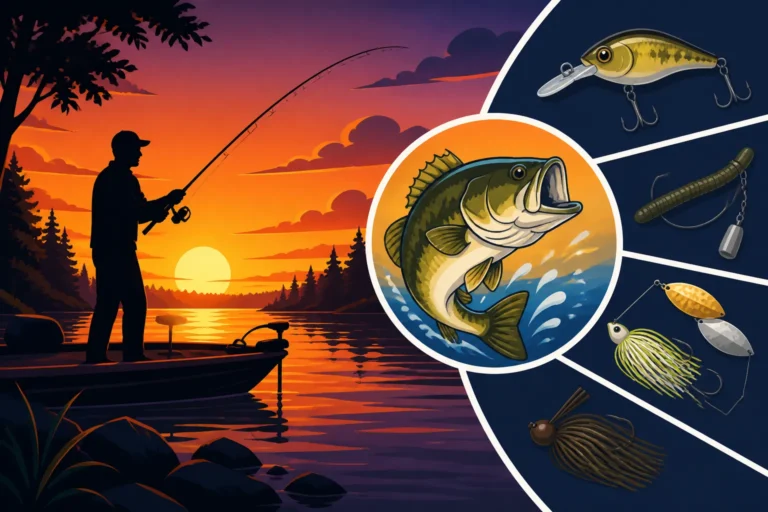
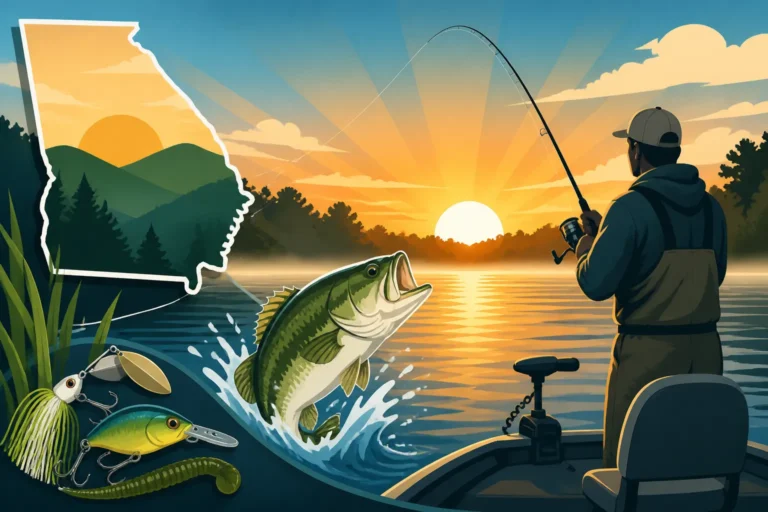
- Aggressive Baits: Think power fishing. Crankbaits are fantastic for covering water and bumping off structure. Spinnerbaits, especially those with larger blades, create a lot of flash and vibration that can trigger reaction strikes. Jerkbaits, like those from popular brands you might find on Amazon, are excellent for imitating dying baitfish and can be deadly when retrieved with a stop-and-go cadence. Chatterbaits are another excellent choice for their unique vibration and ability to be worked through cover.
- Targeting Staging Areas: Focus your efforts on those transition zones where bass move from deep to shallow. These include creek channel swings, long tapering points, humps, and secondary ledges. If you have a good fish finder, look for baitfish schools in these areas, as bass will often be nearby. Remember, they're not quite on the beds yet, but they're getting close, actively scouting and feeding. Many anglers will focus on Spring Bass Fishing Patterns on Georgia's Reservoirs during this exciting time.
- Vary Your Retrieve: Don't be afraid to experiment with retrieve speeds. Sometimes a fast, erratic retrieve will trigger a reaction, while other times a slower, more deliberate approach is needed. The key is to find what the fish are responding to on that particular day.
Spawning Tactics: Sight Fishing and Subtle Approaches
When bass are on the beds, their focus shifts from feeding to protection. This requires a more finessed and often visual approach.
- Locating Beds: In clear water lakes, this is primarily a visual game. Put on a good pair of polarized sunglasses (you can find excellent options on Amazon) and cruise shallow, protected areas slowly. Look for light-colored circular patches on the bottom – these are bass beds. You'll often see the male bass (and sometimes the female) guarding them. This is where Best Sunglasses for Sight Fishing on the Water become indispensable.
- Slower Presentations: Once you've located a bed, a slower, more intrusive approach is typically required. The goal is to annoy the bass into striking rather than enticing them to feed. Soft plastics are your best friend here. Texas rigs, shaky heads, or wacky-rigged worms cast directly onto the bed are often irresistible. Jigs, especially those with a bulky skirt, can also provoke a strike. How to Fish a Texas Rig for Bass is a fundamental technique for this scenario.
- Ethical Considerations: It's important to approach bedding bass fishing with respect. While it can be tempting to catch every fish off a bed, over-pressuring them can disrupt their reproductive cycle. Many anglers advocate for catching one fish per bed and then moving on, allowing the bass to return to their parental duties. Remember, we want healthy fisheries for years to come!
Post-Spawn Strategies: Recovery and Transition
After the spawn, bass are like us after a big holiday meal – a bit sluggish and looking for something easy.
- Easy Meals and Nearby Cover: Females especially will be exhausted and will seek out easy meals. They often move to slightly deeper cover adjacent to the spawning flats, such as submerged timber, brush piles, or the shady side of boat docks. Look for areas with slightly cooler water or more shade.
- Versatile Lures: Topwater lures can be incredibly effective during post-spawn, especially during low-light conditions. Bass might not want to chase something deep, but a slow-moving frog or popper on the surface is an easy target. Swim jigs, small crankbaits, and even weightless soft plastics can also draw strikes. For a great selection, check out topwater options on Amazon.
- Targeting Schools: Post-spawn bass, especially females, might start to school up again in slightly deeper water, often suspending near baitfish schools to conserve energy. Electronics become very useful here for finding these suspended fish. This transition period often involves fish migrating back to summer patterns, so understanding Pre-Spawn Bass Timing on Georgia's Reservoirs is just one piece of the puzzle.
Essential Gear and Tips for Spawning Season Success
Having the right gear and a few insider tips can make all the difference in connecting with bass during the spawn.
Must-Have Lures and Baits
While every angler has their favorites, certain baits consistently perform well during the spawning phases. Here’s a quick overview:
| Spawning Phase | Recommended Lures/Baits | Action/Target |
|---|---|---|
| Pre-Spawn | Crankbaits (medium to deep diving) | Cover points, ledges, creek channels |
| Spinnerbaits (1/2 to 3/4 oz) | Around cover, through grass, reaction strikes | |
| Jerkbaits | Mimic dying baitfish, suspended action | |
| Chatterbaits | Vibration and flash near cover | |
| Spawn | Soft Plastics (Texas/Carolina rigs, shaky heads, creature baits) | Precise presentations on beds, intrusive |
| Jigs (flipping/pitching jigs) | Flipping into cover, on beds | |
| Weightless Senkos/Worms | Subtle fall, enticing strikes on beds | |
| Post-Spawn | Topwater Lures (frogs, poppers, walking baits) | Surface action, especially during low light |
| Swim Jigs | Covering water near cover, mimicking baitfish | |
| Small Crankbaits (shallow to medium) | Easier meals, around recovering fish | |
| Flukes/Swimbaits (weedless) | Subsurface glide, natural presentation |
You can find most of these Best Lures for Georgia Largemouth Bass on Amazon, ready for your next outing.
Importance of Stealth and Observation
During the spawn, bass can be particularly sensitive to disturbance. A quiet approach, especially when sight fishing, is crucial. Use your trolling motor minimally, avoid loud noises, and keep your shadow off the water. Polarized sunglasses are absolutely non-negotiable for spotting beds and observing fish behavior in shallow water. They cut through the glare, revealing what's beneath the surface. For more general advice, consider checking out our guide to A Complete Guide to Fishing in Georgia.
Reading the water is another vital skill. Look for subtle signs: ripples from a cruising bass, a cleared spot on the bottom, or even just the shadow of a fish. Pay attention to changes in bottom composition, water clarity, and temperature within a given area. Understanding How Water Temperature Affects Fish Behavior is really at the core of success during the spawn.
Navigating Unexpected Weather Changes
Georgia weather in spring can be notoriously unpredictable. One day it's glorious sunshine, the next it's a driving rain with plummeting temperatures.
- Dealing with Cold Fronts: As mentioned, cold fronts can shut down the shallow bite and push fish deeper. When this happens, slow down your presentation dramatically. Fish closer to cover, and try baits like jigs or soft plastics that can be worked slowly on the bottom. Focus on those secondary staging areas that bass might retreat to.
- Dealing with Rain: Light rain can sometimes improve the bite, especially during pre-spawn, as it can dim the light and add oxygen to the water. However, heavy, cold rain can have a similar effect to a cold front, chilling the water and making fish less active. Pay attention to the temperature of the rain itself – a warm rain is usually better than a cold one.
Ultimately, the largemouth bass spawn in Georgia is a dynamic and exciting time for anglers. By understanding the critical role of water temperature, recognizing the different phases, adapting to regional nuances across popular spots like Best Bass Fishing Lakes in Georgia , and adjusting your tactics and gear accordingly, you'll be well on your way to a memorable spring fishing season.
Disclaimer
Fishing conditions and regulations can change. Always consult the latest Georgia Department of Natural Resources (DNR) guidelines and local advisories before heading out on the water. Stay safe and fish responsibly!