Why Lake Sinclair Fishes Better in Winter Than Other Georgia Lakes
Winter fishing in Georgia can often feel like an uphill battle. You bundle up, brave the chilly air, and sometimes, you just don't get the bites you hoped for, making you wonder if it's even worth leaving the house. But there's one lake in the heart of Georgia that defies the winter slump, offering some truly exceptional angling opportunities when other waters go dormant: Lake Sinclair. This guide will dive deep into why Lake Sinclair is a winter fishing hotspot and how you can make the most of its unique advantages.
The Unique Warmth of Lake Sinclair in Winter
When most Georgia lakes turn cold and slow down, Lake Sinclair often hums with life, providing a fishing experience that's hard to beat in the colder months. Anglers who venture out during winter often find more consistent action here than almost anywhere else in the state. This isn't just a happy accident; it's due to some very specific, scientific reasons that make Sinclair a true anomaly.
The Role of the Power Plant
The most significant factor contributing to Lake Sinclair's warmer winter water temperatures is the Plant Branch power generation facility, which uses the lake for its cooling processes. This thermal discharge elevates the water temperature in certain areas of the lake, creating warmer pockets that fish absolutely love when the ambient temperatures drop. It’s like a natural magnet for various species seeking comfort and activity. While this effect isn't uniform across the entire lake, it significantly impacts the behavior and location of fish, concentrating them in more predictable areas. Understanding where these warmer waters are located, particularly around the discharges, is key to successful winter fishing. This phenomenon is a big part of Why Lake Sinclair Fishes Warm All Winter.
How Warmer Water Affects Fish Behavior
Fish are cold-blooded creatures, meaning their metabolism and activity levels are directly tied to water temperature. In most Georgia lakes, as winter sets in and water temperatures plummet, fish become sluggish. Their feeding habits decrease, they move slower, and they generally become harder to locate and entice. However, the warmer water in Lake Sinclair keeps fish metabolism higher, meaning they need to feed more actively. This isn't to say they're in a full summer feeding frenzy, but their activity levels are significantly elevated compared to fish in colder, conventional lakes. This makes them more responsive to baits and lures, giving you a much better chance of a successful outing. Knowing How Water Temperature Affects Fish Behavior is crucial for any angler, but especially on a lake like Sinclair in winter.
Top Species to Target on Winter Lake Sinclair
Lake Sinclair's warmer winter waters mean that several popular sportfish remain active and catchable. You're not just limited to a single species; a diverse range of opportunities awaits, making it a versatile destination for any angler looking to escape the winter doldrums. Whether you're after aggressive predators or tasty panfish, Sinclair delivers.
Productive Winter Bass Fishing
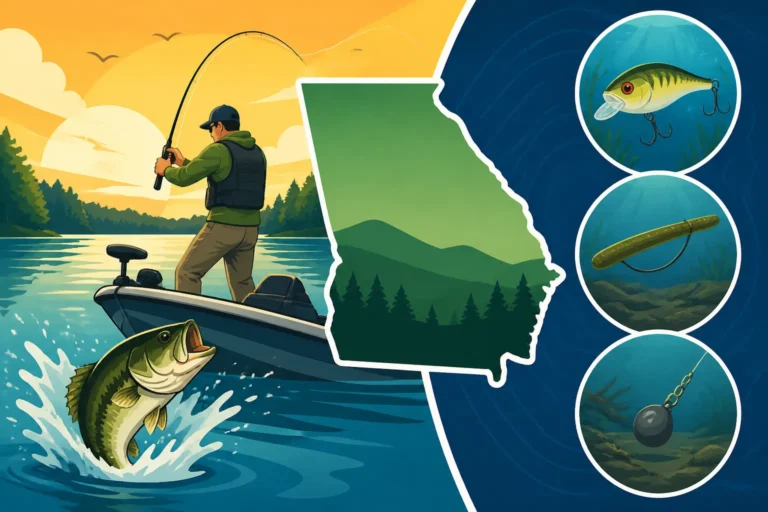
While bass fishing slows dramatically on many lakes in the winter, Lake Sinclair offers some fantastic opportunities for both largemouth and spotted bass. The warmer water around the power plant discharge and in deeper pockets means bass don't enter the same torpid state they do elsewhere. They might move deeper or relate more closely to structure, but they are still actively feeding. Anglers targeting bass here often find success with slow-moving baits like jigs, drop shots, and blade baits that mimic dying shad. You'll want to focus on areas where baitfish are concentrated, often near temperature breaks or deeper submerged cover. The Lake Sinclair Winter Bass Fishing Near the Power Plant area is particularly well-known for producing excellent catches when the air is crisp.
For those dedicated to finding big winter bass, understanding subtle cues in fish behavior is essential. Look for isolated cover in deeper water, such as submerged brush piles, timber, or rock formations, especially in proximity to the warmer water. Bass will often stack up in these areas, conserving energy but ready to ambush a passing meal. Vertical presentations are often most effective, dropping your bait directly into their strike zone.
Crappie: The Winter King of Sinclair
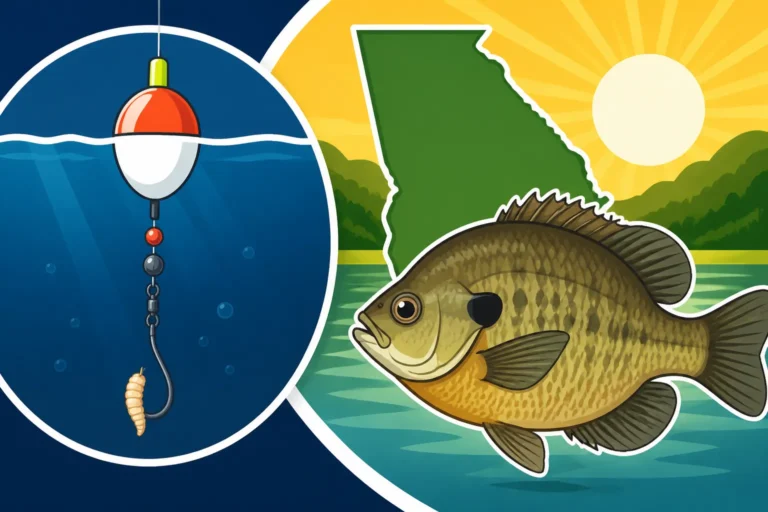
If there's one fish that truly shines on Lake Sinclair in the winter, it's crappie. These delicious panfish absolutely thrive in the cooler, but not freezing, conditions that Sinclair offers. They tend to school up in large numbers, making them easier to locate once you find a productive spot. Look for them congregated around bridge pilings, submerged timber, brush piles, and creek channels, especially in slightly deeper water. Small jigs, minnows, or a combination of both fished vertically are incredibly effective. Many anglers employ "tightlining" techniques or "spider rigging" with multiple rods to cover different depths and present various baits, greatly increasing their chances. For anglers who love the pursuit of panfish, Lake Sinclair truly earns its reputation as one of the Best Crappie Lakes in Georgia during the winter months.
Finding the right depth is crucial for crappie in winter. They'll often suspend in the water column rather than hugging the bottom. A good fish finder is invaluable for identifying these schools, often appearing as distinct clouds or arches on your screen. Once you pinpoint their depth, you can precisely present your bait. Popular areas include the deeper creek channels and large coves with plenty of standing timber or planted brush. Check out Best Crappie Spots on Lake Sinclair for more specific locations.
Catfish Action All Season Long
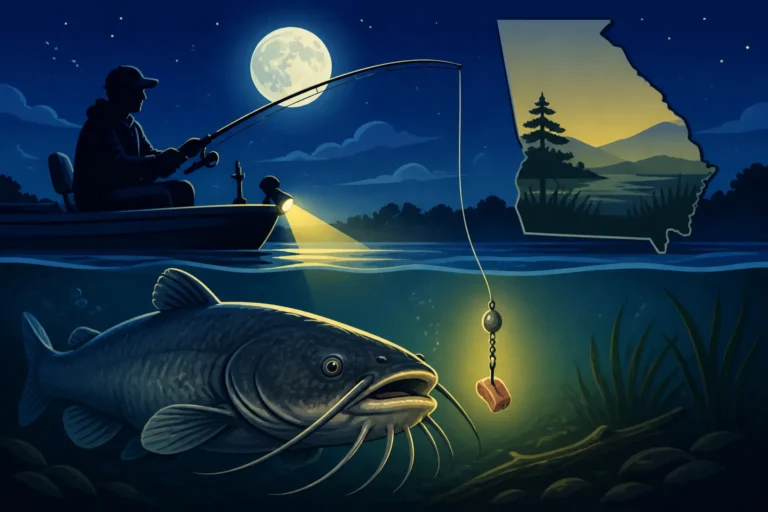
Don't overlook the catfish population in Lake Sinclair during winter; they remain remarkably active, particularly blue and channel catfish. Just like other species, the slightly warmer water keeps their metabolism churning, and they'll readily take a well-presented bait. The deeper channels, bends in the river, and areas with current are prime spots. Traditional bottom fishing rigs with cut bait, chicken livers, or stink baits are excellent choices. Night fishing for catfish can be especially productive, even in colder temperatures, as these nocturnal predators are always on the hunt. For those keen on consistent action, the winter months on Sinclair offer some of the Best Time of Year for Catfishing on Georgia's Lake Sinclair.
When targeting winter catfish, using a heavier setup with sturdy line is a good idea, as Sinclair boasts some impressively large blue catfish. Position your baits on the bottom near depressions, drop-offs, or submerged structure where catfish might be lurking. Remember that catfish often prefer scent, so fresh, oily cut baits like shad or herring can be particularly enticing in colder water. For specific techniques, learning How to Bottom Fish for Catfish is a great start.
Essential Gear and Tactics for Winter Success
Having the right gear and employing smart tactics are crucial for a successful and enjoyable winter fishing trip on Lake Sinclair. It's not just about the fish; it's also about staying comfortable and safe in potentially chilly conditions. Don't let cold hands or inadequate tackle cut your day short.
Cold Weather Gear and Boat Prep
First and foremost, dress in layers! Georgia winters can be deceiving, with bright sun quickly giving way to biting winds, especially on the water. Thermal underwear, fleece, and a waterproof, windproof outer shell are non-negotiable. Don't forget a warm hat, gloves, and insulated boots. Frostbite and hypothermia are real concerns, so prioritize comfort and safety. For your boat, ensure your battery is fully charged, and check all safety equipment, including lights, communication devices, and plenty of Coast Guard-approved life jackets. An emergency kit with blankets, a first-aid kit, and extra warm clothes is always a good idea. Many of these items can be easily found on sites like Amazon, ensuring you’re well-equipped.
Beyond personal warmth, consider your boat's readiness. Check your motor's fuel lines, ensure your bilge pump is functioning perfectly, and have a good set of jumper cables. Even a calm winter day can turn quickly, so having reliable equipment is paramount. Bring along hot beverages in a thermos – a simple pleasure that can make a big difference in maintaining your spirits on a chilly morning.
Best Baits and Lures for Chilly Water
While the fish on Lake Sinclair are more active in winter than on other lakes, they still generally prefer slower, more deliberate presentations. For bass, consider jigs (like a finesse jig or football jig) slowly dragged along the bottom, or a drop shot rig with small, natural-colored worms or creature baits. Blade baits and spoons can also be highly effective when vertically jigged in deeper water, mimicking stunned or dying baitfish. When it comes to crappie, small 1/16 to 1/8 ounce jigs in colors like chartreuse, white, or black-and-chartreuse are perennial favorites. Tip them with a small minnow for added attraction. For catfish, fresh cut bait (shad or herring work wonders), chicken livers, or a variety of commercially prepared stink baits will usually get their attention. The key across all species is often a slow retrieve or subtle jigging motion; aggressive retrieves usually aren't as effective in colder water. When stocking up, check online retailers like Amazon for a wide selection of Best Lures for Cold Water.
A useful table for winter bait and lure choices:
| Species | Primary Baits/Lures | Presentation Strategy | Key Areas |
|---|---|---|---|
| Largemouth & Spotted Bass | Jigs (football, finesse), Drop Shots, Blade Baits, Spoons | Slow drag, subtle jigging, vertical presentations | Deeper structure, power plant discharge, creek channels |
| Crappie | Small Jigs (1/16-1/8 oz), Live Minnows | Vertical jigging, tightlining, spider rigging | Bridge pilings, submerged timber, brush piles |
| Catfish | Cut Bait (shad, herring), Chicken Livers, Stink Bait | Bottom fishing, stationary rigs | Deep channels, river bends, areas with current |
When choosing your lures, consider colors that offer good contrast in deeper, often murkier winter waters. Darker colors like black and blue, or bright, high-visibility colors like chartreuse and orange, can be very effective. Scent is also a major factor in cold water, so don't hesitate to add scent attractants to your soft plastics and jigs.
Comparing Sinclair to Other Georgia Winter Fisheries
It’s easy to feel disheartened about winter fishing when looking at statewide trends. Many anglers pack away their gear, convinced that the best opportunities are months away. However, Lake Sinclair offers a stark contrast to this typical scenario, extending the active fishing season significantly.
Why Other Lakes Slow Down
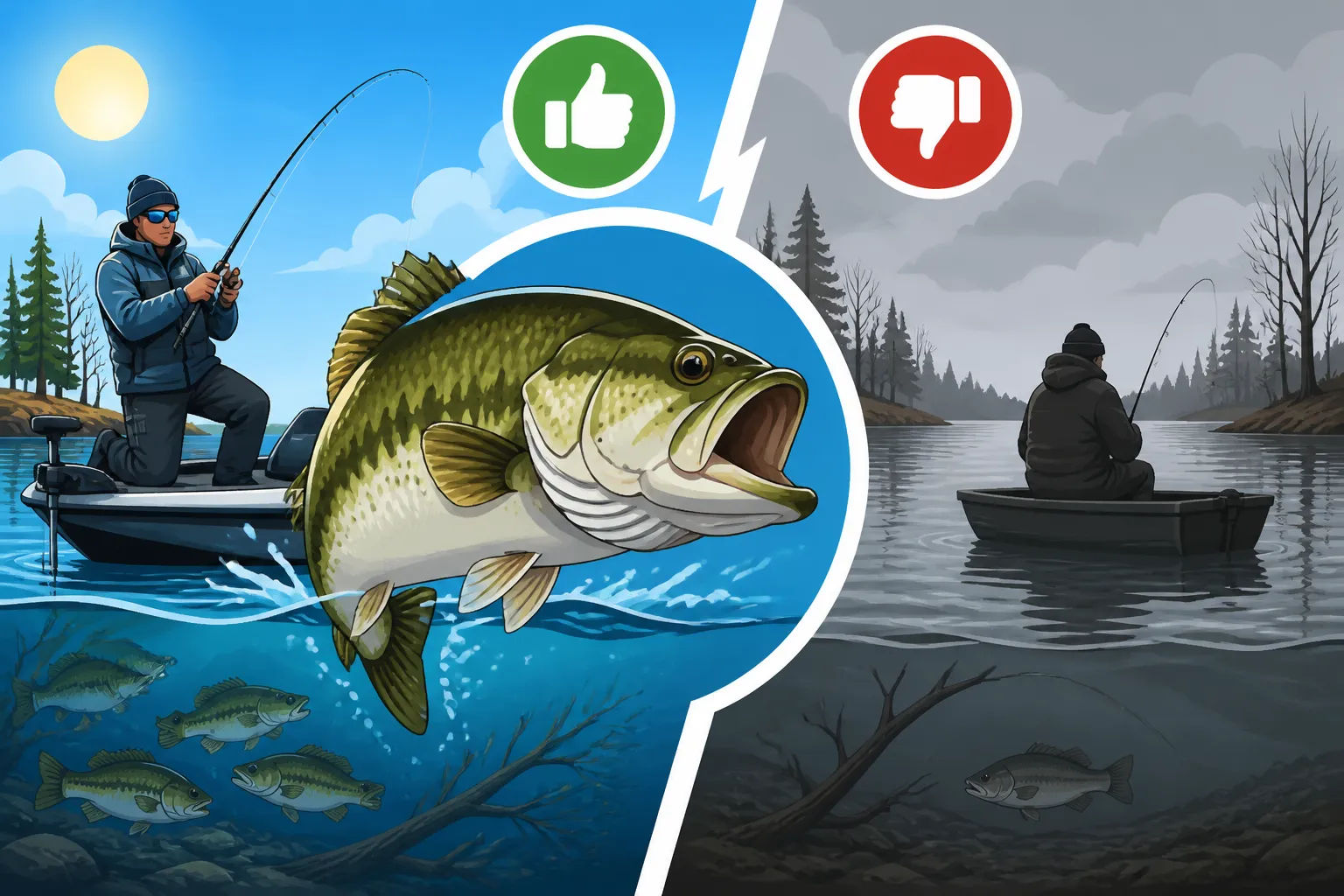
Most other large reservoirs and natural lakes in Georgia experience a pronounced winter slowdown. Without the consistent thermal discharge found on Sinclair, their water temperatures drop uniformly. This causes fish to become far less active, often schooling up in very deep water and feeding only sparingly. Anglers on these lakes might find a few scattered bites, but the consistent action often found in spring, summer, and fall is a distant memory. This is part of the natural Winter Fishing Patterns on Georgia's Reservoirs where fish go dormant. The colder water significantly slows their metabolism, meaning they burn less energy and require less food, making them much harder to tempt with baits. This is why many anglers seeking robust winter fishing will specifically target Lake Sinclair over others.
Maximizing Your Winter Fishing Opportunities
Understanding Lake Sinclair's unique characteristics allows you to strategically plan your winter fishing trips. While many anglers are stuck indoors, you could be out on the water, reeling in quality fish. If you're passionate about year-round fishing, Sinclair should be at the top of your list for colder months. Beyond just knowing where to fish, consider reading up on specific Georgia Fishing Regulations Explained to ensure you're compliant, as rules can sometimes vary by waterbody or season. Don't be afraid to experiment with different depths and presentations, especially around the power plant outflow, until you find what the fish are responding to. The colder water can sometimes make fish lethargic, so slow and steady wins the race. For a broader perspective on the lake, checking out the general Lake Sinclair Fishing Spots guide can give you year-round insights that might still be applicable during the winter months.
It's also worth noting that the winter season often means less boat traffic. This can lead to a more peaceful and focused fishing experience, without the crowds of warmer months. Embrace the quiet solitude and the opportunity to hone your skills in less competitive conditions. A little preparation and persistence can turn what might be an "off-season" for others into a highly productive time for you on Lake Sinclair.
Disclaimer
Fishing conditions and regulations can change. Always check the latest Georgia Department of Natural Resources (DNR) guidelines before heading out. Be safe on the water and prioritize personal safety, especially in colder weather.