How to Fish From the Bank Effectively
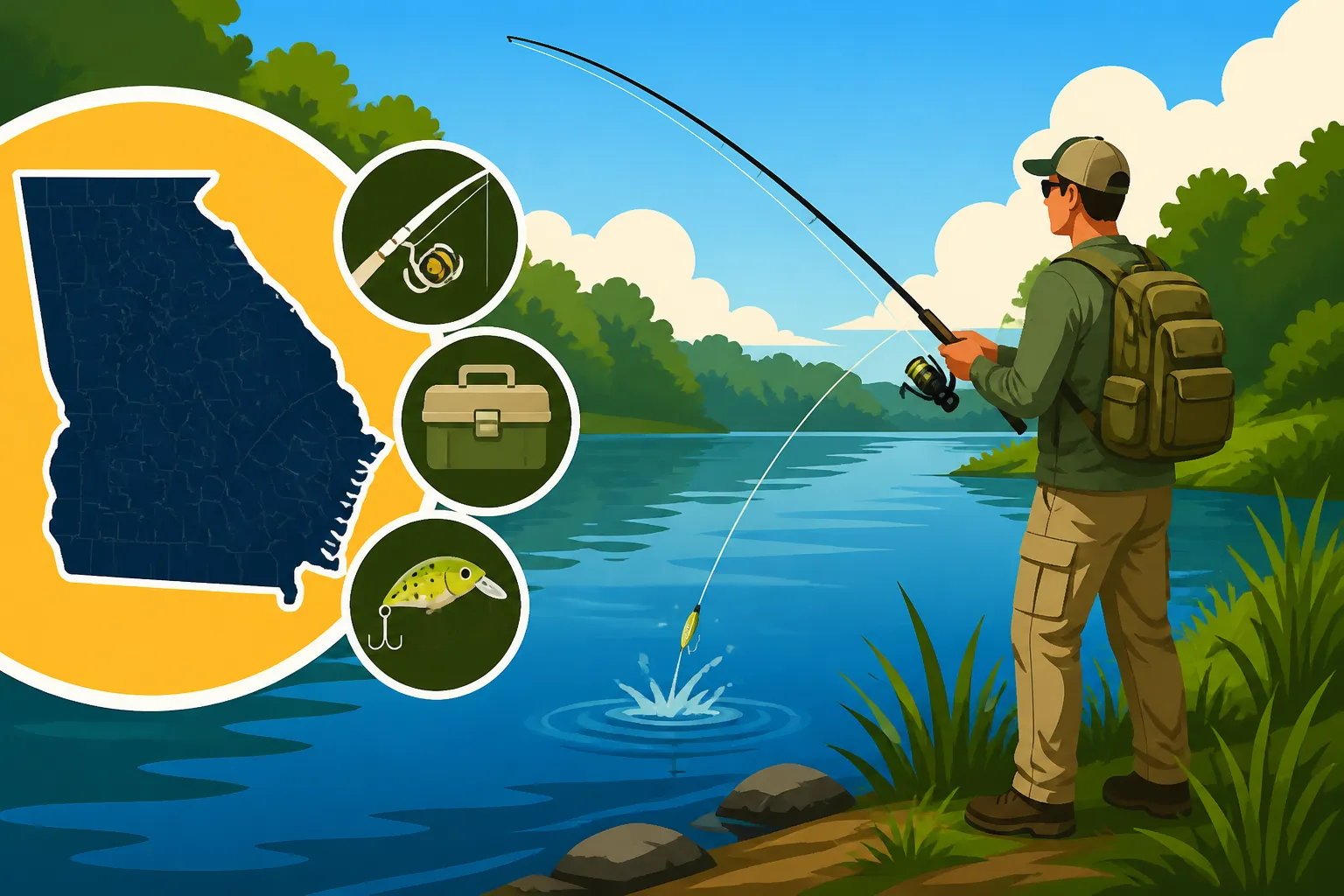
There’s a unique kind of frustration when you want to get out and fish, but you don't have a boat, or the thought of launching and navigating a vessel feels like more hassle than relaxation. Many anglers feel limited to docks or crowded public piers, missing out on prime spots. But I’m here to tell you that bank fishing can be incredibly productive, peaceful, and rewarding, and this guide will show you how to fish from the bank effectively, unlocking a world of angling opportunities right from shore.
Finding Your Perfect Shoreline Spot
Finding a good fishing spot from the bank can feel like a treasure hunt, but with a little know-how, you can consistently uncover hidden gems that hold plenty of fish. It's not just about showing up; it's about scouting, understanding access, and prioritizing your safety.
Identifying Promising Locations
When you're walking the shoreline, whether it's a lake, river, or pond, you want to think like a fish. What are they looking for? Cover, food, and comfortable water conditions. Start by looking for structure. This could be anything from fallen trees and submerged brush piles to rock formations and weed lines. Fish love to hide in these areas, ambushing prey or seeking refuge from predators and strong currents. A big log lying in the water might look like a nuisance to a swimmer, but to a bass or crappie, it's a five-star hotel.
Another key feature to scout for is changes in depth. Points, drop-offs, and creek channels can concentrate fish, especially during transitions in weather or season. You can often spot these visually by observing changes in water color or by noting where the shoreline abruptly steepens. Even subtle changes in the bottom contour can be fish magnets. For example, a small peninsula jutting out into a lake can create current breaks and deeper water on its sides, making it an ideal spot for ambushing fish. Don't be afraid to explore areas that might seem a bit out of the way – sometimes the best spots are those less pressured by other anglers. Many Georgia State Parks with the Best Fishing Ponds are fantastic places to start your scouting.
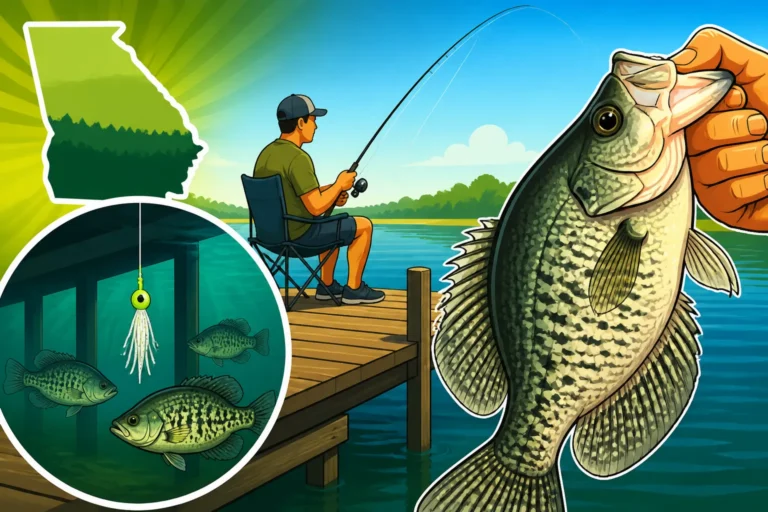
Finally, consider the food sources. If you see signs of baitfish, insects, or even small frogs near the bank, chances are predatory fish aren't far behind. Look for swirls, splashes, or even birds diving into the water, as these are all indicators of active feeding. On some larger reservoirs, especially those with good crappie populations, you might even see old docks or bridge pilings that attract baitfish and provide cover for larger fish. These overlooked spots, accessible without a boat, can be goldmines.
Navigating Access and Regulations
One of the biggest hurdles for bank anglers is simply knowing where you're allowed to fish. It's incredibly frustrating to spend time scouting a perfect spot only to find a "No Trespassing" sign or realize you're on private land. Always do your homework before heading out. Public fishing areas, state parks, and wildlife management areas (WMAs) are usually excellent places to start. These spots are typically well-maintained and clearly marked, offering designated bank access points. Many cities and counties also have local parks with public fishing access.
It’s also crucial to be aware of local regulations. Some areas might have specific rules about what types of bait you can use, or if certain species are catch-and-release only. This is especially true for special management areas or trout streams. Always check the Georgia Fishing Regulations Explained before you cast your line. Remember, getting caught fishing without a license or in a restricted area can lead to penalties for fishing without a license in Georgia. It's always better to be safe than sorry and ensure you have your Georgia Fishing License Guide in order.
Don't forget about potential reciprocal agreements if you're near a state border. Sometimes, a Georgia license works in a shared border lake, but you always need to verify. Always prioritize legal and ethical access to ensure you're enjoying your time on the water responsibly and respectfully.
Safety Considerations for Bank Anglers
While bank fishing often feels safer than boating, it comes with its own set of precautions. First and foremost, always be aware of your surroundings. Slippery banks, steep drop-offs, and uneven terrain can lead to falls, especially if you're carrying gear. Consider wearing appropriate footwear with good grip. In some areas, particularly along rivers, strong currents can be a hazard, so be mindful of how close you get to the water's edge, especially after heavy rains.
Wildlife encounters are also a possibility. In Georgia, this can range from curious snakes to alligators in the southern parts of the state. Give all wildlife their space and never try to approach or feed them. Being prepared also means checking the weather forecast before you go. A sudden thunderstorm can turn a pleasant outing into a dangerous situation, particularly if you're under tall trees or near open water. Lightning is a serious threat.
Finally, communicate your plans. Let someone know where you're going and when you expect to be back. Even if you're just heading to a local pond for an hour, it's a good practice. Carrying a basic first-aid kit, a fully charged cell phone, and enough water to stay hydrated are small steps that can make a big difference in ensuring a safe and enjoyable bank fishing trip.
The Right Tools for the Job: Bank Fishing Gear Essentials
One of the beautiful things about bank fishing is that you don't need a boatload of expensive gear. You can keep it simple, efficient, and still be incredibly effective. The key is choosing versatile items that make your time on shore comfortable and productive.
Smart Rod and Reel Choices
For bank fishing, versatility is key when it comes to your rod and reel. You're not trying to cast across an entire reservoir, nor are you necessarily targeting only one specific species. A medium-light to medium power spinning rod, typically 6 to 7 feet in length, is often the perfect all-around choice. This setup allows for good casting distance, handles a wide range of lure weights, and has enough backbone to fight most freshwater species you'll encounter from the bank, from feisty bass to decent-sized catfish. A good quality spinning reel spooled with 8-12 pound monofilament or fluorocarbon line, or even braided line with a fluorocarbon leader, will give you excellent casting performance and sensitivity.
Think about the conditions you'll be fishing in. If you're often in areas with heavy cover like thick weeds or submerged trees, a slightly heavier action rod might be beneficial to help you pull fish out of snags. If you're primarily targeting panfish like bluegill and crappie in open water, a lighter, more sensitive rod might be preferred. But for starting out, aiming for that versatile medium action will serve you well. You can find excellent, budget-friendly combos on platforms like Amazon that are more than capable of handling typical bank fishing scenarios. Many anglers swear by a similar setup for Best Rod for Shore Fishing Without a Boat.
Essential Tackle Box Items
Your tackle box for bank fishing should be lean and mean. You don't want to be lugging around a massive box when you're walking along a shoreline. Focus on essential, versatile lures and baits, and a few key tools. Start with a selection of hooks (various sizes to match different baits and fish), sinkers (split shot and a few bullet weights or egg sinkers), and bobbers (clip-on and slip bobbers are good choices). These basic components will allow you to rig up for almost any situation.
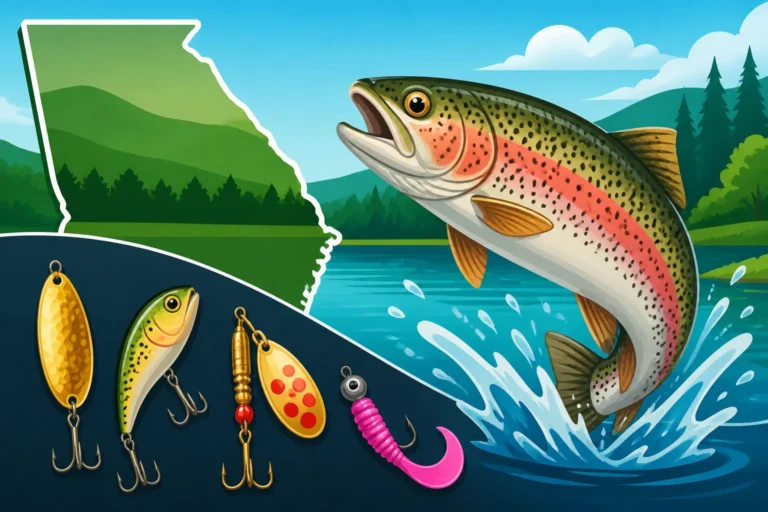
For lures, consider versatile options like plastic worms, small crankbaits, spinnerbaits, and jigs. These can imitate a wide range of baitfish and insects and attract different species. If you’re targeting panfish, a few small rooster tails or tiny jigs can be deadly. Don't forget live bait! Worms, crickets, and minnows are incredibly effective for a vast array of species and often outperform artificials when fish are finicky. Keep your live bait in a small, portable container. Tools are also crucial: a pair of needle-nose pliers for hook removal, line clippers, and a small measuring tape are indispensable. A compact Best Tackle Bag for Bank Anglers can keep all this organized and easy to carry.
Comfort and Convenience on the Bank
Successful bank fishing isn't just about catching fish; it's also about enjoying the experience. Being comfortable can significantly extend your time on the water and improve your focus. A lightweight, portable folding chair is a game-changer, especially if you plan to spend several hours in one spot. Sitting on the ground or a hard cooler quickly loses its charm. A good pair of polarized sunglasses is also essential, not just for eye protection but for spotting fish and underwater structure. They cut the glare off the water, revealing what lies beneath.
Hydration and snacks are often overlooked. A reusable water bottle and a few energy bars can keep you going. A small cooler might be overkill for short trips, but for longer outings, it’s worth considering for drinks and bait. Don't forget sun protection – a wide-brimmed hat, sunscreen, and long-sleeved UPF clothing can prevent painful sunburns. Lastly, a small trash bag for your own refuse and any stray litter you find helps keep our fishing spots beautiful. Many of these comfort items, like a lightweight Best Folding Chair for Bank Fishing or a wide selection of sunscreens, are easily found on Amazon.
Masterful Techniques for Shoreline Success
Fishing from the bank presents unique challenges compared to fishing from a boat, but it also offers distinct advantages. Mastering specific techniques can help you overcome these challenges and truly shine as a shoreline angler.
Casting for Coverage and Precision
When you're confined to the bank, every cast counts. You don't have the luxury of maneuvering a boat to get the perfect angle. Therefore, learning to cast accurately and efficiently is paramount. Start by mastering basic casting techniques like the overhead cast and the sidearm cast. The overhead cast provides maximum distance, crucial for reaching those offshore structures or the middle of a pond. The sidearm cast, on the other hand, is excellent for slipping lures under overhanging branches or docks, where fish love to hide. Practice in an open yard to build muscle memory and improve your aim.
Once you have the basics down, focus on fan casting. This technique involves casting to different points in a fan-like pattern across the water in front of you. Start with a cast directly in front, then incrementally move your casts to the left, then back to the right, covering as much water as possible from your stationary position. This helps you locate active fish and identify productive depths or structures you might have missed with a single cast. Remember, even a slight change in your casting angle can present your lure in a completely new way to fish.
| Casting Technique | Best Use Case | Advantages | Considerations |
|---|---|---|---|
| Overhead Cast | Maximum distance, open water | Far reach, powerful presentation | Can be limited by overhead obstructions |
| Sidearm Cast | Under overhanging cover, docks | Precision, avoids obstructions | Less distance, requires practice for accuracy |
| Roll Cast | Tight spaces, no backcast room | Stealthy, effective in close quarters | Short distance, ideal for fly fishing or light lures |
| Flip/Pitch | Close-quarters, heavy cover | Very accurate, minimal splash | Short range, specific to bass fishing tactics |
Working Your Lure and Bait Effectively
Getting your bait or lure to the fish is only half the battle; the other half is making it appealing enough for them to strike. Your retrieve technique needs to match the bait and the fish's mood. For artificial lures like crankbaits or spinnerbaits, experiment with different retrieve speeds. Sometimes a slow, steady retrieve is best, mimicking an easy meal, while other times a fast, erratic retrieve can trigger a reaction strike from aggressive fish. Varying your retrieve with pauses and twitches can often be the most effective strategy, making your lure appear injured or confused.
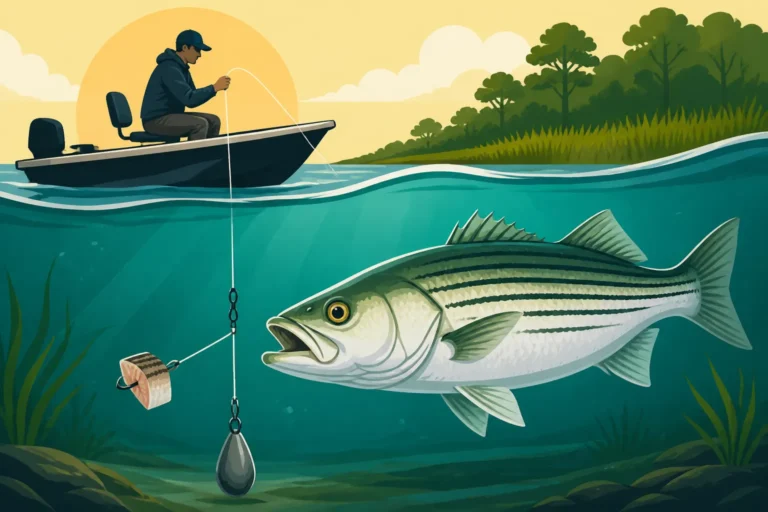
When fishing with live bait, presentation is key. If you're using a bobber, make sure your bait is suspended at the right depth—often just above the bottom or at the depth you've observed fish activity. For bottom fishing, ensure your weight is heavy enough to hold your bait in place, especially in current, but not so heavy that it spooks the fish. A classic slip-sinker rig is fantastic for catfish or larger species. Whether artificial or natural, always try to make your offering look as natural as possible. A healthy, lively worm on a small hook will always outfish a dead, limp one. For tips on what species prefer, check out Best Bait for Bluegill Fishing or Largemouth Bass Bait: Worms, Crankbaits, and Topwater Lures.
Adapting to Different Depths and Conditions
Fish aren't always in the same place. Their location depends heavily on factors like water temperature, time of day, and weather. As a bank angler, you need to be adaptable. In cooler months or early mornings, fish might be found in shallower water, soaking up the sun's warmth. As the day progresses and the sun gets high, they often retreat to deeper, cooler water or seek shade under docks and overhanging trees. Learn to fish for Bass at Dusk when they often come out to feed.
Use different rigs to target various depths. A simple bobber rig is great for suspending bait at specific shallow to medium depths. For deeper water, a Carolina rig or Texas rig with a soft plastic bait can get down to the bottom where bass often hide. If you're targeting catfish, a bottom rig with a heavy sinker is ideal. Don't be afraid to switch up your approach. If you're not getting bites in one depth range, try another. Observing what other anglers are doing, or even just watching for signs of fish activity, can give you clues on where to focus your efforts.
Elevating Your Bank Fishing Game: Beyond the Basics
To truly excel as a bank angler, it's not enough to just cast and retrieve. Understanding the nuances of the water and fish behavior, and being mindful of your impact, will set you apart.
Reading the Water Like a Pro
The water itself is a book, and if you learn to read it, it will tell you where the fish are hiding. Look for subtle cues. Ripples and current breaks often indicate structure or changes in depth beneath the surface, creating ambush points for predatory fish. Areas where different water colors meet can signify changes in bottom composition or the presence of a submerged creek channel. Clearer water often means fish are more wary, requiring lighter line and more natural presentations. Muddy or stained water, on the other hand, might mean fish are relying more on scent and vibration, making baits like scented worms or rattling crankbaits more effective.
Surface activity is a dead giveaway. If you see baitfish jumping, or predatory fish splashing, that’s where you should be casting. Even observing insect hatches can provide clues about what fish are feeding on. Pay attention to how the wind affects the water. A steady breeze can push baitfish into certain coves or against certain banks, bringing the predators right along with them. Learning to interpret these signs will drastically increase your chances of finding fish, even when you're limited to a fixed position on the bank.
Understanding Fish Behavior and Timing
Fish activity isn't constant; it ebbs and flows throughout the day and year. Timing your fishing trips to coincide with peak activity periods can make a huge difference. Generally, dawn and dusk are prime times for many species, as these low-light conditions offer cover for predators and are often when baitfish are most active. You'll find that many species bite better at Dawn. During the heat of midday, fish often retreat to deeper, cooler water or dense cover, making them harder to reach from the bank. However, overcast days or days immediately after a gentle rain can extend these prime feeding windows.
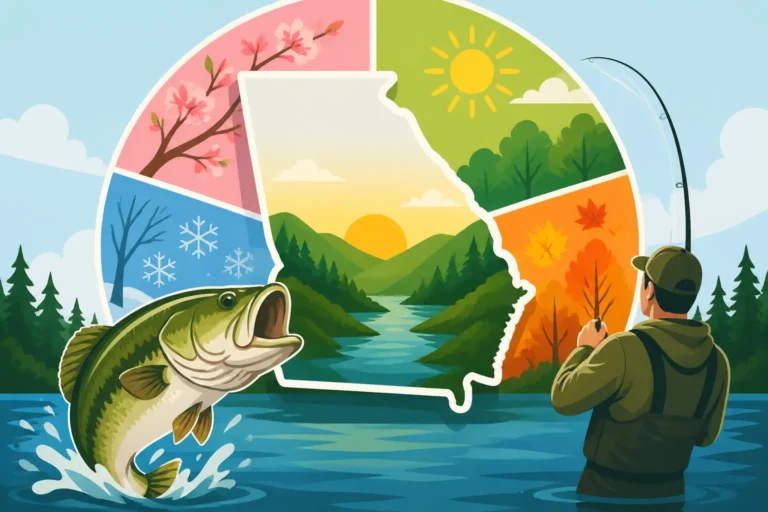
Seasonal changes also play a massive role. In spring, many fish species move to shallow waters for spawning, making them more accessible to bank anglers. Conversely, in winter, they often school up in deeper holes or near warm water discharges. Knowing when Largemouth Bass Spawn on Georgia's Lakes, for example, can help you target specific areas. Being mindful of these patterns means you're not just fishing, you're hunting for fish at their most vulnerable.
Handling Your Catch and the Environment
Part of being a responsible angler, especially when fishing from the bank in public areas, is practicing proper fish handling and environmental stewardship. If you plan to release fish, learn how to do it properly to ensure their survival. Minimize the time the fish is out of the water, handle it gently with wet hands, and use a de-hooking tool to remove hooks quickly. For species like trout, quick and careful release is paramount, as detailed in How to Catch and Release Trout Properly.
Always pack out everything you pack in, and if you see any trash left by others, consider taking a moment to pick it up. Our fishing spots are precious resources, and keeping them clean benefits everyone. This not only preserves the beauty of the natural environment but also ensures that these spots remain accessible and enjoyable for future generations of bank anglers. By being a good steward, you contribute to a positive fishing culture and help protect the very places we love to explore with a rod and reel.
Disclaimer
This article is for general informational purposes only and does not constitute professional advice. Laws, prices and regulations vary by location and change over time. Consult a qualified professional for guidance on your specific situation.