Best Lures for Georgia Largemouth Bass
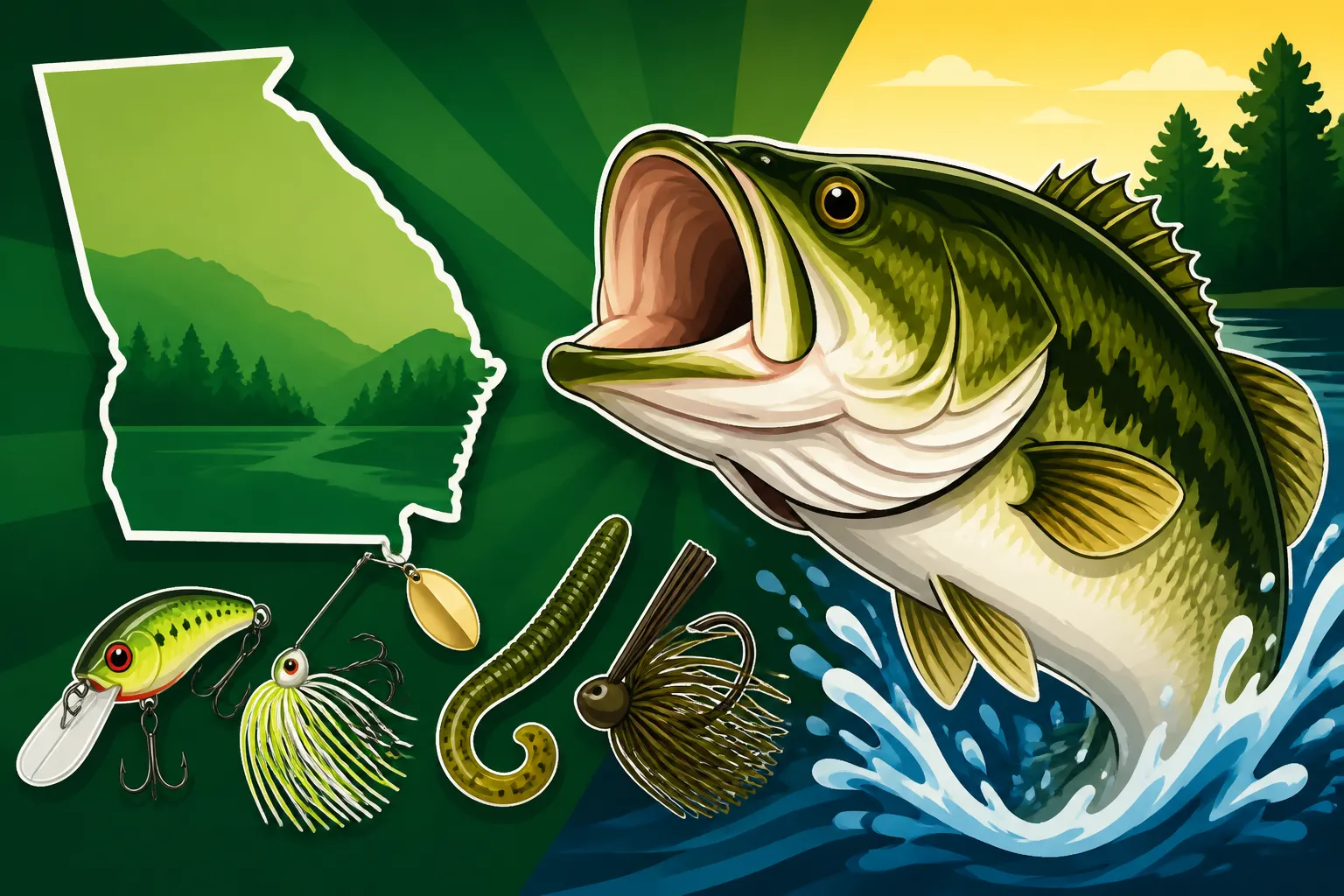
Ever found yourself standing in front of the massive lure display at the tackle shop, completely overwhelmed and wondering which shiny piece of plastic or metal will actually entice a savvy Georgia largemouth bass? It's a common dilemma, and one that every angler, from beginner to seasoned pro, has faced. This guide is here to cut through the confusion, offering a deep dive into the best lures for Georgia largemouth bass, explaining when and where to use them, so you can build a more effective tackle box and increase your chances of landing that trophy catch.
The Thrill of Topwater: Lures for Explosive Surface Strikes
There’s nothing quite like the heart-stopping excitement of a largemouth bass blowing up on a topwater lure. When conditions are right, these surface baits can deliver some of the most memorable strikes in all of fishing. Understanding which topwater lures to throw and how to work them is key to unlocking this exhilarating technique, especially during those warm Georgia mornings and evenings.
Poppers and Chuggers: Making Some Noise
Poppers and chuggers are designed to create commotion on the water's surface, mimicking a struggling baitfish or a frog trying to escape. Their concave faces push water, creating splashes and gurgles that call bass from surprising distances. These are often most effective in calm water, particularly around shallow cover like lily pads, submerged timber, or docks. Think about those glassy early morning hours on Lake Blackshear or the quiet coves of Lake Oconee. You cast them out, let the ripples settle, then give a sharp twitch or two, pause, and repeat. That pause is often when the magic happens, giving the bass a chance to track the lure and commit to the strike. Different sizes and colors can make a big difference, with natural frog or baitfish patterns often performing well, but don’t shy away from brighter, more aggressive colors if the bass are being stubborn. You can find a huge variety of poppers and chuggers from different manufacturers on sites like Amazon, allowing you to experiment with various styles and sounds to see what the fish prefer on any given day.
Walking Baits and Stickbaits: The Dance of Deception
Walking baits, often called "Spooks" after the iconic Heddon Zara Spook, and stickbaits are all about the "walk-the-dog" retrieve. This rhythmic, side-to-side sashay perfectly imitates a wounded baitfish struggling on the surface. Unlike the aggressive splashes of a popper, walking baits offer a more subtle, yet equally enticing, presentation. They excel in clearer water where bass can see the lure from a distance, and in slightly choppier conditions where a popper might get lost. Targeting open water schooling bass on Lake Lanier or fishing expansive flats on Clarks Hill Lake are prime scenarios for these lures. It takes a little practice to get the retrieve right, using subtle wrist movements to make the lure glide gracefully, but once you master it, it’s incredibly effective. The erratic, yet controlled, movement is just too tempting for a curious largemouth.
Hollow Body Frogs: Skipping into the Slop
When the bass are buried deep in thick cover – think matted hydrilla, lily pad fields, or dense vegetation in shallow coves – hollow body frogs are your absolute best friend. These lures are designed to be completely weedless, allowing you to skip them into places no other lure can reach. The soft, collapsible body means that when a bass bites down, the hooks are exposed, leading to a much better hook-up ratio than with solid frog imitations. Fishing these takes patience and precision. You want to make them walk, twitch, or simply sit on top of the vegetation, imitating a frog that’s just landed on a pad. When a bass erupts from the cover, often violently, wait a beat for the fish to fully engulf the lure before setting the hook with authority. It’s an exciting way to fish and can pry out some truly monster bass from otherwise impenetrable cover. If you’re targeting those heavy grass mats common in many Georgia reservoirs, a good selection of hollow body frogs is essential.
Subsurface Savvy: Lures for the Water Column
While topwater action is exhilarating, most of the time, largemouth bass are lurking beneath the surface. This is where subsurface lures shine, allowing you to target fish at various depths and in different types of cover. From bumping cover to ripping through grass, these lures are workhorses for any Georgia bass angler.
Crankbaits: Diving to the Sweet Spot
Crankbaits are fantastic search baits, excellent for covering water quickly and discovering where bass are holding. They come in an incredible array of shapes, sizes, and dive depths, each designed for a specific purpose. Shallow-diving crankbaits, with their short bills, are perfect for bouncing off stumps, rocks, or shallow ledges in 2-6 feet of water. Medium-diving crankbaits typically run 7-12 feet deep, ideal for targeting submerged points or brush piles. Deep-diving crankbaits, with their long, often angled bills, can reach depths of 15 feet or more, scraping the bottom of deep ledges and humps on big reservoirs like Lake Lanier or Clarks Hill. The key with crankbaits is to "deflect" them off cover – making the lure bump into a log or rock often triggers a reaction strike from a bass that was otherwise uninterested. Different wobble actions also come into play; some have a tight wiggle, others a wide, aggressive sway. Understanding the various types and how to properly present them is crucial for consistent success. For more on this, you might find Best Crankbait for Largemouth Bass helpful.
Spinnerbaits and Chatterbaits: Flash and Vibration
Spinnerbaits have been a staple in bass fishing for decades, and for good reason. Their flashing blades and vibrating skirt create a tremendous amount of commotion and attraction, making them irresistible to bass, especially in stained or murky water, or when fishing around heavy cover. They are incredibly versatile, allowing you to slow-roll them along the bottom, burn them just under the surface, or rip them through grass beds. Different blade combinations (Willowleaf, Colorado, Indiana) offer varied flash and vibration profiles, so it's good to have a few options. How to Work a Spinnerbait for Bass goes into more detail on how to get the most out of these classic lures.
Chatterbaits, also known as bladed jigs, are a more recent innovation that have taken the bass world by storm. They combine the flash of a spinnerbait with the erratic vibration of a crankbait, plus the weedless properties of a jig. The unique blade attached to the jig head causes it to vibrate intensely and move with an enticing, unpredictable action. They are phenomenal for fishing grass lines, skipping under docks, or working around wood cover. Many anglers tip them with a soft plastic trailer, like a swimbait or grub, to add bulk and further enhance the action. Both spinnerbaits and chatterbaits are excellent choices for covering water and triggering aggressive bites, especially during the spring and fall months when bass are actively feeding.
Swimbaits: Realistic Imitations
Swimbaits are designed to mimic baitfish with incredible realism, both in appearance and action. They come in various forms, from soft plastic paddletails that swim with a natural kicking motion to multi-jointed hard body lures that slither through the water. Soft plastic swimbaits are incredibly versatile; they can be rigged weedless on a weighted hook, used as a trailer for a jig, or fished on a swimbait head. They excel in clearer water where bass rely heavily on sight, and when bass are keying in on a particular forage, like shad or bluegill. Larger, hard-bodied swimbaits are often used to target trophy-sized bass, requiring a bit more specialized gear but offering the chance at a truly giant fish. For the best chance at a big bite, consider trying larger soft-bodied swimbaits when fishing big reservoirs like Lake Seminole or Walter F. George Reservoir.
Soft Plastics: The Subtle Art of Enticement
Sometimes, bass need a more subtle presentation, something that looks incredibly natural and triggers their feeding or territorial instincts without being overly aggressive. This is where soft plastics come into play, offering a huge range of options for nearly any fishing scenario.
Plastic Worms: The Classic Go-To
Plastic worms are arguably the most iconic bass lure, and for good reason: they simply catch fish. Their versatility is unmatched. The Texas Rig, for instance, makes a plastic worm virtually weedless and is perfect for fishing through heavy cover like brush piles or thick grass. You rig a worm with the hook point embedded back into the plastic, making it snag-proof. The Carolina Rig allows a worm or creature bait to float tantalizingly above the bottom, often used to cover deeper flats or long points. Different worm styles – straight tail, curly tail, ribbon tail – each have their own unique action in the water. Colors are also critical; natural greens and browns work well in clear water, while darker colors like black and blue are fantastic in stained water or on cloudy days. Learning How to Fish a Texas Rig for Bass is a fundamental skill for any bass angler.
Jigs: Versatility in Rubber and Hair
Bass jigs, typically consisting of a lead head molded around a hook and adorned with a skirt (rubber, silicone, or hair), are another powerhouse lure. They are incredibly versatile and effective year-round. Flipping and pitching jigs are designed for heavy cover, allowing you to quietly drop them into tight spots where big bass often hide, like under docks or into thick brush. Swimming jigs, often tipped with a soft plastic trailer like a swimbait or grub, are worked through the middle of the water column, mimicking baitfish. Football jigs, with their wider head, are excellent for dragging across rocky bottoms, mimicking crawfish. No matter the type, adding a soft plastic trailer almost always enhances a jig's action and profile, making it more appealing to bass. For an in-depth look, check out How to Fish a Jig for Largemouth Bass.
Creature Baits and Senkos: Unique Profiles
Creature baits are soft plastics designed to imitate a variety of forage, from crawfish to small critters that might fall into the water. Their appendages, flaps, and tails create unique actions and vibrations that often entice bass when other lures fail. They are particularly effective when fished on a Texas Rig or Carolina Rig, mimicking a crawfish scurrying along the bottom. The erratic movements can trigger aggressive strikes from bass that are hiding in ambush.
Then there's the legendary Yamamoto Senko, or stickbait. This simple, cylindrical soft plastic has an incredibly subtle, yet irresistible, shimmy as it falls through the water. It’s often fished weightless on a wacky rig (hooked through the middle) or Texas rigged. The slow, natural fall is almost impossible for a bass to ignore, making it a go-to choice for finesse fishing or when bass are pressured. Keep a good supply of these in your tackle box, as they are proven bass catchers and can be easily ordered from retailers like Amazon.
Matching the Hatch: Seasonal and Situational Lure Selection
Knowing which lure types exist is one thing, but understanding when to use them is where true angling skill comes in. Georgia's diverse waterways and changing seasons mean that a one-size-fits-all approach to lures simply won't cut it.
Springtime: The Pre-Spawn and Spawn Frenzy
Spring is a magical time for bass fishing in Georgia. As water temperatures rise, bass move shallower to feed aggressively before and during the spawn. This is a prime time for a variety of lures. In the pre-spawn, when bass are feeding heavily, crankbaits, spinnerbaits, and chatterbaits are excellent for covering water and locating active fish. They’ll chase down a fast-moving bait with gusto. As the water warms further and bass move onto beds, soft plastics like Texas-rigged worms and creature baits, or even jigs, become deadly. You can pitch them into specific bedding areas and coax a protective bass into biting. Topwater lures, particularly walking baits, can also be effective on warmer days when bass are cruising the shallows. For more seasonal insights, consult Spring Bass Fishing Patterns on Georgia's Reservoirs.
Summer Heat: Deep Water and Low Light
Georgia summers can be brutal, with high temperatures often driving largemouth bass to deeper, cooler waters or into thick, shaded cover during the day. Early morning and late evening, and even night fishing, are prime times for topwater action. During the bright, hot midday, focus on fishing deeper structure like offshore humps, ledges, and submerged timber. Deep-diving crankbaits, football jigs, and drop-shot rigs with finesse worms are excellent choices for tempting these deep-holding bass. On Lake Lanier, for example, you might find bass suspending over deep water following baitfish, where a swimbait or a vertically jigged spoon could be the ticket. Don't forget that dense shade from docks, bridges, or cypress trees can also hold fish, making pitching jigs or soft plastics into these dark pockets highly effective.
Fall Feeding Frenzy: Schooling and Baitfish Pursuits
As autumn arrives and water temperatures begin to cool, largemouth bass enter another aggressive feeding period, stocking up for winter. This is often characterized by schooling activity, especially in open water, as bass chase down baitfish. Crankbaits, spinnerbaits, and swimbaits become incredibly productive, mimicking the abundant baitfish. Topwater action can also pick up again, particularly walking baits, as bass are more willing to chase prey to the surface. Look for active schooling bass on the surface, indicated by birds diving or baitfish scattering, and cast quickly with a fast-moving lure. Fishing points, humps, and creek channels where baitfish congregate are prime areas to target. Understanding Fall Bass Fishing Patterns on Georgia's Lakes can give you an edge during this productive season.
Winter Slump: Slow and Subtle
Winter fishing for largemouth bass in Georgia can be challenging, but it's far from impossible. Bass become much more lethargic in cold water and tend to hold tightly to deep cover or structure. The key is to slow down your presentation dramatically. Finesse techniques become paramount. Jigs, especially football jigs dragged slowly along the bottom, or smaller plastic worms fished on a shaky head or drop shot rig, are highly effective. Vertical jigging spoons or blade baits over deep schools of baitfish can also draw strikes. Focus on areas with warmer water, such as those near power plant discharges (like Lake Sinclair), or deep, main lake points. The bites will be subtle, so pay close attention to your line.
Lure Selection by Water Clarity
Water clarity plays a huge role in lure selection. In clear water, finesse presentations and natural colors tend to shine. Think clear or light-colored worms, natural shad swimbaits, and subtle walking baits. In stained or murky water, however, bass rely more on their lateral line to detect vibration. This is where lures that create a lot of commotion, flash, and vibration truly excel: spinnerbaits with large Colorado blades, noisy crankbaits, and dark-colored jigs. Brighter or darker, more contrasting colors (like black and blue) can also be more visible in lower clarity. Don't forget, if you're looking to gear up, check out the vast selection on Amazon for all your bass fishing needs, from specific lure types to Best Baitcasting Reel for Bass Fishing options.
Essential Lures for Every Georgia Largemouth Angler
Building a well-rounded tackle box for Georgia largemouth bass doesn't mean you need every single lure ever made. It means having a versatile selection that covers various depths, conditions, and bass moods. Here's a quick overview of some must-haves:
| Lure Type | Best Conditions | Primary Action | Key Forage Imitation |
|---|---|---|---|
| Popper/Chugger | Calm water, low light, shallow cover | Topwater splash & gurgle | Baitfish, Frog |
| Walking Bait | Calm to slightly choppy, clearer water, schooling bass | Side-to-side glide ("walk-the-dog") | Wounded Baitfish |
| Hollow Body Frog | Heavy matted vegetation, lily pads, slop | Glides over cover, subtle walk | Frog, Rodent |
| Shallow Crankbait | Shallow cover (stumps, rocks), 2-6 ft water depth | Erratic wobble, bumps cover | Shad, Bream |
| Deep Crankbait | Deep ledges, humps, offshore structure, 15+ ft depth | Wide wobble, bottom scraping | Shad, Crappie |
| Spinnerbait | Stained water, wind, cover, active fish | Flash & vibration, covers water | Baitfish |
| Chatterbait | Grass lines, docks, stained water | Erratic vibration, jig-like | Baitfish, Crawfish |
| Plastic Worm | All conditions, especially cover, finesse situations | Subtle movement, natural fall | Worm, Snake, Eel |
| Bass Jig | Heavy cover, bottom contact, cold water | Crawfish imitation, slow fall | Crawfish, Bluegill |
| Senko/Stickbait | Pressured fish, finesse, slow fall, open water | Subtle shimmy on the fall | Worm, Baitfish |
Having a good selection of these foundational lure types will put you in a strong position to tackle any largemouth bass scenario you encounter in Georgia. Remember, presentation, color choice, and understanding fish behavior are just as important as the lure itself. Don't be afraid to experiment and find what works best for you on your favorite body of water.
Disclaimer
This article is for general informational purposes only and does not constitute professional advice. Laws, prices and regulations vary by location and change over time. Consult a qualified professional for guidance on your specific situation.