Dusk Fishing Techniques
The sun dipping below the tree line in Georgia isn't just a beautiful sight; for anglers, it often signals the start of the most productive and peaceful fishing hours. If you've ever felt frustrated by crowded boat ramps, intense midday sun, or fish that seem to vanish once the sun is high, you're not alone. This guide is all about embracing that magical transition from day to night, delving into the specific techniques, gear, and safety tips you need to truly unlock the incredible potential of dusk fishing across Georgia's diverse waters.
The Magic Hour: Why Dusk is a Prime Time to Fish in Georgia
There's something uniquely serene about being on the water as the day winds down, a quiet anticipation that hums in the air. But it's not just the ambiance that makes dusk so appealing; it's a strategic move for serious and casual anglers alike in Georgia. This period offers a unique confluence of environmental factors that turn fish from lethargic and wary into aggressive, opportunistic feeders.
Escaping the Daytime Rush and Pressure
During the bright, bustling hours of the day, especially on popular Georgia lakes like Lake Lanier or Lake Oconee, the water can feel like a highway. Ski boats churn, jet skis zip around, and countless fishing vessels vie for the best spots. This constant commotion doesn't just annoy anglers; it puts immense pressure on the fish. They become accustomed to boat noise, prop wash, and the shadow of overhead activity, often retreating to deeper, safer waters or becoming incredibly finicky.
As dusk approaches, however, much of this activity starts to subside. Recreational boaters head back to the docks, and the overall noise level drops significantly. This reduction in pressure can be a huge relief for fish, making them more comfortable moving into shallower feeding grounds and less wary of presentations. You'll often find that fish that ignored your offerings all day will suddenly strike with gusto once the evening calm settles.
Optimal Environmental Conditions for Fish
Beyond the reduced human activity, dusk brings a suite of environmental changes that are highly beneficial for fish. One of the most significant is the drop in water temperature. Throughout Georgia's long, hot summers, surface waters can become uncomfortably warm for many species, particularly bass and trout, pushing them to seek cooler, deeper sanctuaries. As the sun loses its intensity and the air cools, the surface water temperature begins to drop, creating more comfortable conditions in the shallows.
This temperature shift, coupled with the diminishing light, often triggers a feeding frenzy. Baitfish, which have been hiding in cover or deeper water to avoid predators in bright light, start to feel more secure and move out into open water. This makes them more accessible to predatory fish, initiating a cascade of activity that anglers can capitalize on.
The Predator's Advantage
Imagine trying to hunt in broad daylight versus hunting in twilight when shadows are long and visibility is limited. Many predatory fish, like largemouth bass, striped bass, crappie, and even some larger catfish, have evolved to take advantage of these low-light conditions. Their eyes are often more adapted to seeing in dim light than those of their prey, giving them a significant edge.
This advantage translates into more aggressive hunting behavior. Instead of carefully stalking, fish might become more impulsive, striking at anything that presents an easy meal. This means your lures, especially those that create a strong silhouette or vibration, become incredibly effective. It's a prime time to target those larger, more cautious fish that are less likely to expose themselves during the bright midday sun.
Decoding Fish Behavior as Light Fades
Understanding how fish react to the changing light at dusk is key to unlocking consistent success. It's not just a switch that flips when the sun goes down; it's a gradual, dynamic process that influences everything from where fish position themselves to what they're willing to eat.
The Impact of Light Transition
The transition from bright daylight to twilight is a critical period for fish because their eyes, like ours, have to adapt. Many fish species are "crepuscular," meaning they are most active during dawn and dusk. This is because the declining light levels put both predator and prey on more equal footing, but with a slight advantage often swinging to the predators as their prey become less visible.
As the sun sets over a body of water, whether it's the Chattahoochee River or Lake Hartwell, the light spectrum changes, affecting how fish perceive their surroundings. Blues and greens penetrate deeper into the water, while reds and oranges are absorbed closer to the surface. This can influence which lure colors are most effective. More importantly, the overall decrease in light encourages baitfish to move out of deep-water safety or dense cover and into more open, shallower areas to feed on plankton or insects, which in turn draws in the larger game fish. Knowing how light affects fish feeding times can significantly improve your catch rates.
Nocturnal and Crepuscular Feeders Becoming Active
While many fish are crepuscular, some species lean heavily into the night, becoming truly nocturnal. Catfish, for example, are infamous for their nighttime activity. As soon as the light starts to fade, channel, blue, and flathead catfish often shift from their daytime haunts in deeper holes or under cover to prowl shallower flats, creek channels, and even shoreline structure in search of food. Their keen sense of smell and barbels allow them to feed effectively in complete darkness. Learning specific techniques for night fishing techniques for catfish can be incredibly rewarding.
Crappie also become much more active as dusk settles. During the day, they might suspend in deep brush piles or over submerged timber. But as twilight deepens, they often move shallower, congregating around lighted docks, submerged trees, or even shallow flats to ambush minnows. The disappearing light provides a perfect cover for their ambush tactics.
The Aggressive Feeding Window
There's often a specific, almost magical, window of time at dusk when fish activity peaks. This "golden hour" or "aggressive feeding window" usually starts about 30 minutes before actual sunset and can last for an hour or so after. During this period, many species seem to throw caution to the wind, feeding with an intensity you rarely see during midday.
This aggressive feeding is often driven by the biological imperative to feed before true darkness, or in preparation for an all-night hunt. Bass will smash topwater lures with incredible force, crappie will hammer jigs, and catfish will readily take baits. It's a time when you need to be ready to cast, retrieve, and potentially fight fish with rapid succession. Missing this window means you might miss out on the best action, so being prepared and positioned correctly as the sun begins its final descent is paramount. It’s definitely one of the best time of day to fish for bass.
Essential Gear for Successful Dusk Fishing in Georgia
Dusk fishing isn't just about timing your casts right; it's also about having the right tools to ensure both success and safety when visibility diminishes. You're transitioning from the comfort of daylight to the mysteries of twilight, and your gear needs to reflect that shift.
Navigational and Safety Lighting
This is non-negotiable, especially if you're in a boat. The most important piece of personal gear is a reliable headlamp. Look for models with multiple brightness settings and, ideally, a red-light option. Red light preserves your night vision much better than white light, which can momentarily blind you when turned off. Many excellent, rechargeable headlamps can be found on Amazon, offering different beam patterns from flood to spot. Beyond personal use, if you're in any watercraft, proper navigation lights are a legal requirement once the sun sets. Ensure your boat's stern and bow lights are fully functional and visible. For kayakers or canoeists, a 360-degree white light, often battery-operated, is crucial for being seen by other boats. Always double-check your Safety Gear Checklist for a Day on Lake Lanier
Lures and Baits Tailored for Low Light
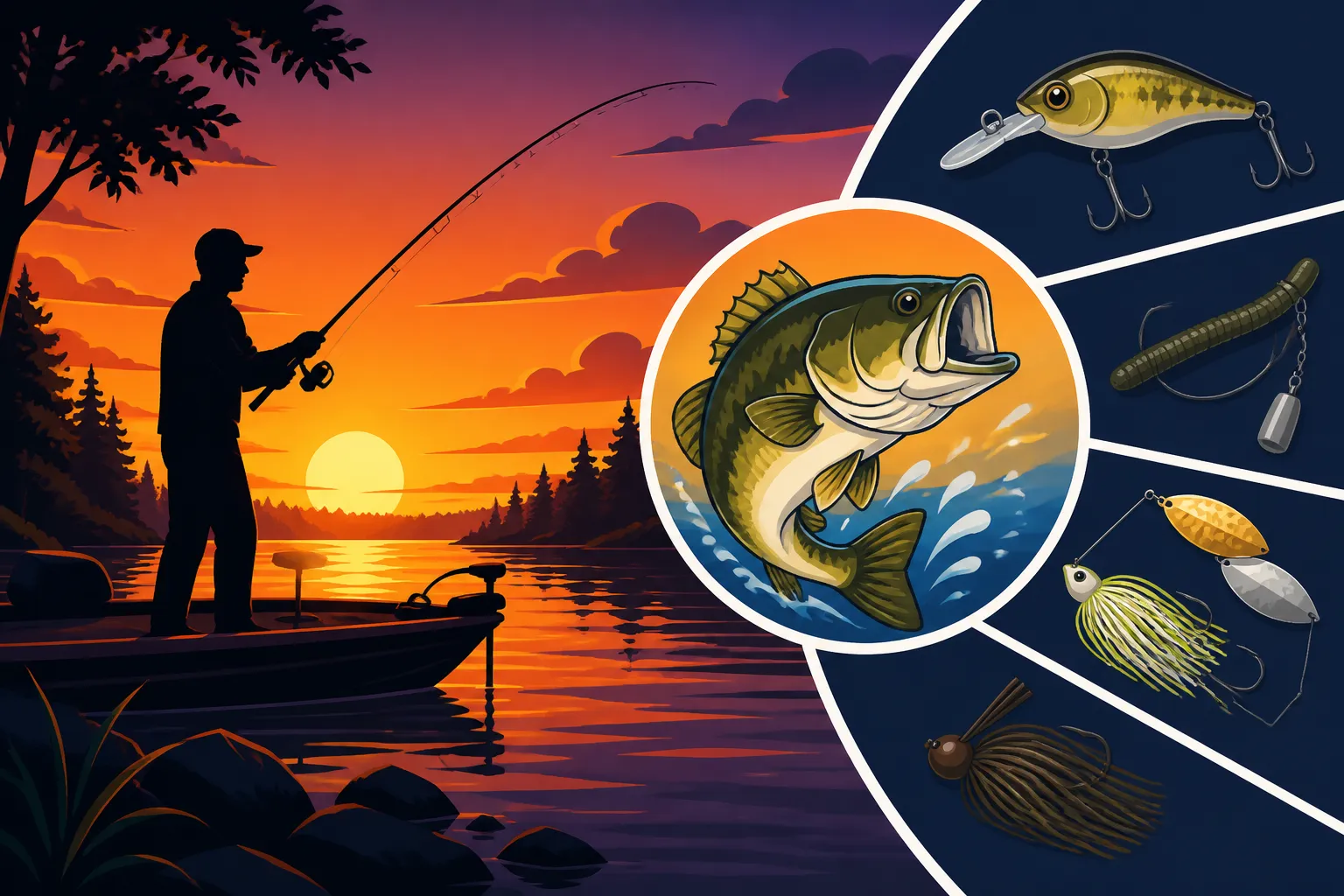
When the light fades, fish rely more on senses other than sight. This means certain lure characteristics become paramount. Dark colors, like black, blue, or purple, create a more defined silhouette against the dim sky or water surface, making them easier for fish to detect. Think about a black buzzbait churning across the surface or a dark jig punching through cover. These stand out far more than lighter, more translucent colors.
Beyond color, lures that create vibration or noise become incredibly effective. Bladed jigs (like a Z-Man ChatterBait), spinnerbaits with thumping blades, and rattling crankbaits all send out sensory cues that fish can home in on in low visibility. For species like catfish, strong-smelling baits like chicken livers, cut bait, or prepared stink baits are irresistible at dusk, as their olfactory senses are dominant. A large, dark plastic worm on a Texas rig or a jig with a hefty trailer are also great choices for bass. You can find a huge variety of these specialized lures and baits on Amazon, ready for your next dusk adventure.
Rods, Reels, and Line Choices
While your favorite rod and reel might work perfectly fine, a few considerations can enhance your dusk fishing experience. Sensitivity becomes incredibly important when you can't rely on visual cues, like line twitching, to detect subtle bites. A graphite rod with a fast action will transmit even the slightest tap directly to your hand. For spinning gear, ensure your reel is smooth and easy to operate by feel.
When it comes to line, fluorocarbon is an excellent choice for its low visibility in water and its exceptional sensitivity. If you're using braided line, consider adding a fluorocarbon leader. Heavier line, within reason, can also be a good idea, as fish often bite more aggressively at dusk, and you might need to muscle them out of cover you can't quite see. Always make sure your drag is set correctly, especially for those powerful evening strikes. Whether you prefer a baitcasting setup for heavy cover or a spinning combo for finesse, having the right Best Rods and Reels for Georgia Fishing can make all the difference.
| Species | Recommended Lure/Bait | Technique Focus | Key Characteristics |
|---|---|---|---|
| Largemouth Bass | Dark-colored Buzzbaits, Jigs, Spinnerbaits, Large Plastic Worms | Topwater, Flipping/Pitching Cover, Slow Rolling | Silhouette, Vibration, Smell |
| Spotted Bass | Small Jigs, Finesse Worms, Grubs | Vertical Jigging, Drop Shot, Slow Retrieve | Subtle Action, Scent |
| Crappie | Small Jigs (dark colors), Live Minnows | Vertical Jigging over brush, Under Lights | Vibration, Visibility (under light) |
| Catfish | Chicken Livers, Cut Bait, Stink Baits | Bottom Fishing (Carolina Rig, Santee Cooper) | Strong Scent, Durability |
| Striped Bass | Live Bait (Herring, Shad), Large Topwater Plugs, Swimbaits | Trolling, Live Lining, Power Fishing | Large Profile, Aggressive Movement |
Mastering Techniques for Georgia's Dusk Bite
The beauty of dusk fishing is that it often calls for a slight shift in your usual approach. What worked during the bright midday might need tweaking, and new opportunities emerge that weren't present an hour earlier. Adapting your techniques is crucial for maximizing this prime feeding window.
Explosive Topwater Action
If there's one technique that truly shines at dusk, it's topwater fishing. There's nothing quite like the heart-stopping explosion of a largemouth bass or a striped bass blowing up on a surface lure as the last vestiges of light fade. Fish are often looking upwards for prey silhouetted against the sky, making topwater presentations incredibly effective.
Walk-the-dog baits like a Heddon Super Spook or a Zara Spook, poppers, and buzzbaits are absolute killers during this time. The key is often a slower, more deliberate retrieve than you might use during the day. Let the lure sit for a moment after casting, then slowly work it, allowing the fish to track its movement in the low light. The sound and vibration from a buzzbait cutting across the surface can draw fish from surprising distances. Don't be afraid to cast right up against cover—docks, fallen trees, weed lines—as fish will often position themselves there for ambush strikes. This is truly the best time of day to fish for bass with surface lures.
Subsurface and Bottom Presentations
While topwater action is thrilling, not all fish will be looking up. As the light dims, many species, including bass, crappie, and certainly catfish, will still be feeding slightly deeper or on the bottom. This means you need to be prepared to switch to subsurface lures and baits as the light diminishes further or if the topwater bite isn't happening.
Spinnerbaits, especially those with larger, thumping blades (like a Strike King Tour Grade Spinnerbait), are excellent for covering water and creating vibration in low light. Slowly roll them near weed edges, submerged timber, or along contours. Jigs with dark-colored trailers, pitched into heavy cover or bounced along the bottom, can entice bigger bass. For crappie, vertical jigging with small, dark-colored jigs or live minnows around brush piles and docks can be incredibly productive. If you're targeting catfish, a tried-and-true bottom rig with stink bait or cut bait will be your best bet, cast into known creek channels, deep holes, or along river bends. Remember, at dusk, sometimes a slower retrieve allows fish to zero in on your offering more easily. If you're thinking about different species, don't forget How to Find Crappie Around Brush Piles is a great read.
The Silent Approach
As the evening quiet descends upon the water, sound travels further and vibrations become more pronounced. This means stealth becomes even more critical than during the noisy daylight hours. Fish that might tolerate a little splash or engine noise during the day can become incredibly wary if they detect your presence at dusk.
If you're fishing from a boat, minimize unnecessary movements and loud conversations. Use your electric trolling motor rather than your outboard, and try to avoid bumping against the boat's side. For kayak anglers or those fishing from the bank, paddle quietly or move slowly and deliberately. Casting without a huge splash can also make a difference. The goal is to present your lure or bait naturally, without alerting the fish to your presence. A silent approach can often mean the difference between a productive evening and a frustrating one.
Species-Specific Strategies for Georgia Dusks
While general techniques apply, tailoring your approach to specific species can greatly increase your success rate during Georgia's twilight hours.
- Bass: For largemouth and spotted bass, start with aggressive topwater lures in low light. As darkness sets in, transition to spinnerbaits, bladed jigs, or dark-colored jigs fished in and around cover. Focus on points, coves, and areas where baitfish are likely to congregate. Remember, that magical feeding window is often short but intense, so be ready to capitalize.
- Crappie: Dusk is prime time for crappie, especially if you can find lighted docks or structures. Crappie are drawn to lights, which attract their food source. Vertical jigging small, dark jigs or live minnows directly under the lights or around nearby brush piles can be deadly. If no lights are available, target the edges of submerged timber or deep brush.
- Catfish: These nocturnal hunters truly come alive at dusk. Focus on deep holes, creek channels, and the bends in rivers. Use strong-smelling baits like chicken livers, cut shad, or commercially prepared stink baits on a Carolina rig or Santee Cooper rig. Cast them out and let them sit, giving the catfish time to find the scent. This is where Night Fishing Techniques for Catfish can really help.
Prioritizing Safety and Preparedness After Dark
Fishing at dusk and into the evening offers incredible rewards, but it also introduces unique challenges, primarily related to reduced visibility. Prioritizing safety isn't just a good idea; it's absolutely essential to ensure your peaceful outing doesn't turn into a perilous one.
Navigating in Low Visibility
This is arguably the biggest safety concern when fishing after dark. What looks familiar in daylight can become disorienting in dim light or complete darkness. Submerged hazards like stumps, rocks, or shallow bars become invisible until you're upon them. This is why it's critical to only fish areas you are extremely familiar with, especially if you're in a boat.
If you're on a larger body of water like Clarks Hill Lake or Lake Seminole, having a reliable GPS unit with detailed lake maps is invaluable. Mark any potential hazards during the day. Go slow, keep a keen eye out, and always have your navigational lights on and functional. For shore anglers, be aware of uneven terrain, drop-offs, or slippery banks. A bright headlamp isn't just for tying knots; it's for safely walking to and from your fishing spot. Always ensure you understand Georgia Boater Education Card Requirements and local boating laws, especially regarding night navigation.
Battling Bugs and the Elements
As beautiful as Georgia's dusk can be, it's also prime time for some less welcome guests: biting insects. Mosquitoes, no-see-ums, and gnats often become most active as the sun sets, especially near water. Coming prepared with a good quality insect repellent is crucial. Many effective repellents can be found on Amazon, from sprays to lotions.
Beyond bugs, the elements themselves can change rapidly after dark. Temperatures can drop significantly, even in summer, so having extra layers of clothing is always a smart move. Keep an eye on the weather forecast; a sudden thunderstorm can be much more dangerous when you can't see properly. Bring rain gear, even if the forecast looks clear. Being cold, wet, and covered in bug bites can quickly ruin an otherwise fantastic fishing trip.
Essential Safety Gear and Communication
Preparation is your best friend for dusk fishing. Beyond lights and bug spray, a comprehensive safety kit should always be on hand. This includes a fully charged cell phone (with a waterproof case), a portable power bank for recharging devices, and extra batteries for your headlamp or boat lights. A whistle or air horn is also important for signaling in an emergency, and remember, Do You Need a Whistle on a Kayak in Georgia? Yes, you do!
Always tell someone your float plan: where you're going, when you expect to return, and who you're with. A small, well-stocked first-aid kit is also a must-have for minor cuts, scrapes, or hook mishaps. Make sure your personal flotation devices (PFDs) are easily accessible and worn, especially if you're on a boat or kayak. Remember, Georgia Life Jacket Laws for Boaters and Kids are there for everyone's safety. When fishing after dark, even the calmest waters can hide unexpected dangers, and being prepared is your ultimate defense.
Disclaimer
Always check the current Georgia Department of Natural Resources (GA DNR) fishing regulations and boating laws before heading out, as rules and conditions can change. Stay safe and enjoy your time on the water!