Fishing Lake Oconee, Georgia
Ah, Lake Oconee! The very name conjures images of serene mornings, breathtaking sunsets, and some of the best fishing Georgia has to offer. But let's be real, even a paradise like Oconee can be daunting. With its sprawling waters, diverse fish populations, and ever-changing conditions, it's easy to feel overwhelmed, especially if you're new to the scene or just visiting. This guide is here to cut through the confusion, offering you an insider's look at how to successfully navigate and fish Lake Oconee, Georgia, ensuring you spend less time guessing and more time reeling in that next big catch.
Understanding Lake Oconee's Unique Character
Lake Oconee, formed by the Oconee River and the Apalachee River, is one of Georgia's true gems, a large reservoir known for its beautiful scenery and incredible fishing opportunities. But it's not just a pretty face; understanding its unique hydrology and the types of fish that call it home is crucial for any angler hoping to find consistent success. You see, Oconee isn't just one big, uniform body of water; it has distinct personalities depending on where you are.
Geography and Hydrology
Lake Oconee is part of Georgia's "Great Lakes" system, connected directly to Lake Sinclair downstream by the Wallace Dam. This connection means the water levels and flow can fluctuate, impacting fish behavior and where they decide to hold. Oconee itself is characterized by its numerous coves, pockets, and vast main lake expanses, offering a tremendous variety of habitats. The northern end, fed by the Oconee and Apalachee rivers, tends to be shallower and stained, especially after heavy rains, providing excellent cover for bass and crappie. As you move south towards the dam, the lake generally deepens and clears, becoming more suitable for species that prefer open water.
The depth varies significantly, from shallow flats and timber-filled coves in the upper reaches to main lake channels exceeding 60 feet near the dam. The presence of abundant standing timber, especially in some of the deeper sections, creates incredible structure but also poses navigation challenges for boaters. Water temperatures also play a critical role throughout the year, influencing everything from fish metabolism to bait presentation, a concept explored in more detail in our guide on how water temperature affects fish behavior. Knowing these nuances – where the rivers feed in, how deep the channels run, and where the timber lies – will give you a significant advantage.
Primary Fish Species to Target
Lake Oconee is a multi-species angler's dream, hosting a robust population of popular game fish. While some lakes might excel in one or two species, Oconee truly offers a diverse platter. The undisputed king for many anglers here is the largemouth bass. You'll find these aggressive predators in every corner of the lake, from shallow docks to deep brush piles. Often overshadowed by the largemouth, but equally thrilling, is the spotted bass, particularly prevalent in the deeper, clearer sections and around rocky points.
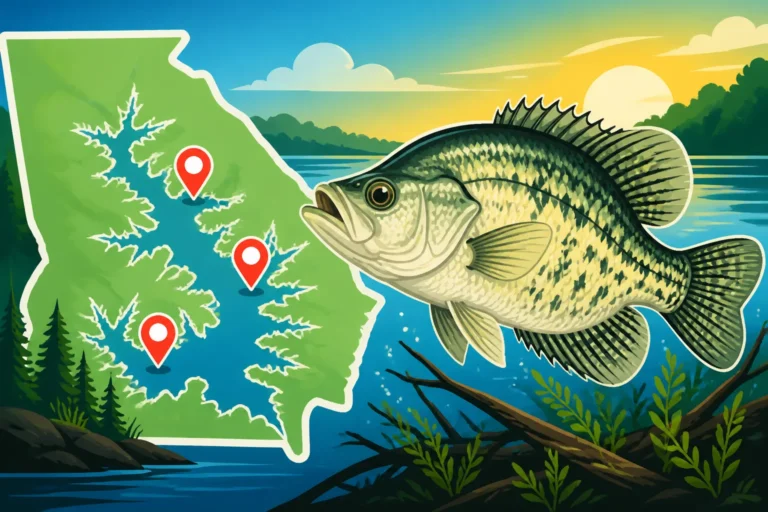
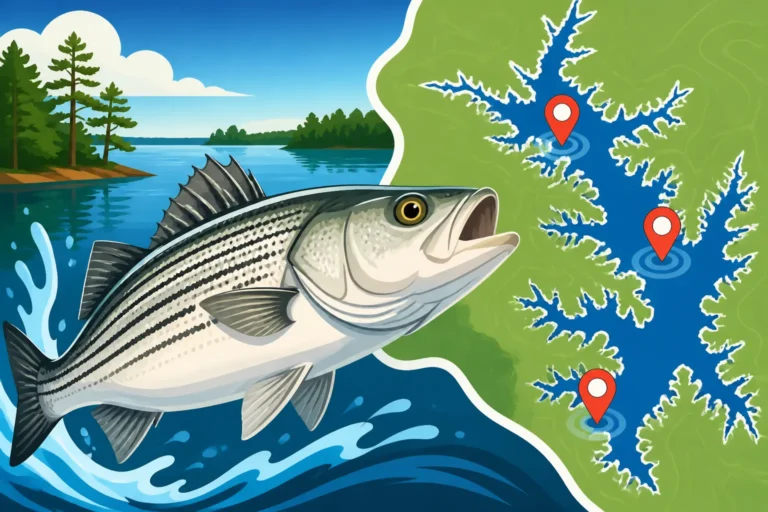
Beyond the black bass, Oconee is renowned for its hybrid striped bass fishery. These hard-fighting fish, a cross between striped bass and white bass, are stocked regularly and provide exhilarating open-water action, especially in the main lake channels. If you're looking for panfish, crappie are abundant, especially in the many timber-filled coves and around submerged brush. And for those who love a good fight, catfish – including channel, blue, and flatheads – lurk in the deeper holes and river channels. Each of these species demands different approaches, baits, and knowledge of their seasonal patterns, which we'll delve into next. Our guide to Lake Oconee's Hybrid Striped Bass Fishery offers an in-depth look at these impressive fish.
Seasonal Fishing Strategies on Oconee
Just like the changing colors of the Georgia landscape, Lake Oconee's fishing patterns evolve with the seasons. What works in April won't necessarily yield results in August, and understanding these shifts is key to consistent success. Anglers who adapt to the seasonal nuances are the ones who consistently fill their livewells or land trophy catches.
Spring: The Spawn Spectacle
Spring is arguably the most anticipated season for many Oconee anglers, especially those chasing bass. As water temperatures begin their gradual climb from the low 50s into the 60s, the lake awakens. Early spring, usually March, sees pre-spawn bass moving from their deeper wintering grounds to secondary points and staging areas near potential spawning coves. This is a fantastic time for throwing lipless crankbaits, spinnerbaits, and jerkbaits as bass are actively feeding to bulk up for the spawn. They're aggressive, looking for an easy meal before the intense reproductive period begins.
As the water warms further, typically peaking in April and early May, the bass move into the shallows for the spawn. Look for them in protected coves, around docks, and in pockets with firm bottoms. This is when sight fishing becomes popular, presenting soft plastics like Senkos, flukes, or creature baits to visible bass on beds. However, remember to practice ethical catch-and-release during this sensitive time to protect the future of the fishery. Crappie also become very active in the spring, moving shallow to spawn around brush and cypress trees, making them easy targets for jigs and minnows. Check out our detailed article on spring bass fishing patterns on Georgia's reservoirs for more insights.
Summer: Deep Water Tactics
When the Georgia summer sun beats down and water temperatures soar into the 80s, the fishing on Lake Oconee shifts dramatically. Many fish, especially bass and stripers, retreat from the baking shallows to deeper, cooler, more oxygenated waters. This means anglers need to shift their focus to offshore structure: ledges, humps, submerged roadbeds, and deep brush piles. For largemouth and spotted bass, deep crankbaats, Carolina rigs, shaky heads, and drop shots become essential tools. Focus on depths of 15-30 feet, especially near main lake channels.
Hybrid stripers and white bass often form large schools in the open water during summer. They can be found chasing baitfish in the main lake, particularly around the power generation cycles of Wallace Dam. Trolling with spoons or artificial jigs, or casting topwater lures at dawn and dusk when they push bait to the surface, can be incredibly effective. Using sonar to locate these schools is almost a necessity. Night fishing for catfish also heats up in the summer, with cut bait or live worms fished on the bottom in deep holes being a prime tactic.
Fall: Feeding Frenzy
Fall on Lake Oconee is a magical time as temperatures cool and fish go on a major feeding binge to prepare for winter. This is when baitfish become highly active and schooling, drawing all the predatory species to shallow and mid-depth ranges. Bass can be found aggressively chasing shad in the backs of creeks and coves. Topwater lures like poppers and walking baits are incredibly effective in the mornings and evenings, often resulting in explosive strikes. Spinnerbaits, crankbaits, and jerkbaits also shine during the day as bass pursue baitfish.
Hybrid stripers and white bass also follow the baitfish into the creek arms and main lake points, often creating exciting surface boils that are visible from a distance. Trolling umbrella rigs or casting spoons into these frenzies can lead to non-stop action. Crappie fishing remains strong, with fish often holding on the edges of channels and brush piles in 10-20 feet of water. The cooler, more stable conditions of fall make for very comfortable and productive fishing days.
Winter: Finding the Warm Spots
Winter fishing on Lake Oconee can be challenging, but it can also offer some of the biggest rewards for persistent anglers. With cold water temperatures, fish metabolism slows, and they become less active. However, Oconee has a unique advantage: the warm water discharge from Plant Scherer, a power plant located near the lake. This warmer water creates a localized thermal refuge that attracts immense numbers of baitfish, and consequently, large concentrations of predatory fish. This makes the Plant Scherer area a major draw for winter anglers.
Outside of the warm water discharge, look for bass to hold in deeper pockets, tight to main lake points, and around submerged timber in 20-40 feet of water. Slow-moving baits like jigging spoons, shaky heads, and football jigs are excellent choices. Hybrid stripers will often school in the deepest channels, especially around the dam, and can be caught vertical jigging with spoons or live bait. Crappie will also suspend in deep timber. Patience and precise boat positioning are key in winter. You might also want to consult our guide on the best time of year to catch bass at Lake Oconee, Georgia, to fine-tune your winter bass strategies.
Top Fishing Spots and Access Points
Knowing where to wet your line on a lake as large as Oconee can feel like finding a needle in a haystack. But with a bit of local knowledge, you can narrow down your search significantly. The lake's diverse geography offers distinct advantages for targeting different species.
Creeks and Coves for Bass and Crappie
Lake Oconee is blessed with numerous productive creek arms and coves, many of which are absolutely brimming with bass and crappie. On the northern end, the Lick Creek and Richland Creek arms are perennial favorites. These areas tend to be shallower, with plenty of standing timber, docks, and submerged brush, creating ideal habitat. In the spring, these creeks are prime spawning grounds for largemouth bass. Anglers will often work spinnerbaits or jigs around the docks and fallen trees. Come summer, bass will retreat to deeper brush piles within these creeks, while crappie will suspend in the timber.
Further down the lake, smaller coves and pockets also offer excellent fishing. Look for areas with a good mix of cover – docks, riprap, and timber are all fish magnets. These spots are particularly good for crappie, especially if you can locate submerged brush piles using your sonar. During the cooler months, the backs of these coves can hold warmer water, concentrating baitfish and predators. Remember that some of the more residential coves might have private docks, so always be mindful and respectful of property lines.
Main Lake for Stripers and Hybrids
If you're after the hard-fighting hybrid striped bass or their striped bass cousins, the main lake is where you'll want to focus your efforts. The vast open waters, especially towards the southern end near the Wallace Dam, are prime territory for these schooling fish. Hybrids and stripers typically follow large schools of baitfish, often threadfin shad, in the deeper channels and across open flats. Keep an eye out for active bird activity – diving seagulls often indicate schooling fish pushing bait to the surface.
Trolling umbrella rigs or live bait like shad or herring are popular and highly effective methods for covering water and locating these schools. When you find them, vertical jigging with heavy spoons or large swimbaits can also produce fast action. The area around Wallace Dam itself is a hotspot, as the current created by power generation attracts both bait and predators. Another key area is the main lake basin near the I-20 bridge, where deep structure and current eddies can hold impressive numbers of fish. For those venturing out for hybrid stripers, it's worth noting that guides on FishingBooker frequently specialize in these exciting trips, offering a great way to learn the ropes.
Public Access and Boat Ramps
Getting your boat on the water or finding a good spot to bank fish is crucial. Lake Oconee offers several excellent public access points and boat ramps, catering to different needs.
- Wallace Dam Access: Located at the southern end of the lake, this ramp provides direct access to the main lake and the prime hybrid striper fishing grounds. It’s well-maintained and typically busy.
- Parkside Boat Ramp: Situated more centrally on the lake, this ramp offers good access to both main lake and creek arm fishing. It's a popular choice for bass anglers.
- Lawrence Shoals Park: This is a fantastic multi-use park that includes a boat ramp, a fishing pier, and plenty of bank access, making it one of the best fishing spots on Lake Oconee for beginners and families. It’s a great place to introduce kids to fishing for bream and smaller bass.
- Long Shoals Park: Another excellent option with a boat ramp and good bank fishing opportunities, especially for those looking to explore the middle sections of the lake.
For those without a boat, the fishing piers and bank access points at Lawrence Shoals Park and some of the bridges crossing creek arms can be quite productive. Always be aware of local regulations, especially regarding any Georgia Fish Size and Creel Limits that might apply to your catch.
Essential Gear and Techniques for Oconee
Stepping onto Lake Oconee without the right gear is like trying to hike the Appalachian Trail in flip-flops – it's just not going to end well. The diverse fishing opportunities demand a versatile approach to tackle and techniques. Investing in appropriate equipment will significantly increase your chances of success and enjoyment.
Rods, Reels, and Line for Diverse Species
Given the variety of fish in Lake Oconee, having a few different rod and reel setups is highly recommended.
- For Largemouth and Spotted Bass: A medium-heavy action casting rod (6'6" to 7'6") paired with a baitcasting reel spooled with 15-20 lb fluorocarbon or braided line is a versatile choice. This setup handles everything from pitching jigs into cover to throwing crankbaits. For lighter presentations like shaky heads or drop shots, a medium action spinning rod (6'9" to 7'3") with a spinning reel spooled with 8-12 lb fluorocarbon or braided line with a fluorocarbon leader is ideal.
- For Hybrid Striped Bass and Striped Bass: You'll need more power for these hard fighters. A medium-heavy to heavy action casting or spinning rod (7' to 7'6") with a strong reel capable of handling 20-30 lb braided line is essential. These fish put up an incredible fight, and underpowered gear can quickly lead to heartbreak. When trolling umbrella rigs, specific trolling rods are often used to handle the drag.
- For Crappie: Light tackle is the name of the game for crappie. A light to ultralight action spinning rod (5' to 7') paired with a small spinning reel spooled with 4-6 lb monofilament or braided line is perfect for jigging or fishing with small minnows. Sensitivity is key to feeling those subtle crappie bites.
- For Catfish: For bottom fishing, a medium-heavy to heavy action rod (7' to 9') with a sturdy baitcasting or spinning reel spooled with 20-50 lb monofilament or braided line is necessary to handle heavy weights and large fish. You don't want to get spooled by a monster blue cat!
Having a selection allows you to quickly adapt to different situations, whether you're targeting big bass in shallow cover or chasing schooling stripers in open water.
Effective Baits and Lures
The choice of bait and lure can make or break your day on Lake Oconee. Matching the hatch – or at least offering something appealing – is paramount.
- For Bass:
- Soft Plastics: Senkos, trick worms, creature baits, and flukes are Oconee staples, particularly effective around docks, brush, and during the spawn. Texas rigs and shaky heads are popular presentations.
- Crankbaits: Square bills for shallow cover, medium divers for points and ledges, and deep divers for offshore structure all have their time and place. Colors mimicking shad or bream are often productive.
- Jigs: Football jigs, swim jigs, and flipping jigs are excellent for targeting bass around timber, rocks, and brush.
- Topwater: Poppers, walking baits, and buzzbaits provide exciting surface action, especially during low light conditions or when bass are actively chasing bait.
- Spinnerbaits & Chatterbaits: Great for covering water and fishing through sparse cover.
- For Hybrid Striped Bass: Live bait like threadfin shad or herring is tough to beat. Artificial options include bucktail jigs, large spoons (like a 'Flex-it' spoon), and swimbaits, especially when fish are schooling. Trolling umbrella rigs with small swimbaits or Sassy Shads can also be highly effective.
- For Crappie: Small jigs (1/16 to 1/8 oz) in chartreuse, white, or black-and-chartreuse are consistent producers. Tipping jigs with a small minnow can be deadly. Live minnows under a bobber are also a classic and effective method. If you're looking for more info, our guide on how to jig for crappie has some excellent tips.
- For Catfish: Cut bait (shad, bream), chicken liver, nightcrawlers, and prepared stink baits are all excellent choices. For larger flatheads, live bream or sunfish are preferred.
Always carry a variety, as fish preferences can change throughout the day.
Electronic Aids and Their Importance
In today's fishing world, electronics are no longer a luxury but a crucial tool for success, especially on a large, complex reservoir like Lake Oconee.
- Sonar/Fish Finders: A good quality sonar unit with down imaging and side imaging capabilities is invaluable. It allows you to locate submerged timber, brush piles, ledges, and humps where fish hold. More importantly, it helps you identify schools of baitfish and the predators lurking nearby. Brands like Humminbird and Lowrance offer excellent options.
- GPS and Mapping: Integrated GPS with detailed lake maps is essential for navigation, especially if you're not intimately familiar with Oconee. It allows you to mark waypoints for productive spots, follow contours, and safely navigate the lake's many hazards (like submerged timber). Modern units often come pre-loaded with highly detailed C-MAP or Navionics charts.
- Trolling Motors: A reliable electric trolling motor, especially one with GPS anchoring capabilities (like Minn Kota's Ulterra or Garmin's Force), makes boat control incredibly easy. It allows you to precisely position your boat over structure, hold steady in current, or slowly creep through prime fishing areas without constantly deploying and retrieving an anchor.
These tools, when used effectively, can drastically cut down your search time and allow you to focus on presenting your bait where the fish are actually holding. If you're considering a guided trip, local captains on platforms like FishingBooker come equipped with top-tier electronics, giving you a distinct advantage.
Navigating Regulations and Best Practices
Fishing on Lake Oconee, like anywhere else in Georgia, comes with its own set of rules and unwritten etiquette. Understanding and adhering to these is not only a legal requirement but also crucial for preserving the fishery for future generations. Don't let ignorance lead to a hefty fine or, worse, harm to the ecosystem.
Key Georgia Fishing Regulations
Before you even cast a line, ensure you have the proper documentation. A valid Georgia fishing license is required for anyone 16 years of age or older. You can easily obtain one online, by phone, or from a licensed agent. Our comprehensive Georgia Fishing License Guide breaks down all the requirements. It’s important to remember that licenses are typically valid for 365 days from the date of purchase, not just for the calendar year.
Beyond the license, familiarize yourself with the specific regulations for Lake Oconee, which generally fall under statewide rules but can have local exceptions:
- Size and Creel Limits: Georgia has statewide regulations for most species, but certain lakes or river sections might have specific rules. For example, the statewide largemouth bass limit is 10 fish per day, with no minimum size limit, but it's always wise to check if any specific regulations apply to Oconee, especially for other species like crappie or striped bass. Our detailed guide on Georgia Fishing Regulations Explained provides all the necessary information.
- Mountain Trout License: While Oconee is not a trout fishery, if your trip includes venturing into North Georgia for trout, remember you’ll need a separate Mountain Trout License in addition to your basic fishing license.
- Saltwater Information Permit: Again, not applicable to Oconee, but important for coastal fishing. It’s a free permit required for saltwater anglers.
Always keep a copy of the current Georgia fishing regulations guide, available from the Georgia Department of Natural Resources (DNR) website or at license agents. It’s a small effort that can save you a lot of trouble.
Conservation and Catch-and-Release
As passionate anglers, we all have a responsibility to be stewards of our natural resources. Lake Oconee is a vibrant fishery because of past and ongoing conservation efforts, and we play a role in its future health.
- Catch-and-Release: While keeping a few fish for a delicious meal is part of the experience, practicing selective harvest and catch-and-release is vital. This is especially true for larger, trophy-sized bass, which are crucial breeders for the population. If you do catch a fish you intend to release, handle it gently, minimize its time out of water, and ensure it's revived before letting it go. Proper handling techniques, such as using wet hands, supporting the fish horizontally, and avoiding gill plate contact, greatly increase survival rates.
- Respecting the Environment: Pack out everything you pack in. Leaving trash, discarded fishing line, or bait containers on the shore or in the water degrades the environment and harms wildlife. Use designated trash receptacles at parks and ramps.
- Reporting Violations: If you witness someone violating fishing regulations or engaging in illegal activities, report it to the Georgia DNR Law Enforcement Division. Their efforts are crucial in protecting our fisheries.
By being mindful of regulations and embracing conservation practices, we ensure that Lake Oconee remains a premier fishing destination for years to come.
Disclaimer
The information provided in this guide is for general informational purposes only and does not constitute legal advice. Fishing regulations in Georgia are subject to change, and it is the angler's sole responsibility to consult the most current regulations published by the Georgia Department of Natural Resources (DNR) before fishing. Always prioritize safety, responsible fishing practices, and adherence to all local, state, and federal laws.