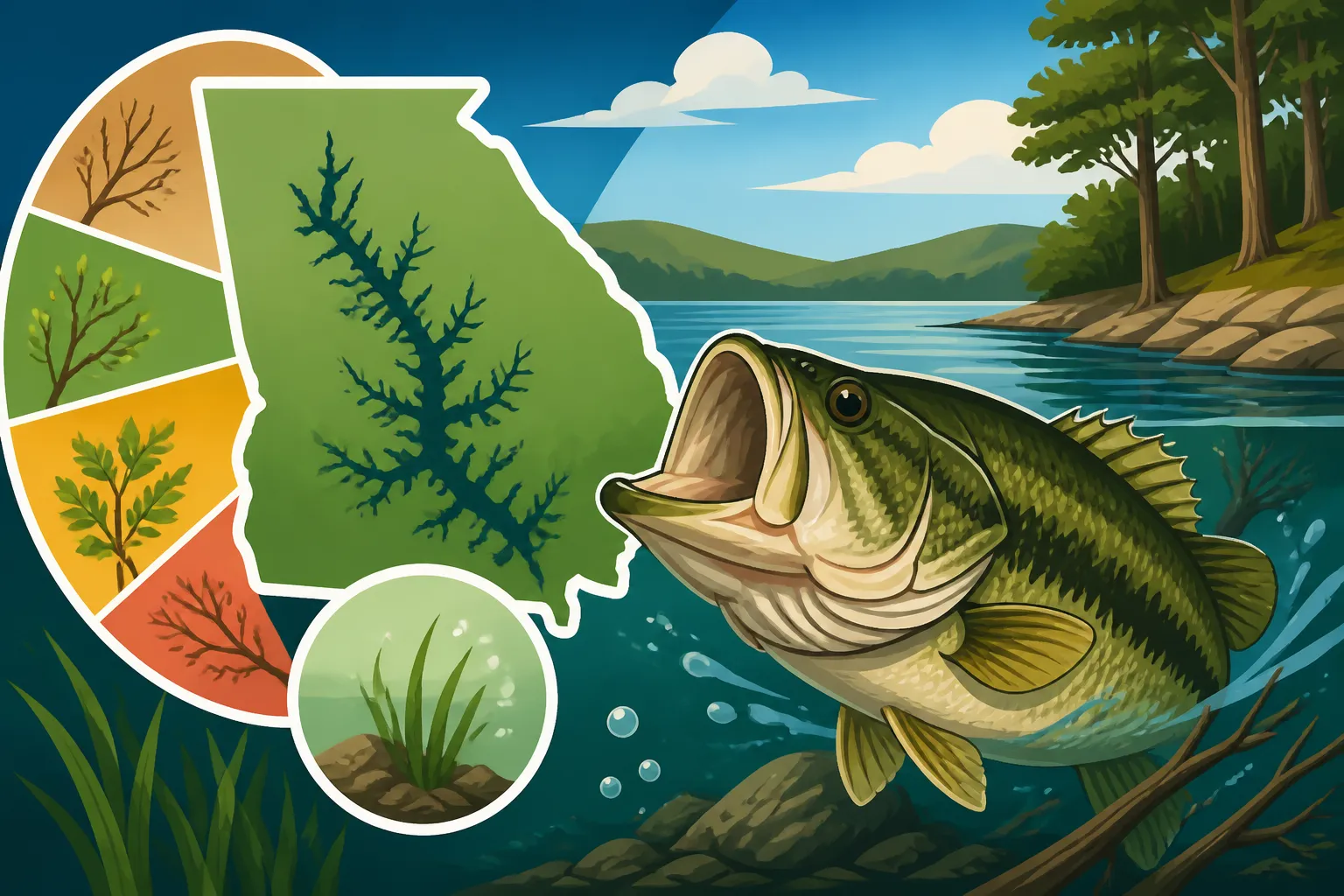
Pre-Spawn Bass Timing on Georgia’s Reservoirs
There’s nothing quite like the anticipation of spring fishing in Georgia, but sometimes it feels like the bass vanish into thin air right before the spawn. You might hit the lake, expecting to find those big, hungry pre-spawn females, only to come up empty-handed. It’s frustrating when you know they’re in there, but you just can't seem to figure out their timing or where they’ve decided to stage. This guide is all about demystifying the pre-spawn bass timing on Georgia's reservoirs, helping you understand the subtle cues that signal prime fishing, and get you hooked up with some truly memorable catches.
Understanding the Pre-Spawn Period in Georgia
The pre-spawn period is arguably one of the most exciting times to be on the water. It’s when largemouth and spotted bass are at their fattest and most aggressive, gorging themselves in preparation for the energy-intensive act of spawning. Missing this window means missing some of the best fishing opportunities of the year.
What is Pre-Spawn and Why It Matters
Think of pre-spawn as the bass's last big buffet before the main event. Before they move onto their beds to spawn, these fish need to pack on calories. They become highly active, moving from their deeper winter haunts into shallower staging areas, typically around points, submerged humps, channel swings, and ledges close to future bedding grounds. This makes them incredibly susceptible to a variety of presentations, as they're actively searching for food rather than being territorial or lethargic.
For anglers, this translates into a unique opportunity to catch larger, heavier bass. These fish aren't just eating; they're feasting. Their metabolism is kicking into high gear, and they're less finicky than during other times of the year. Understanding this period is crucial because it dictates where the fish will be, what they'll be willing to eat, and how aggressively they'll strike. It's a sweet spot in the annual fishing calendar that every Georgia angler dreams of hitting just right.
Key Environmental Triggers: Water Temperature and Photoperiod
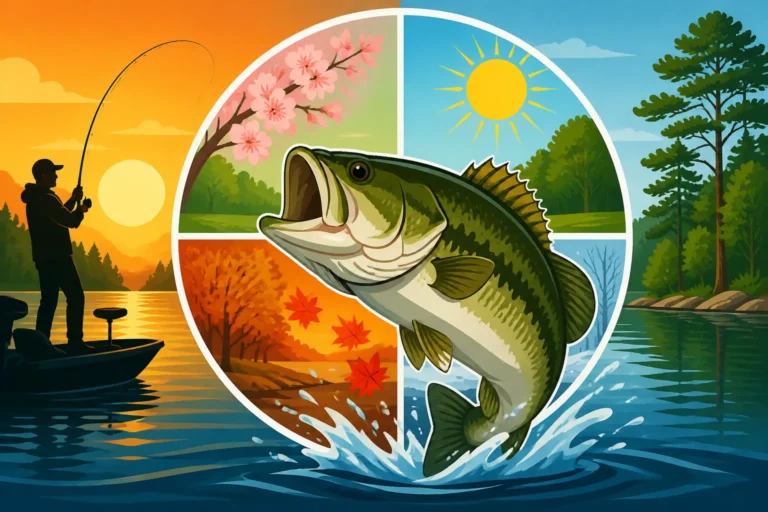
The timing of the pre-spawn bite in Georgia is primarily governed by two environmental factors: water temperature and photoperiod (the length of daylight). As the days get longer and the sun sits higher in the sky, it naturally signals to the fish that spring is approaching. However, it's the water temperature that really dictates the precise timing of their movements and feeding patterns.
Generally, bass begin to transition into their pre-spawn patterns when water temperatures consistently reach the high 40s to low 50s Fahrenheit. Once the water hits around 50-55 degrees, you'll see a significant increase in activity. The ideal range for active pre-spawn feeding usually sits between 55 and 62 degrees. Anything below 50 degrees, and they're still likely in deeper winter patterns, while anything consistently above 62 degrees, and many will have moved onto their beds for the actual spawn. Keep an eye on your fish finder's temperature gauge; it's your best friend during this time. Remember, understanding How Water Temperature Affects Fish Behavior is key to cracking the code.
Navigating Pre-Spawn Timing Across Georgia's Reservoirs
Georgia is a big state, and its reservoirs vary greatly in size, depth, and location. This means that while the general principles of pre-spawn apply, the specific timing can differ significantly from one lake to another. What works on Lake Lanier in late March might be too early for the mountain lakes or too late for the southern impoundments.
Regional Variations: North vs. South Georgia
You wouldn't expect bass to spawn at the same time in the chilly mountain lakes of North Georgia as they do in the warmer reservoirs closer to Florida, and you'd be right. The pre-spawn window generally opens earlier in South Georgia and gradually moves north.
In South Georgia reservoirs, like Lake Seminole or Walter F. George, the water warms up faster due to a combination of lower elevation, more direct sunlight exposure, and simply being closer to the equator. Here, pre-spawn activity can kick off as early as late February, peaking through March, and transitioning into the spawn by early April. Anglers in this region often get a head start on the rest of the state.
As you move into Central Georgia, to lakes like Lake Sinclair or Lake Oconee, the pre-spawn typically runs from mid-March through mid-April. These lakes are often a good indicator of the "main event" for much of the state, experiencing strong, predictable pre-spawn bites.
Finally, in the North Georgia mountains, where lakes like Lanier or Chatuge reside, the colder winter temperatures linger longer. Pre-spawn doesn't usually get into full swing until late March, often peaking in April, and sometimes even extending into early May before the full spawn takes over. If you're looking for Spring Bass Spawn Timing on Georgia's Lakes across the state, these regional differences are paramount.
Lake-Specific Timing Examples
Let's dive into a few popular Georgia reservoirs to give you a clearer picture of their typical pre-spawn windows:
- Lake Lanier: As a deep, clear, and relatively cold North Georgia reservoir, Lanier tends to be on the later side. Expect the pre-spawn push to really get going in late March, with April being a prime month. The bass will stage on main lake points, secondary points, and along the abundant submerged timber, preparing to move into the countless coves and creeks. Knowing the Best Time of Year to Catch Bass at Lake Lanier, Georgia will definitely improve your chances.
- Lake Oconee: Situated in Central Georgia, Lake Oconee warms up a bit faster than Lanier. Its pre-spawn activity usually heats up in mid-March, continuing strong through April. Bass will congregate around the numerous docks, riprap, and submerged hydrilla beds that Oconee is famous for, especially where these features meet a channel swing. This is often a fantastic lake for consistent pre-spawn action, as highlighted by resources on the Best Time of Year to Catch Bass at Lake Oconee, Georgia.
- Lake Sinclair: Right next door to Oconee and sharing much of its warm-water characteristics, Lake Sinclair offers a very similar pre-spawn timeline. Mid-March to mid-April is prime. The bass here love rocky banks, boat docks, and shallow pockets with brush. It's also known for Winter Fishing at Lake Sinclair While Other Georgia Lakes Slow Down because of its warm power plant discharges, which can sometimes kick off localized pre-spawn activity even earlier.
- Clarks Hill Lake (Lake Thurmond): Straddling the Georgia-South Carolina border, Clarks Hill is a massive reservoir that offers varied pre-spawn opportunities. Its northern reaches warm slower, while the main lake and southern arms heat up quicker. Generally, you can expect the pre-spawn bite to be solid from mid-March to late April. Bass will be staging on long, tapering points, humps, and around any remaining offshore cover. For more details, check out the Best Time of Year to Catch Bass at Clarks Hill, Georgia.
Essential Techniques and Tackle for Pre-Spawn Success
Hitting the pre-spawn right isn't just about timing; it's also about presenting the right lure in the right place at the right time. Bass in this phase are aggressive, but they can still be particular about what they eat and how it’s presented.
Lures and Baits That Shine During Pre-Spawn
When bass are in pre-spawn mode, they're looking for a substantial meal. This means bigger baits that imitate larger forage are often the ticket. Here are some of the most effective choices:
- Jerkbaits: A suspending jerkbait, like those from manufacturers such as Rapala or Lucky Craft, is absolutely deadly when water temperatures are in the mid-50s. The erratic action and the ability to pause the bait right in a bass's face can trigger aggressive reaction strikes. Work them with a "twitch-twitch-pause" retrieve, varying the pause length until you find what the fish want.
- Crankbaits: Medium-diving crankbaits (think square bills or those that run 6-12 feet deep) in crawfish patterns or shad imitations are fantastic. They deflect off cover, mimicking a fleeing baitfish or crawfish, which often infuriates a pre-spawn bass into striking. The key is to make contact with submerged cover like stumps, rocks, or brush piles.
- Jigs: A good old-fashioned football or pitching jig (½ to ¾ ounce) with a chunk or craw trailer is a classic pre-spawn producer. Bass are often lurking around cover in these staging areas, and a jig perfectly imitates a crawfish or a bream. Flipping jigs into wood or rock piles, or slowly dragging a football jig along points, can be incredibly effective. Consider looking for quality jig options on platforms like Amazon.
- Spinnerbaits: Chartreuse and white or white and silver spinnerbaits are excellent for covering water quickly, especially on windy or cloudy days. The flash and vibration can draw strikes from aggressive bass. Target rocky points, submerged vegetation lines, and the edges of creek channels.
- Swimbaits: Both hard and soft swimbaits can entice big pre-spawn females. Larger paddle-tail soft plastics on a weighted swimbait hook, or even smaller hard-bodied jointed swimbaits, can imitate the larger shad or bream that bass are keying in on.
- Lipless Crankbaits: These baits are fantastic for working over the tops of submerged grass beds or ripping through hydrilla. Brands like Rat-L-Trap have been staples for generations. They cover water quickly and their loud rattle can attract curious bass from a distance.
When choosing lures, refer to a guide like Choosing Lures by Season to fine-tune your selection.
Strategic Fishing Locations and Presentations
Knowing where to throw these lures is just as important as knowing what to throw. During pre-spawn, bass are typically found in transition areas, not yet on the beds, but not in their deep winter holes either.
- Secondary Points: These are major highways for pre-spawn bass. Look for points inside major creeks or coves that have access to deeper water but also shallow flats nearby. Bass will stage on the deeper side of the point and move up to feed.
- Channel Swings: Where a creek channel or river channel swings close to a shallow flat, it creates an ideal ambush point. Bass can comfortably hold in the deeper water and quickly move up to feed on passing bait.
- Submerged Cover: Think stumps, brush piles, rock piles, and especially hydrilla or other aquatic vegetation. Bass use these as cover and ambush points. Fishing around How to Catch Bass Around Submerged Timber is particularly effective during this time.
- Rock and Riprap: Rocky banks, riprap around bridges, and jetties absorb heat faster than mud or sand, making them prime sunning and feeding spots for pre-spawn bass. A crankbait or jig worked along these areas can be deadly.
- Docks and Pontoons: Particularly in clearer lakes like Lanier, bass will stage under and around docks, using them for cover and warmth. Pitching jigs or soft plastics into the shady areas under docks can often yield big fish.
The key is to focus on areas that offer a quick retreat to deeper water combined with access to warmer, shallower feeding zones. Slow presentations are often best, allowing the fish to really inspect the bait, but don't be afraid to experiment with more aggressive retrieves, especially on warmer days.
Adjusting Your Approach for Weather and Water Conditions
Georgia weather in spring can be fickle. One day it's warm and sunny, the next a cold front blows through, or heavy rains muddy up the water. Adapting your pre-spawn strategy to these changes is paramount for consistent success.
The Impact of Cold Fronts and Rain
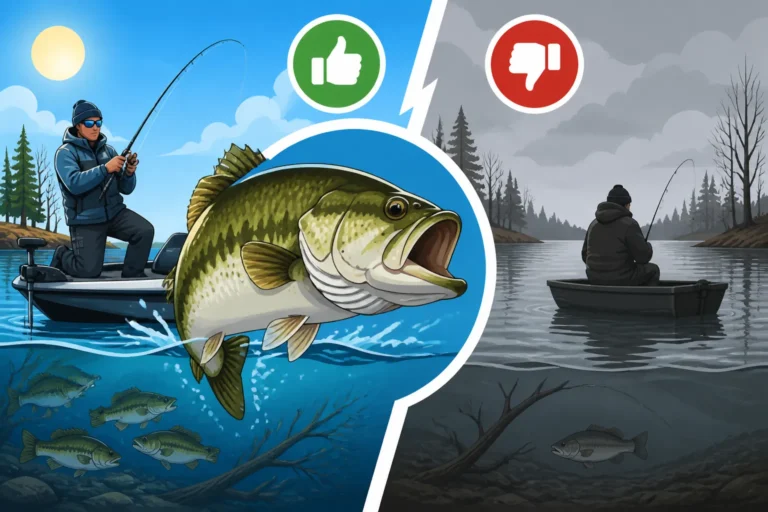
A sudden cold front is probably the most challenging condition you'll face during pre-spawn. Just when the fish start getting active, a cold front can cause water temperatures to drop, sending bass scurrying back to deeper, more stable water.
- After a Cold Front: The bass will often move deeper and become much less active. This is when you need to slow down your presentation considerably. Jigs fished slowly on the bottom, or even a drop shot rig, can coax a bite from sluggish fish. Target structure in deeper water near where they were staging. For more on this, check out Why Bass Go Deep After a Cold Front and How to Fish After a Cold Front. Bright, sunny skies post-front often mean the fish will hug cover tighter.
- Before a Cold Front: Conversely, the fishing just before a cold front can be absolutely phenomenal. Bass sense the change coming and often go on a feeding spree, becoming incredibly aggressive. This is when fast-moving baits like crankbaits, spinnerbaits, and even topwater lures (if the water is warm enough) can produce explosive strikes.
- Rainy or Cloudy Days: These conditions can be excellent for pre-spawn bass, as the reduced light penetration makes fish feel more comfortable moving into shallower water, even in the middle of the day. This is prime time for spinnerbaits, chatterbaits, and even topwater frogs or poppers if the water temperature allows. The low light can also mask your presence, making fish less spooky.
Reading Water Clarity and Depth
Water clarity plays a huge role in lure selection and presentation during pre-spawn.
- Clear Water: In clear reservoirs like Lake Lanier or parts of Lake Hartwell, fish often rely more on sight. Natural-colored baits (shad, clear minnow, green pumpkin) are usually best. Long casts and subtle presentations are often key, as fish can see you and your boat. Fluorocarbon line is a must for its invisibility.
- Stained or Muddy Water: In stained lakes like West Point or after heavy rains on any lake, bass rely more on their lateral line to detect vibrations. This is when loud, rattling baits like lipless crankbaits, spinnerbaits with large thumping blades, or jigs with bulky trailers really shine. Bright colors like chartreuse, orange, or even black and blue can be highly effective. The low visibility allows you to fish closer to cover without spooking the fish.
Depth also dictates your approach. Early in pre-spawn, fish might be deeper, requiring slower, bottom-oriented baits. As the water warms, they'll push shallower, making reaction baits more effective. Always work baits through different depths until you find where the fish are holding that day. Consider adding a good fish finder to your arsenal, easily found on Amazon, to help you pinpoint those depth transitions and submerged structure.
Disclaimer
Fishing conditions and regulations in Georgia can change. Always consult the official Georgia Department of Natural Resources (GDNR) guidelines for the most current rules and licensing requirements before heading out on the water. This guide is for informational purposes only and should not replace official sources.