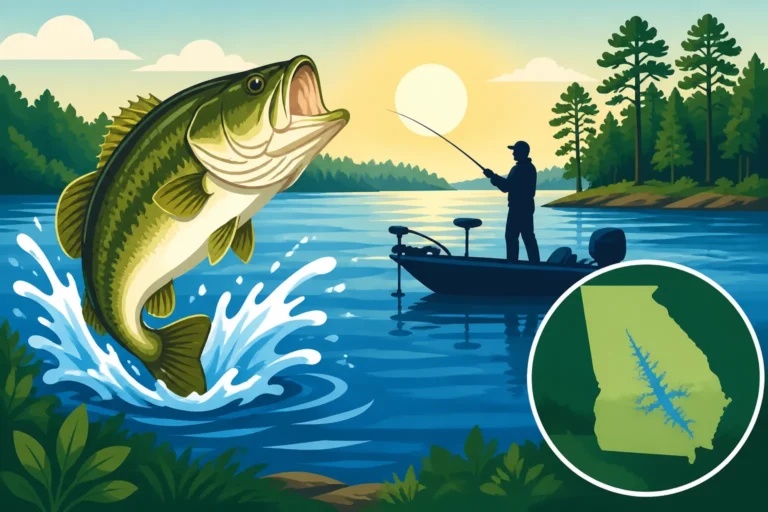
Lake Lanier Fishing Guide, Georgia
Oh, Lake Lanier. Just hearing the name conjures up images of endless coves, shimmering water, and the promise of a bent rod. But for many anglers, especially those new to this massive North Georgia gem, it can feel overwhelming. Where do you even start? This isn't just a pond; it's a sprawling reservoir with its own moods and secrets, making finding the fish a real head-scratcher. This comprehensive guide is here to unravel those mysteries, helping you understand Lake Lanier's unique characteristics and equipping you with the knowledge to consistently find and catch fish, no matter the season or your target species.
Understanding Lake Lanier's Unique Ecosystem
Lake Lanier is more than just a big body of water; it’s a dynamic ecosystem shaped by its purpose as a flood control and power generation reservoir. Covering nearly 38,000 acres and boasting over 692 miles of shoreline, it’s a playground for recreationalists, but for us anglers, it represents a complex habitat. Its depth, clarity, and vast network of feeder creeks and submerged structures create diverse environments for various fish species, each with its own preferences. Ignoring these nuances is like trying to navigate Atlanta traffic without GPS – you’re bound to get lost.
The Lake's Size and Structure
When you first lay eyes on Lake Lanier, its sheer scale can be daunting. It's one of Georgia's largest lakes, and that size translates to incredible structural diversity. We're talking about deep main lake channels, dozens of major creek arms, countless secondary points, humps, and submerged timber. The original Chattahoochee and Chestatee River channels wind through the lake, often reaching depths of over 100 feet near the dam. These deep channels are crucial highways for pelagic species like striped bass and offer thermal refuge for all fish during extreme temperatures. Beyond the main channels, you'll find extensive shallow flats, especially in the upper arms of the lake, which become prime spawning grounds in the spring.
The reservoir's creation in the 1950s meant submerging vast tracts of land, leaving behind an underwater landscape rich with old roads, foundations of homes, standing timber, and brush piles. These hidden structures are absolute magnets for bass, crappie, and other species, providing cover, ambush points, and forage areas. Knowing where these structures lie, often requiring good sonar or detailed mapping, is key to unlocking some of Lanier's best fishing. The topography varies greatly, from steep, rocky bluffs in the southern end to more gradual, red clay banks further north, each supporting different types of aquatic vegetation and baitfish.
Primary Forage and Water Clarity
What's on the menu significantly dictates where the fish will be and what they'll eat. On Lake Lanier, the dominant forage species are threadfin and gizzard shad. These baitfish form the base of the food chain, especially for the predatory species we love to chase, like bass and stripers. Understanding their seasonal movements – from schooling in shallow coves in spring to migrating to deeper channels in summer – is vital intelligence for any angler. Crappie and panfish also rely heavily on insect larvae, small crustaceans, and smaller baitfish.
Water clarity on Lake Lanier can vary quite a bit depending on the season, recent rainfall, and location. The lower end of the lake, closer to the dam, typically maintains clearer water, often with visibility extending several feet. As you move up the major creek arms and into the river sections, especially after heavy rains, the water can become stained or even muddy, carrying runoff from agricultural and urban areas. This shift in clarity impacts fish behavior; in clearer water, fish might be more wary and require lighter lines and more subtle presentations, while stained water allows for more aggressive lures and brighter colors. Keeping an eye on water conditions is a non-negotiable part of a successful day on Lanier.
Key Fish Species to Target in Lake Lanier
Lake Lanier is a true multi-species haven, offering incredible angling opportunities for a variety of popular game fish. While some lakes might specialize in one or two species, Lanier provides consistent action for several, making it a fantastic destination whether you're after a trophy or just a fun day of catching. Each species has its own habits and preferred habitats, so understanding them is your first step to filling your livewell or getting that hero shot.
Largemouth and Spotted Bass Strategies
The black bass fishery in Lake Lanier is robust, dominated by both largemouth and spotted bass. While largemouth are often the target of many tournament anglers seeking that big kicker fish, spotted bass are incredibly abundant and often make up the bulk of catches. Learning to differentiate between them is helpful, and you can learn more about how to identify a largemouth bass or even the differences between Largemouth Bass vs Spotted Bass: How to Tell Them Apart in Georgia.
Largemouth bass in Lanier prefer areas with ample cover, such as submerged timber, docks, brush piles, and rocky outcroppings. You'll often find them in the shallower, flatter coves and creek arms, especially during the spring spawn. They tend to relate more to visible structure. Spotted bass, on the other hand, are the undisputed kings of the main lake and deeper water. They thrive on rocky points, humps, offshore ledges, and deep-water brush. Spots are notorious for schooling up in massive numbers, often chasing baitfish in open water. During the warmer months, if you're marking schools of bait and fish suspended offshore, chances are you've found a school of hungry spotted bass. Flipping jigs into heavy cover, throwing crankbaits on points, or using a drop shot rig on deep structure are all proven tactics for both species, with slight adjustments for depth and cover preferences.
Chasing Striped Bass and Hybrids
Lake Lanier is world-renowned for its striped bass fishery, and for good reason. These powerful, ocean-going transplants thrive in the lake's deep, cool waters and ample forage. Alongside true stripers, you'll also find hybrid striped bass, which are a cross between a striped bass and a white bass. Both put up an incredible fight and are fantastic table fare. Understanding their movements is crucial; they are highly migratory and follow the baitfish schools around the lake. You can explore more about Striped Bass and Hybrid Striped Bass in Georgia Waters to sharpen your understanding.
Stripers and hybrids can be found year-round, but their locations change dramatically with the seasons. In cooler months, they might be found in shallower creek arms, ambushing shad. As water temperatures rise in summer, they retreat to the cooler, oxygen-rich depths of the main lake, often suspended over old river channels or congregating around thermal breaks. Live bait, particularly blueback herring or gizzard shad, is exceptionally effective for these fish, often fished on planer boards, downlines, or freelines. Artificial lures like bucktail jigs, swimbaits, and topwater plugs can also be incredibly productive when stripers are actively busting schools of bait on the surface, especially during the spring and fall transitions. Look for bird activity – gulls diving often indicate schooling bait and feeding stripers below! To maximize your chances, consider hiring a local guide through platforms like FishingBooker, who can put you directly on these moving schools.
Crappie and Panfish Opportunities
While bass and stripers get most of the glory, Lake Lanier offers some truly excellent crappie and panfish fishing, perfect for a more relaxed outing or introducing kids to the sport. Black crappie are abundant, and while white crappie are less common, they are present. You can delve deeper into Crappie Fishing in Georgia: Black and White Crappie Guide to identify them and their habits.
Crappie are most active and accessible in the spring when they move into shallow, brushy areas to spawn. Docks, submerged brush piles, standing timber, and bridge pilings are prime locations. Small jigs (1/16 to 1/8 ounce) tipped with soft plastics or live minnows fished under a bobber are deadly effective. As summer heat sets in, crappie move to deeper brush piles and timber, often suspended at specific depths, requiring vertical jigging or spider rigging techniques to reach them. Bluegill and other sunfish, collectively known as bream, are prevalent in virtually every shallow cove and shoreline area with cover. Worms or crickets fished under a bobber near docks, weeds, or fallen trees are simple yet highly effective methods for catching these feisty panfish, making them an ideal target for family-friendly fishing coves on Lake Lanier.
Seasonal Fishing Patterns on Lake Lanier
Lake Lanier isn't a static fishery; it's a dynamic environment where fish behavior changes dramatically with the seasons. What works in April probably won't work in August, and understanding these shifts is paramount to consistent success. It’s like clockwork, but the clock sometimes gets a little out of whack with unpredictable weather, making local knowledge and adaptability your best friends. Knowing the best time of year to catch bass at Lake Lanier, Georgia, for example, involves understanding these seasonal nuances.
Springtime Spawn and Feeding Frenzy
Spring is arguably the most exciting time to fish Lake Lanier, as warming water temperatures trigger a massive movement of fish. As the water inches into the 50s and then 60s Fahrenheit, largemouth and spotted bass begin their pre-spawn ritual, moving from deep wintering grounds to secondary points and staging areas near shallow spawning flats. They feed aggressively to bulk up for the spawn, making them susceptible to a wide array of lures, including crankbaits, spinnerbaits, and jigs.
Once the water hits the mid-60s, bass move onto beds in protected coves, under docks, and around shallow brush. This is when sight fishing for largemouth can be productive, though spotted bass tend to spawn in slightly deeper, rockier areas. Crappie also move shallow to spawn, congregating around brush piles and docks in 3-10 feet of water. Stripers and hybrids, while not spawning in the lake, will follow baitfish into shallower creeks, offering fantastic topwater action as they chase shad. Spring is a time of high energy, and knowing where fish spawn or feed aggressively in anticipation is key to capitalizing on this feeding frenzy.
Summer Deep Water Tactics
As Georgia's summer heat sets in and water temperatures soar into the 80s, Lake Lanier transforms into a deep-water fishery. Fish, especially bass and stripers, will seek refuge from the heat and bright sun in deeper, cooler, more oxygenated water. This means focusing your efforts on main lake points, humps, ledges, and the deep river channels. Don't be surprised to find fish suspending 20-60 feet down, or even deeper, particularly during the middle of the day.
For bass, this often means employing deep-diving crankbaits, Carolina rigs, drop shots, and football jigs fished slowly along the bottom of structure. Early mornings and late evenings might see some bass pushing bait closer to the surface, offering brief topwater windows. Stripers become a deep-water game, often requiring downriggers, lead core line, or heavy spoons and live bait fished vertically over deep schools of shad. Night fishing spots on Lake Lanier, Georgia, also become highly productive during the summer for both bass and catfish, as fish move shallower under the cover of darkness. This time of year demands patience and good electronics like a fish finder to locate schools of bait and predatory fish in the vast expanses of deep water.
Fall Transition and Active Fish
Fall is another phenomenal season on Lake Lanier, often considered by many to be the best. As water temperatures begin to cool, the entire lake comes alive. Baitfish, particularly shad, become highly active and form massive schools in the major creek arms and shallower pockets. This migration of bait signals a major feeding push for all predatory species looking to fatten up before winter.
Bass will follow the bait into these shallower areas, often found around points, humps, and coves. Topwater action can be explosive, especially in the mornings, as bass ambush schooling shad. Crankbaits, spinnerbaits, and jerkbaits are also incredibly effective. Stripers and hybrids become incredibly active, often busting on the surface as they corral huge schools of shad. Chasing these "bird plays" (where gulls dive into the water, indicating active stripers below) is a thrilling experience. Crappie fishing also picks up as they become more active, often found around brush piles and docks, especially in the mid-depth ranges as they follow bait. The fall transition offers some of the most consistent and exciting fishing of the year.
Winter Challenges and Rewards
Winter fishing on Lake Lanier can be tough, but it can also offer some of the most rewarding catches, particularly for trophy-sized fish. Colder water temperatures slow down the metabolism of fish, making them less active and often concentrated in deeper, more predictable locations. The key is to slow down your presentation and understand where fish seek thermal refuge.
For bass, this often means targeting deep-water structure like humps, ledges, and channels. Spoon jigging, slow-rolling swimbaits, and finesse techniques like a drop shot or shaky head can entice bites from sluggish fish. Spotted bass are often found schooling tightly in deep channels, making them a prime target if you can locate them. Stripers will typically move into the very deep water of the main lake, often concentrating around the dam or in the deepest parts of major creek arms. Live bait, especially large shiners or trout, fished on downlines or freelines, can be incredibly effective for these larger, less active fish. While the bite might be slower, the quality of fish caught in winter can be exceptional.
Effective Fishing Techniques and Gear for Lake Lanier
Lake Lanier's diverse fishery demands a versatile approach when it comes to techniques and gear. You can't just show up with one rod and expect to conquer all its challenges. From finesse tactics for wary bass to heavy-duty setups for hard-fighting stripers, having the right tools and knowing how to use them will dramatically improve your success rate. This isn't just about spending money; it's about being prepared for the varied conditions this amazing lake throws at you.
Popular Lures and Baits
Choosing the right lure or bait is critical on Lanier. For largemouth and spotted bass, a diverse tackle box is essential. Crankbaits, both shallow and deep diving, are staples, especially around points and submerged cover. Spinnerbaits and chatterbaits excel in stained water or around sparse cover. Soft plastics, rigged Texas or Carolina style, or on a shaky head or drop shot, are year-round producers, particularly for finicky bass. Topwater lures like poppers, walking baits, and buzzbaits provide thrilling surface strikes during low light conditions or when fish are actively schooling. For those targeting trophy bass, larger swimbaits can also be highly effective.
Striped bass and hybrid stripers have a different appetite. Live bait, especially blueback herring, gizzard shad, or even small trout, is often the most consistent producer. These can be fished on freelines, downlines, or planer boards. For artificials, bucktail jigs, spoons (like a 'Flex-It' spoon or a 'Flutter Spoon'), and large swimbaits are excellent for imitating baitfish. When stripers are busting on the surface, topwater plugs that mimic shad are indispensable.
Crappie typically respond well to small jigs (1/16 to 1/8 ounce) tipped with soft plastic bodies in colors like chartreuse, white, or black. Live minnows, fished under a bobber or vertically jigged, are also highly effective. For bream, classic baits like worms, crickets, or small pieces of bread fished under a bobber can't be beaten. It’s all about matching the hatch and giving the fish what they want.
Essential Gear for Lake Lanier Anglers
Having the right gear makes all the difference. For bass fishing, you'll want a selection of spinning and baitcasting combos. Medium-heavy baitcasting rods are great for jigs, Texas rigs, and crankbaits, paired with reels spooled with 12-20lb fluorocarbon or braided line. Medium-light to medium spinning rods are ideal for finesse techniques like drop-shotting or shaky heads, spooled with lighter fluorocarbon or braid with a fluorocarbon leader. A good fish finder for Lake Lanier is almost a necessity to locate deep structure and schooling fish.
For striped bass, heavier tackle is required due to their power and size. Medium-heavy to heavy casting or spinning rods, typically 7-8 feet long, paired with reels that can handle 15-30lb monofilament or braid, are standard. If you're using live bait, a good baitwell to keep your bait fresh and lively is crucial. For downlining, a reel with a line counter can be very helpful.
Regardless of your target species, a few universal items are essential. A good pair of polarized sunglasses will help you spot shallow fish and submerged structure. Pliers or a dehooking tool are important for safe fish handling. And always carry a Georgia fishing license guide with you, or at least have a clear understanding of your current license status. If you’re fishing from a boat, make sure you have all the necessary safety equipment.
Boat and Shore Fishing Access
Lake Lanier offers extensive opportunities for both boat and shore anglers, though boaters certainly have the advantage in terms of reach and versatility. There are numerous public and private boat ramps on Lake Lanier scattered around the lake, making access relatively easy. Some of the most popular include Little River, Gwinnett Park, and Van Pugh North. When launching, especially on busy weekends, always practice proper boat ramp etiquette to keep things running smoothly. For those looking to hire a guide or find a charter, checking out options on FishingBooker can streamline the process of getting on the water with an experienced captain.
For shore anglers, there are also plenty of options. Many Corps of Engineers parks, state parks, and public access areas offer shore fishing access points on Lake Lanier. Parks like Laurel Ridge, Don Carter State Park, and Mary Alice Park provide access to bank fishing, often with designated fishing piers or ample shoreline. While shore fishing limits your range, focusing on accessible points, bridge crossings, and creek mouths can still yield excellent results, especially for crappie, bluegill, and even bass. These spots are often well-maintained and family-friendly, perfect for an afternoon outing.
Navigating Regulations and Responsible Angling
Fishing Lake Lanier isn't just about catching fish; it's also about doing it responsibly and legally. Georgia has specific regulations in place to protect its fisheries and ensure sustainable angling for future generations. Ignorance of the law is never an excuse, and a little homework can save you a hefty fine or, worse, contribute to the decline of a valuable resource. Always stay informed about the Georgia fishing regulations explained by the Georgia Department of Natural Resources (DNR).
Understanding Size and Creel Limits
One of the most critical aspects of responsible angling is adhering to size and creel limits. These regulations are designed to manage fish populations, allowing enough fish to reach maturity and reproduce, and preventing overfishing. On Lake Lanier, for example, there's often a statewide largemouth bass daily creel limit, but specific reservoirs, including Lanier, have special regulations for spotted bass and sometimes a 14-inch minimum for largemouth bass. You might wonder why does Lake Lanier have a 14-inch bass minimum? It's all about promoting a healthy population structure.
It's imperative to know the current limits for each species you're targeting. For striped bass, there are usually specific minimum size requirements and daily bag limits. Crappie also have length and creel limits. These can change periodically, so always check the latest Georgia fishing regulations booklet, available online or at any license agent. Carrying a small ruler or measuring tape is a smart move, ensuring any fish you keep meets the legal requirements. Releasing undersized fish promptly and carefully is not just about avoiding a ticket; it's about being a good steward of the fishery.
Boating Safety and Courtesy
For those venturing out on Lake Lanier by boat, safety and courtesy are paramount. Lanier is a busy lake, especially during peak season, with everything from fishing boats to jet skis, pontoons, and luxury cruisers sharing the water. Understanding Georgia life jacket laws for boaters and kids is non-negotiable; all children under 13 must wear a Coast Guard-approved life jacket while on board a moving vessel. It's also wise for adults to wear them, especially in rough water or when fishing alone.
Beyond life jackets, ensure your boat has all required safety equipment, including fire extinguishers, sound-producing devices, navigation lights, and throwable flotation devices. Operating your vessel safely, maintaining situational awareness, and respecting other boaters and anglers are crucial. This means keeping a safe distance from other boats, especially those fishing, avoiding cutting off anglers, and generally being a considerate user of the water. If you're looking for a fishing guide for a safe and productive day, FishingBooker offers a selection of licensed captains who prioritize safety and local expertise, ensuring you have a great experience without any worries. Sharing the water responsibly ensures everyone has a chance to enjoy the beauty and bounty of Lake Lanier.
Disclaimer
Please note that fishing regulations, license requirements, and local conditions can change. Always consult the official Georgia Department of Natural Resources (DNR) website or the current Georgia Fishing Regulations booklet for the most up-to-date and accurate information before heading out on the water. This guide is for informational purposes only and should not be considered legal advice.