Best Bait for Stocked Trout
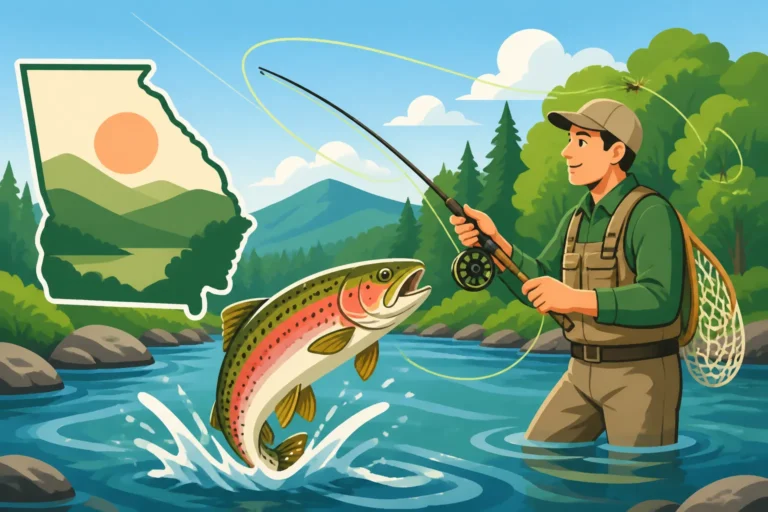
Isn't it frustrating when you're out on a beautiful Georgia stream, full of hope, only to watch those freshly stocked trout ignore everything you throw at them? You bought your Georgia Fishing License Guide, picked out a promising spot, and then… nothing. It can feel like they're just laughing at your perfectly tied lure! Well, you're not alone. Stocked trout can be a bit peculiar, but with the right approach and, crucially, the best bait, you can turn those frustrating outings into triumphant tales. This guide is all about helping you crack the code and choose the most irresistible offerings for those hatchery-raised beauties.
Understanding Stocked Trout Behavior
Before we even talk about specific baits, let's take a moment to get inside the head of a stocked trout. These aren't your wild, wary trout that have spent their lives dodging predators and meticulously foraging for natural insects. Stocked trout come from a very different world, and understanding that difference is key to knowing what they'll bite.
Why Stocked Trout are Different from Wild Trout
Think about it: most stocked trout grew up in a hatchery, swimming in concrete raceways, and being fed commercial pellets their entire lives. Their world was predictable, and their meals were handed to them. They didn't have to learn to hunt, to distinguish between a natural insect hatch and a piece of debris, or to be inherently suspicious of everything that moves. This upbringing makes them significantly less wary and often more opportunistic eaters, especially right after they've been introduced to a new stream or lake.
This isn't to say they're dumb fish – far from it! But their instincts are geared towards what they know. When they're first released, they're often a bit disoriented and very, very hungry. They're looking for an easy meal, something that stands out visually or smells strongly. Over time, they do acclimate, becoming a bit more like their wild cousins, but initially, they're quite susceptible to baits that appeal to these hatchery-ingrained preferences. This is why a bait that works wonders on a wild brook trout might get ignored by a freshly stocked rainbow, and vice-versa.
The Immediate Post-Stocking Frenzy and Beyond
There's usually a short "honeymoon" period right after a stream has been stocked, often referred to as a feeding frenzy. During this time, the trout are often eager to bite almost anything resembling food. Bright colors, strong scents, and easy-to-grab offerings are particularly effective. If you can time your visit with the Georgia Trout Stocking Schedule Explained, you'll often have the best luck during this initial period.
However, this frenzy doesn't last forever. As the days and weeks pass, the surviving trout begin to settle into their new environment. They might start to recognize natural food sources, become more wary of unnatural presentations, and spread out from the initial release points. This is when your bait strategy needs to adapt. What worked on day one might not work on day five, and certainly not on day thirty. Anglers who consistently catch stocked trout are those who pay attention to these changes and adjust their offerings accordingly, perhaps moving from flashy, scented baits to more subtle, natural presentations.
Top Baits for Freshly Stocked Trout
When those trout first hit the water, they're often looking for something easy and obvious. This is where baits that stand out in color, scent, or presentation truly shine.
PowerBait and Scented Dough Baits
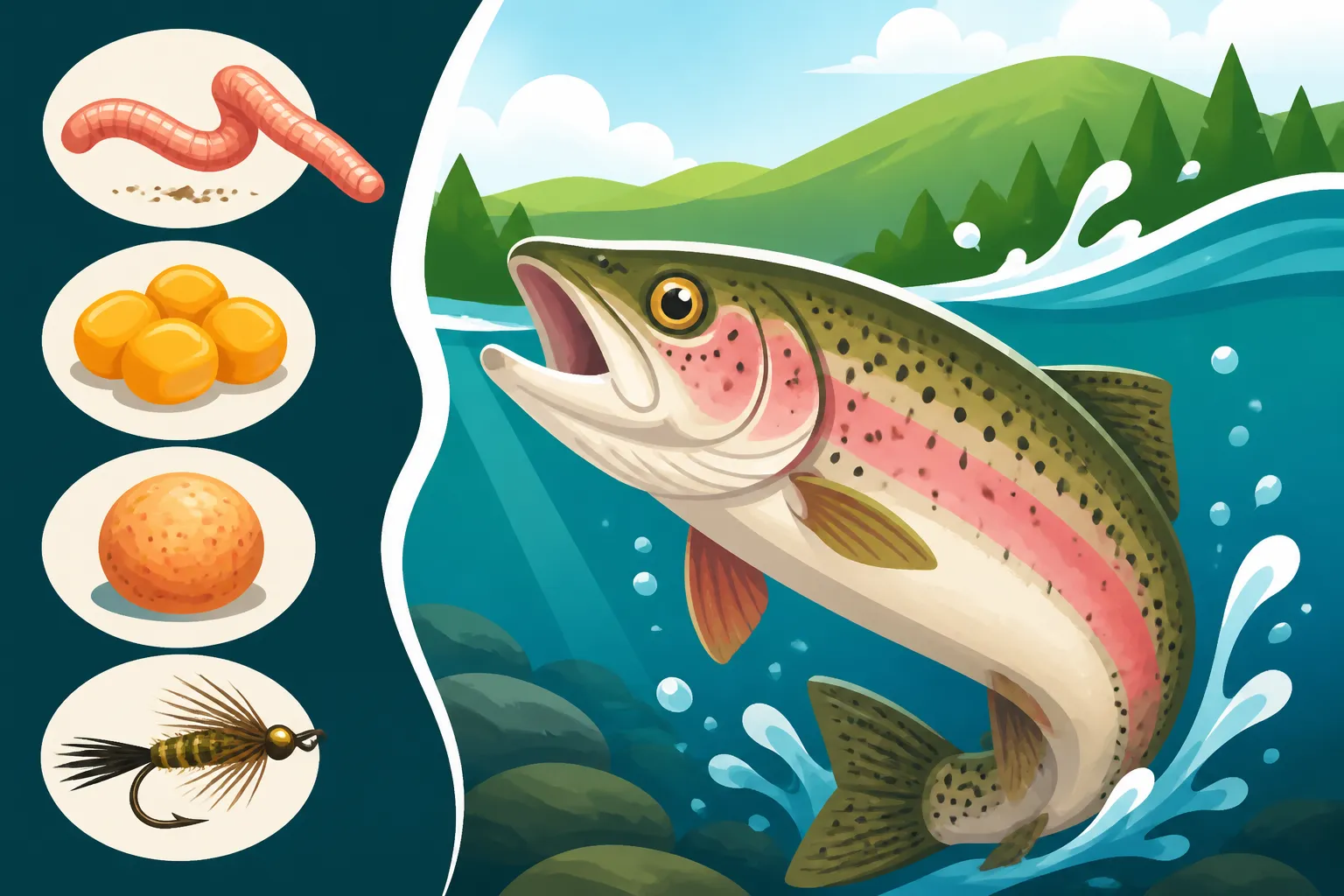
If there's a king of stocked trout baits, it's often PowerBait (and similar dough baits from other brands). Why? Because it hits all the marks for a hatchery-raised fish. These baits come in an incredible array of vibrant colors – neon green, chartreuse, rainbow, orange, pink – colors that scream "eat me!" in the water. More importantly, they are infused with powerful scents that stocked trout, relying on their strong sense of smell, find almost irresistible. Plus, many varieties are formulated to float, lifting your hook off the bottom and putting it right in their strike zone.
To use PowerBait effectively, you typically want to mold a small, pea-sized ball around a small treble hook or a single egg hook, ensuring the hook point is completely covered. This keeps it floating naturally. Cast it out, let it settle, and wait. Because it floats, you often don't need a bobber unless you want a visual strike indicator; the trout will usually just swim up and inhale it. You can find a huge selection of colors and forms, from nuggets to worms to pre-formed shapes, on sites like Amazon, making it easy to experiment with what the fish are preferring on a given day. Remember, what works in one stream, like for Rainbow Trout Fishing in North Georgia Streams, might not be the top choice in another, so a varied tackle box is your best friend.
Live Bait Classics: Worms and Corn
Sometimes, the simplest things are the best. Good old live worms are a perennial favorite for a reason. Red wigglers and even pieces of nightcrawlers offer a natural movement and scent that can entice even sluggish trout. They're familiar to many species and provide a protein-packed meal. To fish them, simply thread a small section of worm onto a small hook, allowing some of it to wiggle freely. You can fish them on the bottom with a small weight or suspended under a bobber.
Believe it or not, canned corn is another surprisingly effective bait for stocked trout. Its bright yellow color is highly visible, and it has a sweet, familiar scent that can pique their curiosity. The uniform size of corn kernels makes them easy to rig on small hooks, and they're also quite digestible for fish. Many anglers will rig two or three kernels on a small hook, often in combination with a tiny marshmallow for added buoyancy. The combination offers visual appeal, a familiar scent, and a bit of floatation, making it a powerful setup, especially for Best Bait for Rainbow Trout in Georgia.
Small Spinners and Spoons
While bait is often the first thought for stocked trout, artificial lures can be incredibly effective, especially as the trout become a bit more active. Small inline spinners, like those classic Rooster Tails or Panther Martins, create flash and vibration in the water that mimics small baitfish or fleeing insects. This can trigger a predatory instinct, prompting a reaction strike even from fish that aren't actively feeding.
Small casting spoons, with their wobbling action and reflective surfaces, also fall into this category. The key with both is often a steady, slow retrieve that allows the lure to work its magic without spooking the fish. Experiment with retrieve speeds and pauses. These lures are particularly good if you're engaging in Spin Fishing Techniques for Trout, allowing you to cover more water and actively search for fish. The flash and movement can be irresistible, especially on overcast days or in slightly stained water where visibility is reduced.
Baits for Acclimated or Finicky Stocked Trout
As time passes after stocking, trout can become a bit more educated. They might start to ignore the bright, scented dough balls or become wary of artificial lures. This is when you need to switch gears and offer something a little more subtle or natural.
Salmon Eggs and Marshmallows
Artificial salmon eggs are a fantastic choice for finicky trout. They mimic a natural food source (fish eggs are a staple for many trout species) and come in natural-looking colors like red, orange, and even fluorescent variations. Many are also scented, adding to their appeal. They are usually fished with a very light leader, either on the bottom or under a small float, allowing them to drift naturally with the current. This low-impact presentation can fool trout that have become wary of larger, more aggressive baits.
Marshmallows, while seemingly odd, are another secret weapon, particularly when combined with salmon eggs. Their natural buoyancy lifts your bait off the bottom, preventing it from getting lost in weeds or mud, and putting it at eye level for cruising trout. You can rig a single mini-marshmallow with a salmon egg on the same hook, or even use a marshmallow on its own for a simple, floating presentation. The white color can also offer a subtle visual attractant.
Artificial Flies (Nymphs, Wet Flies, Streamers)
For anglers looking to challenge themselves and offer the most natural presentation, artificial flies are the way to go. As stocked trout acclimate, they begin to key in on the insect life in their new environment. This is where imitating those natural insects with flies becomes incredibly effective.
- Nymphs: These flies imitate the larval stages of aquatic insects. Patterns like the Pheasant Tail Nymph, Hare's Ear Nymph, or a simple Copper John are staples. They are typically fished subsurface, either under a strike indicator or by "tightlining," allowing them to drift naturally downstream, just like real insects.
- Wet Flies: These flies often imitate drowned or emerging insects. They are fished just below the surface and allowed to swing in the current, mimicking insects struggling in the water.
- Streamers: For more aggressive trout, or larger fish, streamers imitate small baitfish or leeches. Patterns like the Woolly Bugger in black, olive, or white can be incredibly effective when retrieved with short strips, making them appear like a fleeing meal.
While fly fishing has a learning curve, the rewards of fooling a wary trout with a well-presented fly are immense. If you're looking to dive deeper into this method, exploring Fly Fishing Basics for Trout is an excellent starting point. This more nuanced approach often pays off when other methods fail.
Small Jigs and Soft Plastics
When trout get shy, presentation and size matter more than ever. Tiny jigs, often less than 1/32 or 1/64 of an ounce, become very effective. These can be tipped with small live baits like wax worms or mealworms, or with miniature soft plastic bodies designed specifically for trout. Think tiny grubs, worms, or even micro-plastics that mimic aquatic insects.
The key with these is a subtle, natural presentation. Cast them out and let them sink, giving the rod tip a very gentle twitch to impart a lifelike action. Often, a slow, steady retrieve with occasional pauses is all it takes. The small profile and subtle movement don't alarm finicky fish, making them an excellent choice for streams or ponds that have seen a lot of fishing pressure. You can find a vast assortment of these small jigs and soft plastics in various colors and shapes on Amazon, allowing you to fine-tune your approach for different water conditions and trout moods. These work particularly well in clear waters where trout have ample time to inspect your offering.
Essential Bait Presentation Tips
Having the best bait is only half the battle. How you present that bait to the trout makes all the difference. Even the most irresistible PowerBait won't catch fish if it's sitting on a thick, visible line or far away from where the trout are holding.
The Importance of Light Line and Small Hooks
This cannot be stressed enough: stocked trout, especially after the initial frenzy, can be incredibly line-shy. They've been caught before, or they've seen too many heavy lines and large hooks. Using a very light line, typically 2-4 pound test monofilament or fluorocarbon, is crucial. Fluorocarbon is often preferred as a leader material because it's virtually invisible underwater and has excellent abrasion resistance. It helps create a natural presentation that doesn't spook the fish.
Similarly, use the smallest hook you can get away with for your chosen bait. For PowerBait or corn, a size 12 or 14 single egg hook or a small treble hook (size 14 or 16) is ideal. For worms, a small Aberdeen hook (size 8 or 10) works well. The goal is to make the bait look as natural and unattached as possible. A visible hook or heavy line can quickly turn a curious trout away.
Adjusting Depth and Location
Trout, like all fish, are creatures of comfort and opportunity. Their location will vary based on water temperature, current, available cover, and food. Initially, after stocking, they might be somewhat disoriented and cruise in schools, often near the bottom or close to where they were released. As they acclimate, they'll spread out and seek cover in deeper pools, around submerged structures, or in slower currents where they can conserve energy and ambush food.
Don't be afraid to experiment with your depth. If you're using a bobber, adjust its position to present your bait at different levels in the water column. If you're fishing on the bottom, vary the amount of weight you're using to allow your bait to drift more freely or stay anchored in place. Pay attention to the water you're fishing – are there any current breaks, rocky ledges, or submerged logs? These are prime holding areas for trout. Understanding How to Fish for Trout in a Mountain Stream often involves reading the water to identify these prime spots.
Scent and Attraction Enhancers
Since stocked trout rely heavily on scent, enhancing your bait with additional attractants can significantly improve your catch rate. Many anglers will add liquid or gel scent attractants to their PowerBait, soft plastics, or even live worms. These products, often fish-based (like garlic, anise, or even a blend of fish pheromones), can create a scent trail in the water that draws trout in from a distance.
This is particularly useful in murky water or when trout are less active. A strong scent can trigger a bite even if the visual presentation isn't perfect. Simply squirt or dab a small amount of the attractant directly onto your bait or lure. Just be sure not to overdo it – a little often goes a long way. Sites like Amazon offer a wide array of scent attractants, making it easy to find different formulas to test on your local waters. Always keep a few different options in your tackle box to see what the fish prefer on any given day.
Here's a quick comparison of some popular trout baits:
| Bait Type | Pros | Cons | Best Use Case |
|---|---|---|---|
| PowerBait / Dough Bait | Strong scent, bright colors, floats, easy to rig, variety of forms. | Can be messy, not entirely natural look (for wary fish). | Freshly stocked, active fish; still water. |
| Live Worms | Natural movement & scent, universally appealing, inexpensive. | Can be delicate, less buoyant, not always available. | All conditions, especially as trout acclimate. |
| Canned Corn | Bright color, unique scent, easy to rig, inexpensive. | Less natural, limited action. | Post-stocking, clear water, finicky fish. |
| Small Spinners/Spoons | Flash & vibration, covers water, triggers reaction strikes. | Requires active retrieve, can be ignored by lethargic fish. | Active fish, searching for schools, moving water. |
| Salmon Eggs | Natural appeal, subtle presentation, good scent. | Can be delicate, small target for fish, less visible. | Wary, acclimated trout; clear water, light current. |
| Marshmallows | Adds buoyancy, subtle visual, inexpensive. | No inherent scent, often best paired with another bait. | Combo with salmon eggs/corn for floatation. |
| Artificial Flies | Most natural presentation, effective for wary fish. | Requires specialized gear/skills, less beginner-friendly. | Acclimated/wild trout, clear water, specific hatches. |
| Small Jigs/Soft Plastics | Subtle action, natural profile, versatile. | Can be too small for some hook sizes, requires finesse. | Finicky fish, clear water, focused presentations. |
Ultimately, being a successful trout angler in Georgia means being adaptable. Don't be afraid to try different baits, experiment with presentation, and observe what works on a particular day. What's golden on one outing might be ignored on the next. So, grab your gear, maybe check the Trout stocking schedule by month, and head out there with an open mind and a diverse tackle box. Happy fishing!
Disclaimer
This article is for general informational purposes only and does not constitute professional advice. Laws, prices and regulations vary by location and change over time. Consult a qualified professional for guidance on your specific situation.