Dawn Fishing Techniques
There’s nothing quite like the dream of hitting the water just as the world awakens, only to find yourself struggling to locate fish or choose the right bait in that beautiful, fleeting dawn light. Many anglers feel the pressure to make those early hours count, yet often wonder if their approach is truly optimized for that golden window. This comprehensive guide is designed to transform your early morning outings into highly productive dawn fishing experiences across Georgia's diverse waters.
Why Dawn is the Golden Hour for Georgia Anglers
For countless anglers, the pre-dawn darkness giving way to the first rays of sunlight isn't just a beautiful spectacle; it's a strategic advantage, a "golden hour" where some of Georgia's most prized game fish become incredibly active. If you've ever wondered why that early wake-up call is worth it, you're not alone. It's a combination of biological rhythms, environmental factors, and prey behavior that conspires to create some of the best fishing opportunities of the day.
The Science Behind Early Morning Bites
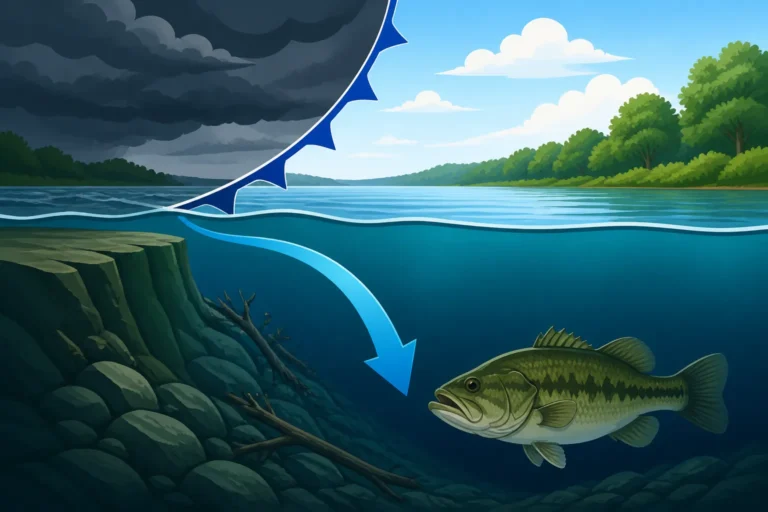
Fish, much like us, operate on routines, and these routines are heavily influenced by light conditions. As the sun begins to creep above the horizon, the sudden increase in light penetration signals a change in the underwater world. Many predatory fish, like the largemouth bass, are sight feeders, and this dim, increasing light provides them with a distinct advantage over their prey. Their eyes are often better adapted to low-light conditions, allowing them to spot baitfish and other forage before the smaller, less light-sensitive prey can react. This is precisely Why Fish Bite Better at Dawn. It's a short but crucial window where the hunters become the most efficient. This period of light transition also triggers feeding instincts as fish anticipate the coming day and the need to fuel up before the bright sun sends them scurrying to deeper, darker cover.
Cooler Temperatures and Active Fish Metabolism
Beyond just light, temperature plays a monumental role in fish activity, especially during the warmer months here in Georgia. As night gives way to day, the water temperature is typically at its coolest point, a refreshing change for many species. This cooler water holds more dissolved oxygen, which invigorates fish and boosts their metabolism. Think of it like a morning jog for us – we feel more energetic when it's cool and crisp. For fish, this means they're more inclined to move, chase, and feed. During the scorching Georgia summers, these cooler dawn temperatures offer a critical reprieve, allowing fish to expend energy without overheating. This often translates into aggressive strikes and sustained activity that can be hard to replicate later in the day when the sun is beating down and the water warms up.
Essential Gear and Prep for Dawn Patrol
Being prepared for a dawn fishing trip isn't just about having your rod and reel ready; it's about anticipating the unique challenges and opportunities that come with fishing in low light and transitioning conditions. A little foresight can make all the difference between a frustrating fumble in the dark and a seamless, productive start to your day on the water.
Lighting, Layers, and the Right Tools
When you're heading out before sunrise, adequate lighting is non-negotiable. A reliable headlamp is your best friend, keeping your hands free for rigging tackle, tying knots, and navigating. Make sure it has fresh batteries and maybe even a red-light mode, which is less disruptive to your night vision and to the fish. As for clothing, think layers. Georgia mornings can be surprisingly chilly, even in spring and fall, but once the sun climbs, things warm up quickly. A waterproof outer shell is also a smart move, just in case of morning dew or unexpected showers.
Beyond lighting and layers, having your tools organized is critical. Imagine fumbling for pliers or a hook remover in the dark while a trophy bass thrashes at the side of your boat. Having a tackle bag or vest with easily accessible pockets for your essential tools, extra line, and a small first-aid kit is crucial. Many anglers even pre-tie a few rigs the night before to save time and reduce frustration when the bite is on. A good pair of polarized sunglasses will be invaluable once the sun is up, cutting glare and helping you spot submerged structure or cruising fish. You can find excellent options for all these essentials on platforms like Amazon, often with helpful reviews from other anglers.
Bait and Lure Selection for Low Light
Choosing the right bait and lures for dawn fishing involves considering visibility and vibration. In the dim light, fish might not have a clear view of your presentation, so lures that create a strong profile, displacement, or acoustic vibration become highly effective. For example, topwater lures like poppers, walking baits, and buzzbaits are absolute killers at dawn, especially for largemouth bass. Their silhouettes are easily seen against the brightening sky, and the commotion they create on the surface can draw fish from surprising distances. This is a great time to learn How to Fish Topwater Lures for Bass.
Spinnerbaits and chatterbaits also shine in low-light conditions, thanks to their flashing blades and thumping vibrations. For stained or murky water, a dark-colored jig or a soft plastic worm in black or blue can be highly effective, as these colors create a strong silhouette against the lighter sky or water surface. If you're targeting trout, minnow imitations or brightly colored spoons can work wonders. Remember, the goal is often to give the fish something they can easily detect and track before the sun makes everything too clear.
Top Species to Target at Dawn in Georgia
Georgia's diverse waters offer an incredible array of fish species, and many of them are particularly active during the dawn hours. Knowing which species are most likely to bite as the sun rises can help you refine your techniques and increase your chances of a successful outing. Whether you're chasing aggressive predators or subtle panfish, dawn provides unique opportunities.
Largemouth Bass: Early Bird Catches the Worm
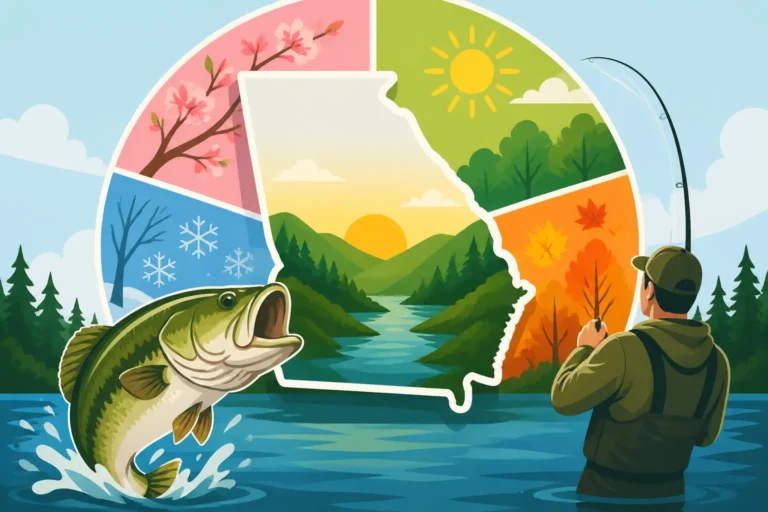
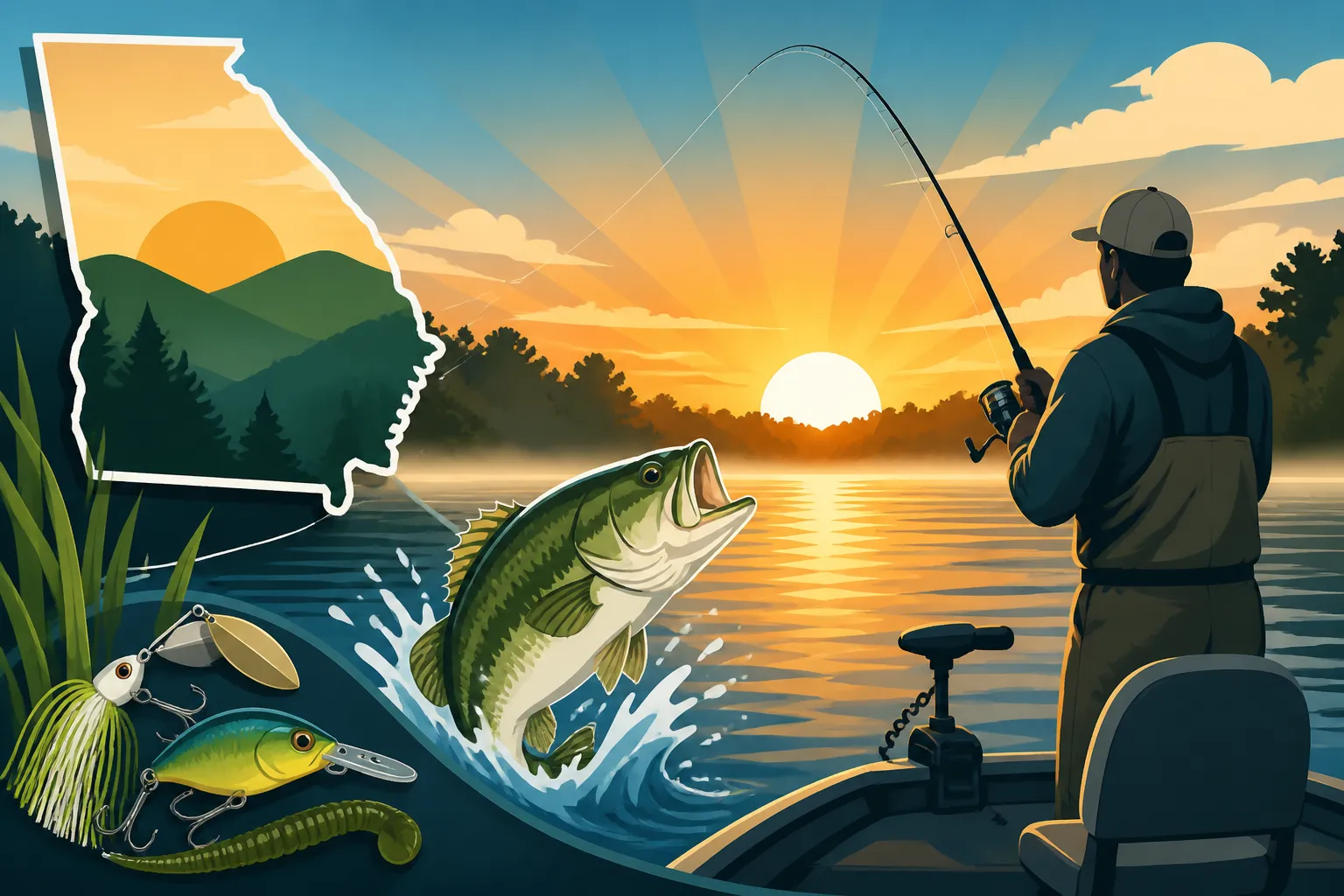
Without a doubt, largemouth bass are prime targets during the early morning bite across Georgia's lakes and reservoirs. These ambush predators use the low light to their advantage, moving out of deeper cover to hunt in shallower waters where baitfish are often concentrated. Think about places like Lake Lanier or Lake Oconee – as the first light breaks, you'll often find bass patrolling points, coves, and weed lines looking for an easy meal. This is why understanding Largemouth Bass Fishing in Georgia: The Complete Species Guide is so valuable.
Topwater lures are incredibly effective for bass at dawn because they imitate struggling baitfish on the surface, making them irresistible to hungry bass. As the sun gets higher, you might need to switch to spinnerbaits, crankbaits, or even soft plastics fished along the bottom or near submerged structure. The key is to capitalize on their aggressive feeding window before they retreat to deeper, cooler waters to escape the mid-day heat and brightness.
Stripers and Crappie: Capitalizing on the Low Light Advantage
Striped bass and their hybrid cousins are also fantastic dawn targets, especially on larger reservoirs like Lake Lanier or Lake Oconee. These powerful fish are often found schooling and actively chasing baitfish near the surface during low light conditions. You might see them busting the surface as they corral shad, making for an exhilarating fishing experience. Throwing large topwater plugs, swimbaits, or even live bait like blueback herring can be incredibly effective. For detailed strategies, check out our guide on Striped Bass and Hybrid Striped Bass in Georgia Waters.
Crappie, both black and white, also have a strong dawn bite. These panfish tend to move into shallower water, often congregating around submerged brush piles, docks, and standing timber as morning breaks. They're feeding on small baitfish and insects that become active with the rising light. Small jigs, minnows, or tiny crankbaits presented slowly and deliberately near structure can yield excellent results. Learning about Crappie Fishing in Georgia: Black and White Crappie Guide will definitely boost your success.
Trout: A Cold-Water Dawn Delight
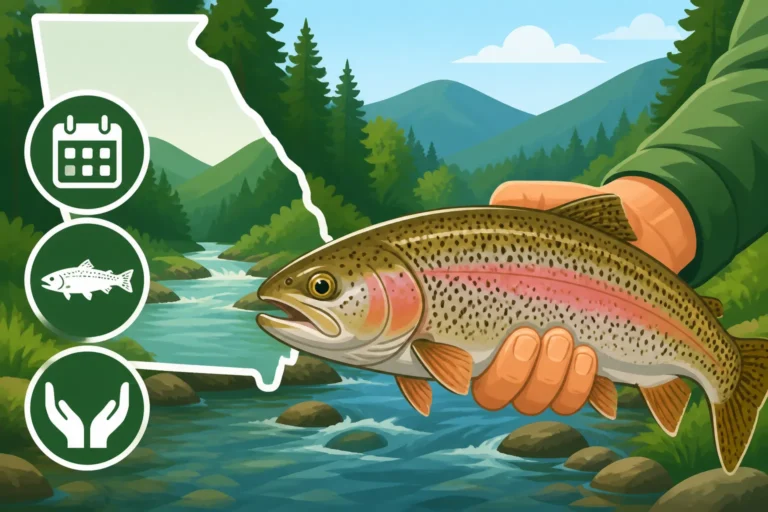
For those who prefer the crisp air and serene beauty of North Georgia's mountain streams, trout fishing at dawn is an absolute must. Rainbow, brown, and native brook trout are cold-water species, and the cooler morning temperatures of streams like the Toccoa River or those in the Chattahoochee River Headwaters Trout Fishing area are ideal for their activity. As aquatic insects hatch and drift downstream, trout become highly opportunistic feeders.
Fly fishing with dry flies that imitate emerging insects can be incredibly rewarding, but spin anglers can also find success with small spinners, spoons, or even live bait like worms or corn. The key is often a stealthy approach, as trout can be easily spooked in clear mountain waters. This early window is often when you'll find the most active feeding, before the sun gets too high and sends them deeper into shaded pools or undercuts.
Strategic Techniques for Successful Dawn Fishing
Mastering dawn fishing isn't just about showing up early; it's about employing specific strategies that capitalize on the unique conditions of that early morning window. The way you present your lure, how you interpret your surroundings, and your ability to adapt as light levels change are all crucial elements of success.
Casting and Presentation in the Pre-Sunrise Gloom
In the dim light of dawn, your casting accuracy and presentation become even more vital. Fish often position themselves tightly to cover or along specific ambush points. Without clear visibility, you need to rely on your knowledge of the area and your casting muscle memory to place your lure precisely where you believe the fish are. Focus on making quiet, efficient casts that don't spook fish. Remember, sound travels far in the calm, early morning air and water.
When it comes to presentation, slower is often better in low light. Give the fish time to locate your lure. For topwater baits, a "walk-the-dog" retrieve or slow pops with pauses can be incredibly effective. For subsurface lures, a steady retrieve with occasional twitches or pauses mimics a disoriented baitfish, an easy meal for a waiting predator. Don't be afraid to experiment with retrieve speeds until you find what triggers a strike. The aim is to make your lure stand out as an easy target against the dimly lit backdrop.
Reading the Water Before the Sun Rises High
Even before the sun fully illuminates the water, you can begin to read its subtleties for clues about fish location. Look for disturbances on the surface – swirls, jumps, or "nervous water" can indicate baitfish schools or active predators. Pay attention to how the light hits the water; shaded banks, overhanging trees, and structures like docks or fallen timber will hold pockets of darkness longer, often creating prime ambush points.
As the sun begins to rise, observe the transition zones – where shallow water meets deep, where murky water meets clear, or where vegetation beds give way to open water. These are natural highways for fish moving to and from their feeding grounds. Also, consider the wind: a light breeze can create a "chop" on the water's surface that breaks up the light, making fish feel more secure and blurring your presence. Understanding How Light Affects Fish Feeding Times is key to making these observations pay off.
Locating Prime Dawn Fishing Spots
Finding the right spot is often half the battle, and this is especially true for dawn fishing. Fish tend to follow predictable patterns as they transition from their nocturnal or deeper-water resting areas to their morning feeding grounds. Knowing where to focus your efforts can save you valuable time and lead to more bites.
Shallow Water Feeds and Transition Zones
As morning breaks, many fish, especially predatory species like bass, move into shallower waters to feed. This is because baitfish often congregate in these warmer, oxygen-rich areas, and the low light provides cover for the predators. Look for shallow flats adjacent to deeper drop-offs, submerged humps, points that extend into the main lake, or the edges of weed beds and lily pads. These areas act as natural highways for fish moving between deep and shallow water. For instance, on a lake like Lake Sinclair, the shallow coves and rocky points can be hotbeds of activity as the sun comes up.
Focus your casts along these transition lines. If you're bank fishing, fan cast from your position to cover as much of the shallow water leading to the drop-off as possible. From a boat, position yourself slightly deeper and cast towards the shallowest water, working your lure back through the various depth changes. This strategy allows you to intercept fish as they patrol these feeding lanes.
River Eddies and Lake Structure in Early Light
On rivers, current breaks and eddies are prime spots for dawn fishing. Fish will use these areas to rest out of the main current while waiting for food to be swept by. Look for rock structures, fallen trees, or bends in the river that create slack water. These spots offer both shelter and an easy meal delivery system, making them irresistible to species like shoal bass or even large catfish, which can be active at dawn in rivers like the Flint.
In lakes, focus on man-made structures such as docks, bridge pilings, and riprap banks. These structures offer vertical cover and often hold baitfish, which in turn attract larger predators. Submerged timber and brush piles are also excellent choices; crappie and bass will hold tight to these structures, especially in low light. For places like Best Bass Fishing Spots on Lake Lanier, targeting these features early can make a huge difference. Use your electronics if you have them, but also pay attention to visible signs of cover.
Table: Recommended Lures and Baits for Dawn Fishing in Georgia by Species
Here's a quick reference to help you pick the perfect presentation for your target species as the sun rises over Georgia's waters.
| Species | Lure/Bait Type | Key Characteristics for Dawn | Recommended Colors |
|---|---|---|---|
| Largemouth Bass | Topwater (Poppers, Buzzbaits, Walkers), Spinnerbaits | High surface disturbance, strong silhouette, vibration | Black, Blue, Chartreuse, White (solid colors or dark) |
| Striped Bass | Large Topwater Plugs, Swimbaits, Live Bait (Herring) | Mimics struggling baitfish, strong profile, natural presentation | Chrome, White, Silver, Natural Baitfish patterns |
| Crappie | Small Jigs (Tube Jigs, Marabou Jigs), Live Minnows | Subtle action, small profile, natural food source, scent | White, Chartreuse, Pink, Black, Natural (minnows) |
| Trout | Small Spinners (Mepps, Rooster Tail), Spoons, Dry Flies | Flash and vibration (spinners/spoons), natural insect imitation (flies), subtle presentation | Gold, Silver, Brass, Natural (fly patterns, earth tones) |
| Catfish | Cut Bait, Stink Bait, Live Worms | Strong scent trail, bottom presentation | Natural (for bait), Dark (for jigs if used) |
| Bluegill/Bream | Crickets, Worms, Small Poppers, Tiny Jigs | Small, easily consumable, surface disturbance (poppers), natural food source | Natural, Green, Yellow, Black |
Safety and Comfort Tips for Early Risers
Dawn fishing, while incredibly rewarding, also comes with its own set of considerations for safety and comfort. Being out on the water or bank when it's still dark requires extra precautions and a mindful approach to ensure your trip is enjoyable and incident-free.
Navigating in the Dark and Staying Warm
Navigating your boat in the pre-dawn darkness, whether on a vast lake like Lake Lanier Fishing Guide, Georgia or a winding river, demands heightened awareness. Always ensure your navigation lights are working properly and are clearly visible. Take it slow, even if you know the water like the back of your hand. Submerged hazards that are easily avoidable in daylight can become dangerous obstacles in the dark. If you're fishing from the bank, use your headlamp to illuminate your path, watching for uneven terrain, slippery surfaces, or unseen obstacles. Consider wearing a reflective vest if you're near a road or public access point.
Staying warm is another critical aspect. As mentioned before, layering is your best strategy. Start with a moisture-wicking base layer, add insulating layers like fleece, and finish with a waterproof and windproof outer shell. Even in warmer months, a light jacket and a beanie can make those first couple of hours much more comfortable. Cold hands can severely impact your ability to tie knots or handle fish, so consider bringing a pair of fishing gloves. A thermos with hot coffee or tea is also a welcome companion on those truly chilly Georgia mornings.
Fueling Up for a Long Morning
Don't underestimate the energy drain of waking up early and spending hours concentrating on fishing. You might be running on less sleep, and your body will appreciate some fuel. Pack a breakfast that's easy to eat on the go – think granola bars, fruit, sandwiches, or even a hard-boiled egg. Staying hydrated is equally important, especially as the sun rises and temperatures climb. Bring plenty of water, and perhaps some electrolyte drinks, to keep your energy levels up throughout the morning.
Even if you're planning a short trip, having snacks and drinks on hand means you won't have to cut your fishing short due to hunger or thirst. Consider a small, insulated cooler to keep your food fresh and your drinks cold. It's a small comfort that makes a big difference in enjoyment. Many of these practical items, from headlamps to travel mugs, are readily available on Amazon, making preparation a breeze. Being well-fed and hydrated allows you to focus on the fishing, extend your time on the water, and truly savor the beauty of those early morning hours.
Disclaimer
The information provided in this guide is for general informational purposes only. Fishing regulations, license requirements, and local conditions can change. Always check the latest Georgia Department of Natural Resources (DNR) rules and local advisories before heading out. Exercise caution and prioritize safety when on or near the water.