Best Time of Day to Fish for Crappie
If you've spent frustrating hours on the water, watching the sun climb higher and higher without a single crappie bite, you're not alone. It's easy to assume that crappie are just finicky, but often, it's all about timing. Understanding when these popular panfish are most active and how their habits change throughout the day and year is absolutely key to filling your cooler. This guide is dedicated to helping you unlock the secrets of the crappie bite, ensuring your next trip to a Georgia lake or pond is a much more fruitful endeavor.
Understanding Crappie Behavior Throughout the Day
Crappie, like many fish, are highly influenced by light levels. Their eyes are sensitive, and they often prefer lower light conditions, which generally means they’ll be more active during certain parts of the day. But it's not just about turning a light switch on and off; there's a nuanced dance between light, temperature, and feeding opportunities that dictates their daily movements.
Dawn Patrol: The Early Bird Catches the Crappie
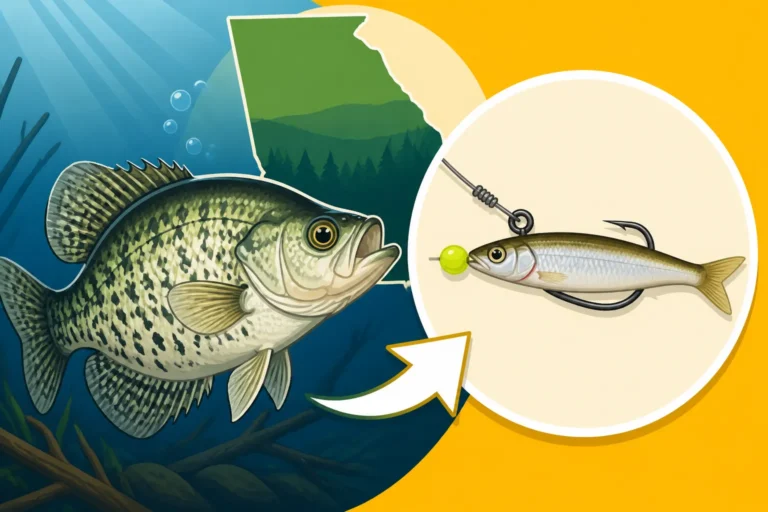
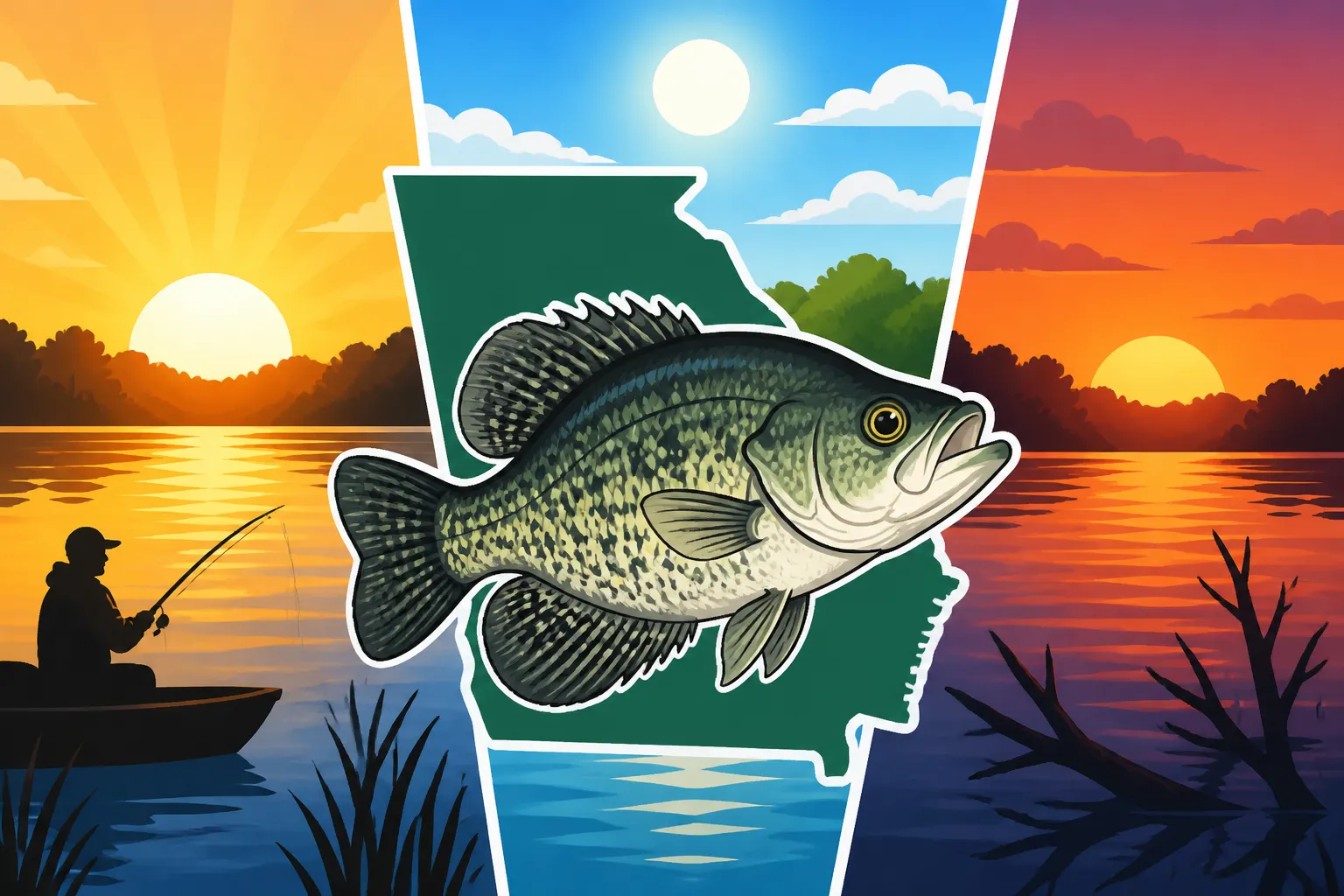
When the first hints of light begin to paint the eastern sky, and the morning mist still hugs the water's surface, that's often when crappie truly start to stir. This period, from pre-dawn right up to a couple of hours after sunrise, is prime time for many crappie anglers. The low light offers them a sense of security from predators, and it makes it easier for them to ambush smaller baitfish, which are also becoming active.
During this "magic hour" at dawn, crappie often move shallower, particularly near cover like submerged brush piles, weed lines, or docks. They're looking for an easy meal as the water slowly begins to warm after the cool night. Casting small jigs or minnows near these structures can yield quick and consistent bites. Many experienced anglers prioritize getting to their chosen spot well before sunrise, perhaps even rigging up their rods with a headlamp, just to capitalize on this often-explosive morning bite. It's a peaceful time on the water, too, before the hustle and bustle of other recreational boaters kick in.
Midday Malaise: When the Sun is High
As the sun climbs high in the sky and beats down intensely, crappie tend to retreat. That bright, direct sunlight isn't just uncomfortable for their sensitive eyes; it also makes them more vulnerable to larger predators like bass and stripers. You'll often find them seeking refuge in deeper, cooler water or tucked tightly into the densest cover they can find. Think thick submerged brush, the shady undersides of docks or bridge pilings, or even deep creek channels.
Fishing during midday can be challenging, but it's not impossible. The key is to switch your approach. Instead of shallow presentations, you'll need to focus on vertical jigging or slow-trolling deeper, using sensitive electronics to locate submerged structure and schools of fish. Often, the crappie you find during midday are less active and require a more subtle presentation. You might need to drop your jig right on their nose and let it sit for a few seconds before a gentle lift. It's a time for patience and precision, perhaps even experimenting with different jig colors or bait sizes. While not the most exciting bite, cracking the code on midday crappie can be incredibly rewarding.
Dusk Delight: The Evening Bite
Just like dawn, the period leading up to sunset and for a couple of hours afterward can be another fantastic window for crappie fishing. As the sun begins its descent, light levels drop, and the water temperature often cools slightly, signaling to crappie that it's time to feed again. They'll repeat their morning ritual, moving from deeper holding areas back towards shallower foraging grounds.
The evening bite can be particularly strong, especially in warmer months. Crappie seem to know that the night is coming, and they'll actively chase baitfish to fuel up. This is a great time to target them around the same types of cover you would in the morning – brush, docks, and weed edges. A gentle retrieve with a small jig or a lively minnow under a slip bobber can be incredibly effective. The twilight hours offer a beautiful backdrop to fishing, often with stunning sunsets, and the excitement of a productive crappie bite can cap off a perfect day on the water. Many anglers find that fishing around the Best Time of Year for Catfishing on Georgia's Lake Sinclair during these periods can also be very productive.
Night Owls: Crappie After Dark
While dawn and dusk are often considered peak times, don't underestimate the power of night fishing for crappie. Many crappie anglers swear by it, especially in the warmer months when daytime temperatures can push fish deep and make them sluggish. The complete darkness provides the ultimate cover, making crappie bold and aggressive. The trick to night fishing for crappie often involves attracting them with light.
Specialized submersible fishing lights, which you can often find on Amazon, are incredibly effective. These lights draw in plankton, which then attracts baitfish, and the baitfish, of course, attract crappie. Positioning your boat over a known crappie hotspot, dropping a light, and waiting for the show to begin can lead to incredible catches. The crappie will often hover in the illuminated zone, making them easy targets for vertical jigging or using minnows. This is a unique experience, offering a different kind of tranquility and the thrill of seeing fish silhouetted in the glow of your light. For more specific guidance on this, you might explore "Do Crappie Bite Better at Night?".
Seasonal Adjustments for Crappie Timing
While daily light cycles largely dictate crappie activity, the broader seasons play an equally critical role, completely changing where and when you'll find them active. What works in spring won't necessarily work in winter, and understanding these seasonal shifts is crucial for consistent success.
Spring Crappie: Spawning Frenzy
Ah, spring! This is arguably the most anticipated season for crappie anglers in Georgia. As water temperatures begin to rise, typically into the high 50s and low 60s Fahrenheit, crappie move into shallow water for their annual spawn. During the pre-spawn phase, they're aggressively feeding to build energy for the spawn, making them relatively easy to catch. They'll be found near channels leading into spawning coves, staged on submerged brush or timber.
During the actual spawn, crappie will move right up to the bank, often in water as shallow as 1-3 feet, seeking out brush, roots, or other structure to lay their eggs. This is when the bite can be almost constant, especially on sunny, stable days. They're protective of their nests and will readily strike at anything that looks like a threat or an easy meal. The Best Month to Catch Crappie in Georgia is often cited as March or April, depending on the specific lake and its unique warming patterns. After the spawn, exhausted crappie will retreat to slightly deeper water to recover before resuming a more typical feeding pattern. This whole period, from pre-spawn through post-spawn recovery, generally offers some of the best fishing windows throughout the day, often extending from mid-morning to late afternoon.
Summer Crappie: Deep and Shady
Once Georgia's scorching summer heat truly sets in and water temperatures climb into the 80s, crappie undergo a significant shift. The shallow water becomes too warm and oxygen-depleted for their comfort, and they'll seek the cooler, more stable temperatures found in deeper parts of the lake. This means targeting them around deep structure: bridge pilings, submerged timber, offshore brush piles, and creek channel drop-offs.
During summer, the "magic hours" of dawn and dusk become even more critical. Crappie will often move up shallower briefly during these low-light periods to feed before retreating to the depths for the bulk of the day. Midday fishing requires a commitment to deep-water tactics, often involving precise boat positioning and vertical presentations. Using a fish finder to locate schools suspended over channels or in brush becomes almost mandatory. This is a great time to practice techniques like "How to Jig for Crappie" in deep water, or even "How to Find Crappie Around Brush Piles" using your electronics. Don't be afraid to experiment with different depths until you pinpoint their comfort zone.
Fall Crappie: Fattening Up
As the leaves begin to turn and the air gets a crisp edge, fall offers another fantastic crappie season. Water temperatures slowly cool, and crappie sense the approaching winter, leading them into a major feeding binge to fatten up. This "fall feeding frenzy" can make crappie fishing incredibly productive. They become more active for longer periods throughout the day, not just during dawn and dusk.
You'll often find crappie transitioning from their deep summer haunts back towards shallower to mid-depth areas. They'll relate to baitfish movements, often chasing schools of shad into creek arms and main lake points. Look for them around standing timber, docks, and brush piles in depths ranging from 8 to 20 feet. Techniques like "How to Tightline for Crappie" become very effective as fish are willing to chase baits. The stable weather patterns of early fall often mean consistent bites, and it's a wonderful time to be out on the Best Fishing Spots in Georgia, enjoying the cooler air and vibrant foliage.
Winter Crappie: Slow and Deep
Winter fishing for crappie in Georgia demands patience and a nuanced approach. While many anglers pack away their gear, those who brave the cold can be rewarded with some truly impressive catches. Crappie metabolism slows considerably in cold water, and they become lethargic, often congregating in large schools in deep water.
During winter, the best time to fish for crappie is often during the warmest part of the day, typically late morning to mid-afternoon. This is when the sun has had a chance to slightly warm the upper water column and stimulate some activity. Look for them in the deepest parts of the lake, suspended over creek channels, humps, or near thermal refuges like power plant discharges. Vertical presentations, very slow retrieves, and tiny jigs or minnows are usually the most effective. Sometimes, just holding your bait perfectly still at the depth you've located the fish is what it takes. It's a game of finesse and finding the "sweet spot" where they are holding.
Factors Influencing Crappie Bite Times Beyond the Clock
While the sun's position and the seasons are huge indicators, crappie are complex creatures. There are other environmental and external factors that can either supercharge their activity or shut them down entirely, regardless of what the clock says.
Weather and Water Conditions
The immediate weather conditions can dramatically alter when and how crappie bite. A cloudy day, for instance, can extend the prime low-light biting periods. Instead of retreating deep as soon as the sun gets high, crappie might remain active in shallower or mid-depth areas for much longer. Overcast skies effectively mimic dawn and dusk conditions. Conversely, a bright, clear day with no cloud cover will likely push them deep or into dense cover for extended periods.
Rain can also play a role. A gentle, steady rain can sometimes improve the bite, as it breaks up the surface tension, oxygenates the water, and washes food into the lake. However, heavy downpours can muddy the water, disperse bait, and make fishing difficult. The real game-changer is often a cold front. After a strong cold front passes, the bluebird skies might look beautiful, but the fishing can be brutal. Crappie, like many fish, become finicky and often suspend aimlessly or bury themselves in cover, refusing to bite for a day or two until conditions stabilize. Water temperature, as discussed with seasonal changes, is paramount. Small temperature fluctuations can move crappie quickly, so having a good thermometer and understanding how water temperature affects fish behavior is invaluable.
Forage and Habitat
Crappie are predators, and their movements are heavily dictated by the movements of their prey – primarily small baitfish like shad and minnows. If the baitfish are schooled up and active in a certain area, you can bet the crappie won't be far behind. This is why knowing "Best Bait for Black Crappie in Georgia" or "Best Jig Colors for Crappie Fishing" often comes second to knowing where the bait is.
They also strongly relate to habitat and structure. Brush piles, standing timber, rock piles, docks, bridge pilings, and weed lines all provide crucial ambush points, cover from predators, and shade from the sun. The presence and type of these structures will often dictate where crappie hold during different times of the day. For example, in a lake with abundant standing timber, crappie might simply move up and down the water column within the timber as light conditions change, rather than making long migrations across open water. Understanding the specific underwater topography and cover of your chosen fishing spot, perhaps using maps or a fish finder, is critical. You might even discover new "Crappie Fishing Ponds and Streams Across Georgia" that have ideal habitat.
Angler Pressure and Location
Finally, don't underestimate the impact of angler pressure on crappie behavior. On heavily fished lakes, crappie can become more wary and less likely to bite during peak hours or in easily accessible spots. If a popular dock gets hammered with jigs and minnows all morning, those crappie might become accustomed to the pressure and only bite during less conventional times, or they might move to a less accessible part of the dock.
This is where local knowledge and willingness to explore come into play. Sometimes, the "best time of day" on a heavily pressured lake might shift to a less popular window, like midday during a stable cold front, or even pushing into the dark hours. Finding quieter coves, less obvious brush piles, or simply fishing during weekdays when pressure is lower can dramatically improve your success. This also means being prepared with the right "Best Rods for Crappie Fishing in Georgia" and a "Best Tackle Box Setup for Crappie Fishing" so you can adapt your approach to the conditions, no matter how much company you have on the water.
Here's a quick summary to help you plan your crappie trips:
| Season | Best Time of Day (General) | Crappie Location (General) | Tactics & Notes |
|---|---|---|---|
| Spring | Morning & Afternoon | Shallow, near spawning cover (brush, docks, roots) | Aggressive bite, jigs & minnows, sight fishing possible |
| Summer | Early Morning & Late Evening | Deep, around structure (brush piles, channels, pilings) | Vertical jigging, slow trolling, light-attraction at night |
| Fall | Mid-Morning to Late Afternoon | Mid-depths, following baitfish into creeks & points | Active feeding, wide range of depths, jigs & minnows |
| Winter | Midday (warmest part) | Deep, large schools over channels, humps, thermal areas | Slow, subtle presentations, small baits, sensitive gear |
Disclaimer
This article is for general informational purposes only and does not constitute professional advice. Laws, prices and regulations vary by location and change over time. Consult a qualified professional for guidance on your specific situation.