Toccoa River Trout Fishing Guide
For many anglers, the Toccoa River in North Georgia represents a true gem, offering the serene beauty of the Blue Ridge Mountains alongside the exhilarating challenge of trout fishing. However, navigating its varied waters, understanding its unique regulations, and knowing when and where to cast can feel like a daunting task, especially if you're new to the area or even to trout fishing in general. This guide is here to unravel the mysteries of the Toccoa, providing you with the comprehensive knowledge you need to plan a successful and enjoyable trout fishing adventure on this iconic Georgia waterway.
Understanding the Toccoa River Fishery
The Toccoa River isn't just a pretty stretch of water; it's a dynamic ecosystem that supports a vibrant trout fishery, appealing to both seasoned fly anglers and spin fishermen alike. What makes it truly special is the blend of wild trout populations and strategic stocking efforts, creating diverse opportunities depending on where you cast your line.
The Toccoa's Trout Species: Rainbows, Browns, and Brooks
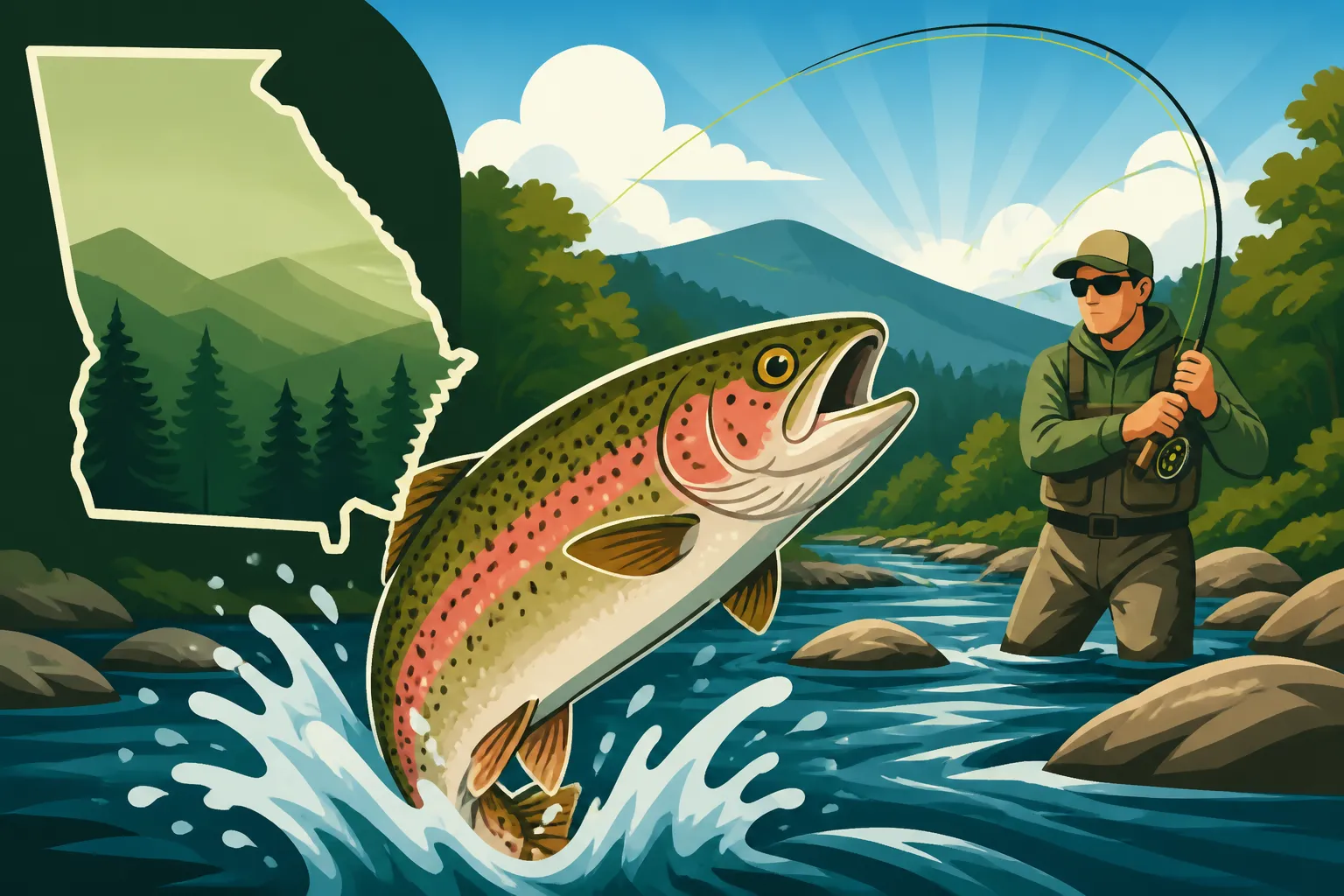
When you're wading the cool, clear waters of the Toccoa, you'll primarily be targeting three species of trout. The most common catch, especially in the heavily stocked sections, will be the Rainbow Trout. These acrobatic beauties are known for their vibrant iridescent stripe and their feisty fight once hooked. They adapt well to various conditions and are a favorite for many anglers. You can learn more about these colorful fish in our guide on Rainbow Trout Fishing in North Georgia Streams.
Then there are the Brown Trout, often larger and more elusive than rainbows. Browns are known for their territorial nature and their preference for deeper, slower pools, often lurking under cutbanks or submerged structures. Their golden-brown flanks, speckled with dark spots and often surrounded by light halos, make them truly stunning. Catching a large brown from the Toccoa is often considered a trophy experience, demanding patience and skill. While we often talk about them in other major rivers, understanding Brown Trout Fishing on the Chattahoochee River can still offer valuable insights into their behavior.
Finally, and perhaps most cherished by purists, are the native Brook Trout. These smaller, strikingly colored fish—with their dark, worm-like markings on a dark green to brown background and vibrant red or orange spots—are typically found in the colder, higher-elevation tributaries and headwater sections of the Toccoa, where water quality is pristine and competition is less fierce. Catching a native "brookie" is a special experience, connecting you to the river's wild heart. For a deeper dive, check out our piece on Brook Trout: Georgia's Only Native Trout Species.
Wild vs. Stocked Trout: What to Expect
The Toccoa River is a fantastic example of a river that offers both stocked and wild trout fishing opportunities, though the distribution isn't always obvious. Many sections of the Toccoa, particularly those that are easily accessible, are regularly stocked by the Georgia Department of Natural Resources. These stocked trout provide a more consistent fishing experience, especially for beginners or those looking for a higher catch rate. They tend to be less wary and more willing to strike at a variety of baits and lures. The stocking schedule typically runs from March to October, but conditions can vary. You can find more details in our Georgia Trout Stocking Schedule Explained.
However, venture into the more remote sections, or upstream into the smaller feeder creeks, and you'll encounter truly wild trout. These fish are born and raised in the river, are often more wary, harder to catch, and typically smaller than their hatchery-raised counterparts. They've developed keen survival instincts, making them a greater challenge but also immensely rewarding to land. Understanding the difference in behavior between wild and stocked fish is crucial for tailoring your approach and maximizing your success on any given day.
River Characteristics: Water Flow and Habitat
The Toccoa River is a tailwater fishery below Blue Ridge Dam, meaning its flow is heavily influenced by dam releases. This characteristic creates distinct fishing conditions that can change throughout the day or week. Higher flows generally mean more oxygenated water, which can make trout more active, but also harder to wade and present flies or lures effectively. Lower flows, on the other hand, make wading easier and expose more riverbed structure, but fish might be more concentrated and wary in shallower water. Always check the dam release schedules before heading out, as understanding the water flow is paramount to your safety and fishing success.
Throughout its course, the Toccoa presents a variety of habitats. You'll find wide, slow-moving pools that are perfect for drifting nymphs or small crankbaits, as well as faster riffles and runs where trout actively feed on insects dislodged from the riverbed. Look for classic trout lies: behind large rocks, in the seams where faster water meets slower water, under undercut banks, and around fallen timber. These structures provide cover from predators and current, as well as ambush points for feeding. Knowing How to Read Water for Trout Fishing effectively is one of the most valuable skills you can develop on the Toccoa.
Navigating the Toccoa River: Access Points and Sections
The Toccoa River meanders through a significant portion of Fannin County, offering a mix of public and private access points. Knowing where you can legally and safely access the water is crucial for a stress-free fishing trip.
Public Access Hotspots: Parks and WMA Sections
One of the most popular and accessible public stretches of the Toccoa River is within the Blue Ridge area, particularly the section downstream from the Blue Ridge Dam. This area often sees the most stocking activity and provides relatively easy bank access in spots, along with several public boat ramps suitable for kayaks, canoes, and drift boats. Popular spots include Tammen Park and the Toccoa River Canoe Trail access points. These areas can get busy, especially on weekends and during peak stocking periods, so arriving early is often a good strategy.
Further upstream, and into the headwaters, access can be found within the Chattahoochee National Forest, including some Wildlife Management Areas (WMAs). These sections tend to be more remote and rugged, often requiring a bit of a hike to reach prime spots. While the fish might be smaller here, they are often wilder and the solitude can be a powerful draw. Be sure to check WMA specific regulations and requirements before venturing into these areas, as some may require an additional WMA stamp on your Georgia Fishing License Guide. Remember, a Georgia Trout Fishing License Requirements are a must for fishing any trout stream.
Private Water Considerations: Guided Trips and Leases
Beyond the public access points, a substantial portion of the Toccoa River flows through private land. Anglers without permission are prohibited from trespassing, even if the riverbed is technically navigable. This is where options like guided trips or leased private waters come into play. Many local outfitters in Blue Ridge and nearby towns offer guided fishing trips on private stretches of the Toccoa. These trips can provide exclusive access to less pressured fish and offer invaluable local knowledge from experienced guides, who can teach you the nuances of fly selection, presentation, and reading the subtle cues of the river.
Some landowners also lease out sections of the river to fishing clubs or individuals, offering a more private and often more productive fishing experience, though this usually comes with a higher cost. If you're considering fishing private property, always ensure you have explicit permission from the landowner. Respecting private property rights is not only a legal requirement but also helps maintain positive relationships between anglers and landowners, which is vital for preserving fishing access for everyone.
Float vs. Wade Fishing: Choosing Your Method
The size and flow of the Toccoa River make it suitable for both wade fishing and float fishing, each offering a different experience and access to distinct sections of the water. Wade fishing is perhaps the most intimate way to experience the Toccoa. It allows you to move slowly, carefully dissecting each riffle, run, and pool. This method is ideal for targeting specific fish, refining your presentation, and enjoying the solitude of the river. However, high water flows can make wading treacherous or impossible in some areas. Always wear appropriate wading gear, including a wading belt, and use a wading staff for stability, especially when venturing into unfamiliar waters.
Float fishing, typically done from a drift boat, raft, or kayak, allows you to cover much more water and access areas that are difficult or impossible to reach by wading. It's particularly effective for targeting deeper sections of the river, covering long stretches of prime habitat, and can be less physically demanding than wading for extended periods. There are several public put-in and take-out points along the Toccoa River Canoe Trail that facilitate float trips. When choosing a vessel, consider how much gear you need and the river conditions. A sturdy fishing kayak, available on platforms like Amazon, can be an excellent choice for navigating the Toccoa's varied flows. Kayak Fishing Gear Guide for Beginners can offer some excellent starting points for what you might need.
Seasonal Strategies for Toccoa River Trout
Trout fishing on the Toccoa River is a year-round pursuit, but the most effective strategies will shift dramatically with the seasons. Understanding these seasonal patterns is key to consistently finding and catching fish.
Spring: High Water and Active Fish
Spring on the Toccoa, generally from March through May, is often considered prime time by many anglers. As snow melts and spring rains fall, water levels are typically higher, and the river is often more turbid. This influx of fresh, cooler water invigorates the trout, and they become very active feeders. Insect hatches, particularly Caddisflies and Mayflies, start to become more prevalent, offering excellent dry fly opportunities. In the deeper, faster currents, nymphs and streamers can be incredibly effective.
During this period, trout are often focused on recovering from winter and building energy for the upcoming spawn, so they're generally less finicky. This is also when the Georgia DNR ramps up its stocking efforts, meaning there are plenty of fresh fish entering the system. However, the higher flows can make wading challenging, so being prepared with proper gear is essential. Checking for a Georgia Trout Stocking Schedule From March to October can give you an edge on when and where new fish have been introduced.
Summer: Lower Flows and Terrestrial Bites
As summer settles in from June through August, the Toccoa River typically experiences lower, clearer water flows. This makes for easier wading but can also make the trout more wary and skittish. Bright, sunny days can push fish into deeper, cooler pockets or into shaded areas under overhanging banks and trees. Mornings and evenings often offer the best fishing, as water temperatures are cooler and insect activity increases.
Terrestrial insects become a major food source during the summer months. Grasshoppers, crickets, ants, and beetles frequently fall into the water from streamside vegetation, making imitations of these bugs incredibly effective for fly anglers. Spin fishermen will find success with small spinners, spoons, or even live bait like worms or crickets, focusing on precise presentations to avoid spooking the fish in the clear water. Finding specific flies for terrestrial patterns on Amazon can greatly expand your arsenal during these months. Be mindful of water temperatures; if they climb too high (above 68°F), it can stress trout, so it's best to fish early, quickly, and practice responsible catch and release.
Fall: Spawning Colors and Aggressive Feeding
Autumn, from September through November, brings cooler temperatures, falling leaves, and some of the most beautiful fishing conditions on the Toccoa. Water temperatures begin to drop, invigorating trout once again. Brown trout, in particular, become very active as they prepare for their spawning season, developing vibrant colors and becoming more aggressive. This can be an excellent time to target larger browns with streamers or larger nymphs that mimic eggs.
While dry fly hatches might not be as prolific as in spring, you can still find good opportunities, especially with Blue-Winged Olives and midges. The cooler water means trout are less stressed and more willing to chase. The stunning fall foliage provides a breathtaking backdrop for your fishing adventures. This season also offers some unique opportunities in special regulation waters like Delayed Harvest streams, which are often stocked heavily in the fall.
Winter: Challenging Conditions, Rewarding Catches
Winter on the Toccoa, typically from December through February, presents the most challenging conditions but can also offer incredibly rewarding catches for persistent anglers. Water temperatures are at their lowest, and trout become much more lethargic. Their metabolism slows down, and they feed less aggressively. Success in winter often comes down to slowing down your presentation, fishing deeper, and targeting the warmest parts of the day.
Small nymphs, midges, and egg patterns fished slowly along the bottom are often the most effective. Fish tend to hold in deeper pools or slow runs, conserving energy. While fewer fish are actively feeding, those that do strike are often substantial, as larger fish need to maintain their energy reserves. Patience is a virtue in winter trout fishing, but the solitude and the chance at a truly impressive fish make it worth the effort.
Essential Gear and Techniques for the Toccoa
Having the right gear and knowing the right techniques are crucial for success on the Toccoa River. Whether you prefer the finesse of fly fishing or the versatility of spin fishing, a well-prepared angler will always have an advantage.
Fly Fishing Essentials: Rods, Reels, and Fly Selection
For fly fishing on the Toccoa, a 9-foot, 4-weight or 5-weight rod is a versatile choice. This setup provides enough backbone to handle larger trout and cast a variety of flies, while still being delicate enough for smaller fish and lighter presentations. Pair this with a matching reel that has a smooth drag system and a floating weight-forward fly line. You'll also need a tapered leader (9-12 feet, 4x-6x) and an assortment of tippet material to adjust to changing conditions.
Fly selection is an art form on the Toccoa. For nymphing, carry a variety of patterns like Pheasant Tails, Hare's Ears, Squirmy Wormies, and French Nymphs in sizes 12-20. When hatches are on, Caddis patterns (Elk Hair Caddis, X-Caddis), Mayfly patterns (Parachute Adams, BWO), and attractor dries (Stimulators) are good to have. Streamers like Woolly Buggers or Clouser Minnows can entice larger, more aggressive fish. And don't forget terrestrial patterns for summer! It's wise to have a good fly box filled with options, perhaps even ordering specific regional patterns from Amazon. For a comprehensive overview of how to get started, our guide on Fly Fishing Basics for Trout is an excellent resource.
Spin Fishing Setups: Lures, Baits, and Tackle
Spin fishing on the Toccoa can be just as productive as fly fishing, especially for beginners or those preferring a more direct approach. A lightweight spinning rod (5-6 feet, ultralight to light action) paired with a small spinning reel spooled with 4-6 lb test monofilament or fluorocarbon line is ideal. The lighter line allows for better casting distance with small lures and offers a more natural presentation.
When it comes to lures, small inline spinners (like Panther Martin, Mepps, or Rooster Tail) in sizes #0 to #2 are perennial favorites. Small spoons (Kastmasters, Little Cleos) and tiny crankbaits or jerkbaits can also be very effective, especially for brown trout. For bait fishing, live worms, crickets, or even corn are often irresistible to stocked trout. Always use light tackle and minimal weight to allow your bait or lure to drift naturally with the current. Spin Fishing Techniques for Trout provides more in-depth methods that work well on rivers like the Toccoa.
Reading the Water: Where Trout Hold
One of the most crucial skills for any Toccoa River angler is learning to "read the water." Trout are not randomly distributed; they hold in specific areas that provide three things: food, cover, and favorable water conditions (temperature, oxygen). Look for changes in current speed, depth, and bottom structure.
- Riffles and Runs: These faster, shallower sections are where insects are dislodged, providing feeding opportunities. Trout will often hold behind rocks or in small depressions in the streambed, waiting for food to drift by.
- Pools: Deeper, slower-moving sections, often found below riffles or bends in the river. Larger trout often reside here, especially brown trout, as pools offer good cover and deeper, cooler water.
- Seams: The areas where fast water meets slow water are prime feeding lanes, as food concentrates here. Trout can hold in the slower water, expending less energy, while waiting for food carried by the faster current.
- Undercut Banks and Overhanging Vegetation: These spots provide excellent cover from predators and sunlight. Trout will often lie just underneath, ready to dart out for a meal.
- Fallen Logs and Boulders: Any structure that breaks the current and offers a hiding spot is a potential trout lie.
Practicing observation before casting can significantly increase your chances of success.
Regulations and Conservation on the Toccoa
Fishing on the Toccoa River isn't just about catching fish; it's also about understanding and respecting the regulations in place to protect this valuable natural resource. The Georgia Department of Natural Resources (DNR) establishes specific rules for trout fishing, and these can vary by section of the river. Always consult the most current Georgia fishing regulations before heading out.
General Regulation Sections: Size and Creel Limits
Many sections of the Toccoa River fall under "general trout regulations." For these waters, there's usually a statewide daily creel limit for trout (the number of fish you can keep) and sometimes a minimum size limit. These limits are designed to ensure a sustainable fishery, allowing enough fish to mature and reproduce while still providing recreational opportunities for anglers. It's important to differentiate between a general fishing license and a trout stamp, as you'll often need both to legally fish for trout in Georgia. Our article Do you need a separate trout license in Georgia? explains this in detail.
For instance, a typical general regulation might allow you to keep a certain number of trout per day, with specific minimum length requirements. Failure to adhere to these rules can result in penalties, including fines. It’s your responsibility as an angler to know and follow these rules. Always measure your fish carefully and release any that don't meet the legal size requirement or if you've already met your creel limit.
Special Regulation Waters: Delayed Harvest and Artificials Only
The Toccoa River is also home to special regulation sections, most notably a Delayed Harvest (DH) section. Delayed Harvest streams are managed to provide high-quality catch-and-release fishing opportunities during certain months of the year. During the DH season, all trout caught must be immediately released unharmed, and only artificial lures with single barbless hooks are permitted. Bait fishing is strictly prohibited. This unique management strategy allows the DNR to stock these streams heavily in the fall and winter, providing an incredible density of fish for anglers to target without fear of them being harvested.
The Toccoa River's DH section offers a fantastic challenge and a chance to hone your skills, particularly if you're a fly angler. The DH season typically runs from November 1st to May 14th each year, after which general regulations (including harvest) may apply. Understanding the specific rules for Delayed Harvest Trout Regulations in Georgia is critical if you plan to fish these special sections. Using barbless hooks is a key component, as it minimizes harm to the fish upon release. You can find barbless hooks or tools to crimp your barbs on Amazon, ensuring you're compliant and conservation-minded.
Practicing Catch and Release: Protecting the Fishery
Even in sections where harvest is permitted, many anglers on the Toccoa choose to practice catch and release, especially for larger or wilder trout. This conservation ethic helps maintain healthy fish populations and ensures that others can enjoy the thrill of catching these magnificent creatures in the future. Proper catch and release techniques are paramount to a trout's survival.
Here are some key tips for responsible catch and release:
| Practice | Description |
|---|---|
| Minimize Handling | Keep the fish in the water as much as possible. Avoid squeezing or laying it on dry, abrasive surfaces. If you must handle it, wet your hands thoroughly first. |
| Use Barbless Hooks | Barbless hooks (or hooks with crimped barbs) come out easily, causing less damage to the fish's mouth. |
| Quick Release | Land the fish quickly to avoid over-stressing it. Get the hook out efficiently. |
| Support the Fish | If the fish is lethargic, hold it gently upright in the current, facing upstream, until it regains its strength and can swim away on its own. |
| Avoid Excessive Photos | While a quick photo is fine, prolonged exposure to air can be detrimental. Get your shot quickly and release the fish immediately. |
| These practices are particularly important for wild trout and in Delayed Harvest areas. By being a responsible steward of the Toccoa River, you help ensure its legacy as one of Georgia's premier trout fishing destinations for generations to come. This commitment to conservation is part of the joy of trout fishing. |
The Toccoa River, with its diverse species, varied access, and seasonal challenges, truly is a crown jewel of Georgia fishing. Whether you're a seasoned fly caster or a casual spin fisherman, it offers something for everyone. From the thrill of a wild brook trout in a remote tributary to the steady action of stocked rainbows downstream, every trip to the Toccoa is an opportunity for adventure and a deeper connection with nature. Remember to always respect the river, its fish, and your fellow anglers, and you'll undoubtedly have many memorable days on these beautiful waters. Don't forget to secure your Georgia Fishing Regulations Explained and appropriate trout endorsements before your trip!
Disclaimer
This article is for general informational purposes only and does not constitute professional advice. Laws, prices and regulations vary by location and change over time. Consult a qualified professional for guidance on your specific situation.