Delayed Harvest Trout Regulations in Georgia
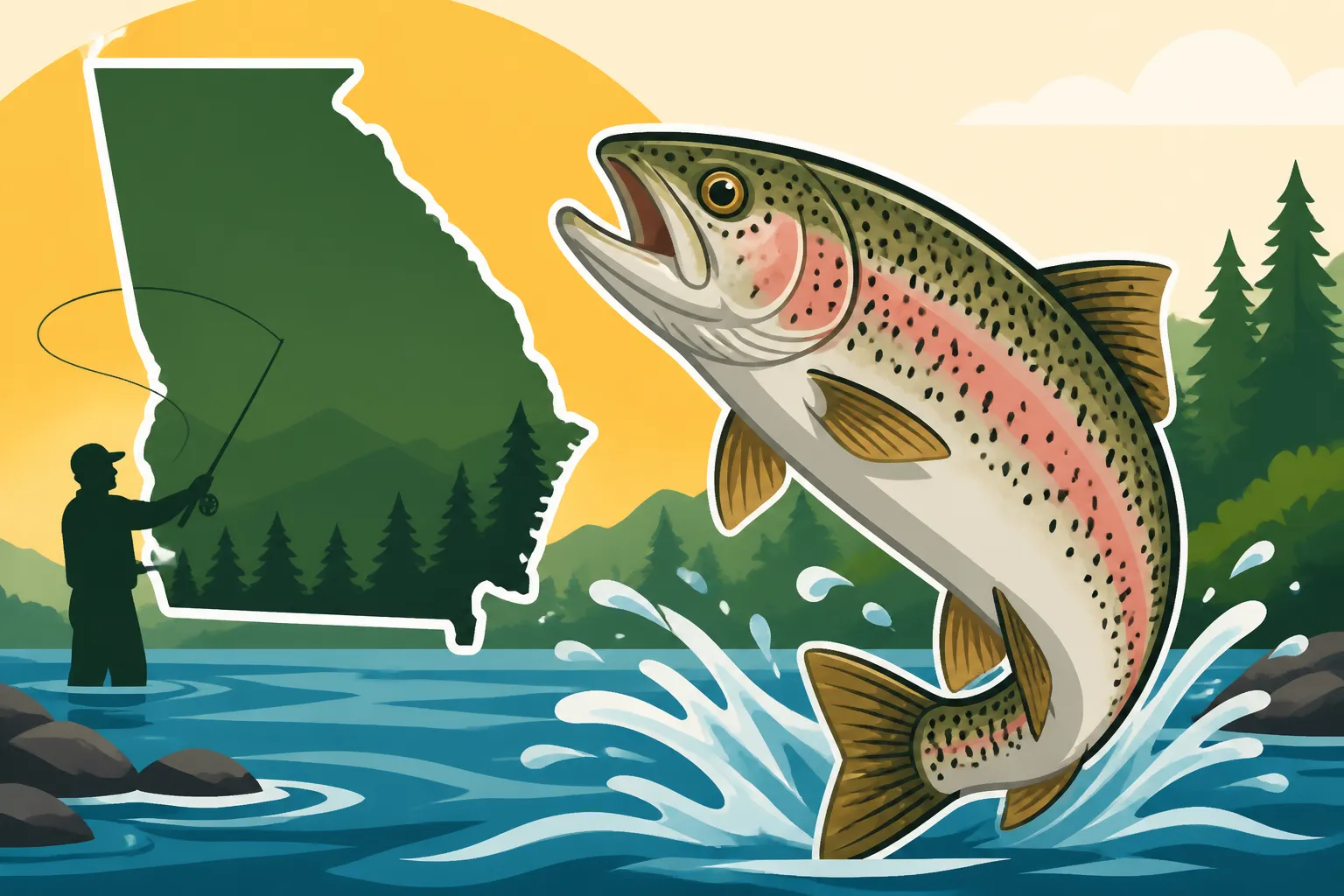
There’s nothing quite like the crisp air of a North Georgia mountain morning, the sound of rushing water, and the anticipation of a beautiful trout taking your fly. But if you've ever shown up to a stream in Georgia hoping to fill your creel, only to find out you're on a "Delayed Harvest" section where keeping fish is strictly forbidden, you know that feeling of mild confusion and frustration. This guide is here to clear up all the nuances of Georgia's Delayed Harvest (DH) trout regulations, ensuring you understand exactly when and where you can enjoy these special waters, and what rules apply.
Understanding Georgia's Delayed Harvest Trout Program
Georgia’s Delayed Harvest program is a fantastic initiative by the Georgia Department of Natural Resources (DNR) to provide exceptional trout fishing opportunities, especially during the colder months when many natural trout populations might be less active or harder to catch. It essentially creates a vibrant, catch-and-release only fishery for a significant portion of the year, teeming with recently stocked trout, and then transitions to a harvest period. This cycle ensures a high-quality experience for anglers who enjoy frequent hook-ups, whether they're practicing their fly casting or just enjoying a peaceful day on the water.
What is Delayed Harvest Anyway?
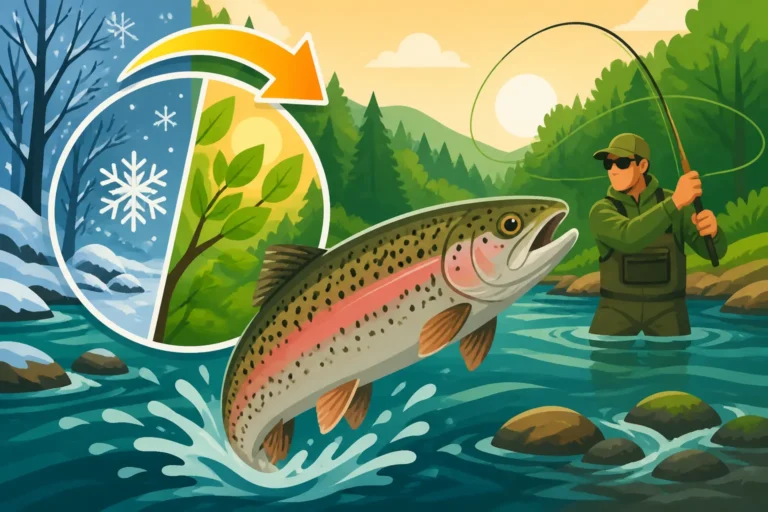
At its core, Delayed Harvest refers to specific trout stream sections where the DNR regularly stocks a high density of trout – often larger, healthier fish – and then places strict regulations on when and how those fish can be harvested. For most of the year, usually from November 1st through May 14th, these streams are managed as catch-and-release only waters. This means that every single trout you catch, regardless of size, must be immediately released unharmed back into the water. This concentration of fish, coupled with the catch-and-release rule, creates an incredible environment for anglers to hone their skills and enjoy a consistent fishing experience without depleting the stock. It's a true angler's paradise during those months, a place where you can genuinely expect to connect with multiple fish in a single outing.
The beauty of the Delayed Harvest program is in its name: the "harvest" is merely delayed, not eliminated entirely. This distinct period allows the stocked fish to acclimate, grow a bit, and provide sport for a longer time before they become fair game for the dinner table. It's a unique blend of conservation and opportunity, ensuring that the streams remain vibrant fisheries year after year. The goal isn't just to stock fish, but to create a sustainable and enjoyable angling environment that maximizes the time these fish are available for sport.
The Seasonality of Delayed Harvest Waters
The specific timing is absolutely critical when it comes to Georgia's Delayed Harvest streams, and it's where many anglers can get confused if they don't check the current regulations. The catch-and-release portion of the season typically runs from November 1st through May 14th each year. During these months, the focus is entirely on the sport of fishing; no trout may be kept. This period is when the streams are often at their busiest, especially on weekends, as anglers flock to enjoy the abundant and cooperative fish. The DNR often stocks these streams multiple times throughout this period, keeping the population robust.
Once May 15th rolls around, the rules dramatically change. From May 15th through October 31st, these same Delayed Harvest streams transition into a general regulation trout stream. This means you can keep trout during this period, subject to the statewide daily creel limits and size restrictions that apply to most other trout waters in Georgia. This shift allows anglers who prefer to keep their catch to do so, while also recognizing that by late spring and into summer, water temperatures can rise, and many of the stocked trout may have been caught or have moved on. It's a clever way to manage the resource, offering diverse experiences throughout the year. For detailed dates and current regulations, it’s always best to check the Georgia DNR’s official fishing regulations guide annually. You can learn more about these specifics by reading about Georgia's Delayed Harvest Catch-and-Release Season Explained.
The Specific Regulations You Need to Know
Navigating the rules for Delayed Harvest streams is essential for any responsible angler. It's not just about knowing when you can keep fish, but also understanding what kind of gear is permitted, which is particularly important during the catch-and-release phase. Getting caught with the wrong tackle or an illegal fish can lead to penalties, and nobody wants their peaceful fishing trip ruined by a run-in with a game warden.
Catch-and-Release Only Period
During the prime Delayed Harvest season, from November 1st to May 14th, the rule is unequivocally catch-and-release only. This means that any trout caught must be immediately and carefully released back into the water. There is absolutely no daily creel limit because you cannot keep any fish. This regulation is strictly enforced to maintain a high density of trout for sport fishing throughout these cooler months. It's a fundamental aspect of the program designed to maximize angler enjoyment and fishing pressure without depleting the stocked fish too quickly.
Beyond the "no keep" rule, there are also specific tackle restrictions during this catch-and-release period. Anglers are typically limited to artificial lures with a single hook. This means no live bait, no scented baits, and no treble hooks. The single hook requirement is crucial for minimizing harm to the trout, making it much easier to unhook them gently and ensure their survival after release. Using barbless hooks, or at least pinching down the barb on your hooks, is highly recommended during this time to further reduce stress and injury to the fish. When choosing lures, you'll find a wide variety of effective options on platforms like Amazon, from small spinners to various fly patterns.
The Harvest Period Rules
Once May 15th arrives, the Delayed Harvest streams transition to a standard harvest period that runs through October 31st. During this time, the "catch-and-release only" rule is lifted, and anglers are permitted to keep trout. However, this isn't a free-for-all. The streams revert to general statewide trout regulations for daily creel limits and size restrictions. This typically means a daily creel limit of 8 trout per angler, with no minimum size limit, although specific stream sections might have unique rules, so always double-check the current Georgia Fishing Regulations Explained booklet.
It's vital to remember that while you can keep fish during this period, the density of trout might naturally decrease as the season progresses, due to angling pressure and warmer water temperatures. Many of the larger, recently stocked fish from the winter and spring might have already been caught, making the fishing experience different than the earlier catch-and-release period. However, this period still offers opportunities for those who enjoy taking a few trout home for dinner. For more specific information on statewide limits, consult the guide on Daily Creel Limits for Trout in Georgia.
Tackle and Bait Restrictions
Understanding the permissible tackle and bait is paramount when fishing Delayed Harvest streams, especially during the catch-and-release window. From November 1st through May 14th, these waters are designated as "artificial lure only" with the added stipulation of "single hook." This means you absolutely cannot use live worms, corn, salmon eggs, powerbait, or any other natural or scented bait. The idea is to promote a challenge and reduce mortality rates for released fish. Artificial flies, spinners, spoons, and small jerkbaits are all fair game, as long as they adhere to the single hook rule. Many anglers even go a step further and flatten the barbs on their hooks to make release even quicker and less traumatic for the fish, a practice I highly recommend. You can find specialized barbless hooks or tools to crimp barbs on regular hooks on sites like Amazon.
When the harvest period kicks in from May 15th to October 31st, the tackle restrictions typically relax to general trout stream rules. This means you can generally use live bait like worms or minnows, along with artificial lures, and the single hook rule might be lifted, allowing for treble hooks on your spinners or crankbaits. However, even during the harvest period, some sections of streams might retain specific restrictions, so a quick check of the current regulations is always a smart move. Always ensure your fishing license includes the necessary trout stamp. If you're wondering, do you need a separate trout license in Georgia? The answer is yes, you usually need a trout stamp in addition to your basic fishing license to fish for trout in designated trout waters.
Why Delayed Harvest Streams are So Popular
Delayed Harvest streams hold a special place in the hearts of many Georgia anglers, and for good reason. They offer a unique blend of challenge, abundance, and conservation that isn't always found in other types of trout waters. Whether you're a seasoned fly caster or a beginner looking to improve your skills, these streams provide an ideal environment for consistent success and pure enjoyment.
The Thrill of Abundant Trout
One of the primary reasons Delayed Harvest streams draw such crowds is the sheer abundance of trout. The Georgia DNR works diligently to stock these waters heavily and frequently throughout the catch-and-release season. This means that anglers, particularly during the peak winter and spring months, can expect a much higher hook-up rate compared to many wild trout streams or even general regulation stocked waters. It's not uncommon to catch several fish in a single outing, sometimes even dozens if you hit the right conditions and spots. This consistent action is incredibly rewarding, especially for those who might otherwise struggle to find fish in less populated areas.
Furthermore, the fish stocked in these Delayed Harvest streams are often of a good size. You’re not just catching tiny fingerlings; many are pan-sized or larger, offering a respectable fight. The combination of high numbers and decent size makes for an exciting and engaging fishing experience. For many, the joy isn't in keeping the fish, but in the challenge of finding them, making the perfect cast, feeling the tug, and then watching them swim away healthy to be caught another day. This constant engagement allows anglers to experiment with different flies and techniques, knowing that another fish is likely just around the bend.
Promoting Conservation and Skill Development
Beyond the sheer numbers, Delayed Harvest streams play a crucial role in promoting ethical angling practices and skill development. Because these waters are catch-and-release only for a significant portion of the year, anglers are encouraged, and required, to practice proper fish handling techniques. Learning how to quickly and gently unhook a trout, keep it in the water, and ensure its healthy release becomes second nature. This fosters a deeper respect for the fish and the ecosystem, moving beyond simply harvesting and towards appreciating the resource.
For those interested in fly fishing, Delayed Harvest streams are an absolute training ground. The abundance of fish means more opportunities to practice casting, presentation, and reading the water. With the "artificial lure only" rule, fly anglers and spin anglers using single-hook lures are on an even playing field, focusing on finesse and technique rather than the allure of live bait. This emphasis on skill makes these streams an excellent place for beginners to gain confidence and for experienced anglers to refine their craft. Many people buy their first fly rods and a starter set of flies on sites like Amazon specifically with these types of streams in mind, knowing they'll get plenty of chances to practice. You can find resources on how to fly fish for trout as a beginner to get started.
Key Delayed Harvest Streams in Georgia
Georgia is blessed with several fantastic Delayed Harvest trout streams, each offering its own unique charm and challenges. Knowing where these special waters are located is the first step to planning a successful and enjoyable fishing trip. Most of these streams are nestled in the beautiful North Georgia mountains, providing not just great fishing, but also stunning scenery.
Popular DH Spots and Their Unique Features
Let's talk about some of Georgia's star Delayed Harvest streams. The Chattahoochee River is perhaps the most well-known, particularly the section below Buford Dam. It’s easily accessible from Atlanta and offers a vibrant tailwater fishery. You’ll find sections designated as Delayed Harvest, especially around the Bowmans Island and Settles Bridge areas. Its size and consistent cold-water flow make it a year-round fishery, though DH rules are specific to certain stretches. The Chattahoochee is famous for producing large trout and can be fished effectively from both bank and boat, though wading is popular in many areas.
Another fantastic option is Amicalola Creek in Dawson County. This creek flows through the Amicalola Falls State Park area, offering stunning views alongside productive fishing. Amicalola is known for its rugged beauty and offers a more intimate, mountain stream experience compared to the wider Chattahoochee. Further east, the Toccoa River in Fannin County has a popular Delayed Harvest section below Lake Blue Ridge Dam. This section, often known as the Toccoa River Tailwater, provides excellent fly-fishing opportunities and is regularly stocked. Its relatively wide and open stretches make it quite accessible for wading.
Finally, don't overlook smaller, but equally productive, streams like a section of the Smith Creek in Unicoi State Park near Helen, or the upper reaches of the Chauga River in Rabun County. Each of these streams has its own character, from wide-open runs to tight, pocket water. Always check the official Georgia DNR website for the most current list of designated Delayed Harvest streams and their specific boundaries. For a broader view, check out the Best Trout Streams in Georgia for more options.
Accessing Delayed Harvest Waters
Getting to and navigating Georgia’s Delayed Harvest waters is generally straightforward, but it pays to do a little homework before you go. Most popular DH streams, like the Chattahoochee or Toccoa River Tailwater, have designated public access points, including boat ramps, parking areas, and easy-to-find trails that lead to the water. State parks and Wildlife Management Areas (WMAs) are often home to these special regulations, meaning clear signage and maintained access. For instance, the Amicalola Creek DH section has multiple access points within and just outside Amicalola Falls State Park, making it convenient for visitors.
However, some sections might require a bit more effort to reach, involving short hikes or navigating through more rugged terrain. It’s always a good idea to consult detailed maps, like those available through fishing apps or online topo maps, to understand the layout of the stream and identify the best entry and exit points. Parking can sometimes be limited, especially on busy weekends during the peak season, so arriving early is often a wise strategy. Be mindful of private property boundaries and always respect the land; staying on public easements and marked access points is crucial for maintaining angler access. When planning your trip, remember you'll need to secure your Georgia fishing license guide and ensure you have the proper trout stamp endorsement.
Essential Gear and Etiquette for DH Fishing
Fishing Delayed Harvest streams effectively and responsibly requires not just knowledge of the regulations, but also the right gear and a respectful approach to the environment and other anglers. Since these are often highly trafficked areas, a little bit of preparation and courtesy goes a long way in ensuring a pleasant experience for everyone.
Recommended Tackle for Delayed Harvest
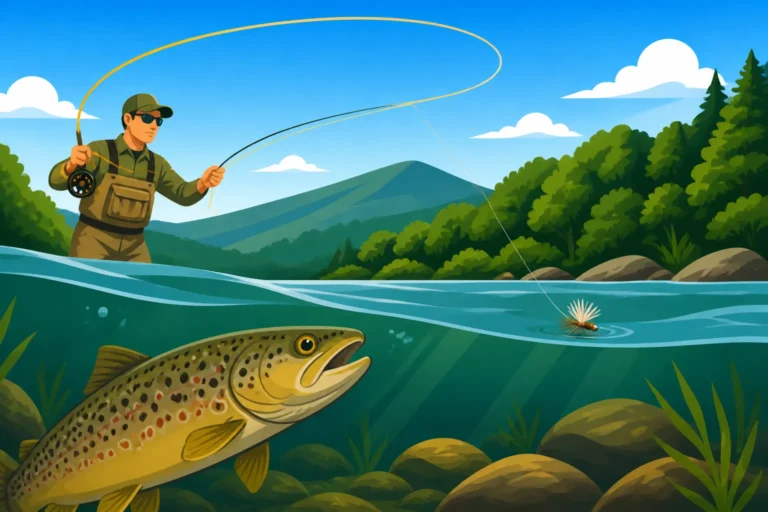
For the catch-and-release period (November 1st – May 14th), your gear selection is primarily driven by the "artificial lure with a single hook" rule. Many serious anglers prefer fly fishing gear for these streams. A 4- to 6-weight fly rod, paired with a matching reel and floating line, is versatile enough for most of Georgia's DH waters. You'll want a selection of flies, including nymphs (like pheasant tails, hare's ears, prince nymphs), emergers, and perhaps some dry flies for warmer days or rising fish. Streamers can also be very effective for larger, more aggressive trout. Look for fly selections online, like those offered on Amazon, which often come in convenient assortments for various conditions.
If spin fishing is more your style, opt for a light to ultralight spinning rod (5-6 foot range) paired with a small, sensitive reel spooled with 4-6 pound test monofilament or fluorocarbon line. Small inline spinners (like Panther Martins, Mepps, or Rooster Tails), small spoons, or tiny jerkbaits (all fitted with single, barbless hooks) are excellent choices. Again, remember to swap out any treble hooks for single hooks, or at the very least, pinch down the barbs to comply with regulations and ensure fish safety. For a deeper dive into tackle choices, check out Fly Fishing Gear for Georgia's Trout Streams.
Practicing Good Angler Etiquette
When fishing in popular Delayed Harvest areas, practicing good etiquette is just as important as having the right gear. These streams can get crowded, especially on weekends, so showing courtesy to your fellow anglers ensures a positive experience for everyone. The golden rule is to give other anglers plenty of space. Don't crowd someone who's actively fishing a hole; move upstream or downstream a good distance. A general rule of thumb is to allow at least 50-100 feet between yourself and another angler, if possible.
When wading, try to move quietly and avoid stirring up too much sediment, which can spook fish and muddy the water for those downstream. If you see someone catching fish in a particular spot, don't immediately rush over to that exact location. Instead, politely ask if they mind if you fish nearby, or simply find another open area. Most importantly, when you catch a fish during the catch-and-release period, handle it with extreme care. Keep the fish in the water as much as possible, use wet hands to minimize slime coat removal, and use pliers or forceps to quickly and gently remove the hook. Avoid excessive netting or holding the fish out of water for long photo sessions. The goal is to get that fish back in the stream as healthy as possible.
Planning Your Delayed Harvest Adventure
A successful Delayed Harvest trip is more than just showing up at the water's edge; it involves a bit of planning and staying informed. By doing your homework, you can significantly increase your chances of finding cooperative fish and having a truly memorable experience in Georgia's beautiful mountain country.
Checking the Latest Stocking and Conditions
One of the most valuable resources for fishing Delayed Harvest streams is the Georgia DNR’s weekly trout stocking schedule. The DNR website and social media channels regularly update when and where trout have been stocked. This information is gold, as freshly stocked fish are often the most active and eager to bite. Knowing that a stream was just stocked a day or two before your trip can make a huge difference in your success rate. Checking the Georgia Trout Stocking Schedule Explained is highly recommended before you head out.
Beyond stocking reports, it's crucial to check current water conditions. Stream flows can fluctuate dramatically based on recent rainfall, dam releases (especially on tailwaters like the Chattahoochee and Toccoa), and general weather patterns. High, muddy water can make fishing incredibly difficult and even dangerous, while extremely low water can make fish skittish. Websites like the USGS provide real-time stream gauge data for many Georgia rivers and creeks, giving you an accurate picture of water levels. Weather forecasts are also essential; a sudden cold front can shut down a bite, while stable conditions usually make for better fishing.
Combining Your Trip with Other North Georgia Activities
Making a fishing trip to a Delayed Harvest stream can easily become a full-fledged North Georgia adventure. Many of these streams are located near charming mountain towns like Helen, Blue Ridge, Dahlonega, or Clayton, which offer a wealth of other activities. After a morning on the water, you could explore local shops, enjoy a delicious meal at a farm-to-table restaurant, or visit a craft brewery or winery.
If you’re traveling with family or non-anglers, there are plenty of hiking trails, scenic drives, and waterfalls to explore. Amicalola Falls State Park, for example, combines the DH trout section with the stunning Amicalola Falls and access to the Appalachian Trail. Unicoi State Park, home to Smith Creek, offers zip-lining, paddleboarding, and other outdoor recreation. By planning a diversified itinerary, your Delayed Harvest fishing trip can be part of a broader, enriching experience in one of Georgia's most beautiful regions. Don't forget that you'll need to know how to get a fishing license in Georgia before you embark on your adventure.
Disclaimer
Always consult the official Georgia Department of Natural Resources (DNR) regulations before fishing. Fishing rules and regulations, including license requirements, creel limits, and tackle restrictions, are subject to change annually and by specific waterbody. This guide is for informational purposes only and should not be considered a substitute for the official Georgia DNR fishing regulations.