Brown Trout Fishing on the Chattahoochee River
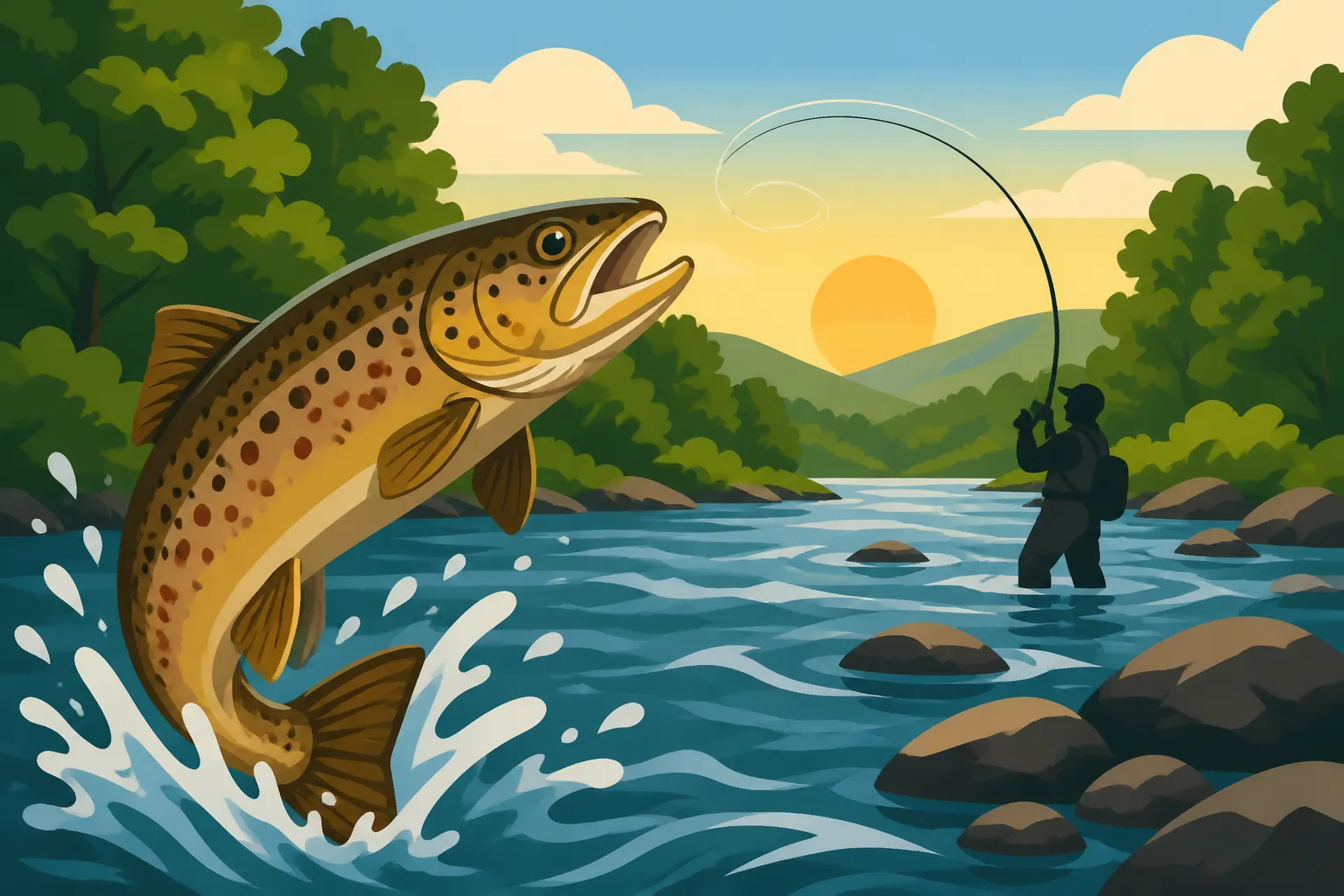
If you've ever dreamt of battling a truly magnificent fish in a stunning natural setting right here in Georgia, then brown trout fishing on the Chattahoochee River is probably high on your list – or it should be! Many anglers find the "Hooch" intimidating, worried they won't find those elusive browns or struggle with the unique river dynamics. But don't you worry, because this guide is going to walk you through everything you need to know to confidently target brown trout on this iconic Georgia river, turning those anxieties into successful fishing trips.
Why the Chattahoochee River is a Brown Trout Mecca
The Chattahoochee River, especially its colder sections downstream from Buford Dam, is truly a jewel in Georgia's trout fishing crown. What makes it so special for brown trout? Well, it's a combination of unique environmental factors, habitat, and consistent management that creates an almost perfect environment for these powerful, often finicky, fish to thrive and grow to impressive sizes. It’s not just about throwing a line in; it's about understanding the nuances of this incredible waterway.
Coldwater Release and Optimal Habitat
The constant release of frigid water from the depths of Lake Lanier through Buford Dam is the secret sauce for the Chattahoochee's brown trout fishery. This deep-water release keeps the downstream sections of the river much colder than a typical southern river, even through our sweltering summers. Brown trout, being a coldwater species, absolutely thrive in these consistent, cool temperatures. Without it, the "Hooch" wouldn't be the trout haven it is. This consistent cold water creates a stable environment year-round, allowing the brown trout to feed and grow.
Beyond just the temperature, the river offers a fantastic variety of habitat. You’ll find deep pools, rocky runs, undercut banks, and plenty of submerged structure like fallen trees and boulders. These features provide browns with perfect ambush points and places to hide from predators and strong currents. Think of those stealthy browns lurking in the shadows, waiting for an unsuspecting meal to drift by. They are masters of their environment, and the Chattahoochee provides them with all the nooks and crannies they need. If you're looking for Brown Trout in Georgia: Where to Find Them, the Chattahoochee is undoubtedly one of your top contenders.
Sustainable Stocking and Wild Spawning
While the Chattahoochee certainly has its share of wild-spawned brown trout, the Georgia Department of Natural Resources (DNR) plays a crucial role in maintaining a robust population through regular stocking efforts. These stocked fish quickly adapt to the river's rich food sources and challenging currents, growing larger and feistier over time. It's a fantastic program that ensures there's always a healthy population for anglers to pursue.
What’s really cool, though, is that the browns in the Chattahoochee also exhibit natural spawning behavior in the fall. While the success rates can vary, especially in heavily fished areas, it adds a layer of wildness to the fishery. Those naturally reproduced fish are often the wariest and hardest to catch, making them the ultimate prize for experienced anglers. This mix of wild and stocked fish contributes to the overall health and excitement of the fishery, offering a diverse challenge. You'll find sections of Chattahoochee River Headwaters Trout Fishing that offer even wilder experiences.
Prime Times and Seasonal Considerations for Brown Trout
Understanding the seasonal patterns of brown trout on the Chattahoochee can dramatically improve your success. Unlike some species that are active year-round in the same way, browns adapt their behavior to water temperatures, flows, and insect hatches. Knowing when and where to focus your efforts can make all the difference between a slow day and a memorable one.
Fall and Winter: Trophy Brown Season
Many seasoned Chattahoochee anglers will tell you that fall and winter are the times to target trophy brown trout. As water temperatures begin to drop consistently, usually from late September through March, brown trout become more active and aggressive. They're preparing for and recovering from their spawning ritual, and they need to pack on calories. This means they’re often less finicky and more willing to chase larger prey.
The fall also brings the brown trout spawn. While it’s critical to avoid disturbing spawning fish on their redds (gravel nests), the pre-spawn and post-spawn periods can be incredible. Big browns, otherwise solitary and territorial, become more visible and aggressive. Keep an eye on river flows, too. Lower, stable flows often concentrate fish and make them easier to target. However, cold, rainy days can also bring out aggressive feeding behavior as they sense barometric pressure changes. Just remember to bundle up – those winter mornings on the Chattahoochee can be brutally cold! For general tips on when to hit the streams, check out Best Months to Fish Georgia's Mountain Streams.
Spring and Summer: Challenging but Rewarding
Spring on the Chattahoochee can be a bit of a mixed bag for brown trout. The increased flows from spring rains and reservoir releases can make fishing challenging, as fish spread out and currents become strong. However, it's also a time of abundant insect hatches, which can lead to incredible dry fly fishing opportunities, especially for those who enjoy the finesse of fly fishing. Look for periods of stable, moderate flows, particularly after the initial spring runoff subsides.
Summer, despite our famously hot Georgia weather, remains a viable time for brown trout thanks to that consistent coldwater release from Buford Dam. However, the browns often become more nocturnal or seek out the deepest, coldest pools during the heat of the day. Early mornings, late evenings, or even night fishing can be highly effective. During the day, focus on fishing deep with nymphs or streamers, especially in oxygen-rich areas or around coldwater springs. Remember, even in summer, the water coming out of the dam is cold enough to keep these fish happy.
Mastering Techniques for Elusive Browns
Brown trout are known for their wariness and intelligence. They're not always easy to catch, which is precisely what makes pursuing them so rewarding. To consistently fool a Chattahoochee brown, you’ll need a blend of stealth, precision, and an understanding of their feeding habits.
Fly Fishing: The Classic Approach
For many, fly fishing is the quintessential method for brown trout, and the Chattahoochee offers world-class opportunities. Whether you're a seasoned fly angler or just getting started with Fly Fishing Basics for Trout, the "Hooch" has something for you. Nymphing is often the most productive method, especially when fish are holding deep. Try fishing tandem nymph rigs with strike indicators, focusing on seams, eddies, and current breaks. Patterns mimicking caddis, mayflies, and stoneflies are always good bets. During hatches, dry fly fishing can be explosive, but you’ll need precise casts and delicate presentations to avoid spooking fish.
Streamers are also incredibly effective, particularly for targeting larger, more aggressive brown trout. These patterns imitate baitfish like sculpins and minnows, which are a major food source for bigger browns. Stripping streamers through deep pools, along undercut banks, or across current breaks can often elicit a violent strike. Experiment with different retrieve speeds and depths until you find what triggers a bite.
Spin Fishing: Versatility and Power
Don't think you need a fly rod to catch Chattahoochee browns! Spin fishing can be incredibly effective, especially for covering water and for those who prefer a more direct approach. Ultra-light to light action rods, paired with small spinning reels spooled with light line (4-6 lb fluorocarbon or monofilament), are ideal. Stealth is still paramount, so avoid heavy lures that make a big splash.
Small inline spinners (like Panther Martins or Mepps), spoons (like Phoebe or Kastmaster), and jerkbaits (like Rapala countdowns or X-Raps) are proven brown trout catchers. Focus on casting upstream and retrieving with the current, allowing your lure to tumble naturally. Vary your retrieve speed and add subtle twitches to mimic injured baitfish. Soft plastics, like small grubs or trout worms rigged on a light jig head, can also be deadly when fished slowly along the bottom or drifted under a float. You can often find a great selection of these on Amazon. When considering Best Lures for Brown Trout in Georgia, these are all excellent choices.
Bait Fishing: The Simple Success
Sometimes, simplicity is key, and bait fishing can be incredibly effective for brown trout, especially if you’re fishing from the bank or introducing a beginner to trout fishing. Live bait like red wigglers, mealworms, or small minnows can be irresistible to hungry browns. Drift them naturally with the current under a small bobber or with minimal weight, allowing them to tumble along the bottom.
PowerBait or similar scented dough baits are also popular, particularly for freshly stocked fish. Rig them on a small treble hook with a sliding sinker setup to allow the fish to take the bait without feeling resistance. The key with bait fishing, just like with lures, is natural presentation. Avoid heavy lines and sinkers that can spook these wary fish. For any of these options, you can usually find supplies readily available on Amazon, often with quick delivery right to your door before your next trip.
Here's a quick comparison of common brown trout tactics:
| Method | Pros | Cons | Best for |
|---|---|---|---|
| Nymphing | Highly effective, mimics natural food | Requires practice, indicators can be tricky | Deep-holding fish, year-round |
| Streamers | Targets large, aggressive browns | Less finesse, can be physically demanding | Pre-spawn/post-spawn, active feeders |
| Dry Fly | Exciting visual strikes, ultimate finesse | Highly dependent on hatches, easily spooked | Active surface feeders, specific hatches |
| Spinners | Easy to use, covers water quickly | Can spook fish if not presented carefully | Active, chasing fish, covering runs |
| Jerkbaits | Triggers aggressive strikes | Can be snag-prone, best in clear water | Ambushes from structure, aggressive fish |
| Bait | Simple, often very effective | Can be swallowed deeply, less sporting | Beginners, bank fishing, less active fish |
Essential Gear and Conservation Tips for the Chattahoochee
Fishing the Chattahoochee for brown trout isn't just about the fish; it's about the experience and preserving this amazing resource. Having the right gear and adopting a conservation-minded approach ensures that you, and future generations, can continue to enjoy this incredible fishery.
Waders, Boots, and Safety Gear
The Chattahoochee River can be quite deceiving. While it might look calm in places, the current can be strong, and the bottom can be slippery with algae-covered rocks. Good quality waders and sturdy wading boots with felt soles or studs are absolutely essential for safe wading. I've taken a few tumbles myself over the years, and a good pair of boots would've saved me some scrapes! Always wear a wading belt, which helps create a seal if you do take a spill.
Beyond waders, consider bringing a wading staff for stability, especially if you're exploring new sections. A PFD (Personal Flotation Device) is never a bad idea, especially if you're fishing from a float tube or kayak, or venturing into deeper, swifter currents. The river can rise and fall quickly due to dam releases, so always be aware of your surroundings and check release schedules before heading out. Safety should always be your top priority, especially on a powerful river like the Chattahoochee.
Tackle, Tools, and Licensing
Beyond your rod, reel, and chosen lures or bait, a few other tools will make your life easier. A good pair of hemostats or long-nosed pliers for hook removal is crucial – especially for those times a fish swallows the hook a bit deeper. A net, preferably one with a rubber or silicon mesh, will help you land fish safely and minimize harm to their protective slime coat. A small tackle bag or vest that allows you to carry what you need without being cumbersome is also a game-changer. You don't want to be constantly running back to the car.
Of course, before you even cast a line, you'll need a valid Georgia fishing license with a trout stamp. This is non-negotiable! The fines for fishing without a license can really put a damper on your day. You can easily purchase your Georgia Trout Fishing License Requirements online or from authorized license agents. Make sure you understand Georgia Fishing Regulations Explained before you go, including creel and size limits, as these can vary for different species and even specific sections of the river.
Catch and Release Ethic
While it's perfectly fine to keep a legal limit of trout for dinner, many anglers on the Chattahoochee practice catch and release, especially for the larger brown trout. These older, bigger fish are vital to the health and genetic diversity of the fishery. If you do plan to release fish, handle them with the utmost care. Minimize their time out of water, keep your hands wet, and avoid squeezing them. A quick photo, if you must, and then gently revive them in the current until they swim away strongly.
Being a responsible angler also means leaving no trace. Pack out everything you pack in, including any discarded fishing line or trash. Let's all do our part to keep the Chattahoochee River beautiful and healthy for everyone, and for the magnificent brown trout that call it home.
Disclaimer
This article is for general informational purposes only and does not constitute professional advice. Laws, prices and regulations vary by location and change over time. Consult a qualified professional for guidance on your specific situation.