Where to Catch Trophy Largemouth Bass in Georgia
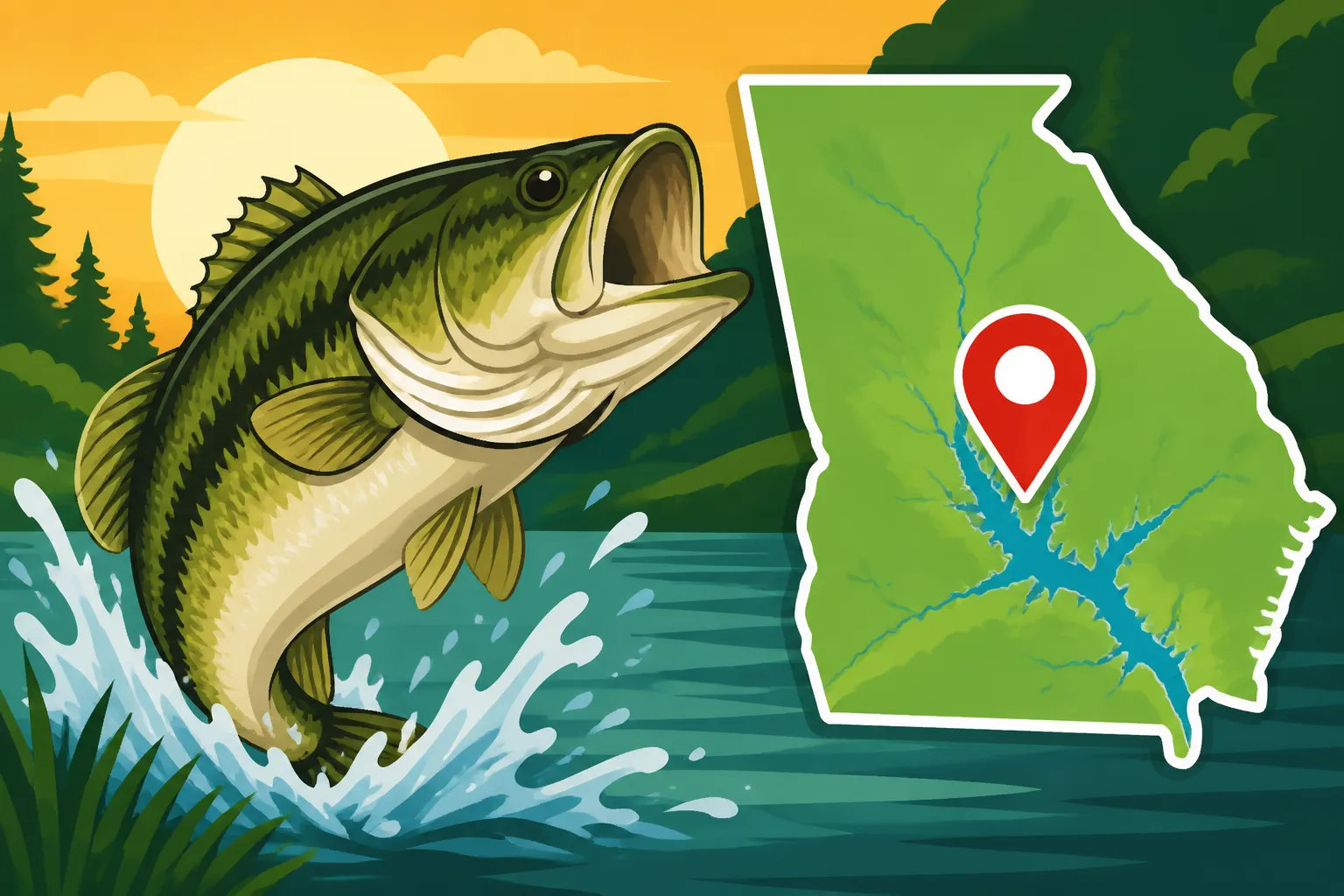
Oh, the quest for a trophy largemouth bass in Georgia! It's a dream that keeps many of us up at night, replaying casts, debating lure choices, and pouring over maps. We all know that feeling of chasing a true lunker, a fish that tests your gear, your patience, and your skill. It's not just about catching a bass; it's about catching that bass – the one that makes your heart pound and gives you bragging rights for years. This guide is all about helping you stack the odds in your favor, pointing you toward the legendary waters and the proven tactics that increase your chances of landing that Georgia giant.
What Defines a Trophy Largemouth Bass in Georgia?
When we talk about a "trophy" largemouth bass, we're not just talking about a nice keeper for dinner. We're talking about something truly special, a fish that stands out from the rest. For most anglers in Georgia, a trophy largemouth is generally considered to be anything over 8 pounds, with the holy grail often being a double-digit fish – that magical 10-pound mark or even heavier. These aren't just big fish; they're often older, wiser, and much more elusive.
The pursuit of these giants comes with its own set of challenges. Trophy bass are often solitary creatures, preferring deep cover or specific feeding lanes. They've seen countless lures, felt the hook of many an angler, and learned how to survive. Their diet might be different, focusing on larger, less frequent meals, which means you might not get as many bites, but when you do, it could be the one you've been waiting for. It's this combination of size, rarity, and the sheer challenge of outwitting them that elevates a big largemouth to "trophy" status in the Peach State. For a deeper dive into the species, check out Largemouth Bass Fishing in Georgia: The Complete Species Guide.
Georgia's Prime Hunting Grounds for Giant Largemouth
When you're chasing that elusive double-digit largemouth, you need to be fishing where they actually live. While almost any body of water in Georgia can surprise you with a big fish, some lakes are consistently known for producing true giants. These aren't just good bass lakes; they're trophy bass lakes, year after year.
Lake Lanier: North Georgia's Big Bass Factory
Lake Lanier, nestled in North Georgia, is perhaps one of the most famous names when it comes to big bass, especially spotted bass. However, don't let its reputation for spots fool you; Lanier also holds some absolute monster largemouth, particularly in its shallower arms and pockets. The lake’s diverse structure, including standing timber, rock piles, and submerged brush, provides ample cover for these giants to thrive.
The key to finding trophy largemouth on Lanier often lies in targeting the warmer, shallower areas, especially during the pre-spawn and spawn. Look for coves and creek arms with plenty of natural cover where these big fish move up to feed and eventually bed. The sheer size of Lanier means there are vast stretches of water to explore, but focusing on the areas known for abundant forage and good cover will increase your odds. For a complete look at this lake, see Lake Lanier Fishing Guide, Georgia.
Lake Oconee and Lake Sinclair: Central Georgia's Powerhouses
Moving towards Central Georgia, Lake Oconee and Lake Sinclair are connected by the Oconee River and are renowned for their incredible bass fisheries. These lakes are unique because they are part of a power generation system, which means fluctuating water levels and warmer water discharges, especially in winter. This can concentrate baitfish and, consequently, large bass.
Lake Oconee is particularly known for its extensive hydrilla beds and timber, which are perfect ambush points for big largemouth. The fish here get fat on a rich diet of threadfin shad and bream. Anglers often find success targeting the edges of the hydrilla, deeper points, and around boat docks. Lake Sinclair, with its residential development and numerous docks, also holds some incredible largemouth. Targeting the deeper water around docks, seawalls, and submerged brush can be highly effective. Both lakes offer excellent opportunities, but knowing the specific patterns for each can make all the difference. Get more details on fishing Oconee in Fishing Lake Oconee, Georgia.
Lake Seminole: South Georgia's Shallow Water Haven
Down in Southwest Georgia, bordering Florida, lies Lake Seminole, a true largemouth bass paradise. This lake is famous for its vast expanses of hydrilla, lily pads, cypress trees, and other shallow-water vegetation. Unlike the deep, clear waters of Lanier, Seminole is often stained and relatively shallow, creating an entirely different challenge and opportunity for trophy bass.
The sheer volume of cover on Lake Seminole allows giant largemouth to hide, ambush prey, and grow to incredible sizes. Flipping and pitching heavy jigs or soft plastics into the thickest cover is a common and highly effective technique here. Anglers also find success throwing frogs and topwater lures over the mats of vegetation, drawing explosive strikes from monster bass. This lake is a true testament to the idea that big fish often live in dense, hard-to-reach places. If you want to know more about this legendary spot, read Lake Seminole Fishing Guide.
Other Notable Trophy Waters
While the above lakes are often the first to come to mind, other Georgia waters consistently produce trophy largemouth.
- Walter F. George Reservoir (Lake Eufaula): Straddling the Georgia-Alabama border, this lake is another southern gem known for its abundant largemouth. Like Seminole, it features lots of submerged timber and aquatic vegetation, making it prime habitat for big fish.
- West Point Lake: Near LaGrange, West Point Lake offers diverse fishing, from open water to creek arms, and has a strong reputation for producing quality bass, including some real lunkers.
- Clarks Hill Lake (Lake Thurmond): On the eastern border, Clarks Hill is a massive reservoir that can be intimidating, but its numerous coves, points, and deep channels hold a healthy population of large bass.
Here's a quick comparison of some of Georgia's top trophy bass lakes:
| Lake Name | General Location | Key Features for Trophy Bass | Common Techniques |
|---|---|---|---|
| Lake Lanier | North Georgia | Deep clear water, standing timber, rock piles, hydrilla (seasonal) | Deep jigging, crankbaits, swimbaits, jerkbaits, large soft plastics |
| Lake Oconee | Central Georgia | Hydrilla, extensive timber, fluctuating levels, power plant discharge | Flipping/pitching jigs, crankbaits, topwater, spinnerbaits, Carolina Rigs |
| Lake Sinclair | Central Georgia | Docks, seawalls, submerged brush, rocky points, power plant influence | Jigging docks, crankbaits, soft plastics (Texas/Carolina Rigs), spinnerbaits |
| Lake Seminole | Southwest Georgia | Vast hydrilla mats, lily pads, cypress trees, stained water | Flipping/pitching heavy jigs, frogs, punching rigs, swimbaits, large spinnerbaits |
| Walter F. George Res. | Southwest GA/AL Border | Submerged timber, aquatic vegetation, river channels | Flipping/pitching, crankbaits, Carolina Rigs, swimbaits, topwater |
| West Point Lake | West Central Georgia | Points, coves, submerged timber, river channels | Spinnerbaits, crankbaits, jigs, plastic worms, topwater |
| Clarks Hill Lake | East Central Georgia | Numerous coves, points, deep channels, submerged brush | Crankbaits, jigs, Carolina Rigs, spoons, swimbaits |
Essential Strategies for Targeting Trophy Bass
Catching a trophy largemouth isn't just about showing up; it's about preparation, persistence, and understanding the behavior of these large, often solitary fish. These giants didn't get big by being easy to catch.
The Right Time and Place: Seasonal Patterns
Timing is everything when it comes to trophy bass. While you can catch a big one any time of year, certain seasons and conditions offer better odds.
- Pre-Spawn and Spawn (Late Winter/Spring): This is arguably the best time to target big bass. They move into shallower waters to feed heavily before and during the spawn, making them more accessible and aggressive. Look for them in protected coves, on flats, and around emergent vegetation. This is when they're at their heaviest. Understanding Spring Bass Fishing Patterns on Georgia's Reservoirs is crucial.
- Fall: As water temperatures begin to cool, bass often go on a feeding frenzy, fattening up for winter. They'll chase baitfish in schooling patterns, often near major creek arms and points.
- Summer: During the heat of summer, big bass often retreat to deeper, cooler waters, or seek dense overhead cover. Dawn and dusk can be productive with topwater lures, but during the day, focus on deep structure, hydrilla mats, or heavy shade.
- Winter: Though tougher, winter can yield big fish, especially on lakes with warm water discharges like Sinclair. Slow-moving baits in deep areas are key.
Bait and Lure Selection for Giants
Forget the tiny finesse baits if you're serious about a true trophy. Big bass eat big meals.
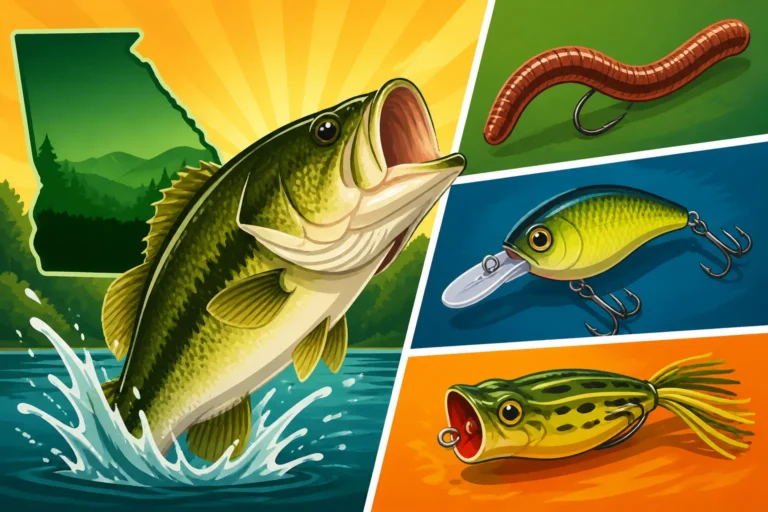
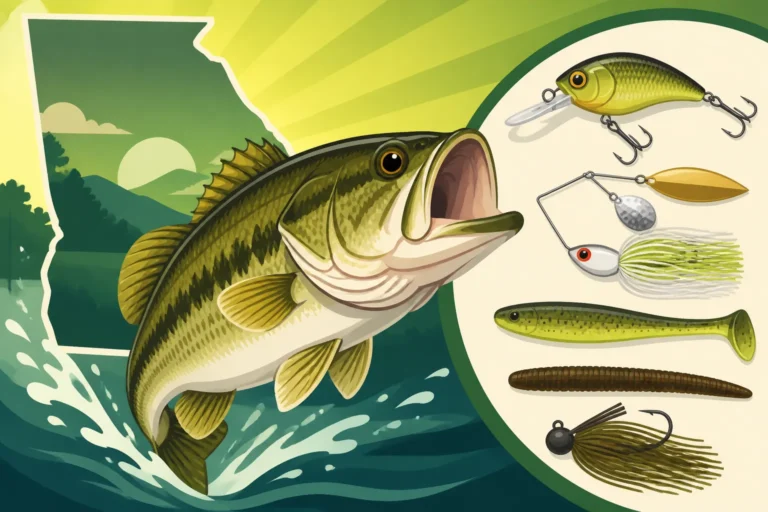
- Big Swimbaits: Hard or soft swimbaits, often 6-8 inches or larger, perfectly imitate the larger baitfish that trophy bass feed on. These can be expensive, but a well-presented swimbait can draw out the biggest fish in the lake. You can find a great selection of high-quality swimbaits on Amazon that are perfect for these Georgia lunkers.
- Jigs (Flipping and Pitching): Heavy jigs (1/2 oz to 1 oz) with large chunk trailers are phenomenal for penetrating dense cover like hydrilla mats, submerged timber, or thick brush. This technique allows you to drop a meal right in front of a hiding giant.
- Large Soft Plastics: Texas-rigged or Carolina-rigged worms, creature baits, and big senkos (7+ inches) presented slowly and methodically are deadly for big bass. They offer a subtle, natural presentation that older, wary fish find hard to resist. The How to Fish a Texas Rig for Bass guide has excellent insights.
- Deep-Diving Crankbaits: When bass are holding on deep ledges, humps, or points, large deep-diving crankbaits can entice a reaction strike. Match the lure's dive depth to the fish's holding depth.
- Topwater (Frogs, Whopper Ploppers, Large Poppers): Especially in vegetated lakes like Seminole or during low-light conditions, a big topwater lure can provoke an explosive strike. The commotion often draws out the most aggressive predators.
- Live Bait: While not always allowed in tournaments, a large shiner or bream on a free-line or under a bobber can be incredibly effective for enticing a trophy bass that might ignore artificials.
Remember, presentation is often more important than the specific lure. Work your bait slowly, deliberately, and with confidence. For more on lure selection, consult Best Lures for Georgia Largemouth Bass.
Targeting Structure and Cover
Trophy largemouth are masters of ambush. They seek out specific structures and cover that provide food, shade, and protection.
- Dense Vegetation: Hydrilla beds, lily pad fields, and thick grass mats are prime real estate. Big bass will sit underneath the canopy, waiting to ambush unsuspecting prey. Punching heavy jigs or frogs over these mats is highly effective.
- Standing Timber/Brush Piles: Submerged trees, stumps, and brush piles offer vertical cover that big bass love. Flipping jigs or slow-rolling swimbaits through these areas can be incredibly productive.
- Docks and Seawalls: Especially in residential lakes, boat docks provide shade and structure. Big bass will often hold under or around the pilings, or along seawalls. Skipping jigs or wacky-rigged worms under docks can be a game-changer.
- Deep Ledges and Humps: In deeper lakes, large bass often relate to depth changes, offshore humps, and submerged creek channels. These areas concentrate baitfish and provide excellent ambush points. Your electronics from Amazon will be your best friend here.
- Rocky Outcroppings and Points: Rocks absorb and retain heat, attracting baitfish and crawfish, which in turn attract bass. Points are natural funnels where fish move between shallow and deep water.
Overlooked Spots and the Patience Factor
While the well-known trophy lakes are great starting points, don't dismiss the smaller, less pressured waters. Sometimes your personal best is waiting in a spot no one else bothers to fish.
Smaller Lakes and Ponds
Georgia is dotted with countless smaller public fishing areas, state park lakes, and even private ponds that hold surprisingly large bass. These waters often receive less pressure, allowing fish to grow larger and become less wary. Look for state parks that actively manage their fisheries for quality bass, or research local public fishing areas (PFAs). Sometimes the biggest fish come from the most unexpected places. Many of these spots are perfect for bank fishing or kayak fishing, offering a quieter, more intimate angling experience.
River Systems and Tributaries
While less common for monster largemouth, many of Georgia's rivers and their tributaries can hold respectable fish. The Flint River, for instance, is famous for its shoal bass, but largemouth coexist and can grow large in the right conditions, particularly in slower-moving sections or oxbow lakes. Exploring these river systems can offer unique challenges and rewards.
The Virtue of Patience
Chasing trophy bass is not about quantity; it's about quality. You might go hours without a bite, or even an entire trip, but the one strike you get could be the fish of a lifetime.
- Slow Down: Work your baits slower than you think you should. Big fish are often lazy and won't chase a fast-moving meal.
- Re-fish Productive Areas: If you know an area holds big fish, don't just make a few casts and leave. Work it thoroughly from different angles, with different baits, and at different depths.
- Be Persistent: The difference between a good angler and a great one is often sheer persistence. Keep casting, keep learning, and keep believing that the next bite could be the one.
- Observe and Adapt: Pay attention to every detail: water temperature, clarity, wind, baitfish activity. These clues help you adapt your strategy. Even checking fishing forums or a quick search on Amazon for new gear ideas can spark inspiration when you're feeling stuck.
Landing a true trophy largemouth in Georgia is a monumental achievement. It takes dedication, knowledge, and a little bit of luck. But with the right approach, targeting the best waters, employing proven strategies, and embracing the challenge, you can absolutely increase your chances of hooking into that dream fish. Keep those lines wet, and good luck out there!
Disclaimer
This article is for general informational purposes only and does not constitute professional advice. Laws, prices and regulations vary by location and change over time. Consult a qualified professional for guidance on your specific situation.