Georgia’s Trout Stocking Schedule From March to October
There’s nothing quite like the thrill of planning a trout fishing trip, only to arrive at your favorite stream and find out it hasn’t been stocked in weeks, or worse, that you missed the window entirely. It’s a common frustration for Georgia anglers who depend on those fresh stockings to fill their coolers and provide exciting days on the water. This comprehensive guide is here to take the guesswork out of the equation, offering a detailed, month-by-month look at Georgia’s trout stocking schedule from March all the way through October, so you can plan your trips with confidence.
Understanding Georgia's Trout Stocking Program
For many of us, the Georgia Department of Natural Resources (DNR) trout stocking program is a cornerstone of our fishing adventures. It’s what makes trout fishing accessible to a broader range of anglers, from seasoned veterans to families introducing their kids to the sport. But it’s not just about dumping fish in a creek; there’s a lot of thought and effort that goes into making these opportunities possible.
The Why and How of Stocking
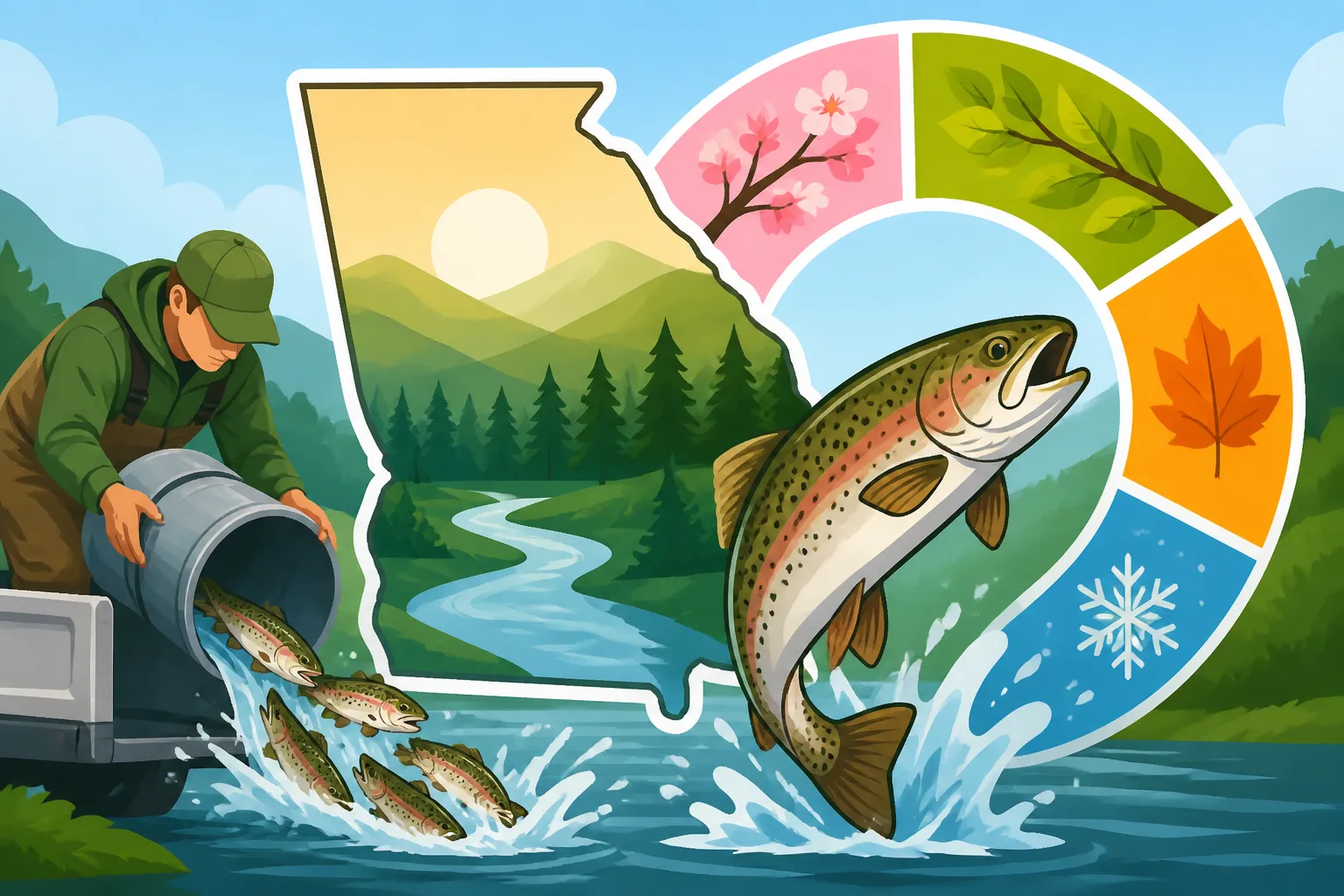
The primary goal of Georgia's trout stocking program is to enhance recreational fishing opportunities. North Georgia, with its cooler mountain streams, provides the ideal habitat, but natural reproduction alone often can't keep up with the demand from eager anglers. That's where stocking comes in. The Georgia DNR operates several trout hatcheries, including the Burton Fish Hatchery near Clayton, the Summerville Fish Hatchery, and the Buford Trout Hatchery, which collectively raise hundreds of thousands of trout each year. These fish are then transported and released into designated public trout streams and lakes across North Georgia.
The "how" involves careful planning around water temperatures, access points, and projected angler pressure. Stockings typically occur weekly or bi-weekly during the peak spring and fall seasons, often on weekdays to spread out the fishing pressure and give the fish a chance to disperse a bit before the weekend crowds arrive. The DNR tries its best to keep these schedules updated, but Mother Nature can sometimes throw a wrench in the plans, leading to last-minute changes due to heavy rains, low water, or other environmental factors. It’s always a good idea to check the most current information directly from the Georgia DNR website before heading out.
Types of Trout Stocked
When you're reeling in a feisty trout from a stocked Georgia stream, chances are you've hooked one of three main species: rainbow, brown, or brook trout. Each has its own unique characteristics and fighting style, making every catch a fun surprise.
Rainbow trout are by far the most commonly stocked species in Georgia. They're fast-growing, relatively hardy, and offer a spirited fight, making them a favorite for many anglers. You'll recognize them by the distinctive pinkish-red band running horizontally along their sides, especially vibrant during spawning season. They adapt well to hatchery conditions and a wide range of stream environments, which is why they make up the bulk of the stocked fish. If you're looking for a general overview, our guide on Georgia Trout Fishing: Rainbow, Brown, and Brook Trout Explained offers a deeper dive into these species.
Brown trout are also stocked, though typically in smaller numbers and often in specific streams known to support them better. They are known for their beautiful golden-brown bodies adorned with red and black spots, sometimes with light halos around them. Brown trout are generally a bit more elusive and wary than rainbows, presenting a fun challenge. They also tend to grow larger and are more tolerant of warmer water temperatures, making them a good choice for some of Georgia's larger trout streams and tailwaters. You can find more details on Brown Trout in Georgia: Where to Find Them.
Brook trout are Georgia's only native trout species, and while they are present in wild populations in the highest elevation, pristine streams, they are rarely stocked. When they are, it's usually in very specific conservation efforts. These beautiful fish are smaller but incredibly vibrant, with worm-like markings (vermiculations) on their backs and striking red spots with blue halos on their sides. If you're lucky enough to catch a brook trout, especially a native one, it's truly a special experience. Our article on Brook Trout: Georgia's Only Native Trout Species shares more about these precious fish.
How to Access the Official Schedule
Knowing when and where the Georgia DNR plans to stock trout is like having a secret map to success. Thankfully, it's not a secret at all! The Georgia DNR's Wildlife Resources Division maintains a comprehensive and regularly updated trout stocking report on their website. This is your go-to resource.
Typically, the report is updated weekly, usually by Friday afternoon or early in the week, detailing the streams and lakes that have been stocked that week and sometimes offering a glimpse into upcoming plans. You can usually find information on which specific waterways received fish, and sometimes even the quantity and species. While the main season for stocking generally runs from March through October, getting familiar with the process is key. For more on the yearly cycle, check out When Trout Stocking Starts in Georgia Each Year. Keeping an eye on this report is absolutely crucial for any serious trout angler in Georgia. It helps you pinpoint the freshest fishing opportunities and ensures you don't waste time driving to a stream that hasn't seen a fresh batch of fish in a while.
Spring Stocking Extravaganza: March, April, May
Spring in North Georgia is a magical time, not just for blooming dogwoods and azaleas, but for trout fishing! As the weather warms, streams become more hospitable, and the Georgia DNR kicks its stocking efforts into high gear. This is when many anglers dust off their gear and head for the hills, eager for that first tug on the line.
March: Kicking Off the Season
March marks the official beginning of the main trout stocking season in Georgia. As winter's chill fades, water temperatures in many North Georgia streams begin to rise into the optimal range for trout activity and survival, signaling the green light for the hatcheries. You'll find a wide array of streams and rivers receiving their first generous plantings of rainbow and sometimes brown trout. Popular destinations like the Toccoa River, Amicalola Creek, and sections of the Chattahoochee River below Buford Dam often see early season stockings.
Anglers in March should focus on areas with good access, as freshly stocked fish tend to stay somewhat localized before dispersing. The fish are often hungry and aggressive after being released, making for some excellent early-season action. It's a fantastic time for both bait anglers and those who prefer artificial lures. Remember that a basic Georgia Trout Fishing License Requirements is essential before you even think about casting a line. This early season also means fewer crowds than peak spring, offering a more serene fishing experience for those who can get out on a weekday.
April: Peak Stocking Action
April is arguably the prime month for stocked trout fishing in Georgia. The weather is generally pleasant, the fish are active, and the DNR is usually stocking streams and lakes at their highest frequency. Almost every designated trout stream in North Georgia will receive multiple stockings throughout April, making it a fantastic time to explore new waters or revisit old favorites. Streams flowing through state parks and public fishing areas are particularly popular during this time, as they offer easy access and often get robust stockings.
During April, the fish are often well-acclimated and can be found in various parts of the stream, from deeper pools to faster riffles. This is a great time to experiment with different techniques and baits. Consider using powerbait, corn, or small worms, or if you prefer lures, spinners and small spoons can be incredibly effective. For those who enjoy fly fishing, various nymph patterns and attractor dries often produce good results. Keep in mind that with peak stocking comes peak angler pressure, especially on weekends. Arriving early can make a big difference in securing a good spot.
May: Sustaining the Spring Bite
As spring transitions into early summer, May continues to be a very strong month for trout stocking in Georgia. While some lower elevation streams might start to see water temperatures rise, many of the higher elevation creeks and rivers continue to offer excellent conditions. The DNR works to sustain the momentum from April, ensuring that anglers still have plenty of opportunities to catch fresh fish. This is a particularly good time for families, as the weather is consistently warm enough for comfortable outings.
You’ll still find regular stockings in familiar spots, and often some of the larger reservoirs that are designated trout waters, such as Smithgall Woods, get their fair share. As the month progresses, trout might become a bit more wary, so presenting your bait or lure naturally becomes even more important. Lighter lines and more subtle approaches can make a difference. May is also a great time to combine a fishing trip with a camping or hiking excursion, making for a truly memorable North Georgia adventure. Just be sure to always carry your Mountain Trout License Add-On in Georgia if you plan to fish any designated mountain trout waters, in addition to your basic fishing license.
Summer Stocking Strategies: June, July, August
Summer in Georgia can be a challenging time for trout fishing due to rising water temperatures. Trout thrive in cold, oxygen-rich water, and as the mercury climbs, many streams become less hospitable. However, the Georgia DNR doesn’t stop stocking entirely. Instead, their strategy shifts to focus on specific, cooler water resources to provide continued opportunities for anglers throughout the warmer months.
June: Transitioning to Warmer Waters
June marks the official start of summer, and with it, a noticeable shift in stocking patterns. While lower elevation streams might begin to get too warm for sustained trout survival, the DNR concentrates its efforts on streams and rivers that retain colder temperatures. This often includes higher elevation creeks nestled deep in the mountains, as well as tailwater fisheries – sections of rivers below large dams that release cold water from the bottom of reservoirs. The Chattahoochee River below Buford Dam is a prime example of a tailwater fishery that receives consistent summer stockings, often with brown trout due to their slight tolerance for warmer water.
During June, you’ll find that fish tend to hold in deeper pools, shaded areas, and oxygenated riffles. Early mornings and late evenings often offer the best bite, as water temperatures are at their coolest. If you’re fishing a tailwater, pay close attention to generation schedules, as changes in water flow can significantly impact fish behavior and safety. This is a great month to focus on areas where the water stays consistently cool.
July: High Elevation and Tailwater Focus
By July, Georgia is typically experiencing its hottest weather, making trout fishing a very specific pursuit. The DNR's stocking program becomes even more targeted, focusing almost exclusively on the highest elevation mountain streams and the powerful tailwater fisheries. Think about the streams winding through areas like the Chattahoochee National Forest, where dense tree cover and spring-fed tributaries help maintain cooler conditions. These locations become vital for offering any viable trout fishing.
Anglers heading out in July need to be particularly mindful of water temperatures. Carrying a stream thermometer is a smart move; if the water is consistently above 68-70°F, it's best to leave the trout alone to avoid stressing them. Focus your efforts on the coldest parts of the day and target areas with obvious cold water inflows. Using light tackle and being gentle with any fish you catch for release is crucial. This is also a good time to remind yourself that even if you're targeting stocked trout, you still need to be aware of Daily Creel Limits for Trout in Georgia and all other regulations. Our article on How Often Georgia's Trout Streams Are Stocked in Summer provides more in-depth seasonal insights.
August: Maintaining Opportunity Despite the Heat
August often brings the most challenging conditions for trout fishing in Georgia. While stocking efforts are at their lowest frequency for general-regulation streams, the DNR still manages to provide opportunities in a few key locations. The focus remains squarely on the coldest available waters: the deep, shaded reaches of very high-elevation mountain streams, and the reliable cold flow of tailwater fisheries like the upper Chattahoochee below Buford Dam. These strong flows from reservoir bottoms can keep water temperatures stable even during scorching heat waves.
For anglers determined to fish in August, patience and careful technique are paramount. Fish will be less active and more lethargic. Slow presentations with natural baits like worms or small nymphs can sometimes entice a bite. Stealth is key, as fish will be easily spooked in the clear, low-flow sections of mountain streams. Again, monitoring water temperature and fishing during the coolest parts of the day are essential for both angler success and fish welfare. Consider a comfortable, breathable long-sleeve shirt you might find on Amazon to stay cool while you're out there.
| Month | General Stocking Frequency | Primary Stocking Locations | Typical Trout Species | Notes for Anglers |
|---|---|---|---|---|
| March | High | Most designated trout streams (Toccoa, Amicalola, Chattahoochee) | Rainbow, Brown | Season kickoff, active fish, good access. |
| April | Very High (Peak) | All designated trout streams, state park waters | Rainbow, Brown | Prime month, widespread stockings, high pressure. |
| May | High | Most designated trout streams, some reservoirs | Rainbow, Brown | Sustained action, good for families, look for deeper holes. |
| June | Medium | Higher elevation streams, tailwater fisheries (Chattahoochee below Buford) | Rainbow, Brown | Focus on cold water, early/late fishing. |
| July | Low | Highest elevation streams, strong tailwater fisheries | Rainbow | Very targeted, monitor water temps, fish early. |
| August | Very Low | Highest elevation mountain streams, consistent tailwaters | Rainbow | Most challenging, stealth and patience needed. |
| September | Medium | Returning to most designated trout streams | Rainbow, Brown | Fall refresh begins, more active fish. |
| October | High | All designated trout streams, many lakes | Rainbow, Brown | Excellent fall fishing, beautiful scenery, consistent stockings. |
Fall Stocking Delights: September, October
Just when you might think trout season is winding down, Georgia's fall delivers a spectacular second act. As the scorching summer heat gives way to cooler temperatures, stream conditions dramatically improve, and the Georgia DNR once again ramps up its stocking efforts. For many, fall trout fishing is the absolute best, combining active fish with stunning autumn foliage.
September: The Refreshing Return
September is a welcome relief for trout anglers in Georgia. As air temperatures drop and cool rains become more frequent, stream temperatures plummet back into the ideal range for trout. This change invigorates the fish and signals the DNR to resume more widespread stocking. You’ll see a significant increase in the number of streams and lakes receiving trout, bringing life back to waters that might have been too warm during the peak of summer. Streams that were on hiatus will once again become viable options.
This "fall refresh" brings a renewed sense of excitement. Fish are often more active and willing to chase lures or take bait. The cooler weather makes for much more comfortable days on the water, and the changing leaves begin to add a beautiful backdrop to your fishing adventures. It’s a fantastic time to hit your favorite creeks or explore new areas, knowing that fresh stockings are regularly occurring. If you're planning a trip to the North Georgia mountains, be sure to consult Best Months to Fish Georgia's Mountain Streams for optimal timing.
October: Prime Fall Fishing
If April is the peak of spring stocking, October is its undeniable fall counterpart. This month offers some of the best trout fishing opportunities of the entire year in Georgia. The weather is consistently crisp, the foliage is often at its most vibrant, and the Georgia DNR is stocking streams and lakes heavily, often continuing into late October and sometimes even November if conditions allow. Many anglers consider October to be the absolute prime time to be on the water.
During October, you can expect consistent action on most designated trout streams. The fish are healthy, active, and feeding aggressively in preparation for the colder months ahead. This is a great time for both bait and lure anglers, and fly fishers will find a wide variety of insect hatches and subsurface opportunities. With cooler water, trout can be found throughout the stream column, from fast riffles to deeper pools. The picturesque scenery only adds to the experience, making every cast feel special. Whether you prefer a spinning reel or a fly rod, the fishing can be superb. For those who enjoy fly fishing, our guide on Best Fly Rod for North Georgia Trout Streams might offer some good insights.
Maximizing Your Stocked Trout Success
Knowing the stocking schedule is just the first step. To truly make the most of your time on Georgia's stocked trout waters, you need to understand how to approach these fish, what gear to use, and where to focus your efforts. Stocked trout, especially those recently introduced, often behave a little differently than their wild counterparts.
Essential Gear and Bait Choices
When targeting stocked trout, simplicity and effectiveness are often your best friends. You don't need a high-end, custom-built rod to have a successful day, but having the right basic setup can make a huge difference.
For rods, a light to ultralight spinning rod, typically 5 to 6.5 feet long, paired with a small spinning reel spooled with 4-6 lb test monofilament or fluorocarbon line, is generally perfect. This setup allows for light presentations and sensitivity to detect subtle bites. If you're looking for a good all-around option, you can find excellent beginner-friendly combos on Amazon that won't break the bank.
When it comes to bait, stocked trout aren't usually picky, especially right after a fresh release.
- PowerBait: This synthetic, dough-like bait is a perennial favorite for stocked trout. It floats, allowing you to present it just above the bottom, and comes in a huge array of colors and scents. Pink, chartreuse, and rainbow glitter are consistent producers.
- Corn: Believe it or not, canned whole kernel corn is incredibly effective. Its bright color and natural scent are irresistible to recently stocked trout. Use a small hook and thread on a few kernels.
- Worms: Live worms, particularly red wigglers or nightcrawlers (cut into smaller pieces), are natural and almost always work.
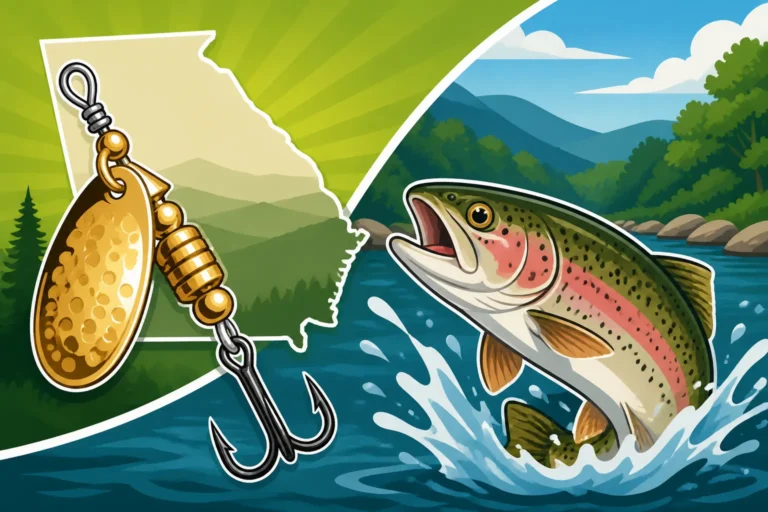
- Spinners and Spoons: Small inline spinners (like Panther Martin or Mepps) and tiny casting spoons (such as Thomas Buoyant or Acme Kastmaster) in silver, gold, or bright colors are excellent for active trout. A good selection can easily be put together by browsing options on Amazon.
- Small Jigs: Tiny jigs, often tipped with a piece of PowerBait or a small grub, can be very effective, especially when fished under a bobber.
Remember, a simple tackle box filled with these basics, a few different sizes of hooks (size 8-12), some split shot weights, and a few bobbers will set you up for success.
Reading the Water and Locating Fish
Stocked trout, especially soon after release, tend to congregate in certain areas of a stream or lake before they disperse and become more wary. Knowing where to look can significantly increase your chances of a catch.
- Deep Pools: Trout, particularly larger ones, will often seek refuge in deeper pools, especially those with some current or structure. These areas offer security from predators and a place to rest.
- Behind Obstructions: Look for areas behind large rocks, fallen trees, or other structures that break the current. Trout will sit in these "cushions" of slower water, expending less energy while waiting for food to drift by.
- Confluences and Inflows: Where two streams meet, or where a smaller tributary flows into a larger one, you often find a concentration of food and cooler water. These are prime feeding zones.
- Oxygenated Riffles: Trout need oxygen, and faster-moving, turbulent water (riffles) adds oxygen to the stream. While they won't hold directly in the fastest current, they'll often be in the slightly slower water adjacent to these areas.
- Access Points: Unfortunately, freshly stocked trout often linger near their release points. This means popular bridges, culverts, and designated access areas can be hotspots immediately after a stocking. This is where you might encounter the most angler pressure, but also the most immediate action.
As the fish settle in, they'll spread out more, mimicking wild trout behavior. But for the first day or two after a stocking, concentrating your efforts on these prime locations can be very fruitful.
Best Times to Fish After a Stocking
Timing can be everything when it comes to stocked trout. While any time you can get out is a good time, there are certain windows that offer a distinct advantage.
- Immediately After Stocking: The absolute best time to fish for recently stocked trout is often within 24 to 48 hours of their release. These fish are usually disoriented, hungry, and not yet accustomed to their new environment or the presence of anglers. They're more likely to bite aggressively and less wary. This is why keeping a close eye on the Georgia DNR stocking report is so critical.
- Early Mornings and Late Evenings: Even days after a stocking, trout tend to be most active during the cooler parts of the day. Early mornings, just after sunrise, and late evenings, as the sun begins to set, are often prime feeding times. The lower light conditions also make them feel more secure.
- Overcast Days: Cloudy or rainy days can also improve fishing. The reduced sunlight makes trout feel less exposed, encouraging them to move into shallower water and feed more actively. Just be sure to bring appropriate rain gear, perhaps a waterproof jacket you've picked up from Amazon, to stay comfortable.
- Weekdays vs. Weekends: While the DNR often stocks on weekdays, if you can get out on a Monday or Tuesday following a Friday stocking, you'll still likely hit a good bite before the pressure from the weekend wears the fish down. Weekends, especially after a fresh stocking, can be crowded.
Remember, the goal is to target fish when they are most active and least pressured. Combining knowledge of the stocking schedule with an understanding of trout behavior will undoubtedly lead to more successful and enjoyable fishing trips.
The Broader Picture: Licenses and Regulations
Enjoying Georgia's fantastic trout fishing opportunities comes with responsibilities. Adhering to licensing requirements and understanding the specific regulations for the waters you're fishing is not just about avoiding fines; it's about contributing to the conservation efforts that make these experiences possible.
Essential Licenses and Permits
Before you even think about putting a line in the water, you need to ensure you have the proper licenses. In Georgia, for residents and non-residents alike, this typically includes:
- A Basic Georgia Fishing License: This is the foundation for almost all freshwater fishing in the state. The cost varies for residents and non-residents, and there are different options for annual or short-term licenses. For a resident, the cost of a basic annual license is quite affordable, and it’s usually valid for 365 days from the purchase date, not just a calendar year. You can find detailed information on Georgia Fishing License Costs and Types.
- A Mountain Trout License Add-on: If you plan to fish in any of Georgia's designated trout waters, this add-on is mandatory, regardless of whether you're targeting trout or not. This extra permit helps fund the state's trout stocking and management programs. It's an additional cost on top of your basic fishing license. Our guide on Mountain Trout License Add-On in Georgia explains this in detail.
Children under a certain age are exempt from needing a license, and seniors often qualify for special lifetime or reduced-cost licenses. Always check the current regulations for specific age requirements and exemptions, as these can change. You can easily purchase your licenses online through the Georgia DNR website, by phone, or at authorized license agents like sporting goods stores or bait shops.
Creel and Size Limits for Trout
Understanding and abiding by creel (daily catch) and size limits is critical for sustainable trout fishing. These limits are put in place to manage fish populations, ensure fair distribution among anglers, and maintain healthy ecosystems.
- General Regulation Trout Waters: For most stocked trout streams in Georgia, the daily creel limit for trout is eight fish. There are typically no minimum size limits on these general regulation waters, meaning you can keep any legal-sized trout you catch up to the daily limit. This is often the case for many of the heavily stocked streams where the goal is to provide put-and-take fishing opportunities. However, you should always double-check the latest regulations, as specific stream rules can sometimes apply. For more comprehensive information, consult Daily Creel Limits for Trout in Georgia.
- Special Regulation Waters: It's important to be aware that some specific streams or sections of streams, particularly those managed for wild trout or designated as Delayed Harvest (DH) streams, will have different, often stricter, regulations. These might include reduced creel limits, minimum or maximum size limits, or even catch-and-release only periods. For instance, Delayed Harvest Trout Streams in Georgia have specific catch-and-release rules during certain months. Always consult the Georgia DNR fishing regulations handbook for the specific body of water you intend to fish.
Ignoring these rules can lead to significant fines and penalties, so it's always better to be informed. Carrying a copy of the current regulations, or having access to them on your phone, is highly recommended.
Disclaimer
Please be aware that fishing regulations, stocking schedules, and license requirements in Georgia are subject to change. Always consult the official Georgia Department of Natural Resources (DNR) website or their current fishing regulations handbook before planning your trip to ensure you have the most up-to-date and accurate information. This guide provides general information and should not be considered a substitute for official sources.