Rainbow Trout Fishing in North Georgia Streams
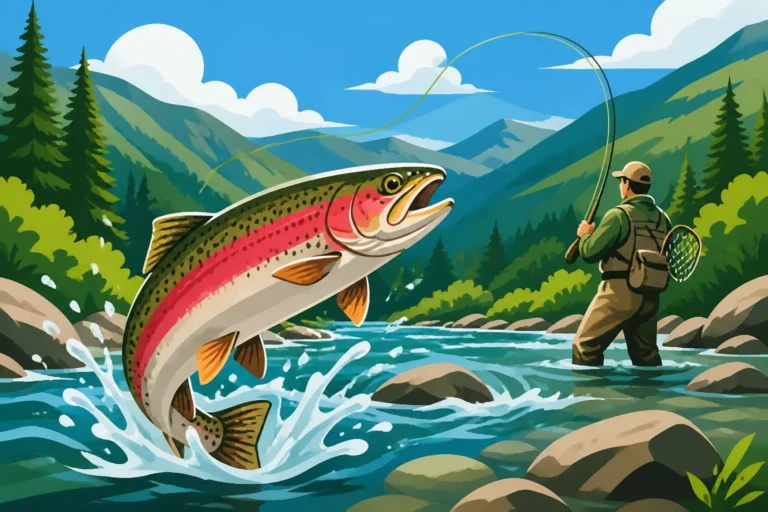
There's nothing quite like the crisp mountain air, the sound of rushing water, and the thrilling tug on your line that signals a beautiful rainbow trout has taken your bait. For many anglers, both seasoned veterans and eager beginners, the North Georgia mountains offer a truly special experience when it comes to pursuing these vibrant, hard-fighting fish. This guide is designed to cut through the noise and give you the real-world insights, tips, and know-how you need to make your next rainbow trout fishing trip in North Georgia a memorable success, covering everything from where to cast your line to what gear will give you the best chance of a bite.
The Allure of Rainbow Trout in North Georgia
North Georgia's landscape is a gift to anglers, with its sprawling forests, dramatic elevation changes, and, most importantly, a network of pristine waterways that are absolutely perfect for trout. The cold, oxygen-rich streams and rivers winding through these mountains provide an ideal habitat for rainbow trout, making them a prime target for anyone looking to enjoy some fantastic fishing.
Why Rainbow Trout Thrive Here
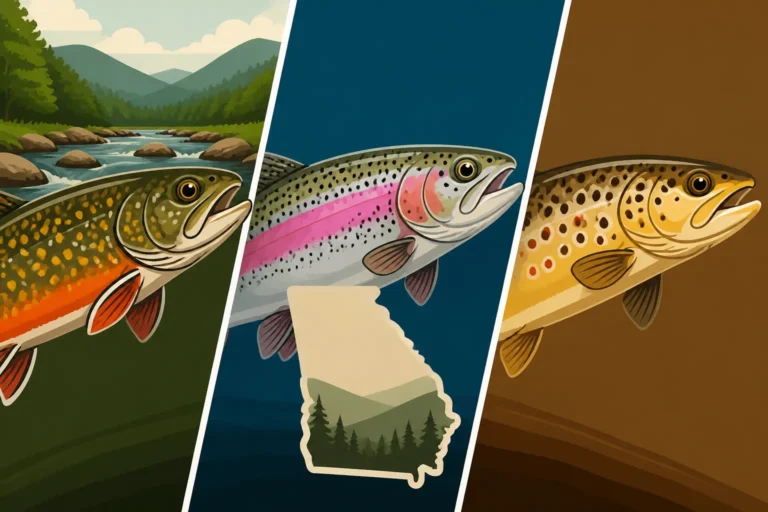
Rainbow trout, with their distinctive pinkish-red stripe and speckled bodies, are not just beautiful to look at; they are incredibly well-suited to the environment found in North Georgia. These fish absolutely depend on cold, clean water with high oxygen levels. Our mountain streams, fed by natural springs and snowmelt, maintain consistently cool temperatures even through much of the warmer months, especially in the higher elevations. This constant flow creates riffles and runs that naturally aerate the water, providing that essential oxygen.
Beyond just the water quality, the physical structure of these streams offers everything a trout could want. You'll find plenty of rocky bottoms, submerged logs, undercut banks, and overhanging vegetation, all providing crucial cover from predators and strong currents. These natural features create prime feeding lies where trout can ambush insects, small fish, and other aquatic life floating by. This rich, diverse ecosystem is precisely why rainbow trout not only survive but truly thrive in these waters, offering anglers consistent opportunities to encounter healthy, robust fish.
Stocked vs. Wild Rainbows: What to Expect
When you're fishing for rainbow trout in North Georgia, you're likely to encounter two main types: stocked trout and wild trout. Understanding the difference is key to adjusting your expectations and techniques. Stocked trout are raised in hatcheries and then released into designated streams and rivers by the Georgia Department of Natural Resources (DNR). These fish are often a bit more eager to bite, as they're accustomed to being fed, and they tend to congregate in the areas where they were released. They're a fantastic option for beginners or those looking for a higher chance of success, and many of Georgia's popular trout streams benefit from regular stocking. You can often find a Georgia Trout Stocking Schedule to plan your trips around these releases.
Wild rainbow trout, on the other hand, are fish that were born and raised naturally in the stream. These fish are generally much more wary, elusive, and, frankly, smarter than their stocked counterparts. They've had to survive by their wits from day one, making them more challenging to catch. However, the reward of landing a wild rainbow, often vibrant in color and incredibly feisty, is an unparalleled experience for many anglers. You'll typically find wild rainbows in more remote, pristine streams that haven't been heavily altered by human activity. Their survival instinct means you'll need a more stealthy approach, lighter tackle, and a keen eye for reading the water to find their hidden haunts.
Top North Georgia Streams for Rainbow Trout
North Georgia is blessed with an abundance of trout waters, each offering its own unique character and fishing experience. From easily accessible spots perfect for a family outing to remote wilderness gems for the adventurous, there's a stream for every angler.
Accessible Spots for Every Angler
For those looking for convenience and a good chance of success, several North Georgia streams are regularly stocked and offer excellent public access. These spots are fantastic for a casual day of fishing or for introducing children to the sport. The Toccoa River is a perennial favorite, particularly the Delayed Harvest section near Blue Ridge, which offers exceptional catch-and-release fishing for much of the year. It's wide enough in many sections to accommodate both bank anglers and those wading, with plenty of public access points. You can learn more about this area in a guide like Toccoa River Trout Fishing in Georgia.
Similarly, the Chattahoochee River as it flows through the northern suburbs of Atlanta, especially below Buford Dam, is another prime location. It's heavily stocked and easily accessible from numerous parks and public lands. While it might not feel like deep wilderness, the fishing can be superb, especially during cooler months. Other accessible streams include Dukes Creek (a trophy-managed stream that often requires a reservation), the Amicalola River, and various stretches of the Chestatee and Etowah Rivers that receive regular stockings. These spots often have well-maintained paths, parking, and clear signage, making for a hassle-free fishing trip. Many of these locations also have nearby bait shops where you can pick up last-minute supplies or local advice.
Wilderness Gems for the Adventurous
If you crave solitude, a challenging hike, and the chance to encounter truly wild fish, North Georgia also has a plethora of wilderness streams waiting to be explored. These streams are typically smaller, shallower, and require more effort to reach, but the reward of pristine surroundings and unpressured fish is immense. Creeks like Noontootla Creek (within the Blue Ridge WMA) and sections of Conasauga River offer fantastic opportunities for native brook trout, but also hold wild rainbows further downstream. These areas often require a good topographical map, sturdy hiking boots, and a willingness to bushwhack a bit.
Fishing these wilderness streams is a different ballgame. You'll likely be dealing with dense canopy, tight casting quarters, and slick rocks. Stealth becomes paramount, as wild trout are easily spooked. Smaller lures or flies, a careful approach, and a focus on presentation are critical. While they demand more physical exertion and a deeper understanding of trout behavior, the experience of being truly immersed in nature, far from the crowds, with the possibility of catching a vibrant, untouched wild rainbow, is what draws many experienced anglers to these hidden gems. Remember to always practice responsible wilderness ethics, including Leave No Trace principles, to keep these areas pristine for future generations.
Essential Gear for North Georgia Rainbow Trout Fishing
Having the right gear can make all the difference between a frustrating day and a successful outing. While you don't need the most expensive equipment, choosing tackle suited for stream fishing and local conditions is crucial.
Rods, Reels, and Line for Stream Fishing
For rainbow trout in North Georgia streams, you'll generally want lighter tackle. A light to ultralight spinning rod between 5'6" and 6'6" is usually ideal. This length gives you good casting control in tight quarters while still offering enough backbone to handle a feisty trout. Pair it with a small spinning reel, typically a 1000 or 2000 series, spooled with 4-6 pound test monofilament or fluorocarbon line. Monofilament offers good stretch and knot strength, while fluorocarbon is virtually invisible underwater and offers excellent sensitivity. For deeper dives into techniques, check out Spin Fishing Techniques for Trout. If you're looking for recommendations, many reliable brands like Ugly Stik or St. Croix offer great entry-level and mid-range rods that are readily available on platforms like Amazon.
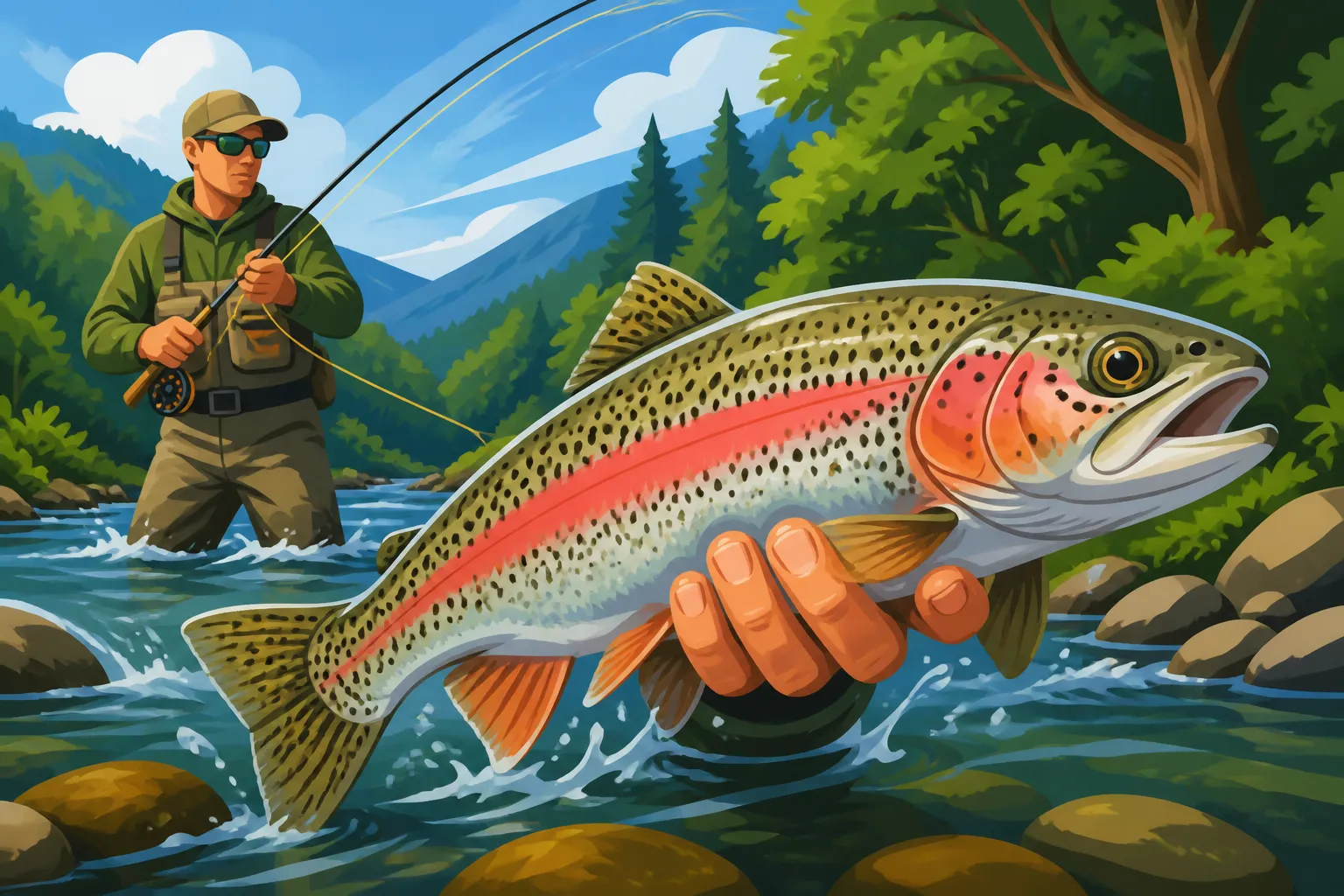
For fly anglers, a 7'6" to 9' 3-weight or 4-weight fly rod is typically perfect. The lighter weight allows for delicate presentations, which is essential for spook-prone trout, especially wild ones. A matching fly reel and a weight-forward floating fly line (WF3F or WF4F) are standard. A 7.5 to 9-foot tapered leader, finishing with 4x-6x tippet, will complete your setup. Fly fishing is a rewarding skill, and guides like Fly Fishing Basics for Trout can help you get started. The key is balance; your rod, reel, and line should feel harmonious in your hand, allowing for smooth casts and sensitive detection of subtle bites.
Lures, Baits, and Flies That Get Bites
Rainbow trout are opportunistic feeders, meaning they'll hit a wide variety of offerings. For spin fishing, small inline spinners (like Mepps Aglias or Panther Martins) in silver, gold, or black are incredibly effective. Tiny spoons, miniature crankbaits, and soft plastic grubs or worms rigged on small jig heads also produce well. Many anglers find success with natural baits like live worms, corn, or salmon eggs, especially for freshly stocked trout. You can often buy these at local bait shops right near the streams.
Fly anglers have an endless array of choices, but some patterns consistently perform. For nymphs, think about patterns that imitate common aquatic insects like Pheasant Tail Nymphs, Hare's Ear Nymphs, or Squirmy Wormies. Dry flies like an Elk Hair Caddis, Adams, or Parachute Adams work when trout are rising to feed on the surface. Streamers such as Woolly Buggers (in olive, black, or white) are excellent for targeting larger, more aggressive trout. Always carry a selection to match the conditions, as trout preferences can change quickly. It's often helpful to consult with local fly shops before hitting the water, as they'll know what's hatching and what the fish are currently keying in on.
Waders, Boots, and Stream-Side Comfort
When you're wading in North Georgia's streams, having the right attire isn't just about comfort; it's about safety and extending your time on the water. A good pair of chest waders (either breathable or neoprene, depending on the season) will keep you dry and insulated from the cold water. Breathable waders are generally preferred for warmer weather or active hiking, while neoprene offers more warmth in colder conditions.
Pair your waders with wading boots that have felt or rubber soles. Felt soles offer superior grip on slick, mossy rocks, though they can be less suitable for long hikes on land. Rubber soles, often with studs, provide a good compromise for both wading and hiking. Brands like Simms and Orvis are popular for their durability and comfort, and you can often find great deals on past-season models through retailers like Amazon or specialized outdoor stores. Don't forget a wading belt (essential for safety if you take a tumble) and a brimmed hat and polarized sunglasses, which are invaluable for spotting fish and protecting your eyes from glare and hooks. A small backpack or vest to carry your tackle, water, and snacks will also make your day much more enjoyable.
Effective Techniques for Catching Rainbow Trout
Catching rainbow trout in North Georgia's varied waters requires a blend of technique, patience, and observation. Whether you prefer spin fishing or fly fishing, understanding how trout behave and where they hold is key.
Spin Fishing Strategies for Beginners
Spin fishing is an excellent entry point for many anglers, offering a straightforward approach to catching trout. The fundamental strategy involves casting your lure or bait upstream and allowing it to drift naturally downstream, mimicking the movement of natural food. For inline spinners or small spoons, cast across or slightly upstream and retrieve just fast enough to make the lure's blade spin or spoon wobble. Vary your retrieve speed and depth until you find what the fish are reacting to. Often, a slow, steady retrieve near the bottom or through deeper pockets is most effective.
When using bait, a simple split shot rig is highly effective. Attach a small hook (sizes 8-12 are common) to your line, about 12-18 inches above the hook, pinch on one or two small split shot weights, just enough to get your bait down but still allow for a natural drift. Cast this rig into likely holding spots – behind rocks, in deeper pools, or along current seams – and let it tumble along with the current. Pay close attention to your line; any pause, twitch, or sudden movement could indicate a bite. For more specific instructions, looking up guides on How to Fish for Trout in a Mountain Stream can be really helpful. Patience and persistence are your best friends here.
Fly Fishing: An Art for Trout Enthusiasts
Fly fishing for rainbow trout is often described as an art, demanding precision, subtlety, and an understanding of entomology. There are several primary methods, but nymphing is arguably the most consistent producer in most streams. This involves drifting a weighted fly (a nymph) along the bottom, mimicking an aquatic insect larva. You'll use an indicator (like a small bobber) to detect subtle strikes, as trout often gently mouth a nymph rather than aggressively taking it. The key is achieving a "dead drift" – where your fly moves at the exact speed of the current, without any drag from your line.
Dry fly fishing, while often less productive than nymphing, is incredibly exciting when fish are actively feeding on the surface. This involves casting an artificial fly that floats, mimicking an adult insect, and presenting it gently to rising trout. Accurate casting and a drag-free drift are paramount. Streamer fishing, which uses larger flies that imitate baitfish or leeches, is effective for targeting bigger, more aggressive trout, especially in larger pools or after a rain. Regardless of the method, practicing your casting, learning to read water, and understanding what insects are present will dramatically improve your fly fishing success. Many online resources and local fly shops offer classes for Fly Fishing Basics for Trout.
Reading the Water: Where Trout Hide
Trout are constantly looking for three things: food, cover, and favorable water conditions (temperature and oxygen). Learning to "read the water" means understanding where these elements intersect, helping you pinpoint where trout are most likely to be holding.
- Riffles and Runs: These faster-moving, shallower sections are prime feeding grounds. Trout will often hold just out of the main current, darting into the flow to grab drifting insects. Look for deeper slots within these areas.
- Pools: Deeper, slower-moving sections offer trout a place to rest and feel secure. The deepest part of a pool, or areas with submerged logs or rocks, are classic holding spots.
- Current Seams: Where fast water meets slow water, a distinct "seam" forms. Trout love to sit in the slower water, expending minimal energy, while waiting for food to be delivered by the faster current.
- Undercut Banks and Overhanging Vegetation: These areas provide excellent cover from predators and strong sunlight. Fish will often hold tight to these structures.
- Rocks and Boulders: Any obstacle in the current creates a "cushion" of slower water immediately downstream. Trout will often hold in these eddies, waiting for food to drift past.
By observing the water, understanding the current, and looking for these key features, you can significantly increase your chances of placing your lure or fly in front of a hungry rainbow trout.
Navigating Regulations and Conservation
Fishing responsibly in North Georgia means more than just catching fish; it means understanding and respecting the regulations in place to protect our precious trout fisheries.
Understanding Size and Creel Limits
Georgia's fishing regulations, particularly for trout, can vary significantly depending on the specific stream or section of a river. These rules are put in place by the Georgia DNR to manage fish populations, ensure sustainability, and provide diverse fishing opportunities. For general trout waters, there is typically a daily creel limit (the maximum number of fish you can keep) and sometimes a minimum size limit. However, some streams, especially those managed for trophy trout or those designated as Delayed Harvest, will have very specific rules, often requiring catch-and-release only for certain periods or imposing much stricter size limits. For example, some stretches may have an 18-inch minimum for brook trout or a 16-inch minimum for rainbow trout.
It is absolutely crucial to check the current regulations for the specific stream you plan to fish before you head out. These details are usually available in the Georgia fishing regulations guide, which can be found on the DNR website or at license vendors. Ignorance of the law is not an excuse, and penalties for violations can be steep. Always carry your Georgia Fishing License Guide and a copy of the regulations with you, or at least have them accessible on your phone, to avoid any issues.
Catch and Release Practices for Healthy Fisheries
Catch and release is a cornerstone of responsible trout fishing, especially for wild trout populations or in heavily fished areas. Practicing proper catch and release techniques helps ensure that fish can survive and reproduce, contributing to a healthy and sustainable fishery for future generations.
Here are some best practices:
- Minimize Fight Time: Bring the fish in quickly to reduce stress.
- Keep Fish in Water: Avoid removing the fish from the water as much as possible. This protects their delicate slime coat, gills, and internal organs.
- Wet Your Hands: If you must handle the fish, wet your hands first. Dry hands can remove the protective slime layer, leaving the fish vulnerable to disease.
- Use Barbless Hooks: Crimp down the barbs on your hooks or use barbless hooks. This makes removal much easier and quicker, reducing trauma to the fish.
- Use Pliers or Hemostats: Have a pair of long-nosed pliers or hemostats handy for quick hook removal.
- Revive the Fish: If a fish seems sluggish, hold it gently in the current, facing upstream, until it regains its strength and can swim away on its own. Never "pump" a fish back and forth, as this can force water the wrong way through its gills.
By following these simple steps, you're doing your part to ensure that North Georgia's rainbow trout fisheries remain vibrant and productive for years to come.
Best Times and Seasons for Rainbow Trout Fishing
Trout fishing in North Georgia is truly a year-round activity, but each season brings its own set of challenges and rewards. Understanding the seasonal patterns can greatly enhance your success.
Year-Round Opportunities: What Each Season Offers
Spring (March-May): This is often considered prime trout fishing season. As water temperatures begin to rise but remain cool, trout become very active. This is when the majority of trout stocking occurs, leading to excellent opportunities for both bait and lure anglers. Insects become more active, so dry fly fishing can be fantastic on warmer days. The downside can be unpredictable weather and occasional high, muddy water from spring rains.
Summer (June-August): Fishing in the heat of summer requires a shift in strategy. Trout seek out the coldest, most oxygenated water, which means focusing on higher elevation streams, shaded areas, and deeper pools. Early mornings and late evenings are often the most productive times. Some streams will continue to receive stockings, but wild trout will be found in their deepest, coolest refuges. Focus on delicate presentations and smaller offerings. Don't forget to check the Georgia Trout Stream Size Limits by Creek as specific summer rules might be in play for certain fragile populations.
Fall (September-November): Fall brings some of the most beautiful fishing experiences, with stunning foliage as a backdrop. Water temperatures become ideal again, and trout, especially brown trout, become more aggressive as they prepare for spawning. Many streams receive additional stockings, and the fishing can be exceptional. Terrestrial insects (grasshoppers, ants, beetles) often fall into the water, making larger dry flies effective.
Winter (December-February): While challenging, winter fishing can yield some of the largest trout. Fish are less active and metabolism slows, but they still need to feed. Focus on slower, deeper pools and fish during the warmest parts of the day. Nymphs and streamers are typically the most effective flies and lures. Dress warmly, as North Georgia winters can be quite chilly, especially along the water.
The Impact of Stocking Schedules
The Georgia DNR's trout stocking program is a vital component of North Georgia's fishing scene, especially for rainbow trout. These stockings occur frequently during the cooler months, generally from March through October, though exact schedules vary year to year and by specific stream. The aim is to enhance fishing opportunities in designated trout streams, ensuring that there are always fish available for anglers.
When a stream has just been stocked, the fishing can be phenomenal. These hatchery-raised fish are often less wary and more willing to take a variety of baits and lures, making it a great time for beginners or families. However, heavily stocked streams can also experience high fishing pressure immediately after a release. If you prefer a more solitary experience, you might want to wait a few days after a stocking, or seek out sections of the stream further away from easy access points. Understanding the Georgia Trout Stocking Schedule can help you plan your trips to either hit the fresh stockings or avoid the initial crowds, depending on your preference. It's a key piece of information for maximizing your rainbow trout fishing success in North Georgia.
Here's a quick reference for typical trout behavior by season:
| Season | Water Temperature | Trout Activity | Preferred Lures/Baits | Key Strategy |
|---|---|---|---|---|
| Spring | Warming (45-55°F) | Very Active | Spinners, Worms, Nymphs, Dry Flies | Target newly stocked areas, match emerging insects |
| Summer | Warmest (55-65°F) | Less Active | Small Lures, Small Nymphs, Terrestrials | Fish early/late, high elevations, deep, shaded pools |
| Fall | Cooling (50-60°F) | Active | Streamers, Larger Nymphs, Terrestrials | Target aggressive fish, look for spawning activity |
| Winter | Coldest (35-45°F) | Slow | Weighted Nymphs, Small Streamers, Bait | Fish deepest, slowest pools during warmest part of day |
No matter when you decide to go, rainbow trout fishing in North Georgia streams offers a chance to connect with nature, test your skills, and create lasting memories. Tight lines!
Disclaimer
This article is for general informational purposes only and does not constitute professional advice. Laws, prices and regulations vary by location and change over time. Consult a qualified professional for guidance on your specific situation.