Chattahoochee River Headwaters: Georgia’s Trout Water
Oh, the Chattahoochee River Headwaters! If you're anything like me, you've probably heard whispers and legends about the trout fishing in North Georgia, but maybe you've felt a little intimidated figuring out where to start. It can seem like a secret club, all those mountain streams and hidden pockets. Well, consider this your invitation. This guide is all about demystifying the Chattahoochee River's headwaters, shining a light on why it's such an incredible place for trout, what finned beauties you can expect to encounter, and how you can truly make the most of your time on its pristine waters.
Understanding the Chattahoochee River Headwaters as Trout Habitat
When we talk about the Chattahoochee River "headwaters," we're not talking about the wide, lazy river that winds through Atlanta. Far from it! We're talking about the very beginnings of this iconic waterway, high up in the mountains of North Georgia, where it's born from cold, clear springs and tiny feeder creeks. This is where the Chattahoochee truly earns its reputation as prime trout water, a stark contrast to its later, warmer personality. The environment here is absolutely critical to why trout thrive, and understanding these elements is your first step to becoming a successful headwaters angler.
The Source: Pristine Mountain Springs and Feeder Creeks
Imagine standing deep in the woods, the air crisp, the sounds of nature all around you, and a trickle of water emerging from moss-covered rocks. That's often how these headwaters begin. The Chattahoochee's journey starts in these pristine mountain springs and countless small, cold feeder creeks that converge to form its initial flow. This water is naturally cold, often staying below 68 degrees Fahrenheit even in the height of summer, which is the absolute lifeblood for trout. Trout are cold-water fish; they need high levels of dissolved oxygen, and cold water holds more oxygen than warm water. This natural refrigeration system is what makes the headwaters viable for them.
These tiny tributaries aren't just bringing cold water; they're also carrying essential nutrients from the surrounding forest ecosystem. Leaf litter, insect larvae, and other organic matter wash into the stream, forming the base of a rich food chain. It's a delicate balance, and any pollution or disturbance to these small feeder creeks can have a cascading effect on the entire headwaters system. As you move downstream, away from these pure origins, the river tends to widen and warm, making these upper reaches truly special for trout species that simply couldn't survive in the lower sections. This contrast is what makes understanding the "source" so vital to appreciating the unique trout fishery of the Chattahoochee headwaters.
Distinctive Features: Structure, Flow, and Water Clarity
Beyond just cold water, the physical structure of the headwaters riverbed and its flow patterns create ideal trout habitat. You'll find a dynamic landscape of rocky bottoms, ranging from smooth stones to large boulders, all providing crucial cover and current breaks. Fallen timber, whether an entire tree or just a branch, creates immediate ambush points and shelter from predators. Undercut banks, where the current has carved out a hiding spot beneath the dirt, are another favorite haunt for larger, more elusive trout.
The flow itself is a masterpiece of trout engineering. You'll encounter riffles, which are shallow, fast-moving sections that oxygenate the water and dislodge insects, making them prime feeding grounds. These often transition into runs, which are deeper, smoother currents that still carry food but offer more depth for trout to hold in. Finally, you have pools – deeper, slower-moving sections that provide resting areas, thermal refuge in summer, and excellent hiding spots. The typically crystal-clear water of the headwaters is both a blessing and a challenge. It allows trout to spot their prey more easily, but it also means they can see you just as easily. Stealth, careful wading, and precise presentations become paramount when fishing these incredibly clear conditions.
The Trio of Trout: Species Thriving in the Headwaters
The Chattahoochee River Headwaters isn't just a generic "trout stream"; it's a vibrant ecosystem supporting three distinct species of trout, each with its own characteristics and preferred niches. Understanding the differences between these species – their habits, appearances, and where you're most likely to find them – will significantly improve your angling success and appreciation for this incredible fishery. It's truly a special place to target these beautiful fish. For a broader comparison, you might find our guide Trout Species Compared: Rainbow vs Brown vs Brook in Georgia quite enlightening.
Rainbow Trout: The Most Common Catch
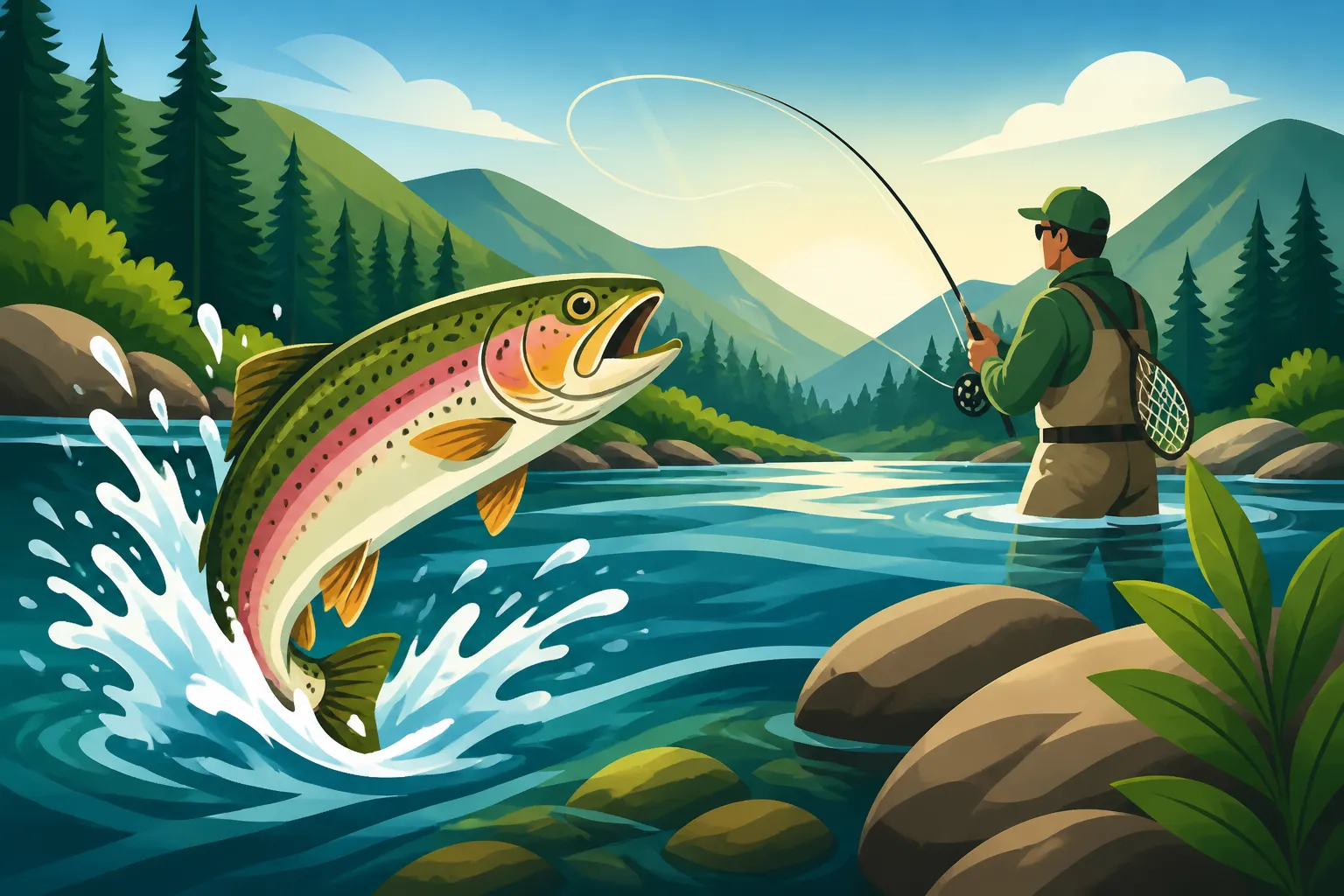
If you've fished for trout in Georgia, chances are you've encountered a rainbow trout. They are by far the most commonly stocked trout species in the state, and the Chattahoochee Headwaters benefit from these consistent stocking efforts. Rainbows are known for their vibrant iridescent stripe along their sides, often a rosy pink or red, contrasting with a silvery body covered in small black spots. They are generally quite aggressive feeders, often willing to strike at a wide variety of baits and lures, which makes them a favorite among anglers of all skill levels.
You'll find rainbow trout throughout the accessible sections of the headwaters, particularly in the more open runs and pools where stocking trucks can easily access the river. They are quite adaptable and will readily hold in riffles to feed on nymphs and emergers, or in deeper pools for safety. While most stocked rainbows you catch will be in the 8-12 inch range, holdover fish that have survived multiple seasons can grow significantly larger, offering a thrilling fight. Their willingness to bite makes them an excellent target for those learning to fish these mountain waters, and they are generally good table fare for those who choose to keep their legal limit. You can learn more about targeting these beautiful fish in Rainbow Trout Fishing in North Georgia's Mountain Streams.
Brown Trout: Elusive and Rewarding
Ah, the brown trout. These are the wise old denizens of the Chattahoochee Headwaters, often growing to impressive sizes and known for their cunning. Brown trout are identifiable by their more olive-brown backs, lighter sides, and distinct dark spots, often ringed with a lighter halo, along with red or orange spots that can be quite striking. Unlike the more aggressive rainbows, brown trout tend to be much more wary and solitary, preferring to hold in deeper, more structured cover. Think undercut banks, fallen logs, or large boulders that create strong current breaks.
Targeting brown trout requires patience, stealth, and often a more subtle presentation. They are less likely to chase a flashy lure across an open flat and more likely to quietly inspect a well-presented nymph or a carefully drifted streamer near their lair. When you hook into a larger brown trout, be prepared for a powerful fight, often characterized by strong runs and a determined effort to dive back into cover. While less numerous than rainbows, the challenge and reward of catching a large, wild brown trout in the headwaters is an experience that keeps many anglers coming back. Our article Brown Trout in Georgia: Where to Find Them offers even more insights into these elusive fish.
Native Brook Trout: A Glimpse into Georgia's Past
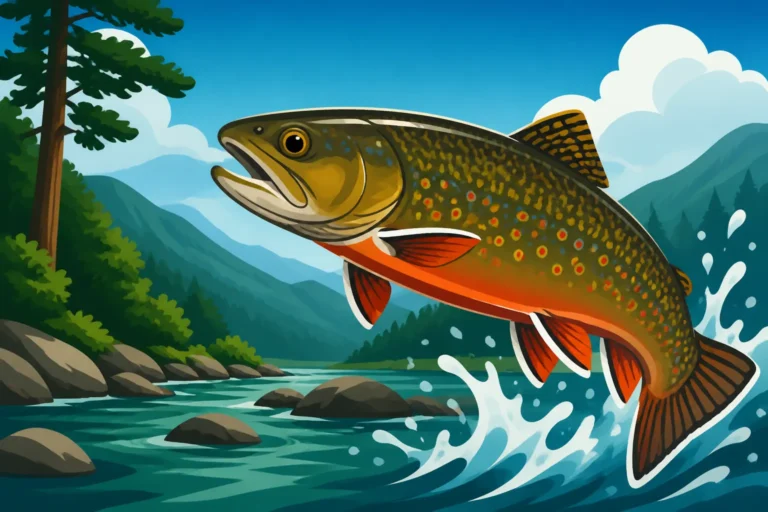
The jewel of Georgia's mountain streams, the brook trout, is Georgia's only native trout species. These small, exquisitely colored fish are a living testament to the pristine nature of the Chattahoochee Headwaters' highest, coldest tributaries. Brook trout are truly stunning, with vibrant colors ranging from olive green to dark brown on their backs, often with worm-like patterns (vermiculations), and sides adorned with red and yellow spots, some with blue halos. Their lower fins have distinctive white leading edges, often followed by black and then orange.
You won't find brook trout in the main, larger sections of the Chattahoochee. Instead, you'll need to venture into the smallest, steepest, and most remote feeder creeks, often requiring significant hiking. These fish thrive in water that stays consistently frigid, even in summer, and they are extremely sensitive to habitat degradation and warm temperatures. Catching a native brook trout is less about the size (they rarely exceed 8-10 inches in Georgia) and more about the historical connection and the sheer beauty of these wild, resilient creatures. They are delicate, so if you're fortunate enough to catch one, practice responsible catch and release, handling them as little as possible. Protecting these native populations is paramount, and they represent a precious part of Georgia's natural heritage. Learn more about these beautiful fish in Brook Trout: Georgia's Only Native Trout Species.
Here's a quick comparison of our three Chattahoochee Headwaters trout:
| Feature | Rainbow Trout | Brown Trout | Brook Trout (Native) |
|---|---|---|---|
| Appearance | Iridescent stripe, small black spots | Olive-brown, dark spots with halos, red/orange spots | Vermiculations, red/yellow spots with blue halos, white fin edges |
| Temperament | Aggressive, relatively easy to catch | Wary, elusive, challenging | Eager, but delicate; found in remote areas |
| Typical Size | 8-12 inches (stocked), larger holdovers | Can grow quite large, 12-20+ inches | Small, typically 6-10 inches |
| Habitat | Main headwaters, runs, pools, stocked sections | Deeper pools, undercut banks, fallen timber | Smallest, coldest, highest elevation tributaries |
| Availability | Abundant due to stocking | Present, but less common and harder to find | Scarce, requires dedicated search in wilderness |
Essential Gear and Techniques for Headwaters Success
Successfully fishing the Chattahoochee River Headwaters requires a thoughtful approach to your gear and techniques. This isn't wide-open lake fishing; it's often tight, technical work in beautiful, yet challenging, environments. Whether you prefer the artistry of fly fishing or the accessibility of spin fishing, having the right setup and understanding how to apply it will significantly increase your enjoyment and catch rates.
Fly Fishing: The Classic Headwaters Approach
For many, fly fishing is synonymous with trout fishing, and the Chattahoochee Headwaters offers some fantastic opportunities for this classic pursuit. For these smaller, often brush-lined streams, an ultralight fly rod is your best friend. I'm talking about a 7' to 8'6" rod in a 3-weight or 4-weight class. This lighter setup allows for delicate presentations, protecting light tippets, and making accurate casts in tight quarters, often under overhanging branches. Paired with a matching reel and a weight-forward floating fly line, you'll have a versatile system. If you're looking to upgrade or start your setup, you can often find excellent entry-level fly rod and reel combos on Amazon that are perfect for North Georgia streams.
When it comes to flies, variety is key. In the spring and fall, dry flies mimicking caddis, mayflies, and stoneflies can be incredibly effective during hatches. During other times, or when fish aren't rising, nymphs like Pheasant Tails, Hare's Ears, and Prince Nymphs, fished under an indicator or tight-lined, are often irresistible. Don't forget small streamers like Woolly Buggers or micro-junk flies for targeting aggressive browns in deeper pockets. The most crucial aspect of fly fishing here is presentation: a natural, drag-free drift is almost always more important than the exact fly pattern. Learning to "read the water" – identifying seams, current breaks, and holding lies – will unlock the river's secrets. Our article Fly Fishing Basics for Trout can give you an excellent foundation.
Spin Fishing: An Accessible Alternative
While fly fishing gets a lot of romantic attention, spin fishing is an incredibly effective and often more accessible way to catch trout in the headwaters. Don't let anyone tell you it's not "real" trout fishing – it absolutely is, and it can be highly productive! Again, ultralight gear is key. A light-action spinning rod, typically 5' to 6'6" long, paired with a small spinning reel spooled with 4-6 pound test monofilament or fluorocarbon line, is ideal. This setup allows for precise casting of small lures and baits, which is exactly what you need in these mountain streams.
Your lure selection should focus on small, subtle presentations. Tiny inline spinners (size #0 or #1) in gold, silver, or black are perennial favorites. Micro-spoons, often weighing 1/16th to 1/8th of an ounce, also work wonders, especially in deeper pools. For those who prefer bait, garden worms, red wigglers, or even commercially prepared trout dough baits and salmon eggs can be deadly, particularly for freshly stocked rainbow trout. The trick with spin fishing is to cast upstream and retrieve just fast enough to impart action to your lure, letting the current do most of the work, mimicking natural food tumbling downstream. In tighter spots, a simple casting bubble with a short leader and a tiny fly or bait can be surprisingly effective. You'll find a great selection of these smaller lures and baits readily available on Amazon, making it easy to stock your tackle box. For more detailed tips, check out Spin Fishing Techniques for Trout.
Wading and Stealth: Navigating the River Effectively
No matter your chosen method, your success in the Chattahoochee Headwaters will heavily depend on how you move through the river itself. Wading safely and stealthily is non-negotiable. The bottom is often slick with algae-covered rocks, and currents can be stronger than they appear. Quality wading boots with felt soles or studded rubber soles provide essential traction. Breathable chest waders are often preferred as they keep you dry and comfortable, especially in the cold water of these mountain streams. You'll find many reliable options for comfortable and durable waders and wading boots on Amazon.
Polarized sunglasses are another absolute must-have. They cut the glare off the water's surface, allowing you to see submerged rocks, potential hazards, and, most importantly, the trout themselves. This visual advantage is invaluable for spotting fish before they spot you. When wading, take slow, deliberate steps, shuffle your feet to avoid slips, and always maintain three points of contact if crossing swift currents (e.g., two feet and a wading staff). When approaching a promising pool or run, slow down, stay low, and approach from downstream whenever possible. Trout face upstream, so approaching from behind minimizes your chances of spooking them. Remember, in these clear waters, if you can see the fish, they can most likely see you! For more on staying dry and safe, our guide on Best Waders for Fishing Rivers From Shore offers great advice.
Navigating Regulations and Conservation in the Chattahoochee Headwaters
Fishing in any of Georgia's beautiful waterways comes with responsibilities, and the Chattahoochee River Headwaters are no exception. Adhering to regulations isn't just about avoiding a fine; it's about protecting the delicate balance of the ecosystem and ensuring that future generations can enjoy the same incredible fishing opportunities we do. The rules can vary, so being informed is key.
General Trout Regulations and Specific Stream Rules
First and foremost, any angler aged 16 or older needs a valid Georgia fishing license. But for trout fishing in the designated mountain trout waters, you'll also need a Georgia Mountain Trout License add-on. This isn't an optional extra; it's a requirement to legally fish for trout in these streams. You can easily purchase your license and add-ons online through the Georgia Wildlife Resources Division website, by phone, or from a licensed agent. Our article, Georgia Trout Fishing License Requirements, breaks down everything you need to know about getting properly licensed.
Beyond the basic license, pay close attention to the specific regulations for the stretch of the Chattahoochee Headwaters you plan to fish. While there are general statewide trout limits, many specific streams or sections of the river have their own unique rules. These can include different daily creel limits (the number of fish you can keep), minimum size limits, or even special gear restrictions. For example, some sections might be designated as "Delayed Harvest Trout Streams." These are typically catch-and-release only with artificial lures during a specific season (often November through May), and then open to harvest with bait during the warmer months. Always consult the current Georgia Fishing Regulations Digest before you head out, as rules can change. Understanding Georgia Fish Size and Creel Limits and the specifics of Delayed Harvest Trout Streams in Georgia will keep you on the right side of the law.
The Importance of Catch and Release
For many anglers in the Chattahoochee Headwaters, especially those targeting larger brown trout or delicate native brook trout, catch and release is a strongly practiced ethic. This practice is crucial for maintaining healthy fish populations, particularly in waters where fish growth is slow or natural reproduction is limited. When you decide to release a fish, doing it properly is just as important as the act itself.
Here are a few tips for effective catch and release:
- Minimize handling: Try to keep the fish in the water as much as possible. If you must handle it, do so with wet hands to protect its slime coat, which is vital for disease prevention.
- Barbless hooks: Consider crimping down the barbs on your hooks. Barbless hooks make removal much quicker and less damaging to the fish.
- Quick release: Don't play the fish to exhaustion. Bring it in as quickly as possible, remove the hook gently, and release it.
- Revival: If the fish seems lethargic, hold it gently in the current, facing upstream, until it can swim away under its own power. Don't pump it back and forth; let the water flow naturally over its gills.
By practicing responsible catch and release, especially for native brook trout and larger breeding fish, you contribute directly to the health and sustainability of this precious resource.
Protecting the Ecosystem: Leave No Trace
The beauty of the Chattahoochee River Headwaters lies in its wild, natural state. As anglers, we have a responsibility to keep it that way. This means adopting a "Leave No Trace" ethic every time we visit. Imagine leaving the stream exactly as you found it, or even better.
This philosophy involves several key practices:
- Pack it in, pack it out: Any trash you bring with you – snack wrappers, old fishing line, empty bait containers – must leave with you. Even biodegradable items can take a long time to break down and detract from the natural beauty.
- Stay on established paths: Avoid creating new trails, especially on steep banks, which can lead to erosion and sediment runoff into the stream, harming fish habitat.
- Respect private property: Much of the land surrounding the headwaters is privately owned. Be mindful of property lines and always seek permission if you need to cross private land to access public fishing areas.
- Do not disturb wildlife: Observe animals from a distance. Avoid trampling plants unnecessarily. The ecosystem is interconnected, and every piece plays a role.
By being good stewards of the land and water, we ensure that the Chattahoochee Headwaters remains a vibrant, healthy home for trout and a beautiful sanctuary for all who visit.
Seasonal Strategies for Trout Fishing the Headwaters
The Chattahoochee River Headwaters offers year-round trout fishing, but the tactics you employ should absolutely change with the seasons. Water temperatures, insect activity, and fish behavior shift dramatically, and a savvy angler adapts their approach accordingly. Thinking seasonally is a huge part of consistent success on these dynamic waters.
Spring: Awakened Appetites and Increasing Flows
Spring in the Chattahoochee Headwaters is a time of awakening. As snowmelt and spring rains swell the river, flows increase, carrying abundant food downstream. Water temperatures begin to rise from their winter lows, stimulating trout metabolism and awakening their appetites. This is often when you'll see some of the most consistent and aggressive feeding activity of the year.
Insect hatches, particularly stoneflies, caddis, and early-season mayflies, become more prevalent, drawing fish to the surface for dry fly action. When fish aren't rising, nymphing with larger patterns that mimic these insects can be incredibly productive, especially in the seams and eddies along faster currents. Spin fishermen will find success with slightly larger spinners and spoons, as the increased flow can push smaller lures too quickly. Keep an eye on stream levels; while increased flow is good, too much can make wading dangerous and fishing difficult due to stained water. Spring is also when the Georgia Department of Natural Resources ramps up its stocking efforts, especially in accessible areas, providing plenty of eager rainbow trout. You can often keep tabs on Georgia's Trout Stocking Schedule Explained to plan your trips around fresh fish.
Summer: Low, Clear Water and Technical Fishing
Summer in the headwaters brings its own unique set of challenges and rewards. As the weather warms, stream flows typically decrease, and the water becomes even clearer. While the headwaters remain colder than downstream sections, sustained hot spells can push water temperatures closer to the trout's tolerance limits, especially in the afternoons. This means fish become much warier, seeking refuge in the deepest, coolest pools, undercuts, and areas with heavy overhead cover.
During these low, clear conditions, stealth is paramount. Long, light leaders and tippets (e.g., 5x or 6x fluorocarbon for fly fishing, or 4lb test for spin fishing) become essential. Presentations need to be delicate and precise, as any splash or unnatural drag will send trout scattering. Focus your efforts during the cooler parts of the day – early mornings and late evenings are often the most productive. Small dry flies, tiny nymphs, and minuscule spinners or spoons are the order of the day. Consider foam hoppers or terrestrials fished tight to the bank, as grasshoppers and ants often end up in the water during summer. If you catch a fish and it seems overly stressed by the warm water, consider moving to higher, colder elevations or taking a break.
Fall: Vibrant Colors and Spawning Activity
Autumn in the North Georgia mountains is breathtaking, and the Chattahoochee Headwaters are no exception. Cooler air temperatures bring stream temperatures down to ideal levels, often reigniting the trout's feeding vigor before winter sets in. The vibrant reds, oranges, and yellows of the changing leaves reflect off the water, creating a stunning backdrop for your fishing adventures.
Fall is particularly significant because it marks the brown trout spawning season. Larger brown trout become more active, moving into shallower riffles and gravel beds to lay their eggs. While it can be tempting to target these spawning fish, it's generally best practice to avoid disturbing them. Let them do their thing to ensure future generations. Focus instead on aggressive feeding fish in nearby deeper pools and runs. Streamers that imitate baitfish or larger nymphs can be very effective as trout try to pack on weight. Dry fly fishing can also be excellent, especially during hatches of blue-winged olives and midges. Don't forget to look for fresh stocking reports, as the state often conducts a significant Georgia's Fall Trout Stocking Timing to replenish populations.
Winter: Challenging but Rewarding
Winter fishing in the Chattahoochee Headwaters is not for the faint of heart, but it can be incredibly rewarding for the dedicated angler. Water temperatures drop to their annual lows, and fish become much more lethargic. Their metabolism slows down, and they're less willing to expend energy chasing food. You'll find trout concentrated in slower, deeper pools, often tucked tight to the bottom or against cover, where they can conserve energy.
Your approach in winter needs to be slow and subtle. Deep nymphing rigs with strike indicators, focusing on very small, dark-colored nymphs (like midge patterns or small Pheasant Tails), are often the most effective fly fishing strategy. For spin fishermen, tiny jigs tipped with a grub, or even small pieces of natural bait, fished very slowly along the bottom of deep pools, can entice a strike. The bite will be soft, almost imperceptible, so sensitivity in your rod and line is crucial. While you might not catch as many fish as in spring, the fish you do catch can often be larger, as they've had more time to grow, and you'll often have the river largely to yourself. It's a peaceful, challenging, and often beautiful time to be on the water.
Disclaimer
This article is for general informational purposes only and does not constitute professional advice. Laws, prices and regulations vary by location and change over time. Consult a qualified professional for guidance on your specific situation.