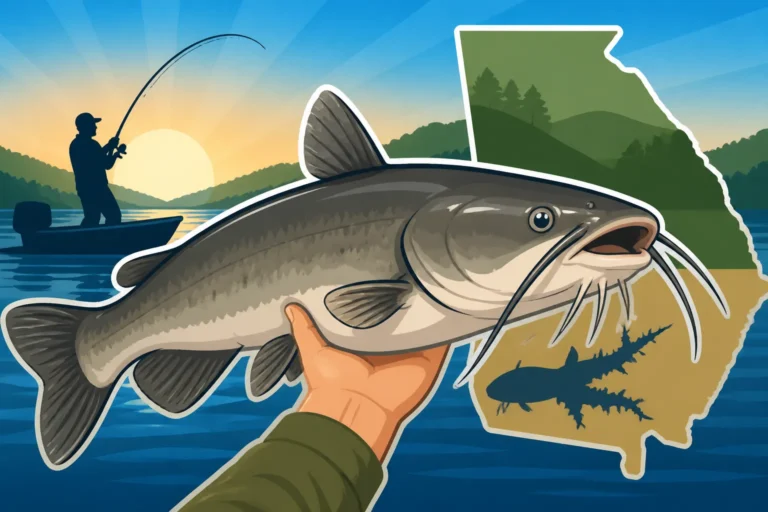
Where to Catch Channel Catfish in Georgia
Finding the best spots to reel in a feisty channel catfish in Georgia can feel like a guessing game, especially with so many diverse waterways across our beautiful state. It's frustrating to spend hours on the water only to come up empty-handed. This guide is here to cut through the confusion, offering a detailed look at where these whiskered wonders like to hang out, from our sprawling reservoirs to our winding rivers, helping you pinpoint those prime catfish havens and boost your chances of a successful catch.
Understanding Channel Catfish Habitat in Georgia
Channel catfish are incredibly adaptable, which is one of the reasons they're so widely distributed and popular among Georgia anglers. However, "adaptable" doesn't mean they're everywhere, all the time. They have definite preferences when it comes to their living arrangements, and understanding these can be the difference between a slow day and a banner day on the water.
Preferred Water Types and Bottom Structures
Channel catfish thrive in warm, slow-moving, or still waters that offer a good mix of cover and accessible food sources. Think about a lazy river bend, a broad flat in a lake, or even a deep hole where the current slows down significantly. They aren't generally fans of fast-flowing, clear mountain streams where trout prefer to make their homes, though you might find them in the calmer sections of larger rivers. Instead, they gravitate towards waters with muddy or sandy bottoms, often littered with submerged timber, rock piles, or dense aquatic vegetation. These structures provide excellent ambush points for feeding and much-needed shade and shelter during bright daylight hours or when water temperatures soar.
For example, imagine a large, murky reservoir after a good rain. That influx of muddy water often stirs up food particles and insects, creating a buffet for catfish. They’ll be right there, often along the bottom where the silty sediment settles, waiting for an easy meal. Look for areas where creeks or rivers feed into larger bodies of water, as these can concentrate nutrients and baitfish, making them prime catfish real estate.
The Role of Current and Cover
While channel catfish prefer calmer waters overall, they're not entirely averse to current. In rivers, they'll often hold in eddies, behind submerged logs, or in deep scour holes where the flow is broken. These spots offer a comfortable resting place out of the main current, but still provide easy access to food that drifts by. The current acts like a conveyor belt, bringing meals right to their doorstep. On large lakes, current might be less obvious, but wind-driven currents can create drifts that concentrate baitfish, and catfish will follow.
Cover is paramount for channel catfish. They are often active feeders at night or during low-light conditions, but when the sun is high, they seek refuge. This could be anything from the shade cast by an overhanging bank, the cool depths around a bridge pilings, or the protection of a dense brush pile underwater. Finding these hidden havens is key. Many seasoned anglers use fish finders to locate submerged timber or rock formations, knowing that if they find structure, channel catfish are likely nearby. You might also notice anglers checking for specialized catfishing rod holders on Amazon, specifically designed to keep multiple rods deployed around such structure. A perfect example would be the Chattahoochee River as it widens and slows down through metropolitan Atlanta, offering plenty of submerged structures and slow eddies for these fish to hide and feed.
Top Georgia Reservoirs and Lakes for Channel Catfish
Georgia boasts an incredible array of lakes and reservoirs, many of which are absolutely brimming with channel catfish. These aren't just incidental catches; many of these bodies of water are actively managed and stocked, providing fantastic opportunities for dedicated catfish anglers. Knowing which lakes are renowned for their whiskered inhabitants can save you a lot of time and effort. For a broader overview of the state's best fishing spots, check out our guide on Best Fishing Spots in Georgia.
Popular Large Lakes
When we talk about popular large lakes for channel catfish in Georgia, a few names always come to mind. These are often vast impoundments with diverse habitats that cater to catfish.
- Lake Sinclair: This lake, located near Milledgeville, is a perennial favorite for channel catfish. Its shallow, stained waters, especially in the upper arms and coves, provide ideal conditions. Anglers frequently target the many creek channels, humps, and submerged timber. The areas around nutrient-rich inflows, especially after heavy rains, are hot spots. You'll often find anglers fishing near docks and brush piles, especially during the warmer months. Catfish here can grow to impressive sizes, making it a truly rewarding experience.
- Lake Oconee: Just upstream from Sinclair, Lake Oconee also offers excellent channel catfish opportunities. While known for its bass and hybrid stripers, the channel cat population thrives in its fertile waters. Look for deeper channels, points, and areas with slower current, particularly around the stumps and standing timber that are prevalent in many parts of the lake. The coves and backs of creeks often warm up earlier in the spring, concentrating catfish seeking warmer water and abundant food. Fishing Lake Oconee, Georgia offers more details on this popular lake.
- Lake Eufaula (Walter F. George Reservoir): Straddling the Georgia-Alabama border, this mighty reservoir is a catfish powerhouse. Its nutrient-rich waters and extensive flats provide ideal forage and habitat for channel catfish. Anglers often find success fishing the main river channel, especially in bends and oxbows, as well as the mouths of major creeks. The lake's vastness means there are countless spots, but focusing on areas with a good mud bottom and some form of cover like brush piles or stump fields will significantly improve your chances.
- Lake Lanier: While often thought of as a striped bass and spotted bass haven, Lake Lanier also holds a healthy population of channel catfish. They tend to be more prevalent in the shallower, less clear creek arms and upper reaches of the lake, away from the deep, clear main lake areas. Target muddy flats, creek channels, and areas with submerged cover, especially in the Chestatee and Chattahoochee River arms. Night fishing for catfish can be particularly productive on Lanier.
Smaller Reservoirs and Community Ponds
Don't overlook the smaller gems scattered across Georgia. Many of our state's public fishing areas (PFAs) and smaller community reservoirs are specifically managed to provide easy access and diverse fishing opportunities, including excellent channel catfish populations.
- Public Fishing Areas (PFAs): Georgia's PFAs are fantastic resources. Places like Paradise PFA, Big Lazer Creek PFA, and Marben Farm PFA are often stocked with channel catfish and offer great bank access, piers, and boat ramps. These areas are designed for ease of use, making them perfect for families or anglers without a boat. The smaller size of these ponds means catfish are often easier to locate. They typically congregate around the deeper holes, submerged brush piles, or aeration systems. If you're looking for a low-stress outing with a good chance of catching catfish, a PFA is a prime choice. For more on what these spots offer, you might want to read Georgia State Park Fishing Spots.
- Local Ponds: Beyond the official PFAs, countless smaller community ponds, farm ponds, and even some golf course ponds (with permission, of course!) hold excellent channel catfish. These ponds often have healthy populations because they're less pressured than larger lakes and are regularly fed by local runoff, which provides nutrients. Look for ponds with a good amount of shoreline vegetation, a few deeper spots, and maybe some fallen trees. Permission is always key for private ponds, but the rewards can be significant. Often, simple bottom-fishing rigs with stink baits or cut bait are all you need for success in these smaller, more intimate settings. You can find robust pre-tied catfish rigs on Amazon to make your pond fishing setup simple and effective.
| Georgia Lake/Reservoir | Primary Habitat for Channel Catfish | Best Tactics | Key Features |
|---|---|---|---|
| Lake Sinclair | Shallow, stained creek arms, submerged timber, humps | Bottom fishing with stink bait, cut bait; targeting brush piles | Nutrient-rich, excellent bank access in some areas, popular for night fishing. |
| Lake Oconee | Deeper channels, points, standing timber, coves | Drift fishing, bottom fishing; focusing on structure and creek mouths | Known for diverse fishery, good population of larger channels. |
| Lake Eufaula | Main river channel bends, oxbows, extensive flats, creek mouths | Anchor fishing main channel, drift fishing flats with cut bait or worms. | Large, productive, offers trophy potential. |
| Lake Lanier | Upper Chestatee and Chattahoochee arms, muddy flats, creek channels | Night fishing, targeting submerged brush, focusing on warmer, shallower areas. | Popular recreation lake, catfish often overlooked but plentiful in specific zones. |
| PFAs (e.g., Paradise) | Deeper holes, brush piles, aeration systems, accessible shorelines | Bank fishing, pier fishing with traditional catfish baits. | Managed for public access, often stocked, ideal for beginners and families. |
River Systems Known for Channel Catfish
While lakes are fantastic, Georgia's vast network of rivers provides a different, often more adventurous, challenge for channel catfish anglers. Rivers offer a constantly changing environment with unique habitats that channel catfish absolutely love. If you're an angler who enjoys the flow and dynamic nature of river fishing, Georgia's river systems are a must-explore. Check out our comprehensive guide on Best Rivers for Fishing in Georgia for more ideas.
Major River Basins
Georgia is crisscrossed by several major river basins, each offering prime opportunities for channel catfish. These larger rivers typically have good current, but also plenty of calmer stretches, deep holes, and snags where catfish congregate.
- Altamaha River: Often called "Georgia's Amazon," the Altamaha is a powerhouse for catfish. Its vast, dark waters and intricate system of sloughs, oxbows, and deep bends are ideal. Channel catfish here grow large and are abundant. Anglers often target the main river channel, focusing on outside bends where the current has scoured out deep holes. The numerous tributary junctions also create fantastic ambush points. Cut bait, worms, and various prepared baits are all highly effective here.
- Ocmulgee River: Flowing through central Georgia, the Ocmulgee offers fantastic channel catfish action. Similar to the Altamaha, it has a healthy flow but also plenty of calmer sections with abundant cover. Look for downed trees, log jams, and any significant changes in bottom contour. The river's natural meanders create deeper pools on the outside bends, and these are classic catfish hideouts. Fishing the Ocmulgee, especially at night, can yield impressive catches.
- Flint River: While famously known for its shoal bass, the Flint River also holds a strong population of channel catfish, particularly in its middle and lower sections where the river widens and the current mellows. The many limestone shoals and rocky sections provide structure, but the channel catfish will be found in the deeper, slower-moving pools and runs. Target areas below dams or significant rapids, where the current slows, and food concentrates. For a deeper dive into the species found in this river, consider reading Flint River Shoal Bass Fishing Guide.
- Chattahoochee River: From the calmer sections below some of its impoundments (like below Lake Lanier's Buford Dam, though be mindful of trout regulations here) down to where it widens significantly, the Chattahoochee offers varied catfish experiences. The river through cities like Atlanta, where it's wider and has more natural and man-made structure, can be excellent. Seek out the deeper pockets, bridge pilings, and stretches with submerged logs.
Tributaries and Smaller River Sections
It's not just the big rivers that hold channel catfish; their many tributaries and smaller, lesser-known river sections can be incredibly productive. These smaller waterways often have less fishing pressure and can be easier to navigate for anglers using smaller boats or even fishing from the bank.
- Creek Mouths and Confluences: Wherever a smaller creek flows into a larger river, it creates a unique micro-habitat that catfish love. These areas often have slightly different water temperatures, currents, and nutrient levels, all of which attract baitfish and, in turn, catfish. After a heavy rain, these creek mouths are prime spots as runoff carries food into the main river.
- Oxbow Lakes and Backwaters: Many of Georgia's larger rivers have old channels or sections that have been cut off from the main flow, forming oxbow lakes or slow-moving backwaters. These stagnant or very slow-moving pools are perfect channel catfish nurseries. They offer abundant food, lots of cover, and minimal current. Access to these spots can sometimes be tricky, requiring a small johnboat or even a kayak, but the reward can be excellent catfishing away from the crowds.
- Dams and Spillways: While safety is always paramount, the areas immediately below small dams or spillways on rivers and larger creeks can be phenomenal for channel catfish. The churning water oxygenates the area, and the current concentrates disoriented baitfish, creating an easy feeding zone. Catfish will often stack up in the scour holes just downstream from these structures. Always check local regulations and safety guidelines before fishing near any dam.
Key Strategies for Locating Channel Catfish
Knowing where to fish is crucial, but knowing when and how to approach those spots can make all the difference. Channel catfish behavior changes with the seasons and even the time of day, so adapting your strategy is vital for consistent success. If you're new to the game, our Basic Fishing Techniques Every Beginner Should Know can help set you up.
Seasonal Movements and Depths
Channel catfish are influenced by water temperature and their spawning cycle, just like other fish.
- Spring: As water temperatures begin to rise in early spring (think 60-70 degrees Fahrenheit), channel catfish become much more active and move into shallower waters to feed aggressively before their spawn. This is a fantastic time to target them in the backs of coves, creek arms, and around newly flooded vegetation in lakes. In rivers, they'll be in shallower eddies and along protected banks. Look for spots with mud bottoms that warm up quickly.
- Summer: Summer is prime time for channel catfish, especially at night. As surface temperatures climb, catfish often retreat to deeper, cooler water during the day, seeking thermoclines or deep structure. However, once the sun sets, they move into shallower flats, creek channels, and humps to feed. Night Fishing Techniques for Catfish details why this is such a productive strategy. In rivers, they'll still be in deep holes or behind current breaks during the day, but will spread out over shallower feeding flats at night.
- Fall: As water temperatures cool down, channel catfish will once again become very active, feeding heavily to prepare for winter. They often follow baitfish schools into shallower coves and creek arms in lakes. In rivers, they'll be found in deeper holes and along the edges of current seams. This can be a fantastic time for both day and night fishing.
- Winter: Channel catfish activity slows significantly in winter. They'll typically congregate in deep holes, main river channels, or the deepest parts of lakes, often becoming lethargic. While challenging, they can still be caught by presenting baits slowly and directly to their holding areas. Think about fishing the deepest bends of the Flint River Fishing Guide, Georgia or the main channels of large reservoirs.
Best Times of Day and Night
While you can catch channel catfish at any time, certain periods offer significantly better chances.
- Night Fishing: This is, arguably, the absolute best time for channel catfish. They are primarily nocturnal feeders, using their incredible sense of smell and touch to navigate and locate food in the dark. As mentioned, they move from their deeper daytime haunts to shallower feeding areas. This means you can find them in places you wouldn't typically fish during the day, often closer to shore. Setting up for a night session involves good lighting, plenty of bait, and robust gear. You might want to consider some specialized rod bells or light-up bobbers, readily available on Amazon, to detect subtle bites in the dark.
- Dawn and Dusk: These low-light periods are transition times when catfish are moving between their daytime resting spots and their nighttime feeding grounds. They offer excellent opportunities, especially in the hours leading up to sunrise and just after sunset. The ambient light is low enough that they feel comfortable feeding, but you still have enough visibility to manage your gear.
- Overcast Days/Rainy Weather: Don't let a cloudy sky or a light drizzle deter you! Overcast conditions mimic low light and often encourage catfish to feed more actively during daylight hours. A good, steady rain can also stir up insects and worms, washing them into the water and creating a feeding frenzy. Fishing After Rain can sometimes be incredibly productive for catfish.
Ultimately, finding where to catch channel catfish in Georgia involves understanding their preferences for habitat, knowing which bodies of water hold healthy populations, and adapting your tactics to the season and time of day. With a little research and persistence, you'll be enjoying the thrill of reeling in these hard-fighting and delicious fish. For more on how to catch them once you've found them, be sure to explore Best Bait for Channel Catfish in Georgia and Catfish Bottom Fishing Basics.
Disclaimer
This article is for general informational purposes only and does not constitute professional advice. Laws, prices and regulations vary by location and change over time. Consult a qualified professional for guidance on your specific situation.