Georgia’s Delayed Harvest Trout Streams Explained
It can be incredibly frustrating to head out to a beautiful North Georgia stream, eager to catch some feisty trout, only to realize you're not entirely sure about the specific rules for that particular stretch of water. Are you allowed to keep fish? What kind of bait can you use? It's a common dilemma, and that's precisely what this comprehensive guide aims to clear up for you, focusing on Georgia's unique Delayed Harvest trout streams.
Understanding Georgia's Delayed Harvest Trout Program
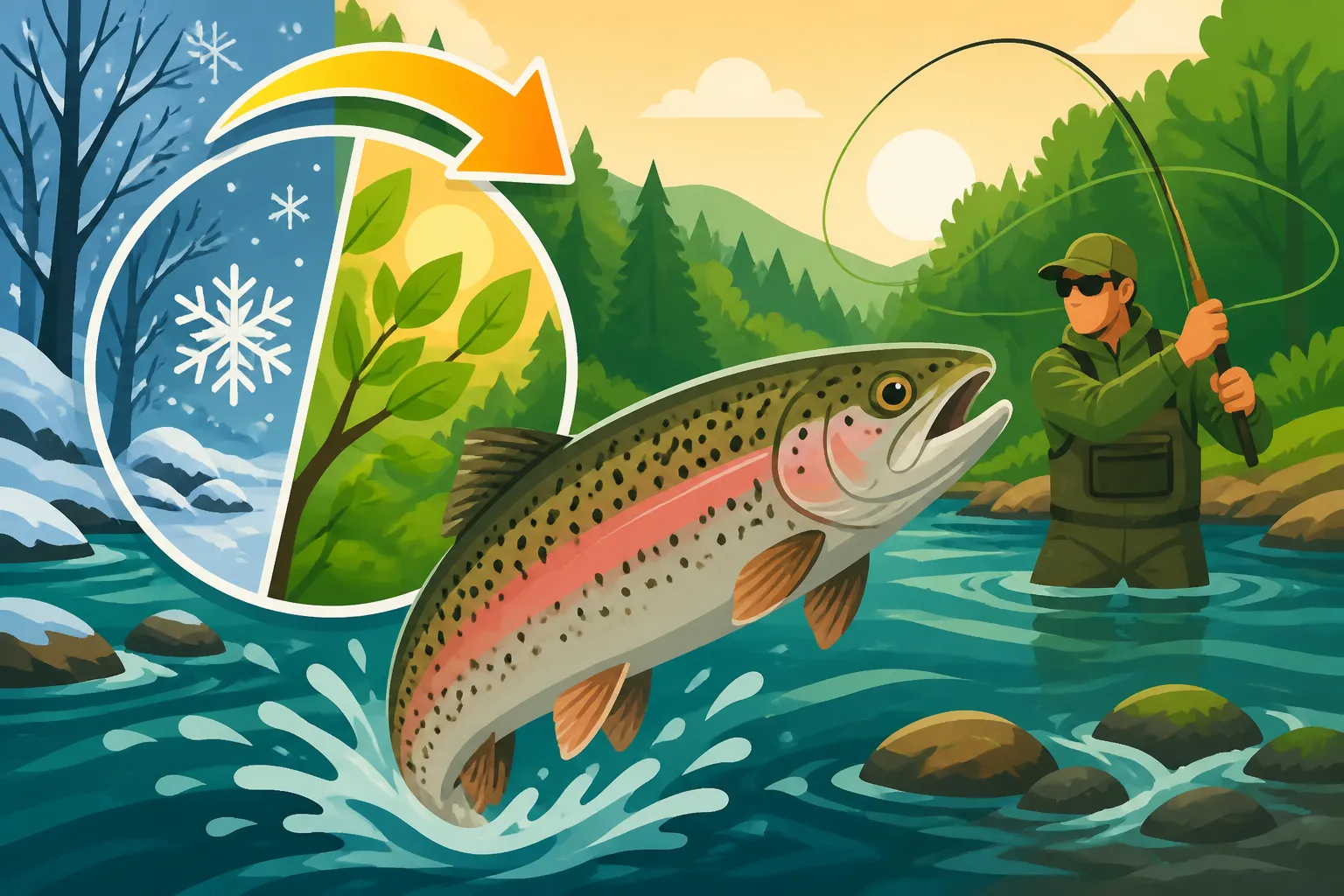
Georgia's Delayed Harvest (DH) program is a brilliant initiative designed to provide extended opportunities for high-quality trout fishing, especially during the cooler months. It's a game-changer for anglers who love the thrill of catching trout but also want to ensure the sustainability of these precious fisheries. Think of it as a special set of rules that transform certain streams into fantastic catch-and-release havens for a significant portion of the year, before opening them up to limited harvest later on.
What is "Delayed Harvest" and Why Does it Exist?
At its heart, "Delayed Harvest" means exactly what it sounds like: the harvest of fish is delayed. For a specific period, these designated stream sections are managed under strict catch-and-release regulations. The Georgia Department of Natural Resources (DNR) actively stocks these streams with an abundance of rainbow, brown, and brook trout, often larger than what you'd typically find in general regulation waters. The idea is to create a vibrant fishery where anglers can enjoy catching numerous trout throughout the fall, winter, and spring, without depleting the population. This contrasts sharply with many "put-and-take" streams where fish are stocked and immediately available for harvest, often leading to rapid depletion. The DH program ensures the fish stick around longer, offering multiple opportunities for anglers to test their skills.
The existence of this program stems from a desire to maximize recreational fishing opportunities, particularly when wild trout populations might be less active or abundant. By stocking robust numbers of trout and enforcing catch-and-release, the DNR effectively creates a high-density, high-action fishery that can withstand significant angling pressure. It’s a win-win: anglers get to experience fantastic fishing, and the trout population is protected during its most vulnerable times or in areas where natural reproduction might be limited.
The Core Philosophy: Sustainable Trout Fishing for All
The underlying philosophy of Georgia's Delayed Harvest program is firmly rooted in conservation and sustainable angling. It's about providing a unique fishing experience that balances recreation with resource management. During the catch-and-release season, every trout caught is returned to the water, allowing it to grow, thrive, and potentially be caught again by another angler. This continuous cycle means that the same fish can provide enjoyment for many different people over several weeks or even months. It fosters a sense of stewardship among anglers, encouraging them to think beyond just filling a creel and instead focus on the experience of the catch itself.
This approach also helps to educate anglers on proper handling techniques, which are crucial for the survival of released fish. When you know you have to release a fish, you naturally become more mindful of how you handle it. This focus on gentle release benefits not only the stocked trout but also any native or wild trout that might inhabit these streams. The program effectively transforms these sections into living classrooms for responsible angling, benefiting the entire ecosystem in the long run.
The Environmental Benefits of Delayed Harvest
Beyond providing exceptional angling experiences, the Delayed Harvest program offers significant environmental benefits. By concentrating intense angling pressure on stocked fish in specific stream sections, it can help reduce pressure on wild or native trout populations in other, more sensitive areas. These wild populations, particularly of Georgia's only native trout species, the brook trout, are often more vulnerable to overfishing and habitat degradation. By redirecting attention to DH streams, the program indirectly supports the recovery and health of these truly wild fisheries.
Furthermore, the strict regulations, especially the "artificial lures only" rule, reduce the amount of harmful bait materials like lead sinkers or plastic bait containers that might otherwise end up in the water. This contributes to cleaner, healthier aquatic environments. The presence of a thriving trout population, even if largely stocked, can also indicate good water quality and stream health, making these areas ecological benchmarks. It encourages a broader appreciation for healthy river systems, which are vital for all aquatic life, not just trout.
Navigating the Catch-and-Release Only Season
This is arguably the most exciting part of the Delayed Harvest program for many anglers. The catch-and-release season is when these streams truly shine, offering unparalleled opportunities to hook into numerous, often energetic, trout. However, enjoying this period responsibly means understanding and adhering to a very specific set of rules.
Key Dates for the No-Kill Period
The heart of the Delayed Harvest season in Georgia typically runs from November 1st through May 14th. During this timeframe, all designated Delayed Harvest streams operate under strict catch-and-release regulations. This means that every single trout you catch, regardless of its size or species, must be immediately and carefully returned to the water. There are absolutely no exceptions during this period, and wardens patrol these areas diligently to ensure compliance.
Knowing these dates is crucial for planning your trips. If you're heading out in February, March, or April, you're squarely in the middle of prime catch-and-release action, with freshly stocked fish that are often very eager to bite. Conversely, if you plan a trip in late May or June, you'll be entering the harvest season, and the rules will be different. Always double-check the current Georgia fishing regulations explained, as dates can occasionally shift due to environmental conditions or policy updates. A quick check of the Georgia DNR website before you head out is always a good idea, as it could save you from a potential violation.
Strict Rules: Artificial Lures and Single Hooks
During the Delayed Harvest catch-and-release season, the regulations are designed to maximize the trout's survival rate after being caught and released. This is where the "artificial lures only" and "single hook" rules come into play.
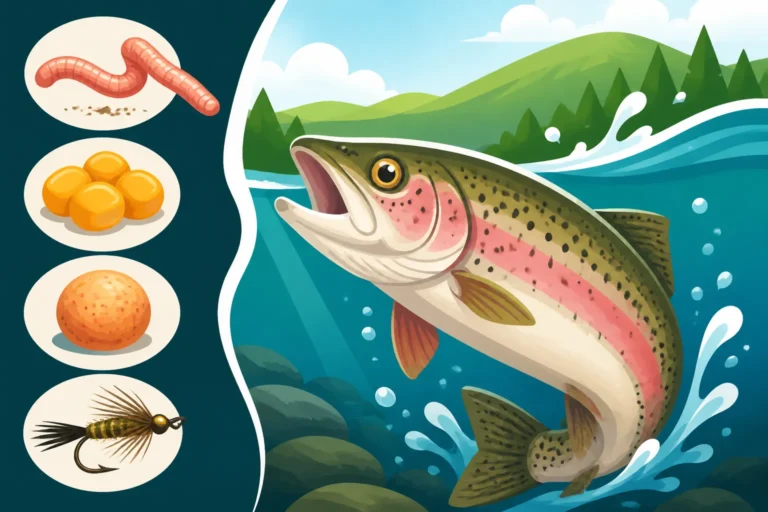
- Artificial Lures Only: This means you cannot use live bait, organic bait (like corn, cheese, or salmon eggs), or scented baits. You're limited to flies, lures, and jigs. This rule helps prevent fish from swallowing bait deep, which often leads to internal injuries that are fatal upon release. It also encourages anglers to develop more refined casting and presentation skills, making the fishing experience more engaging. Whether you're a fly angler or prefer spin fishing, you'll find a wide array of effective artificial options. If you're looking for gear, a quick search on Amazon will show you thousands of options for artificial trout lures and flies.
- Single Hooks: All hooks used must be single hooks. This means no treble hooks on your spinners, spoons, or plugs. If your favorite lure comes with a treble hook, you must replace it with a single, barbless hook. This rule further minimizes damage to the fish's mouth, making it easier to unhook and release them quickly with minimal harm. Many anglers even go a step further and pinch down the barbs on their single hooks to make release even gentler. This small effort goes a long way in ensuring the trout you catch today are healthy enough to fight another day.
These rules aren't arbitrary; they are the cornerstone of the DH program's success. Adhering to them is not just about avoiding a fine; it's about respecting the resource and contributing to a healthier fishery for everyone.
The Angler's Responsibility During Catch-and-Release
Fishing during the Delayed Harvest season comes with a significant responsibility: ensuring the fish you release have the best possible chance of survival. This isn't just a suggestion; it's an ethical imperative. Many anglers have witnessed a poorly handled fish swim away, only to float belly-up downstream minutes later. We all want to avoid that.
Your responsibility includes everything from how you hook the fish to how you remove the hook and return it to the water. Firstly, avoid fighting the fish to exhaustion, especially larger trout. The longer the fight, the more lactic acid builds up in their muscles, making them less likely to recover. Secondly, keep the fish in the water as much as possible. Even a few seconds of air exposure, especially when temperatures are cold, can be detrimental to their delicate gills and internal organs. Use a rubberized, knotless net if possible, as these are far gentler on their slime coat and fins than traditional nylon nets. Finally, use a de-hooking tool or forceps to quickly and cleanly remove the hook. Avoid squeezing the fish or touching its eyes or gills. Your goal is to get it back into the stream, swimming strongly, as quickly and gently as possible. This careful approach is what truly makes the catch-and-release ethic work.
The Transition: When Keeping Trout Becomes an Option
While the catch-and-release season gets a lot of attention, Georgia's Delayed Harvest streams do eventually open up for harvest. This transition period is an important distinction and allows anglers to take home some delicious trout, but it still comes with its own set of rules and considerations.
Understanding the Shift in Regulations
Once the designated catch-and-release period ends on May 15th, the rules for Delayed Harvest streams change dramatically. From May 15th through October 31st, these streams revert to "general trout stream regulations" for the most part. This means that, unlike the preceding months, you are now allowed to keep a certain number of trout, and the bait restrictions are lifted. This shift provides a different kind of angling opportunity, appealing to those who enjoy bringing home a fresh meal from the river.
It's crucial to understand that this change isn't a free-for-all. The fish that have survived the catch-and-release season are now fair game, but strict creel limits and sometimes size limits are still in effect. The timing of this transition is strategic; it typically coincides with warmer water temperatures where trout, especially stocked ones, may struggle more with survival even if released. By allowing harvest, the state manages the population effectively while providing a different kind of recreational value. Always be aware of the exact date, as misinterpreting the rules can lead to significant penalties, as outlined in Penalties for Fishing Without a License in Georgia or violating specific creel limits.
Creel Limits and Size Restrictions After Delayed Harvest
When the harvest season begins on May 15th, the daily creel limit for trout on these former Delayed Harvest streams typically becomes 8 trout per day. This is a statewide general regulation for trout, and it applies to rainbow, brown, and brook trout combined. There are generally no minimum size limits during this period on most of these streams, meaning you can keep any trout you catch, as long as it's within your 8-fish daily limit.
However, there can be exceptions, especially on certain specific streams or within Wildlife Management Areas (WMAs). For example, some streams might have unique size limits for specific species, or different daily limits if they are managed as "trophy trout" waters during the summer. This is why always checking the most current Georgia Fishing Regulations Explained is non-negotiable before heading out. The fishing license guide for Georgia will have all these details. While the 8-fish creel limit is common, you don't want to be caught off guard by a localized rule. Be particularly mindful if you are fishing a stream that flows into or out of a WMA, as those regulations can be very specific.
Ethical Considerations for Harvesting Trout
Just because you can keep trout during the harvest season doesn't mean you should keep every trout you catch. Ethical considerations still play a vital role. For many anglers, the joy of fishing lies in the pursuit and the fight, not necessarily the dinner plate. If you've already caught enough for a meal, consider practicing catch-and-release for the rest of your trip, even if it's legally permissible to keep more. This helps prolong the fishery and allows other anglers to enjoy the resource.
Moreover, selective harvesting is a great practice. If you're going to keep fish, perhaps target the smaller, younger trout, leaving the larger, more experienced fish to continue growing and potentially spawn. While many of these are stocked trout with limited reproductive potential, it’s still a respectful approach. Always dispatch fish quickly and humanely if you intend to keep them, ensuring they don't suffer unnecessarily. Understanding your personal ethics and balancing them with legal regulations is part of becoming a truly responsible angler. It’s also good practice to bleed your fish immediately and put them on ice to preserve their table quality.
Premier Delayed Harvest Streams in Georgia
Georgia is blessed with some incredible trout fishing, and its Delayed Harvest streams are jewel in the crown for many anglers. Knowing where these streams are located and what makes them special is key to planning a successful trip. These are places where you can almost always count on catching fish, thanks to the dedicated stocking efforts.
North Georgia's Iconic Delayed Harvest Waters
When people talk about Georgia's Delayed Harvest program, they're almost always talking about North Georgia. The mountainous terrain and colder waters in this region provide the perfect habitat for trout. These iconic streams offer stunning scenery alongside fantastic fishing opportunities, drawing anglers from all over the Southeast. The accessibility varies, with some spots being roadside and others requiring a bit of a hike, but the reward is almost always worth the effort.
Many of these streams are part of the Chattahoochee National Forest, meaning they are surrounded by protected wilderness, adding to the serene experience. The Georgia Department of Natural Resources works tirelessly to maintain these fisheries, ensuring a consistent stocking schedule that keeps the populations robust throughout the DH season. It's a testament to Georgia's commitment to providing diverse and high-quality angling experiences. You'll find a mix of easy-to-access spots perfect for a quick afternoon trip and more remote sections for those looking to immerse themselves deeper into the wilderness.
Specifics: Toccoa River, Amicalola Creek, and More
Let's dive into some of the specific Delayed Harvest streams that consistently produce excellent fishing:
- Toccoa River (Flippen Tunnel to Sandy Bottom): This is arguably Georgia's most famous Delayed Harvest stream. The approximately 9-mile section from the Blue Ridge Dam's Flippen Tunnel downstream to the Sandy Bottom Canoe Launch is a powerhouse for trout. It's heavily stocked, easily accessible in many spots, and offers a beautiful river setting. You can fish it from the bank or by wading, though some sections are best accessed by drift boat or kayak. Many anglers enjoy Toccoa River Trout Fishing in Georgia for its consistent action.
- Amicalola Creek (Steele Bridge to Georgia Highway 53): This beautiful stream near Dawsonville offers another fantastic DH experience. The DH section runs from the Steele Bridge down to the Georgia Highway 53 bridge. It's known for its picturesque surroundings and strong populations of stocked rainbows and browns. Access can be a bit more challenging in some areas, requiring some wading, but it's well worth it for the solitude and fish.
- Dukes Creek (Smithgall Woods State Park): Located within the incredibly scenic Smithgall Woods State Park near Helen, Dukes Creek is a true trophy trout destination. It's managed under very specific, strict regulations even outside the standard DH program, requiring reservations and specific gear. During the statewide DH season, it aligns with catch-and-release, but its year-round management makes it a standout. This is where you might find some truly massive trout, but you'll need to check the park's specific rules before visiting.
- Chattahoochee River (Various Sections): While often known for its year-round trout fishery below Buford Dam, the upper Chattahoochee River Headwaters Trout Fishing also has designated DH sections. It's a vast system, so always check the specific maps to ensure you're in a DH zone if that's your target.
- Jacks River (Cohutta Wilderness): For the truly adventurous, sections of the Jacks River within the Cohutta Wilderness are sometimes managed as DH. This is a wilder, more remote experience, requiring significant hiking. The reward is unparalleled solitude and pristine conditions.
This table provides a quick overview of some of Georgia's notable Delayed Harvest streams:
| Stream Name | Location (Nearest Town) | DH Section Boundaries | Key Characteristics |
|---|---|---|---|
| Toccoa River | Blue Ridge | Flippen Tunnel to Sandy Bottom Canoe Launch | Heavily stocked, good access, popular for wading and drift boats. |
| Amicalola Creek | Dawsonville | Steele Bridge to GA Hwy 53 Bridge | Scenic, good wading, consistent stocking. |
| Dukes Creek | Helen (Smithgall Woods) | Within Smithgall Woods State Park (reservation required) | Trophy trout, very strict year-round regs, beautiful setting. |
| Chattahoochee River | Helen/Sautee Nacoochee | Various headwater sections (check map for specifics) | Extensive system, diverse access, some remote sections. |
| Noontootla Creek | Blue Ridge (WMA) | Noontootla Creek WMA (special regulations apply) | Wild trout potential, requires specific WMA license. (See Noontootla Creek mountain trout minimum length) |
| Coopers Creek | Suches | Coopers Creek WMA (special regulations apply) | Well-known for good fishing, managed within WMA. |
| Little Tallapoosa River | Carrollton | Long sections near public access points | Lesser-known but productive, offers variety from mountain streams. |
Always confirm exact boundaries and regulations with the Georgia DNR before fishing.
Access Points and Local Fishing Hotspots
Finding access to these DH streams is often part of the adventure. For popular rivers like the Toccoa, you'll find numerous public access points, including designated parking areas, boat ramps, and roadside pull-offs. Local outfitters and fly shops in towns like Blue Ridge, Ellijay, and Helen are invaluable resources for up-to-date information on conditions, access, and current hotspots. They often have maps and can guide you to the best entry points.
For more remote streams or sections within Wildlife Management Areas (WMAs), access might involve hiking trails or dirt roads. It's essential to respect private property boundaries and only access streams via public easements or designated access points. Apps like OnX Hunt or even Google Maps can be helpful for identifying public land and potential access routes. Many anglers also find that the best fishing is often a short walk away from the most obvious access points, as the crowds tend to thin out quickly. Don't be afraid to explore a bit, but always prioritize safety and awareness of your surroundings.
Mastering Techniques for Delayed Harvest Trout
The "artificial lures only" rule on Delayed Harvest streams fundamentally changes the approach compared to bait fishing. It pushes anglers to refine their techniques and understand trout behavior more intimately. Whether you prefer fly fishing or spin fishing, there are specific strategies that consistently lead to success in these waters.
Fly Fishing Strategies for Finicky Trout
Fly fishing is incredibly popular on Georgia's Delayed Harvest streams, and for good reason. The artificial-only rule makes it a natural fit, and the abundance of stocked trout provides ample opportunity to hone your skills. Trout in DH streams can become "educated" quickly due to constant pressure, so finesse is often key.
- Nymphing: This is arguably the most consistent and productive fly fishing technique on DH streams. Trout spend a significant portion of their time feeding on nymphs (insect larvae) subsurface. Indicators, split shot, and precise drifts are essential. Popular nymph patterns include Pheasant Tails, Hare's Ears, Prince Nymphs, and Squirmy Wormies. Adjust your weight and indicator depth to ensure your nymphs are drifting naturally near the bottom where trout are feeding. A double-nymph rig, with a heavier leading nymph and a lighter trailing nymph, can be incredibly effective.
- Streamers: When trout are aggressive or water levels are slightly elevated, streamers can be deadly. Patterns like Woolly Buggers (black, olive, or brown), Clouser Minnows, and Sculpzillas imitate baitfish or larger aquatic insects. Stripping streamers through deeper pools or along current seams can trigger aggressive strikes, especially from larger, more predatory trout.
- Dry Flies: While less consistent during the colder DH season, dry fly fishing can be spectacular when hatches occur, usually on warmer days or in late spring. Keep an eye out for rising fish, and match the hatch with patterns like Blue-Winged Olives, Caddis, or midges. Presentation is crucial; a drag-free drift is paramount to success. For a deeper dive, check out Fly Fishing Basics for Trout.
- Euro Nymphing (Tightline Nymphing): This specialized technique is gaining popularity for its effectiveness in covering water and detecting subtle strikes. It involves using a long, sensitive rod and specialized leader to maintain direct contact with your nymphs, often without an indicator. It's a highly efficient way to fish faster currents and deeper runs. Many anglers find this technique exceptionally rewarding once mastered.
Effective Spin Fishing Approaches
Spin fishing is just as effective as fly fishing on Delayed Harvest streams, provided you adhere to the artificial lure and single-hook rules. For many, it's a more accessible entry point into trout fishing, and modern ultralight gear makes it incredibly sporting.
- Small Spinners: Spinners like Rooster Tails, Mepps Aglias, and Panther Martins are perennial trout favorites. Colors like silver, gold, black, or even chartreuse can be highly effective. The key is to cast upstream and retrieve just fast enough to get the blade spinning, allowing the current to carry it naturally. Be sure to replace any treble hooks with single, barbless ones.
- Inline Spinners and Spoons: Small spoons, such as Acme Kastmasters or Little Cleos, also work well, especially in deeper pools or when fish are keying in on baitfish. Their fluttering action on the retrieve or fall can entice strikes. Again, ensure all hooks are single and barbless.
- Jigs: Small marabou jigs or tiny soft plastic baits on a jig head can be incredibly versatile. Colors like white, olive, black, or pink often trigger bites. You can fish them with a slow retrieve, jig them along the bottom, or suspend them under a small float. A small jig paired with a grub or worm imitation can be deadly on finicky trout. Many of these effective lures can be easily found on Amazon.
- Weighting and Presentation: For both spinners and jigs, proper weighting is essential. Use just enough weight to get your lure down to where the fish are holding without hindering its natural action. Fluorocarbon leader material (4-6 lb test) can be very beneficial due to its low visibility in clear mountain streams. For more details on this approach, look up Spin Fishing Techniques for Trout.
Essential Lures and Baits Artificial Only!
Remember, during the Delayed Harvest season (November 1st – May 14th), only artificial lures with single hooks are permitted. This rule is absolute. Here’s a breakdown of some go-to options:
- Flies:
- Nymphs: Pheasant Tail Nymph, Hare's Ear Nymph, Prince Nymph, Squirmy Worm, Zebra Midge, Copper John. Sizes #12-#20.
- Streamers: Woolly Bugger (black, olive, brown), Sculpzilla, Clouser Minnow. Sizes #4-#10.
- Dry Flies (seasonal): Blue-Winged Olive (BWO), Caddis, Parachute Adams, Griffiths Gnat. Sizes #14-#22.
- Spinning Lures:
- Inline Spinners: Rooster Tail, Mepps Aglia, Panther Martin (ensure single, barbless hooks). Sizes 1/16 oz to 1/8 oz.
- Spoons: Acme Kastmaster, Little Cleo, Dardevle (replace treble hooks). Sizes 1/16 oz to 1/8 oz.
- Jigs: Marabou jigs, small crappie jigs, tiny grub or worm soft plastics on a jig head. Sizes 1/32 oz to 1/8 oz.
It’s a good idea to carry a variety of these in different colors and sizes. Trout can be surprisingly selective one day and indiscriminately aggressive the next. Having options allows you to adapt to the conditions and the mood of the fish. Always check your hooks before tying on a new lure to ensure they are indeed single and preferably barbless.
Practicing Responsible Catch and Release
The success of Georgia's Delayed Harvest program relies heavily on anglers' commitment to proper catch and release practices. If fish aren't handled correctly, the whole "no-kill" philosophy falls apart. It’s not just about getting the fish off the hook; it’s about ensuring its survival once it swims away.
Minimizing Stress and Injury to Trout
The primary goal of catch and release is to minimize the stress and physical injury a trout experiences. Every moment out of water is stressful for a fish. Trout have delicate gills that are designed to extract oxygen from water, not air. Their slime coat, which protects them from disease, can be easily rubbed off by dry hands or rough surfaces.
To truly minimize harm, here are some key points:
- Land Fish Quickly: Don't play a fish to exhaustion. While it's fun to feel the fight, prolonging it diminishes the fish's chances of recovery. Use appropriate tackle that can bring the fish in relatively quickly.
- Keep Fish in the Water: Whenever possible, unhook the fish while it's still submerged. This is the single most important rule. If you must lift it for a quick photo, do so gently and for only a few seconds. Support its body horizontally, never hold it vertically by the jaw or tail.
- Avoid Squeezing: Never squeeze a fish, especially around its belly or gills. This can cause internal organ damage that isn't immediately visible but can be fatal.
- No Contact with Dry Surfaces: Keep your hands wet before touching a fish. Avoid laying fish on dry rocks, sand, or boat carpets, as this removes their protective slime coat.
These practices, though seemingly small, collectively make a huge difference in the survival rate of released fish. For a more comprehensive guide, refer to How to Catch and Release Trout Properly.
The Right Tools: Nets, Forceps, and Barbless Hooks
Having the right tools at hand makes responsible catch and release significantly easier and more effective. Don't underestimate the impact of your gear choices.
- Rubberized, Knotless Landing Net: This is an absolute game-changer. Unlike traditional nylon nets, rubberized nets are much gentler on a fish's slime coat, fins, and scales. They also prevent hooks from getting tangled, making for a quicker release. Keep the net submerged as you guide the fish into it.
- Hemostats or Long-Nosed Forceps: These tools are indispensable for quickly and safely removing hooks, especially if the hook is deep or in a tricky spot. Having them easily accessible (clipped to your vest or pack) means you won't be fumbling when a fish is in the net.
- Barbless Hooks: While the regulation often states "single hook," pinching down the barb on your hooks (even single ones) is an excellent practice for DH streams. Barbless hooks slide out easily, causing minimal tearing and stress to the fish. A small pair of pliers can quickly flatten a barb on any hook.
- Measuring Tape/Camera: If you want to document your catch, use a tape measure that can be laid flat next to the fish while it's in the net, or take a quick photo of the fish while it's still partially submerged. A waterproof camera (like a GoPro) can capture amazing underwater release shots without ever lifting the fish.
Investing in these few pieces of equipment not only helps the fish but also streamlines your fishing process, making the experience more enjoyable.
Proper Handling and Release Techniques
Even with the right tools, knowing how to use them correctly is paramount. The act of releasing a fish should be a gentle, deliberate process.
- Net the Fish: Once you've brought the fish close, gently guide it into your submerged rubberized net.
- Remove the Hook (in water): With the fish still in the net and submerged, use your forceps or hemostats to quickly grasp the bend of the hook and twist it out. If the hook is deeply ingested, cut the line as close to the hook as possible rather than trying to rip it out. The hook will often dissolve over time, and attempting removal could cause fatal internal damage.
- Check for Vigor: Before letting the fish go, observe its behavior in the net. Is it upright? Is it moving its fins? If it seems sluggish, gently hold it upright in the current, facing upstream, allowing water to flow over its gills until it regains its strength and swims away on its own. Never "throw" a fish back into the water.
- No Photos with Stressed Fish: Resist the urge for a trophy photo if the fish appears overly stressed or lethargic. The fish's survival is more important than a picture. If you must take a photo, prepare your camera beforehand, keep the fish submerged as long as possible, and lift it quickly, supporting its body horizontally with wet hands. Get the shot and immediately return it to the water for recovery.
Practicing these techniques will not only ensure the longevity of the Delayed Harvest program but also enhance your reputation as a responsible and ethical angler.
Seasonal Nuances and Water Conditions
Fishing Georgia's Delayed Harvest streams isn't a static experience. The conditions can change dramatically throughout the season, influenced by everything from water temperature to recent rainfall. Understanding these nuances and adapting your approach will significantly increase your success.
How Weather and Water Temperature Impact Fishing
Trout are cold-water fish, and their behavior is heavily dictated by water temperature. During the core DH season (late fall, winter, early spring), water temperatures are generally ideal, making trout active and willing to feed.
- Late Fall/Early Winter (November-December): Water temperatures are dropping, and trout are often actively feeding to build reserves. They'll be found in a variety of places, from riffles to deeper pools. Clear, crisp days can be excellent.
- Mid-Winter (January-February): Water temperatures are at their coldest. Trout tend to become more lethargic and will seek out deeper, slower-moving water where they can conserve energy. Your presentation needs to be slower and more precise. Fish might bite subtly, so keen strike detection is vital. Fishing after a cold front can make trout particularly finicky.
- Early Spring (March-April): As water temperatures slowly begin to rise, trout become much more active. Insect hatches become more common, and fish will spread out, feeding in faster water and shallower riffles. This is often considered prime time for DH fishing, with some of the highest catch rates.
- Late Spring (May): Water temperatures continue to rise, and trout activity remains high. This is often the last hurrah for the catch-and-release season before the transition to harvest. You'll find active fish throughout the stream, but they might be more concentrated in areas with cooler flows or more oxygen.
Rainfall can also significantly impact conditions. A gentle rain can sometimes improve fishing by washing insects into the stream and camouflaging your presence. However, heavy rains can cause streams to blow out, becoming high, muddy, and unfishable. Always check stream gauges and local forecasts before heading out.
Dealing with Crowds and Pressure on Popular Streams
Because Delayed Harvest streams offer such reliable fishing, they can draw significant crowds, especially on weekends and holidays. This pressure can make trout wary and more challenging to catch.
- Go During the Week: If your schedule allows, fishing on a weekday is by far the best way to avoid crowds. You'll find more solitude and often more cooperative fish.
- Arrive Early or Stay Late: Even on busy days, getting to the stream right at dawn or staying until dusk can give you a window of less pressure. Many anglers fish during the midday hours, leaving the "golden hours" open.
- Seek Out Less Accessible Sections: Most anglers stick to the easily accessible, roadside sections. If you're willing to hike a bit, you'll often be rewarded with less pressured water and more willing fish. This might mean walking a mile or two upstream or downstream from a popular parking area.
- Be Patient and Respectful: When fishing crowded waters, be mindful of other anglers. Give them space, avoid wading directly in front of someone, and be patient. A friendly nod or a brief chat can go a long way in fostering a positive atmosphere. Sometimes, observing how others are fishing can even teach you something new.
- Fish Different Times of Day: When everyone is on the water from 10 AM to 3 PM, try fishing from 7 AM to 10 AM or 3 PM to 6 PM. These shifts in timing can make a huge difference in encountering less pressured fish.
Adapting Your Approach Throughout the Seasons
Being a successful DH angler means being adaptable. The tactics that worked in November might not work in February or April.
- Vary Presentation Speed: In colder water, slow your retrieve or drift down significantly. Trout are sluggish and won't chase fast-moving lures. In warmer water, you can speed things up a bit.
- Adjust Depth: In winter, focus on deeper pools and slower runs. As water warms in spring, trout will move into shallower riffles and feeding lanes.
- Change Lure/Fly Size and Color: In clear, low water, go with smaller, more natural-colored flies and lures. After a rain or in slightly stained water, bolder colors or larger profiles might be more effective.
- Experiment with Leader Length and Tippet Size: Finicky trout in clear water will often shy away from heavy leader. Dropping down to a 5x or 6x fluorocarbon tippet can make a big difference. For fly anglers, longer leaders (9-12 feet) are often necessary for a good drift.
- Observe and Learn: Pay attention to what's happening around you. Are other anglers catching fish? What are they using? Are insects hatching? The trout themselves will often tell you what they prefer if you're observant enough.
The beauty of Delayed Harvest fishing is that it challenges you to think like a trout and constantly refine your skills, making every trip a learning experience.
Planning Your Next Delayed Harvest Adventure
Successful fishing trips, especially to Georgia's special Delayed Harvest streams, involve a bit of planning. Getting your ducks in a row before you hit the road ensures you maximize your time on the water and avoid any frustrating surprises.
Staying Informed: Checking Regulations and Stocking Schedules
This cannot be stressed enough: always check the most current regulations and stocking schedules before you go. Georgia DNR provides excellent resources online, and a quick search for "Georgia trout stocking schedule" or Georgia Trout Stocking Schedule will yield the latest information.
- Regulations: The Georgia DNR publishes an annual fishing regulations guide that details all rules, including those specific to Delayed Harvest streams, creel limits, size limits, and gear restrictions. While this guide outlines the general DH season, specific stream regulations can sometimes change.
- Stocking Schedules: The DNR regularly updates its trout stocking schedule, often broken down by county and stream. This information is invaluable for planning your trip, as freshly stocked areas often offer the most consistent action. However, remember that "stocked" doesn't mean "easy." These fish have to adapt, and they can be finicky. While the DNR aims to stock these streams frequently throughout the DH season, knowing when they were last stocked can influence your strategy. Keep an eye on When Trout Stocking Starts in Georgia Each Year to get a feel for the yearly rhythm.
A quick call to a local bait shop or outfitter in the area you plan to fish can also provide real-time updates on water levels, clarity, and recent fishing success. They're often your best local intelligence source.
Necessary Licenses and Add-ons
You can't fish Georgia's Delayed Harvest streams without the proper licenses. This is a non-negotiable requirement, and Georgia Game Wardens are active on these popular waters.
- Basic Georgia Fishing License: Every angler aged 16 and older needs a valid Georgia fishing license. If you're a Georgia resident, you'll need a resident license; if you're visiting, you'll need a nonresident license. You can purchase these online through the Georgia DNR website, by phone, or from authorized license agents (like sporting goods stores and some Walmart locations). For more details, consult the Georgia Fishing License Guide or How to Get a Fishing License in Georgia.
- Trout License: In addition to the basic fishing license, anyone wishing to fish for or possess trout (which includes catch-and-release on DH streams during the season) needs a Georgia Trout License. This is often referred to as a "trout stamp" or "trout add-on." It's an additional purchase on top of your base license, and it's mandatory for all trout fishing. If you're wondering, Do you need a separate trout license in Georgia? the answer is a resounding yes for those 16 and older. Make sure you understand the Georgia Trout Fishing License Requirements before you go.
- Wildlife Management Area (WMA) License: Some Delayed Harvest streams or sections are located within Wildlife Management Areas (WMAs). If you plan to fish in a WMA, you'll likely need an additional WMA license or a valid Sportsman's License. Always check the specific WMA regulations, as these can be even stricter than general state rules, sometimes requiring specific check-in procedures or having unique trout size limits. Pay attention to Trout license requirements for north Georgia mountain streams for specific WMA considerations.
Ensure all your licenses are current and readily available (either physically or electronically on your phone) when you are fishing. Getting caught without one is a surefire way to ruin your day and lighten your wallet significantly.
Respecting the Resource and Other Anglers
Finally, and perhaps most importantly, remember that Delayed Harvest streams are a shared resource. They are maintained through the efforts of the Georgia DNR and funded by license sales, all for the enjoyment of countless anglers.
- Leave No Trace: Pack out everything you pack in. This includes all trash, broken line, and discarded bait containers (even though bait isn't allowed during DH). Leaving trash behind degrades the environment for both wildlife and other anglers.
- Respect Private Property: Many streams flow through or alongside private land. Always be aware of property lines and only access the stream from designated public access points. Trespassing is illegal and can lead to access being restricted for everyone.
- Give Space: As mentioned earlier, give other anglers ample space. Don't crowd someone's fishing spot, and be mindful of your casting if someone is upstream or downstream from you. A little courtesy goes a long way.
- Educate, Don't Antagonize: If you see someone accidentally violating a DH rule (e.g., using bait or a treble hook), approach them politely and educate them rather than immediately confronting them aggressively. Many anglers simply aren't aware of the specific regulations. If you suspect intentional and egregious violations, contact local game wardens.
By being a responsible, informed, and courteous angler, you contribute to the positive spirit of Georgia's Delayed Harvest program, ensuring these fantastic fishing opportunities remain available for years to come.
Disclaimer
The information provided in this guide is for general informational purposes only and is subject to change. While we strive to provide accurate and up-to-date content, fishing regulations, license requirements, and stocking schedules can be updated by the Georgia Department of Natural Resources at any time. It is the angler's sole responsibility to consult the official Georgia DNR website or current fishing regulations guide before engaging in any fishing activities to ensure full compliance with all applicable laws and regulations. We are not responsible for any inaccuracies or omissions in this guide, nor for any consequences that may arise from reliance on its content.