Noontootla Creek mountain trout minimum length
It can be incredibly confusing to navigate the labyrinth of Georgia’s fishing regulations, especially when you’re eyeing a specific, revered trout stream like Noontootla Creek. Many anglers get excited about fishing these pristine waters but then get tripped up by the unique rules, particularly concerning fish size limits. This guide is here to untangle the specifics of the Noontootla Creek mountain trout minimum length and other crucial regulations, ensuring your next angling adventure is both compliant and successful.
Understanding Noontootla Creek's Unique Trout Regulations
Noontootla Creek, nestled in the scenic North Georgia mountains, isn't just any trout stream. It's renowned for its incredible populations of brown, rainbow, and even native brook trout, making it a bucket-list destination for many fly anglers. However, its exceptional quality is no accident; it’s a direct result of very specific and strict regulations designed to protect and enhance its trophy trout fishery. If you approach Noontootla like any other stream, you’re likely to find yourself out of compliance, and potentially facing penalties.
The Specific Minimum Length for Trout on Noontootla Creek
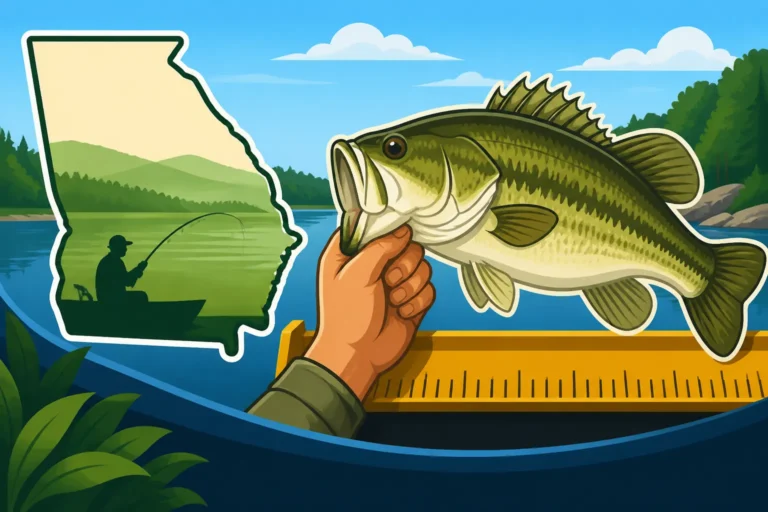
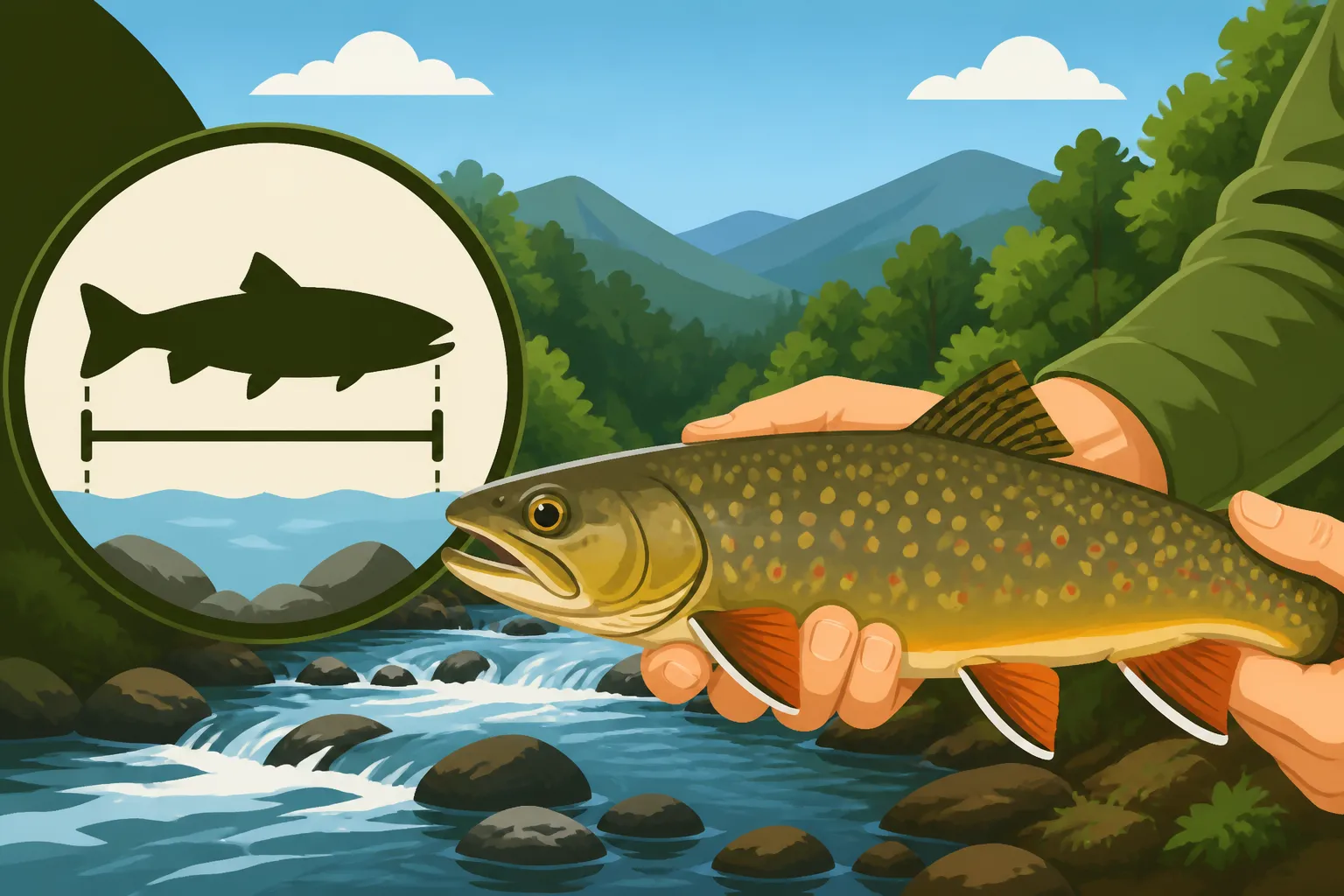
Here's the most critical piece of information you need to know about fishing Noontootla Creek: the minimum length for keeping any trout is 16 inches. That’s right, sixteen inches. This isn't your typical 8 or 12-inch statewide limit; this is a serious regulation aimed squarely at developing and maintaining a population of large, mature fish. Anglers often come across smaller fish, and the temptation to keep them can be strong, but it's vital to remember that anything under 16 inches must be immediately released. This rule applies uniformly to all species of trout you might encounter – rainbow, brown, or brook trout. It’s a conservation measure that allows the vast majority of trout to grow to a significant size, reproduce, and contribute to the stream's overall health and the trophy experience.
For comparison, many general trout waters in Georgia have a daily creel limit of eight trout per day with no minimum size limit, or perhaps a modest 8-inch minimum. The stark contrast at Noontootla Creek highlights its special status. It's a testament to the dedication of conservationists and landowners who work together to make this stream a true gem. Before heading out, it's always a good idea to refresh yourself on the broader Georgia Trout Stream Size Limits by Creek, as regulations can vary significantly from one waterway to another.
Delving Deeper into Catch-and-Release Requirements
Beyond the minimum length, Noontootla Creek operates under a very strong catch-and-release ethos for almost all fish. While the 16-inch minimum technically means you could keep a fish of that size or larger, the spirit of the regulations and the common practice among anglers on Noontootla is almost exclusively catch-and-release. In fact, many guides and experienced local anglers will encourage you to release even trophy-sized fish to preserve the resource. The idea is to enjoy the thrill of the catch and then carefully return these magnificent creatures to the water to be caught another day.
When you're fishing in a catch-and-release heavy environment like Noontootla, knowing How to Catch and Release Trout Properly is paramount. It’s not just about letting the fish go; it's about minimizing stress and injury to ensure its survival. This means using appropriate tackle, fighting the fish efficiently to reduce exhaustion, keeping it in the water as much as possible, and handling it gently with wet hands. Avoiding contact with dry surfaces and quickly unhooking and releasing are crucial steps. This practice helps maintain the incredible fishing experience that draws people to Noontootla Creek year after year.
Gear Restrictions and Their Importance
Noontootla Creek also comes with specific gear restrictions that go hand-in-hand with its catch-and-release and trophy management goals. You can't just throw any lure or bait into these waters. For trout fishing on Noontootla, you are generally limited to single-hook artificial lures. This means no live bait, no scented baits, and definitely no treble hooks. The reasoning is clear: artificial lures, especially those with single, barbless hooks, are far less likely to cause fatal injuries to fish, making successful catch-and-release much more probable.
Many serious trout anglers even take it a step further and pinch down the barbs on their single hooks. This creates a "barbless" hook, which allows for incredibly quick and clean releases, often without even needing to remove the fish from the water. You can find a wide array of single-hook artificial lures suitable for trout fishing on platforms like Amazon, from small inline spinners to various fly patterns. Always double-check the latest regulations published by the Georgia Department of Natural Resources (DNR) before your trip, as these rules are strictly enforced to protect the fishery. If you're planning on exploring other unique trout waters, be sure to also check the rules for Delayed Harvest Trout Streams in Georgia, as they have their own specific set of regulations.
The Philosophy Behind Noontootla's Strict Rules
It might seem excessive to some, but the stringent regulations on Noontootla Creek are rooted in a deep understanding of fisheries management and conservation. These rules aren't designed to make fishing harder; they're put in place to ensure that this special place continues to offer world-class trout fishing for generations.
Fostering a Trophy Trout Fishery
The 16-inch minimum length, coupled with the emphasis on catch-and-release, is a direct strategy to cultivate a "trophy" fishery. When most fish are released, they have the opportunity to grow larger and older. This leads to a higher density of bigger fish, which is exactly what anglers dream of when they picture a trophy trout stream. Imagine hooking into a stunning 20-inch brown trout that has managed to evade countless anglers and grow to an impressive size – that's the experience Noontootla aims to provide.
This approach also means that the fish you do catch are often more challenging to land, having survived and adapted to angling pressure over time. It creates a more rewarding experience for the angler, transforming a simple fishing trip into a true pursuit of quality over quantity. This kind of careful management is why Noontootla Creek is consistently listed among the Best Trout Streams in Georgia for those seeking a challenging and rewarding experience.
Conservation and Sustainable Practices
Beyond just growing big fish, these rules are fundamentally about conservation and sustainability. Trout, especially in smaller mountain streams, can be vulnerable to overfishing. By limiting harvest and mandating careful handling, the regulations help ensure that the trout population remains healthy and self-sustaining. This includes protecting spawning fish and ensuring enough individuals survive to reproduce, thereby contributing to the next generation of trout.
The health of a trout stream isn't just about the fish; it's about the entire ecosystem. Healthy trout populations indicate good water quality, abundant aquatic insect life, and a balanced environment. By promoting sustainable fishing, Noontootla Creek serves as a model for how careful human interaction can coexist with and even enhance natural resources. It's a reminder that we, as anglers, have a responsibility to be stewards of the waters we love. To fish these waters, you'll also need to ensure you have the appropriate license, which you can learn more about in the Georgia Trout Fishing License Requirements guide.
Planning Your Trip to Noontootla Creek
A trip to Noontootla Creek requires a bit more planning than heading to your local pond, but the rewards are absolutely worth the effort. Knowing what to expect regarding access, necessary gear, and ethical behavior will make your experience much more enjoyable and successful.
Navigating Access and Guide Services
This is a crucial point: much of Noontootla Creek flows through private property. Unlike many public streams in national forests, access to the prime fishing sections of Noontootla is often controlled by landowners or through fishing clubs and guide services that have secured leases. This means you can't just show up and expect to wade in anywhere. Often, access is granted through booking a trip with an authorized guide service. These services not only provide the necessary access but also offer invaluable expertise, helping you understand the water, choose the right flies, and locate fish.
For example, reputable outfitters like Noontootla Creek Farms or Appalachian Anglers often have exclusive access to prime sections. Booking with them usually includes the guide fee and access fees. Always confirm access arrangements well in advance of your trip. Don't be tempted to trespass; it can lead to legal trouble and jeopardize future access for everyone. This is a common consideration when fishing for Trout License Requirements for North Georgia Mountain Streams.
Essential Gear for Noontootla Anglers
Since Noontootla Creek is primarily a fly-fishing destination with specific gear restrictions, your tackle box will look a bit different. Here’s a breakdown of what you'll typically need:
- Fly Rod and Reel: A 3-weight to 5-weight fly rod, 8.5 to 9 feet long, paired with a matching reel is ideal for the size of the stream and the fish you'll encounter.
- Fly Line: A weight-forward floating line will cover most situations.
- Leaders and Tippet: You'll want a 9-foot tapered leader finishing in 4X or 5X, and extra spools of tippet in matching sizes.
- Flies: Focus on artificial flies. Depending on the season and hatches, you'll need a variety of nymphs (e.g., Pheasant Tails, Hare's Ears, Stoneflies), dry flies (e.g., Caddis, Parachute Adams, Hoppers), and streamers (e.g., Woolly Buggers). You can find excellent selections of high-quality flies on Amazon from brands like Orvis or Umpqua.
- Waders and Boots: Chest waders and sturdy wading boots are essential for navigating the creek safely and staying comfortable in colder water.
- Forceps or Hemostats: Absolutely critical for quick and safe hook removal, especially with barbless hooks.
- Net: A rubber or "ghost" net is preferred as it's much gentler on fish scales and slime coats than traditional nylon nets.
- Polarized Sunglasses: These are invaluable for spotting fish and reading the water, not to mention protecting your eyes.
- Fishing License and Mountain Trout License: Don't forget your current Georgia fishing license and the required Mountain Trout License Add-On in Georgia. You can learn more about these requirements in our comprehensive Georgia Fishing License Guide.
Best Practices for Ethical Angling
When fishing any special regulation water like Noontootla, practicing ethical angling is non-negotiable. This goes beyond just following the rules; it's about respecting the fish, the environment, and fellow anglers.
- Handle Fish Gently: As mentioned, minimize air exposure, use wet hands, and release fish quickly and carefully.
- Wade Responsibly: Avoid disturbing redds (fish spawning beds) and minimize sediment disruption. Walk lightly and thoughtfully.
- Leave No Trace: Pack out everything you pack in, including any discarded fishing line or packaging.
- Respect Private Property: Stick to designated access points and don't stray onto private land without permission.
- Know Your Limits: If you're new to fly fishing or specific techniques, consider hiring a guide. Their expertise will not only improve your success but also ensure you're fishing responsibly.
How Noontootla Compares to Other Georgia Trout Waters
To truly appreciate Noontootla Creek's regulations, it helps to understand how they stack up against other trout fishing opportunities in Georgia. The state offers a diverse range of trout experiences, each with its own set of rules.
General Georgia Trout Regulations Versus Noontootla
Most of Georgia's designated trout streams fall under "general regulations," which are significantly more liberal than Noontootla Creek's. Typically, these waters allow a daily creel limit of 8 trout per day with no minimum size limit, and often permit the use of natural baits (like worms or corn) and artificial lures with multiple hooks. This means you can catch and keep smaller fish, and the emphasis is less on trophy management and more on providing abundant opportunities for anglers of all skill levels.
For instance, many of the streams stocked regularly by the Georgia DNR fall under these general regulations. You can check the Georgia Trout Stocking Schedule to find out when and where fish are being released into these waters. This contrast highlights Noontootla's unique status as a destination focused on quality over quantity, where the challenge and the potential for a truly large fish are the main draws.
Other Special Regulation Trout Streams
Noontootla Creek isn't the only stream with special regulations in Georgia, but its 16-inch minimum is one of the more restrictive. Other special regulation streams often include:
- Delayed Harvest Streams: These streams, like those found within the Blue Ridge WMA, operate under catch-and-release, artificial-lure-only rules for a significant portion of the year (typically November 1 to May 14). During the rest of the year, they revert to general regulations.
- Trophy Streams with Specific Size Limits: Some waters, like Waters Creek, have different minimum size limits for different trout species (e.g., 18-inch minimum for brook trout, 22-inch for rainbow and brown trout in certain sections). This shows that while Noontootla is special, it's part of a broader network of carefully managed trout fisheries designed to offer varied experiences. Understanding these nuances is part of being a well-informed angler, which is something you can continue to learn about through guides like Georgia Freshwater Fishing Rules.
Here’s a quick comparison of common trout regulations in Georgia:
| Regulation Aspect | Noontootla Creek (Special Regulations) | General Trout Waters | Delayed Harvest Waters (Nov 1 – May 14) |
|---|---|---|---|
| Minimum Length Limit | 16 inches | None (often implied 6-8") | None (catch & release only) |
| Daily Creel Limit | 0 (catch & release strongly encouraged, up to 8 if >16") | 8 trout | 0 (catch & release only) |
| Bait/Lure Type | Single-hook artificials only | Live bait, artificials | Single-hook artificials only |
| Hook Type | Single, barbless preferred | Any | Single, barbless preferred |
| Access | Often private, guide access | Public, state stocked | Public, state stocked |
| Focus | Trophy management, conservation | Recreational harvest | Trophy management, seasonal harvest |
As you can see, Noontootla stands out with its consistently high minimum length and restrictive gear rules, underscoring its role as a premier, carefully managed trophy trout destination in Georgia. It’s an investment of time and preparation, but the rewards of fishing such a remarkable stream are truly unparalleled.
Disclaimer
Please remember that fishing regulations, including license requirements, bag limits, and gear restrictions, can change. Always consult the official Georgia Department of Natural Resources (DNR) website or the current Georgia Sport Fishing Regulations Guide before planning any fishing trip to ensure you have the most up-to-date information. This content is for informational purposes only and should not be considered legal advice.