Chattahoochee River Headwaters Trout Fishing
If you've ever dreamt of casting a line in a pristine North Georgia mountain stream, only to feel overwhelmed by where to start or what to expect, you're not alone. The Chattahoochee River Headwaters offer some incredible trout fishing, but knowing the specific spots, techniques, and regulations can make or break your trip. This comprehensive guide will help demystify fishing these beautiful waters, ensuring your next adventure is both rewarding and memorable.
Understanding the Chattahoochee Headwaters Trout Fishery
The Chattahoochee River, a lifeline for Georgia, begins its journey high in the Blue Ridge Mountains of Union County. It's here, in its headwaters, that the river truly embodies the wild spirit of a trout stream. This isn't just any river; it’s a dynamic, ever-changing ecosystem that demands respect and a bit of local knowledge to fish successfully.
The Unique Ecology of the Upper Chattahoochee
What makes the Chattahoochee Headwaters so special for trout is a combination of factors. First, you have the elevation. Nestled in the mountains, the water here stays significantly cooler than downstream sections, providing the ideal habitat for cold-water species like trout. The topography also contributes, creating a diverse landscape of riffles, runs, deep pools, and pockets that offer ample cover and feeding opportunities. The river bottom is a mix of rock, gravel, and sand, supporting a rich insect population that forms the base of the trout's diet.
Beyond the physical characteristics, the surrounding forests play a crucial role. Shading from mature trees helps keep water temperatures down, and fallen leaves and organic matter contribute to the aquatic food web. It’s a delicate balance, and understanding this ecosystem is key to anticipating where trout will hold and what they might be feeding on at any given time. This natural beauty and ecological richness are why many anglers consider the Chattahoochee Headwaters a true gem among Georgia's trout streams.
Key Trout Species You'll Encounter
When you venture into the Chattahoochee Headwaters, you're primarily going to be targeting three species of trout: Rainbow, Brown, and our native Brook Trout. Each has its own distinct characteristics and preferred habitats within the river system.
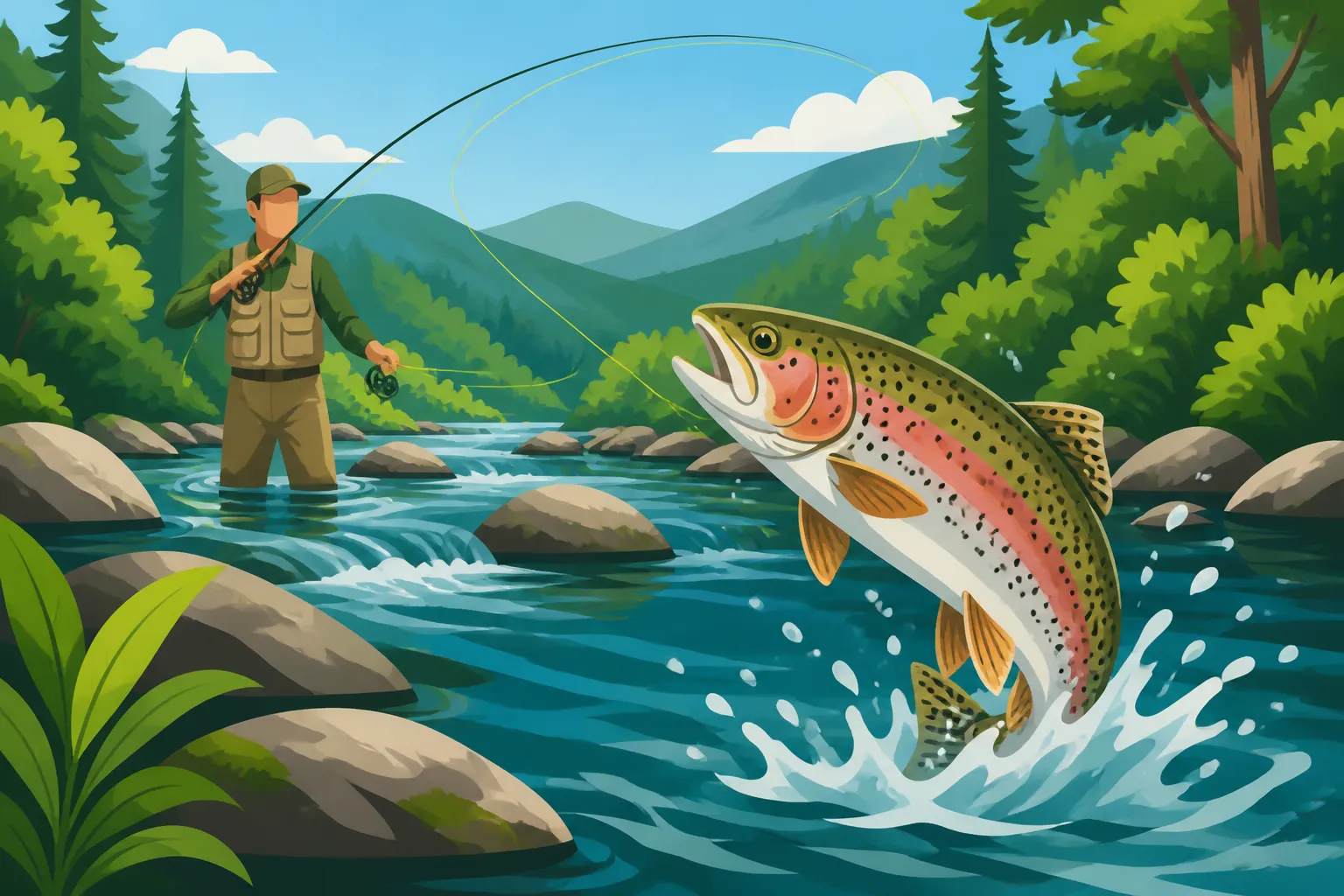
Rainbow trout are probably the most common catch, often recognizable by their iridescent stripe along their sides. They're typically feisty fighters and respond well to a variety of baits and lures, making them a popular target, especially in stocked sections. You can learn more about Rainbow Trout Fishing in North Georgia Streams if you’re looking to specifically target these beautiful fish. Brown trout, on the other hand, are often more elusive and tend to grow larger. They're known for their beautiful golden-brown coloration with distinctive red and black spots. Browns are generally warier and often prefer deeper, slower pools or undercut banks for cover. Landing a large brown trout from the headwaters is a significant accomplishment.
Then there are the magnificent Brook trout, Georgia's only native trout species. These fish are usually smaller, but their vibrant worm-like markings (vermiculation) on their backs and fiery red fins with white leading edges make them truly stunning. Brookies thrive in the coldest, most pristine headwater tributaries, often in areas that require a bit of a hike to reach. They are a treasure to catch and often released to preserve their populations. For a deeper dive into these indigenous beauties, check out our guide on Brook Trout: Georgia's Only Native Trout Species.
The Impact of Stocking Programs
While the Chattahoochee Headwaters do hold wild populations of trout, especially brook trout in the higher, more remote sections, the fishery is significantly supported by stocking programs from the Georgia Department of Natural Resources (DNR). These programs aim to enhance fishing opportunities, particularly in easily accessible areas and during peak seasons.
Stocked trout are typically rainbow trout, though brown trout are also stocked. They are released regularly, often weekly or bi-weekly, throughout the spring, summer, and fall, and even into winter in some areas. This means that even if you're not an expert at finding wild trout, your chances of a successful day are greatly improved. However, it also means that fishing pressure can be high in heavily stocked areas, especially right after a stocking event. Understanding the Georgia Trout Stocking Schedule can give you an edge, helping you plan your trip for when fresh fish have been introduced. While stocked fish are a fantastic resource for anglers, many experienced trout enthusiasts also cherish the challenge of pursuing wild, native trout, highlighting the diverse opportunities this river system offers.
Prime Fishing Zones within the Headwaters
The Chattahoochee River Headwaters span a significant area, offering a variety of fishing experiences from easily accessible spots to remote, wilderness stretches. Knowing where to focus your efforts can make a huge difference in your success and overall enjoyment.
The Chattahoochee Wildlife Management Area (WMA)
One of the most popular and accessible areas for fishing the headwaters is within the Chattahoochee Wildlife Management Area (WMA). This vast public land, managed by the Georgia DNR, encompasses a significant portion of the upper river and its tributaries. It's a fantastic resource for anglers, providing numerous access points, parking areas, and a network of Forest Service roads that get you close to the water.
Within the WMA, you'll find a mix of general regulation streams and special regulation areas, including portions designated as Delayed Harvest streams. General regulation areas are often heavily stocked, providing consistent action for anglers of all skill levels. The ease of access makes them perfect for a family outing or a quick fishing trip. For those seeking a bit more solitude and a chance at wilder fish, venturing deeper into the WMA on lesser-known trails or smaller tributaries can be incredibly rewarding, though it often requires more effort and rugged hiking. Always be sure to have your Georgia Fishing License Guide and any necessary add-ons, like the Mountain Trout License Add-On in Georgia, before you head out into the WMA.
Public Access Points and Remote Stretches
Beyond the WMA, there are several other public access points along the Chattahoochee Headwaters that are worth exploring. Many Forest Service roads run parallel to or cross the river, offering numerous pull-offs and trails leading to the water. These can range from well-worn paths to faint game trails, so a good map or GPS is always a smart idea.
For anglers looking to escape the crowds, the true wilderness experience lies in the remote stretches. This often means parking at a designated trailhead and hiking several miles upstream or downstream, away from the more popular access points. The effort is often rewarded with more pristine waters, less pressured fish, and the profound solitude of the North Georgia mountains. These remote sections are where you're most likely to find robust populations of wild brown and brook trout that have seen fewer lures and flies. However, these areas also demand greater self-sufficiency and awareness of your surroundings, as help can be a long way off. Always inform someone of your plans when venturing into these more isolated areas.
Tributaries and Feeder Creeks Worth Exploring
While the main stem of the Chattahoochee Headwaters is fantastic, don't overlook its numerous tributaries and feeder creeks. These smaller streams, often overshadowed by the larger river, can be incredible trout fisheries in their own right, especially for those seeking native brook trout. Many of these creeks, such as Dukes Creek, Smith Creek, and smaller unnamed trickles, flow into the Chattahoochee and offer cooler, more oxygenated water, which is particularly attractive to trout during the warmer months.
Some of these tributaries are also part of stocking programs, while others support entirely wild populations. Fishing these smaller waters often requires a more stealthy approach, as the fish can be skittish in shallower, clearer flows. A lighter rod, shorter casts, and careful wading are often the keys to success. It's in these hidden gems that you might discover some of the most rewarding and memorable trout fishing experiences the Chattahoochee Headwaters have to offer. Always be mindful of specific regulations for these smaller creeks, as How trout size limits differ from creek to creek in Georgia can vary significantly from the main river.
Essential Gear and Techniques for Headwaters Trout
Having the right equipment and knowing how to use it effectively is paramount to success when fishing the Chattahoochee Headwaters. The dynamic nature of these mountain streams means you need versatile gear and adaptable techniques to tackle different conditions and target various species.
Recommended Rods, Reels, and Line
For general trout fishing in the Chattahoochee Headwaters, a lightweight rod and reel setup is usually your best bet. If you're spin fishing, a 5'6" to 6'6" ultralight or light action spinning rod paired with a small spinning reel (size 1000 or 2000) is ideal. This combination allows for accurate casting of small lures and baits, and provides plenty of sensitivity for detecting subtle bites. Spool your reel with 4-6 lb test monofilament or fluorocarbon line. Monofilament offers a bit more stretch, which can be forgiving with light leaders, while fluorocarbon is less visible underwater and has better abrasion resistance against rocks.
For fly anglers, a 7'6" to 9' 3-weight or 4-weight fly rod is the standard. A 3-weight is perfect for delicate presentations on smaller creeks and for catching brook trout, while a 4-weight offers a bit more versatility for casting larger flies or handling bigger fish in the main river. Pair this with a matching fly reel and a weight-forward floating fly line. Your leader and tippet selection will vary based on water clarity and fish spookiness, but usually, a 7.5-foot leader tapering down to 5x or 6x tippet is a good starting point. You can dive deeper into specific fly fishing setups in our Fly Fishing Gear for North Georgia Trout guide.
Fly Fishing vs. Spin Fishing Approaches
Both fly fishing and spin fishing are highly effective in the Chattahoochee Headwaters, and the choice often comes down to personal preference and the specific conditions you're facing.
Fly fishing offers a nuanced and highly rewarding experience. It's particularly effective when trout are actively feeding on aquatic insects, as fly anglers can "match the hatch" with imitations of mayflies, caddisflies, and stoneflies. Nymphing (fishing subsurface with weighted fly patterns) is arguably the most consistent technique, especially in deeper pockets and runs. Dry fly fishing, while less frequent, offers exhilarating visual strikes when fish are rising to insects on the surface. Streamer fishing, using larger flies that imitate baitfish, can also be deadly for larger brown trout. The precision and delicate presentation of fly fishing can often entice wary fish that might shy away from heavier spin fishing tackle.
Spin fishing, on the other hand, is often more accessible for beginners and can be incredibly productive. Small inline spinners like Panther Martins or Rooster Tails, tiny crankbaits, and small soft plastics (like Trout Magnets or small grubs) are all excellent choices. The key is to cast upstream and retrieve downstream slightly faster than the current, allowing your lure to tumble naturally. For specific techniques, our Spin Fishing Techniques for Trout article offers great tips. Bait fishing, using corn, salmon eggs, or worms, is also very popular, especially in stocked sections, and can be incredibly effective when other methods fail. The ability to cover water quickly and effectively with spin gear makes it a powerful tool in these flowing waters.
Best Baits and Lures for Headwaters Trout
Choosing the right bait or lure can make all the difference. For spin fishermen, a few staples should always be in your tackle box:
- Inline Spinners: Brands like Mepps, Panther Martin, and Rooster Tail in sizes 0 to 2 are consistently effective. Gold, silver, and copper blades with various colored dressings (black, white, yellow, chartreuse) are all good to have.
- Small Spoons: Tiny Kastmaster or Little Cleo spoons can imitate baitfish and flash enticingly.
- Small Crankbaits: Micro crankbaits that dive shallow are excellent for imitating small baitfish or crawfish.
- Soft Plastics: Trout Magnets, Gulp! trout baits, and small grubs fished under a float or on a tiny jig head are incredibly popular and effective, especially for stocked trout.
For fly fishermen, your fly box should be well-stocked with a variety of patterns:
- Nymphs: Pheasant Tail, Hare's Ear, Prince Nymph, Squirmy Wormy, and Caddis Larva patterns in sizes 12-18 are essential. These imitate the subsurface insects that make up the bulk of a trout's diet.
- Dry Flies: Elk Hair Caddis, Adams, Parachute Adams, and stimulators in sizes 12-18 are good all-around choices for when fish are rising.
- Streamers: Woolly Buggers (black, olive, brown) in sizes 6-10 can imitate baitfish and often provoke aggressive strikes from larger trout.
- Terrestrials: During warmer months, ant, beetle, and grasshopper patterns can be very effective as they fall into the water from streamside vegetation.
For bait fishermen, natural baits are often the simplest and most effective, especially for stocked trout:
- Worms: Red wigglers or nightcrawlers are universally loved by trout.
- Salmon Eggs: Both real and artificial salmon eggs (like Pautzke's Bait) are a classic trout bait.
- Corn: Canned corn can be surprisingly effective, particularly for recently stocked fish.
- PowerBait: Dough baits like Berkley PowerBait come in various colors and scents and are a go-to for many trout anglers.
Experimentation is key. Don't be afraid to try different lures, flies, or baits until you find what the fish are responding to on a given day. And remember, presentation often matters more than the specific bait.
Seasonal Strategies for Success on the 'Hooch
The Chattahoochee Headwaters, like any mountain trout stream, changes dramatically with the seasons. Understanding these shifts and adapting your strategy accordingly is crucial for consistent success. What works wonderfully in spring might be completely ineffective in the heat of summer.
Spring: High Waters and Hungry Trout
Spring is often considered prime time for trout fishing in the Chattahoochee Headwaters. As winter snows melt and spring rains arrive, water levels tend to be higher and often slightly stained, offering trout more cover and making them less wary. Water temperatures begin to rise from their winter lows, stimulating trout metabolism and triggering more active feeding. This is when insects become more active, and the first major hatches of caddisflies and stoneflies can occur.
During early spring, fish are often congregated in deeper pools and slower runs, conserving energy and waiting for easy meals. As the water warms, they'll spread out into faster riffles and oxygenated pockets. Spin fishermen will find success with inline spinners, small spoons, and live bait like worms, especially after a rain. Fly anglers should focus on nymphing heavy patterns in deep pockets, but also be ready for the occasional dry fly opportunity if a hatch occurs. Remember to pack layers, as mountain weather in spring can be unpredictable, swinging from mild to chilly in a single day.
Summer: Seeking Cooler, Oxygenated Water
Summer presents a unique set of challenges and opportunities on the Chattahoochee Headwaters. As air temperatures soar, stream temperatures can rise, making trout less active and pushing them into specific holding areas. The key to summer success is finding cooler, oxygenated water. This often means focusing on the higher elevations, fishing early in the morning or late in the evening when temperatures are cooler, or targeting areas where cold tributaries flow into the main river.
Trout will seek refuge in deep pools, undercuts, and areas with heavy overhead cover. They become much more wary in the typically clearer, lower water conditions of summer. Stealth is paramount. Fly anglers should use lighter tippets and smaller, more delicate fly patterns, often focusing on terrestrial imitations like ants, beetles, and grasshoppers that accidentally fall into the water. Nymphing in faster, oxygen-rich riffles can also be productive. Spin fishermen should opt for tiny spinners, small soft plastics, or even try ultralight rigs with live crickets or worms. During sustained hot spells, consider giving the fish a break, as fighting fish in warm water can be very stressful for them.
Fall: The Golden Season for Trout
Many seasoned anglers consider fall the "golden season" for trout fishing in the Chattahoochee Headwaters. As air temperatures cool, so do the stream waters, re-energizing trout. The oppressive heat of summer subsides, and the vibrant autumn foliage creates a stunning backdrop for your fishing adventures. This is also when brown trout begin their spawning migrations, making them more aggressive and often more visible.
Water levels generally stabilize, and fish are actively feeding to bulk up for the upcoming winter. Big streamers and larger nymphs can be incredibly effective for targeting aggressive brown trout. Spin fishermen can have a field day with larger inline spinners, small crankbaits, and even twitching jigs in deeper pools. While dry fly opportunities may be less frequent than in spring, blue-winged olive hatches can occur, and terrestrials remain a viable option, especially on warmer days. The vibrant colors of the leaves, combined with cooler temperatures and active fish, make fall an absolutely magical time to be on the Chattahoochee Headwaters.
Winter: Challenging but Rewarding
Winter fishing in the Chattahoochee Headwaters is not for the faint of heart, but it can be incredibly rewarding for those willing to brave the cold. Water temperatures are at their lowest, slowing down trout metabolism significantly. Fish become lethargic and less willing to expend energy chasing food. However, they still need to eat, and on milder days, they can become surprisingly active.
The key to winter success is slowing down your presentation and focusing on deep, slow-moving pools and runs where trout will congregate to conserve energy. Small, heavily weighted nymphs (like a tiny midge or stonefly imitation) fished slowly along the bottom are often the most productive fly patterns. For spin fishermen, small jigs tipped with a grub or Gulp! bait, fished painstakingly slow, can elicit strikes. Live bait like worms or small minnows, presented gently on a slip sinker rig, can also be very effective. Dress in layers, wear waterproof gear, and bring a hot beverage. While the bites may be fewer and far between, the trout you do catch in winter are often some of the healthiest and most beautiful. Don't forget that many streams in Georgia continue to be stocked through the winter months, offering year-round opportunities for anglers.
| Season | Typical Water Conditions | Key Trout Behavior | Recommended Techniques |
|---|---|---|---|
| Spring | Higher, often stained water, warming temps | Active feeding, spreading out | Nymphing, inline spinners, worms |
| Summer | Lower, clear water, warmer temps | Seeking cool, oxygenated refuges | Small dries, terrestrials, tiny jigs |
| Fall | Stable levels, cooling temps, clear water | Aggressive feeding, spawning browns | Streamers, larger nymphs, crankbaits |
| Winter | Low, clear, cold water | Lethargic, congregating in deep pools | Small nymphs, slow jigs, live bait |
Navigating Regulations and Embracing Conservation
Fishing the Chattahoochee Headwaters isn't just about catching fish; it's also about understanding and respecting the rules designed to protect this precious resource. Familiarizing yourself with Georgia's fishing regulations and adopting responsible angling practices ensures healthy fish populations for generations to come.
Understanding Size and Creel Limits
Georgia has specific size and creel (daily catch) limits for trout, and these can vary depending on the specific section of the river or tributary you're fishing. For general trout waters, there's usually a statewide daily creel limit of 8 trout per angler, with no minimum size limit. However, it's vital to remember that certain streams or specific sections of the Chattahoochee Headwaters, particularly those managed for wild trout or trophy fish, may have different, more restrictive rules.
For instance, some creeks might have a 16-inch minimum size for certain species or a reduced creel limit, such as 3 fish per day. Always consult the current Georgia Sport Fishing Regulations Guide before your trip. This guide is usually available online from the Georgia DNR or at most license vendors. Ignoring these regulations can lead to hefty fines and a tarnished reputation for anglers. Being aware of these rules, which can include nuances like Georgia Trout Stream Size Limits by Creek, is part of being a responsible steward of the environment.
The Role of Delayed Harvest Sections
A significant feature of trout management in the Chattahoochee Headwaters and other North Georgia streams are the "Delayed Harvest" (DH) sections. These unique stretches of water are managed to provide exceptional catch-and-release fishing opportunities during the colder months, typically from November 1st to May 14th. During this period, all trout caught must be immediately released unharmed. Only artificial lures with a single barbless hook are permitted.
The idea behind Delayed Harvest is to allow trout, often stocked in significant numbers, to grow larger and provide a challenging, high-quality fishing experience without the fish being removed from the system. Once May 15th rolls around, these DH sections revert to general trout regulations, and anglers can harvest fish within the specified limits. However, the fishing pressure often increases dramatically once the harvest season opens. Understanding Delayed Harvest Trout Streams in Georgia is crucial for planning your trip, as these areas offer some of the best fishing but require adherence to strict catch-and-release ethics for much of the year.
Practicing Responsible Angling
Beyond legal requirements, practicing responsible angling is about a mindset of conservation and respect for the fish and their habitat. This includes:
- Catch and Release Best Practices: If you're not keeping fish, handle them as little as possible. Keep them in the water, use wet hands, and use a de-hooking tool or needle-nose pliers to quickly remove hooks. Avoid dragging fish onto dry land or rocks.
- Leave No Trace: Pack out everything you pack in, including all trash, discarded fishing line, and bait containers. Even biodegradable items should be packed out.
- Respect Private Property: Always be aware of property lines and only fish in areas with public access.
- Respect Other Anglers: Give other fishermen ample space and avoid crowding. A little courtesy goes a long way.
- Be Mindful of Water Levels and Temperatures: During extreme heat or drought, consider reducing your fishing pressure or avoiding fishing altogether, as trout can be particularly vulnerable to stress in these conditions.
By following these practices, you contribute to the sustainability of the Chattahoochee Headwaters fishery and help ensure that future generations can enjoy the same incredible fishing experiences.
Planning Your Headwaters Trout Adventure
A successful fishing trip to the Chattahoochee Headwaters involves more than just knowing where the fish are; it also requires careful planning. From finding local experts to ensuring your safety, a bit of preparation can go a long way in making your trip smooth and enjoyable.
Finding Guides and Local Expertise
While this guide provides a solid foundation, there's no substitute for local knowledge, especially if you're new to trout fishing or visiting the area for the first time. Hiring a local fishing guide can dramatically increase your chances of success and shorten the learning curve. These guides spend countless hours on the water and know the river's secrets, from the best holes to the most effective flies or lures for current conditions. They can teach you specific casting techniques, how to read the water, and help you navigate tricky sections.
Many experienced guides operate in the North Georgia region, offering half-day or full-day trips. They usually provide all the necessary gear, making it a hassle-free option for beginners or those who don't want to transport their own equipment. Websites like FishingBooker are excellent resources for finding reputable local guides who specialize in the Chattahoochee Headwaters. You can browse different guides, read reviews from other anglers, and compare prices to find the perfect fit for your trip. They often have detailed profiles of guides with expertise in Chattahoochee River Headwaters Trout Fishing specifically. A quick search on FishingBooker can connect you with an expert who can unlock the river's potential for you.
Accommodation and Amenities Nearby
The Chattahoochee Headwaters flow through a relatively rural part of North Georgia, but there are several charming towns nearby that offer a range of accommodation options and amenities. Helen, a Bavarian-themed village, is a popular tourist destination with hotels, cabins, and restaurants, and it's quite close to some excellent sections of the river. Blairsville, Clarkesville, and Cleveland are other nearby towns that offer more traditional lodging, dining, and outdoor supply stores.
For those who prefer a more rustic experience, numerous campgrounds are located within the Chattahoochee-Oconee National Forest, often just a short drive or hike from prime fishing spots. Many of these campgrounds are managed by the U.S. Forest Service and can be booked in advance, especially during peak season. Before heading out, make sure to stock up on any last-minute essentials like bait, snacks, or extra fishing line at one of the local outfitters or general stores in these towns. Having a comfortable base of operations can greatly enhance your overall fishing adventure.
Safety and Preparation for Mountain Streams
Fishing in mountain streams, while incredibly scenic, comes with its own set of safety considerations. The Chattahoochee Headwaters can be rugged, and conditions can change rapidly.
- Wading Safety: The rocky, uneven bottom can be slippery. Always wear sturdy wading boots with good traction (felt or rubber with studs are recommended) and consider using a wading staff for stability. Be mindful of swift currents, especially after heavy rains, and know your limits.
- Weather: Mountain weather can be unpredictable. Be prepared for sudden changes in temperature, rain, or even thunderstorms. Pack appropriate layers, including waterproof outerwear.
- Navigation: While many areas are accessible, it's easy to get disoriented in dense forest. Carry a map and compass or a reliable GPS device, and know how to use them. Always tell someone your plans and expected return time.
- Wildlife: You're in wild country. Be aware of local wildlife, including snakes and bears. Carry bear spray if you're in active bear country and know how to use it.
- First Aid: A basic first-aid kit with essentials for cuts, scrapes, and insect bites is a must. Consider carrying a personal locator beacon (PLB) if you're venturing into very remote areas.
- Hydration and Nutrition: Always carry plenty of water and snacks, even for what seems like a short trip. Fishing can be physically demanding.
By taking these precautions, you can focus on the joy of fishing and the beauty of the Chattahoochee Headwaters, knowing you're prepared for whatever the mountains might throw your way. Remember, FishingBooker can also sometimes provide insights into local conditions through their guides, adding another layer of safety and preparation.
Disclaimer
Please note that fishing regulations, license requirements, and local conditions can change. Always consult the most current Georgia Department of Natural Resources (DNR) regulations before your trip. The information provided in this guide is for general informational purposes only and should not be considered legal advice. Anglers are responsible for understanding and adhering to all applicable laws and regulations.