When Trout Stocking Starts in Georgia Each Year
Oh, the age-old question that keeps many a Georgia angler up at night: "When do they really start stocking those trout?" It can feel like a secret society sometimes, trying to figure out the exact moment those fresh, feisty rainbows, browns, and brookies hit our streams and lakes. You’ve probably checked the Georgia Department of Natural Resources (DNR) website more times than you can count, only to find a general schedule that leaves you squinting for specifics. Well, you're not alone! That anticipation, that eagerness to be on the water right after a fresh drop, is a feeling every trout enthusiast knows. This guide is here to pull back the curtain, giving you a comprehensive look at when trout stocking officially begins each year in Georgia, what influences those dates, and how you can stay on top of the schedule to maximize your time on the water.
Understanding Georgia's Trout Stocking Program
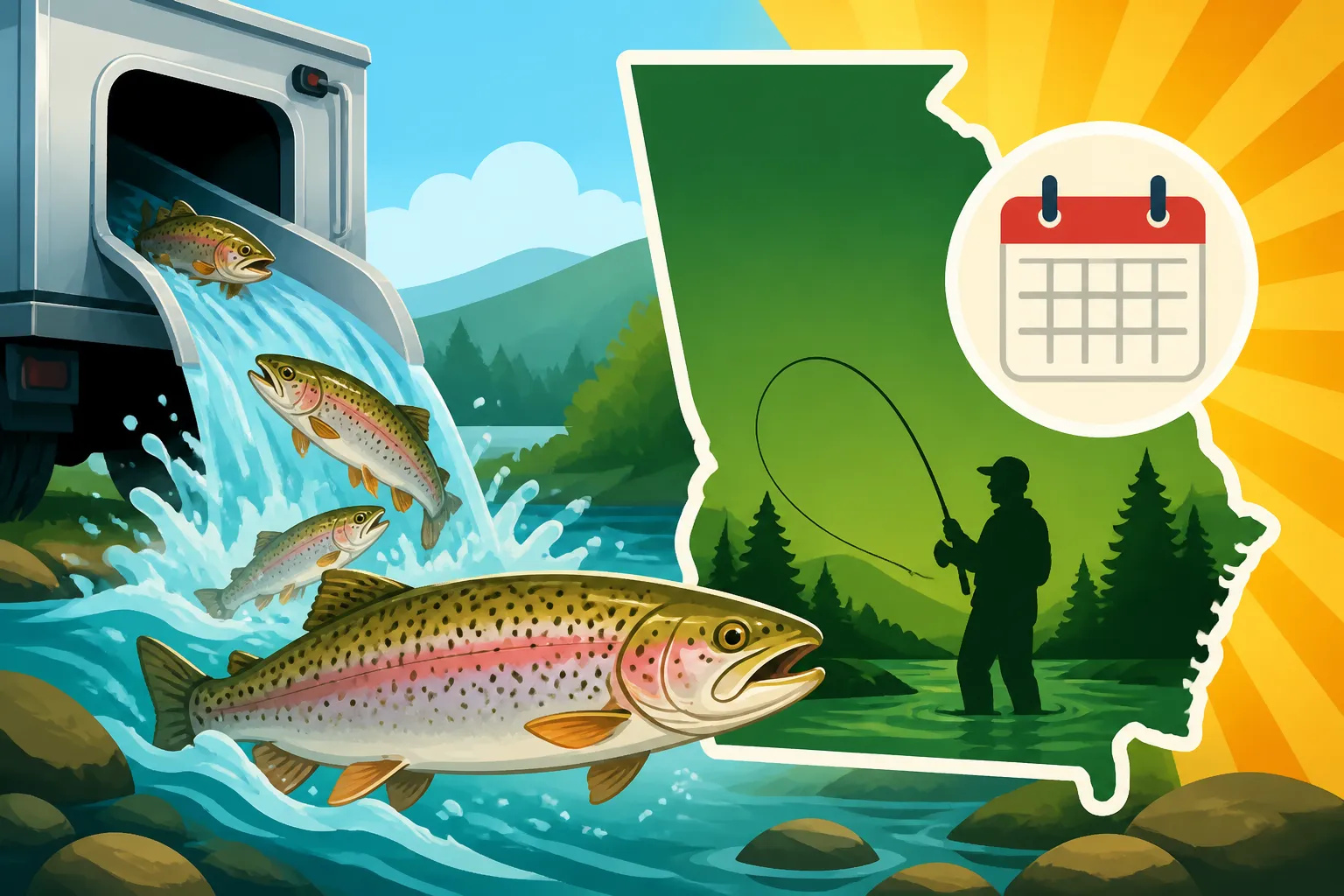
Georgia's trout stocking program is a marvel, designed to provide incredible fishing opportunities, especially in our beautiful North Georgia mountain streams. It's not just a random act; there's a science and a rhythm to it, influenced by everything from fish biology to angler demand. The Georgia DNR works tirelessly to raise and release hundreds of thousands of trout annually into public waters, ensuring that whether you're a seasoned fly fisherman or introducing a youngster to the sport, there's a good chance of a hook-up.
The Annual Rhythm of Stocking
Think of Georgia's trout stocking as a symphony, with different movements throughout the year. While the precise dates shift slightly, the general rhythm remains consistent. The program primarily focuses on catchable-size rainbow trout, though brown and brook trout are also stocked. The heaviest stocking occurs during the spring and early summer when weather conditions are most favorable, and angler participation is at its peak. This is when water temperatures are cool enough for trout to thrive, but not so cold that access is difficult.
As the seasons progress, the intensity and locations of stocking may change. For instance, some streams might get weekly stockings in spring, while others, particularly those that warm up quickly in summer, might see a reduction. The goal is to provide a sustainable fishery, meaning they don't just dump fish in; they consider the environment, the fish's well-being, and your chances of a successful outing. It's all about providing that quintessential North Georgia trout fishing experience.
Factors Influencing Stocking Schedules
If you've ever wondered why the stocking schedule isn't etched in stone, it's because mother nature and practical logistics have a huge say. Several critical factors influence when and where trout are stocked:
- Water Temperature: This is perhaps the most crucial factor. Trout are cold-water fish, generally preferring water temperatures between 45-65°F (7-18°C). If stream temperatures rise too high, stocking could stress the fish or even lead to mortalities, which defeats the purpose. The DNR closely monitors water temperatures in potential stocking locations.
- Water Levels and Flow: Heavy rains can cause streams to blow out, making them unsafe for stocking trucks and difficult for anglers to fish. Conversely, prolonged droughts can lead to critically low water levels, concentrating fish and making them vulnerable, or simply not providing enough habitat. Stocking is often postponed until conditions are suitable.
- Fish Availability: Hatcheries have a finite number of fish. The timing of hatches, growth rates, and disease management all impact the number of fish available for release at any given time. Sometimes, unexpected events at a hatchery can cause temporary adjustments to the schedule.
- Angler Access: Stocking often focuses on areas with good public access, whether it's near a road, a state park, or a popular fishing trail. Ensuring that anglers can actually get to the stocked fish is a key consideration.
- Seasonal Demand: There's a higher demand for trout fishing during popular holidays and peak vacation times. The DNR tries to align stocking efforts with these periods to maximize recreational opportunities for families and visitors alike.
When Does Trout Stocking Officially Kick Off?
For many, the start of trout stocking feels like the unofficial beginning of spring. It signals a fresh start, new opportunities, and the chance to cast a line in some of Georgia's most picturesque waters. While there's no single, statewide "opening day" for stocking, there are general patterns you can anticipate.
The Spring Frenzy: March and April Beginnings
This is it, the time most anglers eagerly await! The vast majority of Georgia's trout stocking program truly kicks into high gear during March and April. As winter's chill loosens its grip and stream temperatures begin to stabilize in the ideal range, the stocking trucks become a much more frequent sight on North Georgia roads. You'll see a surge in activity across popular trout streams like the Toccoa River, Amicalola Creek, Cooper Creek, and segments of the Chattahoochee River. This is when the hatchery production lines are in full swing, and the DNR aims to get as many fish into the water as possible to meet the burgeoning angler demand.
During these months, you'll find everything from easy-access streams near towns to more remote wilderness areas receiving regular deliveries. It's a fantastic time for all skill levels, from beginners trying their hand at spin fishing with corn or powerbait, to more experienced fly anglers chasing newly released fish. This is often when you can successfully employ techniques described in our guide on Spin Fishing Techniques for Trout.
Early Birds: January and February Pre-Season Stockings
While March and April mark the major kickoff, it's worth noting that Georgia isn't entirely silent on the trout front in the colder months. Some proactive stocking actually happens in January and February, though it's typically on a smaller, more targeted scale. These early stockings often occur in specific locations that maintain consistently cold water temperatures throughout the winter, or in urban fishing programs that aim to provide year-round opportunities closer to population centers.
These pre-season stockings are less about sheer volume and more about extending the fishing season and providing opportunities during a time when many anglers might not expect it. If you're willing to brave the colder weather, you might find some surprisingly good fishing during these quieter months before the crowds arrive. Just remember, dressing warmly is key, and you might consider a good insulated jacket or a pair of waterproof gloves, easily found on Amazon, to stay comfortable out there.
Navigating the Online Schedule: How to Find the Most Current Information
The absolute best way to know when trout stocking is happening is to consult the Georgia DNR's official website. They usually update their trout stocking schedule weekly, sometimes even more frequently during peak season.
Here’s how to effectively use it:
- Find the Trout Stocking Page: Navigate to the Georgia DNR Wildlife Resources Division website and look for the "Trout Stocking" or "Fishing Resources" section.
- Understand the Format: The schedule typically lists the stream name, the county, and the date of the most recent stocking. It might also specify the number of fish released and their species.
- Check Frequently: Don't check once and assume. The schedule is dynamic. If you're planning a trip for next weekend, check a few days beforehand, and then again the day before you head out. Conditions change, and so does the schedule.
- Look for Trends: Over time, you'll start to notice patterns for your favorite streams. Some streams get stocked consistently every week, while others might be once every two weeks or only seasonally.
- Utilize Mobile Access: Most of us carry smartphones these days. Bookmark the page on your phone so you can quickly check the schedule even when you're on the go. This is far more reliable than relying on word-of-mouth or outdated information.
Staying informed about the Georgia Trout Stocking Schedule Explained is crucial for planning successful trips, especially if you're targeting those freshly stocked waters.
What to Expect During the Initial Stocking Period
So, you've checked the schedule, seen your favorite stream listed, and now you're heading out to be one of the first to fish the freshly stocked waters. What's it like? And what should you bring to maximize your chances?
Freshly Stocked Waters: The First Week After Release
Fishing immediately after a stocking can be an exciting, and sometimes chaotic, experience. The trout are usually disoriented from their journey from the hatchery and aren't yet wary of anglers or their offerings. This can lead to some truly fast and furious action, particularly in the first day or two. You might find success with a variety of baits and lures, as the fish are often opportunistic. Simple baits like corn, powerbait, or small spinners often work wonders.
However, be prepared for company. Popular, easily accessible streams, especially those listed on the DNR schedule, will draw a crowd. This isn't the time for solitude, but rather for enjoying the communal excitement of a fresh stocking. As the week progresses, the fishing can become a bit tougher as the fish become more accustomed to their new environment and angler pressure. They'll start to seek out cover and become more selective about what they'll bite. Our article on Best Lures for Stocked Trout provides some excellent suggestions for these scenarios.
Gear Up for Success: Essential Equipment Considerations
You don't need a massive tackle box to catch stocked trout, but having the right essentials makes a huge difference.
- Light Rod and Reel: A lightweight spinning rod (5-6 feet) paired with a small spinning reel spooled with 4-6 lb test line is perfect. It allows for delicate presentations and is sensitive enough to feel those subtle bites.
- Baits and Lures:
- Live Bait: Worms or corn are perennial favorites for stocked trout.
- Prepared Baits: PowerBait in various colors (chartreuse, rainbow, pink) is incredibly effective.
- Small Lures: Inline spinners (like Rooster Tails or Mepps Aglias), small spoons, or tiny soft plastics jigged under a bobber can be lethal.
- Terminal Tackle: A selection of small hooks (size 10-14), split shot weights, and small bobbers are essential.
- Net: A small landing net, particularly one with a rubberized mesh, is invaluable for safely landing fish and protecting their slime coat if you plan to release them. You can find many options for this on Amazon.
- Waders/Boots: Depending on the stream, waterproof wading boots or chest waders can make it much easier to access prime fishing spots and stay comfortable. When searching for reliable options, Amazon offers a wide range of brands like Frogg Toggs or Hodgman that are popular with anglers.
Remember, a Georgia Fishing License Guide is paramount before you even think about gearing up!
Etiquette and Expectations: Sharing the Streams
With the excitement of fresh trout comes the reality of sharing the water with other anglers. A little courtesy goes a long way:
- Give Space: Try to maintain a reasonable distance from other anglers. Don't crowd someone's spot, especially if they were there first. A good rule of thumb is to give them enough room to cast comfortably without interfering.
- No "Spot Stealing": If an angler leaves a spot for a moment (e.g., to net a fish or retrieve a snag), don't immediately move into their space.
- Be Mindful of Casting: Be aware of your surroundings and make sure your backcast or lure won't hook a fellow angler or get tangled in their line.
- Responsible Handling: If you're releasing fish, do so quickly and gently. Minimize their time out of water.
- Pack It In, Pack It Out: Leave no trace. Take all your trash with you, including discarded fishing line and bait containers.
- Respect Private Property: Always be sure you are fishing on public access points. Some sections of stocked streams may border private land.
Understanding and respecting Georgia Freshwater Fishing Rules is not just about legality, but about fostering a positive fishing community.
Beyond the Opening Bell: Sustained Stocking Throughout the Year
The excitement of the spring kickoff might be the loudest, but Georgia's trout stocking efforts don't just stop there. The program is designed to provide opportunities well into the warmer months and even into the fall, albeit with some adjustments to account for changing environmental conditions.
Summer and Fall Stocking Adjustments
As Georgia transitions from spring to summer, stream temperatures in many of the lower elevation and smaller tributaries can rise above the comfort zone for trout. This doesn't mean stocking stops entirely, but rather that it becomes more strategic. During the heat of summer, the DNR will often shift stocking efforts to:
- Higher Elevation Streams: These waters naturally stay cooler due to altitude, providing a better environment for stocked trout. Think of streams in the Chattahoochee National Forest or other mountain regions.
- Tailwaters Below Dams: Rivers like the Chattahoochee River below Buford Dam maintain consistently cold temperatures year-round thanks to the deep, cold water released from the bottom of the reservoir. These sections can be excellent summer trout fisheries and often receive stockings.
- Cooler Mornings/Evenings: Stocking might occur during the coolest parts of the day to minimize stress on the fish.
When fall arrives, and temperatures start to drop again, stocking efforts typically see another bump. This "fall stocking season" can be fantastic, as the fish are often more active and aggressive with the cooling water, and the autumn colors in North Georgia provide a stunning backdrop for your fishing adventure. Our guide on Georgia's Fall Trout Stocking Timing dives deeper into this exciting period.
Delayed Harvest Streams: A Different Approach
Georgia also has a unique program called "Delayed Harvest" (DH) streams, which operates on a different stocking and regulation schedule. These streams offer a special kind of fishing experience, particularly for fly anglers or those practicing catch-and-release.
- What is Delayed Harvest? For a significant portion of the year (typically November 1st to May 14th), these designated streams are managed under strict catch-and-release regulations, and only artificial lures with single hooks are allowed. During this period, these streams receive very heavy stockings of trout. The idea is to create a high-density trout fishery where fish accumulate, offering excellent angling opportunities without harvest pressure.
- When You Can Keep Fish: From May 15th to October 31st, the regulations revert to general trout stream rules, meaning you can keep fish (within daily creel limits and size restrictions) and use natural baits. However, by this time, many of the stocked fish have likely been caught, or have dispersed.
- Stocking for DH Streams: The initial stockings for Delayed Harvest streams often begin right around November 1st, coinciding with the start of the catch-and-release only season. These are typically robust stockings to ensure plenty of fish for the winter and spring. Regular stockings continue through the catch-and-release period, making them some of the most consistent places to find trout in abundance during the colder months.
If you're looking for consistent action and a chance to hone your skills, particularly in the off-season, exploring Delayed Harvest Trout Streams in Georgia is a fantastic option.
It’s clear that Georgia's trout stocking program is a well-oiled machine, carefully timed and adjusted to provide the best possible fishing experiences throughout the year. While spring is undoubtedly the major kick-off, there are always opportunities to chase trout if you know where and when to look.
Typical Trout Stocking Season Overview
Here's a quick look at the general stocking periods in Georgia, keeping in mind that actual dates depend on the factors discussed above:
| Season | Primary Stocking Months | Stocking Intensity | Key Considerations |
|---|---|---|---|
| Pre-Season | January, February (limited) | Low | Target cold-water streams, urban programs, smaller scale. |
| Spring Kickoff | March, April | Very High | Peak stocking, widespread, great for all anglers. |
| Early Summer | May, early June | High | Continues in most streams, watch water temps. |
| Summer Adjustments | Mid-June, July, August | Moderate (focused) | Higher elevation streams, tailwaters, early/late day. |
| Fall Season | September, October | High | Cooler water, active fish, beautiful scenery. |
| Delayed Harvest | November 1st (initial), ongoing | High | Catch-and-release only (Nov-May), artificial lures. |
Remember, the Georgia DNR provides the most up-to-date schedule, so always check their website before planning your trip! For those looking for precise dates and locations, the online schedule is your best friend.
Disclaimer
Please remember that fishing regulations, stocking schedules, and license requirements can change. Always consult the official Georgia Department of Natural Resources (DNR) website or their current fishing regulations guide for the most accurate and up-to-date information before heading out to fish. This guide is for informational purposes only and should not be considered a substitute for official sources.