How to Catch and Release Trout Properly
There's nothing quite like the thrill of feeling a Georgia trout hit your line, the bend in the rod, and the fight that follows. But for many of us who cherish our beautiful mountain streams and the vibrant fish that call them home, the real reward isn't just the catch itself, it's ensuring that fish swims away healthy to fight another day and spawn future generations. This guide will walk you through the proper techniques to catch and release trout safely, minimizing stress and maximizing their chances of survival.
Why Proper Catch and Release Matters for Georgia's Trout
Fishing for trout in Georgia's pristine mountain waters is a privilege, and with that privilege comes a responsibility to protect these delicate ecosystems. Trout populations, whether wild or stocked, face numerous challenges, and our angling practices can significantly impact their long-term health. When we practice proper catch and release, we're not just being "sporting"; we're actively participating in conservation, ensuring that generations to come can also experience the joy of a bending rod and a strong fish.
Protecting Our Mountain Trout Fisheries
Think about the sheer beauty of a native Brook Trout: Georgia's Only Native Trout Species or the vibrant colors of a rainbow trout freshly pulled from a clear mountain stream. These fish are more than just targets for our hooks; they are vital components of their aquatic environment. Every fish we release successfully contributes to the spawning population, genetic diversity, and overall health of the fishery. In many of Georgia's renowned trout streams, especially those managed as "Delayed Harvest Trout Streams in Georgia", catch and release is not just encouraged, it's often mandated during specific seasons to protect the fish until they've had a chance to grow and reproduce. Ignoring proper release practices can lead to unnecessary fish mortality, weakening these populations over time and diminishing the quality of fishing for everyone. It's a collective effort, and every angler plays a part.
Understanding Trout Vulnerability
Trout are incredibly sensitive creatures, far more delicate than many other freshwater species we might target. Their vulnerability stems from several factors. For one, they are cold-water fish, and exposure to warmer air or hands, especially during Georgia's warmer months, can cause significant physiological stress. Their protective slime coat, which acts as a barrier against disease and parasites, can be easily rubbed off by dry hands or rough surfaces. Furthermore, the act of fighting on a line, while exhilarating for us, is an intense ordeal for the fish. It depletes their energy reserves, builds up lactic acid in their muscles, and can lead to exhaustion, making them susceptible to predators or disease even after release. Understanding these vulnerabilities is the first step in adopting practices that minimize harm.
Gear Up for a Successful Release and Less Stress
Before you even make your first cast, preparing your gear for a clean catch and a swift, safe release is paramount. The right tools and setup can drastically reduce the stress on the fish and increase its chances of survival, turning a potentially harmful interaction into a positive one. It’s not just about what you catch them with, but what you prepare to release them with.
Choosing the Right Hook and Line
When targeting trout, especially with catch and release in mind, your hook choice is critical. Barbless hooks are the absolute gold standard. They penetrate easily, minimizing tissue damage, and slide out with incredible ease, often without needing to even touch the fish. If your favorite lures or flies come with barbed hooks, don't fret! You can easily "de-barb" them by simply pinching the barb flat with a pair of pliers. This tiny modification makes a world of difference for the fish.
Beyond hooks, consider your line. While it's tempting to use heavier line to wrestle fish in quickly, using an appropriately sized, lighter line for the conditions and size of trout you expect can actually reduce the fight time. A balanced setup, where your rod, reel, and line work together, allows you to play the fish effectively without over-stressing it with excessive drag or prolonging the fight with too light a setup. For delicate trout fishing, many anglers choose a lighter monofilament or fluorocarbon leader to present their Best Flies for Trout Fishing in Georgia or Best Lures for Stocked Trout subtly, allowing the fish to take the bait more naturally and reducing the chance of a deep hook-set that makes release difficult.
Essential Tools for Gentle Handling
Having the right tools at the ready is like having a first-aid kit for your fish. The most important tool is often overlooked: your hands, kept wet! Never handle a trout with dry hands, as this instantly removes their protective slime coat. Before you even touch the fish, dunk your hands in the water.
Beyond that, here's a short list of essential tools:
- Forceps or Hemostats: These are invaluable for quickly and gently removing hooks, especially if they're a little deeper than you'd like. Long-nosed pliers can also work, but forceps offer more precision. You can find excellent options on Amazon, often in multi-packs with different lengths.
- Rubberized, Knotless Net: Traditional knotted landing nets can strip a fish's slime coat and damage fins. A net with rubber or rubber-coated mesh is much gentler on the fish's delicate skin and eyes. It also helps to keep the fish submerged, which is ideal. Look for these specifically when browsing for fishing nets on Amazon.
- Line Clippers: For those unavoidable times when a fish is deeply hooked and removing the hook would cause more harm than good, having sharp line clippers allows you to quickly cut the line as close to the hook as possible. The hook will eventually rust out, or the fish's body will expel it.
Having these items organized and within easy reach, perhaps on a lanyard or in a vest pocket, will make the release process smoother and faster, minimizing the fish's time out of the water.
Minimizing Fight Time
While the fight is part of the fun, a prolonged struggle is incredibly exhausting and stressful for a trout. Your goal should be to land the fish as quickly and efficiently as possible, without horsing it in or risking snapping your line. Use appropriate tackle – your Best Rods and Reels for Georgia Fishing should be matched to the size of fish you expect to encounter.
When a fish bites, set the hook firmly and apply steady pressure. Try to keep the rod tip up and maintain tension to control the fish's movements. If the fish runs, let it take line, but keep applying pressure to tire it out. Avoid letting the fish swim into heavy cover where it can get tangled or wrap your line, prolonging the fight. Work the fish towards you deliberately, using the leverage of your rod. The quicker you can bring the fish to hand or net, the less stress it endures, and the better its chances of survival post-release.
The Step-by-Step Guide to Releasing Trout Safely
Now that you're prepared, let's talk about the actual moment of release. This is where precision and gentle technique truly make all the difference. Remember, the goal is to get that fish back into its element as quickly and as calmly as possible.
Keeping the Fish in the Water (Always!)
This is the golden rule of trout catch and release, and perhaps the most important one: Keep the fish in the water as much as possible. Every second a trout spends out of water is a second it's struggling to breathe, and its delicate gills are collapsing and drying out. It's like holding your breath for an extended period – intensely stressful and potentially damaging.
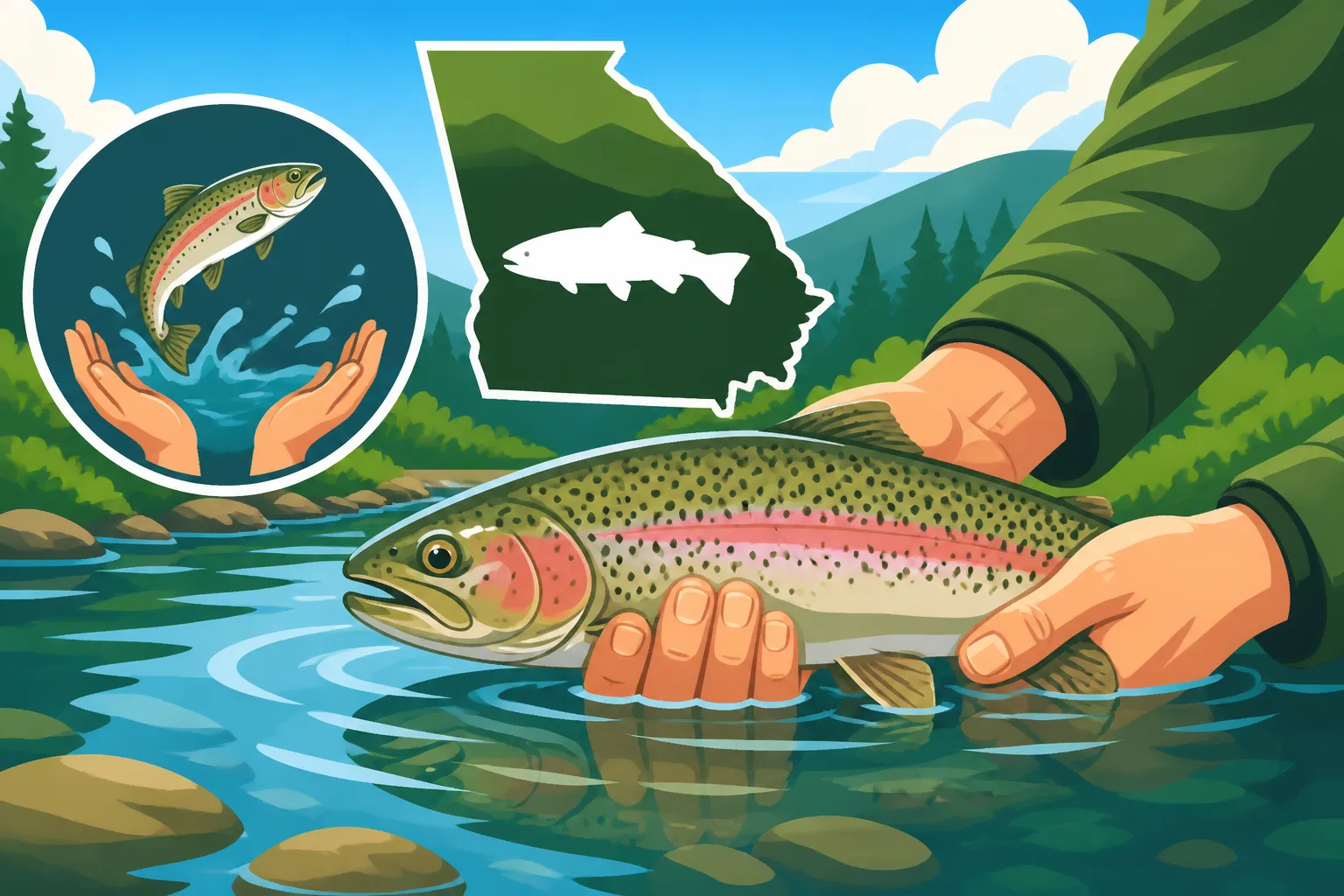
When you land a fish, try to use your rubberized net to scoop it up while it's still in the water, or gently guide it to a shallow, calm spot near the bank. If you must lift it for a quick photo, do so only for a few seconds, holding it horizontally with wet hands, and immediately return it to the water. Avoid dangling the fish vertically by its jaw, as this puts immense stress on its internal organs and spine. A quick, submerged hook removal is always preferable to a dry one.
Gentle Handling Techniques
Once the trout is safely in your net or a calm, shallow area, the way you handle it directly impacts its survival. Remember to always wet your hands thoroughly before touching the fish. This preserves its crucial slime coat.
Here's how to handle them gently:
- Support the Body: If you need to lift the fish, cradle it horizontally with both wet hands. One hand should support its belly, and the other can gently grip the area near its tail (the caudal peduncle). Never squeeze the fish's body, especially its belly, as this can damage internal organs.
- Avoid Gills and Eyes: Be extremely careful not to touch or damage the gills, which are incredibly fragile and vital for respiration. Also, avoid poking or rubbing the fish's eyes.
- Quick Hook Removal: While the fish is still submerged or barely out of the water, use your forceps or hemostats to grasp the bend of the hook. If it's a barbless hook, a gentle twist or push will usually dislodge it with ease. If it's barbed and not too deep, gently back it out.
- No Finger in Gills: Resist the urge to stick your fingers into the fish's gills to hold it. This is a common mistake that can cause irreversible damage.
The less time your hands are on the fish, and the less it struggles in your grip, the better. Practice makes perfect, and with a little experience, you'll be removing hooks and releasing trout like a pro in no time.
Reviving and Watching Them Swim Away
Releasing a trout isn't just about letting it go; it's about ensuring it's strong enough to swim away on its own. After hook removal, hold the fish gently in the water, facing it into a mild current if available. This allows oxygenated water to flow over its gills without the fish expending energy to swim.
Watch for signs of revival:
- Gills Moving: Look for rhythmic movement of its gill plates, indicating it's breathing.
- Tail Kicking: The fish will often begin to gently kick its tail or try to swim away slightly.
- Righting Itself: If it was upside down, it will right itself.
Hold the fish loosely until it firmly tries to swim from your grasp. Don't force it to swim away prematurely. Sometimes, especially after a long fight or in warmer water, a fish might need several minutes to recover. Once it swims away strongly, watch it for a moment to ensure it doesn't float back up or drift off. This final check is crucial. Seeing that trout power away, a flash of silver or gold disappearing into the depths, is truly one of the most rewarding moments in fishing.
Troubleshooting Common Catch and Release Challenges
Even with the best intentions and preparation, things don't always go perfectly. Sometimes you encounter situations that make a clean release difficult. Knowing how to react in these moments can still significantly improve the fish's chances.
Dealing with Deeply Hooked Fish
One of the most frustrating scenarios is a deeply hooked fish, where the hook is in its gills, throat, or stomach. Trying to force out a deeply embedded hook, especially a barbed one, almost always causes more harm than good, often leading to severe internal bleeding or damage to vital organs.
In these situations, the best course of action is usually to cut the line as close to the hook as possible. Don't try to pull it out. Use your line clippers and snip the line where it enters the fish's mouth. The hook, especially if it's made of carbon steel, will eventually rust away inside the fish, or the fish's natural processes may encapsulate or expel it. While it feels counterintuitive to leave a hook in, research has shown that this often leads to a higher survival rate than aggressive attempts at removal. Always err on the side of minimal trauma.
Handling Exhausted Trout
Sometimes, after an exceptionally vigorous fight, or if the water temperature is warmer, a trout may be utterly exhausted when you finally bring it to hand. These fish need extra attention and a longer revival period.
Here's what to do:
- Extended Revival: As described above, hold the fish gently in the current, supporting its body. If it seems sluggish, gently move it back and forth a few inches to help circulate water over its gills, mimicking its breathing.
- Seek Cooler Water (if possible): If you're fishing a stretch of river with varying temperatures, or a tributary confluence, try to revive the fish in the coolest, most oxygenated water you can find. This is especially important during late spring and summer when How Water Temperature Affects Fish Behavior can severely impact trout survival.
- Be Patient: Don't rush the process. An exhausted fish might need several minutes to regain its strength. If it tries to swim off weakly, gently recapture it and continue the revival process until it can swim away with vigor.
- Consider the Conditions: If you find that fish are consistently exhausted and struggling to recover, especially in warmer water, it might be a sign that the conditions are too stressful for catch and release fishing that day. Sometimes the best decision is to pause your fishing or target a different species.
When to Make the Tough Call
Unfortunately, despite our best efforts, sometimes a trout is too severely injured to survive. This could be due to a catastrophic hook placement that causes significant bleeding, or perhaps the fish ingested something else that compromised its health during the fight. While our primary goal is always successful release, it’s important to recognize when that’s simply not possible.
If a fish is bleeding profusely from its gills, has major structural damage, or is clearly not reviving after a considerable effort, it's a difficult but responsible decision to humanely dispatch it. In these rare cases, it's often more ethical to keep the fish (within legal Georgia's Daily Creel Limit on General Trout Waters if applicable) than to release it only for it to die slowly and suffer. This is never an easy choice, but it's part of the realism of responsible angling. Always be aware of the specific regulations for the waters you're fishing regarding harvest limits.
| Quick Catch & Release Checklist | Action | Why it Matters |
|---|---|---|
| Wet Hands | Always wet your hands before touching the fish. | Preserves vital slime coat, prevents disease. |
| Barbless Hooks | Pinch down barbs or use barbless hooks. | Easier removal, less tissue damage. |
| Rubberized Net | Use a knotless, rubber-coated landing net. | Protects scales, fins, and slime coat. |
| Forceps/Pliers | Have them ready and accessible. | Quick, precise hook removal minimizes out-of-water time. |
| Keep Fish Submerged | Remove hooks and revive the fish in the water. | Allows gills to function, reduces stress. |
| Gentle Handling | Support the fish horizontally, no squeezing. | Prevents internal organ damage and spinal injury. |
| Minimize Air Exposure | Keep out-of-water time to bare minimum (seconds). | Gills collapse and dry out quickly in air. |
| Revive Fully | Hold fish facing current until it swims strongly. | Ensures it has enough energy to escape predators. |
| Cut Line (Deep Hook) | If deeply hooked, cut line as close as possible. | Reduces trauma compared to forceful removal. |
Remember, every time you head out to Georgia's beautiful trout waters, you're not just going fishing; you're engaging with a precious natural resource. By practicing these catch and release techniques, you contribute directly to the health and sustainability of our trout fisheries, ensuring that the magic of a Georgia trout stream can be enjoyed for generations to come.
Disclaimer
This article is for general informational purposes only and does not constitute professional advice. Laws, prices and regulations vary by location and change over time. Consult a qualified professional for guidance on your specific situation.