A Year-Round Guide to Fishing in Georgia
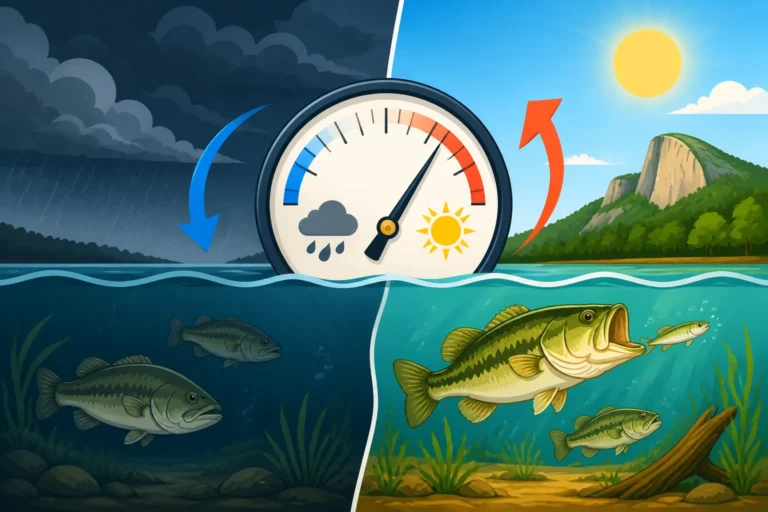
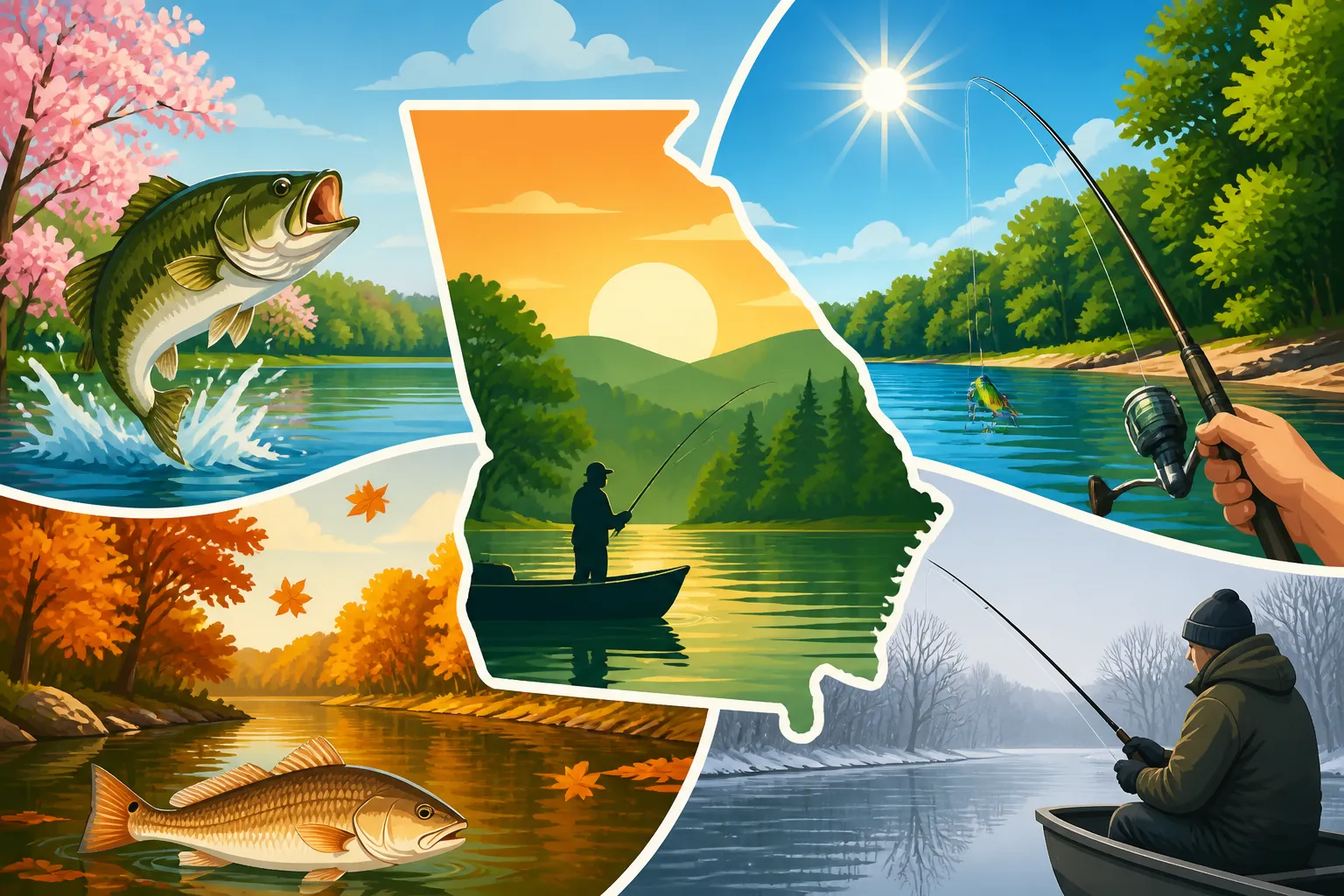
The changing seasons in Georgia can make fishing feel like a constant puzzle, with fish behaviors shifting dramatically from one month to the next. It’s easy to get discouraged when your go-to spot suddenly goes cold or your favorite lure stops producing. But don't worry, this guide is here to walk you through the nuances of fishing Georgia's diverse waters, year-round, equipping you with the knowledge to adapt and succeed no matter what the weather throws your way.
Spring Fishing in Georgia: The Awakening
Ah, spring! It's that magical time in Georgia when the world reawakens, and with it, the fish. After the often-sluggish winter months, the warmer temperatures and longer days signal a surge in activity, particularly for bass and crappie. Anglers often face the delightful dilemma of where to start, as so many species become active. It's a season of transition, full of promise, but also demands a keen eye for subtle changes in water conditions and fish behavior.
Pre-Spawn Excitement
As water temperatures creep into the upper 50s and low 60s, typically from late February through March, many fish species, especially largemouth bass, begin their pre-spawn ritual. This is a period of intense feeding as they bulk up for the upcoming spawning season. Think of it like athletes carb-loading before a big race. They're on the move, actively looking for food, making them more vulnerable to a well-placed bait or lure. You’ll find them moving from deeper winter haunts towards shallower staging areas, often near points, humps, and submerged cover leading into spawning coves.
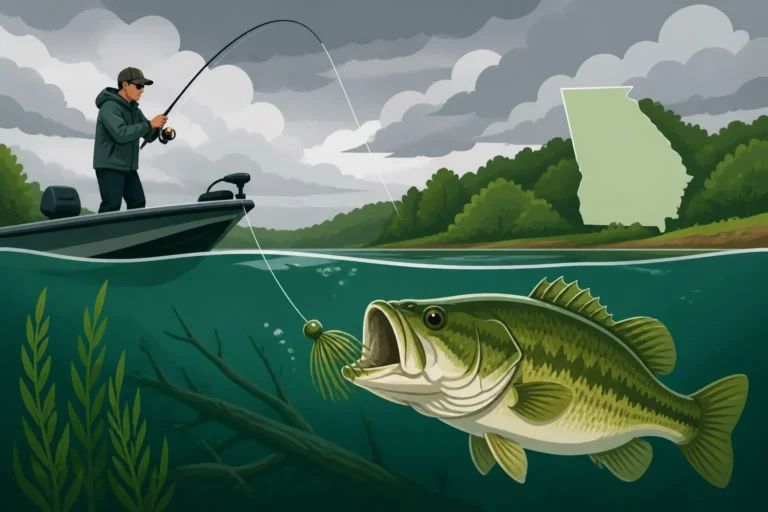
During this phase, aggressive lures that cover a lot of water tend to be incredibly effective. Crankbaits in crawfish or baitfish patterns, spinnerbaits, and lipless crankbaits are excellent choices for locating active fish. Don't be afraid to experiment with retrieve speeds; sometimes a fast, erratic retrieve triggers a reaction strike, while other times a slower, more deliberate approach is key. It's also a great time to target bigger fish, as the females are at their heaviest before they drop their eggs. Keep an eye on the weather; a sudden cold snap can push these fish back to deeper water temporarily, so adaptability is crucial.
The Spawning Frenzy
Once water temperatures consistently hit the mid-60s to low 70s, usually from late March into April and even May in some parts of Georgia, the spawn truly kicks into high gear. This is when bass move onto visible beds in shallow, protected coves, pockets, and along gradual sloping banks. They become incredibly territorial, guarding their nests, which makes them susceptible to sight fishing if conditions allow. However, it's also a time when anglers need to practice responsible catch and release to ensure future generations of fish.
For spawning fish, soft plastics like creature baits, senkos, and plastic worms pitched directly onto or very near beds can be irresistible. Texas rigs, Carolina rigs, and weightless presentations work wonders. The key is often patience and a precise presentation. You might need to make several casts to irritate a bedded bass into biting. For crappie, which typically spawn a bit earlier in the spring, look for them around submerged brush, docks, and lily pad stems in shallow water. Small jigs, minnows, and spider rigging techniques are deadly. Remember that while fishing during the spawn can be exhilarating, understanding and respecting the fish's reproductive cycle is paramount for sustainable fishing in Georgia.
Summer Fishing in Georgia: Heat and Deep Water Tactics
When the Georgia summer truly sets in, bringing with it scorching heat and high humidity, fishing can become a real challenge. The romantic notion of leisurely casting in the midday sun quickly fades when the thermometer hits the high 90s. Fish, like us, seek refuge from the heat, often retreating to deeper, cooler waters or becoming more active during the twilight hours. This shift demands a significant change in tactics and a boatload of patience.
Chasing Fish to Cooler Depths
As surface water temperatures rise into the 80s, many of Georgia's most popular game fish, including largemouth bass, crappie, and striped bass, move to deeper water where temperatures are more stable and oxygen levels are often better. You'll find them congregating around main lake points, humps, ledges, brush piles, and submerged timber, especially near creek channels or old river beds. The depth can vary significantly depending on the lake and species, sometimes 15 feet, sometimes 40 feet or more. This is where modern electronics like fish finders and side imaging truly shine, allowing you to locate these deeper structures and schools of fish.
Techniques for deep water summer fishing are often vertical or involve working lures along the bottom. Deep-diving crankbaits, heavy jigs, drop shot rigs, and Carolina rigs are go-to choices. For striped bass, live bait such as blueback herring or shad, fished on downriggers or freelines, is incredibly effective, especially on large reservoirs like Lake Lanier or Lake Hartwell. The key is to get your presentation to the exact depth where the fish are holding. Don't be afraid to try different depths in increments until you find the strike zone. Finding that thermal refuge where fish are comfortable is half the battle.
The Magic of Dawn, Dusk, and Night Fishing
While the midday sun can be brutal, the early morning hours, late evenings, and even nighttime can offer some of the most productive and comfortable fishing opportunities in Georgia during summer. As the sun dips below the horizon, surface temperatures begin to cool, and many predatory fish venture out of their deep-water sanctuaries to feed in shallower areas. This is particularly true for largemouth bass and catfish. For insights into this seasonal behavior, check out our guide on Summer Fishing Patterns on Georgia's Big Lakes.
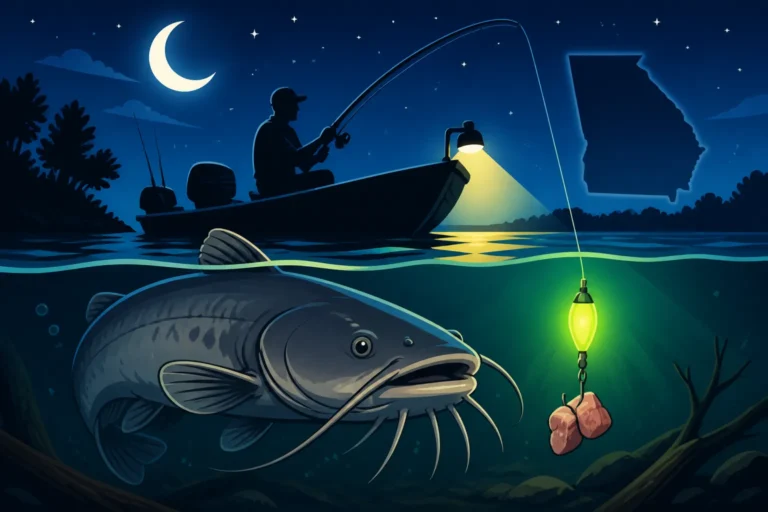
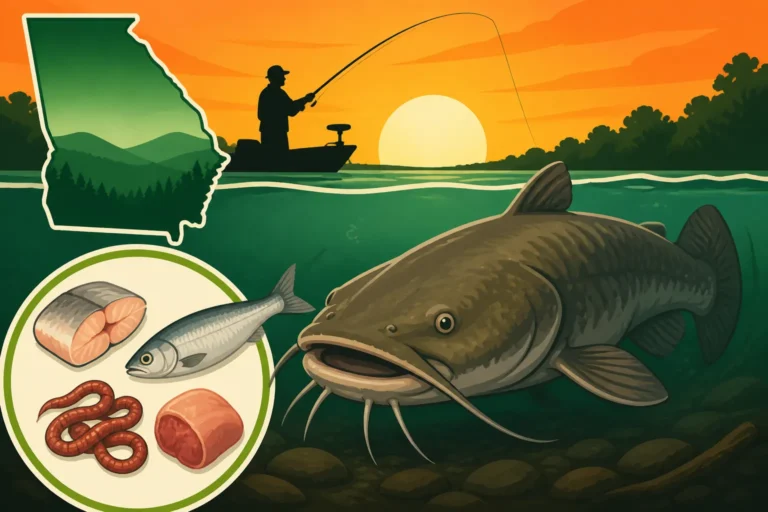
Topwater lures like poppers, frogs, and walking baits can create explosive strikes in the low light of dawn and dusk, especially around lily pads, grass beds, and boat docks. For catfish, night fishing is almost legendary. They become highly active after dark, cruising flats and channel edges for food. Bottom fishing with stink baits, cut bait, or live worms is the standard. Don't forget your headlamp, plenty of bug spray, and a strong flashlight to navigate. Some anglers even prefer to target crappie at night under lights, which attract baitfish and, in turn, crappie. This is a fantastic way to beat the heat and experience a different side of summer fishing in Georgia.
Fall Fishing in Georgia: The Feast Before Winter
Autumn in Georgia is a truly spectacular time, not just for the vibrant foliage, but also for fishing. As air temperatures cool and days shorten, the water temperatures in lakes and rivers gradually drop. This change signals a critical period for many fish species: the "fall feed." They know winter is coming, and they need to pack on as much weight as possible, making them incredibly active and often less finicky than during the dog days of summer.
The Fall Turnover and Renewed Activity
The cooler nights of early fall eventually lead to what's known as the "fall turnover" in many deeper lakes. This occurs when the cooler surface water becomes denser and sinks, mixing with the warmer, oxygen-depleted water from the bottom. This process can temporarily disrupt fishing as fish disperse and adjust to the changing conditions. However, once the turnover is complete and oxygen levels equalize, fish activity often skyrockets. They'll spread out across a wider range of depths, aggressively chasing baitfish. This period, usually from October through November, is often considered one of the best times of year to catch a wide variety of species.
During this post-turnover feeding frenzy, virtually any lure that mimics baitfish can be effective. Shad-colored crankbaits, jerkbaits, spinnerbaits, and even topwater lures on warmer days can produce explosive strikes. Schools of bass and stripers will often push baitfish to the surface, creating visible feeding frenzies known as "breaks" or "boils." Keeping an eye out for these telltale signs can lead to fast and furious action. For crappie, they'll often move to creek channels, brush piles, and deeper docks, actively chasing shad. Consider looking into Fall Bass Fishing Patterns on Georgia's Lakes to really dial in your tactics for this exciting season.
Trout Fishing in the Mountains
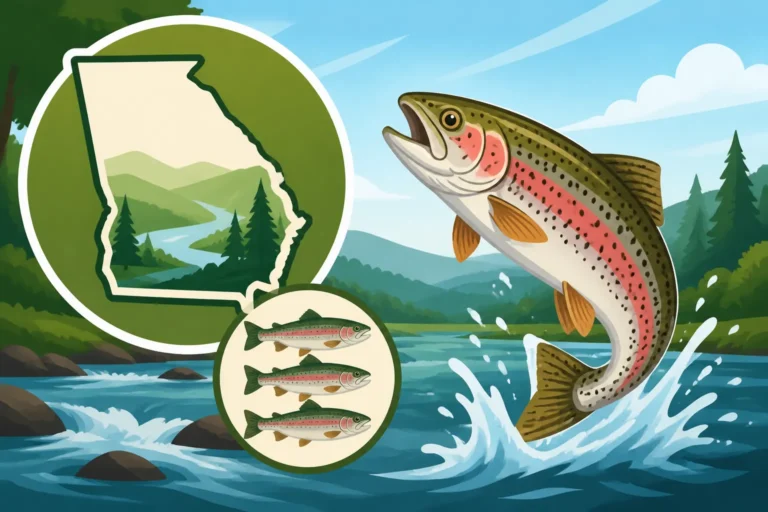
While the bass and crappie action heats up in the reservoirs, fall also ushers in prime conditions for trout fishing in North Georgia's mountain streams. The cooler water temperatures are ideal for brook, brown, and rainbow trout. Many streams benefit from fall stocking programs by the Georgia Department of Natural Resources, adding to the angling opportunities. The crisp air, vibrant fall colors, and active trout make for an incredibly enjoyable and picturesque experience.
Fly fishing becomes exceptionally rewarding during this time, with trout often eager to rise to dry flies mimicking fall hatches, or taking nymphs and streamers presented beneath the surface. For spin fishermen, small spinners, spoons, and live bait like worms or corn can be very effective. Look for trout in runs, riffles, and deeper pools, especially those with good overhead cover. Remember that some streams are designated as "delayed harvest," meaning they are catch-and-release only with artificial lures during certain months, often including the fall. Always check the latest Georgia Trout Fishing Regulations Explained before you head out. These mountain adventures offer a tranquil escape and some truly stunning fishing.
Winter Fishing in Georgia: Challenging but Rewarding
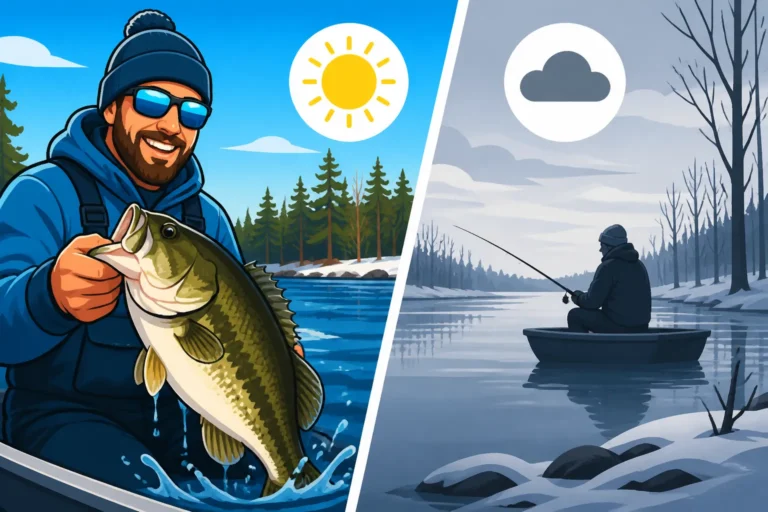
Winter fishing in Georgia might sound like a contradiction for some, especially those who prefer fair weather. However, for the dedicated angler, the colder months offer a unique set of challenges and, often, the chance to land some of the biggest fish of the year. The crowds thin out, the scenery takes on a quiet beauty, and fish, though less active, can be incredibly concentrated and predictable if you know where to look.
Slowing Down and Going Deep
As water temperatures plummet into the 40s and low 50s, fish metabolism slows dramatically. They don't need to eat as often, and they tend to congregate in deeper, more stable water. Finding these wintering holes is crucial. Look for deep main lake channels, bluff walls, steep ledges, and deep brush piles, often near thermal refuge areas like power plant discharges (where permitted and safe to fish). Fish become lethargic and less willing to chase, so your presentation needs to be slow, deliberate, and often right on their nose.
Vertical presentations are paramount in winter. Spoons, drop shots, jigging spoons, and suspending jerkbaits fished with long pauses are incredibly effective. For crappie, small jigs or minnows fished vertically over deep brush piles can yield impressive results. Catfish will also stack up in deep holes in rivers and lakes; bottom fishing with cut bait or worms can still be productive, especially on warmer winter days. This is a time when patience is a virtue, and every bite feels hard-earned. For those who brave the cold, the rewards can be substantial, with many trophy-sized fish caught during this quiet season.
The Winter Bite on Specific Lakes
While many lakes slow down across the state, some Georgia lakes offer particularly strong winter fishing due to their unique characteristics. For example, Lake Sinclair, often touted for its warmer waters due to power plant discharges, can provide excellent crappie and bass fishing throughout the winter months when other lakes are much slower. Its warmer water keeps fish more active. Similarly, large reservoirs known for their striped bass populations, like Lake Lanier and Clarks Hill Lake, can offer phenomenal winter striper fishing. The stripers often school up in massive bait balls, making them easier to locate with good electronics.
Targeting these active winter fisheries often involves specific techniques. On Lake Sinclair, for instance, you might find bass anglers focusing on channels and deeper pockets with jigs and slow-rolled spinnerbaits. For stripers on Lanier, downlining live bait or trolling large umbrella rigs can be incredibly effective when you find the schools. Always remember to dress warmly in layers, including waterproof outer shells, hats, and gloves. A thermos of hot coffee or soup can make a world of difference. Being prepared for the cold is just as important as knowing your fishing techniques to enjoy the quiet solitude and potential for big catches that Georgia winter fishing offers. For more specific local information, check out resources like Why Lake Sinclair Fishes Better in Winter Than Other Georgia Lakes.
Understanding Georgia's Diverse Fisheries Throughout the Year
Georgia is a treasure trove of fishing opportunities, boasting an incredible array of freshwater species spread across its varied landscapes. From the cold, clear trout streams of the Appalachian foothills to the sprawling reservoirs brimming with bass and stripers, and the slow, meandering rivers teeming with catfish and crappie, there's always something biting somewhere. Understanding the primary species and their seasonal patterns is key to unlocking year-round success.
Freshwater Favorites: Bass, Crappie, Catfish, and Bream
Across Georgia's vast network of lakes, rivers, and ponds, four groups of fish stand out as perennial favorites:
- Largemouth Bass: The king of Georgia's freshwater, these aggressive predators are found virtually everywhere. Their seasonal patterns are heavily influenced by water temperature, dictating their movement from shallow spawning beds in spring to deeper ledges in summer, and back to actively feeding areas in fall. Knowing their seasonal haunts, as detailed in our guide on Seasonal Bass Fishing Patterns in Georgia, is crucial.
- Crappie (Black and White): These panfish are highly sought after for their delicious table fare and aggressive bites. They are often found schooling around submerged brush, docks, and timber. Spring sees them shallow for the spawn, while summer and winter push them to deeper structures. Fall offers a fantastic bite as they chase baitfish.
- Catfish (Channel, Blue, Flathead): Georgia's catfish populations offer a different kind of thrill. Channel cats are widespread, while blue and flathead catfish grow to immense sizes in larger rivers and reservoirs like the Flint River or Lake Blackshear. They are often most active at night or during low light conditions and can be caught year-round, with summer nights and stable winter periods being particularly productive.
- Bream (Bluegill, Redear Sunfish, etc.): These panfish are the perfect target for beginners and seasoned anglers alike, offering consistent action and a great introduction to fishing. They are abundant in almost all freshwater bodies and can be caught throughout the warmer months, especially in shallow, weedy areas.
Each of these species reacts differently to the changing seasons, and tailoring your approach to their specific behaviors will dramatically improve your catch rates.
Trout Streams and Seasonal Stocking
North Georgia's mountains are a haven for trout anglers, offering opportunities for wild brook, brown, and rainbow trout, as well as heavily stocked waters. The cold, oxygenated waters are ideal for these beautiful fish. While wild trout can be elusive, the Georgia Department of Natural Resources maintains an aggressive trout stocking schedule, particularly in spring and fall, ensuring ample opportunities for anglers. For a detailed breakdown of where and when to find these stocked fish, refer to the Georgia Trout Stocking Schedule Explained.
| Season | Primary Trout Activity/Location | Recommended Techniques | Notes |
|---|---|---|---|
| Spring | High activity in most streams, post-stocking, often near banks. | Spin fishing (corn, worms, small spinners), fly fishing (nymphs, wet flies). | Heavily stocked. Look for fish in slower pools and runs after rain. Check for Delayed Harvest Trout Streams in Georgia rules. |
| Summer | Retreat to colder headwaters, shaded pools, oxygenated runs. | Fly fishing (small dry flies, terrestrials), light spin gear (small worms). | Best to fish early morning/late evening. Focus on higher elevations. |
| Fall | Renewed activity, widespread feeding, fall stocking. | Fly fishing (streamers, nymphs, attractor patterns), spin fishing (small spoons, inline spinners). | Excellent time for both wild and stocked trout. Beautiful scenery. |
| Winter | Slow metabolism, concentrated in deep pools, less active. | Fly fishing (small nymphs, midge patterns), slow spin fishing (tiny jigs, bait). | Fewer crowds, challenging but can yield large fish. Focus on stable, warmer days. |
The seasonality of trout fishing is quite pronounced, with spring and fall generally offering the most consistent action on stocked waters, while summer demands a more strategic approach on wild trout streams. Understanding these nuances allows anglers to plan their mountain excursions effectively, maximizing their chances of a rewarding day on the water.
Essential Gear and Preparation for Year-Round Georgia Fishing
Having the right gear and being properly prepared can make all the difference in your year-round fishing success in Georgia. From the scorching heat of summer to the biting cold of winter, and everything in between, Mother Nature can be unpredictable. Investing in versatile equipment and knowing how to adapt your tackle can save you a lot of frustration and help you enjoy your time on the water, no matter the season.
Rods, Reels, and Line for Every Season
One size rarely fits all when it comes to fishing gear, especially with Georgia's diverse fisheries. While a medium-action spinning combo might be a good all-around choice, having a few specialized setups can significantly enhance your experience.
- Spring & Fall Bass: A medium-heavy casting rod (6'6" to 7'6") paired with a baitcasting reel spooled with 12-17 lb fluorocarbon or monofilament is ideal for throwing crankbaits, spinnerbaits, and jigs. For soft plastics, a medium-action spinning rod with 8-10 lb fluorocarbon is hard to beat for sensitivity.
- Summer Deep Water: For those deep-diving crankbaits and heavy jigs, you'll want a stout medium-heavy rod with a high-capacity baitcasting reel and stronger line (15-20 lb fluorocarbon or braid with a fluorocarbon leader). A good quality spinning setup with a sensitive tip is also key for drop shot rigs.
- Winter Slow Presentations: Sensitivity is paramount. A light to medium-light spinning rod (6' to 7') with a fast tip, spooled with 6-8 lb fluorocarbon, is perfect for detecting subtle bites from sluggish fish using small jigs or drop shots.
- Trout Fishing: For mountain streams, a light-action spinning rod (5' to 6'6") with 2-4 lb monofilament or fluorocarbon is excellent for small spinners and bait. If fly fishing, a 3-5 weight fly rod is standard.
- Crappie & Panfish: Ultra-light spinning rods (4'6" to 6') with 4-6 lb monofilament are ideal for feeling those light bites when jigging or using small minnows.
Don't forget to regularly check and replace your line, especially after battling several fish or after months of sun exposure. High-quality line makes a huge difference in casting distance, sensitivity, and fighting power. Brands widely available on Amazon offer a vast selection to suit any budget or fishing style. For a more detailed look into specific gear, consider reading our guide on Best Rods and Reels for Georgia Fishing.
Tackle Box Essentials and Seasonal Lures
Your tackle box should evolve with the seasons. While some staples remain year-round, others are seasonal specialists.
- Year-Round Staples: Assorted hooks (worm hooks, treble hooks, jig heads), sinkers (bullet weights, split shots, drop shot weights), swivels, line clippers, needle-nose pliers, and a tape measure. A good first aid kit is also a must.
- Spring: Focus on reaction baits like crankbaits (shad, crawfish patterns), spinnerbaits, and bladed jigs for pre-spawn. For spawning fish, stock up on soft plastics: plastic worms (Senkos, stick baits), creature baits, and jigs in natural colors (green pumpkin, black and blue).
- Summer: Deep-diving crankbaits, heavy jigs, Carolina rigs, drop shot weights, and live bait rigs for targeting deeper fish. Topwater lures (frogs, poppers) are essential for low-light conditions.
- Fall: A wide variety of shad-imitating lures: crankbaits, jerkbaits, spinnerbaits, and spoons. Topwater baits can still be effective, especially during warmer spells.
- Winter: Small, sensitive baits are key. Jigging spoons, blade baits, suspending jerkbaits, and small soft plastics (grubs, tiny worms) on light jig heads. Minnows are also incredibly effective for crappie.
Having a diverse selection means you’re always ready to adapt. You can find almost everything you need from tackle boxes to individual lures and baits on Amazon, often with quick delivery, so you can re-stock for your next trip.
Beyond the Rod: Comfort and Safety Gear
Fishing year-round means preparing for all types of weather.
- Layered Clothing: Essential for regulating body temperature. A good base layer, insulating mid-layer, and waterproof/windproof outer shell are invaluable for cooler months. For summer, lightweight, breathable, UV-protective clothing is a must.
- Sun Protection: Sunscreen, wide-brimmed hats, and polarized sunglasses are crucial in all seasons, as UV rays reflect off the water. Polarized lenses, in particular, help you spot fish and submerged structure.
- Rain Gear: A quality waterproof jacket and pants can save a trip from being cut short by an unexpected shower.
- Hydration: Always carry plenty of water, especially during the hot Georgia summers. A cooler filled with ice and drinks is a luxury that becomes a necessity.
- Navigation & Safety: A fully charged cell phone, a map or GPS device, and a well-stocked safety kit are important. If boating, ensure you have all required safety equipment, including life jackets.
Proper preparation ensures that you can focus on fishing, not on being uncomfortable or unsafe. Many of these essential items, from rain gear to sun protection, are readily available on Amazon, making it easy to prepare for any weather condition Georgia might throw your way.
Navigating Regulations and Conservation by Season
Understanding and adhering to Georgia's fishing regulations is not just about avoiding fines; it's about protecting our precious natural resources for future generations. These rules can sometimes feel like a maze, especially with seasonal changes and specific rules for different bodies of water. Staying informed is a crucial part of being a responsible angler in Georgia.
Staying Current with Licenses and Permits
Before you even make your first cast, ensure you have the correct and current fishing license. Georgia offers various license types, including annual, short-term, and specialized endorsements like the Mountain Trout License. These requirements can change, so always check with the Georgia Department of Natural Resources (DNR) Wildlife Resources Division.
- Annual Licenses: Typically valid for 12 months from the date of purchase.
- Short-Term Licenses: Options like a 1-day or 3-day license are perfect for visitors or those who only fish occasionally.
- Trout License: If you plan on fishing for trout in designated trout waters, you'll need this additional endorsement, regardless of the season.
- Saltwater Information Permit: Even for saltwater fishing, a free permit is often required, which helps the state track angler effort.
It’s easy to buy your license online, by phone, or at authorized license agents across the state. Not having a valid license can lead to significant penalties, so it's best to be proactive. For all the ins and outs, our Georgia Fishing License Guide is an invaluable resource.
Size, Creel Limits, and Seasonal Closures
Georgia's fishing regulations include specific size and creel (possession) limits for different fish species, and these can sometimes vary by lake or river. These limits are scientifically designed to maintain healthy fish populations and prevent overfishing. Ignoring them can have serious ecological consequences and result in hefty fines.
- Statewide vs. Specific Limits: For instance, while there might be a statewide largemouth bass size limit, certain reservoirs like Lake Lanier or Lake Oconee might have specific 14-inch minimums. Similarly, trout size limits can vary significantly from one mountain creek to another.
- Daily vs. Possession Limits: Pay attention to whether a limit refers to the number of fish you can keep in a single day or the total number you can possess at any given time.
- Seasonal Closures/Restrictions: Some areas, particularly certain trout streams, might have seasonal closures or special "delayed harvest" regulations, where fishing is catch-and-release only with artificial lures during specific periods (e.g., November to May). These are put in place to protect spawning fish or sensitive populations.
- Protected Species: Be aware of any protected or endangered species in the waters you are fishing. While rare, accidentally catching one should result in immediate and careful release.
A quick check of the Georgia DNR website or a physical copy of the fishing regulations handbook before each trip, especially if you're exploring new waters, is always a good idea. Understanding Georgia Fish Size and Creel Limits will keep you on the right side of the law and contribute to conservation efforts.
The Role of Responsible Angling and Conservation
Beyond the written rules, responsible angling is about embracing a conservation mindset. This includes practicing proper catch and release techniques, especially for larger breeding fish, to ensure they survive and reproduce. Minimizing your impact on the environment means packing out all trash, avoiding littering, and not disturbing sensitive habitats.
Consider participating in local clean-up efforts or supporting conservation organizations that work to protect Georgia's waterways. By being mindful of our actions, we contribute to the health of the ecosystem and ensure that the joys of fishing can be experienced by future generations. Every angler has a role to play in preserving the beauty and bounty of Georgia's natural aquatic resources. This collective effort is what makes fishing in Georgia sustainable and truly special, year after year.
Disclaimer
Please remember that fishing regulations, including license requirements, size limits, and creel limits, can change. Always check the most current regulations published by the Georgia Department of Natural Resources (DNR) Wildlife Resources Division before you go fishing. This guide provides general information and should not be considered a substitute for official legal guidance.