Bass Fishing Techniques for Pre-Spawn and Post-Spawn Patterns
You've probably felt that unique frustration, haven't you? That period when the bass aren't quite on their beds yet, but they're not fully committed to deep winter haunts either. Or worse, when they've just finished spawning and seem to vanish into thin air, leaving you wondering if they've packed up and moved to another state! These transition periods – pre-spawn and post-spawn – can be some of the most challenging, yet incredibly rewarding, times to chase largemouth and spotted bass here in Georgia. This comprehensive guide is all about equipping you with the tactics, lure choices, and mindset you need to consistently catch bass during these often-finicky phases.
Understanding the Bass Spawning Cycle in Georgia
Before we dive into the nitty-gritty of specific techniques, it's crucial to grasp the overarching patterns of the bass spawning cycle in our beautiful Georgia waters. Bass are creatures of instinct, and their lives revolve heavily around reproduction. Understanding what drives them at each stage is your biggest advantage.
The Importance of Water Temperature
If there's one single factor that dictates bass behavior more than any other, it's water temperature. It's the ultimate trigger for their biological clock, signaling when to move, when to feed aggressively, and when to spawn. Here in Georgia, these temperature shifts can vary wildly from year to year, and even from lake to lake, which is why a keen eye on your thermometer is so vital.
In late winter and early spring, as lake temperatures begin to creep up from the low 50s into the mid-50s (Fahrenheit), bass start to feel the urge to move towards shallower waters. This is the initial stage of pre-spawn. They’re not quite ready to commit to beds, but they're definitely thinking about it. As the water warms further, usually into the upper 50s and low 60s, the full pre-spawn frenzy kicks in. After the spawn, when temperatures can range from the mid-60s to high 70s, bass enter their post-spawn recovery and transition into summer patterns. Every degree matters, so constantly monitor surface temps, especially in different areas of the lake. Learning how water temperature affects fish behavior is a skill that will serve you well year-round.
Key Stages of the Spawning Cycle
While the exact timing can fluctuate based on our specific Georgia weather patterns and the body of water you're fishing, the bass spawning cycle generally follows three distinct phases:
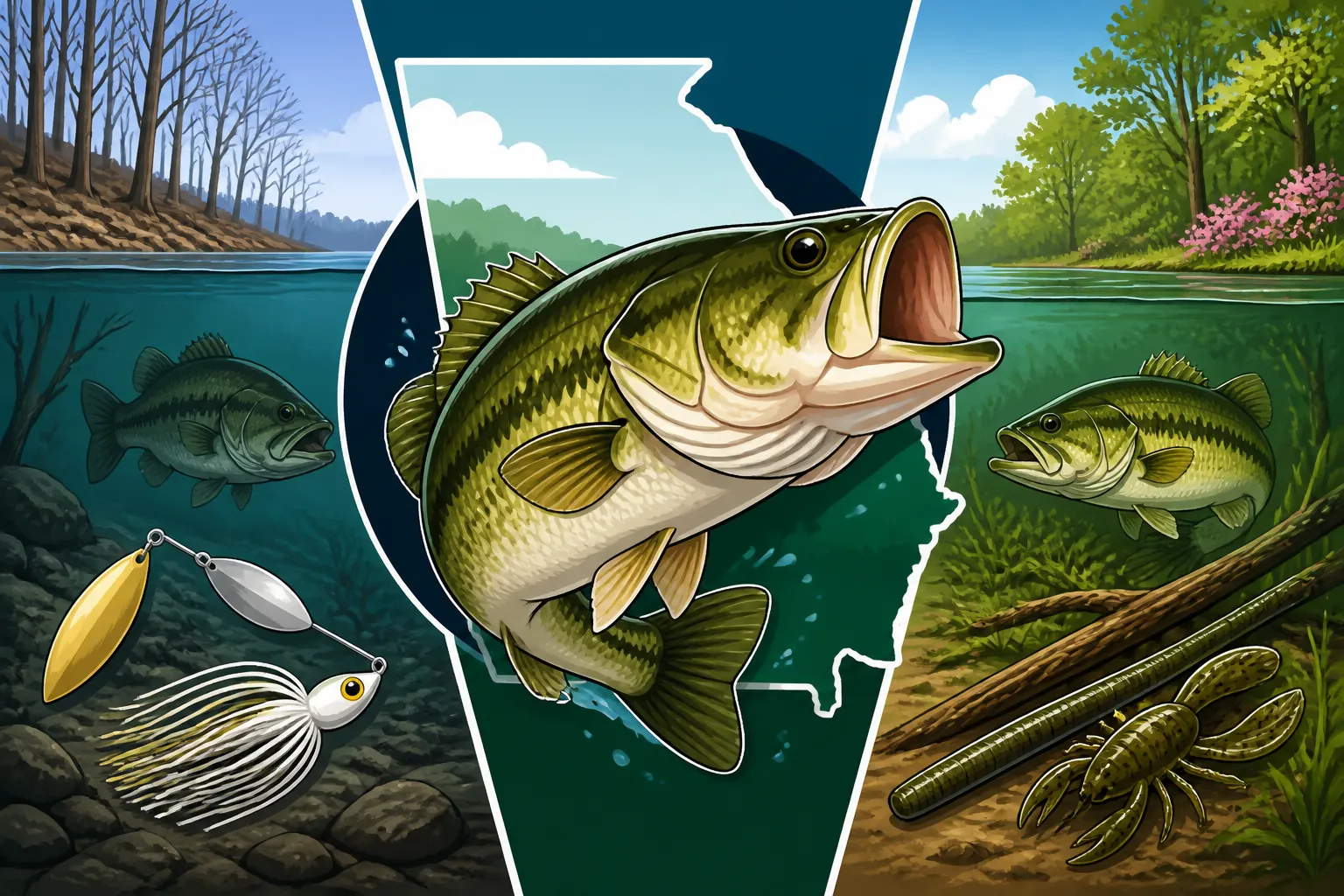
- Pre-Spawn: This is arguably the most exciting time for many bass anglers. As water temperatures climb into the mid-50s to low 60s, bass migrate from their deeper winter haunts to staging areas adjacent to future spawning grounds. They're often grouped up, feeding heavily to build energy reserves for the strenuous act of spawning. Think of it as a feeding frenzy before the big event.
- The Spawn (Bedding): Once water temperatures consistently hit the mid-60s, bass move onto shallow flats, protected coves, and pockets to create and guard their nests (beds). This period is characterized by sight fishing opportunities, as bass are visible on their beds, but they can also be incredibly challenging to catch as their focus is entirely on reproduction, not feeding. This article doesn't delve deep into the spawn itself but focuses on the before and after.
- Post-Spawn: This phase kicks in immediately after the bass have finished spawning. Their bodies are exhausted, and their minds are often still reeling from guarding fry. Initial post-spawn often sees bass retreating to nearby cover to recover, often unwilling to chase lures. As they regain strength, they transition into more active feeding patterns, moving towards summer holding areas, frequently targeting easy meals. This recovery period is a critical component of spring bass fishing patterns on Georgia's reservoirs.
Mastering Pre-Spawn Bass Fishing Techniques
The pre-spawn phase is a window of opportunity where bass are at their heaviest and often their most aggressive. They’re putting on weight, gorging themselves in anticipation of the energy drain that spawning will bring. This is when you can catch some truly memorable fish if you know where to look and what to throw.
Locating Pre-Spawn Bass Hotspots
Finding pre-spawn bass is all about thinking like a fish with a mission: get to the spawning grounds safely and with a full belly. They’ll use routes and structures that allow them to move from deep water to shallow water easily, often pausing at "staging areas" along the way.
Look for deep points that extend into spawning coves, creek channels that wind their way into shallow flats, and hard bottom areas (like rock piles or shell beds) adjacent to soft-bottomed spawning areas. On a lake like Lake Lanier, these could be prominent main lake points with deep access nearby. On Lake Oconee, you might find them staging along river bends or creek channels. Bass will stage in 10-25 feet of water, often suspending over deeper water or relating tightly to cover. Don't be afraid to explore transition areas where depths change quickly. These fish aren't on their beds yet, but they’re definitely within striking distance of them.
Best Lures and Presentations for Pre-Spawn Aggression
During pre-spawn, bass are often looking for a substantial meal and are willing to chase. This makes reaction baits incredibly effective.
- Crankbaits: Medium-diving crankbaits that mimic shad or crawfish are absolute killers. Chartreuse and blue, crawfish patterns, or shad colors like chrome and black are excellent choices. Vary your retrieve speed – a stop-and-go retrieve can often trigger strikes as the bait deflects off cover. Consider brands like Strike King or Rapala, readily available on Amazon, for their diverse color and depth options.
- Jerkbaits: Few lures entice a lethargic or slightly deeper pre-spawn bass like a jerkbait. The erratic, darting action followed by a tantalizing pause is irresistible. Suspending jerkbaits are key here, allowing you to keep the bait in the strike zone for longer. Work them with a "twitch, twitch, pause" cadence, varying the length of the pause. These are particularly deadly on clear-water lakes.
- Bladed Jigs (ChatterBaits): These vibrating jigs burst onto the scene years ago and have remained a pre-spawn staple. The unique thumping vibration and skirt action mimic baitfish perfectly. They excel at covering water and triggering violent strikes. Experiment with trailer choices – a soft plastic swimbait or grub can add extra bulk and appeal. Learning how to work a spinnerbait for bass, which shares some characteristics with bladed jigs in terms of covering water, can give you a similar edge.
- Lipless Crankbaits: For covering vast flats or throwing into sparse grass, lipless crankbaits are fantastic. The loud rattle and tight wobble call fish from a distance. Rip them through grass, let them fall on the pause, or simply burn them back to the boat.
Slow-Rolling and Finesse Tactics for Finicky Fish
While aggression is often the name of the game, not all pre-spawn days are created equal. Cold fronts, clear water, or sudden pressure changes can make bass finicky. This is when slowing down and going with more subtle presentations pays dividends.
- Jig & Trailer: A classic for a reason. Football jigs or arkie-style jigs with a craw or creature bait trailer are phenomenal for probing deep staging areas, working brush piles, or slowly dragging across rocky bottoms. The key is patience. Let the jig sit for extended periods, and just barely crawl it along the bottom. Black and blue, green pumpkin, and brown are perennial favorites.
- Shaky Heads: When bass get truly lockjawed, a shaky head worm can often convince them to bite. It's a finesse presentation designed to mimic a subtle bottom-feeding creature or a dying baitfish. Fish it slowly, shaking the rod tip just enough to make the worm quiver, then pausing. This is a great choice when targeting bass that are holding tight to cover or on pressured lakes.
- A-Rigs (Alabama Rigs): While sometimes controversial, the A-rig can be an absolute game-changer for schooling pre-spawn bass that are suspending or chasing baitfish. Rigged with multiple small swimbaits, it mimics a school of baitfish perfectly. This lure is not legal everywhere, so always check the Georgia fishing regulations explained for any specific water body you plan to fish to ensure compliance. If legal, it can be irresistible.
Adapting to Post-Spawn Bass Behavior
The post-spawn period can be a head-scratcher for many anglers. One day, you're seeing fish on beds, and the next, they've vanished. This phase is characterized by a mix of recovery and a gradual return to aggressive feeding as the fish regain their strength. The trick is understanding where they're recovering and what they're willing to eat.
Where Do Bass Go After Spawning?
Immediately after the spawn, bass are physically drained. Their bodies are recovering, and their minds are often still focused on guarding their young, even if they're no longer directly on a bed. They seek nearby refuge and easy access to food.
Look for them in shaded cover close to spawning flats – think docks, overhanging trees, brush piles, or thick grass lines. They’ll often suspend just off the bottom in slightly deeper water (5-15 feet) than where they spawned. As they recover and become more active, they'll start moving towards main lake points, offshore humps, and submerged timber, especially areas with good current or baitfish concentrations. On a reservoir like Lake Hartwell, this might mean probing deeper docks or bluff walls. On Lake Sinclair, you might find them tucked into laydowns along creek channels.
Post-Spawn Lures for Recovering and Feeding Bass
The transition from recovery to active feeding dictates your lure choices. Initially, subtlety often wins, but as they energize, reaction baits come back into play.
- Soft Plastics (Worms, Senkos): A weightless Texas-rigged Senko or a trick worm can be deadly for weary post-spawn bass. The slow, tantalizing fall is often too much for them to resist, especially when they're hiding in cover. Rig them wacky style for an even slower, more erratic fall. Fishing a Texas rig for bass is a fundamental skill that excels in post-spawn cover.
- Topwater Lures (Frogs, Poppers): As bass recover and warm weather settles in, topwater action can explode, especially during low-light conditions or around heavy cover. Frogs are excellent for working over matted grass or lily pads, while poppers and walking baits excel in open water or around docks. There's nothing quite like a blow-up on a topwater bait. If you want to refine your surface game, check out our guide on how to fish topwater lures for bass.
- Swim Jigs: These versatile lures are perfect for working through sparse cover like grass or reeds, mimicking a fleeing baitfish or crawfish. Pair them with a paddle-tail swimbait trailer for added action. The swim jig allows you to cover water efficiently while still targeting specific pieces of cover where post-spawn bass might be recuperating.
- Shaky Heads and Finesse Jigs: Still effective, just like in pre-spawn, but for a different reason. Post-spawn bass might not be chasing, but they'll often pick up a subtle, easy meal presented right in front of them. These finesse baits are perfect for coaxing bites from reluctant fish.
Targeting Fry Guarders and Hungry Post-Spawners
Immediately after spawning, some bass, particularly males, will remain near the beds for a period, guarding the newly hatched fry. These "fry guarders" are extremely aggressive towards anything they perceive as a threat to their offspring.
- Fry Guarders: Target these bass with lures that imitate small baitfish or panfish, or even something that looks like another bass. Small swimbaits, flukes, or even a spinnerbait retrieved quickly can provoke a territorial strike. Cast past them and bring your lure directly over the fry. Be aware that targeting fry guarders can sometimes be seen as unethical by some anglers, so always practice responsible catch and release.
- Hungry Post-Spawners: Once the fry-guarding instinct fades, and the bass have had a chance to rest and recover, their hunger returns with a vengeance. These are the fish that will move to points, humps, and brush piles, actively chasing bait. This is when you can pick up the pace, throwing faster-moving lures like deeper diving crankbaits, spoons, or even large swimbaits, targeting the best lures for Georgia largemouth bass that mimic their natural forage. This phase signals a shift in their behavior, moving them from recovery into a more consistent feeding pattern.
Essential Gear and Seasonal Considerations for Georgia Anglers
Having the right gear and knowing how to read the environmental cues can make all the difference in these volatile pre- and post-spawn periods. Don't let your equipment be the weak link in your fishing strategy.
Rod, Reel, and Line Setups
Versatility is key when tackling pre- and post-spawn bass, as you’ll likely switch between power fishing and finesse techniques throughout the day.
- Medium-Heavy Casting Setup: This is your workhorse. A 7' to 7'6" medium-heavy fast-action casting rod paired with a high-speed (7.1:1 or higher) baitcasting reel is perfect for throwing bladed jigs, lipless crankbaits, spinnerbaits, and even some jigs. Spool it with 15-20 lb fluorocarbon for sensitivity and abrasion resistance, especially when fishing around cover. For heavy cover or topwater frogs, 30-50 lb braided line can be a game-changer. You can find excellent options for rods and reels from brands like Shimano, Daiwa, or Abu Garcia on Amazon, often with competitive pricing.
- Medium-Light to Medium Spinning Setup: For finesse presentations like shaky heads, drop shots, and weightless worms, a 6'9" to 7'2" medium-light to medium fast-action spinning rod is ideal. Pair it with a 2500 or 3000 size spinning reel. Spool with 10-15 lb braided line to a short 8-12 lb fluorocarbon leader for maximum sensitivity and stealth. This setup lets you detect those subtle bites when bass are being picky.
- Dedicated Crankbait Rod: While not strictly necessary for every angler, a dedicated crankbait rod (often a moderate action rod made of fiberglass or composite materials) can significantly improve your success with treble-hooked baits. The softer action prevents hooks from pulling out when a bass surges.
Interpreting Weather and Water Conditions
Georgia weather is notorious for its unpredictability, especially in spring. These changes directly impact bass behavior, forcing you to adapt.
- Cold Fronts: A sudden cold front can shut down a hot bite faster than anything. Bass often retreat to deeper water or become extremely lethargic. When fishing after a cold front, slow down your presentation, downsize your lures, and focus on vertical presentations like jigs or drop shots. The bite might be tough, but persistence pays off.
- Rain: Light rain can sometimes improve fishing, especially on warmer days, as it provides cover and washes bait into the water. However, heavy rain can muddy the water, making it harder for bass to see and chase lures. In muddy water, use darker colors like black and blue, or brighter, contrasting colors like chartreuse, and lures with more vibration and sound. For more specific insights, read our guide on fishing after rain.
- Water Clarity: Clear water often calls for more natural colors, lighter lines, and longer casts to avoid spooking fish. Stained or murky water allows for brighter colors, heavier lines, and presentations that create more vibration and profile. Always match your lure presentation to the prevailing water clarity.
Choosing the Right Time of Day
While bass can be caught throughout the day, certain times often provide better opportunities during these transition periods.
- Early Morning and Late Evening: These low-light periods are almost always prime time for bass, especially in post-spawn. Bass are often more willing to move into shallower water to feed, and topwater action can be phenomenal. The cooler temperatures and reduced boat traffic make these hours productive.
- Mid-Day: Don't write off the middle of the day. In pre-spawn, especially on sunny days, bass might move up onto flats to sun themselves, making them more active. In post-spawn, they might retreat to deeper, shaded cover, requiring you to slow down and probe those areas thoroughly. Our article on the best time of day to fish for bass offers more detailed advice.
- Cloudy vs. Sunny: Cloudy days often encourage bass to roam shallower and be more active throughout the day. Sunny days tend to push them into heavier cover or deeper water, requiring more precise presentations.
Common Challenges and How to Overcome Them
Let's be real, fishing isn't always glamorous. There are days when the fish seem to have grown fins and flown away. But even on the toughest days, a little perseverance and strategic thinking can turn things around.
Dealing with Unpredictable Weather Swings
Georgia's spring weather can be a rollercoaster – warm and sunny one day, cold and rainy the next. These swings are a nightmare for bass, and consequently, for anglers.
- The Problem: Bass are highly sensitive to sudden changes in air and water temperature, barometric pressure, and sunlight. A quick cold snap can drop water temps by several degrees, sending bass deeper and making them lethargic. A warm front might bring them shallower again, but if it's too fast, they might be overwhelmed.
- The Solution: Flexibility is your best friend. Don't get locked into one pattern. Start by checking the water temperature in various parts of the lake. If a cold front has just passed, switch to slower, smaller baits and target deeper cover adjacent to where you previously found fish. If a warming trend is underway, fish shallower and consider slightly faster presentations. Think about where the bass would find the most stable conditions and try to match your approach to that. Carry a wide array of lures, from power baits to finesse options, so you can adapt on the fly.
Overcoming Fishing Pressure and Crowded Spots
Georgia's lakes are popular, and sometimes it feels like every good spot has a boat on it already. Fishing pressure can make already finicky pre- and post-spawn bass even harder to catch.
- The Problem: Highly pressured bass become extremely wary. They've seen every lure, heard every trolling motor, and felt every hook set. They'll shy away from obvious cover and noisy presentations, often holding tighter to structure or moving to less accessible areas.
- The Solution: Get away from the crowds! This might mean exploring less popular coves, fishing during weekdays, or targeting areas that are harder to reach (e.g., small pockets, shallow stump fields where big boats can't go). When you can't avoid pressure, switch to finesse tactics: lighter line, smaller baits, and slower, more subtle presentations. Make longer casts to avoid spooking fish. Consider fishing offshore structures that are harder to pinpoint without good electronics, as these often hold less pressured fish. Alternatively, focus on the best fishing spots in Georgia that are known for consistent action but also offer ample space.
The Frustration of Finicky Bites
There are days when you know the bass are there – you see them on your electronics, you get a tap, but you just can't get them to commit. This can be one of the most maddening aspects of fishing these transition periods.
- The Problem: Finicky bites often occur when bass are in a neutral mood, neither aggressively feeding nor completely shut down. They might be recovering from the spawn, or perhaps a slight change in weather has them feeling off. They'll swat at a bait, follow it, or mouth it without fully inhaling it.
- The Solution: This is where patience and subtle adjustments shine.
- Slow Down: Seriously, slow down even more than you think you need to. Let that jig sit for what feels like an eternity. Crawl that worm.
- Downsize: If they're not hitting your 1/2 oz jig, switch to a 3/8 oz or even a 1/4 oz. Go from a 5-inch Senko to a 4-inch. Sometimes a smaller, less intimidating meal is all it takes.
- Change Colors: If natural colors aren't working, try something brighter or more contrasting. Sometimes a totally different color triggers a reaction bite.
- Change Presentation: If they're hitting a Texas rig, try a wacky rig. If they're following a crankbait, switch to a jerkbait with a long pause. Experiment until you find what they want.
- Check Your Hooks: Ensure your hooks are razor sharp. A dull hook can mean the difference between a landed fish and a missed opportunity, especially on light bites. You can find excellent hook sharpeners and replacement hooks on Amazon.
Remember, fishing is a puzzle, and pre- and post-spawn are some of the most intricate pieces. Embrace the challenge, learn from every cast, and celebrate every victory, no matter how small.
Pre-Spawn vs. Post-Spawn: A Quick Comparison
To help you visualize the differences and choose your tactics, here's a handy comparison table.
| Feature | Pre-Spawn Bass | Post-Spawn Bass |
|---|---|---|
| Water Temp | 55-62°F (Increasing) | 65-75°F (Stable to Increasing) |
| Behavior | Aggressive feeding, staging, building energy | Recovery, fry guarding (initially), returning to feeding |
| Location | Deep points, creek channels, hard bottom adjacent to spawning areas; 10-25 ft | Nearby cover (docks, brush, grass lines); Main lake points, offshore humps; 5-20 ft |
| Primary Lures | Crankbaits, Jerkbaits, Bladed Jigs, Jigs, Spinnerbaits, A-Rigs | Soft Plastics (Worms, Senkos), Topwater (Frogs, Poppers), Swim Jigs, Shaky Heads, Deep Crankbaits |
| Best Presentation | Reaction baits, covering water, erratic retrieves; some slower jigging | Slow, subtle presentations (initial); Faster moving reaction baits (later); Target cover |
| Key Mindset | Hunt for aggressive biters, cover water | Patience, finesse, target recuperation zones, adapt as fish energize |
Disclaimer
Fishing involves inherent risks. Always prioritize safety on the water. Be aware of your surroundings, wear appropriate safety gear including a life jacket, and adhere to all Georgia fishing regulations and local laws. This guide is for informational purposes only and does not guarantee fishing success. Conditions can change rapidly, and individual results may vary.