How to Fish Georgia’s Lakes Through Every Season
Navigating the ever-changing moods of Georgia's lakes can feel like a guessing game for even the most seasoned angler. Just when you think you've got a pattern down, the weather shifts, the water temperature changes, and suddenly, your trusty fishing hole feels barren. This comprehensive guide is designed to peel back the layers of seasonal unpredictability, offering practical, in-depth advice on how to successfully fish Georgia's vast and varied lake systems throughout the entire year, ensuring you're always ready for what the water throws at you.
Understanding Georgia's Diverse Lake Ecosystems
Before we dive into the nitty-gritty of seasonal tactics, it's crucial to appreciate the sheer diversity of Georgia's lake landscapes. We're not talking about one-size-fits-all fishing here. From the clear, deep waters of North Georgia's mountain reservoirs to the stained, shallower impoundments of the Piedmont and Coastal Plain, each lake has its own unique personality and challenges.
Deep Water Reservoirs vs. Shallow Impoundments
Think about the difference between Lake Lanier or Lake Hartwell versus a lake like Lake Seminole or Lake Blackshear. In deep, clear reservoirs, fish often have the option to seek thermal refuge in deeper waters during extreme temperatures. They might suspend over vast open water or relate to deep structure like submerged timber, humps, or creek channels. These lakes are typically fed by mountain rivers, resulting in colder, clearer water. Anglers here often rely on electronics to find fish and deep-diving lures or vertical presentations.
On the other hand, shallower impoundments tend to warm up faster in spring and cool down more quickly in fall. Fish in these lakes might not have the same deep-water options, making them more susceptible to changes in water temperature and oxygen levels. They often relate to shallower cover like grass beds, stumps, or docks. Understanding which type of lake you're fishing – or planning to visit – is the first step in unlocking its seasonal secrets. The clarity, depth, and forage base all play massive roles in how fish behave year-round.
Forage Base and Water Clarity
The primary food source, or "forage base," in a lake heavily influences fish behavior and your bait selection. Many of Georgia's lakes are rich with threadfin and gizzard shad, which are crucial components of the food chain for species like largemouth bass, crappie, and striped bass. When these baitfish move, the game fish follow. Understanding the nuances of these baitfish migrations and their vulnerability to changing conditions is key.
Water clarity is another huge factor. In clear water, fish tend to be more wary, making long casts and natural-looking baits more effective. In stained or muddy water, fish rely more on their lateral lines and scent, so noisy, vibrating, or scented baits often perform better. Think about the difference between a sunny day on Lake Blue Ridge versus a post-rain deluge on the Flint River; your approach has to be completely different. Factors like recent rainfall, sediment runoff, and even plankton blooms can dramatically alter water clarity, demanding constant adaptation from anglers.
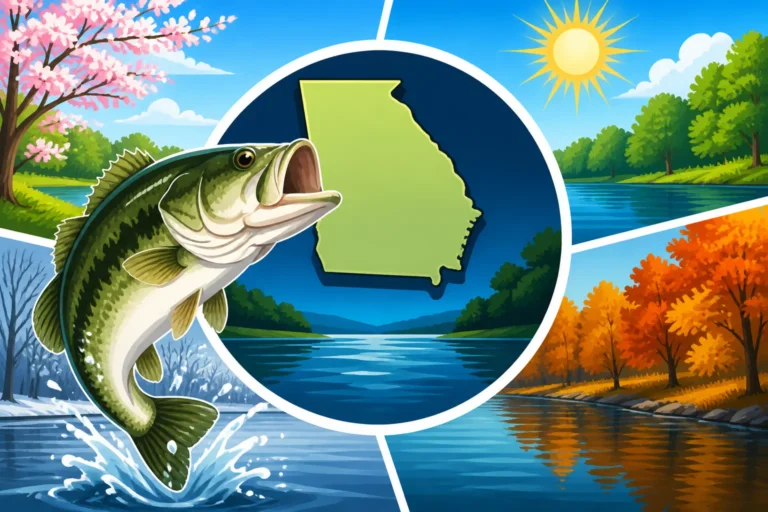
Spring Fishing: The Reawakening and the Spawn
Ah, spring! The season of new life, warmer weather, and for many anglers, the most exciting time to be on Georgia's lakes. As the days lengthen and water temperatures slowly climb, fish shake off their winter lethargy and begin to move with purpose. This period can be broken down into three distinct phases: pre-spawn, the spawn itself, and post-spawn.
Pre-Spawn Aggression and Staging
As water temperatures creep into the low to mid-50s, fish, especially bass and crappie, start to migrate from their deeper wintering grounds towards shallower spawning areas. This is the pre-spawn phase, characterized by aggressive feeding as fish bulk up for the rigors of spawning. They'll often stage on points, humps, or creek channel bends adjacent to shallower flats or coves where they intend to spawn. Look for these transition areas where deep water meets shallow.
During this time, larger, more energetic baits can be incredibly effective. Think crankbaits, spinnerbaits, and jerkbaits that imitate shad or other forage trying to escape. Fish are often concentrated and actively chasing. This is a fantastic time to target trophy-sized fish that are at their heaviest. A great tip is to observe what the baitfish are doing; if you see schools of shad flickering near structure, you can bet the predators are close by. For more specific insights, our guide on Spring Bass Fishing Patterns on Georgia's Reservoirs offers deeper strategies.
The Chaotic Beauty of the Spawn
When water temperatures reach the high 50s and low 60s, the spawn is in full swing. Bass will move onto shallow flats, protected coves, and pockets, building nests (beds) and guarding their eggs. This is a visually exciting time for anglers, as you can often spot fish on beds in clear water. While tempting to target bedding fish directly, many anglers prefer to let them complete their reproductive cycle undisturbed.
For those who do target spawning fish, soft plastics like creature baits, jigs, or even wacky-rigged worms can be pitched silently onto or near beds. The key is a stealthy approach and patience, as fish can be finicky. Crappie also spawn in shallow water, often around brush piles, stumps, or emergent vegetation. Small jigs or minnows fished under a bobber can be deadly. Remember, during the spawn, fish are more concerned with reproduction than feeding, so presentations need to be slow and precise.
Post-Spawn Recovery and Dispersal
Once the spawn is over and water temperatures push into the mid-60s and 70s, fish enter the post-spawn phase. This can be a challenging time for anglers, as fish are often exhausted from spawning and disperse from their shallow beds. They'll typically move to nearby cover like submerged brush, docks, or deeper weed lines to recover. They might not be aggressively chasing baits.
Focus on lighter presentations and smaller baits during post-spawn. Wacky-rigged worms, drop shots, or small topwater poppers fished around shaded cover can entice weary fish. As they recover, they'll gradually start feeding more actively, often moving to deeper points and structures adjacent to the spawning flats. This transition period requires careful observation and a willingness to experiment with different depths and retrieves. They might still be shallow in the early morning or late evening, but as the sun gets high, they'll retreat to cooler, deeper water.
Summer Fishing: Beating the Heat and Going Deep
Summer in Georgia means heat, humidity, and often, tough fishing conditions on the lakes. As water temperatures soar, oxygen levels in the shallower water can drop, and fish metabolism slows. This forces many species to seek cooler, more oxygenated waters, often in deeper zones or during the cooler parts of the day.
Targeting the Thermocline and Deep Structure
Most of Georgia's larger lakes develop a thermocline in summer – a distinct layer where warmer, oxygen-rich surface water meets cooler, less oxygenated deep water. Fish, especially species like largemouth bass, crappie, and particularly striped bass, will often suspend or hold just above or within this thermocline, as it offers the ideal combination of temperature and oxygen. This is where your electronics, specifically a good fish finder, become indispensable. You’ll see it as a distinct line on your sonar screen.
Look for deep submerged points, humps, creek channels, and brush piles. Vertical jigging with spoons, drop-shot rigs, or Carolina rigs with plastic worms can be highly effective when fish are concentrated on deep structure. For suspended fish, deep crankbaits or live bait (like herring or shiners) can be trolled or presented on downlines. Places like Lake Lanier, with its deep, clear water, exemplify this pattern, where understanding the thermocline is crucial. The Deep Water Techniques for Striped Bass article offers excellent advice for these conditions.
Early Mornings, Late Evenings, and Night Fishing
While the midday sun can be brutal, the bookends of the day – dawn and dusk – offer prime opportunities for summer lake fishing. As the sun rises or sets, air and water temperatures are at their coolest, and fish feel more comfortable moving into shallower water to feed. Topwater lures like poppers, walking baits, and buzzbaits can be incredibly exciting during these low-light conditions, as bass ambush unsuspecting baitfish near the surface.
Night fishing is another fantastic strategy for beating the summer heat, especially for catfish and crappie, but also for bass and stripers. Catfish, in particular, become much more active after dark, cruising shallower flats and channel edges. Bottom fishing with cut bait, chicken livers, or worms can yield excellent results. For crappie, fishing under lights can attract baitfish, which in turn draws in crappie. On many lakes, you'll find anglers targeting suspended striped bass at night using live bait or large swimbaits around boat docks and bridge pilings. Checking for local regulations on night fishing is always a good idea.
Fall Fishing: The Feeding Frenzy and Turnover
Fall is a glorious time to be on Georgia's lakes. The oppressive summer heat gives way to crisp, cooler air, leaves begin to change, and the fishing can be absolutely phenomenal. This season is often characterized by the "fall turnover" and a powerful feeding instinct as fish prepare for winter.
Understanding the Fall Turnover
As surface water temperatures begin to cool significantly in early fall (usually late September to mid-October), they eventually reach the same temperature as the cooler water below the thermocline. When this happens, the lake "turns over," meaning the water layers mix. This process can sometimes make fishing tough for a few days or even a week, as oxygen and temperatures become uniform throughout the water column, scattering fish. The water might also appear dingy or have a distinct odor.
Once the turnover is complete, however, the lake revitalizes. Oxygen is replenished at all depths, and fish can move more freely without being confined to the thermocline. They often go on a massive feeding spree, anticipating the colder months. Patience during the turnover period is key, as conditions will improve dramatically afterward. Learning How Water Temperature Changes Affect Fish Behavior is especially helpful during this dynamic season.
Baitfish Migrations and Aggressive Feeding
After turnover, as water temperatures continue to drop (into the 60s and 50s), baitfish like shad migrate en masse into the backs of creeks and coves, seeking warmer water and plankton. This migration triggers a massive feeding frenzy among predatory fish like bass, stripers, and crappie. This is the time to throw baits that imitate these schooling baitfish.
Crankbaits, spinnerbaits, swimbaits, and topwater lures (especially in the early morning) can be incredibly effective. Look for birds diving, baitfish flickering on the surface, or large schools on your fish finder. Points, creek channels, and submerged humps leading into these creeks are prime targets. For crappie, finding schools of baitfish in these creek arms often means finding the crappie right alongside them. Trolling small crankbaits or casting jigs into schooling baitfish can lead to non-stop action. This aggressive feeding pattern makes fall one of the most rewarding times to fish Georgia's lakes.
Winter Fishing: Finding the Sweet Spots
Winter fishing in Georgia's lakes can be fantastic if you know where to look. While fish activity generally slows down due to colder water and decreased metabolism, they still need to eat. The key is finding their winter havens where they can conserve energy and find readily available food.
Deep Water Structure and Thermal Refuges
As water temperatures plummet into the 40s and low 50s, fish retreat to deeper, more stable water. They'll often school tightly on specific deep structures like channel bends, humps, ledges, and deep brush piles. Look for steep drops or areas where current brings in slightly warmer water or concentrates baitfish. Bass, crappie, and stripers will all follow this pattern.
Your electronics are paramount in winter. Spend time idling over likely areas, searching for baitfish schools and tight aggregations of game fish. Once located, vertical presentations are often best. Jigs, jigging spoons, and drop shots fished precisely on top of the schools can trigger strikes. Strikes can be subtle, so sensitive rods and light lines are crucial. For example, on Lake Lanier, bass often school tightly in deep channels, requiring precise boat positioning and presentation.
Lake Sinclair's Warmth and Other Exceptions
Not all Georgia lakes behave the same in winter. Lake Sinclair, for instance, is well-known for fishing exceptionally well through the colder months, especially near its warm water discharges from the power plant. This warmer water acts as a thermal refuge, concentrating baitfish and the predators that feed on them. Anglers often find consistent action for bass, crappie, and catfish in these areas when other lakes are dormant. This is a classic example of understanding micro-climates and localized conditions that defy general seasonal trends. You can learn more about why Lake Sinclair Fishes Better in Winter Than Other Georgia Lakes.
Other lakes may have similar localized warm spots, springs, or areas with consistent current that attract fish. The general rule for winter is to slow down your retrieve, use smaller baits, and focus on patience and persistence. Fish might not strike aggressively, but a subtle twitch or slow drag can be enough to tempt a sluggish fish. Don't be afraid to try live bait, such as shiners or minnows, which can be irresistible to cold-water fish.
Essential Gear for Year-Round Lake Fishing
Having the right tools for the job can make all the difference, no matter the season. While specific lures change, a good foundation of reliable gear will serve you throughout the year on Georgia's lakes.
Rods, Reels, and Line Choices
For general lake fishing in Georgia, a versatile setup is key. For bass, a medium-heavy power, fast action casting rod (6'6" to 7'3") paired with a baitcasting reel is a workhorse for many techniques. A medium power, fast action spinning rod (6'6" to 7') with a matching spinning reel is excellent for lighter lures, finesse techniques, and smaller species like crappie and panfish. You can find a fantastic array of reliable rods and reels on platforms like Amazon that suit various budgets and fishing styles.
Line choice is equally important. For baitcasting setups, braided line (30-50 lb test) with a fluorocarbon leader (12-20 lb test) offers strength, sensitivity, and invisibility in clear water. For spinning gear, fluorocarbon (6-10 lb test) or monofilament (8-12 lb test) is often preferred, depending on the lure and water clarity. Keep in mind that lighter line is generally needed in clearer water and for more finicky fish. It's always a good idea to have several setups rigged for different presentations.
Electronics and Navigation Aids
In today's world, modern electronics are almost as important as your rod and reel, especially for deeper lake fishing. A quality fish finder with CHIRP sonar, side imaging, and down imaging capabilities can literally show you the underwater world. Brands like Humminbird, Lowrance, and Garmin offer excellent units that help locate schools of baitfish, identify submerged structure, and pinpoint game fish. Being able to see the thermocline or a brush pile 30 feet below the surface transforms guesswork into precision.
GPS capabilities, often integrated into fish finders, allow you to mark productive spots, navigate safely, and return to exact locations time and again. This is invaluable when targeting deep structure or remembering where you caught fish during a particular season. Mapping features with detailed contours and navigation charts also prevent you from running aground or getting lost, particularly on larger, more complex reservoirs. Our article on Best Fish Finders for Georgia Reservoir Fishing delves into this topic in more detail.
Apparel and Safety Gear
Don't underestimate the importance of appropriate apparel. Georgia weather can be fickle, even within a single day. Layering is key: start with moisture-wicking base layers, add insulating mid-layers for warmth, and top it off with waterproof and windproof outer layers, especially in spring and fall. In summer, lightweight, breathable, UV-protective clothing is a must to guard against the intense sun. A good pair of polarized sunglasses will cut glare and help you spot fish or structure under the surface.
Safety should always be a top priority. Ensure you have all required safety equipment on your boat, including Coast Guard-approved life jackets for everyone on board, a fire extinguisher, a sound-producing device (horn or whistle), and navigational lights if you're out after dark. Even if you're a strong swimmer, wearing a life jacket is a smart move, especially in colder water. Check out Georgia Life Jacket Laws for Boaters and Kids to ensure you're compliant. Don't forget a well-stocked first-aid kit, plenty of water, and a fully charged cell phone.
Strategic Bait and Lure Choices by Season
Matching your bait and lure selection to the season and the fish's current mood is a cornerstone of successful lake fishing. What works wonders in spring might get ignored in summer, and vice-versa.
Spring: Imitating Spawning Forage and Aggressive Bites
In spring, as fish prepare to spawn, they are often on the hunt for bigger meals. This is when larger profile baits shine.
- Pre-Spawn: Crankbaits (medium to deep divers), lipless crankbaits, spinnerbaits, and jerkbaits are excellent for covering water and triggering reaction strikes from aggressive, staging fish. Try shad patterns or crawfish colors.
- Spawn: Soft plastics like Texas-rigged or Carolina-rigged lizards, creature baits, or jigs with bulky trailers are good for pitching to beds. Stick worms like a Wacky-rigged Senko are also very effective, presenting a subtle, irresistible fall.
- Post-Spawn: As fish recover, they may prefer smaller, more subtle presentations. Wacky worms, drop shots, small jigs, and finesse worms work well. As they regain energy, topwater poppers and walking baits can be good in low light. Live minnows are also highly effective for crappie throughout the spring.
Summer: Deep Dives, Subtle Scent, and Night Treats
Summer fishing demands a shift to deeper presentations and often, slower retrieves.
- Deep Water: Deep-diving crankbaits are great for covering depths along ledges and points. Jigging spoons, football jigs, and heavy Carolina rigs with plastic worms are ideal for vertical presentations on deep structure.
- Finesse: Drop shots with small worms, shaky head jigs, and small swimbaits can entice finicky fish hiding in cover.
- Live Bait: For striped bass and large catfish, live bait like shad, herring, or large shiners fished on downlines or freelines are often irresistible. For crappie, small minnows fished on light tackle near deep brush piles are a perennial favorite.
- Night Fishing: Large, dark-colored spinnerbaits or buzzbaits can work for bass. For catfish, stink baits, cut bait, or chicken livers fished on the bottom are unbeatable.
Fall: Shad Imitations and Covering Water
The fall feeding frenzy means fish are actively chasing bait, making moving baits highly effective.
- Shad Imitations: Crankbaits (medium to shallow divers in creek backs), lipless crankbaits, swimbaits, and spinnerbaits that mimic shad are perfect. Look for white, chrome, or silver colors.
- Topwater: In the early mornings and late evenings, topwater lures like poppers, walking baits, and buzzbaits can generate explosive strikes as bass push shad to the surface.
- Jigs and Plastics: Once fish gorge themselves, or as the water cools further, jigs and soft plastics can still pick off slower, larger fish relating to cover.
- Crappie: Small crankbaits trolled in creek arms, or minnows and jigs fished in schools of bait, are excellent.
Winter: Slow, Subtle, and Live Bait Dominance
Winter requires patience and precise presentations, often at slower speeds.
- Vertical Presentations: Jigging spoons, blade baits, and small jigs are excellent for targeting tightly schooled fish on deep structure.
- Finesse: Drop shots, shaky heads, and Ned rigs with small plastic worms or creatures can tempt sluggish bass. Work them slowly and methodically.
- Live Bait: For all species, live minnows (for crappie), shiners (for bass), and larger baitfish (for stripers and catfish) are often the most effective. Their natural movement can trigger strikes when artificial lures fail.
- Slow-Rolling: Large spinnerbaits or swimbaits slowly retrieved along deep contours can also provoke a reaction strike from cold-water bass.
Remember, experimenting with lure size, color, and retrieve speed is always part of the game. Sometimes a subtle tweak makes all the difference! If you're looking to build your arsenal, platforms like Amazon offer a vast selection of these seasonal baits and lures.
Adapting to Weather and Water Conditions
Beyond the general seasonal patterns, daily weather and water conditions can dramatically influence fish behavior. The most successful anglers are those who can read these subtle cues and adjust their tactics accordingly.
Cold Fronts and Their Impact
A common frustration for anglers is the sudden arrival of a cold front. One day, the fish are biting like crazy; the next, it's like they've vanished. Cold fronts typically bring a sudden drop in air temperature, clear skies, and high barometric pressure. This can cause fish to become lethargic and move deeper or hide in dense cover. Their metabolism slows, and they're less likely to chase.
When faced with a post-cold front situation, slow down your presentation considerably. Use smaller, more subtle baits like jigs, shaky heads, or drop shots. Fish deeper water, dense cover, or transition areas where fish might seek refuge. Look for isolated pieces of structure that might hold a few fish rather than large schools. It's often a day for patience and precision rather than aggressive power fishing. Understanding How Water Temperature Affects Fish Behavior is especially crucial here.
Fishing During and After Rain
Rain can be a double-edged sword for fishing. A light, steady rain can sometimes improve fishing, especially in warmer months. The rain breaks up the surface, makes fish feel more secure, and washes terrestrial insects and nutrients into the water, which can trigger a feeding response. Cloudy conditions associated with rain also keep light levels low, encouraging fish to stay shallower longer. Topwater and spinnerbaits can be excellent during a light rain.
Heavy rainfall, however, can muddy the water, drop water temperatures rapidly, and create strong currents, making fishing much tougher. Fish may move out of heavily affected areas or become disoriented. When dealing with muddy water, switch to baits that create vibration or have a strong scent. Darker colors or bright fluorescent colors (like chartreuse) can be more visible. Focus on transition zones where muddy water meets cleaner water, or on areas with slightly less current. Give the lake a day or two to settle after a torrential downpour if possible.
Barometric Pressure: A Hidden Factor
Barometric pressure changes are often overlooked but can profoundly affect fish behavior. A falling barometer (indicating an approaching storm) often correlates with increased fish activity. Fish sense these changes and may feed aggressively before the weather turns foul. This is a prime time for active, fast-moving baits.
Conversely, a rising or stable high barometer (often associated with clear, calm, post-front conditions) can lead to sluggish fish. They might move deeper and be less willing to chase. In these high-pressure situations, slow, subtle presentations are often more effective. While you can't control the weather, being aware of the barometric pressure and how it's changing can give you a significant advantage in predicting fish moods. A good weather app on your phone can provide this information, allowing you to tailor your approach before you even hit the water.
| Season | Target Species | Typical Depths | Recommended Lures/Bait | Key Conditions to Watch For |
|---|---|---|---|---|
| Spring | Bass, Crappie | Shallow-Mid (2-15 ft) | Crankbaits, Jigs, Wacky Worms, Minnows | Rising water temp, Pre-spawn/Spawn |
| Summer | Bass, Stripers, Catfish | Deep (15-40+ ft) | Deep Crankbaits, Jigging Spoons, Live Bait, Topwater (AM/PM) | Thermocline, Extreme heat, Night bite |
| Fall | Bass, Crappie, Stripers | Mid-Shallow (5-25 ft) | Shad Imitations (Crankbaits, Spinnerbaits), Jigs, Topwater | Lake turnover, Baitfish migration |
| Winter | Bass, Crappie, Catfish | Deep (20-50+ ft) | Jigging Spoons, Drop Shots, Live Bait (Minnows, Shiners) | Cold water, Slow retrieves, Thermal refuges |
Disclaimer
Fishing inherently involves risks. Always prioritize safety, wear appropriate personal flotation devices, and be aware of weather conditions. Familiarize yourself with all Georgia fishing regulations, including licensing requirements, size, and creel limits, which can vary by species and body of water. This guide is for informational purposes only and does not constitute professional advice.