Toccoa River Trout Fishing in Georgia
Fishing for trout in Georgia can sometimes feel like you're trying to crack a secret code. You hear whispers about incredible streams, but actually finding the best spots, understanding the fish, and knowing what techniques to use can be incredibly daunting, especially when you're dreaming of those pristine mountain waters. If the Toccoa River is calling your name for a trout fishing adventure, you've come to the right place. This comprehensive guide will peel back the layers, sharing everything you need to know to make your Toccoa trout fishing dreams a reality, from identifying the different species to mastering the perfect cast.
The Allure of the Toccoa River for Trout Anglers
The Toccoa River, winding its way through the beautiful North Georgia mountains, holds a special place in the hearts of many anglers. It's not just a river; it's an experience, offering a diverse range of fishing opportunities from wild trout pursuits in its upper reaches to productive tailwater fishing below the Blue Ridge Dam. Many people find themselves drawn to the Toccoa because of its reputation for healthy trout populations and stunning scenery, a combination that truly makes for an unforgettable day on the water. However, understanding the nuances of this remarkable waterway is key to a successful outing.
A Tale of Two Rivers: Upper and Lower Toccoa
When you talk about the Toccoa River, it's really important to distinguish between its two primary sections: the upper, freestone waters and the lower, tailwater section. These two parts offer vastly different fishing experiences, almost like two separate rivers with their own personalities. The upper Toccoa, often accessed through areas like Cooper Creek or Rock Creek, is a classic mountain freestone stream. Here, the water flows freely, influenced heavily by rainfall and snowmelt, and is home to a mix of wild and stocked trout. This section is known for its picturesque riffles, runs, and pockets, challenging anglers with its natural, untamed character.
On the flip side, once the Toccoa River flows into and then out of Lake Blue Ridge, it transforms into a tailwater fishery below the Blue Ridge Dam. This section, often referred to as the "Toccoa Tailwater," has a much more stable water temperature due to the deep-water release from the dam. This consistent, cold water creates an ideal habitat for trout year-round, leading to robust fish populations and often larger, healthier specimens. The tailwater is typically wider and deeper, making it more suitable for drift boats, although wade fishing is still popular in accessible areas, especially during low water generation schedules. Anglers often find the tailwater to be more forgiving in terms of temperature fluctuations but can present new challenges with varying water levels based on dam operations.
Why the Toccoa Stands Out Among Georgia's Trout Streams
What truly sets the Toccoa River apart from many other trout streams in Georgia is its remarkable versatility and consistently good fishing. While other streams might excel in one specific area, the Toccoa offers a broad spectrum. For instance, the upper sections provide that quintessential small-stream, intimate angling experience where you can stalk wild brookies and rainbows in a truly wild setting. It’s an adventure for those who love to hike and explore, rewarding patience with beautiful, often unpressured fish.
Then you have the lower Toccoa, the tailwater, which is a powerhouse for sustained trout populations. The deep, cold water from Lake Blue Ridge provides a stable environment, making it productive even during the heat of summer when many other freestone streams become too warm for trout. This stable environment allows trout to grow larger, offering opportunities for truly memorable catches. Plus, the sheer length of accessible water, both wadeable and boatable, means you can explore different stretches without feeling crowded. The accessibility and varied terrain, from peaceful mountain coves to open, flowing tailwaters, cement the Toccoa River's reputation as a premier destination for anyone looking for the Best Trout Streams in Georgia.
Identifying and Understanding Toccoa River Trout Species
Knowing your target fish is half the battle, and on the Toccoa River, you'll encounter a few different species of trout, each with their own characteristics and preferences. While they all appreciate cold, clean water, their behavior and where you'll most likely find them can vary significantly. Understanding these differences can greatly inform your approach, helping you choose the right bait, lure, or fly, and ultimately increase your chances of success. It's a fundamental part of becoming a truly skilled trout angler.
Rainbow Trout: The River's Most Common Residents
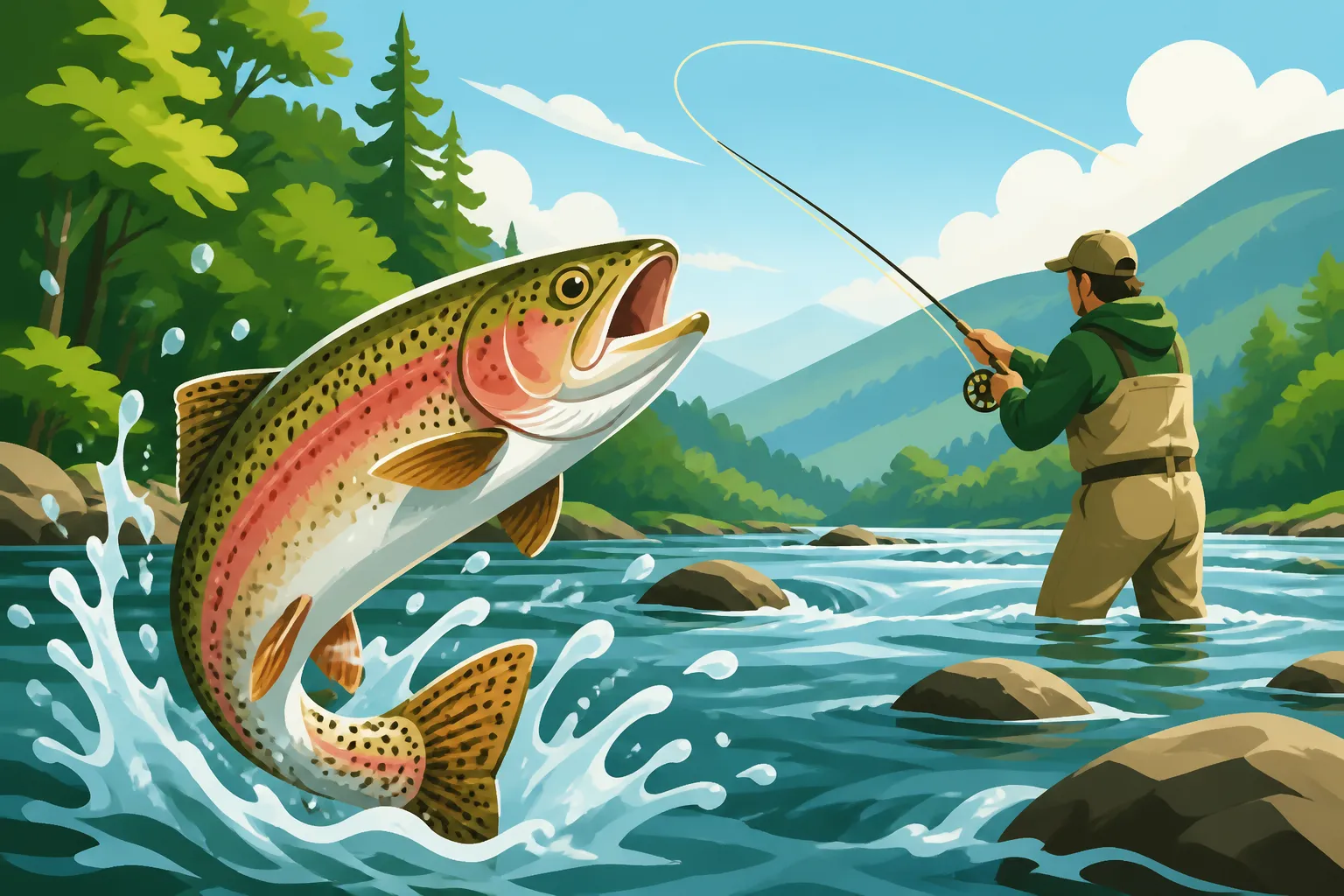
Rainbow trout are undoubtedly the most common species you'll encounter on the Toccoa River, especially in the heavily stocked sections and throughout the tailwater. These beautiful fish are easily recognizable by their iridescent, often vibrant, pink or red stripe running horizontally along their sides, against a backdrop of olive green to bluish-silver with distinct black spots. They're typically quite aggressive eaters, which is why they're a favorite among anglers and a staple of Georgia's stocking program.
Rainbows thrive in the Toccoa's cold, oxygenated waters, often congregating in riffles and runs where food is abundant. You'll find them holding in seams where faster water meets slower currents, behind rocks, or in the deeper pools that offer both cover and feeding lanes. While many of the rainbows caught are stocked fish, particularly those released by the Georgia Department of Natural Resources, the Toccoa also supports some wild-spawned populations, especially in its healthier tributaries. For tips on identifying these vibrant fish, check out our guide on How to Identify a Rainbow Trout.
Brown Trout: Elusive Giants and Wily Survivors
Brown trout are the true trophies of the Toccoa River for many dedicated anglers. These fish are more elusive and often grow to larger sizes than their rainbow counterparts, especially in the lower tailwater section. Brown trout are distinguished by their golden-brown to yellowish-brown coloration, covered in dark spots, some of which are surrounded by lighter halos. They also often have red or orange spots, particularly along their flanks. Unlike rainbows, browns are notorious for their wary nature and tend to be more solitary, often holding in deeper pools, undercuts, log jams, and other substantial cover.
Catching a large brown trout on the Toccoa is a testament to skill and patience. They are less reliant on stocked forage and are more predatory, often feeding on smaller fish, crayfish, and larger insects. This means your approach might need to be more subtle, focusing on stealth and presenting larger, more enticing offerings. The reward, however, is often a powerful fight and a truly magnificent fish. If you're chasing these intelligent fish, understanding their habits is crucial. Our guide on Brown Trout in Georgia: Where to Find Them offers more insights into their habitat.
Brook Trout: Georgia's Native Beauties
While less common in the main stem of the Toccoa River itself, especially the lower sections, native brook trout are present in the colder, pristine headwater tributaries of the Toccoa. These are Georgia's only native trout species and are truly stunning, with their vibrant worm-like markings (vermiculations) on their backs, red spots with blue halos along their sides, and distinctive white leading edges on their fins. They are generally smaller than rainbows and browns, rarely exceeding 10-12 inches, but their beauty and the challenge of finding them in remote, clear mountain streams make them a prized catch.
To target brook trout, you'll need to venture into the smaller, higher-elevation feeder creeks that flow into the Toccoa. These waters are often overgrown, requiring delicate casting and stealthy approaches. They thrive in very cold, highly oxygenated water and are an indicator of excellent water quality. If you're looking for a true wilderness experience and a chance to catch a piece of Georgia's natural heritage, seeking out brook trout in these secluded pockets is an unforgettable adventure. Learn more about these unique fish in Brook Trout: Georgia's Only Native Trout Species.
Prime Fishing Spots and Access Points Along the Toccoa
The Toccoa River is a long and varied waterway, offering numerous spots for anglers to explore. Knowing where to go and how to access the water can significantly impact your success and enjoyment. Whether you prefer the solitude of a remote mountain stream or the wider, more accessible flows of the tailwater, the Toccoa has a spot for you.
Upper Toccoa Freestone Sections: Wild Trout Havens
For those who love the challenge and beauty of freestone stream fishing, the upper Toccoa and its tributaries are calling. One of the most popular and accessible areas is around the Cooper Creek Scenic Area. Here, Cooper Creek itself, a major tributary of the Toccoa, is regularly stocked with trout, providing consistent action. However, if you venture further upstream into the smaller feeder creeks of Cooper Creek or other upper Toccoa tributaries, you'll find opportunities for wild trout, including native brook trout. These areas are typically characterized by steeper terrain, dense forest cover, and smaller, faster-flowing water.
Another prime location in the upper section is near the town of Suches and the confluence of Rock Creek. Rock Creek, like Cooper Creek, is a heavily stocked stream that feeds into the Toccoa. While the main stem of Rock Creek is popular, the true gems for wilder trout experiences are often found by hiking upstream into its less-pressured sections or exploring small, unnamed feeder streams. Anglers here often employ light tackle and stealthy approaches, targeting pockets, riffles, and small plunge pools. These areas offer stunning natural beauty but require a bit more effort to reach, often involving hiking trails and careful navigation. For those truly seeking remote experiences, finding spots in the Chattahoochee National Forest can lead to quiet, rewarding days.
Lower Toccoa Tailwater: Productive Waters Below Blue Ridge Dam
The lower Toccoa River, beginning immediately below the Blue Ridge Dam, is a remarkably productive tailwater fishery. The consistent cold water released from the lake creates an ideal environment for trout year-round, making it a reliable destination even when other streams might be too warm. One of the most popular access points is Tammen Park in Blue Ridge, Georgia. This park offers easy bank access, picnic areas, and ample parking, making it a great spot for families or those looking for convenience. The stretch of river here is wide and often deep, with good habitat for both rainbow and brown trout.
Further downstream, other public access points include areas near the city of Mineral Bluff and various bridge crossings. Many anglers choose to float the tailwater in drift boats, rafts, or kayaks, especially when the dam is generating power, creating higher flows. This allows access to stretches of river that are difficult or impossible to reach by wading. If you're considering a guided trip, many local outfitters operate on this section of the Toccoa. Platforms like FishingBooker can be an excellent resource for finding experienced guides who specialize in the Toccoa Tailwater, offering everything from half-day floats to full-day excursions. The tailwater is renowned for its consistent action and the chance at larger brown trout, making it a magnet for serious anglers.
Wade, Bank, or Boat? Choosing Your Approach
The diverse nature of the Toccoa River means you have choices when it comes to how you fish it. Each method—wading, bank fishing, or fishing from a boat—offers distinct advantages and is often best suited for different sections of the river or different fishing conditions.
Wade fishing is arguably the most common and intimate way to experience the Toccoa, especially in the upper freestone sections. It allows you to move stealthily through the water, approaching fish from upstream and making precise casts into prime holding lies. For this, good quality waders and sturdy wading boots with felt or rubber soles are essential for navigating the often rocky and slippery stream beds. However, in the lower tailwater, wade fishing can be challenging or even dangerous during periods of high water generation from the dam. Always check the generation schedule before planning a wade trip on the tailwater.
Bank fishing is a fantastic option for beginners, families, or those who prefer to stay dry. Public access points like Tammen Park offer good bank fishing opportunities on the lower Toccoa. While you might not reach every prime spot, there are often deeper pools and eddy lines close to shore where trout will hold. In the upper sections, bank access might be limited by private property or dense vegetation, but popular stocked areas usually have designated bank access. This method is often best with a spinning rod and bait or lures.
For the most comprehensive coverage of the lower Toccoa Tailwater, fishing from a boat (drift boat, raft, or kayak) is often the preferred method. This allows anglers to cover long stretches of water, access remote banks, and present flies or lures from an advantageous position. Drift boats are particularly popular for fly fishing, allowing for precise drifts through long runs and riffles. Kayaks and canoes offer a more nimble approach, perfect for exploring eddies and back channels. When choosing a boat-based trip, remember that proper boat registration and safety gear, including life jackets, are critical, as are local regulations regarding boat operation on rivers. Finding a reputable guide through services like FishingBooker can be invaluable for a first-time boat trip on the Toccoa, as they provide all the necessary gear and expertise.
| Fishing Method | Best For | Pros | Cons |
|---|---|---|---|
| Wading | Upper freestone, low-water tailwater | Intimate experience, stealthy approach, precise casting | Limited by water depth/current, dangerous during high water, can be physically taxing |
| Bank Fishing | Accessible public parks, beginner-friendly | Easy access, suitable for all ages, no special equipment beyond rod/reel | Limited reach, less access to prime holding water, often crowded at popular spots |
| Boat Fishing | Lower tailwater, covering long stretches | Covers more water, access remote spots, comfortable for long days | Requires boat/kayak, knowledge of river currents, can be costly (guide/rental) |
Mastering Techniques and Essential Gear for the Toccoa River
Approaching the Toccoa River without a game plan can lead to frustration. The beauty of trout fishing, however, is in adapting your techniques and gear to the conditions and the specific section of river you're fishing. Whether you're a seasoned fly angler or prefer the simplicity of spin fishing, having the right tools and knowing how to use them will dramatically improve your chances of success.
Fly Fishing for Toccoa Trout: Patterns and Presentations
Fly fishing is an art form that truly shines on the Toccoa River, especially in its cold, clear waters. To be successful, you'll need to consider a range of fly patterns and presentations. During different times of the year, and even different times of day, trout will key in on specific insects, so having a diverse fly box is essential.
Nymphs are often the most productive flies, as trout spend the vast majority of their time feeding subsurface. Patterns like Pheasant Tail Nymphs, Hare's Ear Nymphs, Squirmy Wormies, and various midge patterns are consistently effective. A common technique is the "Euro Nymphing" style, or simply fishing a two-nymph rig under an indicator, allowing your flies to drift naturally along the bottom. The key is to get your flies deep and ensure a drag-free drift that mimics a natural insect floating in the current.
When trout are actively feeding on the surface, dry flies become king. Keep an eye out for hatches of mayflies, caddisflies, or stoneflies. General attractor patterns like Elk Hair Caddis, Adams, or Parachute Adams are often reliable. Matching the hatch, however, can be incredibly rewarding. Observing what insects are flying around or floating on the water will give you clues as to what dry fly to tie on. For larger brown trout, especially during lower light conditions, streamers can be incredibly effective. Patterns like Woolly Buggers, Sculpzillas, or articulated streamers stripped aggressively can trigger a predatory strike from a big fish. Learning How to Fly Fish for Trout as a Beginner will certainly give you a head start.
Spin Fishing: Effective Methods for All Skill Levels
Spin fishing offers a more straightforward approach that can be incredibly effective on the Toccoa River, especially for beginners or when targeting stocked fish. It's a versatile method that allows for various baits and lures.
For bait fishing, live worms (nightcrawlers or red wigglers) are almost universally effective. Threaded onto a small hook with a split shot or two a foot or so above it, and drifted naturally through pools and runs, they are irresistible to hungry trout. PowerBait in various colors and forms (dough, nuggets) is also a staple for stocked trout. Rigged on a small treble hook with a sliding sinker, it allows the bait to float just off the bottom. Remember to adjust the amount of weight to match the current speed, ensuring your bait stays in the strike zone without getting swept away too quickly.
When it comes to lures, spinners like Rooster Tails, Mepps, or Panther Martins in sizes #0 to #2 are deadly. Their flashing blades and vibrating action mimic small baitfish or aquatic insects, triggering aggressive strikes. Small spoons like Thomas Buoyants or Little Cleos can also be very effective, especially in deeper pools or faster currents. For a more aggressive approach, small crankbaits that dive a few feet can entice larger brown trout hiding in cover. The key to successful spin fishing is often a slow, steady retrieve, allowing the lure's action to do its work. Vary your retrieve speed and depth until you find what the fish are responding to. Our guide to Spin Fishing Techniques for Trout can help you refine your approach.
The Right Tackle for the Job: Rods, Reels, and Line
Choosing the right fishing tackle is crucial for a productive day on the Toccoa. Your gear needs to be appropriate for the size of the fish you're targeting and the conditions you're fishing in.
For fly fishing, a lightweight setup is generally preferred. A 4-weight or 5-weight fly rod, typically 8.5 to 9 feet long, is ideal for the Toccoa, offering a good balance of casting delicate dry flies and managing nymphs. Pair this with a matching reel and a weight-forward floating fly line. Your leader and tippet selection are also critical; starting with a 9-foot leader tapered to 5x or 6x tippet is a good baseline, and you may need to go even lighter (7x) for finicky fish or tiny dry flies. For advice on specific setups, check out Best Fly Rod for North Georgia Trout Streams.
For spin fishing, a light to ultralight spinning rod between 5.5 and 6.5 feet long is perfect. This length provides good casting accuracy and sensitivity while still having enough backbone to handle a decent trout. A small spinning reel (size 1000 or 2000) spooled with 4-pound or 6-pound monofilament or fluorocarbon line is a versatile choice. Lighter line allows for better casting distance and a more natural presentation, especially in the clear Toccoa waters. Fluorocarbon is particularly useful as a leader material due to its invisibility underwater and abrasion resistance. Some anglers prefer braided line for its sensitivity, but it's wise to add a fluorocarbon leader for stealth.
Navigating Toccoa River Seasons and Regulations
Understanding the rhythm of the Toccoa River through its seasons and adhering to Georgia's fishing regulations are paramount for both success and responsible angling. The river changes dramatically throughout the year, as do the fish's behaviors. Plus, ignoring regulations can lead to fines and a less enjoyable experience for everyone.
Seasonal Strategies: When and Where to Find Fish
The Toccoa River offers year-round fishing, but your strategies will need to adapt with the changing seasons.
- Spring (March-May): This is arguably one of the best times to fish the Toccoa. The water temperatures are rising, trout become more active, and insect hatches are prolific. The Georgia Department of Natural Resources also conducts its heaviest stocking during this period, especially in the upper freestone sections and accessible parts of the tailwater. Trout will be spread throughout the river, actively feeding. Both fly and spin fishing can be incredibly productive. Focus on nymphs in the morning and evening, transitioning to dry flies if hatches occur during the day.
- Summer (June-August): As air temperatures soar, the tailwater below the Blue Ridge Dam becomes the most reliable option. The deep-water release keeps the tailwater cool, creating a thermal refuge for trout. The upper freestone sections can become too warm for trout during midday, making early mornings and late evenings the best times, or focusing on the highest elevation tributaries where brook trout reside. Trout in the tailwater will often seek deeper, cooler water. Nymphing is consistently effective, and streamers can work well in low light.
- Fall (September-November): Another prime season, fall brings cooler temperatures and vibrant foliage. Brown trout become more aggressive as they prepare for their spawn, offering opportunities for larger fish. Stocking continues, though less frequently than in spring. Trout will be very active, feeding heavily. This is an excellent time for both dry flies (especially terrestrial patterns like hoppers and ants) and nymphs. Streamer fishing for browns is particularly popular as the water cools.
- Winter (December-February): Fishing in winter requires patience and a slower approach. The fish are less active, and hatches are sparse. However, the tailwater can still produce, especially on warmer, sunny days. Focus on deep pools and slow runs where trout conserve energy. Small nymph patterns, midge larvae, and tiny egg patterns can be effective, presented slowly and deeply. Dress warmly and be prepared for less action, but the fish you do catch can often be large and rewarding. Keep an eye on the Georgia Trout Stocking Schedule Explained to plan your trips.
Delayed Harvest Section: Special Rules and Opportunities
A significant portion of the Toccoa River, specifically the lower tailwater section from the Blue Ridge Dam downstream to the Sandy Bottom Canoe Launch, is managed under Delayed Harvest (DH) regulations. This is a crucial aspect of fishing the Toccoa that every angler must understand.
During the Delayed Harvest season, which typically runs from November 1st to May 14th each year, this section of the river is strictly catch-and-release only, and only artificial lures with a single barbless hook are permitted. This means no bait, no treble hooks, and every fish you catch must be immediately released unharmed. The purpose of this regulation is to create a high-quality fishing experience by allowing trout to grow larger and become more wary, offering a greater challenge. During the DH season, the DNR heavily stocks this section, ensuring a healthy population of fish for anglers to target. This is where you can often find some of the largest concentrations of trout in Georgia, actively feeding but requiring skilled presentations.
From May 15th to October 31st, the DH regulations revert to general trout stream regulations, meaning anglers can keep a daily creel limit of trout (typically 8 fish, 6 inches or longer), and all legal tackle (including bait) is permitted. However, many dedicated anglers still choose to practice catch-and-release during this period to help maintain the quality of the fishery. Familiarize yourself with Georgia's Delayed Harvest Catch-and-Release Season Explained before you go.
Licensing, Creel Limits, and Responsible Angling
Before you even step foot in the Toccoa River with a rod, ensure you have the proper licenses. Every angler aged 16 and older needs a valid Georgia Fishing License. If you plan to fish for trout, especially in mountain streams, you will also need a Mountain Trout License Add-On in Georgia. This additional stamp is essential for legal trout fishing in designated trout waters. You can purchase these licenses online through the Georgia Department of Natural Resources website, by phone, or from authorized license agents. Checking your license status is a good habit.
Beyond licenses, it's vital to understand the creel limits (the maximum number of fish you can keep per day) and size limits. While the Delayed Harvest section has its specific rules (catch-and-release only for part of the year), other sections of the Toccoa and its tributaries fall under general trout regulations. Currently, the statewide daily creel limit for trout in general regulation waters is eight fish, and they must be at least six inches long. However, always double-check the latest Georgia Fishing Regulations Explained, as rules can change. Adhering to these regulations is not just about avoiding penalties; it's about being a responsible steward of the fishery, ensuring that the Toccoa River remains a vibrant and productive trout destination for generations to come. Many anglers will hire guides, often found via platforms like FishingBooker, who are well-versed in all current regulations, ensuring a compliant and ethical trip.
Conservation and Etiquette on the Toccoa River
The beauty and productivity of the Toccoa River are not just natural gifts; they are also a result of careful management and the collective efforts of conservation-minded anglers. To ensure the Toccoa remains a premier trout fishery, it's essential for everyone to practice good conservation habits and maintain respectful angling etiquette.
Practicing Catch-and-Release: Protecting Our Resources
While some sections of the Toccoa allow for keeping fish, particularly outside the Delayed Harvest season, many anglers choose to practice catch-and-release consistently. This is especially true for larger, wilder trout, which are valuable breeders. When you do catch a fish you intend to release, handling it properly is paramount to its survival.
Here are some key tips for responsible catch-and-release:
- Minimize handling: Keep the fish in the water as much as possible. Avoid dragging it onto rocks or dry land.
- Wet hands: Always wet your hands before touching a fish. Dry hands can remove the protective slime coat, making the fish susceptible to disease.
- Use barbless hooks: These make hook removal much easier and cause less damage to the fish's mouth. You can pinch down the barbs on regular hooks with pliers.
- Quick hook removal: Use forceps or pliers to quickly remove the hook. If the hook is deeply swallowed, cut the line as close to the hook as possible rather than trying to remove it, which can cause internal damage.
- Revive gently: Hold the fish upright in the current until it regains its strength and can swim away on its own. Do not squeeze it or throw it back into the water.
- Avoid over-fighting: Use appropriate tackle to bring the fish in relatively quickly, minimizing stress.
By following these practices, you significantly increase the chances of the fish surviving to be caught another day, contributing to a healthier and more robust fishery.
Respecting the River and Fellow Anglers
A day on the Toccoa River is about more than just catching fish; it's about enjoying nature and respecting the environment and those around you.
- Leave No Trace: Pack out everything you pack in, and perhaps even pick up any litter you find. This includes fishing line, bait containers, and food wrappers. The goal is to leave the riverbank and waters cleaner than you found them.
- Respect Private Property: Much of the land along the Toccoa River is privately owned. Be mindful of property lines and only access the river from designated public access points or with explicit permission from landowners. Trespassing not only creates legal issues but also harms relationships between anglers and property owners, potentially leading to further access restrictions.
- Share the Water: The Toccoa can be a popular destination, especially during peak seasons. Give fellow anglers ample space, especially when wading or drifting. Avoid crowding into someone's fishing spot or floating too close behind another boat. A simple "hello" and a respectful nod can go a long way in fostering a positive atmosphere. If you're planning a trip with a group, consider booking a guide service through FishingBooker; they often know less-traveled areas or can manage group dynamics effectively.
- Be Mindful of Noise: Keep voices and unnatural noises to a minimum. Loud noises can spook fish and disturb the peaceful experience of others. Enjoy the sounds of nature, not your own.
- Protect the Banks: Avoid unnecessary trampling of vegetation on riverbanks, which can lead to erosion and habitat degradation. Stick to established paths whenever possible.
By adhering to these principles of conservation and etiquette, we collectively ensure that the Toccoa River remains a pristine and enjoyable destination for all who seek its bounty and beauty.
Disclaimer
Please remember that fishing regulations, license requirements, and local access points can change. Always consult the latest official regulations from the Georgia Department of Natural Resources (DNR) before planning your fishing trip to the Toccoa River or any other waterbody. This guide is for informational purposes only.