Trout license requirements for north Georgia mountain streams
It's incredibly frustrating to get all geared up for a peaceful day of trout fishing in Georgia's stunning mountain streams, only to realize you're not entirely sure if your current fishing license covers everything you need. The rules can feel like a tangled line sometimes, leaving you wondering if you need a special permit on top of your regular license. This guide is here to untangle that confusion, clearly explaining the specific trout license requirements for those pristine North Georgia waters so you can cast with confidence.
Understanding the Basic Georgia Fishing License
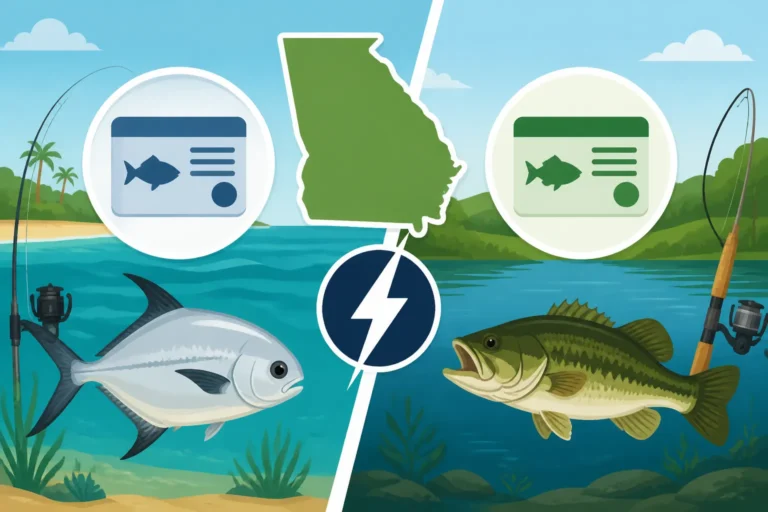
Before we even dive into the specifics of trout fishing, it’s crucial to understand the foundation: the basic Georgia fishing license. Think of it as your passport to all the wonderful fishing opportunities our state has to offer, from the big reservoirs down to the coastal estuaries. But just like a passport, it sometimes needs a visa for certain destinations – and for trout fishing, that "visa" is often an additional endorsement.
Who Needs a Fishing License in Georgia?
Generally speaking, anyone 16 years of age or older needs a valid Georgia fishing license to fish in public waters. This applies whether you're a resident who's lived here your whole life or an out-of-state visitor eager to experience Georgia's diverse fisheries. I know, it sometimes feels like another hoop to jump through, especially when you just want to relax, but these fees directly support the Georgia Department of Natural Resources (DNR) efforts to conserve our fish populations and maintain public access points.
There are a few key exceptions, which are always good to know. Children under 16 don't need a license, which is fantastic for introducing youngsters to the sport without an extra cost barrier. Also, residents who are totally blind, or those with certain permanent and total disabilities, may be exempt or qualify for a free honorary license. It's always best to check the official Georgia Department of Natural Resources website or their detailed Georgia Fishing License Guide for the most current information on eligibility and exemptions.
How to Obtain Your Basic Georgia Fishing License
Getting your basic Georgia fishing license is thankfully quite straightforward these days. You have a few convenient options, which helps prevent that last-minute scramble when you're already halfway to your favorite fishing hole.
The easiest way for many anglers is to purchase it online directly through the Georgia DNR's Go Outdoors Georgia website. It’s a seamless process where you can select your license type, provide your information, and even print a temporary copy right away. You can also purchase your license by phone, which is a lifesaver if you're on the go and have a quick question. For those who prefer a more traditional route, numerous authorized license agents are scattered across the state, including many sporting goods stores, bait and tackle shops, and even some county tag offices. It's smart to pick one up from a local agent, as they often have the latest local fishing reports and advice, which is invaluable.
Whether you opt for an annual license or one of Georgia's Nonresident Short-Term License Options, getting it squared away beforehand ensures you're legal and ready to fish. Remember, while a basic license covers a wide array of species, for those prized North Georgia trout, there's another step.
The Essential Mountain Trout License
This is where the specific details for trout fishing come into play, and it’s often the source of confusion for many anglers. You might be standing knee-deep in a crystal-clear mountain stream, thinking your general fishing license is all you need, but for designated trout waters, an additional permit is almost always a requirement.
Why a Separate Trout License Exists
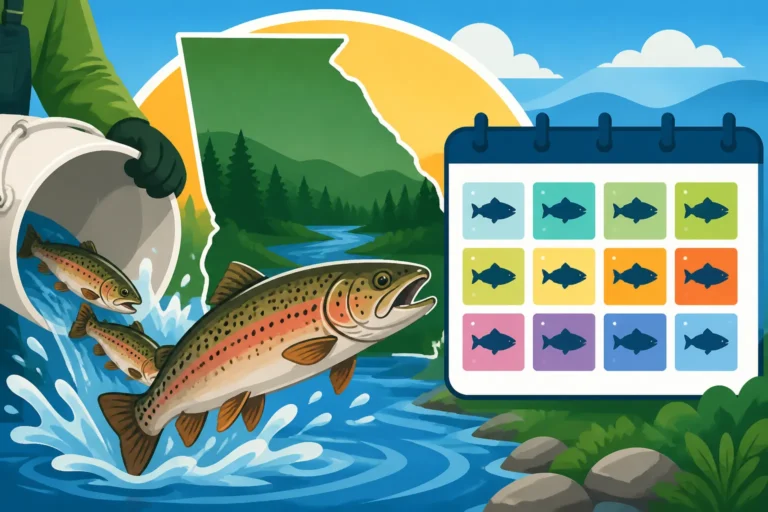
It might seem like a bit of a hassle – "Another license? Really?" – but there's a very good reason the Mountain Trout License exists. Designated trout streams in North Georgia are unique and require specialized management efforts to maintain their health and productivity. The fees collected from this specific add-on go directly towards the state's trout management program. This includes crucial activities like stocking hundreds of thousands of rainbow, brown, and brook trout into public waters each year, monitoring wild trout populations, and improving trout habitat through stream restoration projects.
Essentially, by purchasing the Mountain Trout License, you're directly contributing to ensuring that future generations of anglers can also enjoy the fantastic trout fishing opportunities that North Georgia provides. It's a small investment in a big conservation effort, especially important in a state with such diverse fishing, as outlined in the Georgia Freshwater Fishing Rules. Without this dedicated funding, those picturesque mountain streams wouldn't be nearly as vibrant with trout.
What the Mountain Trout License Covers
The Mountain Trout License isn't a standalone license; it's an add-on endorsement to your basic Georgia fishing license. Think of it as an upgrade for your general fishing privileges, specifically unlocking the ability to fish in "designated trout waters." If you're planning to fish for trout in any stream or river that the Georgia DNR has designated as a trout stream, you need this endorsement. This includes:
- General Regulation Trout Streams: These are the most common type of designated trout water, where you can keep a certain number of trout within daily creel limits and size restrictions, provided you have your basic license and the trout add-on.
- Delayed Harvest Trout Streams (during their specific seasons): Even though these streams are typically catch-and-release only from November 1 to May 14, you still need both your basic fishing license and the Mountain Trout License. This often surprises people – "Even if I'm not keeping anything?" Yes, because you're still participating in a managed fishery.
- Trout streams within Wildlife Management Areas (WMAs): If you're fishing a designated trout stream located within a WMA, you'll need your basic license, the Mountain Trout License, and potentially a WMA stamp, depending on the specific area and regulations.
The important takeaway here is that if you're targeting trout in any of these managed waters, this add-on is non-negotiable. You can't just rely on your general fishing license; it won't cover you for trout. For a clear understanding of all the different endorsements, check out the Georgia Fishing License Costs and Types.
Cost and How to Add the Mountain Trout License
The cost of the Mountain Trout License add-on is relatively modest, especially considering the quality of fishing it grants you access to. For Georgia residents, it's typically an additional $10 on top of your annual or short-term fishing license. Non-residents will pay an additional fee as well, which will vary based on whether they have an annual or short-term nonresident license. These fees are always subject to change, so it's wise to verify current pricing directly on the Go Outdoors Georgia website before your trip.
Adding this endorsement is just as easy as getting your basic license. You can purchase it at the same time you buy your annual or short-term fishing license online, by phone, or through an authorized license agent. If you already have your basic license but decide later that you want to hit the trout streams, you can simply log back into your Go Outdoors Georgia account or visit an agent to purchase the Mountain Trout License as an individual endorsement. It's a seamless process that ensures you're fully compliant with all the necessary Georgia Fishing Regulations Explained.
Navigating Specific North Georgia Trout Waters
North Georgia boasts an incredible network of trout streams, each with its own character and sometimes subtle variations in regulations. Knowing what kind of water you're fishing can save you a headache and ensure you're fishing legally and effectively.
General Regulation Trout Streams
These are perhaps the most common and accessible trout waters in North Georgia. They're typically open year-round for trout fishing, and the standard daily creel limits and size restrictions apply. To fish these waters, you absolutely need your basic Georgia fishing license and the Mountain Trout License add-on.
Think of rivers like major sections of the Chattahoochee River, particularly those above Lake Lanier, or significant portions of the Toccoa River as it winds through Fannin County. These are fantastic spots where you can often find a mix of stocked and wild trout, offering a rewarding experience. While the specific limits can vary slightly by water body, the general daily creel limit for trout on most general regulation waters is eight trout per day, with no minimum size limit, though some specific creeks or rivers might have different rules. It's vital to consult the official Georgia Fishing Regulations digest, which is updated annually, to confirm the specific limits for your chosen stream. Trust me, it’s worth a quick read before you go! For more detailed rules, you can also look into specific information like Daily Creel Limits for Trout in Georgia.
Delayed Harvest Trout Streams
Delayed Harvest streams are a special category of trout water designed to provide exceptional catch-and-release fishing opportunities during the colder months. In Georgia, these streams operate under specific regulations from November 1st through May 14th each year. During this period, they are strictly catch-and-release only, and you can only use single-hook artificial lures. No bait, no treble hooks allowed.
Popular examples of Georgia's Delayed Harvest Trout Streams in Georgia include Amicalola Creek (Dawson County), Cooper Creek (Union County), and the upper Toccoa River (Fannin County). The purpose of these special regulations is to concentrate large numbers of trout, providing a fantastic sporting experience without overharvesting the fish. Even though you're not keeping any fish, the Mountain Trout License is still required during the Delayed Harvest season. This ensures that the dedicated funding for trout stocking and management continues to support these unique fisheries. From May 15th to October 31st, these streams revert to general trout stream regulations, meaning you can keep fish within the general creel and size limits, but the trout license remains a must-have.
Private Waters and Special Management Areas
While the majority of trout fishing in North Georgia happens on public streams, it's worth a quick mention of private waters and special management areas. If you're fishing on private property that has a designated trout stream flowing through it, you generally still need your basic Georgia fishing license and the Mountain Trout License. The landowner's permission is, of course, always paramount.
Some specific areas, particularly certain Wildlife Management Areas (WMAs) like Blue Ridge WMA or Coopers Creek WMA, might have additional regulations or require a WMA stamp on top of your fishing and trout licenses. These stamps help fund the management and access to these valuable public lands. Always check the specific regulations for any WMA you plan to visit, as their rules can be quite detailed and are designed to manage hunting, fishing, and other recreational activities in a sustainable way. When in doubt, a quick call to the local DNR office or a look at the latest regulations guide can clarify any ambiguities before you head out.
Common Questions and Tips for Trout Anglers
Navigating the world of fishing licenses and regulations can sometimes feel like a test, but getting these details right means a smoother, more enjoyable day on the water. Here are some answers to common questions and practical tips for anyone looking to enjoy North Georgia's trout streams.
Do Kids Need a Trout License?
This is a frequently asked question, and it's a good one! In Georgia, children under 16 years of age are generally exempt from needing a basic fishing license. This is a wonderful initiative to encourage youth participation in fishing. So, if your child is under 16, they do not need a basic Georgia fishing license.
However, if they are fishing in designated trout waters, do they need the Mountain Trout License add-on? The answer is generally no, if they are under 16 and therefore don't need the base license. The Mountain Trout License is an add-on to the basic fishing license. If the base license isn't required due to age, then the add-on isn't typically required either. This makes it even easier to get the youngsters out there experiencing the magic of trout fishing in places like the Toccoa River Trout Fishing in Georgia. Always double-check the current regulations, but this exemption usually holds true, ensuring a low-barrier entry for our youngest anglers.
Essential Gear and Planning Your Trip
Beyond the licenses, having the right gear can make all the difference in your trout fishing success and comfort. North Georgia mountain streams can be cold, rocky, and sometimes challenging to navigate, so preparation is key.
You'll want a lightweight spinning rod and reel combo, typically in the ultralight or light action range, paired with 4-6 lb test line. This setup is perfect for casting smaller lures and feeling those subtle trout bites. For lures, small inline spinners, spoons, or jigs are often very effective. If you're a fly fishing enthusiast, a 3 to 5-weight fly rod is ideal for these waters. Don't forget a landing net with a rubberized mesh (it's gentler on the fish for catch and release), a pair of waders and wading boots for staying dry and comfortable in the stream, and a fishing vest or pack to keep your essentials organized. Many of these items, from quality waders to durable tackle boxes, can be found conveniently on Amazon, making it easy to stock up before your adventure.
Planning your trip also involves checking the Georgia Trout Stocking Schedule if you're hoping to fish recently stocked waters. This schedule is usually updated weekly during the stocking season and can give you a great advantage in finding active fish. Always keep an eye on weather conditions and water levels, as heavy rains can quickly make streams high and muddy, impacting fishing conditions.
Respecting the Resource and Ethical Angling
Finally, holding the proper licenses is just one part of being a responsible angler. When you're out on North Georgia's beautiful trout streams, it's crucial to practice ethical angling and respect the environment. This means adhering to catch-and-release best practices when appropriate – minimizing handling time, keeping the fish in the water as much as possible, and using barbless hooks to reduce harm.
Always pack out everything you pack in, leaving no trace behind. This includes discarded fishing line, bait containers, and any other trash. Respect private property boundaries and public access points. Remember, the privilege of fishing these stunning streams comes with the responsibility of preserving them for everyone. The health of these fisheries relies on anglers understanding and respecting the rules, and appreciating the value of the environment. Taking care of these natural treasures ensures that the North Georgia mountains will remain a premier trout fishing destination for years to come.
Georgia Trout License Requirements Summary
To help clarify everything at a glance, here's a table summarizing the general license requirements for trout fishing in Georgia's designated trout waters:
| Requirement Category | Description | Basic Fishing License | Mountain Trout License Add-on |
|---|---|---|---|
| Angler Age 16+ | All resident and non-resident anglers 16 years or older. | REQUIRED | REQUIRED |
| Angler Age < 16 | All resident and non-resident anglers under 16 years of age. | Exempt | Exempt (as it's an add-on) |
| Water Type | Designated Trout Streams (General Regulation, Delayed Harvest, some WMAs). | REQUIRED | REQUIRED |
| Water Type | Non-Designated Trout Waters (e.g., warmwater rivers, lakes, ponds where trout might be present but not managed as a trout fishery). | REQUIRED | NOT required |
| Fishing Method | Any legal method (live bait, artificial lures, flies). | Applies | Applies |
| Delayed Harvest | Catch-and-release season (Nov 1 – May 14) on designated Delayed Harvest streams. | REQUIRED | REQUIRED |
Disclaimer
Please note that fishing regulations are subject to change. While every effort has been made to provide accurate and up-to-date information in this guide, it is always the angler's responsibility to verify the current rules and regulations with the Georgia Department of Natural Resources (DNR) before heading out. Refer to the official Georgia DNR website or the current Georgia Sport Fishing Regulations Guide for the most precise and legally binding information.