White Crappie Identification Guide
You've probably been there: out on a Georgia lake, reeling in a beautiful crappie, and then that familiar question pops into your head, "Is this a white crappie or a black crappie?" It’s a common frustration, especially since these two popular panfish can look incredibly similar at first glance. This comprehensive guide is here to cut through the confusion, helping you confidently identify white crappie so you can better understand their habits, follow regulations, and ultimately, become a more successful angler.
The White Crappie: Georgia's Abundant and Often Misunderstood Panfish
Georgia's waters are teeming with fantastic fishing opportunities, and among the most sought-after panfish is the humble crappie. Both black and white crappie call our lakes and rivers home, providing endless hours of fun and delicious table fare. However, for many anglers, especially those new to crappie fishing, telling the two apart can feel like trying to solve a riddle without all the clues. You might have a stringer full of what you think are white crappie, only to second-guess yourself later. This isn't just about curiosity; accurate identification is crucial for adhering to specific regulations and optimizing your fishing strategies.
Why Accurate Identification is a Challenge for Many Anglers
The main reason for the confusion between white and black crappie really boils down to their superficial similarities. Both species share that iconic disc-shaped, compressed body, large eyes, and mottled, silvery-green coloration. When you pull a crappie from murky water, or when they've been handled a bit, those subtle differences can become even harder to spot. It's not like comparing a largemouth bass to a catfish; these two cousins are genuinely close in appearance. Compounding the issue is that their patterns can vary depending on water clarity, diet, and even the spawning season, making a consistent "look" elusive. Imagine trying to pick out your friend in a crowd, but everyone is wearing slightly different versions of the same outfit – that's often what it feels like with crappie! This can be especially frustrating if you’re trying to quickly identify a fish by the boat or shore.
The Allure of the White Crappie Fishery in Georgia
Despite the identification challenges, white crappie hold a special place in the hearts of Georgia anglers. They are incredibly prolific and can grow to impressive sizes, making them a thrilling catch on light tackle. Many of Georgia's large reservoirs and slow-moving rivers are absolutely prime white crappie habitat. They tend to school up in large numbers, meaning when you find one, you've often found a whole lot more! This schooling behavior makes for exciting fishing, whether you're jigging under a bridge or casting into flooded timber. Plus, let's be honest, they are absolutely delicious. There's nothing quite like a fresh crappie filet fried up after a successful day on the water. Their abundance means they're often a more reliable target than some other species, especially during certain times of the year. If you're looking for consistent action and a full cooler, white crappie are often your best bet, once you learn their ways.
Distinctive Physical Characteristics of White Crappie
To truly crack the code of white crappie identification, we need to get up close and personal with their specific physical traits. Forget the guesswork; we're looking for definitive markers that will leave no doubt. These aren't just subtle hints; they are the scientific keys to telling them apart. Many anglers find it helpful to review images of both species side-by-side, which you can easily find online or in a good fishing identification guide, perhaps one you picked up from Amazon.
The Vertical Bar Pattern: A Key Visual Cue
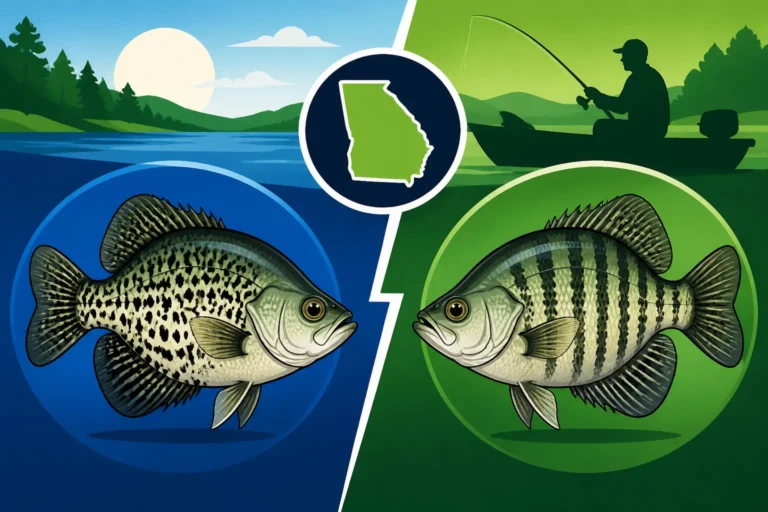
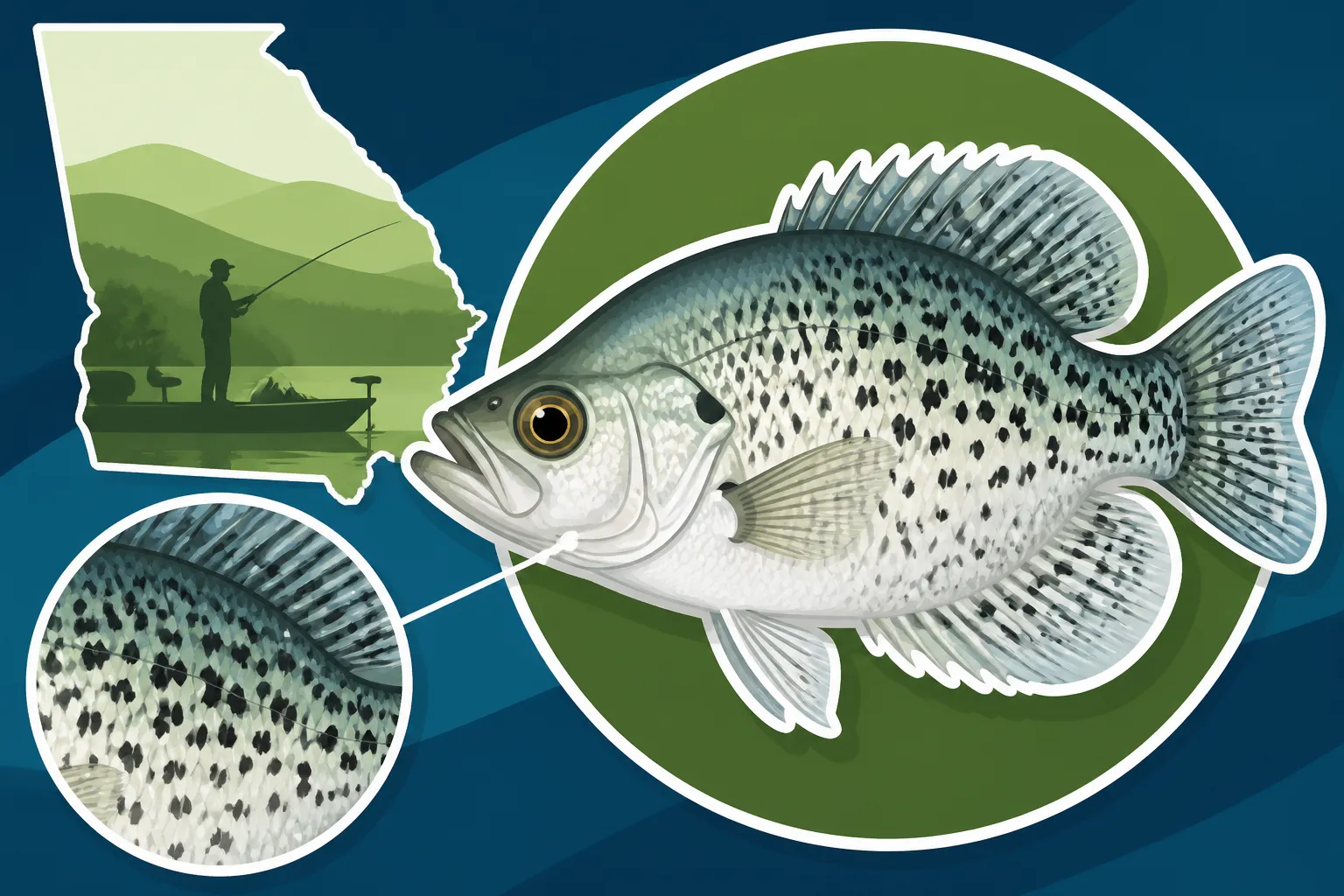
Perhaps the most immediately noticeable distinguishing feature of a white crappie is its pattern of dark, vertical bars or stripes along its sides. While black crappie have a more mottled, random spotting pattern, the white crappie typically displays 5 to 9 distinct vertical bands running from its back down towards its belly. These bars can sometimes be faint, especially in very clear water or on lighter-colored fish, but they are almost always present to some degree. Think of it like a zebra's stripes, but less defined and often broken up.
When you pull a white crappie from the water, try to look for these bars immediately. They might not be jet-black, but rather a darker shade of grey or olive green against the lighter, silvery background of the fish's body. These bars are usually more pronounced closer to the dorsal fin and can fade as they near the belly. It’s a classic telltale sign, and once you train your eye to spot it, you'll find it incredibly helpful in your identification process.
Dorsal Fin Spines: Counting for Clarity
This is arguably the most reliable way to differentiate between white and black crappie, but it requires a careful count. The dorsal fin is the prominent fin on the fish's back. For white crappie, you will consistently find six (6) dorsal fin spines. For black crappie, that number will be seven or eight. This isn't a "sometimes" thing; it's a physiological difference that holds true across the species. If you're ever in doubt, this count is your absolute go-to method.
To count effectively, gently lay the crappie on its side and carefully run your finger along the leading edge of the dorsal fin. You'll feel the individual spines. Be careful, as these can be sharp! If you're wearing fishing gloves, like some of the protective pairs available on Amazon, it can make this task a bit safer. This method requires a bit more hands-on attention than just looking at the pattern, but it eliminates all ambiguity. Practice this a few times, and you'll become a pro at quickly confirming your crappie's identity. This crucial detail is often covered in guides like White Crappie Fin and Spine Count vs Black Crappie.
Body Shape and Mouth Structure
While less definitive than the fin spine count, the overall body shape and mouth structure can also offer some helpful clues. White crappie generally have a more elongated, slender body compared to the black crappie, which tends to be deeper-bodied and more rounded, almost like a dinner plate. Think of the white crappie as having a slightly more "stretched out" appearance.
When it comes to the mouth, the white crappie's upper jaw extends back roughly to the middle of its eye, sometimes a little further. The black crappie's mouth, by contrast, often extends past the rear margin of its eye. This difference, while subtle, can be another piece of the puzzle. Additionally, look at the profile of the head from the dorsal fin down to the snout. White crappie tend to have a slightly concave or "dished" profile, whereas black crappie have a more convex, or "humped," head profile. These are often easier to spot when you have both types of crappie side-by-side for direct comparison.
White Crappie vs. Black Crappie: A Head-to-Head Comparison
The eternal debate among crappie anglers isn't usually if they caught crappie, but which kind. Both species are incredible game fish, but knowing the difference can influence your approach. Let's really dive into the nitty-gritty of distinguishing these two similar but distinct fish. For a broader look, check out our guide on Crappie Compared: Black vs White in Georgia Waters.
Spotting the Differences in Coloration and Markings
When it comes to distinguishing between white and black crappie, coloration and markings are usually the first things anglers try to identify. As we touched on, the white crappie typically exhibits those distinct vertical bars. These aren't always perfectly straight or super dark, but they form a discernible pattern across the sides of the fish. Their base color often appears lighter, more silvery or pale green, making those bars stand out. Think of a white crappie you might catch from a murky pond – its bars might be quite prominent against its paler body.
Black crappie, on the other hand, are characterized by a more random, mottled pattern of dark spots scattered across their entire body, almost like splatters of paint. They don't have those neat vertical lines. Their base color tends to be darker, often a deep olive green or even bronze, which can make them harder to see against dark water or vegetation. Imagine a fish trying to blend into a patch of lily pads – the black crappie’s camouflage is superb. During spawning season, these differences can become even more pronounced, with male black crappie developing an almost completely black body.
| Feature | White Crappie | Black Crappie |
|---|---|---|
| Dorsal Fin Spines | 6 | 7 or 8 |
| Side Pattern | 5-9 distinct vertical bars | Random, mottled dark spots |
| Body Shape | More elongated, slender | Deeper-bodied, more rounded (like a dinner plate) |
| Mouth Position | Upper jaw reaches middle or just past eye | Upper jaw extends past rear margin of eye |
| Head Profile | Slightly concave ("dished") | More convex ("humped") |
| Typical Coloration | Lighter, silvery-green with visible bars | Darker, olive-green to bronze with scattered spots |
Fin Ray Counts: The Definitive Scientific Distinction
While the vertical bars are a great visual clue, the most scientifically accurate method to tell white and black crappie apart, short of genetic testing, is by counting the spines in their dorsal fin. For a white crappie, you will always find exactly six spines in the dorsal fin. This is its biological signature. This isn't just a suggestion; it's a consistent anatomical fact.
Conversely, a black crappie will possess seven or eight spines in its dorsal fin. This difference in spine count is a hard and fast rule that biologists and serious anglers use. If you're unsure about the spotting pattern, or if the fish's color is muted, carefully counting those spines will give you the undeniable answer. Don't be shy about gently examining the fish; it's the surest way to build your identification skills. Understanding this key difference will not only make you a better identifier but also deepen your appreciation for Black Crappie Identification: A Georgia Angler's Guide and our Crappie Fishing in Georgia: Black and White Crappie Guide.
Habitat Preferences and Behavioral Tendencies
Beyond their physical appearance, white and black crappie also exhibit some subtle differences in their preferred habitats and behaviors, which can sometimes give you a clue about which species you're encountering. While there's certainly overlap, knowing these tendencies can help you make an educated guess before you even bring the fish to hand.
White crappie tend to thrive in larger, more turbid (murky) waters with less vegetation. Think big reservoirs, larger rivers, and areas with lots of standing timber or brush piles, but perhaps not dense aquatic weeds. They often prefer open water structure, like river channels, submerged roadbeds, or deep brush. They are also known to tolerate warmer water and more fluctuating conditions. If you're fishing a big, muddy Georgia lake after a rain, you're statistically more likely to encounter white crappie.
Black crappie, conversely, typically prefer clearer water with abundant vegetation, such as lily pads, hydrilla, or coontail moss. They also do well in smaller ponds and slower-moving streams. While they will utilize brush piles, they often gravitate towards areas where there's plenty of plant life for cover and ambush points. They generally prefer slightly cooler, more stable water conditions. So, if you're pulling crappie from a clear, weedy pond, it might lean towards a black crappie. However, keep in mind that many Georgia waters offer diverse habitats, so you'll often find both species coexisting.
Where and How White Crappie Behave in Georgia Waters
Understanding where white crappie like to hang out and what makes them tick is just as important as knowing how to identify them visually. After all, if you know their habits, you're more likely to find them in the first place! Georgia offers fantastic opportunities for crappie, and adapting your strategy to their typical behaviors can significantly improve your catch rates.
Preferred Habitats: Murky Water and Open Areas
White crappie, bless their hearts, aren't nearly as particular about water clarity as their black crappie cousins. They really shine in those slightly turbid, nutrient-rich waters that might deter other species. This makes them perfectly suited for many of Georgia's larger reservoirs and slow-moving rivers, especially after heavy rains have stirred things up a bit. You'll often find them thriving in lakes like Clarks Hill or West Point, which can have varying degrees of turbidity. They’re not afraid of a little "chocolate milk" in the water!
They also love open-water structure. Think about submerged timber, old creek channels, river bends, bridge pilings, and brush piles in deeper water. They'll relate to these features, using them for ambush points and protection. Unlike black crappie who might hug dense weed beds, white crappie are more comfortable suspended around these vertical structures or along contours in the main lake basin. If you're exploring new spots, focus on these kinds of features, especially in slightly stained water, and you'll likely be on the right track for Where to Catch White Crappie in Rivers and Reservoirs. Using a good fish finder, perhaps one sourced from Amazon reviews, can be invaluable for locating these submerged structures.
Schooling Behavior and Feeding Habits
One of the most exciting aspects of white crappie fishing is their incredible schooling behavior. These aren't solitary fish; they love to hang out in large groups, sometimes numbering in the dozens or even hundreds! This means that when you locate one white crappie, you've often stumbled upon a whole school. This characteristic makes them a prime target for anglers looking for consistent action and a full cooler. It's not uncommon to pull fish after fish from the same spot once you've found the sweet zone.
Their feeding habits are primarily geared towards small baitfish like shad, minnows, and small sunfish, as well as insects and crustaceans. They are ambush predators, often holding tight to structure and darting out to snatch unsuspecting prey. This makes them highly susceptible to vertical jigging with small jigs, minnow-imitating lures, or live minnows. When they're actively feeding, they can be quite aggressive, providing a fun fight on light tackle. Knowing this, you can choose baits that mimic their natural forage, increasing your chances of a bite.
Seasonal Movements: Where to Find Them Throughout the Year
White crappie, like most fish, have distinct seasonal patterns that dictate where you'll find them and how they behave. Understanding these movements is key to consistent success on the water.
- Spring (Pre-Spawn & Spawn): This is prime time! As water temperatures rise into the 50s and 60s, white crappie move from deeper winter haunts into shallower waters to spawn. They'll seek out protected coves, flooded timber, and brush piles in depths ranging from 2 to 10 feet. This is when they are most accessible to anglers, often found close to shore or in major creek arms. This is also when many anglers will tell you Do Crappie Bite Better in Spring in Georgia?.
- Summer: Once the spawn is over and water temperatures really heat up, white crappie tend to retreat to deeper, cooler waters. You'll find them suspended over old creek channels, around deep bridge pilings, or clustered in deep brush piles. They might be anywhere from 15 to 30 feet deep, or even deeper in some lakes. Night fishing often becomes productive during these hot months as they move shallower to feed under the cover of darkness.
- Fall: As water temperatures begin to cool in the fall, white crappie start to move back towards shallower, more accessible depths, often following schools of baitfish. They might be found around the same types of structure they used in spring, though perhaps a bit deeper, often in the 8-20 foot range. The fall bite can be absolutely fantastic as they feed aggressively to prepare for winter.
- Winter: During the coldest months, white crappie generally congregate in deeper, main lake basins. They'll often suspend over open water or hold tight to deep structure like humps, ledges, or channel swings. They become less active, so a slower presentation is often required. However, if you can locate those deep winter schools, you can still have incredible days on the ice-free waters of Georgia.
Beyond the Visual: Advanced Identification Tips and Local Knowledge
While knowing the vertical bars and spine count is foundational, sometimes things aren't quite so clear-cut. Water conditions, unique fish strains, and even anecdotal evidence from seasoned locals can all play a role in really nailing down your crappie identification. It's about becoming a crappie detective!
How Water Clarity Can Affect Appearance
You know how some clothes look different in various lighting? Fish are kind of the same way. The environment a crappie lives in can dramatically impact its appearance, sometimes making identification tricky. In very clear water, for instance, a white crappie's vertical bars might appear faded or less distinct, as the fish naturally lightens its coloration to blend in with its surroundings. This is a common adaptive trait to avoid predators.
Conversely, in extremely turbid or stained water, a white crappie might appear darker overall, and while the vertical bars should still be present, they might be less contrasting against a generally darker body. The fish's skin pigments can adjust to match the bottom or surrounding cover. So, if you're pulling a crappie from a muddy river, don't be surprised if it looks a bit different than one caught from a clearer lake. This is where relying on the dorsal fin spine count becomes even more critical, as it's an internal, unchanging characteristic regardless of the crappie's outward "mood lighting."
Genetic Variations and Regional Differences
Just like people from different regions might have slightly different accents or appearances, fish populations can also exhibit subtle genetic variations. While the core identification markers (like spine count) remain consistent across the species, things like average size, overall coloration intensity, or even the exact prominence of the vertical bars can vary from one lake to another, or even between different river systems in Georgia.
For example, white crappie in a highly fertile, nutrient-rich reservoir might grow larger and have a slightly different hue than those in a more pristine, less-pressured environment. These aren't enough to confuse a white crappie with a black crappie, but they can sometimes make you second-guess what you're seeing if you're used to a specific look. Always remember the fundamental traits, but also be aware that Mother Nature loves variety. These regional nuances are part of what makes White Crappie Size Compared to Black Crappie an interesting topic to explore, as growth rates can differ by location.
Learning from Experienced Anglers and Local Resources
There's no substitute for experience, and that certainly holds true for fish identification. If you're still struggling, the best thing you can do is talk to local bait shop owners, guides, or seasoned anglers who regularly fish the waters you frequent. They've seen thousands of crappie and often have an intuitive sense of the subtle differences that might elude a less experienced eye. Many times, they can show you examples firsthand, pointing out the specific features right on a freshly caught fish.
Additionally, Georgia's Department of Natural Resources (DNR) often provides excellent resources, including fish identification guides, brochures, and online information. These resources are designed to help anglers understand the species in their local waters and adhere to regulations. Don't be afraid to utilize these local experts and materials; they're a treasure trove of information that can transform your identification skills. They might even share some insights on local hot spots or effective baits that you wouldn't find anywhere else.
Why Proper Crappie Identification Matters to You
So, you've learned how to tell the difference between a white crappie and a black crappie. But why go through all this trouble? Is it just for bragging rights or to impress your fishing buddies? While those are fun perks, the real reasons go much deeper, touching on conservation, compliance, and ultimately, your success and enjoyment as an angler.
Adhering to Size and Creel Limits for Conservation
This is arguably the most critical reason for accurate identification. Georgia, like many states, implements specific size and creel (daily catch) limits for various fish species to ensure sustainable populations. While black and white crappie often share the same general regulations, there can be specific instances or particular water bodies where the rules might differ. Imagine accidentally keeping an undersized black crappie because you thought it was a white crappie, or vice-versa. That could lead to a fine from a game warden, and more importantly, it goes against the principles of responsible angling.
By correctly identifying your catch, you become a partner in conservation, helping to ensure that future generations of anglers can enjoy Georgia's fantastic crappie fishing. It's about respecting the resource. Always double-check the latest Georgia Fish Size and Creel Limits before you head out, and if you're ever in doubt, err on the side of caution or simply release the fish. Our goal is to keep these fisheries healthy and thriving, and accurate identification is a crucial step in that process.
Maximizing Your Fishing Success with Targeted Techniques
Knowing whether you're targeting white or black crappie can significantly impact your fishing strategy and ultimately, your success. As we discussed earlier, these two species have different habitat preferences and behavioral tendencies. If you're set up to fish dense aquatic vegetation with tiny jigs, but the lake is predominantly full of white crappie that prefer open water structure, you might be missing out on a lot of bites!
For example, if you've confidently identified an area as prime white crappie territory – say, a deep river bend with submerged timber – you'll know to adjust your gear and presentation accordingly. You might opt for a slightly larger jig or a minnow rig, fished vertically or trolled slowly around that structure. Conversely, if you're in a clear, weedy cove, you'd lean towards tactics better suited for black crappie. This targeted approach, based on accurate identification, turns fishing from a guessing game into a more scientific and much more rewarding endeavor. Understanding which species you're after helps you select the Best Rods for Crappie Fishing in Georgia and implement techniques like How to Jig for Crappie more effectively.
Disclaimer
This article is for general informational purposes only and does not constitute professional advice. Laws, prices and regulations vary by location and change over time. Consult a qualified professional for guidance on your specific situation.