Do Crappie Bite Better in Spring in Georgia?
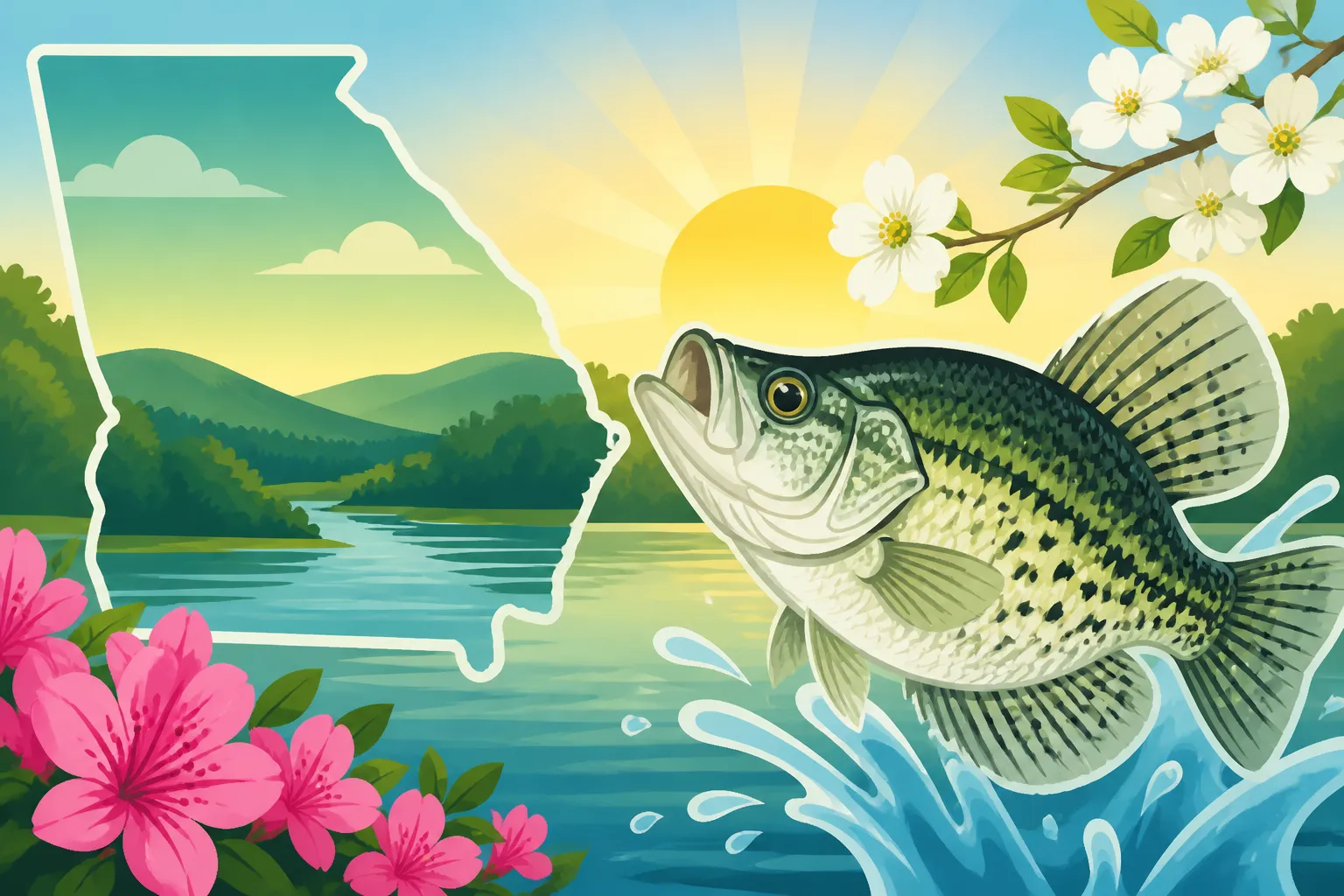
Many anglers in Georgia head out in spring with high hopes of catching crappie, only to sometimes feel like they're missing the secret sauce. It can be frustrating to see others pulling in slabs while you're left wondering if the fish are even biting. This guide is here to shed light on why spring truly is a prime time for crappie fishing in Georgia, offering detailed insights into their behavior and proven techniques to help you make the most of this exciting season.
Why Spring is Unquestionably Prime Crappie Time in Georgia
If you've ever wondered if the hype around spring crappie fishing is real, the answer is a resounding yes! Spring in Georgia offers a unique window of opportunity for crappie anglers, primarily due to the fish's natural reproductive cycle and their increased metabolism as water temperatures rise. It's not just a single event; rather, spring unfolds in distinct phases, each presenting different opportunities for anglers. Understanding these phases is the key to consistent success on the water.
The Pre-Spawn Build-Up
Before crappie commit to their shallow spawning beds, there's a crucial period often referred to as the "pre-spawn." This phase typically occurs when water temperatures begin to climb into the upper 40s and low 50s, signaling to the crappie that winter's dormancy is over. During pre-spawn, crappie are focused on one main thing: feeding aggressively to build up the energy reserves needed for the upcoming rigors of spawning.
You'll often find these fish congregating in staging areas. These are typically slightly deeper pockets or creek channels located just outside of the eventual shallow spawning flats. They might hold on submerged humps, points, or brush piles, waiting for that perfect temperature window. Because they are schooled up and actively feeding, this can be one of the most productive times to catch a lot of crappie in a relatively short period, if you can locate these congregations.
Many seasoned crappie anglers cherish the pre-spawn because the fish are generally less spooky than during the actual spawn, and their aggressive feeding means they're more willing to chase and strike baits. It's a fantastic time for slow-trolling minnow rigs or casting small jigs to cover the edges of these staging areas. Think of it as crappie refueling before the big race – they're hungry, active, and concentrated.
The Spawning Frenzy
This is what most anglers envision when they talk about "spring crappie fishing." Once water temperatures consistently reach the mid-50s to low 60s, crappie move into incredibly shallow water to lay their eggs. This usually happens from late March through April and sometimes extends into May, depending on regional variations and the specific year's weather patterns across Georgia. Male crappie prepare nests, often in water as shallow as one to three feet, near protective cover.
During the spawning frenzy, crappie become highly accessible. They'll fan out beds around flooded timber, cypress knees, lily pad stems, submerged bushes, and even around the pilings of docks and piers. Their primary motivation shifts from pure hunger to territorial defense. This means they'll strike at anything that invades their nesting space, often with surprising aggression, even if they're not actively feeding.
While exciting, this period also requires a bit of finesse. Crappie on the beds can be sensitive to noise and pressure. Light tackle, small jigs, and subtle presentations are often the most effective. Many anglers find success by casting tiny jigs or suspending live minnows directly into or just adjacent to the visible cover. It's a truly unique opportunity to target these fish in numbers, sometimes even sight-fishing for them in clear water.
Post-Spawn Recovery and Feeding
Once the spawn concludes, typically as water temperatures climb into the mid-60s and higher, crappie enter their post-spawn phase. This can sometimes be a more challenging period for anglers, as the fish disperse from the dense shallow spawning grounds. Having expended significant energy during reproduction, crappie are often a bit lethargic and primarily focused on recovery and feeding to regain their strength.
During this phase, crappie will begin to move out of the extreme shallows. They don't usually head straight back to deep wintering holes, but rather transition to slightly deeper cover nearby. This might include the edges of creek channels, deeper brush piles in 5-10 feet of water, or suspended over submerged structure where they can find both food and sanctuary. They are still hungry, but their strikes might be more subtle, requiring a slower presentation.
Anglers often find success by targeting suspended crappie or those holding tight to cover at moderate depths. They're still schooling, though perhaps in looser formations than during pre-spawn. This is a time to experiment with different depths and retrieves, often using a fish finder to locate schools that might be suspended. A slower presentation, perhaps a gently worked jig or a slowly trolled minnow, can often entice these recovering fish.
Understanding Crappie Behavior During Spring
Unlocking the secrets of successful spring crappie fishing goes beyond just knowing when they bite; it involves understanding why they behave the way they do. Their movements and feeding habits are intricately linked to several environmental factors, particularly water temperature and the availability of suitable habitat.
Water Temperature is Key
If there's one overarching factor that dictates crappie behavior throughout the spring, it is unequivocally water temperature. As cold-blooded creatures, crappie's metabolism and activity levels are directly regulated by the temperature of the water they inhabit. As the sun climbs higher in the sky and days grow longer, the shallow waters in Georgia's lakes and rivers begin to warm first, drawing crappie like a magnet. This warming trend is the primary signal for them to transition from their deeper winter haunts.
In early spring, when surface temperatures hover in the high 40s to low 50s, crappie will be staged in those slightly deeper areas, patiently waiting. Once the thermometer hits that sweet spot of mid-50s to low 60s, it's a full-on migration to the shallows for spawning. Conversely, a sudden cold front can drastically impact fishing. A sharp drop in water temperature can send crappie retreating back to deeper, more stable thermal zones, making them lockjawed until conditions improve. How Water Temperature Affects Fish Behavior delves deeper into these physiological responses in fish generally.
Therefore, successful spring crappie anglers are constantly monitoring water temperatures. A simple thermometer on your boat, or even a handheld one easily purchased from Amazon, can be an invaluable tool. Knowing the water temperature helps you predict where crappie are likely to be at any given moment and adjust your tactics accordingly, whether they're hugging bottom in deeper channels or cruising the sun-warmed shallows.
Habitat Preferences Shift
Just like humans prefer different environments for different activities, crappie change their habitat preferences dramatically as spring progresses. In the colder late winter and very early spring, they often seek refuge in deeper creek channels, along submerged humps, or on main lake points where water temperatures are more stable. These areas offer both thermal comfort and easy access to deeper forage.
As the water warms and the pre-spawn begins, their focus shifts to transition zones. They'll stage on the edges of creek channels and deeper brush piles that are a short swim away from the soon-to-be spawning flats. When the water hits prime spawning temperatures, crappie push right into the shallowest, most protected areas. Here, they'll seek out flooded timber, cypress stands, thick lily pad beds, dense brush, and even the root systems of shoreline trees. These spots provide crucial cover for their nests and protection for their eggs and fry. Lakes known for abundant shallow cover, like many of those featured in Best Crappie Lakes in Georgia, really shine during this period.
After the spawn, as they recover, crappie will typically move out of the extreme shallows but won't immediately return to the deepest parts of the lake. Instead, they’ll often suspend in slightly deeper water over submerged structure like standing timber, brush piles, or along ledges of creek channels, where they can recuperate and feed without as much pressure. Being observant of these subtle shifts in preferred habitat is crucial for staying on top of the crappie bite all spring.
Dietary Changes and Feeding Habits
While crappie are always opportunistic feeders, their diet and the intensity of their feeding habits definitely evolve with the spring season. As their metabolism ramps up with warming water, crappie become much more active and aggressive hunters. Their diet primarily consists of small baitfish, with minnows being a top favorite, but they also consume aquatic insects, insect larvae, and small crustaceans.
During the pre-spawn phase, crappie are voracious eaters, actively seeking out forage to build up energy. They're often willing to chase down a variety of baits, from fast-moving jigs to slow-trolled minnows. This is when you can often trigger aggressive strikes from large schools of fish. Post-spawn, while still feeding heavily for recovery, they might prefer a slower, more subtle presentation. A live minnow becomes exceptionally effective here, as it presents an easy, high-protein meal that requires minimal effort from the recovering fish. How to Rig a Minnow for Crappie can help you perfect this essential setup.
The spawning period itself presents a unique feeding dynamic. While crappie will strike at lures during this time, it's often more out of a territorial or protective instinct than pure hunger. This means smaller, sometimes brighter, and more intrusive baits that get right into their nesting area can provoke a strike. Understanding these subtle shifts in their feeding motivations—whether it's pure hunger, recovery feeding, or territorial defense—allows you to select the most appropriate bait and presentation for maximum success.
Effective Spring Crappie Fishing Techniques
Knowing when and why crappie bite in spring is a huge step, but the next logical question is, "How do I actually catch them?" Thankfully, a variety of techniques prove highly effective during the spring, catering to different crappie moods and locations. Adapting your approach based on the phase of spring and the specific cover you're fishing is paramount.
Jigging for Shallow Crappie
When crappie move into the shallows for spawning or are staged just outside it, jigging is an incredibly potent technique. This involves using small, lightweight jigs, typically dressed with soft plastic bodies, feathers, or bucktail. The goal is to present these baits subtly and precisely to crappie holding tight to cover. A light spinning rod with a sensitive tip is often preferred, as it allows you to feel the faintest of bites, which can be crucial when crappie are lethargic. You can find an extensive array of effective jigs and soft plastics, in all colors and sizes, perfect for this technique, readily available on Amazon. For guidance on appropriate gear, consider exploring articles like Best Rods for Crappie Fishing in Georgia.
There are a couple of primary ways to jig for shallow crappie. One popular method is casting a small jig near visible submerged cover – think brush piles, laydown trees, or dock pilings – and retrieving it with a slow, deliberate lift-and-drop motion, mimicking a distressed baitfish. Another highly effective approach is vertical jigging. Once you've located a brush pile or a submerged tree, you simply drop your jig straight down into the cover. This precision allows you to place your bait directly in front of the crappie, often eliciting an immediate strike, especially when they're tightly schooled. How to Jig for Crappie offers an excellent foundational guide to these techniques.
The color of your jig can play a surprisingly significant role. In clear water, naturalistic colors like white, light greens, or clear with silver glitter often perform well. However, in stained or muddy water conditions, brighter "attention-grabbing" colors such as chartreuse, hot pink, or orange tend to be more visible and effective. Always carry a variety of colors and be prepared to experiment; crappie can be notoriously picky on any given day.
Minnow Rigs and Bobbers
Sometimes, despite all the technological advancements in lures, nothing can quite beat the natural appeal of a live minnow. This is especially true when crappie are less aggressive, perhaps during a cold front or in the post-spawn recovery, or when you're fishing suspended crappie at a specific depth. A simple minnow rig combined with a bobber is a time-tested classic that continues to produce excellent results.
The beauty of a bobber setup is its ability to suspend your live minnow at a precise depth, keeping it right in the crappie's strike zone, whether they're holding in a brush pile or suspended freely over a channel. For this rig, you'll typically use a small, sharp hook (sizes #4 to #8 are common), a small split shot weight placed a few inches above the hook, and a bobber sized appropriately for your minnow and fishing conditions. Slip bobbers are particularly versatile, allowing for quick and easy depth adjustments, which is invaluable when searching for crappie at varying levels. Basic yet essential items like quality hooks, bobbers, and split shots are all easily accessible and can be purchased from Amazon.
The effectiveness of a live minnow rig lies in its simplicity and the natural action of the bait. Cast it out, let the minnow swim naturally, and watch your bobber. When it dips, dives, or skims across the surface, you know it's time to set the hook! This technique is also wonderfully engaging for beginner anglers and kids, as the visual aspect of the bobber disappearing creates an exciting anticipation that's hard to beat.
Spider Rigging and Slow Trolling
For anglers who want to cover expansive areas or specifically target deeper, suspended crappie, particularly in the pre-spawn or post-spawn phases, spider rigging and slow trolling are incredibly effective strategies. Spider rigging involves deploying multiple rods (sometimes as many as eight or more, depending on regulations and personal preference) from the front of your boat, creating a "spider web" of lines. Each rod typically presents a minnow rig or a jig at various depths, allowing you to cover a broad swath of water simultaneously.
This technique is excellent for efficiently locating scattered crappie or systematically working large areas with a lot of submerged structure that might otherwise be missed. By setting different depths on each rod, you can quickly pinpoint the exact level at which the crappie are holding. Using your trolling motor to move at a painstakingly slow speed, you present your baits to a maximum number of fish without spooking them. This is often the preferred method on large Georgia reservoirs like Lake Lanier or Clarks Hill when crappie are not concentrated in the very shallow spawning areas.
Slow trolling, a variation of spider rigging, involves pulling just a few rods with jigs or minnows behind the boat. This is especially effective when crappie are suspended in open water or along subtle contour changes. Experimenting with different jig colors, minnow sizes, and depths on each rod allows you to "pattern" the fish – figuring out what they're biting and where. Tightlining Techniques for Crappie can be a great complementary read, as these methodical approaches often go hand-in-hand. This strategic fishing method can transform a slow day into a productive one by systematically searching for active fish throughout the water column.
Where to Find Spring Crappie in Georgia
Even with the best techniques and understanding of crappie behavior, knowing where to direct your efforts is half the battle won. Georgia's diverse waterways offer a variety of habitats that become crappie hotspots during the spring, but they require anglers to be observant and strategic in their approach.
Shallow Coves and Spawning Flats
As the water warms and the crappie's spawning instincts kick in, shallow, protected coves and expansive spawning flats become undeniable magnets for these fish. These areas often feature soft, muddy or sandy bottoms and are abundant with submerged vegetation, woody debris, or even rocky outcrops where crappie can construct their nests. Look for banks that receive ample sunlight, particularly on the northern side of lakes, as these tend to warm up faster than other areas, drawing crappie in earlier.
Focus on locations with gradual slopes that seamlessly transition from deeper creek channels into these shallow flats. Crappie utilize these channels as their highways, moving from their deeper wintering grounds to their chosen spring breeding areas. You'll often find them right up against the shoreline in as little as one to three feet of water, especially during peak spawning times and on bright, sunny days. Consider the backs of major creek arms on Lake Oconee or the numerous protected coves and pockets found throughout Lake Sinclair; these are classic examples of prime spring crappie territory. For specific recommendations, exploring resources like Best Crappie Fishing Spots on Lake Sinclair can provide invaluable local knowledge.
Beyond temperature, these sheltered coves also offer protection from strong winds and currents, allowing the fish to focus on their reproductive activities without expending excessive energy battling the elements. Approach these areas quietly to avoid spooking the fish, and try casting parallel to the bank or making fan casts to thoroughly cover the shallow water.
Brush Piles and Submerged Timber
Crappie have an almost magnetic attraction to structure, and brush piles along with any form of submerged timber are undoubtedly prime real estate for them throughout the spring. These structures offer excellent cover, providing sanctuary from predators and ideal ambush points for unsuspecting baitfish. Whether it's a natural laydown from a fallen tree, a cluster of cypress knees, or a strategically placed man-made brush pile, these spots consistently hold crappie as they transition through their spring phases.
During the pre-spawn, crappie will often stage around the deeper edges of these brush piles, waiting for the ambient water temperature to reach optimal spawning levels. As the spawn intensifies, they will move directly into the densest parts of the timber to build their nests. Post-spawn, as they recover from the rigors of breeding, they often retreat to the slightly deeper sections of these same structures, seeking both recuperation and readily available food. A reliable fish finder is an essential tool here, allowing you to pinpoint these submerged havens precisely. Many dedicated anglers even mark their productive brush piles on their GPS, an indispensable piece of equipment that is readily available on Amazon.
When fishing brush piles, don't be hesitant to get your bait right into the heart of the cover; that's precisely where the crappie are hiding! Employ weedless jigs or a bobber setup to minimize snags. Sometimes, a subtle vertical presentation, gently dropping your bait directly amongst the branches, proves more effective than a cast-and-retrieve method. Patience is paramount when working these spots; you may need to coax the fish into biting.
Dock and Pier Fishing
You don't always need a high-tech bass boat or extensive gear to enjoy phenomenal spring crappie fishing in Georgia. Docks and piers, particularly those situated in shallow coves or conveniently located near deeper channels, can be incredibly productive fishing spots. The pilings and understructures of docks provide essential shade, protective cover, and ideal locations for crappie to congregate, stage, and even spawn.
Many docks on Georgia's numerous lakes have brush piles or other structures intentionally placed beneath them by property owners or thoughtful anglers. These act as irresistible attractors, concentrating crappie within easy reach. Focus on older, permanent docks rather than floating structures, as their fixed pilings offer more stable and long-term cover. If you're fishing public piers, observe where other anglers are having success, and don't hesitate to politely ask for tips; most crappie enthusiasts are more than happy to share their knowledge. For those fishing from the bank or a pier, a sturdy yet sensitive rod and reel combo, which can be easily found and purchased from Amazon, paired with a bucket for minnows and a compact tackle box, is often all the equipment you'll truly need. How to Catch Crappie From a Dock provides more detailed strategies for this accessible method.
When fishing docks, aim to cast small jigs or suspend live minnows directly under the dock, as close to the pilings as possible. Crappie frequently hold tight to these structures, making accurate presentations crucial. On bright, sunny days, the shaded side of a dock can be particularly productive, offering crappie a cooler, darker refuge. Even without a boat, these easily accessible spots can offer some of the most exciting and rewarding crappie action of the spring, providing a perfect opportunity for a relaxing and productive afternoon on the water.
Here is a quick table summarizing the general crappie behavior and recommended tactics during each key phase of the spring season in Georgia:
| Spring Phase | Water Temperature Range | Crappie Location | Key Behavior | Recommended Tactics |
|---|---|---|---|---|
| Pre-Spawn | Upper 40s – Low 50s | Deeper creek channels, adjacent to flats, main lake points | Staging, actively feeding to gain energy | Vertical jigging, slow trolling (jigs/minnows), deeper brush piles |
| Spawning | Mid 50s – Low 60s | Very shallow coves, flooded timber, dock pilings, lily pads | Nesting, territorial, aggressive strikes | Casting small jigs, bobber & minnow, light tackle, stealthy approach |
| Post-Spawn | Mid 60s + | Transition zones, slightly deeper cover, suspended over channels | Recovering, feeding heavily, somewhat dispersed | Spider rigging, slow trolling deeper jigs/minnows, drop-shot rigs |
So, to answer the burning question: Do crappie bite better in spring in Georgia? Absolutely! The combination of gradually warming water, the powerful instinct to spawn, and the subsequent need for aggressive feeding makes spring undeniably one of the most exciting and productive times of the year to chase these popular and delicious panfish. It's a dynamic season that certainly requires anglers to adapt their tactics to changing conditions and crappie movements, but with a little understanding and the right approach, the rewards of a cooler full of slabs are well worth the effort. Happy fishing!
Disclaimer
This article is for general informational purposes only and does not constitute professional advice. Laws, prices and regulations vary by location and change over time. Consult a qualified professional for guidance on your specific situation.