Flint River Shoal Bass Fishing Guide
Many anglers, especially those venturing out for the first time on its storied waters, often find themselves intimidated by the unique challenge of targeting shoal bass on Georgia's Flint River. It’s not your everyday largemouth hunt; these fish are hard-fighting, river-dwelling specialists that demand specific knowledge and techniques. This guide is your ultimate resource for unraveling the secrets of Flint River shoal bass fishing, offering insights into their behavior, the best spots to find them, and the most effective strategies to bring these incredible native fish to hand.
Understanding the Unique Shoal Bass of the Flint River
The shoal bass isn't just another bass; it's a quintessential Georgia native, particularly thriving in the rocky, flowing waters of the Flint River. Anglers who have tangled with them know they possess a spirited fight, often leveraging the river's current to their advantage, making for an unforgettable experience. But before you cast your line, it helps to truly understand what makes this fish tick and how it differs from its more common cousins.
Identification and Characteristics
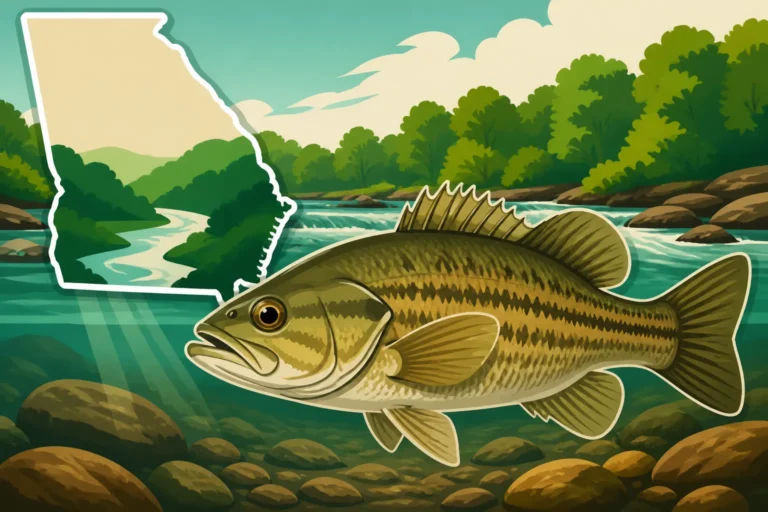
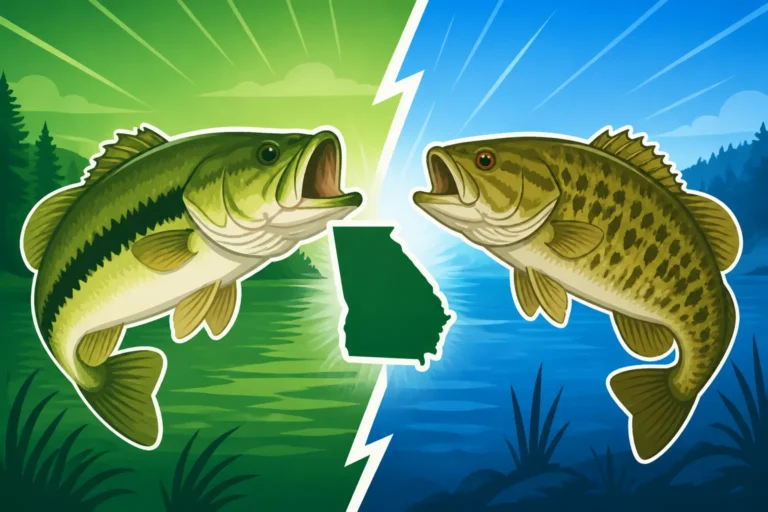
One of the first hurdles for many anglers is simply telling a shoal bass apart from a largemouth or spotted bass, especially when they're excited on the water. Shoal bass, often called "Flint River bass" by locals, have a torpedo-shaped body, perfectly adapted for life in strong currents. They typically have dark, distinct vertical bars or blotches along their sides, which can sometimes fade depending on their environment, but are usually more pronounced than a spotted bass's scattered spots. Unlike the largemouth, the shoal bass's jaw rarely extends past the back of its eye. Its dorsal fin also usually has a continuous, non-separated appearance compared to the deep notch on a largemouth.
Their coloration tends to be darker, often with hints of olive green and bronze, allowing them to blend seamlessly with the rocky river bottom. They possess a surprisingly small mouth for their body size, which is a crucial detail to remember when selecting lures. Knowing How to Identify a Shoal Bass can save you from misidentifying your catch, which is important for adhering to specific regulations. These subtle differences might seem minor, but they hint at a fish perfectly evolved for its specific niche, thriving where other bass species might struggle.
Habitat and Behavior on the Flint
The Flint River is the heartland of the shoal bass, offering the ideal environment for this species to flourish. They absolutely adore current, especially around hard structures like rock shoals, ledges, and fallen timber. You'll rarely find a shoal bass lurking in slow, stagnant backwaters; they prefer to face upstream, waiting for unsuspecting prey to drift by. This preference for current is a key behavioral trait that dictates where and how you should fish for them.
Their diet consists primarily of crayfish, small baitfish like minnows and darters, and aquatic insects. Understanding this diet helps in selecting the right imitations. They are ambush predators, often hiding behind a rock or log, darting out to snatch their meal, and then retreating to cover. This makes understanding river flow and structure paramount to success. Learning Shoal Bass vs Largemouth Bass: Habitat Differences can further refine your approach, highlighting why techniques that work for pond bass might not cut it on the Flint. Pay close attention to eddies, current seams, and any interruption in the flow – these are prime hunting grounds for a hungry shoal bass.
Prime Flint River Shoal Bass Fishing Locations
The Flint River is a long and diverse waterway, stretching from north-central Georgia all the way to the Florida border. Each section presents its own unique challenges and opportunities for targeting shoal bass. It's not a "one size fits all" river, and successful anglers understand the nuances of its different stretches.
Upper Flint River Hotspots
The upper reaches of the Flint River, generally above Lake Blackshear, are often considered the prime territory for trophy shoal bass. This section is characterized by its numerous rocky shoals, rapids, and strong currents – precisely the kind of environment shoal bass thrive in. Public access points can be a bit more limited here, but those who put in the effort are often rewarded with some of the river's biggest and most aggressive fish. The area around Sprewell Bluff Park is a fantastic starting point, offering both wade and kayak access to some excellent stretches of river.
Further upstream, towards Thomaston and even into portions south of Atlanta, smaller tributary creeks feed into the Flint, and while the fish might be smaller on average, their numbers can be impressive. This stretch demands navigating strong currents and can be quite shallow in places, making smaller watercraft like kayaks or canoes, or even wade fishing, the preferred methods. Look for significant rock formations, current breaks, and areas where the river constricts, increasing flow. These are the sweet spots where shoal bass will hold, waiting for their next meal.
Mid-Flint River Challenges and Rewards
As the Flint River flows south of Lake Blackshear and above Lake Seminole, it transitions into a wider, deeper river in many sections, though it still retains significant shoal areas. This mid-section can be a bit more challenging due to its size and fewer pronounced rocky shoals in some stretches, but it still holds excellent populations of shoal bass, often mixed with other species like largemouth and spotted bass. Anglers might need a larger boat here, though smaller craft are still highly effective in shallower, more current-driven areas.
The key here is to seek out remnants of shoals, deep bends with submerged structure, and the mouths of feeder creeks that provide a consistent influx of cooler, oxygenated water. While not as famous for its trophy shoal bass as the upper river, the mid-Flint offers fantastic numbers and consistent action for those who learn to read the water. Remember that these fish are still current-oriented, so even in wider stretches, focus your efforts on areas with noticeable flow, such as around bridge pilings or natural bottlenecks.
Lower Flint River Opportunities
The lower Flint River, as it nears Lake Seminole and the Florida border, transforms into a wider, slower-moving system. While traditional rocky shoals become less common, the river still offers unique opportunities for shoal bass, particularly in areas where limestone outcroppings create similar current breaks and structure. This section is more navigable for larger boats, but don't overlook the power of targeting specific current-laden spots with smaller vessels.
In this region, fallen timber, cypress knees, and deep, scoured-out bends become crucial features. The shoal bass here might adapt slightly to the slower current, holding tighter to cover. They'll often be found in conjunction with other species, making for a diverse fishing experience. This stretch can be particularly productive during cooler months when shoal bass might be less active in the upper, faster currents and seek out slightly deeper, more stable environments. Look for any change in depth or bottom composition, as these variations can concentrate fish. For a comprehensive overview, checking out a Flint River Fishing Guide, Georgia can provide even more localized insights.
Essential Gear and Techniques for Shoal Bass
Successfully targeting shoal bass on the Flint River isn't just about knowing where they live; it's about having the right tools and knowing how to use them. These fish are powerful for their size and live in an environment that can be tough on tackle. Being prepared makes all the difference between a frustrating day and a memorable one.
Rods, Reels, and Line Choices
When it comes to tackle, durability and sensitivity are key. A medium-heavy to heavy action spinning or baitcasting rod, typically 6'6" to 7'6" in length, is ideal. You need enough backbone to handle a strong, current-fighting fish, but enough sensitivity to feel subtle bites in moving water. A fast tip is also beneficial for quick hook sets. Paired with a sturdy reel that has a smooth drag system, you'll be well-equipped. For spinning reels, a 2500-3000 size is a good all-around choice; for baitcasters, anything in the 7:1 to 8:1 gear ratio range will help you pick up slack quickly and keep fish out of snags.
Line choice is critical. Many anglers prefer braided line (20-30 lb test) for its incredible sensitivity and strength, especially when fishing around abrasive rocks and logs. However, braid can be highly visible, so tying on a fluorocarbon leader (10-15 lb test) is often a wise move. Fluorocarbon is nearly invisible underwater and offers excellent abrasion resistance. Alternatively, a high-quality monofilament or fluorocarbon main line (12-17 lb test) can also work, especially in clearer water. The key is to have line that can withstand the rough and tumble nature of river fishing. You can find many great options for specialized river fishing gear on Amazon, often with reviews that highlight their performance in similar conditions.
Top Lures and Baits for Shoal Bass
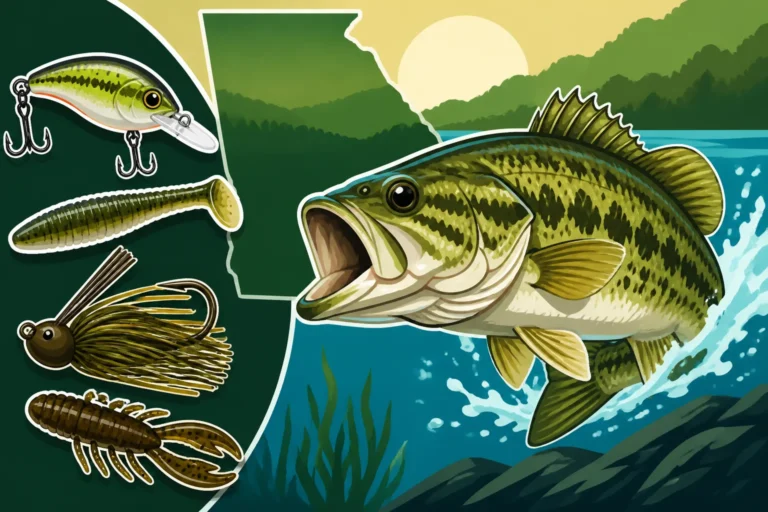
Shoal bass are opportunistic feeders, and while they can be finicky, certain lures consistently produce results. Their diet of crayfish and small baitfish heavily influences lure selection. Creature baits, tubes, and small jigs (1/4 to 3/8 ounce) that imitate crayfish are perennial favorites. Darker colors like green pumpkin, brown, or black and blue tend to work well, mimicking the natural forage. Soft plastic swimbaits or flukes that imitate small minnows, rigged weightless or on a light jighead, can also be deadly when cast into current breaks.
Topwater lures like small poppers, walking baits, or prop baits can trigger explosive strikes, particularly during low-light conditions or when the fish are actively feeding on the surface. Don't forget crankbaits; shallow-diving crankbaits that mimic baitfish or crayfish, especially those with natural patterns, are excellent for covering water and deflecting off rocks. Consider carrying a selection of these, as different conditions or feeding moods might call for a switch. Knowing Best Bait and Lures for Shoal Bass Fishing goes a long way in filling your tackle box effectively. Remember, presentation is often more important than color or brand – getting your lure into the strike zone naturally is paramount.
River-Specific Techniques
Fishing the Flint River for shoal bass requires a tailored approach. Unlike lake fishing, where you might cast to obvious cover, river fishing is all about reading the current and structure. One of the most effective techniques is to cast upstream and allow your lure to drift naturally with the current, retrieving it just fast enough to maintain contact with the bottom or to give it enticing action. This "drift and drag" method is highly effective for jigs and soft plastics.
Target current seams – the line where fast water meets slower water – as these are highways for baitfish and ambush points for bass. Eddy lines behind large rocks or fallen trees are also prime locations where fish can rest out of the main current while waiting for food. Wade fishing allows for a stealthy approach, letting you access spots unreachable by boat. If using a kayak or canoe, position yourself upstream of promising structure and make repeated casts, working your way slowly downstream. When a fish bites, be ready for a powerful fight; they will often try to use the current to pull into snags. Patience and precision in your casts will be amply rewarded on the Flint.
Seasonal Strategies for Flint River Shoal Bass
The Flint River and its resident shoal bass undergo significant changes throughout the year, driven by water temperature, flow rates, and spawning cycles. Adapting your strategy to the season isn't just helpful; it's absolutely essential for consistent success. What works in April might be completely ineffective in August.
Springtime Spawning Action
Spring on the Flint River, typically from March through May, is a highly anticipated time for shoal bass anglers. As water temperatures climb into the 60s, these fish begin their annual spawning ritual. They move from deeper wintering holes into shallower, gravelly areas with moderate current to build nests. This period sees some of the most aggressive fishing, as male shoal bass become highly territorial and protective of their beds.
During the pre-spawn phase, fish are actively feeding to bulk up for the spawn. Medium-diving crankbaits, spinnerbaits, and larger jigs are excellent for covering water and enticing these hungry fish. Once the spawn begins, sight fishing for fish on beds can be productive, though it's crucial to practice ethical catch-and-release to protect the future of the fishery. Post-spawn, fish will be recovering and can be found slightly deeper, near structure, as they regain their strength. Understanding these phases is key, and it directly influences where Shoal Bass Size: What to Expect on the Flint River might be at its peak.
Summer Heat Tactics
Georgia summers can be brutal, and the Flint River is no exception. As water temperatures soar, shoal bass often become more lethargic during the brightest, hottest parts of the day. This doesn't mean they stop feeding, but their activity patterns shift. Early mornings, late evenings, and even night fishing become prime windows of opportunity. During the day, they'll retreat to deeper, cooler pockets of water, seeking shade under thick canopy, submerged logs, or within deep rock crevices.
Your tactics should shift to target these cooler, more oxygenated areas. Heavy jigs, Texas-rigged worms, or drop-shot rigs fished slowly and precisely into tight cover can be highly effective. Topwater action can still be fantastic at dawn and dusk. Consider using baits that generate a lot of vibration or scent to draw fish out of heavy cover. Pay close attention to feeder creeks that bring in cooler water, as these can be magnets for bass trying to escape the heat. Staying hydrated and being mindful of the heat yourself is just as important as your fishing strategy.
Fall Feeding Frenzy
Autumn on the Flint River is a magical time for shoal bass. As temperatures cool and days shorten, the fish enter a prime feeding period, aggressively trying to pack on weight before winter. The moderate water temperatures often mean fish are active throughout the day, making for excellent fishing. Baitfish become more active, and crayfish are still abundant, providing ample forage.
This is a fantastic time for covering water with moving baits. Spinnerbaits, buzzbaits, and shallow- to medium-diving crankbaits in natural or shad patterns can be incredibly productive. Shoal bass will be actively hunting in the current, often grouping up in strategic locations. Look for areas where schools of baitfish are present, as the bass won't be far behind. The cooler, clearer water also makes it easier to sight-fish for aggressive individuals holding on prominent structure. This is often the time when you can expect some of the largest, healthiest fish of the year.
Conservation and Regulations for Shoal Bass
The shoal bass is a precious natural resource, a truly unique native species of the Flint River system. As anglers, it's our responsibility to ensure their populations remain healthy for future generations. Understanding and adhering to conservation practices and regulations is paramount to the long-term enjoyment of this fantastic fishery. Georgia's Department of Natural Resources (DNR) works hard to manage these populations, and responsible angling plays a vital role.
Size and Creel Limits Specific to Shoal Bass
It's critical to be aware of the specific regulations for shoal bass, as they can differ from those for other black bass species. For instance, while there might be a general statewide bass limit, the Flint River often has special provisions for shoal bass. Currently, many parts of the Flint River have a specific Shoal bass minimum length in Georgia that ensures enough fish reach maturity to spawn. Additionally, there are specific daily creel (keep) limits, dictating how many shoal bass you can retain.
Always check the current Georgia fishing regulations before heading out, as these rules can change. For example, some sections of the river, especially the upper Flint, may have slot limits or catch-and-release-only designations for certain periods or stretches to protect the trophy potential of the fishery. There's even a Flint River Shoal Bass Size Limit Exception in certain areas. These regulations are designed to sustain the population, allowing fish to grow to a healthy size and reproduce. Ignorance of the law is no excuse, and violating these rules can result in penalties.
Catch and Release Best Practices
Because shoal bass are such a treasured species, practicing proper catch and release is highly encouraged, especially for larger breeding-size fish. Even if you plan to keep a few for a meal, handling fish carefully ensures the survival of those you release. Here are some key tips:
- Minimize Handling: Try to keep the fish in the water as much as possible. If you must handle it, do so with wet hands to protect its slime coat, which acts as a protective barrier against disease.
- Barbless Hooks: Consider using barbless hooks or crimping the barbs on your trebles. This makes hook removal quicker and less damaging to the fish's mouth.
- Quick Hook Removal: Use needle-nose pliers or a hook remover tool to extract the hook swiftly. If the fish is deeply hooked, especially in the gills, it might be better to cut the line as close to the hook as possible rather than tearing vital organs.
- Support the Fish: When holding a fish for a quick photo, support its body horizontally. Avoid holding large fish vertically by the jaw only, as this can damage their spine and internal organs.
- Revive Gently: If a fish appears stressed or has fought hard, gently hold it upright in the current, facing upstream, until it swims away under its own power. Don't throw it back into the river; ensure it's ready.
Protecting the Shoal Bass Ecosystem
Our enjoyment of the Flint River and its shoal bass is directly tied to the health of the entire ecosystem. As responsible anglers, we can do our part to protect it. This means practicing "Leave No Trace" principles: pack out everything you pack in, including all fishing line, bait containers, and trash. Avoid introducing invasive species by cleaning your boat, waders, and gear before moving between different waterways.
Supporting local conservation efforts and being aware of broader environmental issues affecting the Flint River are also important. The health of the river, from its water quality to the integrity of its shoals and riparian zones, directly impacts the shoal bass. By being mindful anglers and stewards of this incredible natural resource, we ensure that the Flint River continues to be a vibrant home for shoal bass for many years to come.
Here's a quick comparison of seasonal considerations for targeting shoal bass:
| Season | Typical Water Temp Range | Primary Forage | Ideal Lure Types | Key Behavior | Challenges |
|---|---|---|---|---|---|
| Spring | 55-70°F (13-21°C) | Crayfish, Minnows | Jigs, Crankbaits, Spinnerbaits, Soft Plastics | Pre-spawn feeding, Spawning, Post-spawn recovery | Variable weather, High water post-rain |
| Summer | 70-85°F (21-29°C) | Crayfish, Small Baitfish | Heavy Jigs, Texas Rigs, Topwater (low light) | Seek shade, deeper, cooler water; low light feeding | Intense heat, Lower dissolved oxygen |
| Fall | 60-70°F (16-21°C) | Crayfish, Baitfish | Crankbaits, Spinnerbaits, Jigs, Topwater | Aggressive feeding for winter, schooling | Water level fluctuations, Cold fronts |
| Winter | 45-55°F (7-13°C) | Crayfish, Slow Baitfish | Slow-moving Jigs, Finesse Worms, Blade Baits | Slower metabolism, seek deeper pools | Cold temps, Slower bite, Limited access |
Best Fishing Access Points on the Flint River are out there, and with the right approach, you can have a truly rewarding experience. Whether you're a seasoned angler or just starting out, the Flint River offers a unique opportunity to connect with one of Georgia's most dynamic native fish. Take the time to understand the nuances of this special river, equip yourself with the right gear – you can find a lot of essential items, from waders to specialized lures, available on Amazon – and respect the resource. You'll soon discover why the shoal bass is such a revered game fish among Georgia's angling community. If you're looking to explore other species in the state, understanding Georgia Fish Species: A Complete Guide to What's Swimming in Your Lakes can broaden your horizons.
Where to Catch Shoal Bass in Georgia's Rivers is often a matter of reading the water and adapting to the specific conditions you encounter. Remember that the Flint River is ever-changing, and the best spots can shift with water levels and current. What remains constant is the thrill of the chase and the powerful fight of a true Georgia native.
Disclaimer
This article is for general informational purposes only and does not constitute professional advice. Laws, prices and regulations vary by location and change over time. Consult a qualified professional for guidance on your specific situation.