Best Rods for Crappie Fishing in Georgia
Oh, the quest for the perfect crappie rod in Georgia! It’s a struggle many of us face, isn't it? You walk into a tackle shop or browse online, and the sheer number of options can make your head spin. How do you choose the rod that will truly help you feel those subtle crappie bites and bring those slabs to the boat or bank? This guide is here to cut through the confusion and help you select the ideal rods for chasing crappie in Georgia's diverse lakes and rivers.
Understanding Crappie Rod Characteristics
Before you even think about what brand or model to buy, it’s crucial to understand the fundamental characteristics that define a crappie rod. Crappie are delicate biters, often just mouthing the bait, so sensitivity is king. But you also need the right amount of backbone to set the hook and guide them through cover. It's a delicate balance, and knowing these terms will empower you to make an informed decision.
Rod Length Considerations
The length of your crappie rod makes a huge difference in how you fish and where you can effectively present your bait. Shorter rods, typically in the 5 to 6-foot range, are fantastic for close-quarters jigging, especially if you're fishing from a kayak, a tight spot in a jon boat, or around heavy brush piles. They offer excellent control and sensitivity, allowing you to feel every tap. On the other hand, longer rods, stretching from 9 up to even 16 feet or more, become essential for techniques like spider rigging or single-pole trolling, where you need to spread out multiple lines or reach distant cover from a boat. They help you keep your bait away from the boat and provide more leverage for fighting fish or working around obstacles. Imagine trying to cast a tiny jig accurately under an overhanging tree with a 10-foot rod – it's a nightmare! Conversely, trying to spider rig with a 6-foot rod is just as impractical.
Rod Power and Action Explained
This is where many anglers get tangled up. "Power" refers to the rod's lifting strength or how much pressure it takes to bend the blank. For crappie, you're almost always looking for ultra-light or light power rods. These rods are designed for lighter lines and smaller lures, allowing the rod to load properly when a crappie takes the bait, preventing the fish from feeling too much resistance and dropping it. "Action" describes where the rod bends along its length when pressure is applied. A "fast" action rod bends mostly near the tip, offering maximum sensitivity and quick hook sets, which is perfect for detecting those subtle crappie nibbles. "Moderate" or "slow" action rods bend further down the blank, providing more give and cushioning for lighter lines, reducing the chance of tearing the hook out of a crappie's paper-thin mouth. Many crappie anglers prefer a fast or extra-fast action tip paired with a light or ultra-light power for that perfect blend of sensitivity and forgiving flex. You can read more about Best Rod Length for Crappie Jigging for a deeper dive into specific setups.
Rod Material Matters
The material a rod is made from directly impacts its weight, sensitivity, and durability. Historically, fiberglass rods were the norm. They are incredibly durable, forgiving, and often more affordable, making them a good choice for beginners or for techniques where durability is key, like trolling in dense cover. However, fiberglass tends to be heavier and less sensitive, which can be a drawback for feeling those light crappie bites. Graphite rods, on the other hand, are the go-to for serious crappie anglers. They are much lighter, incredibly sensitive, and allow you to feel even the faintest of bites. The drawback is that they can be more brittle and prone to breakage if mishandled, especially ultra-light models. Many manufacturers now offer composite rods, which blend fiberglass and graphite. These composites aim to give you the best of both worlds: good sensitivity from the graphite and added durability and forgiveness from the fiberglass. When you're spending a full day on the water, that lighter weight of a graphite rod makes a huge difference in fatigue, and the enhanced sensitivity can mean the difference between catching a limit and going home empty-handed.
Popular Crappie Fishing Techniques and Corresponding Rods
Crappie fishing isn't a one-size-fits-all endeavor. There are myriad ways to catch these delicious panfish, and each technique often calls for a specific type of rod to maximize its effectiveness. Understanding these pairings is key to building a versatile crappie arsenal.
Jigging Rods for Vertical Presentations
When crappie are stacked tight to structure, whether it's submerged brush, bridge pilings, or a timber line, vertical jigging is often the most effective method. For this technique, you want a short, sensitive rod, typically between 5 and 7 feet. The key here is an ultra-light power with a fast or extra-fast action tip. This allows you to impart subtle action to your small jigs, detect the softest "thumps" or "ticks" as a crappie mouths the bait, and still have enough backbone to set the hook. Imagine dropping a 1/32-ounce jig down to a brush pile on Lake Sinclair. That sensitive tip is what tells you exactly what your bait is doing and when a fish breathes on it. Many anglers prefer a shorter handle on these rods as well, allowing for more comfortable wrist action when working the jig. Bass Pro Shops often has a great selection of these specialized jigging rods, designed specifically for that nuanced crappie bite. You can learn more about How to Jig for Crappie to perfect your technique.
Casting Rods for Single Pole and Spider Rigging
"Single poling" involves casting a jig or minnow rig to individual pieces of cover, letting it sink, and working it back slowly. For this, a slightly longer spinning rod, often 7 to 9 feet, offers the casting distance and accuracy needed to hit those sweet spots without spooking the fish. Look for a light to medium-light power with a fast to moderate-fast action. This provides enough power for a decent cast while still retaining sensitivity for the retrieve.
Spider rigging, on the other hand, is a boat-based technique where you use multiple long rods, often 10 to 16 feet, fanned out around the boat while slowly moving. This allows you to cover a wide area and present several baits at different depths simultaneously. These rods are usually medium-light power with a moderate or slow action. The moderate action helps absorb the shock of a fish strike on a slack line and keeps the crappie from throwing the hook during the retrieve, especially with many lines out. The length keeps your lines separated and your bait away from the boat, providing a natural presentation. The sheer number of rods used in spider rigging means durability is a factor, so many spider rigging rods lean towards composite or even fiberglass constructions.
Trolling and Pushing Rods for Covering Water
Trolling for crappie involves dragging jigs or crankbaits behind a slowly moving boat, often using multiple rods spread out wide. Pushing is a variation where you use much longer rods, up to 20 feet or more, to hold baits out in front of the boat while moving very slowly. For both techniques, you need rods that are long enough to spread your lines, usually 8 to 14 feet, but also have enough backbone to handle the drag of lures and the potential for a larger crappie. A medium-light power with a moderate action is ideal. The moderate action allows the rod to absorb the shock of a strike without ripping the bait out of the fish's mouth, and it provides a good visual indicator when a fish takes the bait, as the tip will dip steadily. Trolling and pushing rods need to be robust enough to withstand being in rod holders all day and durable enough to handle constant action.
Choosing the Right Reel and Line for Your Crappie Rod
A great crappie rod is only part of the equation; it needs to be perfectly balanced with the right reel and line to create an effective and enjoyable fishing system. Skimping on one part can compromise the performance of the others, leading to frustration on the water.
Spinning vs. Spincasting Reels for Crappie
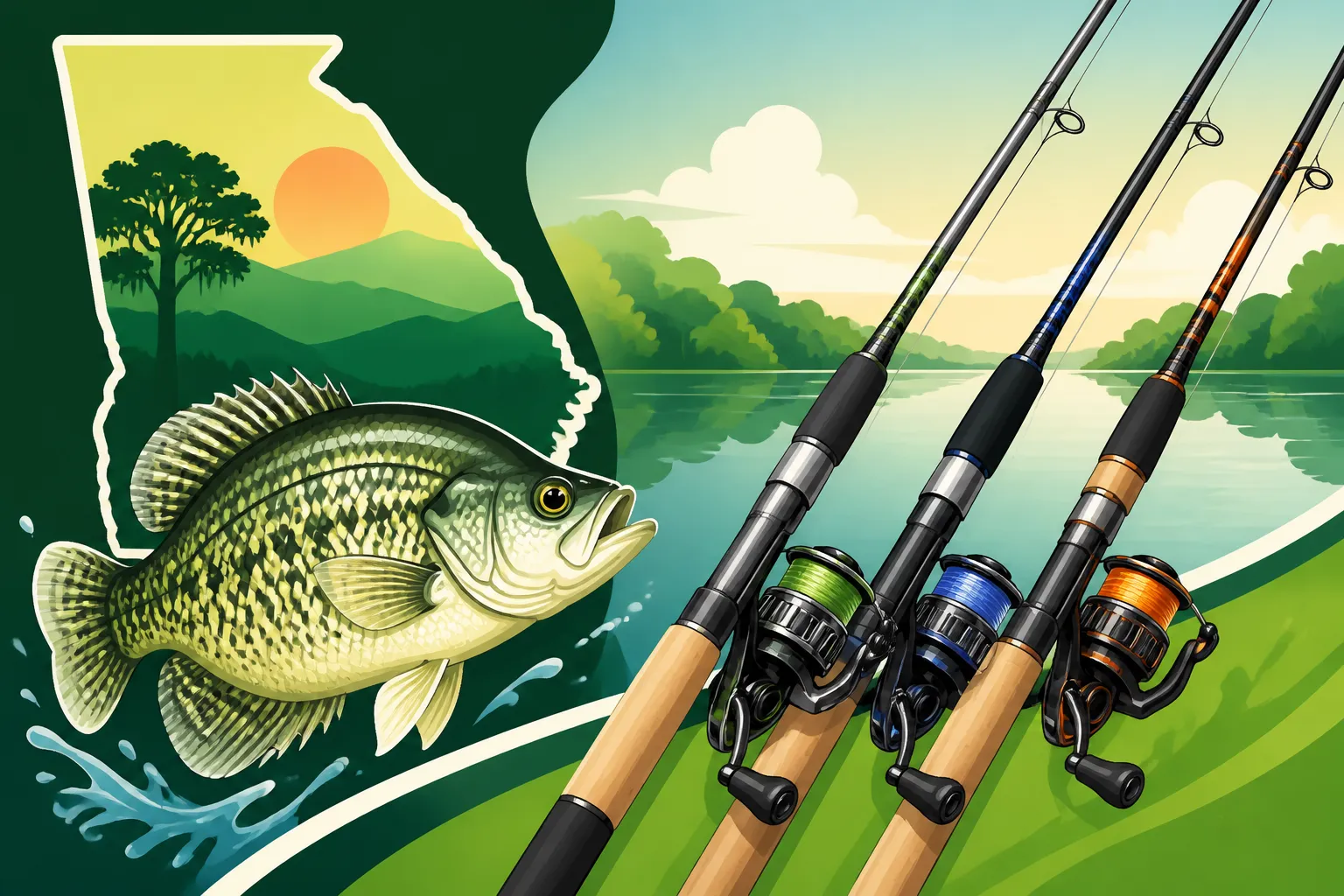
For crappie fishing, spinning reels are overwhelmingly the preferred choice, and for good reason. They excel at casting light jigs and baits, which are the bread and butter of crappie angling. Their open-face design allows for smooth line flow and minimal resistance, enabling longer, more accurate casts with tiny lures. The drag systems on spinning reels are also typically smoother and more adjustable, which is crucial when you're fighting a crappie on ultra-light line and don't want to break off. You'll generally want a small, ultra-light spinning reel (a 500 or 1000 series is often perfect) to match the light power of your crappie rod, ensuring a balanced setup that won't feel tip-heavy. Many experienced anglers find that investing in a good quality spinning reel pays dividends in overall performance and longevity.
Spincasting reels, while popular for beginners due to their ease of use and tangle-free casting, are less ideal for crappie. Their enclosed design creates more friction on the line, limiting casting distance and sensitivity with very light baits. The drag systems are also often less refined. While perfectly fine for teaching a child how to fish for bluegill, if you're serious about feeling those subtle crappie bites and making precise presentations, a spinning reel is the way to go. Consider what you’ll be targeting: for Bream and Bluegill Fishing for Beginners, spincasting might be okay, but for crappie, step up to a spinning reel.
Line Types and Strengths
Selecting the right fishing line is just as critical as choosing the rod and reel. For crappie, line strength is generally light, typically ranging from 4 to 8-pound test. Anything heavier starts to impede the natural action of your tiny jigs and reduces sensitivity.
- Monofilament: This is a traditional choice, and it's still very popular for crappie. Monofilament line is affordable, has good knot strength, and offers a good amount of stretch. That stretch can be a real advantage when a crappie hits hard, acting like a shock absorber and preventing hooks from tearing free from their delicate mouths. However, monofilament can suffer from memory (coiling), and its stretch also means it's less sensitive than other options.
- Fluorocarbon: Fluorocarbon is known for its low visibility underwater, making it a stealthy choice, especially in clear water conditions like many North Georgia reservoirs. It also has less stretch than monofilament, which translates to increased sensitivity and more solid hook sets. The downside is that it can be a bit stiffer and generally more expensive. Some anglers use fluorocarbon leaders with a braided main line.
- Braided Line: Braided line offers superior strength for its diameter, has virtually no stretch (providing incredible sensitivity), and casts exceptionally well. However, it is highly visible underwater, which can spook wary crappie. For this reason, many crappie anglers who use braid will tie on a fluorocarbon or monofilament leader, often 2-4 feet long, to the end of their braid. This gives them the sensitivity and strength of braid while maintaining a stealthy presentation. When you're trying to detect that barely-there bite on Lake Oconee, the sensitivity of braided line with a fluorocarbon leader can make all the difference.
Here’s a quick overview of line types for crappie:
| Line Type | Pros | Cons | Best Use |
|---|---|---|---|
| Monofilament | Affordable, good knot strength, stretchy | Less sensitive, visible, can have memory | All-around, forgiving, especially with live bait |
| Fluorocarbon | Low visibility, sensitive, less stretch | Stiffer, more expensive | Clear water, jigging, sensitive presentations |
| Braided Line | Highly sensitive, strong, no stretch | Very visible, needs leader | Feeling light bites, heavy cover (with leader) |
Specialized Crappie Rod Setups for Georgia's Diverse Waters
Georgia is a crappie angler's paradise, offering everything from vast, deep reservoirs to winding rivers and quiet farm ponds. The "best" rod setup can dramatically change depending on where you're fishing. What works on Lake Lanier might be overkill for a small pond, and vice versa.
Lake Lanier and Big Reservoir Crappie Rods
When you're out on sprawling impoundments like Lake Lanier, Lake Oconee, or Clarks Hill Lake, you're often dealing with deeper water, open expanses, and crappie that might be suspended or relating to extensive underwater brush piles and timber. For these environments, versatility is key, and you'll likely want a few different rod types.
For single-pole jigging around structure, a 6 to 7-foot ultra-light or light power spinning rod with a fast action tip is ideal. This allows for precise drops and maximum sensitivity to feel those subtle bites in deeper water. Many anglers will pair this with 4-6 pound fluorocarbon or braided line with a fluorocarbon leader for maximum stealth and feel. When crappie are holding tight to brush on the bottom, that sensitivity is crucial. How to Find Crappie Around Brush Piles can help you locate these spots.
For spider rigging or long-lining from a boat, you'll want multiple longer rods, typically 10 to 16 feet, with a medium-light power and a moderate action. These rods, often deployed in rod holders, allow you to present several jigs or minnow rigs at varying depths and cover a wider swath of water while moving slowly. The length keeps your lines from tangling and your baits away from the boat, which is essential on large, clear reservoirs where crappie can be spooky. You can find excellent multi-rod holders and longer crappie poles at retailers like Bass Pro Shops, which are perfect for a full spread on big lakes.
River and Pond Crappie Rods
River and pond fishing for crappie often presents different challenges and opportunities than the big reservoirs. Rivers might have current, snags, and shallower water, while ponds are typically smaller, more intimate, and often contain less pressured fish.
For river fishing, where current and submerged logs are common, you might lean towards rods with a little more backbone. A 6.5 to 7.5-foot light to medium-light power spinning rod with a moderate-fast action can give you the sensitivity for crappie but enough power to steer them away from snags. If you're casting to eddies or around downed trees, a rod that handles 6-8 pound line well will be beneficial. You want something that offers control but can still make accurate casts into tight pockets.
In smaller ponds, you often don't need the extreme lengths or specialized setups. A versatile 5.5 to 7-foot ultra-light or light power spinning rod with a fast action is usually perfect. This rod will handle small jigs, minnows under a bobber, or even micro crankbaits. The shorter length is great for casting in areas with overhanging trees or tight banks, and the sensitivity will help you detect bites from crappie that might be less aggressive than their reservoir cousins. For kids or beginners, a slightly more forgiving, moderate action rod in this length range can also be a great choice, allowing them to feel the fight without worrying too much about tearing the hook out. Remember, for beginners, Easiest Fish for Kids to Catch often includes crappie due to their willingness to bite.
Maintaining Your Crappie Rods for Longevity
You've invested time and money into finding the perfect crappie rods, so taking care of them is paramount. Proper maintenance doesn't just extend the life of your gear; it ensures they perform at their best every time you hit the water, protecting your investment and preventing frustrating failures.
Cleaning and Storage Tips
After a successful day of chasing crappie on the water, especially if you've been in saltwater or brackish water, giving your rods a quick rinse is non-negotiable. Even freshwater fishing can expose your gear to dirt, pollen, and fish slime, which can degrade components over time.
Start by wiping down the rod blank with a damp cloth to remove any grime. Pay special attention to the guides, as salt, dirt, or even dried fish blood can build up and create abrasive points that will fray your line. A soft brush, like an old toothbrush, can be helpful for cleaning inside the guide rings. Make sure to rinse the reel seats as well, ensuring no grit gets into the locking mechanism. Once clean, dry everything thoroughly with a clean towel. Never store your rods while they are still wet, as this can lead to corrosion on guides and reel seats, and even mildew on cork handles.
For storage, standing your rods upright in a rod rack is ideal, keeping them straight and preventing any warping or bending of the blank. If you lay them down, make sure they are not leaning against anything that could put pressure on the blank and cause a permanent curve. Storing them in a cool, dry place, away from direct sunlight and extreme temperatures, will prevent the degradation of materials like epoxy and graphite. If your rods came with a cloth sock or case, use it! These help prevent scratches and dings when transporting or storing multiple rods.
Checking for Wear and Tear
Regularly inspecting your crappie rods for wear and tear can save you a lot of heartache and missed fish. The most critical components to check are the guides. Run a cotton swab or a piece of an old nylon stocking around the inside of each guide ring. If it snags or frays, it means there's a crack or groove in the guide, which will quickly damage your fishing line. Damaged guides need to be repaired or replaced immediately to avoid losing fish to frayed line.
Also, examine the rod blank for any nicks, scratches, or stress cracks, especially near the ferrules (where multi-piece rods connect) or around the guide wraps. Even a small crack can compromise the rod's integrity and lead to a catastrophic break under pressure. Check the reel seat for any looseness or corrosion, ensuring your reel will stay securely fastened. Finally, inspect the cork or EVA foam handle for excessive wear or damage. While cosmetic, a damaged handle can become uncomfortable during a long day of fishing. Catching crappie often means repeat casting, jigging, or retrieving, so a comfortable handle is important. A quick check after each trip, or at least before and after the season, can extend the life of your prized crappie rods significantly and ensure they're ready for your next adventure. You might even want to check your entire Tackle Box Setup for Crappie Fishing while you're at it!
Disclaimer
This article is for general informational purposes only and does not constitute professional advice. Laws, prices and regulations vary by location and change over time. Consult a qualified professional for guidance on your specific situation.