Is Channel Catfish Good to Eat?
You’ve probably heard the old wives’ tales, or maybe you’ve even had a less-than-stellar experience yourself: "Catfish tastes muddy," or "It's just a bottom feeder, not really good for eating." These notions can lead a lot of otherwise adventurous anglers to shy away from one of Georgia's most abundant and exciting game fish. But let me tell you, friend, when prepared correctly, channel catfish can be an incredibly delicious, versatile, and lean protein for your dinner table. This guide is here to cut through the myths and show you why channel catfish deserves a prime spot in your culinary repertoire, offering tips on everything from cleaning to cooking to truly savoring your catch.
The Culinary Reputation of Channel Catfish
For decades, channel catfish has carried a bit of a mixed reputation. In some parts of the South, it's a revered staple, celebrated in fish fries and family gatherings. In others, it's often overlooked, misunderstood, or even actively avoided. This divergence in opinion often stems from a few key factors, largely revolving around the source of the fish and how it's handled post-catch. It's a shame, really, because the vast majority of these hesitations can be easily addressed or are simply based on outdated information.
Dispelling Common Misconceptions
Let's tackle the biggest myth head-on: the "muddy" taste. Many people believe all catfish inherently taste like the bottom of a pond. While it's true that a wild-caught channel catfish from stagnant, warm, or muddy water can sometimes have an earthy or "off" flavor, this isn't a universal truth. The taste is primarily influenced by the fish's diet and its environment. Catfish from cleaner, flowing waters with a varied diet of insects, crustaceans, and smaller fish tend to have a much cleaner, milder flavor.
Another misconception often ties into the idea of "bottom feeders." While channel catfish do forage along the bottom, they are also opportunistic predators, actively hunting and feeding throughout the water column. Their diet is diverse, and modern aquaculture practices for farm-raised catfish ensure a consistent, high-quality feed, eliminating any "muddy" taste concerns entirely. For wild Georgia catfish, choosing your fishing spots wisely and understanding the local water quality can make a huge difference in the eating experience.
Furthermore, some believe that larger channel catfish are inherently better or worse tasting. Generally, medium-sized channel catfish, often in the 1-5 pound range, are considered the prime candidates for the dinner table. They tend to have the best balance of flaky texture and mild flavor. Very large, older catfish can sometimes develop a tougher texture or a stronger, more pronounced flavor that some anglers find less desirable, though this is also highly dependent on the individual fish and its environment.
Why Some Anglers Love It (and Others Don't)
So, what makes some anglers absolutely rave about channel catfish, while others remain unconvinced? It often boils down to experience, proper handling, and cooking techniques. Those who love it have usually learned the tricks of the trade: how to select the right fish, how to clean it meticulously, and how to cook it in a way that truly highlights its best qualities. They know that a fresh, properly prepared channel catfish offers a delightful dining experience.
On the other hand, negative experiences often arise from improper handling. If a fish isn't bled immediately after being caught, or if it's left to sit in warm water or on ice for too long before cleaning, undesirable flavors can develop. Similarly, inadequate cleaning, like not removing all the dark red meat or the thin layer of fat beneath the skin, can contribute to a stronger, more "fishy" taste. These are not inherent flaws of the channel catfish itself, but rather issues related to post-catch care.
Ultimately, the love or disdain for channel catfish often comes down to individual preference and familiarity. With a little knowledge and effort, anyone can transform a fresh Georgia channel catfish into a fantastic meal that will challenge any lingering doubts. It’s all about respecting the catch and understanding how to bring out its best.
Taste and Texture Profile
When you're considering adding a new fish to your menu, knowing what to expect in terms of flavor and consistency is key. Channel catfish, particularly those from clean water, offer a distinct and appealing profile that can surprise those who have only heard the negative rumors. It's not just "fish," it's a unique and enjoyable culinary experience waiting to be discovered.
What to Expect from Channel Catfish Flavor
Forget everything you think you know about catfish flavor. A well-prepared channel catfish boasts a mild, delicate, and often subtly sweet flavor that is a far cry from the "muddy" taste some people fear. It's a clean-tasting white fish, akin to cod or tilapia in its versatility, yet with its own signature character. The flavor isn't overpowering, making it an excellent canvas for a wide range of seasonings and cooking styles. You won't find the strong, oily flavor often associated with some saltwater fish or even certain freshwater species like some larger striped bass.
This mildness is one of its greatest strengths, as it appeals to a broad palate, even those who might claim they "don't like fish." The subtle sweetness often comes through when the fish has been feeding on a healthy diet in clean, flowing waters. Think of it as a gentle whisper of flavor, rather than a shout. This is why it pairs so well with traditional Southern preparations, where a crispy crust or a zesty sauce can complement without overwhelming the natural taste of the fish.
Compare it to other common Georgia catches like largemouth bass or crappie, and you'll find channel catfish holds its own. While bass might have a slightly firmer, more "gamey" taste and crappie a famously delicate sweetness, channel catfish offers a beautiful middle ground – accessible, pleasant, and consistently delicious when given the right treatment. For more on different species, check out Channel Catfish vs Blue Catfish: Key Differences.
The Desirable Flaky, Firm Texture
Beyond flavor, the texture of channel catfish is another significant selling point. Cooked properly, it yields a moist, tender, and flaky white flesh that holds together beautifully. It’s not mushy or overly soft, which can be a turn-off for some fish eaters. Instead, it offers a satisfying firmness that flakes apart easily with a fork, indicating it's perfectly done.
The texture can vary slightly depending on the size of the fish. Smaller, pan-sized catfish (around 1-2 pounds) often have a slightly more delicate texture, while those in the 3-5 pound range tend to be a bit firmer and meatier. Larger fish, as mentioned before, can sometimes be tougher, which is another reason why many anglers prefer targeting those mid-range sizes for eating. However, even larger catfish, when slow-cooked or prepared in specific ways like smoking, can be incredibly tender.
To achieve that desirable flaky, firm texture, it's crucial not to overcook the fish. Like most lean white fish, channel catfish cooks relatively quickly. Whether you’re frying, baking, or grilling, pay attention to the cooking time to ensure the flesh remains moist and tender, never dry or rubbery. A properly cooked piece of channel catfish is truly a treat, offering a fantastic mouthfeel that complements its mild flavor perfectly.
Preparing Channel Catfish for the Table
The journey from the hook to the dinner plate is critical for any fish, and channel catfish is no exception. Proper preparation starts moments after the catch and continues right through the kitchen. Taking the time to clean and cook your catfish correctly will pay dividends in flavor and texture, ensuring a delicious meal every time.
Best Practices for Cleaning and Filleting
The first step to a great-tasting channel catfish begins as soon as you land it. Many seasoned anglers will tell you the secret to removing any potential "muddy" taste is to bleed the fish immediately. This helps drain the blood from the flesh, which can otherwise contribute to stronger, less desirable flavors. A quick cut to the gills and letting the fish bleed out in a bucket of water or on ice can make a significant difference. Then, get it on ice quickly to chill the meat and preserve its freshness.
Once you’re ready to clean, skinning is key. Channel catfish have tough, scaleless skin that is generally removed before cooking. You can use a dedicated skinning tool, a sharp knife, or pliers to peel it off. If you’re not comfortable with the process, many bait shops or processing facilities offer skinning services. After skinning, gut the fish and then fillet it. When filleting, pay close attention to the thin, dark red strip of meat that often runs along the lateral line. This "bloodline" can have a stronger, fishier flavor, so it's best to carefully trim it away from the white flesh. This step is crucial for achieving that mild, clean flavor.
Finally, give your fillets a good rinse in cold water and pat them dry with paper towels. Some folks like to soak their fillets in buttermilk or a saltwater brine for a short period (30 minutes to an hour) before cooking. This isn’t strictly necessary if you’ve bled and cleaned the fish well, but some believe it further tenderizes the meat and can draw out any lingering off-flavors. Once clean and dry, your beautiful white fillets are ready for their culinary adventure!
Popular Cooking Methods That Enhance Flavor
Channel catfish is incredibly versatile in the kitchen, adapting well to a variety of cooking methods. Each method brings out a slightly different aspect of its flavor and texture, so don't be afraid to experiment!
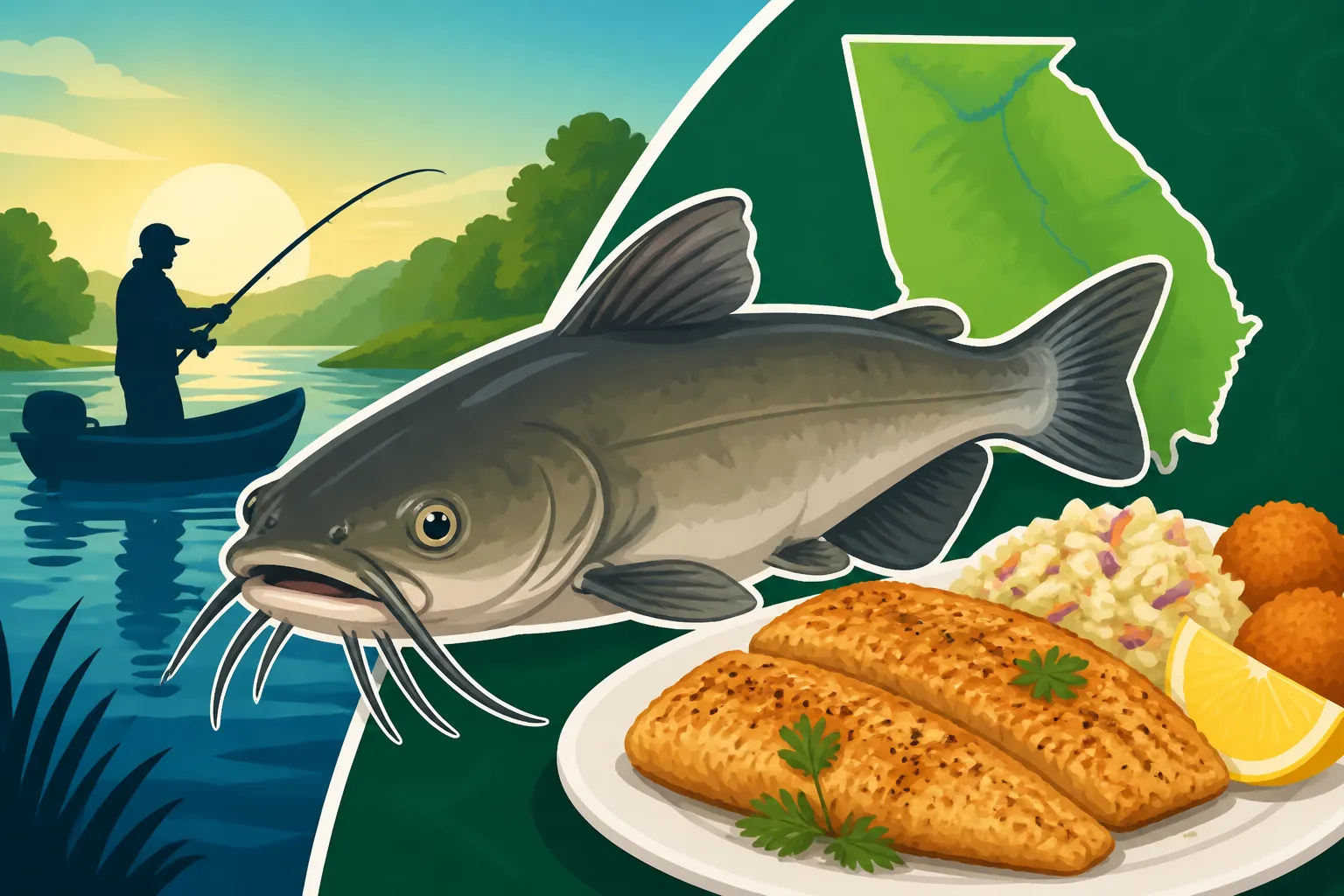
Frying: This is arguably the most iconic way to enjoy channel catfish, especially in Georgia. A classic fish fry involves dredging fillets in seasoned cornmeal or a flour mixture and deep-frying until golden brown and crispy. The hot oil creates a perfect crunchy exterior that contrasts wonderfully with the moist, flaky interior. If you're looking for that perfect, consistent crisp, consider investing in a good cast iron skillet or a tabletop fryer, readily available on Amazon. The key here is hot oil (around 350-375°F) to get a quick, crisp sear without overcooking the inside.
Grilling: For a healthier option that still imparts fantastic flavor, grilling is an excellent choice. Brush fillets with olive oil, lemon juice, and your favorite herbs (dill, parsley, paprika are great options). Place them on a medium-hot grill, turning once, until cooked through and slightly charred. Using a grill basket can prevent smaller pieces from falling through the grates. The smoky flavor from the grill adds a wonderful dimension to the mild fish. You can find excellent grill tools and accessories for this purpose, sometimes bundled on Amazon as a set.
Baking/Broiling: If you prefer a hands-off approach, baking or broiling is simple and delicious. Place fillets on a baking sheet, drizzle with olive oil, season with salt, pepper, garlic powder, and a squeeze of lemon. Bake at 375-400°F until flaky, or broil for a few minutes until golden. This method allows the natural flavors of the catfish to shine through. For an extra touch, top with breadcrumbs mixed with Parmesan cheese before baking.
Smoking: For a truly unique flavor, consider smoking your catfish fillets. A gentle, low-temperature smoke with fruit woods like apple or cherry can infuse the fish with incredible depth without overpowering its delicate taste. Smoked catfish is fantastic flaked into salads, dips, or served simply with crackers. This method demands a bit more patience but is incredibly rewarding. There are many compact smokers suitable for home use available on Amazon.
Pairing Channel Catfish with Sides and Sauces
The beauty of a mild-flavored fish like channel catfish is how well it complements classic Southern accompaniments. For a traditional fried catfish meal, you simply must have creamy coleslaw, savory hushpuppies, and rich, buttery grits or homemade cornbread. These sides are more than just fillers; they enhance the overall experience, creating a comforting and satisfying meal.
When it comes to sauces, a tangy tartar sauce is practically mandatory for fried catfish. The creaminess and zest of tartar sauce cut through the richness of the fried fish beautifully. A squeeze of fresh lemon juice is also a simple yet effective way to brighten the flavor of any catfish preparation. For grilled or baked catfish, consider a fresh salsa, a simple dill sauce, or even a spicy remoulade to add a kick.
Don't forget the vegetables! Collard greens, butter beans, or roasted asparagus can provide a fresh balance to the meal. The key is to choose sides and sauces that either complement the mildness of the fish or offer a contrasting texture or flavor profile without completely overshadowing it. Experiment with what you have in your pantry and what sounds good to you – that’s part of the fun of cooking your catch!
Nutritional Benefits of Eating Channel Catfish
Beyond its appealing taste and versatile nature, channel catfish is also a remarkably healthy choice for your diet. In an age where we're all trying to make smarter food choices, this readily available Georgia fish offers a bounty of nutritional advantages that make it a truly smart addition to your weekly meals.
A Lean Protein Source
If you're looking to boost your protein intake without loading up on excess fat, channel catfish is an excellent option. It's a lean protein, meaning it provides a substantial amount of protein per serving with relatively few calories and minimal fat. Protein is essential for building and repairing tissues, making enzymes and hormones, and generally supporting a healthy, active lifestyle.
Many people struggle to find lean protein sources that are both delicious and easy to prepare, but channel catfish fits the bill perfectly. A typical serving can provide a significant portion of your daily recommended protein intake, helping you feel full and satisfied without weighing you down. This makes it an ideal choice for anyone focusing on fitness, weight management, or just general well-being.
Compared to red meats or even some poultry, channel catfish offers a lighter, healthier alternative. Its low-fat content also means it's easier to digest, so you won't feel that heavy, sluggish feeling after a meal. It's truly a win-win: delicious flavor and powerful nutrition all in one package.
Omega-3s and Essential Vitamins
Beyond protein, channel catfish is packed with other important nutrients that contribute to overall health. It's a good source of Omega-3 fatty acids, which are crucial for heart health, brain function, and reducing inflammation. While not as abundant in Omega-3s as some fatty cold-water fish, channel catfish still provides a beneficial amount, making it a valuable part of a heart-healthy diet.
You'll also find a wealth of essential vitamins and minerals in channel catfish. It's particularly rich in B vitamins, including B12, which is vital for nerve function and red blood cell production, and niacin (B3), important for metabolism and healthy skin. It also provides a good dose of phosphorus, a mineral essential for strong bones and teeth, and selenium, an antioxidant that helps protect cells from damage.
Incorporating channel catfish into your diet is a simple and enjoyable way to ensure you're getting a range of these vital nutrients. Instead of reaching for supplements, you can enjoy a delicious, natural source of health benefits straight from Georgia's waters. It's a testament to the fact that good food can be both tasty and incredibly nourishing, making it a smart choice for any health-conscious angler.
Sourcing and Sustainability Considerations
When you decide to make channel catfish a part of your dinner plans, it's worth considering where your fish comes from. Both wild-caught and farm-raised options are available, and each has its own unique characteristics and sustainability story. Understanding these differences can help you make an informed choice that aligns with your preferences and values.
Wild-Caught vs. Farm-Raised: What's the Difference?
The biggest distinction for many people between wild-caught and farm-raised channel catfish often comes down to taste and consistency. Farm-raised channel catfish, which make up a significant portion of the catfish sold commercially, are raised in controlled environments, typically in ponds or tanks. They are fed a consistent, high-quality diet, which virtually eliminates the chance of any "muddy" flavor. The flesh tends to be very mild and consistent in texture, making it a reliable choice for many cooks. They are also readily available year-round in grocery stores and fish markets.
Wild-caught channel catfish, on the other hand, derive their flavor and texture from their natural environment. As we discussed, a wild catfish from a clean, flowing river or clear lake in Georgia, feeding on natural forage, can be absolutely delicious with a distinct, slightly richer flavor that some connoisseurs prefer. However, there's a bit more variability. A wild fish from warmer, stagnant, or more heavily vegetated waters might occasionally have a stronger, more "earthy" taste, though this is often mitigated by proper cleaning and preparation. Catching your own provides a rewarding experience and direct connection to your food.
From a sustainability standpoint, both options can be responsible choices. Farm-raised catfish in the U.S. are generally considered a highly sustainable aquaculture product due to strict environmental regulations and efficient feeding practices. Wild populations in many Georgia waters are also robust, and responsible fishing practices, adhering to Georgia Fish Size and Creel Limits and Georgia Fishing Regulations Explained, ensure their continued health.
Catching Your Own in Georgia Waters
If you're an angler in Georgia, there's immense satisfaction in catching your own channel catfish. Our state is blessed with an abundance of excellent fishing spots, from vast reservoirs to meandering rivers, where these whiskered beauties thrive. Catching them yourself ensures the freshest possible fish and allows you to control the handling process from start to finish, maximizing flavor and quality.
To target channel catfish in Georgia, you'll want to focus on areas with slower currents in rivers, deeper holes in lakes, or around structure like submerged timber and brush piles. They are often found in the larger river systems such as the Altamaha, Ocmulgee, and Flint Rivers, as well as many of our major reservoirs like Lake Lanier, Lake Oconee, and Lake Sinclair. You can learn more about finding them in articles like Where to Catch Channel Catfish in Georgia.
As for bait, channel catfish aren't particularly picky. They'll readily take natural baits like worms, cut bait (shad or bream work great), chicken livers, and even dough balls or stink baits. Setting up a simple bottom rig is often the most effective way to catch them. For specific tips on rigging and bait choices, check out Best Bait for Channel Catfish in Georgia or Catfish Bottom Fishing Basics. Remember to always have a valid Georgia Fishing License Guide and be aware of any local regulations. Bringing a cooler with ice to the bank is essential for keeping your catch fresh, especially if you plan to eat them!
Channel catfish is truly a fantastic fish to catch and eat in Georgia. It’s versatile, delicious, and provides a rewarding experience from the moment it takes your bait to the last bite on your plate. Don't let old myths deter you from enjoying this wonderful resource!
| Fish Species | Typical Flavor Profile | Common Texture | Best Cooking Methods |
|---|---|---|---|
| Channel Catfish | Mild, delicate, subtly sweet, clean | Flaky, firm, moist | Frying, grilling, baking, smoking |
| Largemouth Bass | Mild to medium, slightly gamey | Firm, white, medium flake | Frying, grilling, baking, pan-searing |
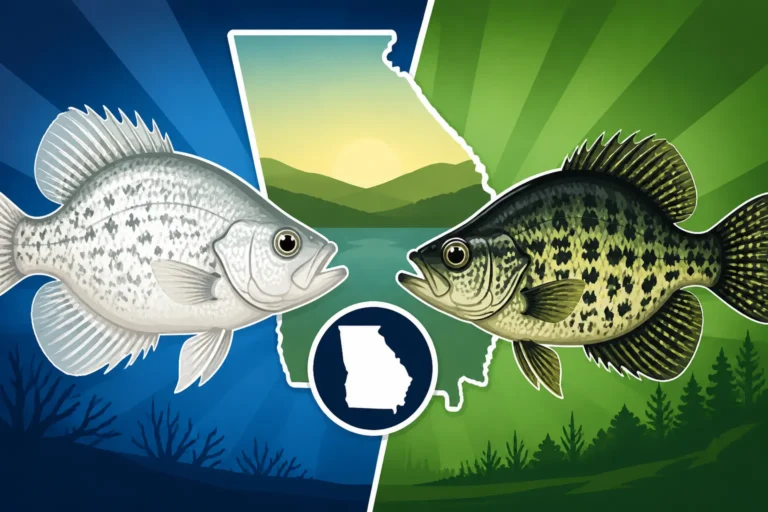
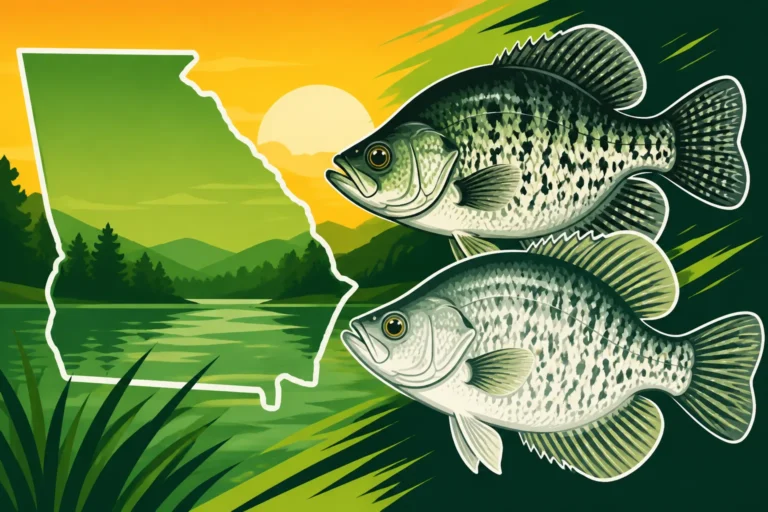
| Crappie (Black/White) | Very mild, sweet | Very delicate, fine flake | Frying (especially pan-fried), baking, poaching |
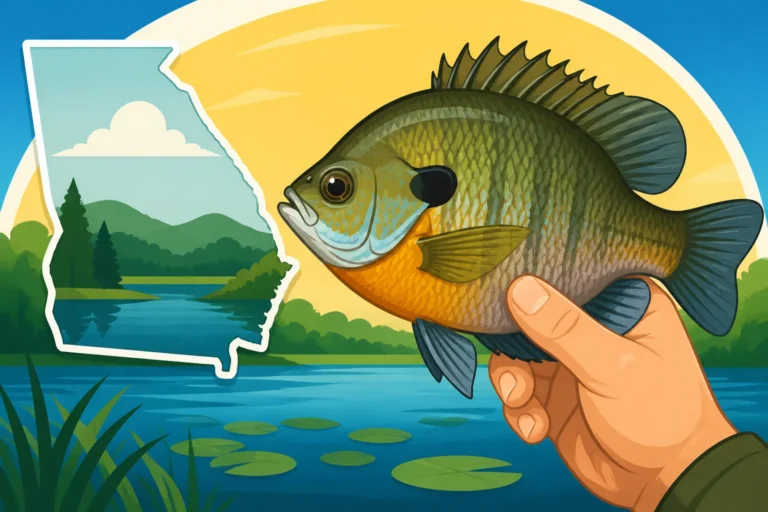
| Bluegill | Mild, sweet, earthy | Firm, flaky | Pan-fried (whole or filleted), baking |
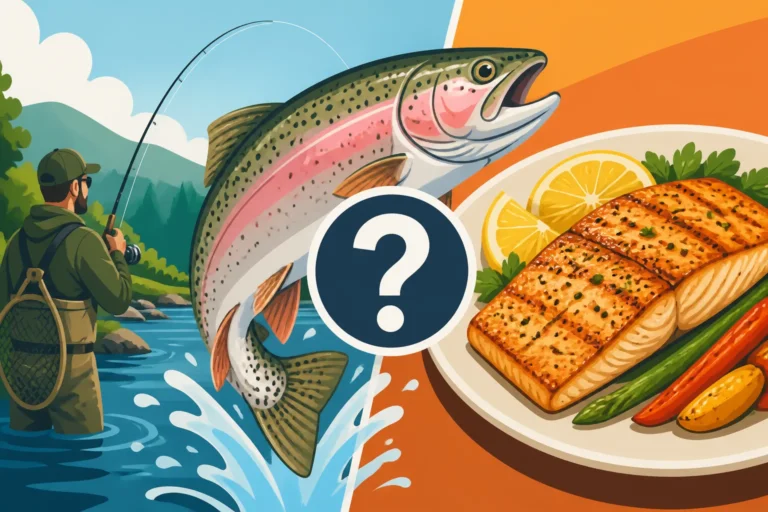
| Rainbow Trout | Mild, nutty, slightly richer | Medium-firm, flaky | Grilling, baking, pan-searing, smoking, broiling |
This article is for general informational purposes only and does not constitute professional advice. Laws, prices and regulations vary by location and change over time. Consult a qualified professional for guidance on your specific situation.