Spring Bass Spawn Timing on Georgia’s Lakes
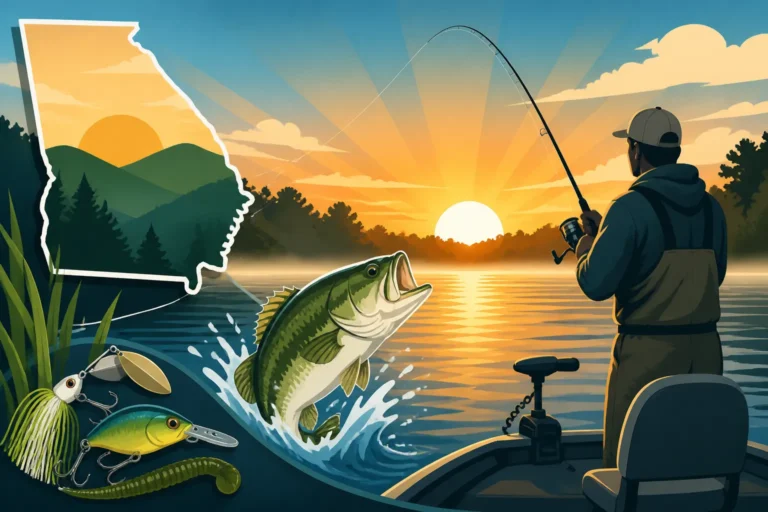
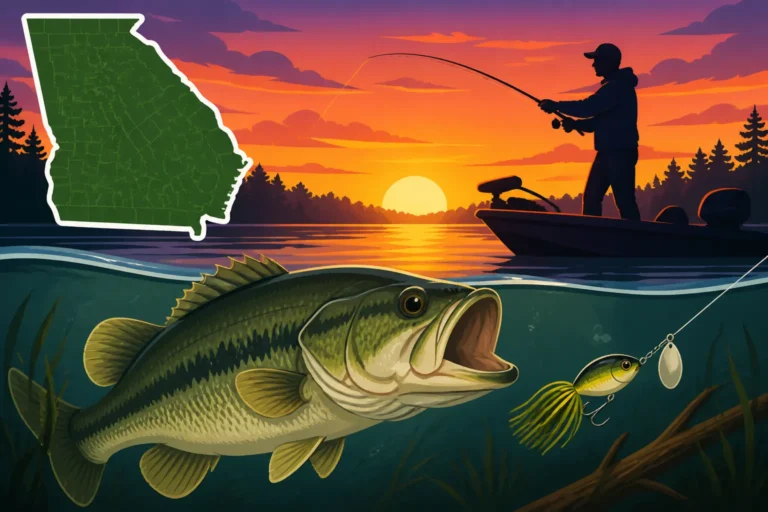
There’s a certain frustration that every Georgia angler has felt when chasing spring bass. You know they’re supposed to be shallow, getting ready to spawn, but sometimes it feels like they’ve simply vanished, or you hit the lake just a week too early or too late. Understanding the intricacies of the bass spawn timing on Georgia's diverse lakes is key to consistent success. This guide is dedicated to pulling back the curtain on this annual event, helping you decode the subtle cues that signal when the bass are on the beds, pre-spawn, or moving into their post-spawn recovery.
Understanding the Bass Spawn Cycle in Georgia
The spring bass spawn isn't a single event but a fascinating, multi-phase process dictated by instinct and environmental cues. In Georgia, with our varied climates from the mountains to the coastal plain, this cycle stretches out over several months. Missing the nuances of each phase can mean the difference between a banner day on the water and a frustrating skunking.
The Environmental Triggers: Water Temperature and Photoperiod
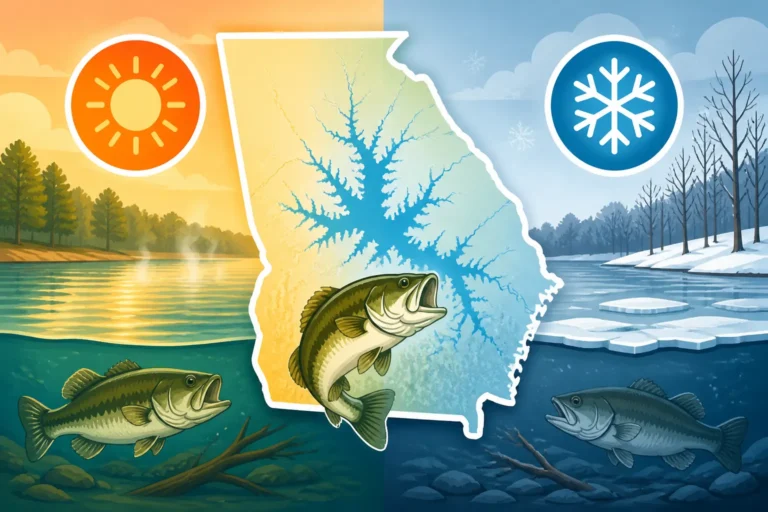
At its heart, the bass spawn is primarily triggered by two main factors: increasing water temperature and the lengthening days (photoperiod). As winter's chill recedes, the sun sits higher in the sky, and daylight hours grow longer, sending a clear signal to the bass that it's time to reproduce. However, water temperature is the more immediate and crucial trigger for anglers to watch. Largemouth bass typically begin to stage for the spawn when water temperatures consistently reach the mid-50s Fahrenheit, with the actual bedding activity peaking when temperatures hit the low to mid-60s.
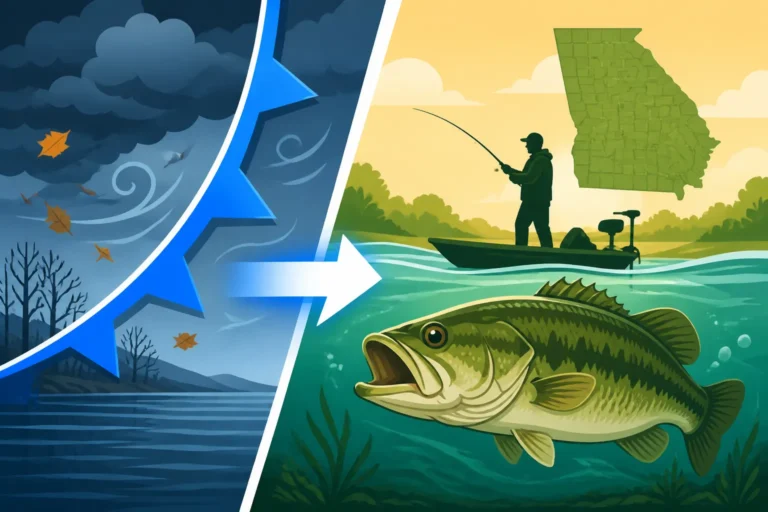
It’s not just about a single warm day. Bass are looking for stable, rising temperatures. A sudden cold front can send them retreating to deeper water, stalling the spawn until conditions stabilize again. This fluctuation is one of the biggest challenges for anglers trying to pinpoint the exact spawn window, as lakes can warm up at different rates depending on their depth, clarity, and geographical location.
Pre-Spawn: The Feeding Frenzy
Before they commit to the strenuous act of spawning, bass enter an intense pre-spawn phase. This is arguably one of the most exciting times to be on the water because the fish are actively feeding, trying to pack on as much energy as possible. They’ll move from their deeper wintering grounds to shallower staging areas, often congregating on points, humps, and secondary creek channels leading into spawning coves.
During this period, male bass will often arrive in these staging areas first, scouting out prime real estate, while the larger females follow closely behind. They are aggressive, hungry, and willing to chase a variety of baits. For many anglers, this is a prime opportunity to catch some of the biggest bass of the year, as the females are at their heaviest, laden with roe. Think big spinnerbaits, crankbaits, and even large jerkbaits to mimic baitfish, or slow-moving jigs and Carolina rigs to tempt fish lingering on structure.
The Actual Spawn: Nesting and Reproduction
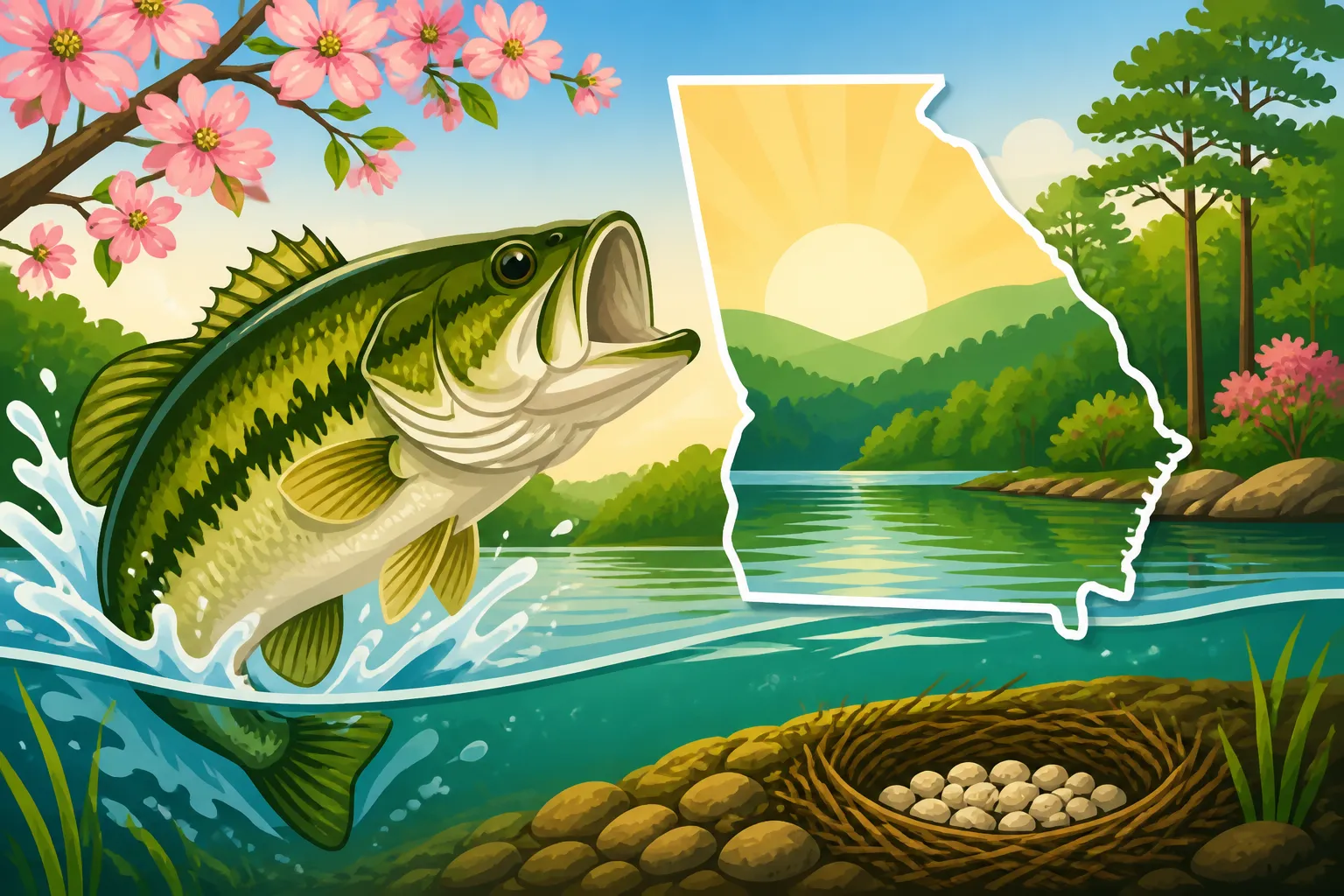
Once water temperatures consistently stabilize in that sweet spot – typically between 60-68 degrees Fahrenheit – the bass move onto the actual spawning beds. This is where the magic happens. Male bass will fan out circular depressions on hard bottoms, usually in shallow, protected coves, pockets, and along gradual banks. They prefer areas with some form of cover nearby, like docks, stumps, laydowns, or rocks, which offer protection for their nests.
Females will then move onto these beds to lay their eggs, with the male fertilizing them and then guarding the nest vigilantly. This stage can be frustrating for anglers because while the bass are visible, they are often focused solely on reproduction and protection, making them less interested in feeding. However, a well-placed bait that mimics an intruder can provoke a strike out of pure territorial aggression. This is when sight fishing for bass on beds becomes a popular, albeit challenging, technique.
Post-Spawn: Recovery and Summer Patterns
After the eggs are laid and, for the males, after diligently guarding the fry for a period, the bass enter the post-spawn phase. This can be a tough time for anglers, as many fish are exhausted and recovering from the rigors of spawning. Females especially need time to recuperate and replenish their energy reserves. They often move to slightly deeper, cooler water near the spawning areas, often suspending or resting near cover.
The males, after their parental duties, will typically be the first to start feeding again, though often less aggressively than in the pre-spawn. As the water continues to warm and they regain strength, both sexes will begin to transition towards their summer patterns, moving to deeper structure, thermoclines, or heavy cover. Understanding this recovery period is crucial because fishing with the same techniques used during the pre-spawn or actual spawn will likely lead to disappointment.
Key Factors Influencing Spawn Timing Across Georgia Lakes
Georgia's diverse geography means that "spring bass spawn" isn't a monolithic event that happens everywhere at once. The timing can vary by weeks, or even a month or more, depending on where you are in the state and the specific characteristics of the lake you're fishing.
Geographic Location: North vs. South Georgia
This is perhaps the most significant factor. Simply put, the further south you go in Georgia, the earlier the bass spawn typically begins. Lakes in South Georgia, like Lake Seminole or Walter F. George, can see their bass spawn as early as late February or early March, especially during a mild winter. These waters warm up faster due to more consistent sun exposure and generally warmer ambient temperatures.
As you move north through Central Georgia lakes like Lake Oconee, Lake Sinclair, and West Point Lake, the spawn usually kicks off later, typically in mid-March through April. Then, in the cooler North Georgia mountain lakes, such as Lake Lanier, Lake Allatoona, and Lake Blue Ridge, the spawn can often be delayed until April or even early May. These deeper, higher-elevation lakes take longer to shed winter's chill and reach the optimal spawning temperatures. If you're looking for a comprehensive overview of when to target different species, our Georgia Fishing Seasons by Month guide offers a great breakdown.
Lake Depth and Water Clarity
The physical characteristics of a lake also play a huge role in its specific spawn timing. Shallower lakes, or shallower sections of large reservoirs, will naturally warm up faster than deeper areas. Imagine a large, deep reservoir like Lake Lanier; the main lake body might still be in the low 50s, while a shallow, protected cove with a dark bottom could already be hitting 60 degrees.
Water clarity is another vital element. Darker, stained, or muddier water absorbs sunlight more effectively than clear water, causing it to warm up faster. This means that a lake with stained water might see an earlier spawn than a crystal-clear lake at the same latitude, even if other factors are equal. Conversely, extremely clear water allows sunlight to penetrate deeper, potentially warming a larger water column but perhaps taking longer to hit surface temperatures suitable for shallow spawning. These nuances are why knowing your specific lake is always more important than a general statewide prediction.
Weather Patterns and Cold Fronts
Even when all signs point to an imminent spawn, Mother Nature loves to throw a curveball. A sudden cold front can dramatically impact water temperatures, especially in shallow areas, effectively putting the brakes on the spawn. Bass that were cruising into coves or even fanning beds can retreat to deeper water, becoming lethargic and less willing to bite.
This is a common frustration for anglers in Georgia. You might have a week of beautiful, sunny, 70-degree weather, and the water temperature climbs nicely. Then, overnight, a cold snap brings temperatures down by 10-15 degrees, and suddenly the fish vanish. It might take several days of stable, warm weather for them to resume their spawning activities. Monitoring local weather forecasts and, more importantly, actual water temperatures is paramount during the spring. Having a good quality water thermometer, which you can easily find on sites like Amazon, is an invaluable tool for any serious spring bass angler.
Specific Lake Examples and Their Typical Spawn Windows
To truly dial in your spring bass fishing, it helps to look at some of Georgia's prominent lakes and their general spawn timelines. Remember, these are typical windows, and annual variations due to weather are always a factor.
North Georgia Lakes (e.g., Lanier, Allatoona)
In the rugged terrain of North Georgia, the bass spawn is often the latest to arrive.
- Lake Lanier: Known for its deep, clear water, Lanier’s largemouth and spotted bass typically begin their main spawning push in April. In a cooler spring, it can easily extend into early May. The spotted bass on Lanier often stage a bit deeper than largemouth, and their full spawn might be slightly delayed compared to their green cousins. When water temperatures consistently hold in the low to mid-60s, you’ll find fish moving into the backs of major creek arms like Big Creek, Six Mile Creek, and Yellow River. Check out our detailed Best Fishing Spots on Lake Lanier guide for more insights.
- Lake Allatoona: Similar to Lanier in its overall timing, Allatoona usually sees its main spawn from mid-April through early May. Being a slightly shallower and often more stained lake than Lanier, some pockets and creek arms might warm up a touch earlier. Anglers often find success targeting shallower coves in the Etowah River arm or the main lake's numerous pockets.
- Lake Hartwell: Straddling the Georgia-South Carolina border, Hartwell is another substantial North Georgia lake where the spawn tends to run from mid-April into May. Its vast size and numerous creek arms mean that you can often find fish in various stages of the spawn across different sections of the lake.
Central Georgia Lakes (e.g., Oconee, Sinclair)
Moving into the central part of the state, the spawn arrives a bit earlier and is often more pronounced due to generally shallower and often more fertile waters.
- Lake Oconee: This popular lake, known for its incredible hybrid striped bass fishing, also boasts a strong largemouth population. The spawn here typically kicks off in late March and runs robustly through April. With its many coves, residential docks, and abundant shallow cover, Oconee offers plenty of prime spawning grounds. The Richland Creek arm and numerous pockets on the main lake are hot spots. If you're curious about other species, our Hybrid Striped Bass at Lake Oconee article has more.
- Lake Sinclair: Connected to Oconee, Sinclair is generally shallower and more stained, especially in its upper reaches. This often means its spawn can start a bit earlier than Oconee's, frequently beginning in mid-March and continuing through April. The numerous coves and shallow flats throughout the lake provide ample bedding areas. The warm water discharge from the power plant near Wallace Dam can also affect local water temperatures, sometimes kickstarting an earlier spawn in its vicinity.
- West Point Lake: Located on the Chattahoochee River, West Point Lake typically sees its bass spawn from late March through April. Its productive main lake points and numerous creek arms provide excellent spawning habitat. The upper river arm and the pockets near the causeways are often productive areas to find pre-spawn and spawning bass.
South Georgia Lakes (e.g., Seminole, Walter F. George)
For the earliest bass action, South Georgia is where it's at. These lakes, often shallower and fed by warmer southern rivers, get an early jump on the spring season.
- Lake Seminole: A legendary bass fishery on the Georgia-Florida border, Seminole can see its spawn begin as early as late February, peaking in March. Its extensive shallow flats, abundant grass beds (hydrilla and milfoil), and numerous cypress trees create ideal, protected spawning environments. Anglers often find success sight fishing in the clearer pockets or targeting vegetation edges.
- Walter F. George Reservoir (Lake Eufaula): Another border lake, "Eufaula" typically experiences its main bass spawn from early March through mid-April. This large, fertile reservoir on the Chattahoochee River is famed for its trophy largemouth. The numerous creek arms, flooded timber, and vast shallow flats offer perfect spawning grounds. Targeting brush piles and stump fields in shallower areas is often a successful strategy.
- Lake Blackshear: This central-south Georgia lake usually sees its spawn begin in mid-March and extend through April. Known for its picturesque cypress trees and abundant cover, Blackshear is a fantastic spot for bass. The shallow coves and areas around the cypress trees are prime targets for bedding fish.
Understanding these regional differences and specific lake characteristics is a cornerstone of effective spring bass fishing in Georgia. It helps you manage expectations and adjust your trip planning to hit the spawn at its peak, rather than chasing ghost fish.
Fishing Strategies for Each Spawn Phase
Knowing when the bass are spawning is only half the battle; knowing how to catch them in each phase is where the real skill comes in. Each stage demands a unique approach to lure selection, presentation, and target areas.
Pre-Spawn Tactics for Hungry Bass
During the pre-spawn, bass are actively looking for food. They're trying to bulk up before the energy-intensive process of reproduction. This is a time for power fishing and covering water to find those aggressive, feeding fish.
- Targeting Transition Areas: Look for main lake points, secondary points, creek channel bends, and humps that lead into spawning coves. These are highways where bass travel from deeper water to shallow staging areas.
- Lure Selection:
- Crankbaits: Medium to deep-diving crankbaits are excellent for bumping off cover on points and channel edges. Choose colors that mimic local baitfish like shad or bluegill.
- Jerkbaits: Suspending jerkbaits can be deadly when retrieved with a twitch-twitch-pause retrieve, especially in clearer water. The pause often triggers a strike from curious or wary bass.
- Spinnerbaits: Chartreuse and white or white and silver spinnerbaits are fantastic for covering shallow flats and appealing to aggressive bass. They create a lot of flash and vibration, perfect for stained water or cloudy days.
- Jigs: Flipping and pitching jigs (like a Berkley PowerBait jig) around brush piles, docks, and laydowns in staging areas can entice larger, wary females. A slow, methodical retrieve is often key.
- Retrieve Speed: Generally, a moderate to fast retrieve works well for covering water, but don't be afraid to slow down a crankbait or spinnerbait on the retrieve to see if that triggers a more reluctant bite. This is also a fantastic time for Spring Bass Fishing Patterns on Georgia's Reservoirs.
Targeting Spawning Bass on Nests
Fishing for actively spawning bass requires a different mindset. They're often not feeding out of hunger, but striking out of aggression to protect their nests. This means precision and patience are paramount.
- Locating Beds: Look for light-colored circular depressions on hard bottoms in shallow, protected areas. Polarized sunglasses (which you can find a great selection of on Amazon) are essential for sight fishing in clear water. Look under docks, around stumps, submerged timber, and along gradual, sunny banks.
- Lure Selection: The goal is to irritate the bass into striking.
- Soft Plastics: Texas-rigged worms (like a Zoom Trick Worm or a Carolina Lunker Buster) or creature baits (e.g., a Reaction Innovations Sweet Beaver) are excellent. Drop them directly into the bed and let them sit, twitching them occasionally. The key is to keep the bait in the bed until the bass can no longer stand its presence.
- Jigs: A small jig with a soft plastic trailer can also be effective, again, focusing on leaving it in the bed and subtly twitching it.
- Weight: Use just enough weight to get your bait down and keep it in place. Too much weight can spook the fish.
- Presentation: This is where it gets tricky. Cast past the bed and slowly drag your bait into it. Let it sit. If the bass doesn't react, twitch it slightly. If it nudges the bait, let it sit again. The goal is to annoy the fish until it grabs the bait to move it out of the bed. Many bites will feel like a slight "thump" or simply the line moving. A strong hook set is often needed. Patience is your best friend here.
Post-Spawn Approaches for Recuperating Fish
The post-spawn can be a challenging time. Females are often exhausted, and males might still be guarding fry. The key is to look for bass moving to slightly deeper, cooler water, but still near the spawning areas.
- Targeting Areas: Look for deeper points, brush piles, submerged timber, and main lake docks in close proximity to spawning coves. Bass will often suspend around these structures as they recover.
- Lure Selection:
- Topwater Lures: If conditions are right (calm, low light), a walking bait or popper can draw an explosive strike from a recovering bass, especially if they are looking up.
- Shallow Crankbaits: Smaller, square-bill crankbaits can be effective around shallow cover.
- Finesse Worms and Drop Shots: When bass are lethargic, a finesse approach can be highly effective. A weightless Senko, a shaky head jig, or a drop shot rig fished slowly around cover can tempt weary fish.
- Swim Jigs/Swim Baits: These are great for covering water slightly deeper than the spawn, targeting those fish that are starting to move out but still feeding opportunistically.
- Retrieve Speed: Generally, a slower, more subtle retrieve is best for post-spawn bass. They're not as aggressive, so a natural, easy meal is more appealing. This is a crucial time to consider different tactics, as outlined in Bass Fishing Techniques for Pre-Spawn and Post-Spawn Patterns.
Reading the Water: Signs of an Impending or Active Spawn
Being able to "read the water" is a skill developed over years, but there are definite visual and environmental cues that can tell you a lot about where the bass are in their spring cycle.
Visual Cues: Bedding Areas and Cruising Fish
One of the most obvious signs is simply seeing the bass themselves. In clearer lakes like Lanier or Hartwell, you can often spot large female bass cruising in shallow coves or males actively fanning out beds. These beds appear as clean, light-colored circular spots on the bottom, typically around 1-3 feet deep, though they can be deeper depending on water clarity.
Look for areas where males are aggressively defending a spot, chasing away bluegill or other smaller fish. Also, pay attention to the presence of smaller baitfish and bluegill in shallow areas, as bass will follow their food source into these zones. In stained water, you might not see the beds clearly, but you can often spot nervous baitfish, ripples, or shadows that indicate bass presence. These are the subtle clues that experienced anglers pick up on.
Interpreting Water Temperature with Your Electronics
While visual cues are fantastic, they're not always present or clear. Your boat's electronics, particularly a good fish finder with a reliable temperature gauge, will be your best friend. As mentioned earlier, consistent water temperatures in the low to mid-60s are the prime range for the spawn. However, don't just look at the surface temperature. Modern fish finders can often give you temperature readings at different depths. While bass will move shallow to spawn, they will retreat to slightly deeper, more stable temperatures if a cold front hits.
Pay attention to subtle temperature changes as you move from the main lake into creek arms or shallow pockets. A sudden jump of a few degrees can indicate a prime spawning zone that is warming up faster. Many anglers will also invest in a handheld water thermometer, which can be invaluable for spot-checking specific areas, especially when bank fishing or exploring new coves. Again, a simple search on Amazon will show you a wide array of options for accurate and reliable thermometers. Knowing how to interpret these temperature readings is crucial for successful How to Fish Georgia's Lakes Through Every Season.
Listening to Local Reports and Forums
Don't underestimate the power of local knowledge. Fishing reports from tackle shops, local guides, and online fishing forums can provide invaluable, up-to-the-minute information on what's happening on specific lakes. While you always have to take online reports with a grain of salt (some anglers like to brag or mislead!), consistent reports from multiple sources about a particular lake's spawn status can be highly accurate.
Join local Georgia bass fishing groups on social media, follow prominent local anglers, or simply strike up conversations at the boat ramp or tackle shop. These personal connections can provide current intel that your electronics or general knowledge simply can't. Just remember to be polite and contribute to the community when you can, and always respect private fishing spots if they are shared.
The Impact of the Spawn on Bass Behavior and Health
The spawn isn't just about reproduction; it's a critical period that dramatically affects the bass's physical condition and behavior. Understanding this impact can help you make more ethical and successful fishing decisions.
Energy Depletion and Recovery
The spawning process is incredibly energy-intensive for bass, particularly for the large females. Developing and carrying eggs requires a massive amount of caloric intake, which is why the pre-spawn is such a strong feeding period. Once the eggs are laid, and especially for the males who guard the nest for days or even weeks without significant feeding, both sexes become depleted.
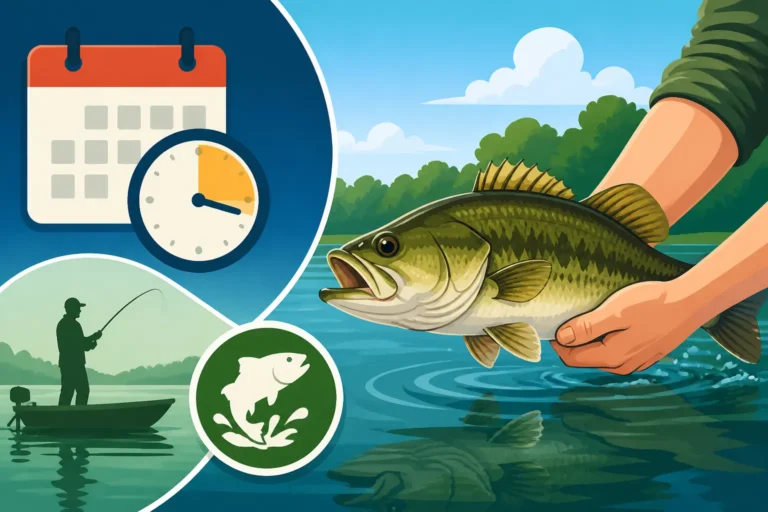
This energy drain means that post-spawn bass are often lethargic, skinny, and prone to stress. Catching and releasing fish during the immediate post-spawn requires extra care to ensure their survival. Minimizing handling time, keeping them in the water as much as possible, and reviving them gently are crucial practices. Healthy fish ensure strong future generations for our Georgia Fish Species: A Complete Guide to What's Swimming in Your Lakes.
Changes in Diet and Aggression Levels
Throughout the spawn cycle, the bass's dietary focus shifts. In the pre-spawn, they are opportunistic predators, gorging on baitfish, crawfish, and anything else they can get their mouths around. During the actual spawn, their feeding instinct diminishes significantly, replaced by a fierce territorial aggression. They might strike at a lure not because they're hungry, but because it's perceived as a threat to their eggs or fry.
As they move into the post-spawn, their hunger slowly returns, but often for easier, less energy-demanding meals. Small baitfish, worms, and slow-moving presentations often become more effective. Their aggression also becomes less pronounced. Recognizing these shifts in diet and temperament allows anglers to adjust their strategies and increase their chances of success, leading to more enjoyable days pursuing Largemouth Bass Fishing in Georgia: The Complete Species Guide.
Conservation and Ethical Angling During the Spawn
The spring bass spawn is a vulnerable time for these fish. As anglers, we have a responsibility to practice ethical fishing to ensure healthy bass populations for years to come.
Catch and Release Best Practices
If you're targeting spawning bass, especially those on beds, practicing proper catch and release is paramount.
- Minimize Air Time: Keep the fish in the water as much as possible. If you need a photo, get it quickly and release the fish gently.
- Handle with Care: Support the fish horizontally, especially larger females. Avoid squeezing their belly or hanging them vertically by the jaw if they are heavy.
- Use Barbless Hooks: Crushing the barb on your hook makes removal easier and less traumatic for the fish.
- Revive Gently: If a fish seems sluggish, hold it gently in the water, facing into the current, until it swims away under its own power.
- Consider Not Targeting Beds: Some anglers choose to avoid targeting bass directly on beds, believing it puts too much stress on the fish and can leave eggs vulnerable. This is a personal choice, but one worth considering for long-term conservation.
Understanding Georgia's Regulations and Limits
Always be aware of and adhere to Georgia's specific fishing regulations, especially during the spring. While many lakes have general statewide limits for bass (typically a 12-inch minimum and a daily creel limit of 10 largemouth/spotted bass combined), some reservoirs have special regulations, such as a 14-inch minimum length for bass to promote larger fish.
Before you head out, double-check the current Georgia Department of Natural Resources (DNR) fishing regulations for the specific lake or river you plan to fish. You can find up-to-date information on limits and seasons in our comprehensive Georgia Fishing Regulations Explained. These rules are in place to help manage fish populations and ensure sustainable fishing opportunities for everyone. Ignorance of the law is never an excuse, and penalties for fishing without a license or violating size/creel limits can be significant.
The Long-Term Health of Georgia's Bass Fisheries
The dedication of Georgia's anglers, along with the management efforts of the Georgia Department of Natural Resources (DNR) Wildlife Resources Division, plays a vital role in maintaining our state's excellent bass fishing. The information gathered about spawn timing and success helps biologists make informed decisions about stocking, habitat improvement, and regulation adjustments.
By understanding the spring spawn, practicing responsible angling, and respecting the fish during this crucial reproductive period, we all contribute to the continued legacy of fantastic bass fishing across Georgia's beautiful lakes and rivers. So, grab your gear, check those water temps, and go enjoy the magic of the spring bass spawn!
Disclaimer
Please note that fishing conditions, regulations, and fish behavior can change. Always consult the latest Georgia Department of Natural Resources (DNR) guidelines and local weather forecasts before planning any fishing trip. The information provided in this guide is for general informational purposes only and should not be considered a substitute for official regulations.