Georgia Fish Species: A Complete Guide to What’s Swimming in Your Lakes
It can be incredibly overwhelming trying to understand what fish species call Georgia's waters home. You've heard tales of monster bass, elusive trout, and massive catfish, but knowing which fish are where, what they look like, and how to catch them can feel like deciphering an ancient map. This comprehensive guide is designed to cut through the confusion, providing you with a detailed look at the most prominent and popular fish species swimming in Georgia's lakes, rivers, and coastal areas, helping you identify your catch and improve your fishing success.
Understanding Georgia's Diverse Aquatic Ecosystems
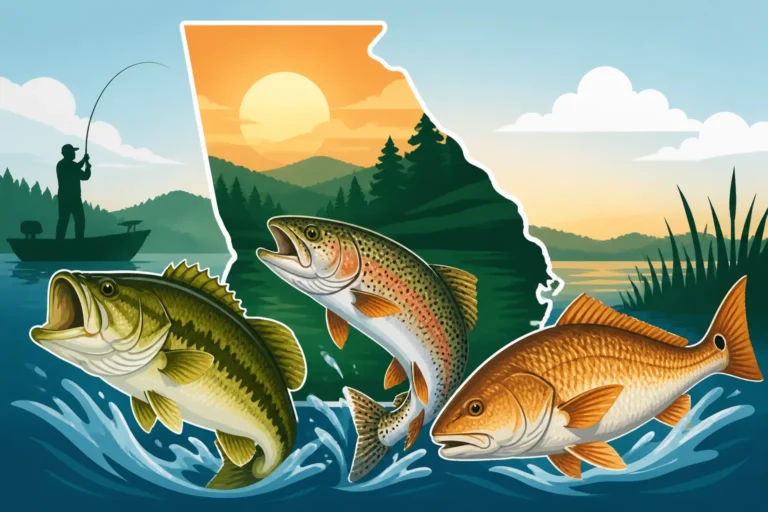
Georgia is truly a paradise for anglers, boasting an incredible diversity of aquatic habitats that range from the cold, clear mountain streams of North Georgia to the vast, murky reservoirs of the Piedmont and the brackish estuaries of its coast. This variety directly translates into a rich tapestry of fish species, each adapted to its unique environment. Whether you're a seasoned pro or just starting out, getting to know these different ecosystems is the first step to understanding what you might reel in.
The Mountains: Coldwater Havens for Trout
Up in the northern reaches of our state, the Appalachian foothills give way to a network of pristine, spring-fed streams and rivers. These waters, often shaded by dense tree canopies and cascading over rocky beds, maintain consistently cool temperatures throughout the year. This makes them ideal habitat for trout, particularly species like rainbow, brown, and our very own native brook trout. Anglers often brave rugged terrain and thick rhododendron thickets to reach these secluded spots, where the water runs clear and the air is crisp. It’s a completely different fishing experience than targeting bass in a wide-open lake.
The ecosystem here demands specific approaches and gear, and understanding the trout's behavior in these fast-moving, oxygen-rich environments is key. You'll find yourself reading currents and looking for holding pockets behind rocks, rather than casting across vast expanses. The health of these coldwater fisheries is often a good indicator of overall environmental quality in the region.
The Piedmont and Coastal Plain: Reservoirs, Rivers, and Estuaries
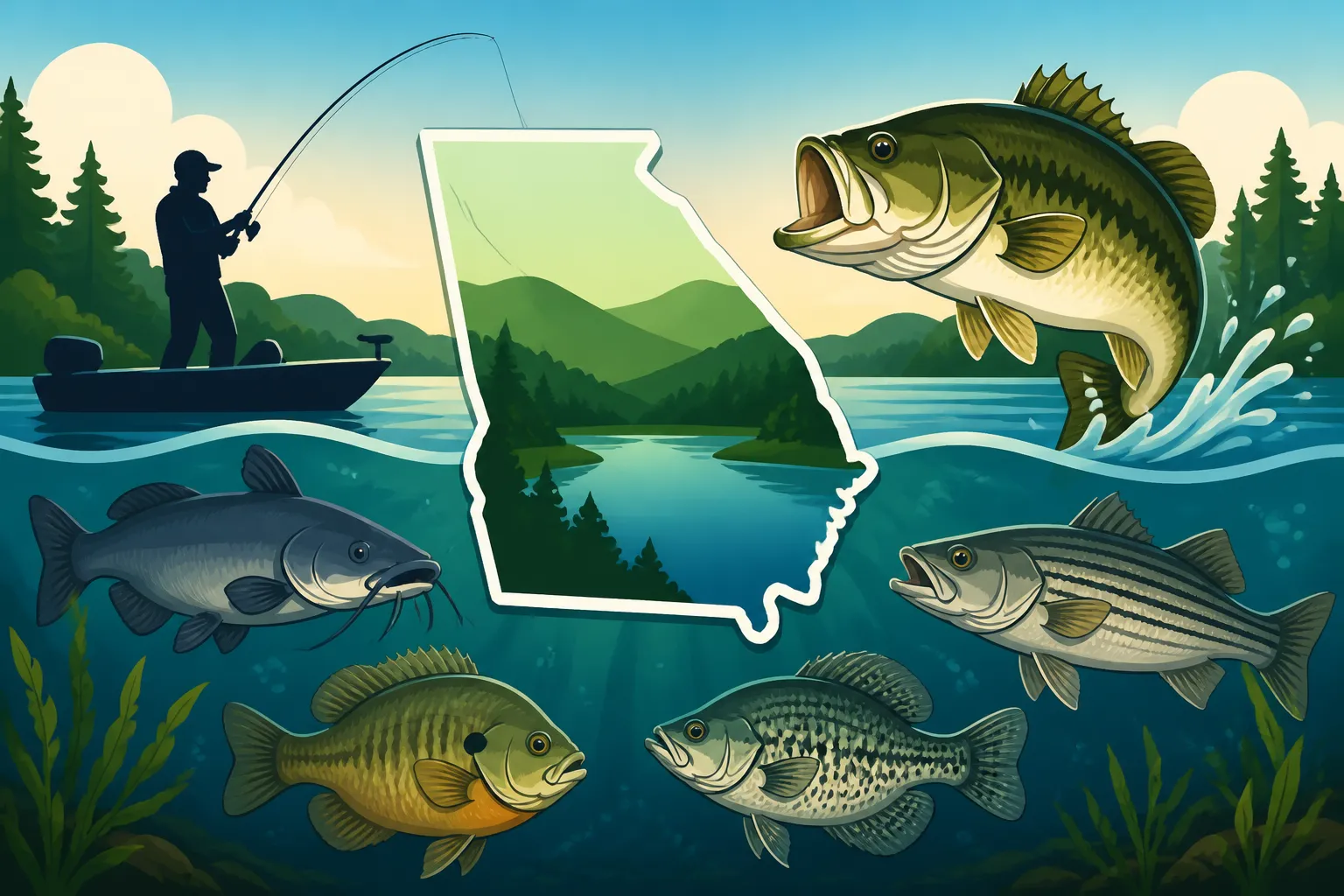
Moving south, Georgia's landscape flattens into the Piedmont region, characterized by its rolling hills and a multitude of large man-made reservoirs like Lake Lanier, Lake Oconee, and West Point Lake. These impoundments are typically warmer and deeper than mountain streams, offering expansive territories for popular sportfish such as largemouth bass, striped bass, crappie, and various catfish species. The sheer size of these lakes means different fishing techniques are required, from deep-diving crankbaits to trolling live bait. These areas are truly the heartland for many Georgia anglers seeking big freshwater trophies.
Further south and east, the landscape transitions into the flat, fertile Coastal Plain, where major rivers like the Altamaha, Ocmulgee, and Flint wind their way towards the Atlantic. These rivers provide excellent opportunities for species like shoal bass, catfish, and various panfish. Finally, along the Atlantic coast, Georgia's extensive marshlands, barrier islands, and estuaries are home to a completely different set of fish, including redfish, spotted seatrout, and flounder, offering a unique saltwater angling experience. Coastal Georgia Fishing Spots Guide can help you find some prime locations.
The Mighty Black Bass of Georgia
When most people in Georgia talk about "bass fishing," they're usually referring to one of the black bass species, which are arguably the most popular freshwater game fish in the state. While they share some similarities, each species has distinct characteristics and preferred habitats. Getting to know the nuances can make all the difference in your fishing success.
Largemouth Bass: The Undisputed King
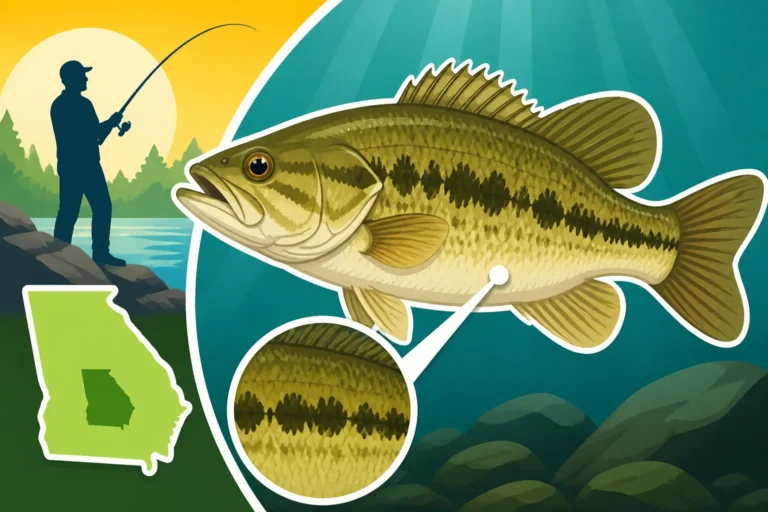
The largemouth bass (Micropterus salmoides) is, without a doubt, the most iconic sport fish in Georgia. It's even one of our official state fish! Anglers from all walks of life chase these powerful, aggressive predators. They're characterized by their large mouth (extending beyond the eye), a deep notch in their dorsal fin, and often a prominent horizontal dark stripe or series of blotches along their sides, though this can vary greatly depending on water clarity and diet.
You'll find largemouths in nearly every warm-water lake, pond, and slow-moving river throughout Georgia. They absolutely thrive in environments with plenty of submerged structure like fallen trees, weed beds, docks, and rocky points where they can ambush prey. They’re notorious for their explosive topwater strikes and powerful fights, making them a thrill to catch. Most anglers practice catch-and-release, especially for larger fish, to help preserve Georgia's excellent bass fisheries. For a deeper dive, check out Largemouth Bass Fishing in Georgia: The Complete Species Guide.
Spotted Bass: The Feisty Cousin
Often mistaken for largemouths, the spotted bass (Micropterus punctulatus) is another popular black bass found in many of Georgia's larger reservoirs and rivers, particularly in the northern and central parts of the state. The easiest way to identify a spotted bass is by feeling its tongue – it will have a small patch of teeth, which largemouths lack. They also have a smaller mouth that doesn't extend past the eye, and rows of distinct dark spots along their lower sides, hence the name. Their dorsal fin notch is also less pronounced than a largemouth's.
Spotted bass tend to prefer clearer, rockier, and deeper water than largemouths, often congregating around main lake points, humps, and submerged timber. They're known for their voracious appetites and fierce fighting ability, often pulling harder than a largemouth of similar size. Many anglers actually prefer targeting spots because they tend to be more aggressive and easier to locate in open water. They might not grow as large as the biggest largemouths, but a good day of spotted bass fishing can be incredibly action-packed.
Shoal Bass: The River Specialist
For anglers who love the challenge of river fishing, the shoal bass (Micropterus cataractae) is a true prize. This unique black bass species is native to specific river systems in Georgia, most notably the Flint River. Shoal bass are distinguished by their dark, vertical bars or blotches on their sides, a less distinct horizontal stripe, and reddish or orange coloration on their fins, especially the tail. Their mouth is also smaller than a largemouth's, similar to a spotted bass.
True to their name, shoal bass prefer swift-moving currents, rocky shoals, and eddies in medium to large rivers. They are powerful fighters, perfectly adapted to their environment, and will often use the current to their advantage when hooked. Catching a shoal bass is often a testament to an angler's ability to navigate river currents and present lures effectively in challenging conditions. Conservation efforts are particularly important for this species due to its limited range. The Flint River Shoal Bass Fishing Guide offers excellent insights into targeting these unique fish.
Here's a quick comparison of Georgia's Black Bass species:
| Feature | Largemouth Bass | Spotted Bass | Shoal Bass |
|---|---|---|---|
| Mouth Size | Jaw extends beyond eye | Jaw ends below or at eye | Jaw ends below or at at eye |
| Tongue Patch | Absent | Present (rough, sandpaper-like) | Absent |
| Dorsal Fin | Deep notch, almost two separate fins | Less pronounced notch | Less pronounced notch |
| Side Pattern | Distinct horizontal band/blotches | Rows of small spots below lateral line | Dark vertical bars/blotches, reddish fins |
| Habitat | Warm, still waters, heavy cover (weeds, wood) | Clearer, deeper, rockier lakes/rivers | Swift currents, rocky shoals in specific rivers |
| Fight Style | Explosive jumps, strong runs | Powerful dives, strong pulls, relentless | Uses current, powerful runs |
| Size Potential | Largest of the three | Moderate | Moderate |
The Elusive Trout of North Georgia
For many Georgia anglers, especially those seeking solitude and stunning scenery, trout fishing in the clear, cold waters of the North Georgia mountains is an annual pilgrimage. We're fortunate to have three distinct species of trout calling these pristine streams home: rainbow, brown, and the native brook trout.
Rainbow Trout: The Colorful Favorite
The rainbow trout (Oncorhynchus mykiss) is probably the most widely recognized and frequently stocked trout species in Georgia. They are easily identified by the iridescent pink or red stripe running along their lateral line, often fading from a greenish-blue back to silvery-white sides. Their bodies are usually covered in small, dark spots, including on their dorsal and tail fins. Georgia's trout stocking program ensures that many mountain streams and even some impoundments receive regular infusions of rainbows, providing ample opportunities for anglers, especially those new to trout fishing.
Rainbows are eager biters and will strike a variety of baits and lures, from corn and powerbait to spinners and artificial flies. They thrive in well-oxygenated, cool water and can put up a spirited fight when hooked, often leaping out of the water. While many stocked rainbows are smaller, wild populations and holdover fish can grow to impressive sizes, offering a real challenge. For specific locations, Rainbow Trout Fishing in North Georgia Streams provides a great starting point.
Brown Trout: The Wary Predator
The brown trout (Salmo trutta) is another highly sought-after species in Georgia's trout waters, revered for its elusive nature and impressive size potential. Brown trout are identifiable by their brownish-gold coloration, often with larger dark spots surrounded by lighter halos, and reddish or orange spots along their sides. They typically have a more streamlined, predatory appearance than rainbows. Unlike rainbows, brown trout often prefer to hold in slower, deeper pools, under cut banks, or near submerged structure, making them more challenging to target.
Brown trout are known for being more wary and opportunistic predators, often feeding on smaller fish and larger insects. This means anglers targeting browns often need to employ more subtle techniques, such as casting small spinnerbaits or drifting natural baits with a stealthy approach. They can grow significantly larger than rainbows in the same waters, and catching a truly big brown trout in Georgia's mountains is a highlight for any angler. Many dedicated trout anglers spend countless hours pursuing these beautiful, challenging fish.
Brook Trout: Georgia's Native Gem
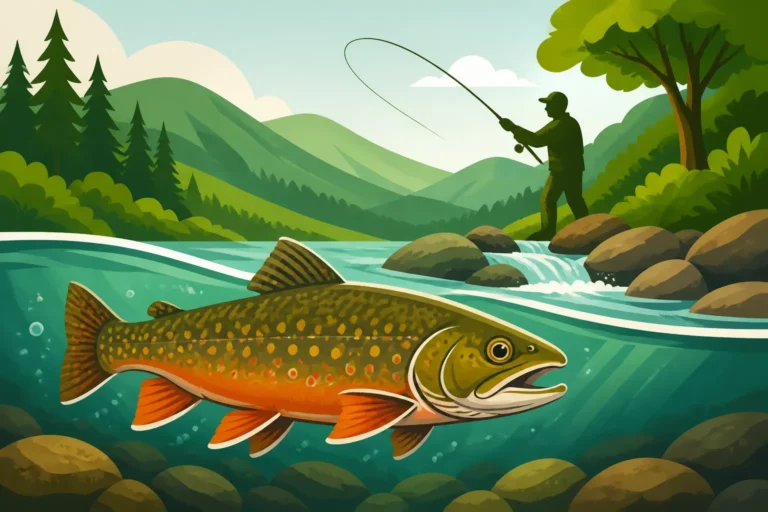
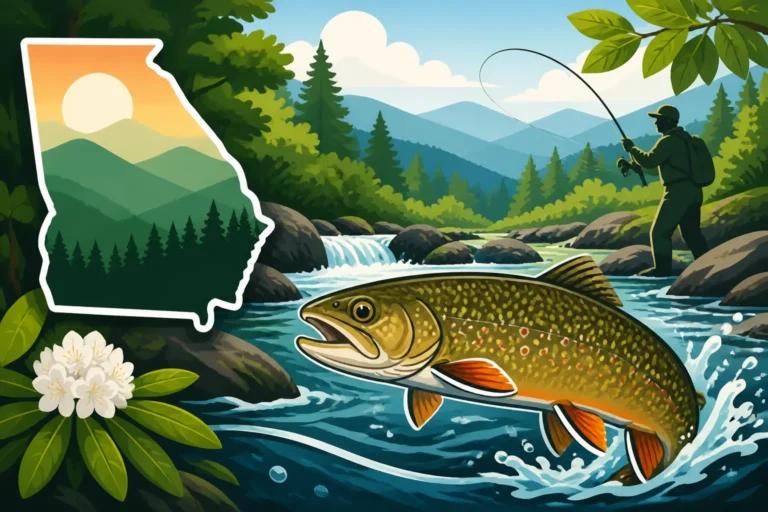
The brook trout (Salvelinus fontinalis) holds a special place in the hearts of Georgia anglers because it's the state's only native trout species. They are smaller than rainbows and browns, typically characterized by their distinctive worm-like markings (vermiculations) on a dark green to brown back, bright red spots with blue halos along their sides, and striking white leading edges on their pectoral, pelvic, and anal fins. Their lower fins often have a beautiful reddish-orange hue.
Brook trout are indicator species, meaning their presence signifies pristine, highly oxygenated, and very cold water. You'll typically find them in the highest, most remote headwater streams of North Georgia, often requiring a good hike to reach. They rarely grow large, but their vibrant coloration and the untouched beauty of their habitat make them a truly rewarding catch. Catching a native brook trout is about more than just the fish; it's about the experience of connecting with Georgia's wild places. Most anglers practice catch-and-release with these delicate fish to protect their fragile populations. Learn more about their unique traits in Brook Trout: Georgia's Only Native Trout Species.
The Powerful Striped Species: Stripers and Hybrids
When you're looking for a tackle-busting fight in Georgia's larger reservoirs, the striped bass and its hybrid cousin are hard to beat. These powerful fish are known for their schooling behavior and incredible strength.
Striped Bass: The Open Water Cruiser
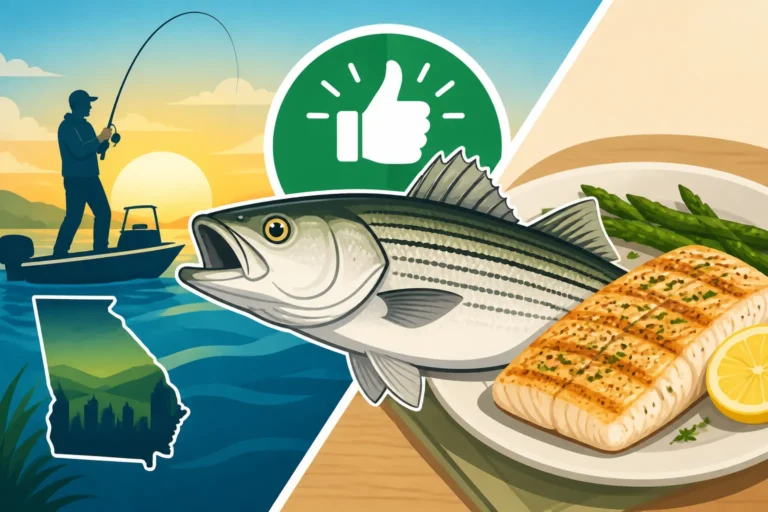
The striped bass (Morone saxatilis), often called a "striper," is a magnificent freshwater sportfish found in many of Georgia's large impoundments like Lake Lanier, Lake Hartwell, and Lake Thurmond. They are easily identified by their silvery bodies with distinct, unbroken horizontal stripes running from behind their gills to their tail. Unlike other bass species, stripers have two separate dorsal fins. These are anadromous fish by nature, meaning they migrate between fresh and saltwater, but in Georgia, many populations are landlocked thanks to stocking programs, requiring specific management.
Stripers are relentless predators, constantly moving in schools to chase down baitfish like shad. They often hold in open water, suspending over deep channels or around humps and points. Fishing for stripers often involves trolling with large artificial lures or live bait such as shad or herring, or using downriggers to target fish at specific depths. When hooked, they offer an incredibly powerful and prolonged fight, testing the angler's tackle and endurance. Many anglers consider a large striper to be one of the ultimate freshwater trophies.
Hybrid Striped Bass: The Best of Both Worlds
The hybrid striped bass (Morone saxatilis x Morone chrysops), often simply called a "hybrid," is a cross between a striped bass and a white bass. They were developed to combine the fighting qualities and larger size of the striper with the hardiness and schooling tendencies of the white bass, and they've become incredibly popular in Georgia. Lakes like Oconee and Sinclair are particularly well-known for their thriving hybrid populations.
Hybrids typically resemble stripers but often have broken or irregular stripes along their sides. Their body shape tends to be stockier than a pure striper. Like their parents, they are aggressive, schooling predators that feed heavily on baitfish. They can be found in similar open-water environments as stripers, often suspending or cruising the main lake basins. Hybrids are known for their incredibly fierce fight, often pulling even harder than a pure striper for their size. They are also excellent table fare. Check out Lake Oconee's Hybrid Striped Bass Fishery for prime hybrid action.
Panfish Perfection: Crappie and Bream
While black bass and trout get a lot of attention, Georgia's panfish offer incredible fun for anglers of all ages and skill levels. These smaller, schooling fish are abundant, delicious, and provide consistent action, making them perfect for family outings or a relaxing day on the water.
Crappie: The Delicious Slab
Georgia is home to two species of crappie: black crappie (Pomoxis nigromaculatus) and white crappie (Pomoxis annularis). Both are prized for their delicate, flaky white meat and their tendency to school in large numbers, making for fast and furious fishing. Black crappie are more common in clearer, vegetated waters, characterized by irregular dark blotches on their silvery sides and 7-8 dorsal spines. White crappie, on the other hand, often have more distinct vertical bars, a more elongated body, and 6 dorsal spines, typically preferring murkier water. However, telling them apart can sometimes be tricky!
Crappie love structure – brush piles, submerged timber, bridge pilings, and docks are all prime locations. They feed on small baitfish, insects, and crustaceans. Techniques like jigging with tiny jigs, tightlining minnows, or even spider rigging multiple rods are highly effective for crappie. Spring is a particularly popular time as they move shallow to spawn, offering incredible opportunities for "slab" crappie. Many anglers find their first crappie success using simple bobber rigs. For more details, see Crappie Fishing in Georgia: Black and White Crappie Guide. Looking for gear? You can often find a wide variety of crappie jigs and minnow buckets on Amazon.
Bream and Sunfish: The Kid-Friendly Catch
The term "bream" in Georgia often refers to a variety of sunfish species, including bluegill (Lepomis macrochirus), redear sunfish (shellcrackers, Lepomis microlophus), and various other colorful sunfish. These smaller fish are often the first fish many children catch, sparking a lifelong love for angling. They are abundant, easy to catch, and fiercely pull for their size, making them incredibly fun for beginners.
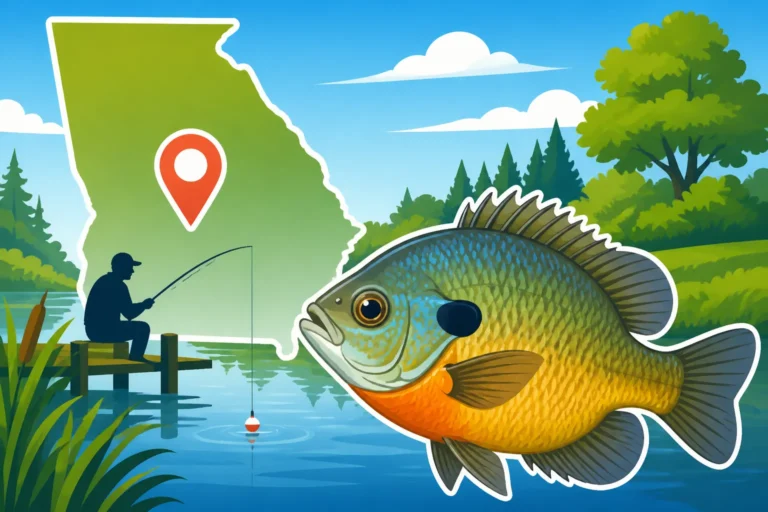
Bluegill are the most common and easily recognized, with their distinctive dark spot on the gill cover and sometimes a vertical barring pattern. Redear sunfish get their "shellcracker" nickname from their ability to crush mollusk shells, and they have a red or orange spot on the edge of their gill cover. These panfish are found in virtually all warm-water lakes, ponds, and slow-moving rivers across Georgia. They love to hang around shallow cover like lily pads, docks, and submerged brush. Worms, crickets, and small artificial lures under a bobber are usually irresistible to them. For tips on getting started, Bream and Bluegill Fishing for Beginners is a great resource.
The Bottom Dwellers: Georgia's Catfish
For anglers seeking powerful fights and often delicious table fare, Georgia's catfish species offer fantastic opportunities. The state is home to three primary species: channel catfish, blue catfish, and flathead catfish, each with unique characteristics and preferred habitats.
Channel Catfish: The Widespread Eater
The channel catfish (Ictalurus punctatus) is perhaps the most ubiquitous catfish species in Georgia, found in nearly all lakes, rivers, and ponds. They are easily identified by their sleek, slender bodies, deeply forked tail, and scattered small, dark spots (though these spots can fade in older or larger fish). They have barbels ("whiskers") around their mouth that help them locate food in murky water.
Channel cats are opportunistic feeders, eating almost anything from insects and crustaceans to small fish and decaying organic matter. This makes them relatively easy to catch using a wide variety of baits, from stink baits and chicken livers to worms and cut bait. They tend to prefer cleaner, clearer waters than some of their cousins and can provide a strong, steady fight. They are also highly regarded for their taste, making them a popular choice for dinner. Finding the right catfish bait on Amazon can significantly improve your chances.
Blue Catfish: The Deep Water Giant
The blue catfish (Ictalurus furcatus) is the largest catfish species in North America and certainly in Georgia. These true giants are found in many of Georgia's large river systems and reservoirs, especially in the central and southern parts of the state. Blues are distinguished by their slate-blue coloration (though it can vary), a deeply forked tail, and a noticeable hump on their back just behind the head. They have a relatively smooth, scaleless skin.
Blue cats are primarily piscivorous, meaning they prefer to eat other fish, though they will scavenge. Anglers targeting trophy blues often use large cut bait (like shad or bream) or live bait, fishing in deep channels, river bends, or around submerged structure in large reservoirs. They are known for their incredible power and stamina, often making long, strong runs that test even heavy-duty tackle. Catching a blue catfish over 50 pounds is a real possibility in some Georgia waters. Find out more about them in Blue Catfish Guide for Georgia Anglers.
Flathead Catfish: The Ambush Predator
The flathead catfish (Pylodictis olivaris) is perhaps the most distinctive of Georgia's catfish species. They are characterized by their broad, flattened head (hence the name), a protruding lower jaw, and a square or slightly rounded tail (not forked like channels or blues). Their coloration is typically mottled brown and yellow, providing excellent camouflage in their preferred rocky, woody habitats.
Unlike channel and blue catfish, flatheads are almost exclusively live-bait predators. They prefer to ambush their prey, often hiding in submerged logjams, undercut banks, or rocky crevices in rivers and large reservoirs. Anglers targeting flatheads almost always use live fish, such as bream, shad, or even smaller carp, fished on stout tackle near heavy cover. They are incredibly powerful fighters, often making deep, determined runs back into structure. Catching a flathead is a test of strength and skill, requiring patience and heavy gear. Many anglers swear by their delicious, firm, white meat.
Other Notable Georgia Fish Species
While the black bass, trout, panfish, and catfish dominate the angling scene, Georgia's waters are home to countless other fascinating and sometimes catchable fish species that add to the state's rich aquatic biodiversity.
Crappie, Walleye, and Muskellunge
Beyond the most common game fish, some Georgia waters hold unique opportunities for other species. For instance, the walleye (Sander vitreus) is a prized cool-water game fish known for its delicious fillets and elusive nature. Though not widespread, certain lakes and rivers in North Georgia, particularly in the Toccoa River system and parts of Lake Blue Ridge, have self-sustaining populations. They are recognizable by their large, glassy eyes and sharp teeth, preferring deep, rocky structure and often biting best at dawn, dusk, or night.
The mighty muskellunge (Esox masquinongy), or "muskie," is another apex predator in a very select few Georgia waters, primarily in the extreme northern part of the state. These elongated, toothy fish are the largest members of the pike family and are truly a fish of a thousand casts. They have a reputation for being incredibly challenging to catch, but landing one is considered a monumental achievement. Anglers often target them with large, flashy lures or big live baits.
Rough Fish and Conservation
It's also important to acknowledge the role of "rough fish" or non-game species in Georgia's ecosystems. These include various carp species, suckers, and gars. While not typically targeted for sport by all anglers, they play crucial roles in the aquatic food web and can offer unique angling experiences for those interested in alternative fishing pursuits. Some, like common carp, can grow to enormous sizes and offer an incredible fight on light tackle. Bowfishing for species like common carp and gar is also a popular activity in certain areas.
Understanding the full spectrum of fish species, even those you might not actively target, helps paint a complete picture of Georgia's incredible aquatic diversity and reinforces the importance of responsible angling practices and conservation. Every species, from the smallest bream to the largest blue cat, contributes to the health and balance of our rivers and lakes.
Regulations and Conservation for Georgia's Fish
As responsible anglers, it's not just about knowing what fish are in the water, but also how to protect them for future generations. Georgia's wildlife resources division works tirelessly to manage fish populations, and understanding the regulations is a critical part of being a good steward. This means staying informed about size and creel limits, season dates, and specific rules for certain water bodies.
Why Regulations Matter
Fishing regulations aren't arbitrary rules designed to make your life harder; they are scientifically determined guidelines crucial for sustaining healthy fish populations. For example, Georgia Fish Size and Creel Limits help prevent overfishing and ensure that enough fish reach maturity to spawn, contributing to the next generation. These limits are especially important for popular sport fish like bass and trout, which receive significant angling pressure. Without these rules, some of our favorite fisheries could quickly decline.
Regulations can also vary significantly from one water body to another. A large reservoir might have a different bass limit than a small community pond, or a specific trout stream might have special catch-and-release rules or bait restrictions. Always check the latest Georgia Fishing Regulations before you head out, as they can change annually. Ignorance of the law is not a defense, and penalties for violations can be steep. Penalties for Fishing Without a License in Georgia can be a harsh lesson.
Supporting Georgia's Fisheries
Beyond following the rules, there are many ways anglers can contribute to conservation. Practicing catch-and-release, especially for large breeding fish, is one of the most impactful actions. Using proper handling techniques to minimize stress and injury to released fish ensures their survival. Participating in local clean-up efforts, reporting poaching or pollution, and supporting organizations dedicated to habitat preservation are also vital.
Purchasing a Georgia Fishing License Guide is another direct way you contribute. A significant portion of fishing license fees goes directly back into fisheries management, habitat restoration, fish stocking programs, and public access projects. By doing your part, you're not just enjoying Georgia's natural resources today; you're actively helping to ensure that future generations can also experience the joy of reeling in a magnificent catch. Every little bit counts in maintaining the vibrant fish populations that make Georgia such an incredible place to fish.
Disclaimer
This article is for general informational purposes only and does not constitute professional advice. Laws, prices and regulations vary by location and change over time. Consult a qualified professional for guidance on your specific situation.