Georgia Fishing Seasons by Month
It can feel incredibly frustrating, can't it? You spend precious time and money planning a fishing trip, only to arrive at the lake or river and find the fish just aren't biting. A lot of the time, it's not about your skill or even the gear you're using; it's simply about timing. Georgia offers some truly fantastic fishing opportunities, but understanding the nuances of how the seasons impact fish behavior is absolutely key to consistently successful outings. This comprehensive guide will walk you through Georgia's fishing seasons month by month, helping you decipher the patterns and put more fish in your net, whether you're chasing trophy bass, feisty trout, or a cooler full of crappie.
Understanding Georgia's Seasonal Fishing Dynamics
Before we dive into the specific months, it's really helpful to get a grasp on the bigger picture of what drives fish activity in Georgia's waters. It’s not just the calendar changing; it’s a symphony of natural cues that dictate where fish are, what they’re eating, and how aggressively they’re biting. Ignoring these fundamental dynamics is like trying to play a song without knowing the notes – you might get lucky, but it’s unlikely to sound good.
The Influence of Water Temperature and Weather Patterns
Think of water temperature as the grand conductor of the underwater world. Every fish species has an optimal temperature range where it thrives, feeds, and reproduces. As the seasons shift, so does the water temperature, profoundly affecting everything from a fish’s metabolism to its location. In Georgia, with our sometimes wildly fluctuating weather, these temperature changes can be quite dramatic. A sudden cold front in spring can shut down a hot bite, while a warm spell in winter can surprisingly turn on sluggish fish. Understanding How Water Temperature Affects Fish Behavior is crucial for any angler hoping to consistently find success.
Beyond temperature, factors like rainfall, barometric pressure, and even moon phases play a significant role. Heavy rains can muddy waters and raise water levels, dispersing fish or concentrating them in specific areas. A stable, high-pressure system often means clear skies but can make fish less active, while a falling barometer before a storm can trigger a feeding frenzy. It's a complex puzzle, but recognizing these patterns helps you predict when to hit the water and what tactics might work best.
How Fish Behavior Changes Throughout the Year
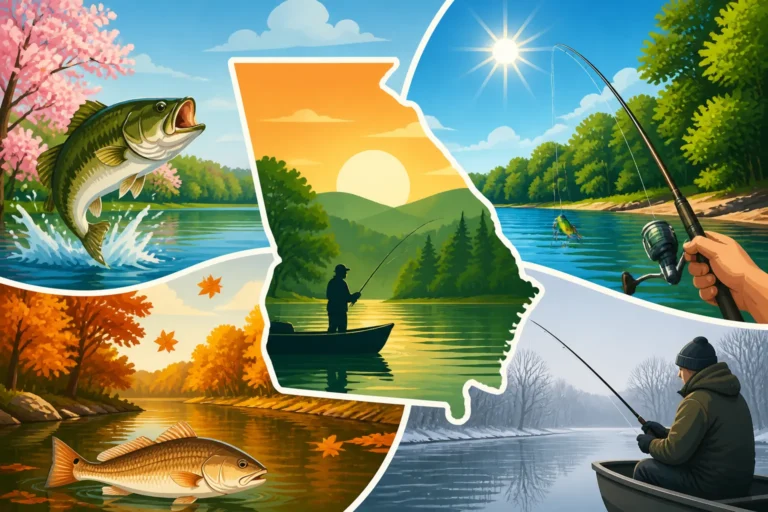
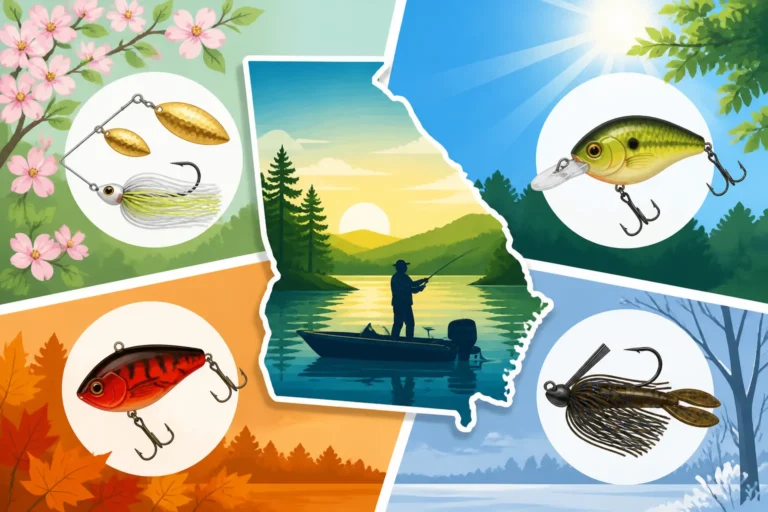
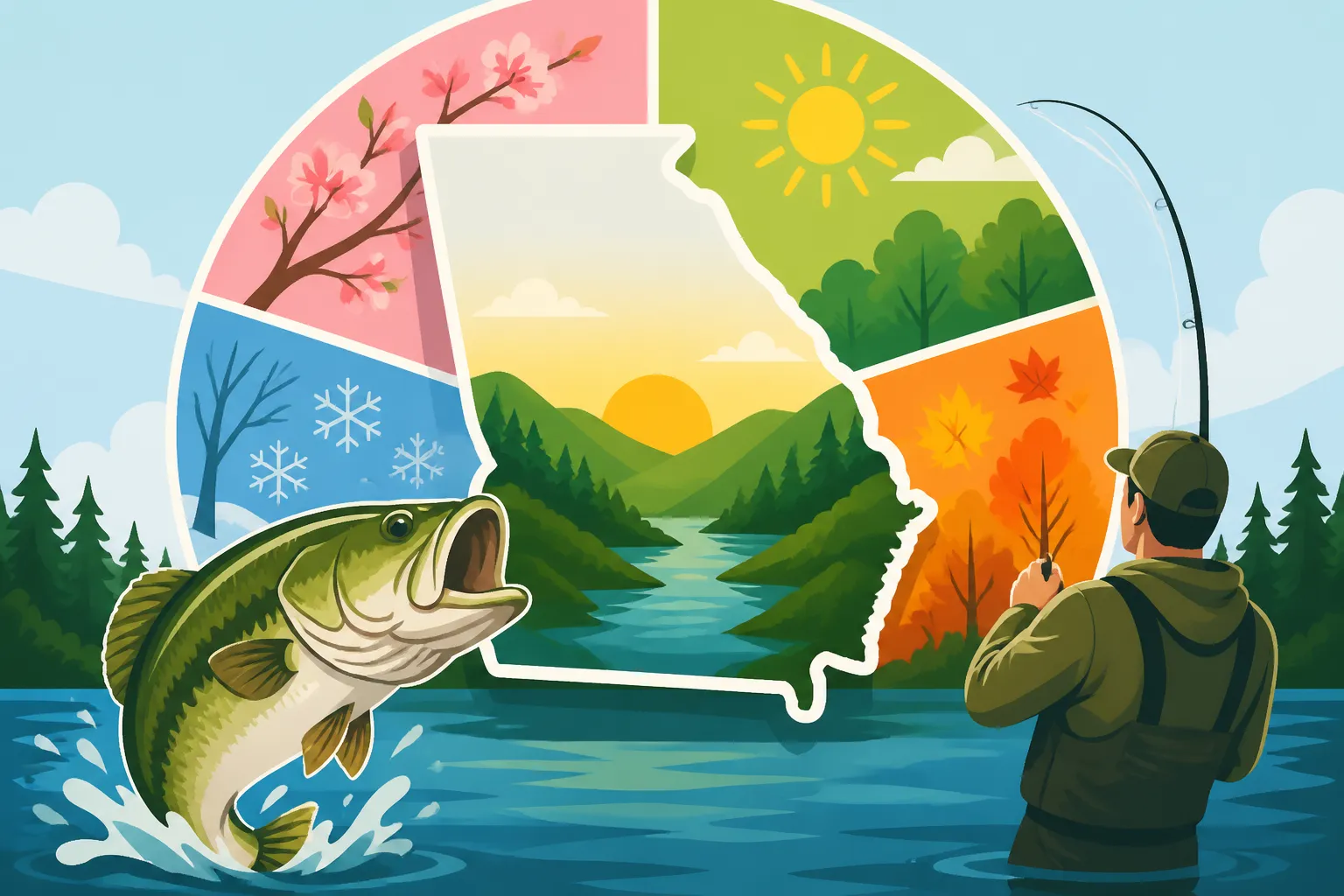
Just like us, fish have routines, and these routines are heavily influenced by the changing seasons. In spring, their focus shifts to spawning, leading them to shallow, warmer waters. Summer finds them seeking cooler, deeper sanctuaries or hunting actively during low-light hours. Fall is often a period of intense feeding as they bulk up for winter, making them incredibly aggressive. And in winter, while their metabolism slows, they still need to eat, often schooling up in predictable deep-water locations.
Each species has its own subtle variations within these broad patterns. Largemouth bass might move differently than spotted bass, and a trout in a mountain stream behaves quite differently from a catfish in a large reservoir. Knowing these general behaviors allows you to anticipate their movements, choose the right baits, and present them effectively. It’s about putting yourself in the fish’s fins, so to speak, and understanding their motivations at any given time of year.
Regional Differences in Georgia's Waters
Georgia is a geographically diverse state, stretching from the mountainous north to the coastal plains and marshlands in the south. This means that "Georgia fishing" isn't a monolithic experience; what works in the cold, clear trout streams of the Blue Ridge Mountains is vastly different from what you'd do in the sprawling, warm-water reservoirs like Lake Lanier or the brackish estuaries along the coast.
For instance, the trout stocking schedule and bite in North Georgia's cooler streams will naturally precede or lag behind the bass spawn in a central Georgia reservoir. Coastal fishing for redfish and sea trout follows its own unique tidal and temperature cycles, entirely distinct from freshwater patterns. When planning your trips, always consider the specific region you're heading to. The information here will largely focus on freshwater species common across the state's lakes and rivers, but always remember to adjust your expectations and tactics based on local conditions and what species are native or stocked in that particular body of water.
Early Spring Fishing (March-April): The Awakening Waters
As the cold grip of winter finally loosens its hold, March and April bring a surge of renewed life to Georgia's fishing scene. This is a truly exciting time, as fish shake off their winter sluggishness and begin to move with purpose. The warming water temperatures signal the start of crucial biological processes, making fish more active and often more aggressive. Anglers who brave the sometimes fickle spring weather can be richly rewarded with some of the year's best fishing.
Pre-Spawn and Spawning Bass Frenzy
Ah, bass fishing in Georgia during spring – it’s legendary for a reason! As water temperatures creep into the upper 50s and low 60s, both largemouth and spotted bass begin their pre-spawn migration from deeper winter haunts to shallower staging areas. They’re looking for rocky points, submerged timber, and creek channels that lead to prime spawning flats. During this pre-spawn phase, bass are incredibly focused on feeding, trying to pack on calories before the energy-intensive spawning ritual. This is arguably the best time to catch large, heavy bass. You'll find them gorging on baitfish, crawfish, and anything else they can get their mouths around. For an in-depth look, check out our guide on Spring Bass Fishing Patterns on Georgia's Reservoirs.
Once the water hits the mid-60s, typically from late March through April, the actual spawn begins. Bass move onto shallow flats, often visible in clear water, where they create nests. While they might not be actively feeding in the traditional sense, they become highly territorial and will strike at anything perceived as a threat to their bed or fry. Flipping jigs, creature baits, or even slow-moving soft plastics directly into or near a bed can trigger a protective strike. Remember to exercise good conservation practices during this time, releasing spawning fish quickly and carefully to ensure future generations.
Crappie Staging and Shallow Water Opportunities
If you love crappie, then spring in Georgia is your time to shine! As the water warms, these panfish move from their deep-water winter schools and begin to stage in submerged brush, standing timber, and around docks in preparation for their spawn. Like bass, they're looking for warmer, shallower water, often in depths of 5-15 feet before moving even shallower.
Early spring crappie fishing is often characterized by locating these staging schools. Small jigs, tipped with minnows or scented plastics, are incredibly effective. You can fish them vertically around structure or cast them to submerged cover. As the water temperatures hit the low to mid-60s, crappie will move into even shallower water, sometimes as little as 2-5 feet deep, to spawn. They'll congregate around brush piles, cattails, and even rip-rap, making them accessible to both boat and bank anglers. Techniques like How to Jig for Crappie become incredibly productive. Don't forget to look for these schools on your fish finder before you even wet a line; crappie often stack up tight, and once you find one, you've likely found a whole lot more.
Trout Stocking Kicks into High Gear
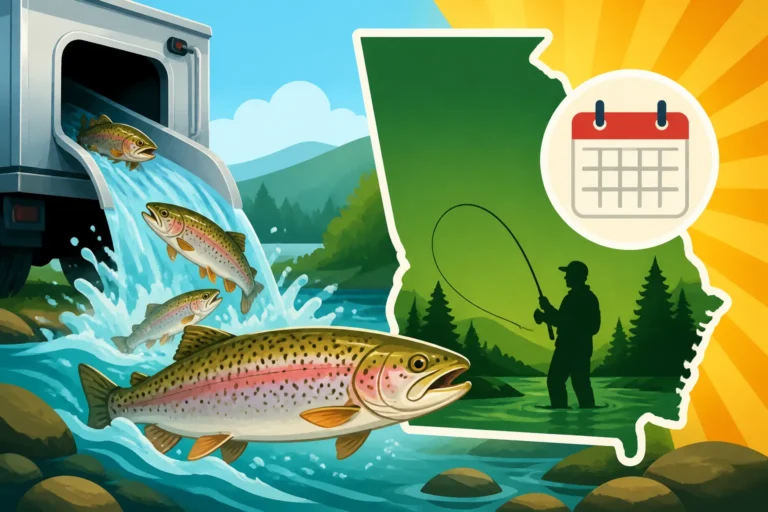
North Georgia's mountain streams become a trout angler's paradise in spring. The Georgia Department of Natural Resources kicks its trout stocking program into high gear, releasing thousands of rainbow and brown trout into designated streams and rivers. While wild trout are always present, the influx of stocked fish provides fantastic opportunities for anglers of all skill levels.
March and April are prime months to visit popular trout streams like the Toccoa River, the Chattahoochee River (especially below Buford Dam), and countless smaller tributaries. Fly fishermen will find success with nymphs, emergers, and early season dry flies, while spin anglers can do very well with small inline spinners, spoons, or natural baits like corn and worms. Always check the current Georgia Trout Stocking Schedule to plan your trips around fresh stockings for the best action. The cooler mornings and milder afternoons make for pleasant fishing, and the beautiful scenery of the North Georgia mountains is an added bonus. Just be sure to dress in layers, as spring weather can be quite unpredictable in the mountains.
Late Spring and Early Summer (May-June): Peak Activity
As spring gives way to the full warmth of early summer, May and June mark a period of intense activity across Georgia's waterways. The post-spawn recovery for many species means they are actively feeding, and the consistent warm weather makes for comfortable days on the water. This is a fantastic time for a wide variety of angling pursuits, from chasing powerful stripers to filling a cooler with panfish.
Post-Spawn Bass Strategies
By May, most of the bass in Georgia’s reservoirs and rivers have completed their spawning rituals. They’ve expended a tremendous amount of energy, and their primary focus now shifts to recuperating and feeding heavily. This post-spawn period can sometimes be a bit tricky, as bass move away from their shallow beds and transition to deeper, but still accessible, areas. Look for them to congregate on main lake points, submerged humps, creek channel swings, and around offshore structure.
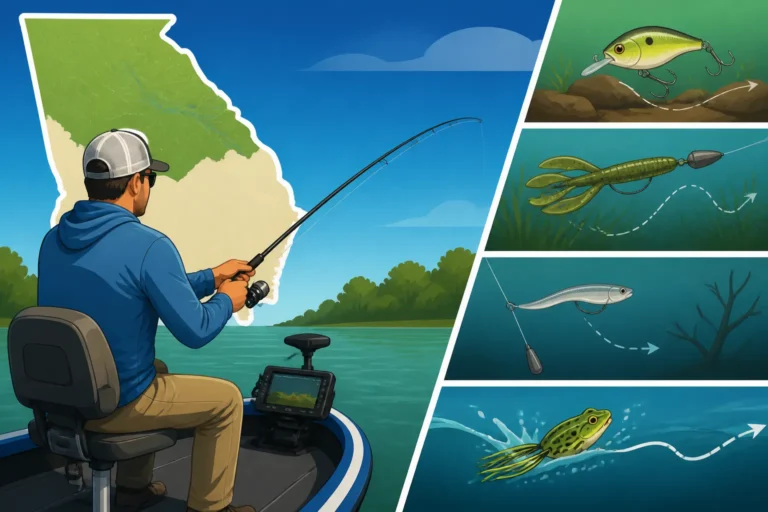
Topwater action can be phenomenal in the early mornings and late evenings as bass ambush baitfish near the surface. Poppers, walk-the-dog baits, and buzzbaits are excellent choices. During the brighter parts of the day, anglers will find success with crankbaits, swimbaits, and Carolina rigs fished along ledges and humps. Don't be afraid to experiment with different depths and presentations; the bass are often moving, chasing schools of shad. As June progresses and water temperatures continue to climb, some bass will begin to establish their deeper summer patterns, but the aggressive post-spawn bite often offers some of the best fishing of the year for sheer numbers and size.
Hybrid Striper and Striped Bass Action
Late spring and early summer are prime times for targeting the powerful hybrid striped bass and true striped bass in Georgia's larger reservoirs. Lakes like Lanier, Oconee, Hartwell, and Clarks Hill become hotspots for these hard-fighting fish. Hybrids and stripers are often found schooling and chasing baitfish near the surface in the early mornings, creating exciting topwater blowups.
As the sun gets higher, these fish will retreat to deeper, cooler water, often suspending over humps, points, and river channels. Down-lining live bait, like shad or blueback herring, is a deadly tactic. Trolling with artificial lures, such as spoons or deep-diving crankbaits, can also be very effective at covering water and locating active schools. Pay close attention to your electronics; a good fish finder is invaluable for spotting these nomadic schools. The fight a Georgia striped bass puts up is legendary, and these months offer some of the best chances to tangle with a true freshwater powerhouse.
Bream and Catfish Thrive in Warmer Waters
For those who enjoy a more relaxed pace or fishing with family, May and June offer superb opportunities for bream (bluegill, redear sunfish, etc.) and catfish. Bream will be actively spawning in shallow water, often creating visible "beds" in coves, around docks, and along lily pad edges. A simple setup with a small hook, a piece of red worm or cricket under a bobber, is all you need for consistent action. This is a fantastic time to introduce kids to fishing, as the bites are frequent and the fish are feisty.
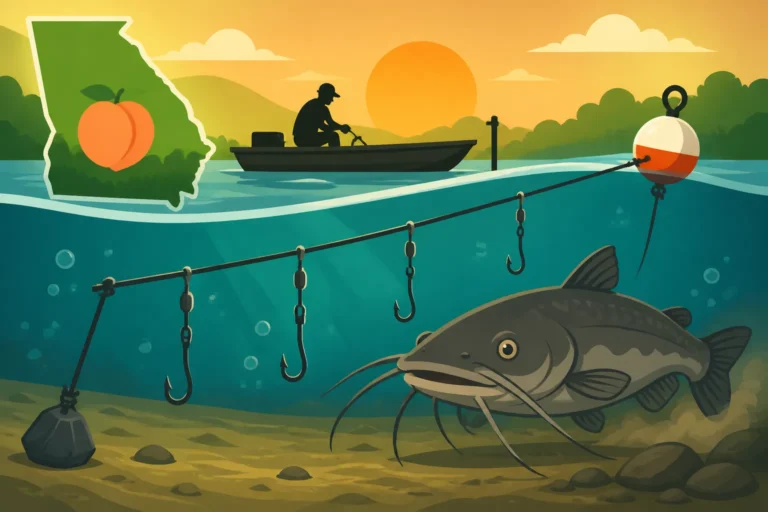
Catfish, especially channel cats, become very active as the water warms. They'll move into shallower areas to feed, often congregating in creek mouths, along river bends, and near woody debris. Stink baits, cut bait (like shad or chicken livers), and even shrimp are irresistible to them. You can fish for them from the bank or a boat, simply bottom-fishing with a slip-sinker rig. Flathead catfish, which prefer live bait, also become more active in the warmer months, often holding in deeper holes and under log jams in rivers. These fish are powerful fighters and make for excellent table fare, offering a delicious reward for a successful outing.
Mid-Summer Fishing (July-August): Beating the Heat
When July and August roll around in Georgia, the heat and humidity can be intense, both for anglers and fish. The surface water temperatures on many lakes can climb into the high 80s, pushing most fish into deeper, cooler, and more oxygenated waters. While it requires a shift in tactics and often a willingness to fish during non-traditional hours, mid-summer still offers excellent fishing for those who know how to adapt. Don't let the heat deter you entirely; it's simply a call to adjust your approach.
Deep Water Tactics for Largemouth and Stripers
During the dog days of summer, largemouth bass will largely abandon the shallows for the comfort of cooler, deeper water. Look for them to school up on offshore humps, ledges, deep points, and around submerged timber in 15-30 feet of water or more. This is when deep-diving crankbaits, football jigs, and heavy Carolina rigs become incredibly effective. Electronics are paramount for locating these deep schools; a good fish finder can save you hours of fruitless casting.
Similarly, striped bass and hybrid stripers will be found in the deepest, coolest parts of the water column, often suspending over river channels or congregating near the thermocline (the layer where water temperature changes rapidly). Down-lining live bait remains a top strategy. Trolling deep-running umbrella rigs or large spoons can also entice strikes from these powerful fish. Consider fishing during the coolest parts of the day – dawn, dusk, or even at night – when these fish may move slightly shallower to feed.
Night Fishing for Catfish and Bass
One of the most effective ways to beat the summer heat and find active fish is to simply wait until the sun goes down. Night fishing in Georgia during July and August can be incredibly productive and surprisingly comfortable. Catfish are naturally nocturnal feeders, and the cooler water temperatures and reduced boat traffic at night make them even more aggressive. Large blue cats and channel cats can be caught on cut bait, chicken livers, or commercial stink baits fished on the bottom. Focus on creek channels, river bends, and areas with current. For detailed tactics, check out Night Fishing Techniques for Catfish.
Bass also become more active at night, especially largemouth. They’ll move out of their deep-water haunts and cruise shallower flats, points, and even around docks under the cover of darkness. Topwater lures, large dark-colored spinnerbaits, and slow-rolled jigs can trigger explosive strikes. The sound of a bass blowing up on a topwater frog under a starry Georgia sky is an experience every angler should try! Just remember your headlamp, plenty of bug spray, and all the necessary safety gear when fishing after dark.
Targeting Spotted Bass in Cooler Depths
While largemouth bass retreat to the deepest structure, spotted bass often have a slightly different summer pattern, though they also seek cooler water. Found predominantly in clearer, rockier reservoirs like Lake Lanier, Lake Hartwell, and Lake Allatoona, spots will school up and suspend over deep humps, rocky ledges, and creek channel swings. They often relate to baitfish schools, particularly blueback herring, and will follow them throughout the water column.
Drop-shot rigs, shaky heads, and small finesse jigs are excellent for targeting these suspended fish. Sometimes, you’ll find them shallower in the mornings and evenings, chasing bait on points. During the day, they might be 30-60 feet deep, but very willing to strike if your presentation is subtle and realistic. Keep an eye on your electronics for bait balls and fish arches; where there's one spotted bass, there are usually many more. Their relentless fighting spirit makes them a blast to catch, even when other species are sluggish.
Fall Fishing (September-October): The Feeding Spree
As the scorching summer heat gives way to cooler temperatures and shorter days, fall arrives in Georgia, ushering in some of the most spectacular fishing of the year. The crisp air and vibrant foliage create a beautiful backdrop for angling, and more importantly, fish know winter is coming. This instinct triggers an intense feeding spree across many species, making them incredibly aggressive and eager to bite. If you're looking for consistent action, fall is definitely a prime time.
Bass Feeding Before Winter
Autumn is a truly glorious time for bass fishing in Georgia. As water temperatures begin to drop from the summer highs into the comfortable 60s and low 70s, largemouth and spotted bass emerge from their deep-water summer sanctuaries. They follow schools of baitfish, which are also moving into shallower creeks and coves. Bass are in full "fattening up" mode, trying to consume as many calories as possible before the lean months of winter. For a deeper understanding of this productive period, explore our guide on Fall Bass Fishing Patterns on Georgia's Lakes.
You'll find bass in transition zones – creek channels, points, and humps leading into shallower backs of coves. Topwater action can be explosive in the mornings and evenings, with baits like Whopper Ploppers, poppers, and walking baits drawing vicious strikes. During the day, crankbaits, spinnerbaits, and chatterbaits are excellent for covering water and locating active schools. Flipping jigs into shallow cover, especially around docks and submerged timber, can also be highly productive as bass ambush unsuspecting prey. This is often the time when anglers catch some of their heaviest fish of the year, as they are actively gorging themselves.
Reinvigorated Trout Fishing and Stocking
Fall is a second spring for trout anglers in North Georgia. The cooler water temperatures are ideal for trout, and the Georgia DNR continues its stocking efforts, providing fresh fish for eager anglers. Streams that might have been too warm for trout in mid-summer become vibrant fisheries once again. The natural beauty of the changing leaves along the riverbanks only adds to the experience.
Fly fishermen will find success with a wide array of patterns, including terrestrials (imitating grasshoppers and crickets), various nymph patterns, and eventually, some of the smaller dries as insect hatches pick up. Spin anglers will continue to do well with inline spinners, small spoons, and natural baits. Popular destinations include the Chattooga River, Amicalola Creek, and the Chattahoochee River's tailwater sections below dams. Always keep an eye on the Georgia Trout Stocking Schedule for the most up-to-date information on where and when fish are being released. This season offers a fantastic opportunity for both quantity and quality trout fishing.
Crappie and Panfish Resurface
Just like bass, crappie and other panfish (bluegill, redear sunfish) sense the coming winter and engage in a strong fall feeding spree. As water temperatures cool, crappie move out of their deep summer haunts and often position themselves along creek channels, brush piles, and standing timber in slightly shallower water, often 10-20 feet deep. They'll actively chase baitfish, providing excellent opportunities for tight-lining minnows or vertically jigging small spoons and plastic jigs.
Bluegill and other bream species will also become more active, moving into coves and around docks as they feed heavily. Small jigs, crickets, or worms fished under a bobber are still incredibly effective. For kids or beginners, this can be a perfect time to get out on the water, as the consistent bites keep things exciting. Fall panfishing can be particularly rewarding, offering both a fun fight and a delicious meal. Look for them around any available cover, especially where there's a good baitfish presence.
Late Fall and Early Winter (November-December): Cooler Bites
As autumn leaves fade and the first real chills of winter set in, November and December bring a different kind of challenge and reward to Georgia fishing. While the frenetic feeding activity of fall begins to wane, many species still offer excellent opportunities for anglers willing to brave cooler temperatures and employ specific cold-water tactics. This period is less about sheer numbers and more about targeting concentrated fish.
Transitioning Bass Patterns
In November, water temperatures continue to drop, pushing bass deeper and consolidating them into smaller, more predictable areas. The widespread feeding frenzies of fall become less common, replaced by more subtle bites on deeper structure. Largemouth bass will often relate to steep creek channel swings, main lake points, and deep humps that offer quick access to both shallow and deep water.
Finesse techniques become increasingly important. Drop-shot rigs, shaky heads, football jigs, and slow-rolled crankbaits are excellent choices. Spotted bass, especially in clear lakes like Lanier, will often suspend over deep water, sometimes in baitfish schools. A keen eye on your electronics is crucial for finding these fish. As December approaches and water temperatures dip into the 50s and even 40s, bass metabolism slows further. They'll still feed, but their strikes will be much more subtle. Think slow presentations and smaller baits.
Lake Sinclair's Unique Winter Crappie Fishery
While many lakes see a slowdown in crappie action during early winter, Lake Sinclair offers a unique and highly productive exception. Because of the warm water discharge from the Georgia Power plant on the lake, parts of Sinclair maintain significantly warmer water temperatures throughout the colder months. This creates a fantastic crappie fishery that can stay hot even when other lakes are ice-cold. Our detailed guide on Why Georgia's Lake Sinclair Fishes Better in Winter Than Other Georgia Lakes provides an excellent overview.
Crappie will congregate in large schools in the warmer sections of the lake, often around deep brush piles, standing timber, and creek channels. Vertical jigging with small jigs or tight-lining minnows directly over these schools is the most effective method. The fish are often tightly packed, and once you find them, you can have a banner day. This is a must-try for any crappie enthusiast looking for consistent action during the colder months when other fisheries might be sluggish.
Early Winter Trout Opportunities
North Georgia's trout streams continue to offer good fishing into early winter, especially for those pursuing rainbow and brown trout. The colder water keeps the trout active and healthy, and with fewer anglers on the water, you can often find some peace and solitude. While the prolific insect hatches of spring and summer are long gone, trout still need to feed.
Nymphing is usually the most productive method, as trout will be feeding on aquatic insects drifting along the bottom. Patterns like caddis larvae, stoneflies, and various mayfly nymphs are excellent choices. Spin anglers can continue to use small inline spinners, especially those in darker colors, or drift natural baits like red worms. Some streams might also enter their "delayed harvest" period (typically November 1 – May 14), which means catch-and-release only with artificial lures, providing fantastic opportunities to hone your skills on robust fish. This is a beautiful time to be in the mountains, even if the air is chilly.
Mid-Winter Fishing (January-February): Slow and Steady
January and February represent the deepest part of winter in Georgia. Air and water temperatures are at their lowest, and fish metabolism slows significantly. This can be the most challenging time for anglers, but it's far from impossible. In fact, for those who understand cold-water dynamics and embrace finesse, winter can offer surprisingly rewarding fishing, especially for larger, more elusive fish that are concentrated in predictable areas. Patience and precision become your best friends.
Deep Water Finesse for Largemouth and Spotted Bass
When lakes are at their coldest, largemouth and spotted bass retreat to their deepest, most stable haunts. You'll find them tightly schooled on main lake points, deep ledges, humps, and suspended over creek channels, often in 25-50 feet of water or more, depending on the lake's depth and thermocline (if one still exists). Their bites will be incredibly subtle – sometimes feeling like just a slight weight on the line, or simply a "thump" that barely registers.
This is the season for extreme finesse. Drop-shot rigs, shaky heads with small worms, and jigging spoons are top contenders. Slow-rolling a football jig or a small swimbait along the bottom can also trigger strikes. Work your baits painstakingly slowly; a retrieve that feels glacial to you is probably just right for a cold, lethargic bass. Don't be afraid to leave your bait sitting motionless for several seconds after it hits the bottom. While you might not catch huge numbers, the fish you do connect with are often healthy and robust. Remember to bring plenty of warm layers if you're hitting the water during this season.
Catfish and Crappie in Sheltered Areas
Catfish, particularly blue and channel cats, are still catchable in winter, though their patterns shift. They will often congregate in deeper holes, river bends, and channels where the current is slower and temperatures are more stable. While not as aggressive as in summer, they still need to feed. Heavy cut bait (like shad or mullet), chicken livers, or commercial catfish baits fished on the bottom with a slip-sinker rig can be effective. This is a great time for bank anglers as well, targeting deep holes near bridge pilings or river confluence points.
Crappie, outside of warm-water discharges like Lake Sinclair, will also be tightly schooled in deep water. Look for them in brush piles, standing timber, and under docks in 20-30 feet of water. Vertical jigging with tiny jigs (1/32 or 1/16 ounce) tipped with minnows or micro plastics is the most reliable method. The key is to present the bait right in front of their nose, as they won't expend much energy to chase it. A good fish finder is invaluable for locating these tight schools; once found, you can often pick off several fish from the same spot.
Delayed Harvest Trout Fishing
For dedicated trout anglers, mid-winter is the prime time for "Delayed Harvest" (DH) streams in North Georgia. From November 1 to May 14 each year, these specially designated sections of streams operate under strict catch-and-release regulations, using only artificial lures with a single barbless hook. This management strategy allows trout to grow larger and become more acclimated to their environment, offering a fantastic challenge for fly and spin anglers alike. Check out our guide on Delayed Harvest Trout Streams in Georgia for more information.
The lack of harvest, combined with consistent stocking throughout the fall, means these streams are often teeming with robust rainbow, brown, and brook trout. Nymphing is king here, with patterns like pheasant tails, hare's ears, and stoneflies being highly effective. Streamers can also tempt larger, more aggressive fish. For spin anglers, small inline spinners with barbless hooks work well. The clear, cold water makes for beautiful fishing, and landing a chunky trout from a DH stream in the dead of winter is a truly satisfying experience. Just be prepared for cold fingers and dress warmly. You might even find some specialized cold-weather gear on Amazon that could make your trip more comfortable!
Planning Your Georgia Fishing Adventures: A Monthly Guide
Now that we've broken down what to expect season by season, let's consolidate this information into a quick reference. This table highlights some of the prime opportunities you can expect throughout the year in Georgia's diverse waters.
| Month | Prime Species & Tactics | Key Considerations |
|---|---|---|
| January | Deep Largemouth & Spotted Bass (finesse jigs, drop-shots); Catfish (deep holes with cut bait); Delayed Harvest Trout (nymphs, small spinners). | Coldest month, slowest metabolism. Focus on deep, concentrated fish. Subtle bites. Dress warm. |
| February | Deep Largemouth & Spotted Bass (vertical jigs, shaky heads); Crappie (deep timber, Lake Sinclair warm-water discharge); Delayed Harvest Trout. | Still very cold, but fish starting to think about spring. Slight increase in activity towards month-end. |
| March | Pre-Spawn Bass (crankbaits, jigs near channels); Crappie (staging brush piles, docks); Trout Stocking (freshly stocked streams with bait, spinners, nymphs). | Transition month – weather can be unpredictable. Bass moving shallow. Trout streams excellent. |
| April | Spawning Bass (flipping, sight fishing); Peak Crappie Spawn (shallow cover); Heavy Trout Stocking (all methods); Bream (starting to bed). | Peak spring activity for many species. Look for visible beds for bass and bream. Great for family fishing. |
| May | Post-Spawn Bass (topwater, crankbaits on points); Hybrid & Striped Bass (topwater, down-lining live bait); Catfish (active in rivers, shallower); Bream (active beds). | Consistent warmth. Fish recuperating and feeding aggressively. Excellent all-around month. |
| June | Hybrid & Striped Bass (active, chasing bait); Largemouth Bass (transitioning to deeper summer patterns, early topwater); Catfish (peak activity, jug fishing); Bream (numerous beds). | Warming waters pushing fish deeper during the day. Mornings/evenings best for topwater. |
| July | Deep Largemouth & Spotted Bass (deep cranks, jigs); Deep Hybrid & Striped Bass (down-lining); Night Fishing for Bass & Catfish (topwater, cut bait). | Hottest month, focus on low light, deep water, or night fishing. Electronics are crucial for locating fish. |
| August | Deep Largemouth & Spotted Bass (finesse, spoons); Catfish (night fishing, trotlines); Hybrid & Striped Bass (deep water); Coastal Species (redfish, sea trout inshore). | Similar to July. Consider coastal trips for a change of pace. Stay hydrated! |
| September | Fall Bass Feeding Spree (topwater, crankbaits, jigs); Trout (reinvigorated, continued stocking); Crappie & Panfish (moving shallower, active). | Cooling waters trigger aggressive feeding. Excellent all-around month, especially for bass. |
| October | Peak Fall Bass Action (major feeding frenzies); Trout (fantastic conditions, fall stockings); Crappie (staging on brush); Striped Bass (moving shallower). | Arguably the best month for bass and trout. Comfortable weather, beautiful scenery. |
| November | Transitioning Bass (deeper points, humps); Lake Sinclair Crappie (warm discharge areas); Delayed Harvest Trout (catch & release begins); Catfish (deep holes). | Cooler temperatures. Fish consolidating. Finesse becomes more important. |
| December | Deep Largemouth & Spotted Bass (slow finesse); Lake Sinclair Crappie (prime); Delayed Harvest Trout (excellent, low pressure); Striped Bass (deep, suspended). | Cold, but fish are predictable. Focus on precise presentations. Enjoy the quiet waters. |
Essential Gear for Year-Round Georgia Fishing
No matter what month you're fishing in Georgia, having the right gear can make all the difference. Beyond your rod and reel, think about the often-overlooked essentials. Sun protection, like a good wide-brimmed hat and sunscreen, is vital year-round, even in winter. High-quality polarized sunglasses, like those you can find on Amazon, are not just for comfort; they help you spot fish and submerged structure, especially in clear water.
For early spring and late fall, layers of clothing are crucial. Georgia weather can swing wildly in a single day, from chilly mornings to warm afternoons. A good rain jacket is always a smart addition to your pack, as pop-up showers are common. In summer, hydration is paramount; carry plenty of water or a hydration pack. A cooler, filled with ice and drinks, isn't just for keeping your catch fresh, it's for keeping you fresh! And don't forget the basics: a well-stocked tackle box, a net, pliers, and a first-aid kit. Knowing where to buy your Georgia Fishing License Guide is also a year-round essential, no matter what you're targeting.
Navigating Regulations and Seasons
While this guide provides a general overview of seasonal fishing in Georgia, it is absolutely paramount that you always consult the most current regulations published by the Georgia Department of Natural Resources (DNR). Fish size and creel limits, open seasons, and specific rules can vary significantly by species, body of water, and even time of year. For example, Georgia Fish Size and Creel Limits change depending on the species and often the specific lake or river.
Some bodies of water have special regulations, such as slot limits for bass or specific rules for certain trout streams, like the Georgia Trout Stream Size Limits by Creek. Ignorance of the law is never an excuse, and game wardens are out there protecting our natural resources. A quick check of the Georgia DNR website or a physical copy of the fishing regulations guide before each trip is a non-negotiable step for any responsible angler. This ensures you're fishing legally and contributing to the sustainable management of Georgia's incredible fisheries.
Conclusion and Final Thoughts
Georgia truly is an angler's paradise, offering an incredible diversity of fishing opportunities throughout the entire year. The key to unlocking its full potential lies in understanding the rhythm of the seasons and how they influence the fish you're targeting. From the frenetic bass spawn of spring to the subtle finesse bites of winter, each month presents its own unique challenges and rewards.
Don't be afraid to experiment, adapt your tactics, and learn from every outing. Pay attention to the weather, water temperatures, and the specific behaviors of the fish in your chosen waters. With a little planning and the insights from this guide, you'll be well-equipped to make the most of your time on Georgia's lakes, rivers, and streams, ensuring more successful and enjoyable fishing adventures, no matter what the calendar says.
Disclaimer
This guide is intended for informational purposes only and serves as a general overview of Georgia fishing seasons. Fishing conditions and regulations can change rapidly. Always consult the official Georgia Department of Natural Resources (DNR) website for the most current rules, regulations, and stocking schedules before planning any fishing trip. The author and publisher are not responsible for any inaccuracies or outdated information.