Why Georgia’s Lake Sinclair Fishes Warm All Winter
As winter settles in across Georgia, many anglers reluctantly hang up their rods, convinced that the biting cold means the fish have completely shut down. It's a common frustration, isn't it? That deep chill seems to put everything on pause, making a productive fishing trip feel almost impossible. But what if I told you there's a shimmering exception right here in the heart of our state, a place where the winter bite often stays surprisingly strong? We're talking about Lake Sinclair, a gem that truly stands out from other Georgia lakes, and this guide is going to dive deep into why Lake Sinclair fishes warm all winter and how you can take full advantage of its unique appeal.
Understanding Lake Sinclair's Unique Winter Warmth
Lake Sinclair isn't just another Georgia reservoir; it possesses a distinct advantage that sets it apart when the mercury drops. While other lakes turn frigid, causing fish to become sluggish and hard to find, Sinclair often maintains a more hospitable environment, thanks to a very specific local feature.
The Power Plant's Influence
The secret sauce to Lake Sinclair's warmer winter temperatures lies largely with Georgia Power's Plant Scherer, a coal-fired power plant located on the lake. Now, before you wrinkle your nose, understand that this plant uses lake water for cooling its operations and then discharges that warmed water back into the lake. This creates a significant thermal plume, a vast area of water that stays noticeably warmer than the rest of the lake, especially during the colder months.
This isn't just a slight difference; we're talking about water temperatures that can be several degrees, sometimes even ten degrees or more, higher than ambient lake temperatures. Imagine the impact this has on fish and their metabolism! It effectively extends their active feeding windows, making them much more approachable for anglers compared to their counterparts in colder waters. The discharge area becomes a natural magnet for various species, turning what would otherwise be a slow winter day into a potential hotspot. It's a fascinating example of how man-made infrastructure can inadvertently create a thriving ecosystem for winter fishing.
Geographic and Structural Advantages
Beyond the power plant, Lake Sinclair also benefits from its inherent characteristics. Geographically, it's situated in the Piedmont region, meaning it generally experiences milder winters than the mountainous northern parts of Georgia. But more importantly, it's a relatively shallower lake compared to some of Georgia's giants like Lake Lanier or Lake Hartwell, which boast much deeper, colder sections. Sinclair's average depth means that the sun's rays can penetrate and warm a larger proportion of its water column when conditions allow, further contributing to its overall warmth.
The lake's structure, with its numerous coves, feeder creeks, and shallower flats, also plays a crucial role. These areas, particularly those receiving runoff from rain or simply being more protected from cold winds, tend to warm up faster and retain heat longer. They become excellent staging grounds for baitfish, which then attract predatory species. Unlike vast, deep reservoirs where fish can scatter to the abyss, Sinclair's layout provides more concentrated, accessible warm-water havens. This combination of the power plant's thermal discharge and the lake's natural topography makes Is Lake Sinclair Warmer Than Other Georgia Lakes in Winter? a resounding "yes" for many anglers.
How Warm Water Affects Winter Fish Behavior
The subtle but significant difference in water temperature on Lake Sinclair has a profound impact on how fish behave during the winter months. It's not just about comfort; it's about survival, metabolism, and feeding opportunities.
Maintaining Metabolism and Activity
In most cold-water environments, fish become extremely lethargic. Their metabolic rates slow dramatically, requiring less food and making them less inclined to chase baits. Think of it like a cold-blooded creature almost going into hibernation. However, in the warmer waters of Lake Sinclair, fish don't experience this drastic slowdown. Their metabolism remains elevated enough to require regular feeding, albeit perhaps not as aggressively as during the peak of spring or fall.
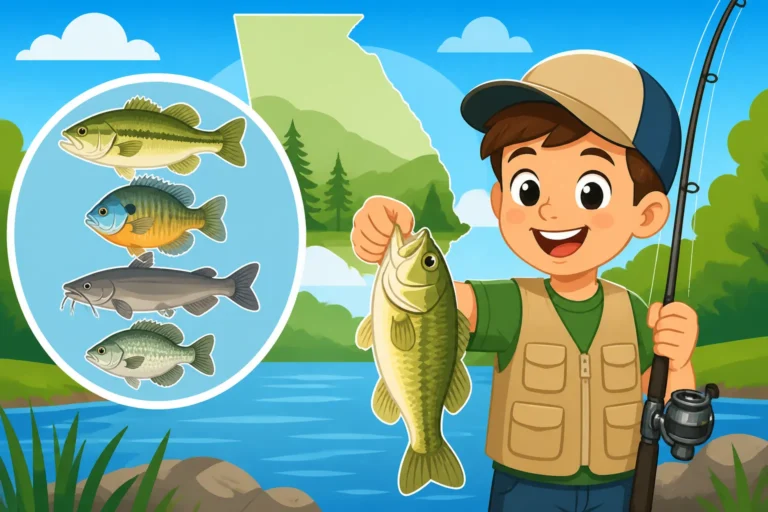
This means that species like largemouth bass, crappie, and catfish remain active, continuing to forage and providing consistent opportunities for anglers. You're not just hoping for a stray bite from a half-asleep fish; you're often targeting actively feeding individuals. While you might need to slow down your retrieve or use more subtle presentations, the fundamental desire to eat is still very much present, unlike in reservoirs where the fish might be so cold they're practically cemented to the bottom. This consistency is precisely why many anglers travel to Lake Sinclair when Winter Fishing at Lake Sinclair While Other Georgia Lakes Slow Down becomes their only option for a successful trip.
Concentrated Forage and Predation
Another critical effect of the warmer water is its ability to concentrate baitfish. Just like their predators, shad, shiners, and various types of bream are drawn to the warmer, more comfortable temperatures. They seek refuge and sustenance in these thermal zones, inadvertently creating dense schools that become irresistible targets for larger predatory fish.
This concentration of forage simplifies the hunting process for bass, crappie, and catfish. Instead of expending vast amounts of energy searching widely dispersed bait across cold, expansive waters, the predators can patrol these warm-water havens, knowing that a meal is never far off. For anglers, this means more predictable fishing spots. If you can locate the warmer water and the baitfish it attracts, you've significantly increased your chances of finding the game fish that are sure to follow. This natural funneling effect is one of the primary reasons Lake Sinclair Fishing Spots are so productive during the winter.
Key Fish Species Thriving in Sinclair's Winter Warmth
Lake Sinclair's warmer winter conditions create a haven for several popular game fish, allowing them to remain active and callable when their counterparts in colder lakes are practically comatose. Let's look at who benefits most.
Largemouth and Spotted Bass Adaptations
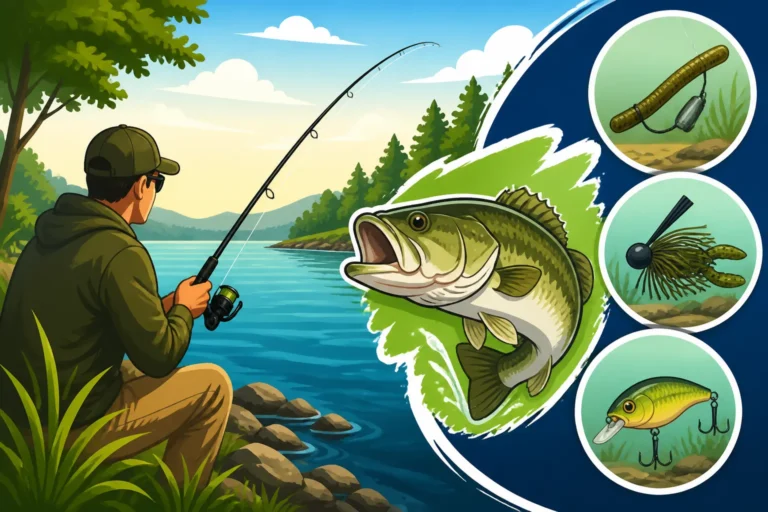
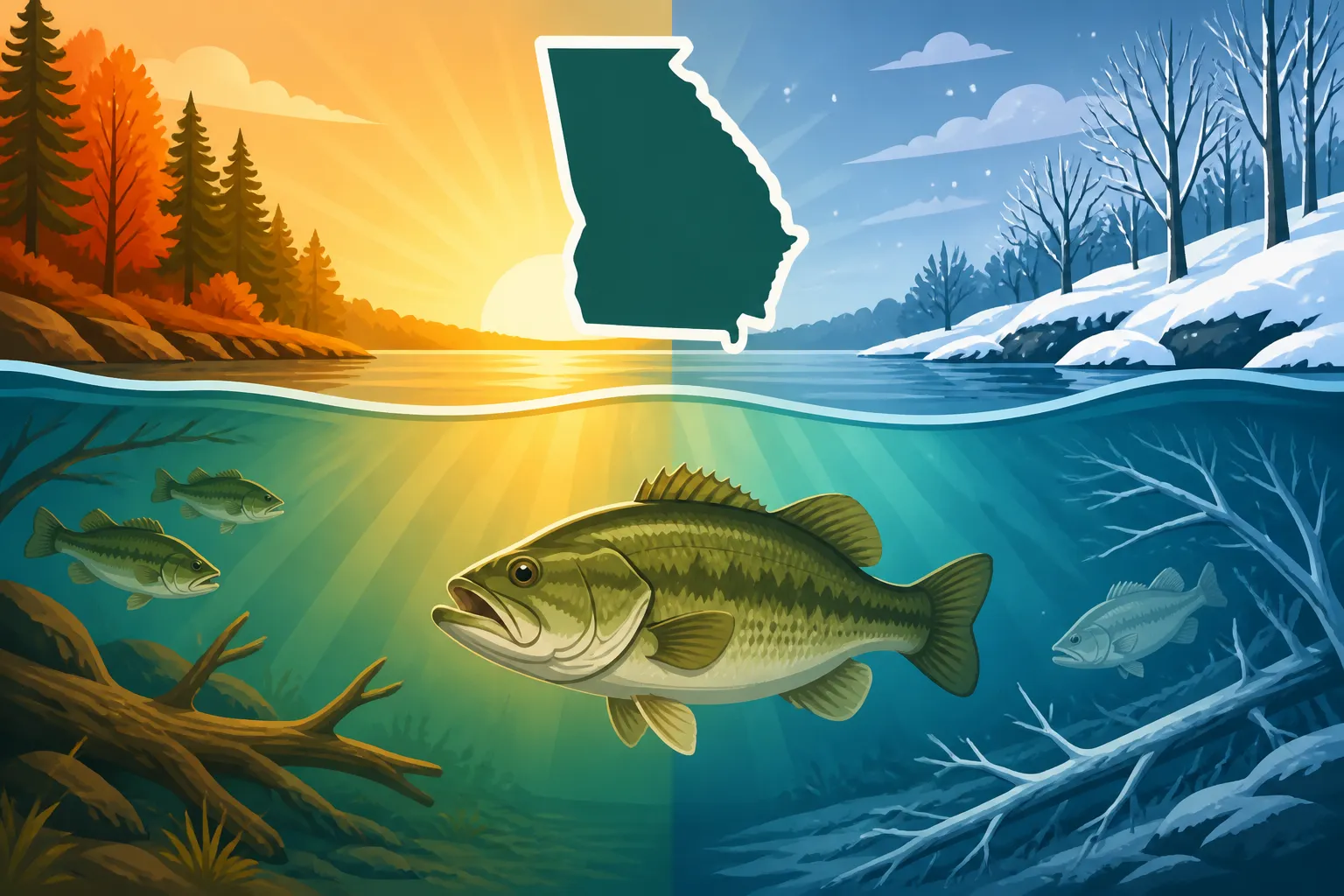
While largemouth bass are known to slow down significantly in cold water, Lake Sinclair offers them a reprieve. Instead of burying themselves deep in thick cover, bass on Sinclair, particularly near the power plant discharge or in sun-warmed coves, maintain a more active feeding posture. They might not be crashing topwater lures, but they'll readily strike slow-moving jigs, crankbaits, or even Carolina-rigged plastics.
Spotted bass, with their preference for slightly cooler, deeper, and clearer water than largemouths, also thrive, adapting well to the oxygenated, warmer discharge areas. Anglers targeting them will find success using jigging spoons, shaky heads, or small swimbaits around humps, points, and channel swings that are influenced by the warmer flow. The key is to remember that while active, they're not in full summer sprint mode. Presentations need to be deliberate and often slower, allowing the bass time to react and commit. For those wondering Best Time of Year to Catch Bass at Lake Sinclair, Georgia, winter often provides a unique opportunity for consistent action without the intense heat and crowded waters of summer.
Crappie and Catfish Consistency
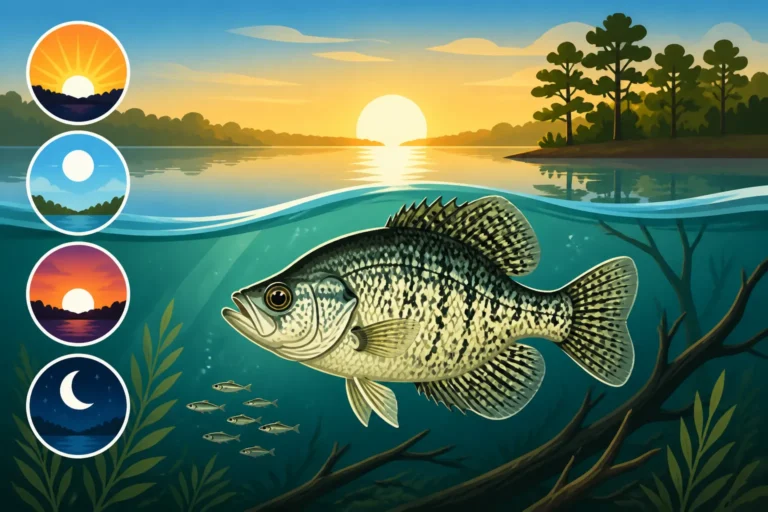
If you're a fan of crappie fishing, Lake Sinclair in winter is a dream come true. Crappie, both black and white, are highly sensitive to temperature changes, and the stable, warmer conditions mean they don't retreat to inaccessible depths or become completely dormant. Instead, they often school up in large numbers around brush piles, submerged timber, and bridge pilings in these warmer zones. This makes for some incredible winter slab fishing.
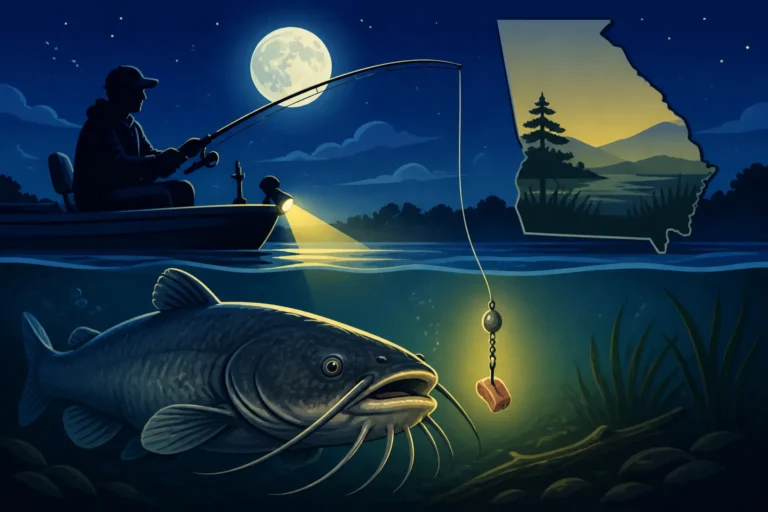
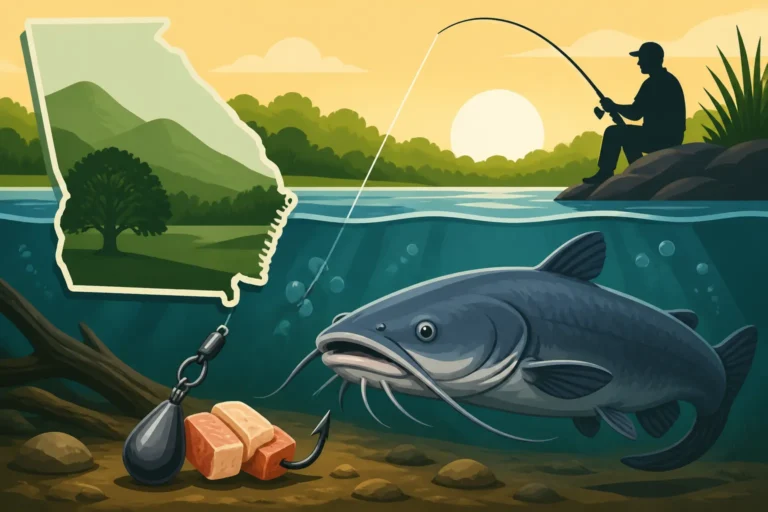
Anglers targeting crappie on Sinclair often have great success using small jigs (like Bobby Garland or Panfish Assassin) tipped with minnows, or simply slow-trolling live minnows on spider rigs. The warmth keeps them willing to bite, and their schooling behavior means if you find one, you've likely found a whole school. For catfishermen, the story is much the same. Channel, blue, and flathead catfish remain active, with blues and channels especially drawn to the warmer water. Bottom fishing with cut bait, chicken livers, or nightcrawlers near the discharge or in deeper, warm pockets can yield impressive results. The consistent activity of these species makes Lake Sinclair one of the Best Crappie Lakes in Georgia and a fantastic spot for winter catfishing.
Here's a quick comparison of winter fishing activity:
| Lake | Primary Winter Warmth Source | Average Winter Water Temp (F) | Bass Activity | Crappie Activity | Catfish Activity | Notes |
|---|---|---|---|---|---|---|
| Lake Sinclair | Power Plant Discharge, Shallowness | 50-60+ in discharge areas | Moderate-High | High | Moderate-High | Consistently good winter bite. |
| Lake Lanier | Deep Water, Limited Thermal Source | 45-55 | Slow-Moderate | Moderate | Moderate | Bass go deep, crappie suspended. |
| Lake Oconee | Adjacent to Sinclair, Some Discharge | 48-58 | Moderate | Moderate-High | Moderate | Benefits from Sinclair's outflow. |
| Lake Hartwell | Deep Water, Limited Thermal Source | 45-55 | Slow | Moderate | Moderate | More challenging winter fishing. |
Note: Water temperatures are approximate and can vary based on weather conditions.
Effective Winter Fishing Techniques for Lake Sinclair
Fishing Lake Sinclair in the winter requires a slightly different approach than you might use during warmer seasons or on colder lakes. Understanding where the fish are holding and how they're likely to feed is crucial for success.
Targeting the Thermal Discharge Zones
The most obvious and often most productive area to target is the power plant's thermal discharge. Fish of all species congregate here, drawn by the warmer water and the abundant baitfish that also seek it out. When approaching this area, it's important to be mindful of other anglers, as it can be a popular spot.
For bass, try throwing medium-diving crankbaits in shad patterns, lipless crankbaits, or slow-rolling a spinnerbait or a swim jig. The warmer water often means fish are still willing to chase, especially during periods of generation at the plant when water is moving. For crappie, vertical jigging with small hair jigs or soft plastics, or fishing live minnows under a slip bobber, can be incredibly effective. Catfish anglers will find success by anchoring slightly upcurrent from the discharge and fan-casting various cut baits or chicken livers on the bottom. Remember that current can be strong, so heavier weights might be necessary to hold your bait in place. Safety is paramount near any power generation facility, so always observe signage and maintain a safe distance from intake and outflow structures.
Fishing Warmer Coves and Feeder Creeks
While the power plant is a hotspot, don't overlook Lake Sinclair's numerous coves and feeder creeks, especially those on the north and western sides that receive more direct sunlight throughout the day. These areas, particularly those with darker, muddy bottoms, absorb heat more effectively and can hold fish even away from the main thermal plume. These spots also offer excellent Lake Sinclair Shore Fishing Access Points for those without a boat.
For bass, focus on secondary points, docks, and submerged brush piles within these coves. A slow-fished jig, a shaky head worm, or a finesse jig can be deadly. Remember, the retrieve needs to be painfully slow; fish aren't going to exert much energy to chase. Crappie will also stack up in these areas, particularly around docks and brush. Try using a float-and-fly technique or simply suspending a live minnow a few feet under a cork near structure. For catfish, the deeper bends of feeder creeks or channels within large coves can be very productive. Look for irregularities in the bottom contour or deeper holes where catfish might be hunkering down. Always pay attention to your electronics; even a one or two-degree temperature increase in a particular cove can be enough to concentrate fish.
Essential Gear and Tips for Sinclair Winter Angling
Having the right gear and knowing how to use it can make all the difference between a frustrating cold outing and a memorable day on the water at Lake Sinclair.
Rods, Reels, and Line Considerations
For bass fishing in the warmer winter waters of Sinclair, you'll want versatile setups. A medium-heavy casting rod (6'6" to 7') with a high-speed baitcasting reel spooled with 12-15 lb fluorocarbon line is excellent for jigs and crankbaits. Fluorocarbon offers great sensitivity and low visibility, which can be crucial when fish are finicky. For finesse techniques like shaky heads or drop shots, a medium-light spinning rod (6'6" to 7') with a 2500-3000 series spinning reel and 6-8 lb fluorocarbon or braided line with a fluorocarbon leader is ideal. The braid provides excellent sensitivity, while the leader keeps your presentation stealthy. You can find a wide array of these rods and reels, often with great reviews, on platforms like Amazon.
Crappie anglers will benefit from light action spinning rods (5' to 7') with small, sensitive reels spooled with 4-6 lb monofilament or braided line. The lighter line allows for subtle presentations and detection of light bites. For catfishing, especially if targeting larger blue or flathead cats, a heavy action baitcasting rod (7' to 9') paired with a stout conventional reel and 20-50 lb monofilament or braided line is a must. Ensure your drag is smooth and robust enough to handle powerful runs.
Baits, Lures, and Electronics
Your bait and lure choices should reflect the slower metabolism of winter fish, even in warmer water. For bass, think about:
- Jigs: Football jigs, finesse jigs in natural colors (green pumpkin, black and blue).
- Crankbaits: Medium-diving crankbaits (like a Strike King KVD 2.5) in shad, perch, or crawfish patterns.
- Soft Plastics: Worms on shaky heads, creature baits on Texas rigs, small swimbaits.
- Spinnerbaits/Chatterbaits: Slow-rolled around cover.
For crappie, live minnows are king, but small tube jigs, curly tail grubs, and hair jigs in white, chartreuse, or black and blue are also highly effective. For catfish, fresh cut bait (shad or bream), chicken livers, and nightcrawlers are proven producers. You can often find great multi-packs of popular crappie jigs and soft plastics, ready for your tackle box, on Amazon.
Electronics are your best friend, especially during winter. A good fish finder with down imaging and side imaging capabilities can help you locate subtle temperature breaks, schools of baitfish, and individual game fish hiding in cover. Pay close attention to the water temperature gauge on your unit; even a half-degree difference can dictate where fish are holding. GPS mapping is also crucial for marking productive spots, brush piles, and navigating the lake, especially in low light conditions. Investing in a quality unit, such as those from Humminbird or Lowrance, found readily available through retailers on Amazon, will significantly increase your success.
Comparing Lake Sinclair to Other Georgia Winter Fisheries
While Lake Sinclair offers a fantastic winter fishing experience, it's helpful to understand how it stacks up against other popular Georgia lakes during the colder months. This perspective can help you make informed decisions about where to cast your line based on your target species and preferences.
The Contrast with North Georgia Lakes
When you compare Lake Sinclair to the deep, mountain-fed reservoirs of North Georgia, like Lake Lanier or Lake Hartwell, the differences in winter fishing are stark. Lakes Lanier and Hartwell, with their greater depths and colder water sources, experience a much more pronounced winter slowdown. Bass in these lakes often retreat to deep water, suspending over open channels or hugging steep drops, becoming incredibly challenging to locate and entice. The water temperatures can drop into the low 40s or even upper 30s, making fish metabolism exceptionally sluggish.
For anglers from regions around these colder lakes, the consistent bite on Sinclair is a refreshing change. You don't have to contend with ice (a rarity on Sinclair) or perpetually numb fingers from handling frigid water. The fish on Sinclair are generally more willing to chase and strike, offering a more active and rewarding experience. This contrast highlights why anglers often head south to Sinclair when the northern lakes become too challenging, seeking the more reliable action that its warmer waters provide. It's a key reason Why Georgia's Lake Sinclair Fishes Warm All Winter attracts so many dedicated anglers.
Strategic Winter Fishing Planning
Understanding these differences allows for strategic planning for your winter fishing trips in Georgia. If your goal is consistent action and a good chance at catching multiple species, Lake Sinclair should be high on your list. Its unique thermal properties almost guarantee a better shot at a productive day, especially for bass, crappie, and catfish.
However, if you're a hardcore deep-water bass angler who enjoys the challenge of finding and catching trophy fish in extremely cold conditions, then Lakes Lanier or Hartwell might still hold appeal, albeit with much lower catch rates. For trout enthusiasts, the focus would shift entirely to the cold, pristine waters of North Georgia's trout streams, which are a different ballgame altogether. For general anglers looking for reliable winter fun, Lake Sinclair Winter Bass Fishing Near the Power Plant or exploring Best Crappie Spots on Lake Sinclair offers a compelling reason to brave the winter chill, knowing that the payoff is often well worth the effort.
Ultimately, Georgia offers a diverse range of fishing experiences throughout the year. But when winter tries to shut everything down, Lake Sinclair stands as a beacon, promising warmer waters and active fish, making it an indispensable part of any Georgia angler's seasonal rotation. Make sure to check out our detailed guide on Georgia Fishing Seasons by Month for a broader view of year-round opportunities.
Disclaimer
Fishing conditions and regulations can change. Always consult the latest Georgia Department of Natural Resources (DNR) guidelines before heading out on the water. Be aware of local conditions, practice safe boating, and always prioritize conservation.