Tightlining Techniques for Crappie
There’s nothing quite as frustrating as knowing crappie are lurking under the surface, maybe even seeing them on your electronics, but struggling to get a bite. Sometimes, those finicky panfish just aren’t interested in chasing a bobber or committing to a long cast. That’s where the subtle art of tightlining comes in, a technique that has saved countless fishing trips for Georgia anglers who need to present a bait with precision and feel every delicate tap. This guide will walk you through everything you need to know to master tightlining for crappie, helping you turn those frustrating days into successful ones.
Understanding the Essence of Tightlining for Crappie
When we talk about tightlining for crappie, we're really diving into a method that prioritizes sensitivity and direct contact with your bait. Unlike traditional bobber fishing where you’re watching a float for a strike, tightlining relies on you feeling the bite directly through your line and rod. It’s an intimate way to fish, often employed when crappie are finicky, suspended in deep water, or holding tight to cover, refusing to move far for a meal.
The Philosophy Behind the Technique
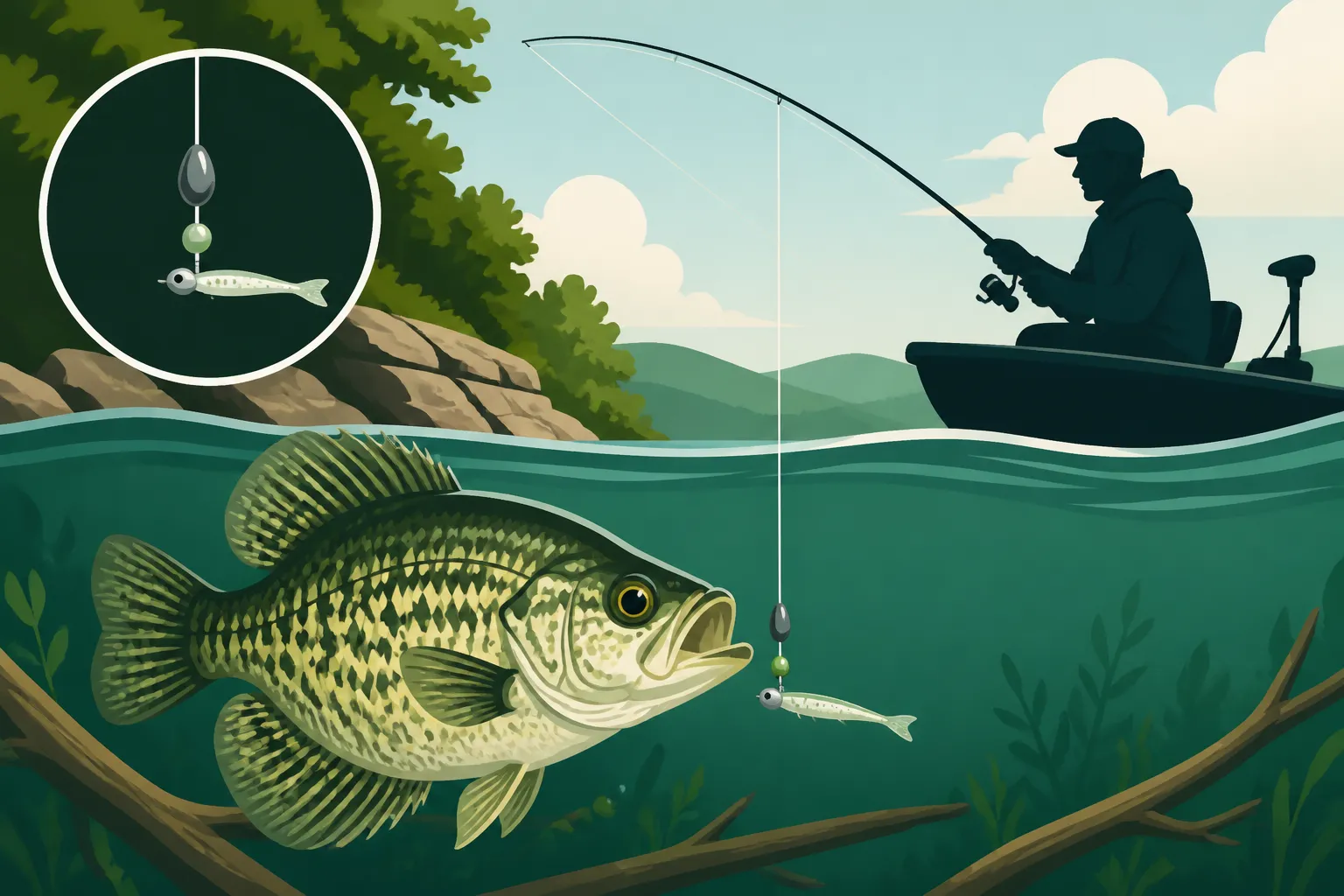
At its core, tightlining is about presenting a jig or minnow vertically, or near-vertically, to fish you’ve located, often with the help of sonar. Imagine your boat positioned directly over a brush pile in Lake Lanier, or maybe a creek channel in Lake Oconee. Instead of casting out and retrieving, you’re dropping your offering straight down, maintaining a taut line to detect the slightest nudge. This direct connection gives you incredible control over your bait's depth and movement, allowing for subtle lifts and drops that can entice even the most hesitant crappie. It's particularly effective when crappie are schooled up tight or holding incredibly still, making it challenging for them to ignore a bait placed right in front of their faces. The goal isn't necessarily to attract fish from a distance, but to appeal to those already within striking range.
Why Tightlining Excels in Specific Situations
Tightlining truly shines when crappie are behaving in ways that make other methods less effective. Think about those chilly winter days when crappie are lethargic, hugging the bottom or suspended in deep thermal layers. A fast-moving jig on a cast-and-retrieve might be ignored, but a slowly presented, stationary minnow or jig on a tight line can be irresistible. Similarly, when you’re fishing incredibly dense cover, like sunken trees or thick hydrilla beds, tightlining allows you to drop your bait precisely into small pockets without snagging. It’s also a go-to technique for pier anglers or those fishing from docks, as it lets them target structure directly beneath them. Many experienced Georgia anglers will tell you that when the bite gets tough, or when you’ve marked a school on your fish finder that just won’t commit, switching to a tightline presentation can be the game-changer you need to fill your livewell.
Essential Gear for Tightlining Crappie
Having the right tools for tightlining isn't just a suggestion; it's absolutely crucial for success. Because you're relying so heavily on feel, every component of your setup — from the rod to the line — plays a vital role in detecting those incredibly subtle crappie bites. Skimping on quality here can mean the difference between a full cooler and a frustrating day of missed opportunities.
Choosing the Right Rod and Reel
For tightlining, your rod is arguably the most critical piece of equipment. You're looking for something long, light, and incredibly sensitive. Many seasoned crappie anglers opt for specialized "spider rigging" rods, which are typically 10 to 16 feet long, sometimes even longer. These rods allow you to spread multiple lines out from the boat, covering a wider area while still maintaining a vertical presentation. Even if you're only using one or two rods, a longer rod (say, 7 to 9 feet) gives you better control over your bait's depth and position directly under the boat. Look for a rod with a fast or extra-fast action, meaning it bends mostly near the tip, allowing for quick hooksets and excellent sensitivity to feel those light bites. The blank material should ideally be graphite for maximum feel. For reels, a small, lightweight spinning reel (like a 500 or 1000 series) is perfect. You don't need a lot of line capacity or heavy drag; smooth operation and light weight are key. Brands like Ugly Stik offer excellent sensitive rods that won't break the bank, available easily on platforms like Amazon.
Selecting the Optimal Line and Baits
When it comes to line, sensitivity remains paramount. Most tightliners prefer monofilament or fluorocarbon in the 4- to 6-pound test range. Monofilament is more forgiving with stretch and usually less visible, while fluorocarbon offers superior sensitivity and abrasion resistance, making it a good choice around abrasive cover. Some anglers even use braided line for ultimate sensitivity, especially in deeper water, but it has no stretch, which can make it easier to pull the hook from a crappie's soft mouth if you're not careful. A small, high-quality swivel tied above your leader can help prevent line twist, especially if you're using minnows.
For baits, you have two main choices: live bait or artificial jigs.
- Live Minnows: Small crappie minnows are incredibly effective. Hook them lightly through the lips or just behind the dorsal fin to keep them lively. Their natural movement is often all it takes to trigger a strike.
- Jigs: Soft plastic jigs, often called "crappie jigs," are another staple. Sizes typically range from 1/32 to 1/16 ounce, though you might go heavier in deeper water or strong current. Colors can vary wildly, so it's good to have a selection. Popular Georgia colors often include chartreuse, white, black, and various greens. The shape of the jig (grubs, tubes, tiny swimbaits) can also make a difference. Many anglers will tip their jigs with a tiny piece of real bait, like a minnow head or a mealworm, for added scent and appeal.
It's a good idea to experiment with both to see what the crappie prefer on any given day. Remember, crappie can be incredibly picky, so don't be afraid to change things up until you find what works.
Mastering the Tightlining Technique
Tightlining isn't just about dropping a bait; it's a nuanced dance between feeling, watching, and reacting. The subtle nature of crappie bites means your presentation and ability to detect strikes are paramount. It’s less about brute force and more about finesse and patience.
The Art of Presentation and Depth Control
Once you've located a promising spot, whether it's a brush pile you’ve marked on your fish finder or a submerged creek bed, the next step is precise presentation. Lower your bait slowly and intentionally. The key is to keep your line as vertical as possible directly below your rod tip. If you're drifting, you might need to adjust your boat speed or use a trolling motor to maintain this vertical alignment. Pay close attention to your line counter if your reel has one, or use visual markers on your line if you're consistently fishing a specific depth. Crappie often suspend at particular depths, sometimes just a few feet off the bottom, or right in the middle of the water column. Finding that "strike zone" is critical, and depth control is how you stay in it.
Once your bait is at the desired depth, the real tightlining begins. Keep a slight tension on the line – enough to feel your weight, but not so much that you're pulling the bait unnaturally fast. This "tight line" allows you to feel everything. You're not aggressively jigging here; rather, you're making subtle movements. A tiny lift of the rod tip, a slight quiver, or even just holding it still against a gentle current can be enough. Remember, crappie often don't hit hard; they might just "tick" the bait, add a slight weight, or even cause your line to go slack for a split second as they mouth it. If you're fishing near a marina, consider checking out this guide on Georgia's Boat Registration Requirements Explained to ensure you're legally good to go.
Detecting and Setting the Hook
This is where experience truly comes into play. A crappie bite can be incredibly subtle – sometimes it's nothing more than feeling a slight bump or a "tick" on the line. Other times, your rod tip might just ever-so-slightly load up, or you might notice your line suddenly go slack or move horizontally. Many anglers describe it as feeling like your bait has simply touched a leaf or a twig. This is why a sensitive rod is so crucial; it telegraphs these tiny signals directly to your hand.
When you feel something, anything, set the hook! Crappie have soft mouths, so a hard, sweeping hookset isn't necessary and can actually tear the hook out. A gentle but firm upward lift of the rod is usually sufficient. Keep your rod tip up and maintain constant pressure as you reel them in. Missing bites is part of the learning curve, but with practice, you'll start to recognize those tell-tale signs. It's often better to set the hook on a suspicious "feel" than to wait too long and miss the fish entirely. Being in tune with your gear is paramount, whether you're using a single rod or "spider rigging" with multiple poles, which you can learn more about in this article on How to Jig for Crappie.
Finding Crappie with Tightlining
Tightlining is a surgical strike approach to crappie fishing, meaning you need to be pretty sure where the fish are before you deploy your technique. This makes scouting and understanding crappie habits absolutely essential. You're not casting blindly; you're placing your bait precisely into their living room.
Locating Crappie: Reading the Water and Sonar
The first step to successful tightlining is finding the fish. Crappie are structure-oriented, so they'll relate to anything that offers cover, shade, or ambush points.
- Brush Piles and Submerged Timber: These are crappie magnets. Whether they're natural fallen trees or artificial structures sunk by anglers, crappie will school up around them.
- Creek Channels and River Bends: In larger reservoirs like Clarks Hill Lake or Lake Seminole, crappie often follow old creek channels, especially where they intersect with submerged humps or points.
- Docks and Piers: These structures provide shade and cover, attracting baitfish and, consequently, crappie. Many public fishing areas in Georgia have excellent pier fishing opportunities.
- Bridge Pilings: The vertical structure of bridge pilings can hold crappie at various depths, especially where currents create eddies.
Your boat's electronics, specifically a good fish finder, are your best friend here. Look for baitfish schools, which will appear as clouds on your screen, and then look for the tell-tale arches or dots representing crappie nearby. Pay attention to the depth at which they're holding. This information is gold for your tightlining strategy. If you're struggling to identify what you're seeing on your screen, you might find this guide on Best Fish Finders for Georgia Reservoir Fishing incredibly helpful for understanding your equipment better.
Targeting Specific Depths and Structure
Once you've pinpointed a promising area and observed the crappie on your sonar, the goal is to position your boat directly over them. This might involve using your trolling motor to hold steady, especially if there's wind or current. Then, drop your tightline rig straight down to the depth where you're seeing fish. If you see a cluster of crappie at 15 feet near a brush pile that tops out at 12 feet, you'll want to target your bait precisely at 14-16 feet.
It’s often a good idea to start your bait slightly above the fish and slowly lower it through the school if you're not getting bites. Sometimes crappie will "look up" for a meal. Other times, they want it right at their eye level. Don't be afraid to experiment with slight depth changes, moving your bait up or down a foot or two at a time. This methodical approach ensures you're thoroughly working the entire strike zone. For those who love the detailed breakdown of fishing a specific location, consider reading up on Best Crappie Fishing Spots on Lake Sinclair for some hyper-local insights.
Seasonal Considerations for Tightlining
Just like with any fishing technique, the effectiveness of tightlining for crappie can vary significantly with the seasons in Georgia. Understanding how crappie behave throughout the year will help you pinpoint the best times and locations to deploy this precise method.
Spring and Pre-Spawn Tactics
Spring is often hailed as crappie prime time, and tightlining can be incredibly effective, especially during the pre-spawn and early spawn phases. As water temperatures rise, crappie begin moving from their deeper wintering holes towards shallower spawning areas. They'll often stage in transitional areas like creek channels leading into coves, or around submerged points. During this period, they can be found in 8 to 20 feet of water, often suspending over structure.
Tightlining here means focusing on these staging areas. Use your electronics to find brush piles, stumps, or ledges where crappie are grouping up before they push to the banks. A single minnow or a small jig presented vertically and slowly worked through these staging schools can yield incredible results. They're actively feeding to build energy for the spawn, but might still be somewhat lethargic, making a subtle tightline presentation irresistible. If you're looking for more details on this active period, our guide on Spring Bass Spawn Timing on Georgia's Lakes offers insights into how other species react to these changing conditions, which can sometimes overlap with crappie movements.
Summer and Winter Deepwater Strategies
Tightlining truly shines during the extremes of summer and winter when crappie generally retreat to deeper, more stable water.
- Summer: As surface waters heat up, crappie seek cooler, oxygen-rich depths. They'll often suspend in deep creek channels, river bends, or around very deep brush piles and standing timber in 20-40 feet of water. Targeting these depths with traditional casting methods can be inefficient. Tightlining allows you to get your bait down quickly and keep it in the strike zone. Look for crappie holding along thermoclines (layers of rapid temperature change), which often concentrate baitfish.
- Winter: Similar to summer, cold water makes crappie less active. They tend to school up tightly in deep holes, old riverbeds, or around structure in 25-50 feet of water. Their bites can be incredibly light, making a sensitive tightline setup absolutely essential. They might only move a few inches to eat, so a bait presented directly in front of them is key. This is why many anglers swear by tightlining during the colder months, especially in lakes like Lake Sinclair where the power plant can create warmer water pockets. Our article on Winter Fishing Patterns on Georgia's Reservoirs further elaborates on how crappie and other species behave in the cold.
Fall Transition and Feeding Frenzies
Fall offers another fantastic opportunity for tightlining, especially as water temperatures begin to drop and crappie become more active. During the early fall, they might still be somewhat deep, but as the season progresses and the water cools, they'll often move back towards shallower flats and points, actively feeding on baitfish before winter sets in.
During this transition, crappie can be found anywhere from 10 to 30 feet, often relating to the same types of structure they used in spring – brush piles, stumps, and creek channel edges. Tightlining allows you to methodically work these depths. You might find them suspended higher in the water column as they chase baitfish. This can be a time for aggressive feeding, and a tightlined minnow or small jig can be incredibly effective. Don't overlook river systems either; the Chattahoochee River Fishing Through Atlanta can offer excellent fall crappie opportunities, especially in its deeper pools. As temperatures continue to drop, crappie will eventually move back to their deeper wintering grounds, completing the annual cycle.
Common Mistakes and Troubleshooting
Even with the best gear and a solid understanding of the technique, tightlining for crappie can still present challenges. It's easy to fall into certain traps that lead to frustration. Recognizing these common pitfalls and knowing how to troubleshoot them will significantly increase your success rate.
Overlooking Subtle Bite Indicators
One of the biggest mistakes beginners make with tightlining is expecting a forceful, unmistakable bite. Crappie bites are rarely aggressive, especially when they're lethargic or pressured. Instead of a hard yank, you might feel a barely perceptible "tick," a slight increase in weight on your line, or even a sudden lightness. The rod tip might just gently load up or straighten out.
- Troubleshooting: If you suspect a bite, don't hesitate. Set the hook! It's better to set the hook on a false alarm than to miss a real fish. Practice feeling your lure at the desired depth, so you can distinguish between the feel of your weight hitting the bottom or structure and a fish mouthing your bait. Pay close attention to your line where it enters the water too; sometimes, a crappie will just suck in the bait and move slightly, causing a tiny twitch or slack in the line before you feel it in the rod. Consider using a brighter colored line or a marker at the first few feet of your line to help detect those visual cues.
Poor Boat Control and Presentation
Maintaining a vertical presentation is paramount for tightlining. If your boat is drifting too fast, or if you're not positioned directly over the fish, your line will angle, making it harder to feel bites and less effective. Wind and current are constant adversaries here.
- Troubleshooting: Invest in a good trolling motor with GPS Spot-Lock capabilities. This technology allows you to hold your boat in place directly over your target, even in windy conditions. If you don't have Spot-Lock, use a drift sock or deploy your bow-mounted trolling motor against the wind to slow your drift. For river fishing or in stronger currents, consider anchoring carefully or using your trolling motor to "push" against the current to maintain your position. Regularly check your sonar to ensure you're still over the fish and your bait is directly below you. Sometimes, a slight adjustment in boat position can put your bait right in front of a feeding crappie. Understanding proper boat handling can also be found in resources like Georgia Boater Education Card Requirements.
Ignoring Depth and Bait Preferences
Crappie can be incredibly finicky about depth and bait. Just because you saw them at 20 feet yesterday doesn't mean they'll be there today. And just because they liked minnows this morning doesn't mean they'll shun a jig in the afternoon.
- Troubleshooting:
- Depth: Always start by using your fish finder to confirm the current depth where crappie are holding. If you mark fish at 25 feet, fish at 24, 25, and 26 feet. If you're not getting bites, try moving up or down a few feet, or even check different depths at other spots. Crappie often suspend at specific levels due to temperature, oxygen, or baitfish concentration.
- Bait: If live minnows aren't working, switch to a jig. If one jig color isn't producing, try another. Keep a variety of jig types (grubs, tubes, swimbaits) and colors on hand. Sometimes, tipping a jig with a minnow head or a dab of crappie attractant can make all the difference. Don't be afraid to experiment! Many anglers find great deals on a variety of jigs and minnow buckets on Amazon, allowing them to carry a wide selection.
- Speed: Remember that tightlining is usually a slow, methodical presentation. Resist the urge to aggressively jig or move your bait too quickly. A subtle twitch or a slow, almost imperceptible lift and drop is often all that's needed to trigger a strike. For more details on bait choices, check out our guide on Best Bait for Black Crappie in Georgia.
| Common Tightlining Mistake | Symptom | Troubleshooting Action |
|---|---|---|
| Missing Subtle Bites | No bites despite fish on sonar | Set hook on any "tick," "pressure," or line twitch. Practice feeling the lure. Watch for line movement. |
| Poor Vertical Presentation | Line at an angle, hard to feel bottom | Use trolling motor with Spot-Lock, drift sock, or anchor to hold position. Adjust boat speed in current/wind. |
| Wrong Depth or Bait | Fish marked, no interest in lure | Verify current crappie depth with sonar. Experiment with bait types (minnow vs. jig), colors, and slight depth changes. |
| Overly Aggressive Presentation | Jigs moving too fast, no bites | Slow down. Use subtle lifts, drops, and quivers. Focus on keeping bait in the strike zone longer. |
| Inadequate Rod Sensitivity | Can't feel anything but the weight | Switch to a longer, lighter, graphite rod. Consider fluorocarbon or braided line for increased sensitivity. |
Tightlining is a fantastic technique that, with practice, can become one of your most effective ways to catch crappie in Georgia. It demands patience and attention to detail, but the rewards are well worth the effort.
Disclaimer
Fishing regulations, license requirements, and local conditions can change frequently. Always consult the latest Georgia Department of Natural Resources (GA DNR) guidelines and local advisories before heading out on the water. This guide is for informational purposes only and should not replace official regulations or expert advice. Be safe, respect the environment, and practice ethical angling.