Is a Canoe Exempt From Registration in Georgia?
It's a common question that can really stump new paddlers and seasoned canoe enthusiasts alike: do you actually need to register your canoe here in Georgia? You've got your paddles, maybe a PFD or two, and you're dreaming of gliding silently across a serene lake or down a gentle river, only to hit a snag with the thought of paperwork. It’s understandable to feel a bit confused, especially when the rules for different types of watercraft can seem like a tangled fishing line. This comprehensive guide will untangle the specifics of canoe registration in Georgia, helping you understand exactly when your trusty paddle craft needs to be on the books and when you're free to just launch and enjoy.
Understanding Georgia's Boat Registration Basics
Before we dive specifically into canoes, let's lay down the general groundwork for boat registration in Georgia. The state has pretty clear rules, but the nuances often come down to the type of vessel you're operating and, crucially, how it's propelled. Many folks assume that anything without a roaring outboard engine is exempt, but that's not always the case, and making the wrong assumption could lead to an unexpected conversation with a game warden.
The main purpose of boat registration is safety, accountability, and proper identification on our waterways. It's how the state keeps track of vessels, aids in law enforcement, and helps in search and rescue operations if something goes awry. Just like you need a license plate for your car, most powered boats need a registration number displayed prominently. It's all part of ensuring everyone can safely share our beautiful lakes and rivers.
What Triggers Registration Requirements?
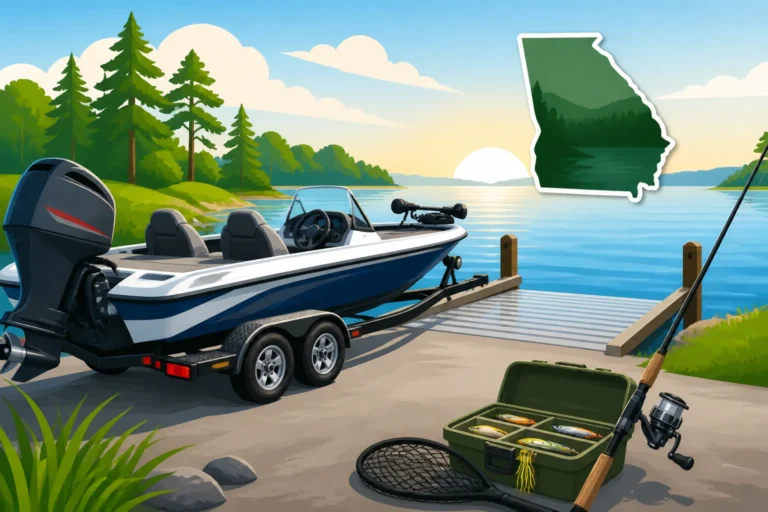
In Georgia, the primary factor that triggers boat registration requirements is the presence of mechanical propulsion. This means if your boat, regardless of its size or original design, has a motor – whether it's gasoline-powered, electric, or even a trolling motor – it generally needs to be registered. This is where the confusion often starts, because a canoe, which is typically hand-paddled, can sometimes be fitted with a motor. It's not about the hull shape or how it was initially intended to be used; it's about how it's being used on the water.
This regulation applies across the board, from sleek bass boats to pontoon boats, and yes, even to those smaller vessels like canoes and kayaks if they venture into the realm of motorized propulsion. There are also specific rules about length, but for canoes and kayaks, the motor is almost always the determining factor. Understanding these foundational rules helps set the stage for why some canoes need registration and others don't. You can learn more about the general requirements in our guide, Georgia Boat Registration Requirements Explained.
Why Registration Matters Even for Small Crafts
Even if your canoe or kayak is on the smaller side, understanding registration and safety regulations is incredibly important. While a non-motorized canoe might be exempt from registration, that doesn't mean it's exempt from all rules of the water. For instance, life jacket laws still apply, especially for younger paddlers. You might be out for a peaceful paddle, but you're still sharing the water with larger, faster boats that create wakes and can pose navigation challenges.
Beyond legal compliance, proper registration (when required) ensures that if your boat is ever stolen, there's a record for law enforcement to track. It also helps emergency services identify vessels in distress. Imagine if your canoe drifted away in a storm; if it's registered, there's a better chance of it being identified and returned. So, while the paperwork might seem like a hassle, it serves a crucial role in the grand scheme of safe and responsible boating. This awareness is key to being a good steward of our waterways.
The Specifics of Canoe and Kayak Registration in Georgia
Now for the heart of the matter: what about canoes and kayaks specifically? The good news is that for many paddlers, their traditional canoes do not require state registration. But there are crucial exceptions that you absolutely need to be aware of to stay on the right side of the law. It all boils down to whether you've added any kind of mechanical assistance to your paddling efforts.
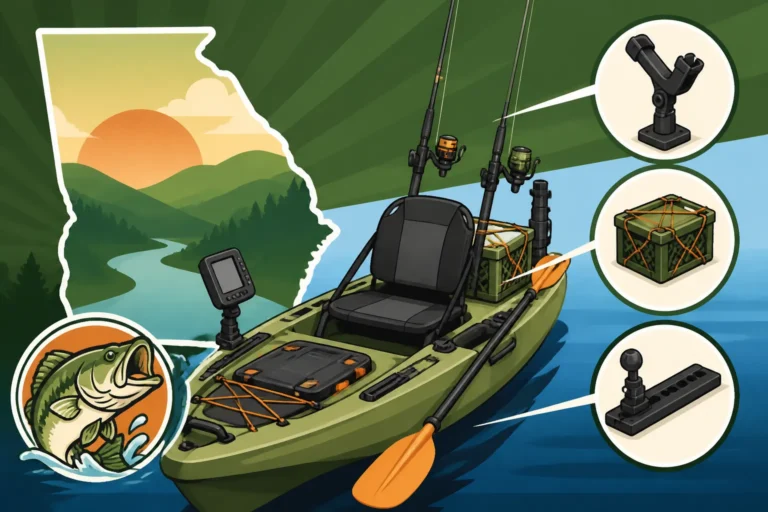
The popularity of paddlecraft has exploded, and with that, so have the options for rigging them out. People are adding everything from electric trolling motors to small outboards on specially designed canoe transoms. While these additions can expand your fishing range or make long paddles less strenuous, they also shift your vessel into a different regulatory category.
The "No Motor" Exemption
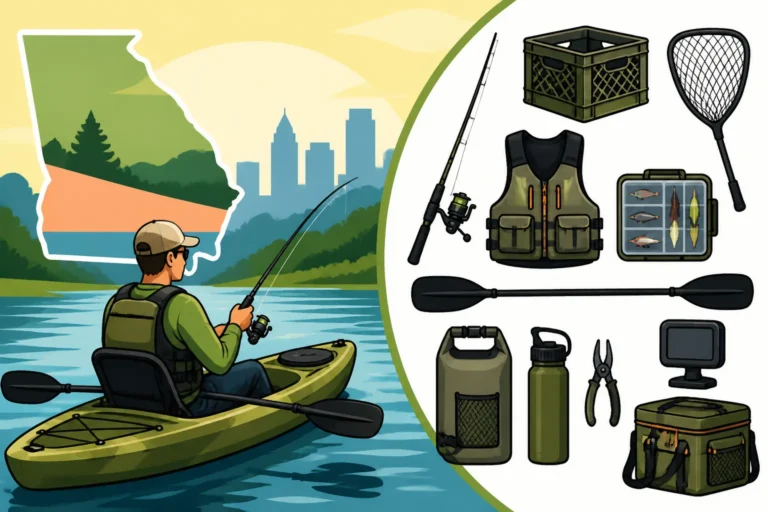
Here's the most common scenario for canoe owners in Georgia: if your canoe (or kayak, for that matter) is propelled solely by human power, meaning paddles or oars, then it is generally exempt from state registration. This is fantastic news for traditionalists and those who love the quiet, low-impact nature of paddling. You don't need to apply for numbers, pay fees, or worry about decals. You simply buy your canoe, grab your paddle, and head to the water. This is explicitly covered under Georgia Non-Motorized Boat Rules for Boats Under 16 Feet.
This exemption is pretty straightforward. If there's no motor, no battery, and no fuel tank on board, then you're likely in the clear. Many fishing kayaks and canoes fall into this category, allowing anglers to get out on the water with minimal red tape. So, if you're rocking a classic aluminum canoe or a sleek composite kayak and using only your muscles to move, you can breathe a sigh of relief. Just remember, even without registration, other rules like life jacket requirements still apply!
When a Canoe or Kayak Does Need Registration
The exemption vanishes the moment you introduce a motor to your canoe or kayak. This is the critical distinction. If you attach any type of mechanical propulsion, no matter how small or how infrequently you use it, your canoe or kayak immediately becomes a "motorized vessel" in the eyes of Georgia law. This includes electric trolling motors, small gas outboards, or any other device that mechanically moves your boat. At that point, your canoe is no longer exempt and must be registered with the Georgia Department of Natural Resources (DNR).
It doesn't matter if the motor is just a backup for when your arms get tired, or if it's a tiny 12-volt trolling motor you picked up from Bass Pro Shops to help you sneak into fishing coves. The moment it's affixed and intended for use, registration is required. This applies even if you only plan to use the motor occasionally. Many anglers find this rule catches them off guard, especially those who upgrade their paddlecraft with a small electric motor for easier maneuvering on larger lakes. Our article How to Register a Kayak or Canoe in Georgia provides step-by-step guidance on this process.
Navigating the Registration Process if Your Canoe Needs It
So, you've decided to add an electric trolling motor to your canoe for those long hauls across Lake Lanier, or maybe a small gas outboard to zip around a bit quicker. Great! Now your formerly "exempt" canoe is officially a motorized vessel, and it's time to get it registered. This isn't a super complicated process, but it does require attention to detail and making sure you have all your ducks in a row. Don't worry, it's totally manageable, and once it's done, you're good to go for a few years.
It’s about making sure your boat is legally identifiable and that you, as the operator, are compliant with state regulations. Think of it as a small investment in peace of mind and hassle-free enjoyment on the water. The process is designed to be accessible, whether you prefer to handle things online or in person.
Gathering Your Documents
To register a motorized canoe, you'll need to gather a few essential documents. The exact list can vary slightly, but generally, you'll need proof of ownership, which could be a bill of sale or a manufacturer's statement of origin (MSO) if it's a new vessel. You'll also need proof of Georgia residency and a valid ID. If you purchased your canoe used and are adding a motor, ensuring you have a clear bill of sale from the previous owner is paramount. This establishes your legal ownership and helps the state verify the vessel's history.
Sometimes, especially with older canoes, obtaining a formal MSO can be tricky. If you're in this situation, reach out to the Georgia DNR for guidance on acceptable alternative proofs of ownership. They often have procedures for these cases. Having everything organized before you start the process, whether you're submitting online or visiting an office, will save you a lot of time and potential headaches.
Where and How to Register
In Georgia, you have a few options for registering your motorized canoe. The most convenient for many is online registration through the Georgia DNR's licensing portal. This allows you to complete the application, upload documents, and pay fees from the comfort of your home. It’s quick, efficient, and usually the preferred method for busy individuals.
If you prefer an in-person experience or need assistance, you can visit a local DNR office or a county tag agent that handles boat registrations. There are also authorized vendors, like some Bass Pro Shops or sporting goods stores, that might offer registration services. It's always a good idea to call ahead to confirm their services and hours. The DNR also offers phone registration for renewals, which can be super handy. After successful registration, you'll receive your registration card and decals to display on your canoe, and you'll know exactly Where to Put Your Georgia Boat Registration Decal.
Understanding Registration Fees and Validity
When you register your motorized canoe, there will be associated fees. These fees typically depend on the length of your vessel. While I can't provide current figures, generally, smaller vessels like canoes with motors fall into a lower fee bracket compared to larger boats. These fees contribute to the management of Georgia's waterways and aquatic resources. The registration is usually valid for a set period, often three years, and you'll need to renew it before it expires.
It’s crucial to keep track of your expiration date to avoid penalties for operating an unregistered vessel. The DNR usually sends out reminders, but it's ultimately your responsibility. You can find more details on how long your registration lasts in our article, How Long Does a Georgia Boat Registration Last. This multi-year validity is pretty convenient, as it means you're not dealing with paperwork every single year, allowing you more time on the water.
Beyond Registration: Other Important Canoe Safety and Etiquette
Even if your canoe is exempt from registration, or once you've successfully registered your motorized one, there are still vital safety and etiquette considerations to keep in mind. Being a responsible paddler goes far beyond just having the right paperwork. It's about ensuring your safety, the safety of others, and protecting the beautiful natural environments we get to enjoy.
Paddling can feel incredibly freeing, and it often involves getting into peaceful, remote spots. But even in these tranquil settings, understanding and adhering to basic safety protocols is paramount. A small oversight can quickly turn a pleasant outing into a dangerous situation, so it’s always better to be prepared.
Life Jacket Laws for Paddlers
This is a big one, and it applies to all vessels, regardless of whether they're motorized or not. In Georgia, there are specific laws regarding life jackets, also known as Personal Flotation Devices (PFDs). Every single person on board a canoe, kayak, or any other vessel must have a Coast Guard-approved life jacket readily accessible. And here's the kicker: children under 13 years of age are required to wear a life jacket at all times while on board a moving vessel, unless they are in an enclosed cabin. This rule applies equally to canoes on a calm pond as it does to powerboats on a large lake.
Failing to comply with life jacket laws can result in fines and, more importantly, put lives at risk. It’s not just a rule; it’s a critical safety measure. Even strong swimmers can get into trouble in unexpected situations, such as a sudden capsize, cold water shock, or injury. Having the right life jacket and ensuring it's worn correctly, especially by kids, is non-negotiable. You can read up on the specifics in our article, Life Jacket Requirements for Kids Under 13 in Georgia. When buying, look for options from reputable brands available at places like Bass Pro Shops or Amazon, ensuring they are Coast Guard-approved.
Essential Safety Gear for Canoes
While your non-motorized canoe might not need registration, there's still a list of essential safety gear you should always have with you. This isn't just about avoiding a ticket; it's about being prepared for common on-water emergencies. This gear typically includes a sound-producing device (like a whistle or horn), a bailing device (a small bucket or sponge to remove water), and navigation lights if you'll be on the water between sunset and sunrise or in periods of restricted visibility. These items are fairly inexpensive and can be picked up at any marine supply store or online retailer like Amazon.
Beyond the absolute essentials, consider packing a first-aid kit, extra water, sun protection, and a way to communicate, like a fully charged cell phone in a waterproof bag. If you're going on a longer trip or to a more remote area, consider a dry bag with spare clothes, a map, and a compass. Our Safety Gear Checklist for a Day on Lake Lanier offers a great baseline for what to bring, even if you're not on Lanier itself. Being prepared ensures a fun and safe day, no matter where your paddles take you.
Respecting the Water and Other Boaters
Finally, practicing good water etiquette is just as important as following the rules. Whether you're in a canoe, kayak, or a large fishing boat, we all share the same precious waterways. This means yielding to larger vessels in narrow channels, being mindful of your wake, and giving other anglers and paddlers plenty of space. If you're motorizing your canoe, remember that you're now contributing to the noise and wake, so be extra considerate.
Be aware of your surroundings, especially in busy areas or around swimming zones. Look out for wildlife and avoid disturbing nesting areas or sensitive habitats. Pack out everything you pack in, and perhaps even pick up any litter you find. By being considerate and responsible, we ensure that Georgia's beautiful fishing spots remain enjoyable for everyone for years to come. Understanding What Safety Equipment Is Required on a Georgia Boat can help reinforce these good practices.
Comparison of Canoe/Kayak Registration Requirements
To make it a little easier to digest, here's a quick comparison table outlining the key differences in registration requirements for canoes and kayaks in Georgia:
| Feature | Human-Powered Canoe/Kayak (Paddles Only) | Motorized Canoe/Kayak (Electric or Gas Motor) |
|---|---|---|
| State Registration | Not required | Required |
| Hull Identification # (HIN) | May not have (unless manufactured with one) | Required for registration |
| Registration Decals | Not required | Required |
| Registration Fees | None | Yes, based on vessel length |
| Boater Education Card | Not required (for operation, but good to have) | May be required based on age of operator |
| PFD/Life Jacket Rules | All on board must have, kids under 13 must wear | All on board must have, kids under 13 must wear |
| Safety Equipment | Whistle, bailing device, lights (at night) | Whistle, bailing device, lights (at night), fire extinguisher (if applicable) |
Remember, this table is a general guide. Always consult the official Georgia DNR regulations or our detailed guide Georgia Fishing Regulations Explained for the most current and specific information.
Conclusion
So, to answer the burning question: is a canoe exempt from registration in Georgia? Yes, it absolutely is – as long as it's propelled solely by human power, like paddles or oars. The moment you decide to attach any kind of motor, be it a small electric trolling motor or a tiny gas outboard, your canoe or kayak transitions into a motorized vessel and becomes subject to state registration requirements.
It’s crucial to understand this distinction before you hit the water, as ignorance of the law isn't a valid excuse. Taking the time to verify your vessel's status and ensure you have all the necessary paperwork and safety gear will make your time on Georgia's lakes and rivers far more enjoyable and stress-free. Happy paddling, and tight lines!
Disclaimer
This article is for general informational purposes only and does not constitute professional advice. Laws, prices and regulations vary by location and change over time. Consult a qualified professional for guidance on your specific situation.