How Long Does a Georgia Boat Registration Last
It's a common headache for many Georgia boaters: you get that registration card and decal, put it on your vessel, and then promptly forget when it's actually going to expire. The thought of getting caught on the water with an expired registration is enough to make anyone anxious, not to mention the hassle of figuring out the renewal process. This comprehensive guide will walk you through exactly how long a Georgia boat registration lasts, how to keep track of its validity, and what you need to do to ensure your time on the water is worry-free and compliant with state law.
The Standard Georgia Boat Registration Period
Navigating the rules and regulations around boat registration in Georgia can feel a bit like deciphering a secret code sometimes, especially when you're just trying to enjoy a peaceful day out on Lake Lanier or the Altamaha River. One of the most fundamental pieces of information, yet often overlooked, is the actual duration of your boat's registration. It's not a lifetime thing, nor is it always a straightforward annual renewal like your driver's license.
The Two-Year Cycle
In Georgia, the typical boat registration is valid for a period of two years. This biennial cycle is designed to streamline the process somewhat, preventing you from having to go through the renewal steps every single year. When you initially register your boat, or when you complete a renewal, you'll be issued a registration card and a decal that clearly indicates the expiration date. This decal is super important; it's what enforcement officers will look for on your hull when you're out cruising.
This two-year window applies to most motorized vessels and sailboats over twelve feet in length that operate on Georgia's public waters. It’s a pretty standard approach that many states use, balancing the need for current information with ease of administration for boat owners. So, while you might not think about it every single day, keeping that two-year mark in mind is crucial for staying legal and avoiding potential headaches down the line.
When Does the Clock Start?
You might wonder, "Does my two-year registration start from the date I bought the boat, or the date I registered it?" That's a fantastic question, and it's where some folks get tripped up. The clock for your two-year Georgia boat registration actually starts on the date the registration is processed by the Department of Natural Resources (DNR). It's not tied to your birthday, the calendar year, or when you physically bought the boat from a dealer or private seller.
For example, if you bought a boat in April but didn't get around to registering it until June 15th, your two-year validity period would begin on June 15th of that year. This means your registration would expire on June 14th two years later. Always double-check your official registration card for the exact issuance and expiration dates, as these are the definitive legal markers. It’s a good idea to note these dates in your personal calendar or even set a digital reminder, so you’re not caught off guard as the expiration approaches.
Exceptions to the Rule
While the two-year registration period is the norm, there are a few nuances to be aware of. For instance, if you're registering a brand-new vessel, the initial registration will still be for two years. However, if you're transferring ownership of a previously registered boat, the new registration will also be for two years from the date of transfer processing. It's less about the boat itself having a fixed renewal date and more about the individual registration transaction establishing its own two-year cycle.
It's also worth noting that certain non-motorized vessels, such as canoes and kayaks, might be exempt from registration unless they are equipped with a motor. You can find more details on Which Boats Are Exempt From Registration in Georgia. However, if your canoe or kayak does have a motor, even a small electric one, then it falls under the same two-year registration rules as any other motorized vessel. Always check the specifics of your vessel type against the official regulations to ensure you're in compliance.
Understanding Your Expiration Date
Knowing that your registration lasts two years is one thing, but pinpointing the exact expiration date and understanding what it means for you as a boater is another. It's not just about avoiding fines; it's about being a responsible vessel operator on Georgia's beautiful waterways.
Locating Your Registration Decal and Card
The easiest and most reliable way to confirm your boat's registration expiration date is by checking your physical registration documents. You should have received a registration card, which is usually a small, wallet-sized document that you are legally required to keep on board your vessel whenever it's in operation. This card will clearly list the issuance date and, crucially, the expiration date. Think of it like your car's registration and proof of insurance—always keep it accessible!
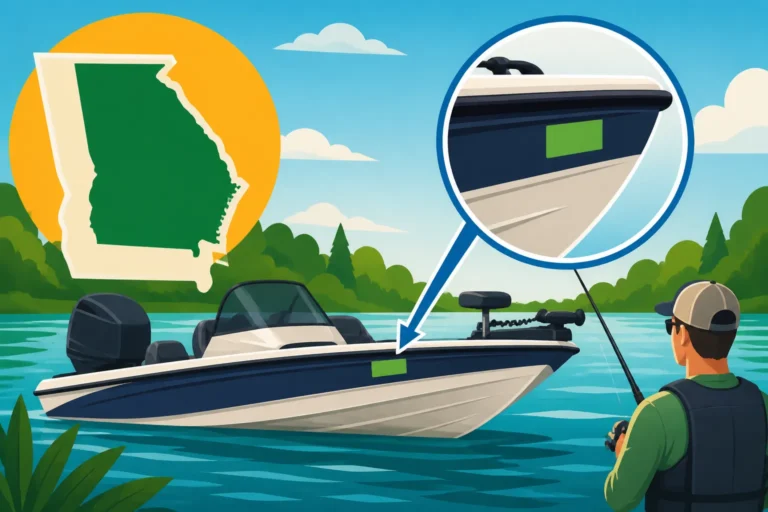
Additionally, your boat will have a registration decal affixed to its hull, typically on the bow, alongside your registration numbers. This decal is color-coded and will display the year of expiration. For example, if your decal shows '26', it means your registration expires in that year. While the decal only shows the year, your registration card will provide the precise month and day. Getting familiar with where to find this information quickly will save you a lot of hassle and potential stress if you're ever stopped for a routine check by law enforcement. To learn more about proper placement, check out Where to Put Your Georgia Boat Registration Decal.
How Dates are Calculated
As mentioned, your two-year registration period begins on the date your application is processed. Let's say you submit your application online or by mail, and it's officially processed on October 20, 2024. Your registration will then be valid until October 19, 2026. It always expires the day before the anniversary of its issuance, two years later. This can sometimes be a subtle detail that trips people up. It's not "two full years from processing date" in the sense of ending on the exact same date.
The Georgia DNR is pretty good about sending out renewal notices, but ultimately, it's your responsibility as the boat owner to ensure your registration is current. These notices are a courtesy, not a legal requirement for you to renew. Life gets busy, and sometimes those notices get lost in the shuffle, especially with all the junk mail we get these days. Don't rely solely on a piece of paper showing up in your mailbox; make it a habit to check your registration card periodically.
Importance of Knowing Your Expiration
Beyond the legal ramifications, knowing your expiration date is simply good practice for responsible boat ownership. An expired registration means you're operating your vessel illegally, and that can lead to fines, citations, and a generally unpleasant encounter with law enforcement. It can also complicate matters if you're involved in an accident, as some insurance policies might have clauses related to legal operation of the vessel.
Imagine you've planned a fantastic weekend fishing trip to Lake Oconee with friends, only to realize the night before that your registration expired last month. Now you're scrambling, potentially missing your trip, or worse, heading out on the water and risking a fine. A little proactive planning goes a long way. Keeping tabs on that expiration date means you can plan your renewal well in advance, whether you choose to do it online, by mail, or in person.
The Renewal Process and Timelines
Once you know your boat registration is approaching its expiration, the next step is, naturally, renewal. Thankfully, Georgia has made the process fairly straightforward, offering several convenient options to get your vessel's paperwork up to date.
Receiving Your Renewal Notice
The Georgia Department of Natural Resources (DNR) typically sends out renewal notices to registered boat owners about 60 to 90 days before the expiration date. This is your friendly reminder to get things in order. These notices are usually mailed to the address on file, so it's critical that your contact information with the DNR is always current. If you've moved, make sure you update your address promptly.
The renewal notice will contain all the necessary information, including your vessel's registration number, the expiration date, and instructions on how to renew. It will also specify any fees due. While these notices are helpful, as we discussed, they are not foolproof. Sometimes they get lost in the mail, or perhaps you've been so busy planning your next adventure that you simply overlook it. Don't wait for the notice if you know your expiration date is looming. It's always best to be proactive.
Online, Mail, and In-Person Options
Georgia offers flexibility when it comes to renewing your boat registration, acknowledging that different people prefer different methods.
- Online Renewal: For many, the easiest and quickest option is to renew online. The Georgia DNR website typically has a dedicated portal for vessel registration renewals. You'll usually need your vessel's registration number and possibly some personal identifying information to access your record. This method is often the fastest way to get your updated registration card and decal, though there's still a processing and mailing time involved. You can find out more about this convenient option here: How to Renew a Georgia Fishing License. While that article focuses on fishing licenses, the online portal for boat registration is similar in ease of use.
- Mail Renewal: If you prefer a more traditional approach, you can complete the renewal form that often comes with your mailed notice and send it back with a check or money order. Make sure to mail it well in advance of your expiration date to allow ample time for processing and return mail.
- In-Person Renewal: For those who like face-to-face interaction or need immediate assistance, you can usually renew your boat registration at various DNR offices or authorized license agents across the state. This can be particularly useful if you have questions or if you've misplaced your original documents. A quick search for "Georgia License Agents Near You" can help you locate the closest service point. Places like Bass Pro Shops or other outdoor retailers might also have kiosks or departments that can assist with renewals.
Regardless of the method you choose, make sure you have all the required information and the correct payment. Fees can vary slightly, so always check the most current information on the DNR website.
What to Do If You Miss the Deadline
Life happens, and sometimes, despite our best intentions, a deadline slips by. If you realize your Georgia boat registration has expired, don't panic, but don't delay either. The most important thing is to not operate your boat until it is properly renewed. Driving a vehicle with an expired tag is one thing; operating a boat with an expired registration is another, and it can carry some significant consequences.
Your first step should be to renew your registration immediately using one of the methods mentioned above. While there might not be a specific "late fee" for renewing an expired boat registration in Georgia, the real penalty comes if you're caught operating the vessel while it's expired. It's often treated as a misdemeanor offense, which can result in fines and court costs. It's far better to stay off the water for a few extra days to get your paperwork in order than to risk a citation.
Penalties and Consequences of Expired Registration
Ignoring your boat's registration expiration is a gamble you really don't want to take. The consequences range from inconvenient fines to more serious legal troubles, all of which can put a damper on your boating enthusiasm.
Fines and Legal Repercussions
Operating a vessel with an expired registration in Georgia is a violation of state law. If you're stopped by a game warden or marine patrol officer, you will likely receive a citation. The fines for such an offense can vary, but they can be substantial enough to make you wish you'd just renewed on time. Beyond the monetary fine, you might also face court costs. Imagine being pulled over for expired tags on your way to a fishing tournament, and suddenly your whole day is ruined, not to mention your wallet taking a hit.
It's also important to remember that law enforcement has the authority to issue more than just a warning. They can order you back to the dock, effectively ending your day on the water. In some cases, if there are additional violations or if the expiration is egregious, they might even impound your vessel, although that's usually reserved for more serious infractions. The takeaway here is simple: an expired registration is a clear and avoidable violation. Don't give them a reason to stop you! This is similar to the seriousness of Penalties for Fishing Without a License in Georgia, where avoiding small fines and headaches is paramount.
Safety Concerns and Insurance Implications
While an expired registration itself might not directly cause a safety issue, it can be indicative of a broader lack of attention to boating regulations, which can lead to safety problems. Furthermore, if you're involved in an accident while your boat's registration is expired, you could run into significant trouble with your insurance provider. Many marine insurance policies have clauses that require the vessel to be operated legally. If your registration is expired, your insurance company might deny a claim, leaving you solely responsible for damages or medical expenses.
Think about it: you're out on the lake, enjoying a perfect day, and suddenly another boater makes an error, and there's a collision. Even if you're not at fault, an expired registration could be used against you, complicating legal proceedings and making it harder to get compensation. It's just not worth the risk to yourself, your passengers, or your financial well-being. Ensuring all your documents, including your Georgia Life Jacket Laws for Boaters and Kids compliance, are in order is crucial.
Avoiding Future Issues
The best way to avoid any headaches related to boat registration is to implement a simple system to keep track of your expiration date. When you receive your new registration card and decal, immediately note the expiration date. You can add it to your digital calendar with a reminder set for 3-4 months before the actual expiration. This gives you plenty of time to get the renewal process started without feeling rushed.
Consider creating a dedicated folder for all your boat-related documents, both physical and digital. This includes your registration, title, insurance papers, and any relevant safety course certifications. Sites like Amazon offer fantastic waterproof document bags specifically designed for marine use, so you can keep your physical copies safe and dry on board. Staying organized means you'll always have the information you need at your fingertips, ensuring smooth sailing and worry-free boating experiences for years to come.
Table of Georgia Boat Registration Status & Actions
To help consolidate all this information, here's a quick overview of what each registration status means and the actions you should take:
| Status | Validity Period | Key Indication | Recommended Action | Potential Consequences (if expired) |
|---|---|---|---|---|
| Current | 2 Years | Valid decal & card with future expiration date | Keep card on board, enjoy boating! | None |
| Expiring Soon | Within 90 days | Renewal notice received; decal shows current year | Renew online, by mail, or in person (e.g., Bass Pro Shops) well before expiration. | None (if renewed on time) |
| Expired | Past due | Decal shows past year; card has expired date | DO NOT OPERATE VESSEL. Renew immediately. | Fines, court costs, potential impoundment, insurance issues |
| New (Initial) | 2 Years | Issued upon first-time registration | Ensure all required documents submitted (see Georgia Boat Registration Requirements Explained). Keep card on board. | None |
| Transferred | 2 Years | Issued upon transfer of ownership | Process title and registration transfer promptly (see Georgia Boat Titling Process Explained). | Fines, legal complications |
Staying on top of your Georgia boat registration is a small task that yields huge peace of mind. By understanding the two-year cycle, knowing how to find your expiration date, and utilizing the convenient renewal options available, you can ensure every trip out on the water is a legal and enjoyable one.
Disclaimer
This article is for general informational purposes only and does not constitute professional advice. Laws, prices and regulations vary by location and change over time. Consult a qualified professional for guidance on your specific situation.