Georgia Non-Motorized Boat Rules for Boats Under 16 Feet
It's incredibly frustrating when you just want to enjoy a peaceful paddle or a quiet fishing trip in your kayak or canoe, but you're constantly wondering if you're following all the rules. Georgia's boating regulations can feel like a tangled mess, especially for those of us with smaller, non-motorized boats. This guide is here to untangle that confusion, walking you through the specific rules and common sense practices for non-motorized boats under 16 feet in Georgia, so you can focus on the water, not the paperwork.
Understanding Georgia's Non-Motorized Boat Landscape
Many anglers and outdoor enthusiasts in Georgia prefer the tranquility of a non-motorized vessel. Whether it's the stealth of a kayak sneaking up on bass in a shallow cove or the peaceful glide of a canoe down a winding river, these smaller boats offer a unique connection to nature. However, with that freedom comes a set of responsibilities, and sometimes, deciphering the exact legal requirements can feel like navigating a maze without a map. There's a common misconception that if it doesn't have a motor, it doesn't need to follow any rules. That's simply not true, and understanding the nuances is crucial to a stress-free experience on the water.
The Georgia Department of Natural Resources (DNR) sets out specific guidelines that apply to all vessels, even those powered solely by paddle or sail. The key often revolves around length and propulsion. While larger, motorized boats have clear registration and titling mandates, smaller, non-motorized craft often fall into different categories, creating a bit of a gray area for many. It's easy to get caught off guard by a regulation you didn't even know existed, turning a relaxing day into a stressful encounter with law enforcement. We want to avoid that entirely, ensuring you're fully informed before you launch.
The appeal of these boats is obvious: they're typically more affordable, easier to transport, and allow access to quieter, more secluded waters that larger boats can't reach. Think about those hidden coves on Lake Lanier where the bass are just waiting, or the serene stretches of the Toccoa River that are perfect for a quiet trout float. These are the places where a kayak or canoe truly shines. But just because they're small doesn't mean they're exempt from the safety and identification measures designed to protect everyone on the water.
Key Regulations for Non-Motorized Boats Under 16 Feet
Let's get down to the brass tacks: what exactly does Georgia require for your small, paddle-powered vessel? The good news is, for many of these boats, the rules are less cumbersome than for their motorized counterparts. However, there are still essential requirements you absolutely cannot overlook.
Registration Exemptions for Small Boats
One of the biggest questions people have is about registration. Do you really need to register your kayak or canoe in Georgia? For most non-motorized boats under 16 feet, the answer is a resounding "no," with a few important caveats. Generally, any vessel that is propelled solely by oars, paddles, or sails, and is under 16 feet in length, is exempt from registration. This is a huge relief for many casual paddlers and anglers. You don't need to deal with annual renewals or displaying registration decals on your beloved craft, which can often be tricky on the sleek lines of a kayak. This exemption applies whether you're bringing a brand-new canoe home from Bass Pro Shops or pulling an old johnboat out of the barn for a fishing trip, as long as it fits the length and propulsion criteria.
However, it's crucial to understand the "non-motorized" part of this exemption. If you decide to add even a small trolling motor to your 14-foot fishing kayak, suddenly, those registration requirements kick in. Even if that motor is only used occasionally or as a backup, its presence can change the classification of your vessel. Always double-check the current Georgia Department of Natural Resources (DNR) guidelines, as regulations can be updated. You can find more detailed information on specific vessel types in our guide, Do Kayaks Need to Be Registered in Georgia? and Is a Canoe Exempt From Registration in Georgia?.
Essential Safety Equipment Requirements
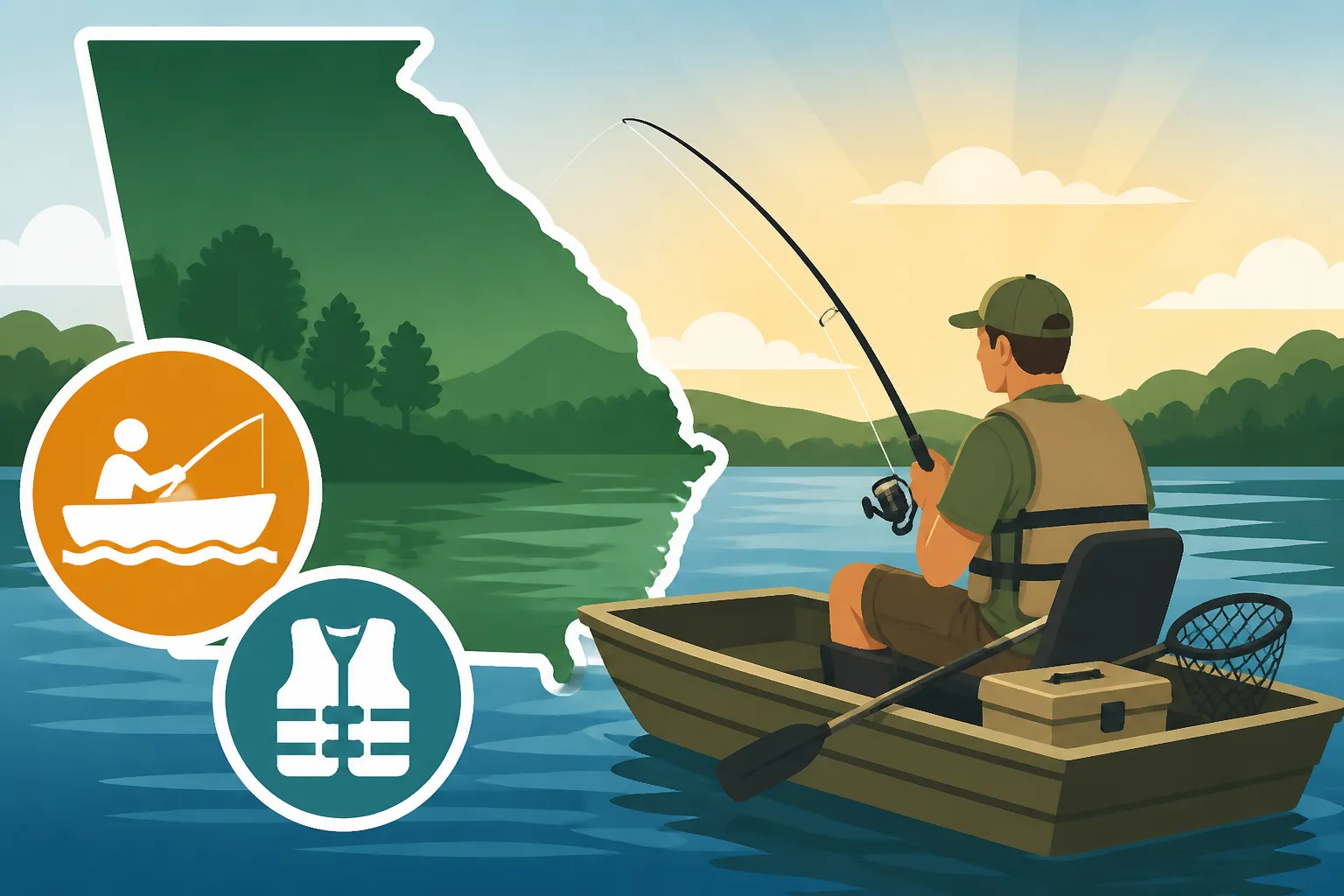
While registration might be off your plate, safety equipment is non-negotiable for any vessel on Georgia waters, regardless of size or whether it has a motor. The most critical item is, of course, a life jacket. Every person on board a non-motorized vessel must have a Coast Guard-approved wearable personal flotation device (PFD). It must be readily accessible, in good condition, and the appropriate size for the wearer. For children under 13, the rules are even stricter: they must wear a Coast Guard-approved PFD at all times while the vessel is underway. This isn't just a recommendation; it's a law designed to save lives. You can find excellent options from brands available on Amazon, ensuring you have the right fit for everyone.
Beyond life jackets, there are other pieces of safety gear that are legally required or highly recommended:
| Safety Item | Requirement for Non-Motorized Boats Under 16 Feet | Notes |
|---|---|---|
| Wearable PFDs | Required for every person on board | Must be Coast Guard-approved, serviceable, and sized appropriately. Children under 13 must wear them. |
| Sound Producing Device | Required | A whistle or horn is sufficient for smaller craft. Essential for signaling distress or alerting other boaters. Our guide on Do You Need a Whistle on a Kayak in Georgia? has more information. |
| Visual Distress Signals | Not typically required during daylight hours | However, if operating between sunset and sunrise, you will need visual distress signals (e.g., flares, lantern). Always a good idea to have some form of signaling, especially on larger bodies of water. |
| Navigation Lights | Required between sunset and sunrise | For non-motorized vessels, a single white light (like a lantern or flashlight) visible from all directions is usually sufficient. |
| Bailing Device | Recommended, but not explicitly mandated | A small bucket or sponge can be invaluable for removing water, especially in canoes or open kayaks. |
It's tempting to think, "I'm just paddling in a quiet pond, I don't need all that." But conditions can change rapidly, and accidents happen when least expected. A sudden storm, an unexpected capsize, or an encounter with a larger boat can turn a calm day into an emergency. Having the right gear, like that reliable whistle you bought at Bass Pro Shops, means you're prepared. Our article What Safety Equipment Is Required on a Georgia Boat goes into greater detail on comprehensive safety checklists.
Operating Your Non-Motorized Craft Legally and Safely
Knowing what you need to have on board is only half the battle; the other half is understanding how to operate your vessel responsibly. While non-motorized boats don't require a boater education card (which is generally for those born after a specific date who operate motorized vessels), you are still bound by rules of navigation, right-of-way, and safe operation. Ignorance of the law is never an excuse.
One crucial aspect is sharing the waterways. Georgia's lakes and rivers are popular, and you'll encounter everything from massive houseboats to other small fishing kayaks. Non-motorized vessels generally have the right-of-way over larger, power-driven vessels, but it's always best practice to assume larger boats may not see you. Be proactive in avoiding collisions. Stay visible, especially in busy channels or during low light conditions. The person operating the non-motorized vessel is still considered the "operator" and is responsible for its safe navigation and the well-being of any passengers.
Furthermore, remember that state parks and other managed fishing areas might have additional local rules. Always check with the specific park or management authority before launching, as they might have speed limits, restricted areas, or specific launch procedures. For example, some areas might have designated canoe or kayak launches that are different from motorized boat ramps. Being aware of your surroundings, understanding common boating etiquette, and always prioritizing safety will make your time on the water much more enjoyable.
Beyond the Basics: Safety and Best Practices for Non-Motorized Craft
While the law sets the minimum standards, truly enjoying your time on Georgia's waters means going beyond just checking boxes. Best practices in safety and preparation can elevate your experience and ensure you're ready for anything the outdoors throws your way.
Planning Your Trip and Checking Conditions
Before you even load your kayak or canoe onto the car, a little planning goes a long way. Check the weather forecast, paying close attention to wind, storms, and temperature. A sudden squall can turn a calm lake into a dangerous place for a small boat, and strong currents in rivers can be deceptively powerful. Knowing the water temperature is also vital, especially outside of peak summer. Cold water immersion is a serious risk, and even if you're an experienced swimmer, the shock of cold water can incapacitate you quickly. Always let someone know your float plan – where you're going, when you expect to return, and who is with you. This simple step is a lifesaver if you ever run into trouble.
Consider the length and difficulty of your trip. Are you paddling a serene lake or navigating a river with potential rapids or long, exposed stretches? Match your trip to your skill level and the capabilities of your group. Even on seemingly calm waters, unexpected challenges can arise. For instance, a long paddle against the wind on a large reservoir like Lake Allatoona can be incredibly exhausting. Pack enough water and snacks, and protect yourself from the sun with appropriate clothing and sunscreen. A good quality dry bag, easily found on Amazon, is invaluable for keeping your phone, keys, and emergency supplies safe and dry. You can find comprehensive checklists in our Kayak Fishing Gear Checklist for Beginners and Safety Gear Checklist for a Day on Lake Lanier articles.
Visibility and Signaling on the Water
Even though you might be seeking solitude, you won't be entirely alone on Georgia's waterways. Large boats, jet skis, and other fast-moving vessels might not always see a low-profile kayak or canoe, especially in choppy water, at dusk, or in crowded areas. This is where proactive visibility becomes paramount. Brightly colored kayaks are inherently more visible than muted ones. You can also add safety flags or lights, particularly if you plan to be out near dawn, dusk, or at night. A simple, battery-operated white light mounted on a pole can make a huge difference in how far away other boaters can spot you.
The sound-producing device requirement isn't just a formality; it's a critical signaling tool. A loud, clear whistle can alert a distant boater to your presence, signal distress, or even call attention to yourself if you've capsized. Practice using it! Knowing how to signal for help effectively is part of being a responsible boater. For emergencies, consider carrying a fully charged cell phone in a waterproof case, or even a personal locator beacon (PLB) if you're venturing into remote areas where cell service is spotty. These tools can literally mean the difference between life and death.
Environmental Responsibility
As stewards of Georgia's beautiful natural resources, it's our duty to practice Leave No Trace principles. This is especially true for those of us enjoying the quieter corners in non-motorized boats. Pack out everything you pack in – and if you can, a little extra. That means no litter, no discarded fishing line, and certainly no food scraps that aren't natural to the environment. Respect wildlife; observe from a distance and avoid disturbing nesting areas or sensitive habitats.
Be mindful of invasive species. If you're moving your boat from one body of water to another, always "Clean, Drain, Dry" your vessel and gear. Clean off any plants, mud, or debris; drain all water from the boat (including livewells, if you're using a fishing kayak with them); and allow it to thoroughly dry before its next use. This prevents the spread of harmful plants and animals that can wreak havoc on Georgia's aquatic ecosystems. By being responsible, we ensure that these pristine fishing and paddling spots remain healthy and enjoyable for generations to come.
Where to Find More Information and Gear
Staying informed and properly equipped doesn't have to be a chore. There are plenty of resources and retailers dedicated to helping you enjoy Georgia's waters safely and legally.
Official Resources and Local Knowledge
The Georgia Department of Natural Resources (DNR) is your primary source for all official boating and fishing regulations. Their website typically has comprehensive guides, FAQs, and contact information if you have specific questions. It's always a good idea to periodically check their site for updates, as laws can change. You might also find local park rangers, bait shop owners, or experienced guides to be incredible sources of hyper-local knowledge – they often know the specific quirks of the waterbodies you're interested in, from tricky currents to popular launch points.
Don't underestimate the value of local fishing clubs or paddling groups. These communities are often brimming with seasoned enthusiasts who are happy to share their wisdom on everything from Best Kayak for Fishing Georgia Lakes to optimal paddle strokes for certain river conditions. They can also be a great way to find paddling partners, which is always a good safety practice, especially for longer or more challenging trips.
Equipping Your Non-Motorized Vessel
Getting the right gear is part of the adventure. For core items like Coast Guard-approved life jackets, paddles, and basic safety kits, you'll find extensive selections at major outdoor retailers. Stores like Bass Pro Shops are fantastic for getting hands-on with different life jacket styles, trying out paddles, and browsing fishing accessories specifically designed for kayaks and canoes. They often have knowledgeable staff who can guide you to the right gear for your specific needs and the type of fishing or paddling you plan to do in Georgia.
Online retailers like Amazon offer an enormous variety of gear, often at competitive prices, making it easy to compare options and read reviews from other paddlers. You can find everything from fishing rod holders designed for kayaks to portable navigation lights and waterproof phone cases. When shopping, always prioritize safety and quality. A cheaper paddle might seem like a good deal until it breaks miles from shore. Investing in durable, reliable equipment is a smart move that will pay dividends in safety and enjoyment for years to come. Remember, a good Best Rod for Shore Fishing Without a Boat can also be used effectively from a non-motorized boat!
Disclaimer
This article is for general informational purposes only and does not constitute professional advice. Laws, prices and regulations vary by location and change over time. Consult a qualified professional for guidance on your specific situation.