Safety Gear Checklist for a Day on Lake Lanier
There’s nothing quite like a day out on Lake Lanier, Georgia. The sheer excitement of casting your line, the stunning scenery, and the hope of landing a big one can easily make you forget about the practicalities. But as any seasoned angler knows, the unexpected can happen on the water, turning a perfect day into a precarious situation in a heartbeat. That's why having the right safety gear isn't just a suggestion; it's a non-negotiable part of responsible boating and fishing. This guide will walk you through a comprehensive safety gear checklist specifically tailored for a day on Lake Lanier, helping you prepare for anything Mother Nature or the open water throws your way.
Essential Personal Safety Gear
Before you even think about pushing off from the dock, your personal safety, and that of everyone else on your boat, must be paramount. This isn't just about following the law; it's about common sense and protecting what matters most.
Life Jackets for Every Occupant
Let's start with the absolute basics: life jackets. It's easy to think, "Oh, I'm a strong swimmer," or "It's just a calm day," but Lake Lanier is a large, busy reservoir with sudden changes in weather and heavy boat traffic. Even experienced swimmers can get into trouble if they fall overboard unexpectedly, especially if injured, unconscious, or caught in a powerful wake. The law in Georgia requires all vessels to carry one U.S. Coast Guard-approved wearable life jacket for each person on board. For children under 13, wearing a life jacket is mandatory whenever the vessel is underway. You can find more detailed information on Georgia Life Jacket Laws for Boaters and Kids.
Beyond the legal requirements, having life jackets that actually fit and are accessible is crucial. A life jacket stashed away in a compartment when you need it most is no help at all. Make sure everyone has a properly sized jacket that they know how to put on quickly. For peace of mind, consider having everyone wear their life jackets, especially if you have young children or less confident swimmers onboard. Modern life jackets are far more comfortable and less bulky than they used to be, so there’s really no excuse not to wear them.
Think about the type of life jacket, too. While Type II buoyant vests are common, Type III flotation aids offer more comfort for active use like fishing. Always check for the U.S. Coast Guard approval label. It’s a small investment that could save a life, and you can easily pick up a range of sizes and styles at outdoor retailers like Bass Pro Shops or through online stores such as Amazon.
Protection from the Elements
While often overlooked as "safety" gear, protecting yourself from the sun and changing weather conditions is absolutely critical for a comfortable and safe day on the water. Sun exposure on Lake Lanier can be intense, especially with the added reflection from the water. Sunburn, heat exhaustion, and dehydration are real risks that can quickly ruin a trip or, worse, lead to a serious medical emergency.
Packing broad-spectrum sunscreen with a high SPF is non-negotiable, and remember to reapply it frequently, especially after swimming or sweating. Wide-brimmed hats and sunglasses with UV protection will shield your face and eyes, preventing glare-induced headaches and long-term sun damage. Additionally, consider wearing lightweight, long-sleeved shirts and pants, often made from quick-drying, UV-protective fabrics. These provide excellent protection without making you feel too hot.
Weather on Lake Lanier can shift dramatically throughout the day, even if the forecast looks clear. A beautiful sunny morning can turn into an afternoon thunderstorm with strong winds and heavy rain. Having appropriate rain gear and extra layers, even in summer, is a smart move. A lightweight waterproof jacket, for instance, can protect against unexpected showers or a sudden drop in temperature. It's all about being prepared for whatever nature throws your way, ensuring you remain comfortable and focused on your fishing, not miserable and shivering. You might find some excellent options for layering and rain gear by looking up Best Rain Gear and Layers for Boat Fishing.
Comprehensive First-Aid Kit
Accidents happen, even on the calmest days. A fishing hook can get embedded, a slip on a wet deck can cause a cut, or someone might have an allergic reaction to an insect sting. Having a well-stocked first-aid kit readily available can make all the difference in managing minor injuries and stabilizing more serious ones until professional help arrives. Don't skimp on this item!
Your kit should include basics like adhesive bandages in various sizes, antiseptic wipes, gauze pads, medical tape, pain relievers, and any personal medications regularly used by members of your party. Also, consider adding items specific to a boating environment: motion sickness medication, sting relief, waterproof bandages, and even a pair of blunt-tipped scissors for cutting line or clothing in an emergency. Tweezers are invaluable for splinters or removing hooks.
It’s a good idea to periodically check your first-aid kit to ensure all items are present, in date, and that nothing has been damaged by moisture or heat. Many outdoor retailers, including Bass Pro Shops, offer pre-packaged marine first-aid kits that are designed to withstand the elements and contain items commonly needed on the water. Alternatively, you can customize your own kit by purchasing individual supplies from pharmacies or online through Amazon, tailoring it to your specific needs and the number of people you typically have on board.
Vessel Safety Equipment: Required and Recommended
While personal safety is paramount, ensuring your vessel itself is properly equipped for safety is equally critical. There are certain items legally required for most boats on Lake Lanier, and then there are additional items that, while not mandatory, are highly recommended by experienced anglers and safety experts.
Throwable Flotation Device and Sound Signals
Beyond the wearable life jackets for everyone on board, most recreational boats are required to carry a throwable flotation device. This is typically a Type IV cushion or ring buoy, and it's designed to be thrown to someone who has fallen overboard, providing them with additional buoyancy while you maneuver to pick them up. It's crucial that this device is immediately accessible and in good condition – not tucked away under a pile of gear. Imagine trying to untangle it from a fishing net when someone is struggling in the water.
Equally important are sound-producing devices. In Georgia, recreational vessels are required to have a whistle or horn capable of producing an efficient sound signal audible for at least one-half nautical mile. This isn't just for emergencies; it's a vital tool for communicating with other vessels, especially in fog, limited visibility, or when approaching blind turns in coves. A simple pealess whistle attached to a life jacket or a dedicated air horn can fulfill this requirement. While not legally mandated for smaller vessels, a bell is also an option for signaling, particularly useful in conditions where a sustained signal might be needed.
Fire Extinguisher and Navigation Lights
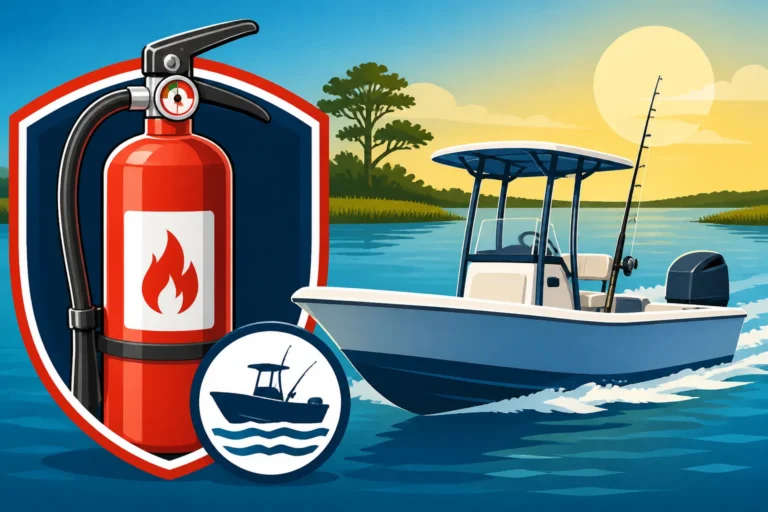
Fire on a boat is one of the most terrifying scenarios, and unfortunately, it's not unheard of, especially with inboard or outboard motors, fuel lines, and electrical systems. Most recreational boats with enclosed engine compartments or permanently installed fuel tanks are legally required to carry a U.S. Coast Guard-approved fire extinguisher. Even if your small fishing boat isn't technically required to carry one, it's an incredibly wise safety item to have on board. You can learn more about specific requirements by checking out Is a Fire Extinguisher Required on a Small Fishing Boat?.
Ensure your extinguisher is charged, easily accessible, and the correct type (typically B-I for most recreational boats). Regularly check the pressure gauge and expiry date. Knowing how to use it quickly in an emergency could prevent a minor issue from becoming a catastrophic blaze.
Furthermore, if you plan to be on the water from sunset to sunrise, or during periods of restricted visibility like fog or heavy rain, proper navigation lights are a legal requirement and an absolute necessity. These lights ensure that your vessel is visible to other boaters, preventing collisions. This typically includes a masthead light (white), sidelights (red for port, green for starboard), and a stern light (white). Double-check that all your navigation lights are functioning correctly before heading out, especially if there's any chance you'll be out after dark.
Visual Distress Signals and Anchor
While less common on inland lakes than on coastal waters, visual distress signals (VDS) can still be invaluable on Lake Lanier, especially given its size. If you become disabled or need assistance, a visual signal can attract the attention of other boaters or emergency services. For daytime, an orange distress flag can be effective. For nighttime, pyrotechnic flares (like aerial flares or hand-held flares) are common, but they have expiry dates and require careful handling. Non-pyrotechnic alternatives, such as an electronic distress signal light, are also available and are a safer, reusable option.
Lastly, an anchor and sufficient rode (rope or chain) are absolutely critical safety tools. An anchor isn't just for holding your position while fishing; it's a vital safety device. If your engine fails, or if you're caught in strong winds or currents, dropping anchor can prevent your boat from drifting into hazards, shorelines, or other vessels. You need enough rode to ensure a good hold – typically 7:1 scope (seven feet of rode for every one foot of depth). Without a reliable anchor, a minor mechanical issue can quickly escalate into a dangerous situation on a large body of water like Lake Lanier.
Communication and Navigation Essentials
In today's connected world, communication and navigation tools are no longer luxuries; they are fundamental safety devices. Knowing where you are and being able to call for help are paramount.
Reliable Communication Devices
Your cell phone is probably already in your pocket, but relying solely on it for communication on Lake Lanier can be risky. While cell service is generally good in many areas, there are still dead zones, especially in more remote coves or during severe weather when towers might be overloaded. Even when signal is strong, a dead battery renders it useless. Always ensure your phone is fully charged before you leave and consider carrying a portable power bank. A waterproof case is also a smart investment to protect it from splashes or an accidental dip in the lake.
For more robust communication, especially in an emergency, a marine VHF radio is a superior option. VHF radios are designed for marine use, broadcast over a dedicated frequency, and allow you to contact other boats, the Coast Guard, or local marine patrols. Many modern VHF radios have Digital Selective Calling (DSC) capabilities, which, when connected to your GPS, can transmit your exact location to rescue authorities with the press of a single button. While perhaps overkill for a casual solo angler in a small john boat, for larger vessels or those venturing further, a VHF radio is a vital piece of equipment. You can look into options at Bass Pro Shops or even a local marine electronics store.
GPS and Physical Charts
Navigating Lake Lanier can be deceptively tricky. It's a vast lake with numerous coves, islands, and submerged hazards like old timber. Relying solely on visual cues can lead to confusion, especially if fog rolls in or you're out after dark. A GPS unit or a chartplotter is an invaluable tool for precise navigation. Modern units often come pre-loaded with detailed lake maps, showing depths, navigation markers, and potential hazards. Knowing your exact location can save time and prevent dangerous groundings. When choosing one, consider what many anglers use, perhaps reviewing Best Fish Finder for Lake Lanier to see what devices also offer robust GPS capabilities.
However, electronic devices can fail – batteries die, screens get damaged, or software glitches occur. This is why having a physical chart or map of Lake Lanier is a critical backup. A waterproof, laminated chart won't run out of battery and provides a clear overview of the lake's layout, depths, and navigation aids. Take the time to familiarize yourself with the chart before you go, and know how to use it in conjunction with a simple compass, even if your primary navigation is electronic. It's a low-tech solution that could be your most reliable asset in a pinch.
Emergency Preparedness and Comfort Items
Beyond the legal necessities and communication tools, there are several practical items that fall under general preparedness. These might not be "life-saving" in the immediate sense, but they contribute significantly to overall safety, comfort, and the ability to handle unexpected minor issues before they become major problems.
Basic Tool Kit and Spare Parts
Imagine a loose battery terminal, a stripped screw, or a prop that's gotten fouled with fishing line. Small mechanical issues can often be resolved on the spot if you have the right tools. A basic marine tool kit should include essentials like screwdrivers (flathead and Phillips), pliers (needle-nose and standard), adjustable wrenches, electrical tape, zip ties, and a knife or multi-tool. These simple items can save you from being stranded and waiting for assistance.
Additionally, consider carrying a few spare parts that are common failure points for your specific boat. This might include extra spark plugs, a spare prop nut, shear pins (if applicable), and fuses. Even a small roll of duct tape can fix a surprising number of temporary problems. Think about what might go wrong and what you could realistically fix yourself with minimal effort. This foresight can be the difference between a minor inconvenience and a frustrating, prolonged breakdown on the water.
Hydration, Sustenance, and Comfort
A day of fishing, especially on a sunny Lake Lanier, can be physically demanding. Dehydration and hunger can impair judgment, reduce your energy levels, and make you more susceptible to heat-related illnesses. Always pack plenty of drinking water – more than you think you'll need. It's better to have too much than not enough. Consider bringing a cooler filled with ice and enough non-alcoholic beverages for everyone on board.
Along with water, pack some snacks or a packed lunch. Energy bars, sandwiches, fruit, and other easy-to-eat items will keep your energy up and your mind sharp. A well-fed and hydrated crew is a safer and happier crew. Furthermore, remember those comfort items mentioned earlier, like extra layers and rain gear. A sudden chill or an unexpected downpour can make an otherwise enjoyable trip miserable if you're not prepared, distracting you from safe boating practices.
Additional Wise Investments
While not strictly "safety" in the traditional sense, a few other items can contribute to a much safer and more enjoyable experience on Lake Lanier. These include a high-quality fishing net, which makes landing fish safer for both the angler and the fish, reducing the risk of hooks getting snagged in hands or clothing. A sharp knife or line cutters are essential for quickly cutting tangled lines or releasing snagged lures, preventing dangerous situations with taut fishing line.
Finally, always have a plan for dealing with trash. Bring a dedicated trash bag (and secure it so it doesn't blow away!) to collect all your waste, ensuring you leave the lake cleaner than you found it. This simple act of environmental responsibility also prevents debris from becoming a hazard to wildlife or other boaters. A little preparation goes a long way in ensuring a memorable and incident-free day on the beautiful waters of Lake Lanier.
Lake Lanier Safety Gear Checklist Summary
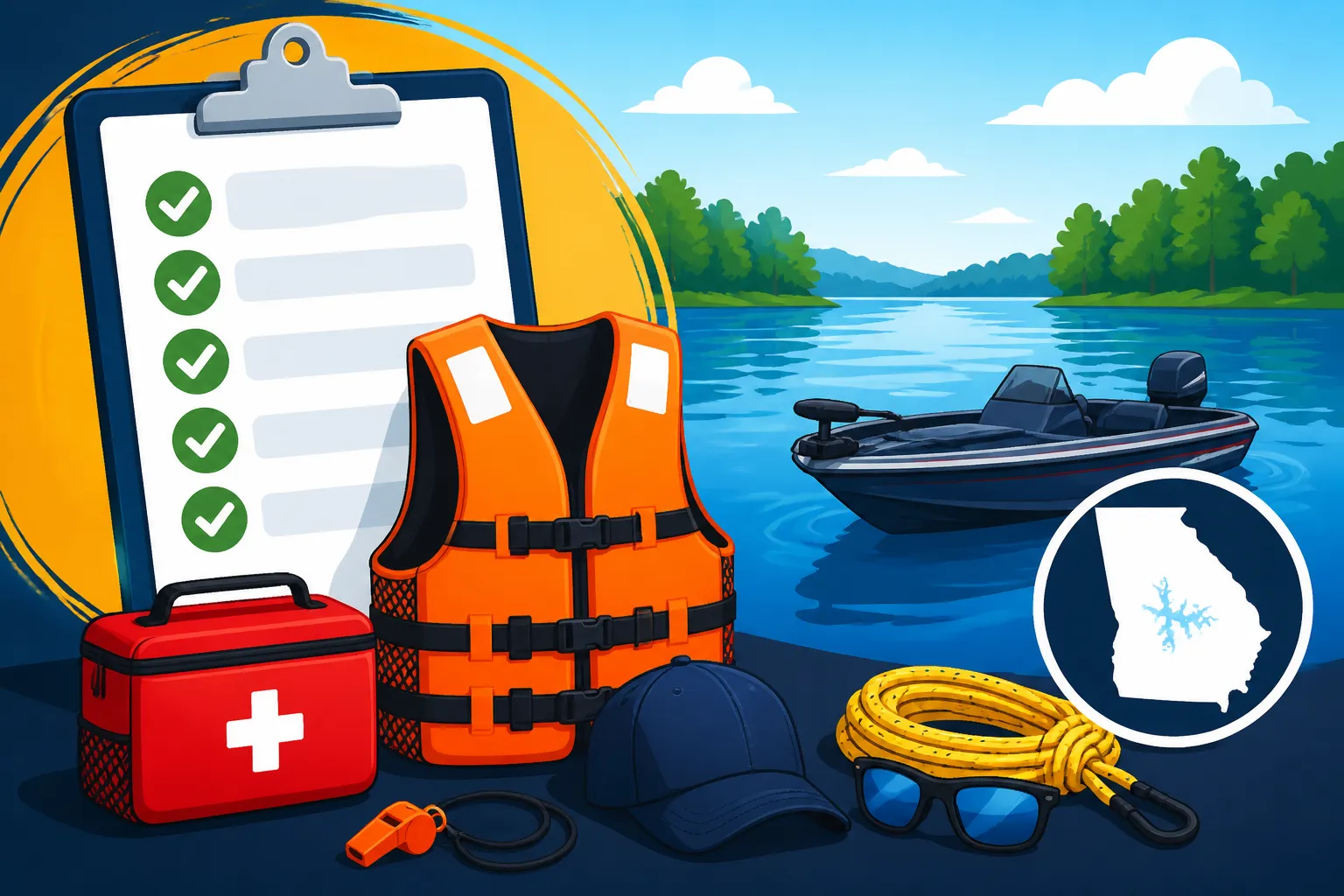
To help you keep track, here's a quick reference table outlining the key safety gear you should consider for a day on Lake Lanier. Remember, this is a comprehensive list, and specific legal requirements may vary slightly based on vessel type and length, but it's always better to be over-prepared.
| Category | Item | Requirement/Recommendation | Notes |
|---|---|---|---|
| Personal Safety | U.S. Coast Guard-approved Life Jacket | Required (one per person) | Mandatory for children under 13 when underway. Ensure proper fit and accessibility. |
| Sunscreen (SPF 30+) | Highly Recommended | Reapply frequently. Protects against sunburn, heatstroke. | |
| Wide-brimmed Hat & Sunglasses | Highly Recommended | Protects face, eyes, and reduces glare. | |
| First-Aid Kit | Highly Recommended | Stock with bandages, antiseptics, pain relievers, specific marine items (sting relief, motion sickness meds). Available at Bass Pro Shops or Amazon. | |
| Proper Footwear | Highly Recommended | Non-slip, closed-toe shoes are ideal for safety on wet decks. | |
| Vessel Safety | Throwable Flotation Device (Type IV) | Required (most vessels) | Immediately accessible. Cushion or ring buoy. |
| Sound-Producing Device | Required | Whistle or horn, audible for at least 0.5 nautical mile. | |
| Fire Extinguisher | Required (most powerboats) | Ensure it's charged and accessible. Check expiry. | |
| Navigation Lights | Required (night/low visibility) | Functional, correct colors/placement for operating after dark or in fog. | |
| Visual Distress Signals | Highly Recommended | Flares (day/night) or electronic distress signal. Not always required for inland waters but very useful on Lake Lanier. | |
| Anchor & Rode | Highly Recommended | Sufficient length (7:1 scope) to prevent drifting in emergencies. | |
| Boat Hook/Paddle | Highly Recommended | Aids in docking, fending off, or propulsion if engine fails. Mentioned in Best Boat Hook for Docking. | |
| Communication & Navigation | Cell Phone (charged & waterproofed) | Highly Recommended | Primary communication, but susceptible to dead zones/battery. Carry power bank. |
| Marine VHF Radio | Highly Recommended | Dedicated marine communication, better range, direct contact with authorities. | |
| GPS/Chartplotter | Highly Recommended | Detailed lake maps, shows depths and hazards. See Best Fish Finder for Lake Lanier. | |
| Physical Lake Map/Chart | Highly Recommended | Critical backup in case of electronic failure. | |
| Emergency Preparedness | Basic Tool Kit | Highly Recommended | Pliers, screwdrivers, wrenches, electrical tape, zip ties, knife. |
| Spare Parts | Highly Recommended | Fuses, spark plugs, prop nut, shear pins relevant to your boat. | |
| Drinking Water & Snacks | Highly Recommended | Prevents dehydration and fatigue. | |
| Rain Gear/Layers | Highly Recommended | For unexpected weather changes. Check Best Rain Gear and Layers for Boat Fishing. | |
| Trash Bag | Highly Recommended | Keep the lake clean. |
By taking the time to review this checklist and ensure you have these items on board, you're not just complying with regulations; you're actively investing in the safety and enjoyment of your next fishing adventure on Lake Lanier. Because the best memories are made when everyone returns home safely, ready to tell tales of their catches!
Disclaimer
This article is for general informational purposes only and does not constitute professional advice. Laws, prices and regulations vary by location and change over time. Consult a qualified professional for guidance on your specific situation.