What Safety Equipment Is Required on a Georgia Boat
There’s nothing quite like the feeling of being out on Georgia’s beautiful waters, whether you’re casting a line on Lake Lanier or cruising down the Altamaha River. But before you push off from the dock, that nagging question often pops into your head: "Do I have everything I need?" It's easy to feel a bit overwhelmed by all the rules and regulations, wondering what safety equipment is truly required to keep you, your passengers, and your vessel safe and legal. This guide is here to cut through the confusion and give you a clear, comprehensive look at the essential safety gear you must have on board your Georgia boat, along with some smart extras to consider.
Understanding the "Why" Behind Boating Regulations
It might sometimes feel like regulations are just there to make things complicated, but when it comes to boating safety, every rule is written with a real-world scenario in mind. The waters of Georgia, from our vast reservoirs to our winding rivers and coastal estuaries, can be unpredictable. Unexpected storms, sudden mechanical issues, or even simple human error can turn a fun day on the water into a serious situation in a heartbeat. That's why understanding and adhering to safety equipment requirements isn't just about avoiding a fine; it's about protecting lives.
Why Safety Rules Exist
Think about it: most of these regulations came about because of accidents or near-misses that highlighted a critical need. A boat caught fire, and there was no extinguisher. Someone fell overboard, and there wasn't a life jacket easily accessible. A vessel broke down at night, and without proper lighting, it became an invisible hazard. The Georgia Department of Natural Resources (DNR) and the U.S. Coast Guard work together to establish these rules to ensure that every boater has the basic tools to respond to emergencies and prevent them in the first place. It’s a collective effort to keep our waterways as safe as possible for everyone enjoying them.
Common Misconceptions About Required Gear
Many anglers and recreational boaters make assumptions about what’s truly required. Perhaps you think a small jon boat only needs a paddle, or that because you’re a strong swimmer, a life jacket isn't really necessary for yourself. Or maybe you've heard that certain items are only for "big" boats. These are common traps! The reality is, many requirements are universal, applying to nearly all vessels, while others are scaled based on the boat's length, propulsion type, or the time of day you're operating. We’re going to clear up those misconceptions so you can boat with confidence, knowing you're fully compliant and prepared.
Essential Safety Equipment Required by Georgia Law
Let’s get down to the brass tacks: what exactly do you need on your Georgia boat? While many of these are federal requirements, Georgia fully enforces them, and local agencies will check for compliance. It’s crucial to remember that these aren't suggestions; they are legal mandates designed to save lives.
Life Jackets Personal Flotation Devices PFDs
Hands down, this is the most critical piece of safety equipment you can have. Losing someone overboard, especially in cold water or if they're unconscious, is a nightmare, and a PFD is often the only thing that can prevent tragedy.
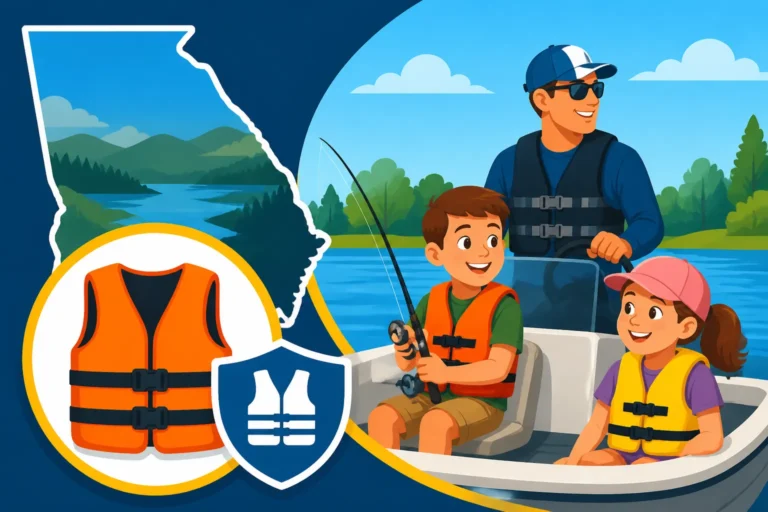
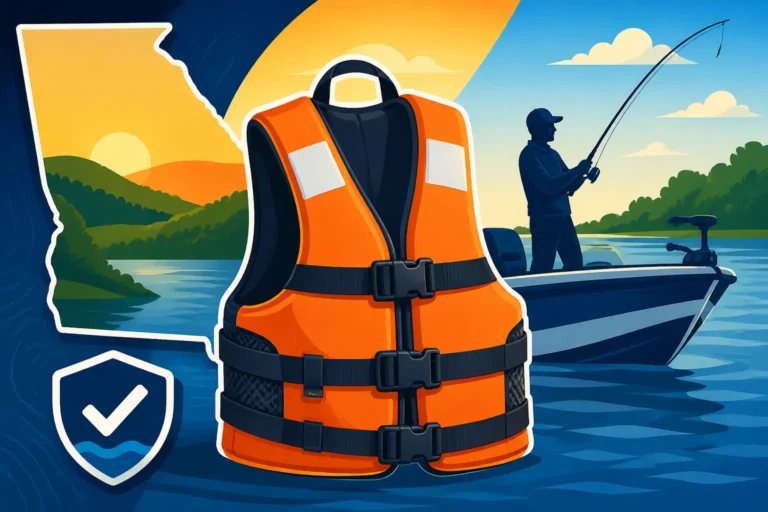
Georgia law, like federal law, mandates that you must have a U.S. Coast Guard-approved life jacket for every person on board your vessel. And here's the kicker that often trips people up: it must be readily accessible. This doesn't mean it's buried under a pile of tackle boxes or stuffed deep in a storage compartment. It means you can grab it and put it on quickly in an emergency. For children, the rules are even stricter, and for good reason. Georgia Life Jacket Laws for Boaters and Kids explains that any child under the age of 13 must wear a U.S. Coast Guard-approved life jacket whenever the vessel is underway. This is a non-negotiable rule that parents often appreciate once they understand the risks involved. It's about ensuring our youngest anglers and adventurers are always protected.
There are different types of PFDs, from Type I (offshore) to Type V (special-use). Most recreational boaters will use Type II (near-shore) or Type III (flotation aid) vests. The key is that they fit properly and are in good, serviceable condition – no rips, tears, or broken straps. You can find a huge selection of Coast Guard-Approved Life Jacket Types for Georgia Boaters at retailers like Bass Pro Shops or even online at Amazon, making it easier than ever to equip everyone appropriately. Remember, while you might not have to wear one as an adult, having it on and buckled makes all the difference if an unexpected wave or turn throws you overboard.
Fire Extinguishers
No one wants to think about a fire on their boat, but fuel, oil, and electrical systems make it a very real possibility. That’s why fire extinguishers are a must-have for many vessels.
If your boat has an inboard engine, enclosed compartments where fuel or oil might be stored, permanently installed fuel tanks, or any closed living spaces, you are required to carry a U.S. Coast Guard-approved marine fire extinguisher. The type and number of extinguishers depend on the size of your vessel. For most small to mid-sized recreational fishing boats, a single B-I type extinguisher is often sufficient. These are specifically designed for flammable liquids and electrical fires, which are the most common types of boat fires.
Just like PFDs, the extinguisher must be easily accessible and in serviceable condition, with the pressure gauge in the "green" zone. Don't just toss it in a storage locker where you can't reach it when seconds count. Consider having it mounted in a visible, easy-to-grab spot near the helm or in the galley. For more details on what you need, check out Best Fire Extinguisher for a Small Fishing Boat to make sure you have the right one for your specific vessel.
Sound-Producing Devices
Imagine being caught in a dense fog on Lake Sinclair or navigating a busy channel near Brunswick, Georgia, and another boat is heading your way, unseen. How do you signal your presence? With a sound-producing device!
Every vessel is required to carry some form of sound-producing device. For boats under 40 feet (most recreational fishing boats), a whistle or horn is sufficient. This could be a simple mouth-blown whistle, a hand-held air horn, or a permanently installed horn. The purpose is to signal intentions and warn other vessels, especially in situations of reduced visibility or to signal distress. If you’re fishing a quiet cove, you might not use it often, but when you're in open water or approaching a busy boat ramp, it's invaluable. It's a small piece of gear that makes a huge difference in preventing collisions.
Visual Distress Signals VDS
While your whistle or horn can make noise, a Visual Distress Signal (VDS) allows you to signal for help, especially at night or over longer distances.
For recreational boats operating on coastal waters, the Great Lakes, or connecting waterways, VDS are generally required. This typically includes Georgia's saltwater and tidal rivers. If you're solely on inland freshwater lakes and rivers that are not directly connected to the sea, VDS might not be mandatory, but it’s still incredibly smart to carry them. A common VDS kit includes flares (day/night use) or an electronic distress signal. Flares have expiration dates, so make sure yours are current! An electronic VDS, while often pricier, offers a reliable, long-lasting alternative without the expiration concern. Being able to visibly signal for help if you're stranded miles offshore on the Golden Isles could literally save your life.
Navigation Lights
If you plan on being on the water between sunset and sunrise, or during periods of restricted visibility (like fog), navigation lights are absolutely non-negotiable.
Your boat must display specific lights to indicate its position and direction to other vessels. For power-driven vessels, this generally means red and green sidelights (visible from the front and sides) and an all-around white light or a masthead light and stern light combination. These lights help other boaters understand where you are and what you're doing, preventing nighttime collisions. Even if you only plan to be out during the day, unexpected delays or mechanical issues can leave you on the water after dark. Having functional navigation lights isn't just a requirement; it's a fundamental aspect of safe night boating. Always test your lights before heading out!
Ventilation Systems for Certain Boats
This one is a bit more specific but incredibly important for preventing dangerous fumes from accumulating.
If your boat uses gasoline as fuel and has any enclosed engine or fuel tank compartments, it must be equipped with a ventilation system. This typically includes powered blowers and natural ventilation ducts designed to remove explosive gasoline vapors. Carbon monoxide detectors are also highly recommended, especially in cuddy cabins or enclosed living spaces, as this odorless, colorless gas can be deadly. Ensuring your ventilation system is working correctly prevents a spark from turning into a devastating explosion. Regularly inspect your fuel lines and connections for leaks and always run your blower for several minutes before starting your engine.
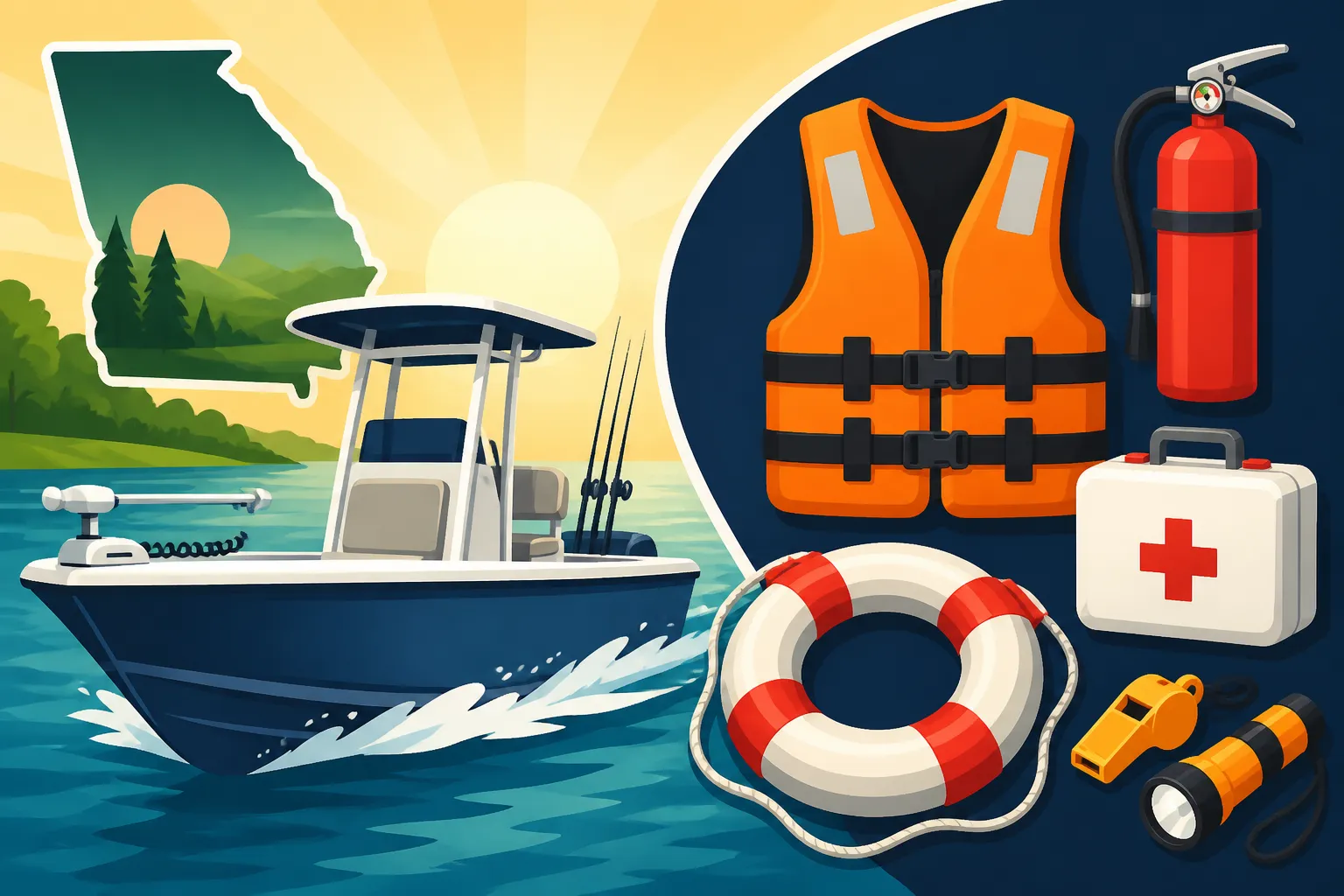
Here’s a quick summary of the common requirements for most recreational boats in Georgia:
| Equipment Type | Requirement for Most Recreational Boats | Key Considerations |
|---|---|---|
| Life Jackets (PFDs) | One U.S. Coast Guard-approved for each person on board | Readily accessible, proper fit, good condition, children under 13 must wear |
| Fire Extinguisher | Required for boats with inboard engines, enclosed fuel compartments, etc. | Type B-I for smaller boats, accessible, charged, current inspection date |
| Sound-Producing Device | Whistle or horn (for boats under 40 ft) | Ensure it's functional and loud enough to be heard |
| Visual Distress Signals | Required for coastal waters, Great Lakes, and connecting rivers | Day/night flares (check expiration) or electronic VDS, always accessible |
| Navigation Lights | Required for operation between sunset and sunrise or in restricted visibility | Red/green sidelights, all-around white light or masthead/stern light, functional |
| Ventilation (Gasoline) | Required for boats with enclosed engine/fuel compartments | Ensure blowers and ducts are functional and regularly inspected |
Recommended But Not Required Safety Gear
While the list above covers the absolute legal requirements, any experienced boater will tell you that going above and beyond those minimums is simply good practice. These are the items that can turn a bad situation into an inconvenience rather than a full-blown emergency. They offer peace of mind and often prove invaluable when you least expect it.
First-Aid Kits and Emergency Supplies
You wouldn't head out on a hike without a first-aid kit, so why would you boat without one? Minor scrapes, cuts, fish hook punctures, or even unexpected allergic reactions are common occurrences on the water. A well-stocked What to Keep in a Boat Emergency Kit is an absolute must.
Beyond basic first aid, consider a small survival kit. This could include things like a waterproof flashlight, a space blanket, some non-perishable snacks, and bottled water. If your boat breaks down miles from shore, or you get stranded on an island, these simple items can make a huge difference in comfort and safety while you wait for assistance. Even on a short fishing trip to a local Georgia State Park fishing pond, an unexpected injury can happen.
Anchors and Docking Essentials
Having a reliable anchor is not just for holding your position while fishing; it's a vital safety tool. If you experience engine trouble or lose power, an anchor can keep you from drifting into dangerous currents, rocks, or other vessels.
Make sure you have an anchor that is appropriately sized for your boat and the type of bottom you'll typically encounter (mud, sand, rock). You'll also need sufficient anchor line – a good rule of thumb is 7:1 scope (7 feet of line for every 1 foot of water depth). Beyond the anchor, having enough dock lines and fenders is crucial for safe docking, especially if unexpected weather rolls in or you need to tie up quickly at a crowded marina. Having a good Best Boat Hook for Docking can also make those tricky docking maneuvers much smoother.
Communication Devices
While your cell phone is handy, it's not always reliable on the water, especially in more remote areas of Georgia's larger lakes or rivers. A marine VHF radio is a dedicated communication device for boaters and is often considered a critical piece of safety gear.
A VHF radio allows you to communicate with other boats, bridges, and emergency services (like the Coast Guard) on designated marine channels. It has better range over water than a cell phone and is built to withstand marine environments. For more remote fishing spots or when heading out on larger bodies of water like Lake Lanier or Clarks Hill Lake, a VHF radio provides an essential layer of security. Even a handheld waterproof VHF radio can be a lifesaver.
Tools and Repair Kits
It's amazing how a simple loose screw or a fouled spark plug can ruin a day on the water. Carrying a basic tool kit tailored to your boat's engine and systems can save you from being stranded.
Your kit doesn't need to be elaborate, but it should include essentials like screwdrivers, pliers, an adjustable wrench, spare spark plugs, electrical tape, a knife, and perhaps some zip ties and hose clamps. Knowing how to perform basic troubleshooting and minor repairs on your vessel can make you much more self-sufficient and prepared for unexpected mechanical issues. It's a small investment that offers a significant return in peace of mind.
Where to Find Your Gear and Stay Informed
Now that you know what you need, the next step is actually acquiring it and staying up-to-date. The good news is that safety gear is readily available, and resources for staying informed are plentiful.
Reputable Retailers for Safety Equipment
You don't have to look far to find quality marine safety equipment. Large outdoor and marine retailers are excellent resources. Stores like Bass Pro Shops, for example, have dedicated marine departments where you can find everything from Coast Guard-approved life jackets and fire extinguishers to flares, air horns, and VHF radios. The staff at these stores can often help you understand the different types of equipment and ensure you're getting the right gear for your specific vessel and boating habits.
Online retailers are another convenient option. Websites like Amazon offer a vast selection of marine safety equipment, often with competitive pricing and detailed product reviews. Just be sure to double-check that any safety gear you purchase, especially PFDs and fire extinguishers, are explicitly U.S. Coast Guard-approved. Look for clear certification markings on the product packaging and the item itself. Don't compromise on quality or certification when it comes to safety!
Staying Up-to-Date on Regulations
Boating regulations can change, and what was required last year might have been updated this year. It's your responsibility as a boater to stay informed.
The Georgia Department of Natural Resources (DNR) website is your go-to source for the most current Georgia-specific boating laws and regulations. They often publish comprehensive guides and updates that detail all requirements, including PFD rules for children, navigation light specifications, and Georgia Boater Education Card Requirements. The U.S. Coast Guard also maintains a website with federal boating regulations, which apply to all navigable waters, including many of Georgia's lakes and rivers. Consider taking a boater education course, even if you’re an experienced boater; these courses not only cover current regulations in depth but also teach valuable safety practices that can prevent emergencies. These courses are invaluable for ensuring you understand Georgia Fishing Regulations Explained and all aspects of safe boating.
By taking the time to understand and equip your boat with both required and recommended safety gear, you're not just complying with the law. You're making a conscious decision to prioritize safety for yourself, your loved ones, and everyone else who shares Georgia's magnificent waterways. So, gear up, stay safe, and enjoy your time on the water!
Disclaimer
This article is for general informational purposes only and does not constitute professional advice. Laws, prices and regulations vary by location and change over time. Consult a qualified professional for guidance on your specific situation.