Best Boat for Fishing Lake Lanier
Choosing the right boat for fishing Lake Lanier can feel like navigating a maze. With its vast expanse, varying depths, and diverse fish species from trophy stripers to feisty spotted bass, it’s no wonder many anglers struggle to pick a vessel that truly fits their needs. This guide will cut through the confusion, helping you understand the unique demands of Lake Lanier and pinpoint the best boat options to maximize your success and enjoyment on the water.
Understanding Lake Lanier's Unique Demands for Anglers
Lake Lanier isn't just any lake; it's a massive, multi-faceted reservoir that demands a boat capable of handling a wide range of conditions and fishing styles. Many anglers get frustrated when their boat, perfectly suited for a smaller, shallower lake, struggles with Lanier's open waters or deep coves. It's crucial to understand what makes this lake distinct before you even start looking at boat models.
Size and Open Water Challenges
First off, Lake Lanier is simply big. With over 38,000 acres of water and nearly 700 miles of shoreline, you're looking at vast stretches of open water, especially in the main channel and lower lake sections. This means that a small, lightweight Jon boat or a kayak, while excellent for quiet coves, might leave you feeling vulnerable and underpowered when crossing large expanses, particularly if the wind picks up. The chop on Lanier can get surprisingly rough, turning a pleasant ride into a bone-jarring ordeal if your boat isn't designed to handle it. You want something that can cut through waves, keep you dry, and maintain a reasonable speed without constantly pounding the hull.
Diverse Fisheries and Depths
Beyond its size, Lake Lanier boasts an incredibly diverse fishery. It's renowned for its striped bass, which often suspend in deep open water, requiring specialized electronics and techniques. Then there are the spotted bass, which can be found from shallow rocky points to deep brush piles. Crappie and catfish also thrive in various habitats, from standing timber to submerged creek channels. This diversity means you might be fishing in 5 feet of water one minute and 50 feet the next. Your boat needs to facilitate these different approaches. A shallow-draft boat might struggle to get to deep-water striper holes safely in rough conditions, while a deep-V hull might be less ideal for stealthily sneaking into a shallow bass cove.
Recreational Traffic and Safety Concerns
Finally, Lake Lanier is incredibly popular for all kinds of recreation, not just fishing. On a sunny weekend, you'll encounter everything from personal watercraft to large cruisers, creating significant boat traffic and wakes. This high traffic volume is a major concern for anglers. A smaller, less stable boat can be tossed around by large wakes, making it difficult to maintain balance, cast accurately, or even feel safe. A more substantial, stable platform not only provides a better fishing experience but also offers a greater sense of security amidst the recreational chaos. For these reasons, understanding Lake Lanier Fishing Guide, Georgia is paramount before making your boat choice.
Key Considerations for Your Lake Lanier Fishing Boat
So, with Lake Lanier's unique character in mind, what exactly should you be looking for in a boat? It's not just about what looks good; it's about matching your vessel to your personal fishing style, budget, and the lake's demands. Many anglers jump into a purchase without thoroughly thinking through these points, leading to buyer's remorse down the road.
Your Primary Fishing Style and Target Species
This is perhaps the most critical factor. Are you primarily a tournament bass angler who needs speed, casting platforms, and multiple livewells? Or are you a family angler who wants a stable platform for kids to catch bream and the occasional catfish? Maybe you're obsessed with chasing trophy striped bass in open water, which requires different capabilities entirely.
Consider how you spend most of your time on the water. If you're running across the lake at high speeds to hit multiple spots for bass, a dedicated bass boat makes sense. If you prefer to slowly troll for crappie or anchor up for catfish with several friends, a spacious pontoon might be a better fit. Anglers focused on trout might even consider smaller, more nimble options for the lake's tributaries, though that's a different game entirely. Your target species often dictates the boat's layout, storage, and even the necessary electronics.
Budget and Long-Term Maintenance Costs
Let's be real: boats are an investment, and the initial purchase price is just the beginning. Your budget needs to account for the boat itself, the motor, a trailer, registration, insurance, and ongoing maintenance. Larger boats generally mean larger price tags and higher maintenance. Think about fuel costs too – a big V8 outboard will burn a lot more gas than a smaller four-stroke.
Don't forget accessories. Quality electronics like fish finders, GPS units, and a reliable trolling motor can add significantly to the overall cost, but they are often indispensable on a lake like Lanier. Best Fish Finders for Georgia Reservoir Fishing and Best Trolling Motor for Georgia Bass Boats are great examples of where additional investment might be needed. When considering your budget, it's often wise to allocate a portion for these essential add-ons right from the start, rather than trying to scrimp later. You can find a vast array of boating accessories on platforms like Amazon, offering options for every budget.
Storage, Trailering, and Launch Access
Where will you keep your boat? Do you have garage space, a dedicated boat slip, or will it live on a trailer in your driveway? The size and type of boat will greatly influence your storage options. A large bass boat or pontoon might require a significant amount of space, and trailering it can be a hassle if you don't have a suitable tow vehicle or easy access to ramps.
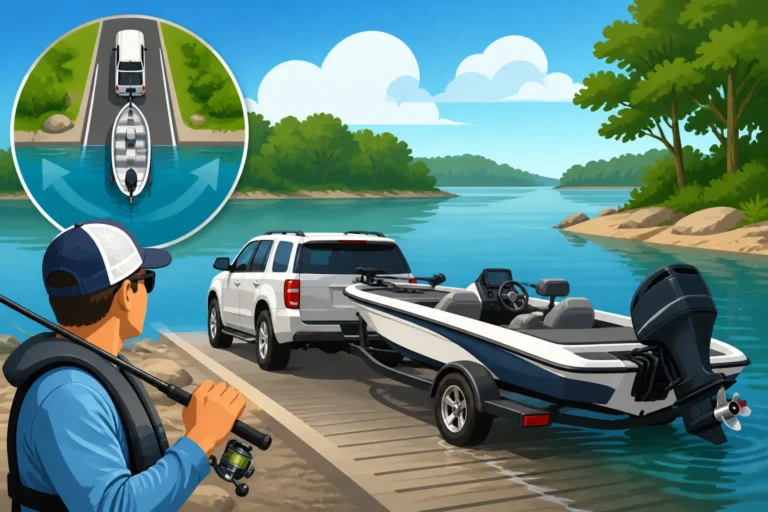
Lake Lanier has numerous public and private boat ramps, but they can get incredibly busy, especially on weekends. Maneuvering a large boat and trailer in a crowded parking lot requires skill and patience. A smaller, lighter boat might be easier to launch and retrieve, making your fishing trips less stressful. Think about how often you plan to launch and retrieve your boat, and what your physical capabilities are. Consider if you'll need a specific trailer type or extra gear for smooth launches. You also need to be aware of the Georgia Boat Registration Requirements Explained for whatever vessel you choose.
Popular Boat Types Best Suited for Lake Lanier Fishing
Now that you've considered your needs, let's look at the types of boats that most frequently grace the waters of Lake Lanier and how they stack up for fishing. Each has its pros and cons, and what's "best" truly depends on your priorities.
Dedicated Bass Boats
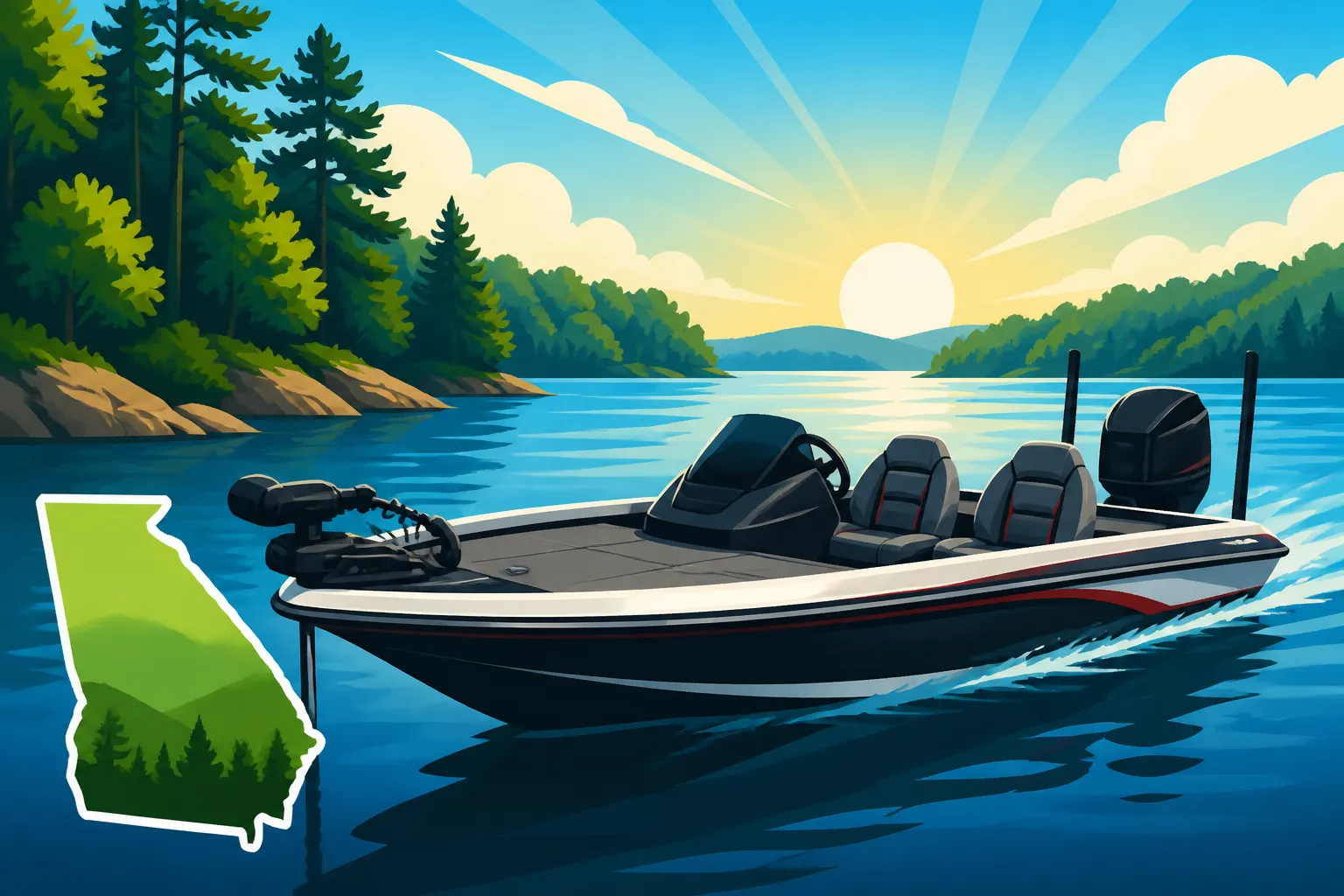
For serious tournament anglers or those focused purely on catching black bass, a bass boat is often the first choice. These sleek, powerful machines are built for speed, allowing you to cover vast distances quickly between fishing spots. They feature large, flat casting decks, often equipped with recessed trolling motor foot pedals and plenty of storage for rods, tackle, and gear. The ample livewells are designed to keep tournament-caught fish healthy.
However, bass boats do have their trade-offs on Lanier. Their low profile, while great for cutting through wind, can mean a rough, wet ride in choppy conditions. They also typically offer less space for multiple passengers or recreational activities beyond fishing. While you can find excellent bass boat options at retailers like Bass Pro Shops, be prepared for a significant investment. For specific gear, don't forget to check out Best Rod and Reel Combo for Largemouth Bass in Georgia.
Pontoon Boats (Fishing Configurations)
Pontoons might seem like an odd choice for serious fishing, but modern fishing pontoon boats are surprisingly capable and increasingly popular on Lanier. They offer unparalleled stability and deck space, making them fantastic for families or groups of friends. Imagine having enough room for multiple anglers to cast simultaneously without bumping elbows, or setting up a comfortable station for kids to fish.
Fishing pontoons often come equipped with features like livewells, rod holders, swiveling fishing seats, and even optional trolling motors. While they won't win any speed races, their stability and comfort are huge advantages, especially on busy weekends when wakes are abundant. They're also excellent for anchoring up over deep structure or for leisurely exploring coves. The higher freeboard means a much drier ride than a traditional bass boat in choppy water.
Multi-Species/Walleye Boats
These boats offer a fantastic compromise for anglers who want versatility. Originally designed for tough conditions on large, choppy lakes, multi-species boats feature deeper V-hulls than bass boats, providing a much smoother and drier ride in rough water. They are typically equipped with robust motors, large livewells, and flexible seating arrangements that can be converted from comfortable passenger seating to dedicated fishing positions.
For Lake Lanier, a multi-species boat is an excellent all-rounder. It can handle the open water comfortably, chase deep-water stripers effectively, and still provide a stable platform for bass fishing or family outings. They usually have ample storage and can accommodate a wide array of electronics. If you're unsure which species you'll be targeting most often or want the flexibility to do a bit of everything, this type of boat is a strong contender.
Jon Boats
For the angler on a tighter budget or someone who prefers to fish smaller, calmer coves and shallow areas, a Jon boat can be a surprisingly effective choice. These flat-bottomed, utilitarian boats are simple, durable, and relatively inexpensive. Their shallow draft allows them to access incredibly skinny water where other boats can't go, which can be a huge advantage for targeting bass in tight pockets or along flooded timber.
However, Jon boats are generally not well-suited for Lake Lanier's open water. Their flat bottom makes them pound heavily in chop, and their low sides offer little protection from spray. They are best reserved for calm days and protected waters. If you envision mostly fishing the backs of large coves or the upper reaches of the river arms feeding Lanier, a well-outfitted Jon boat with a reliable small outboard and a trolling motor could be a great, economical option.
Kayaks and Canoes
For those who prioritize stealth, access, and a close connection to the water, kayaks and canoes are becoming increasingly popular on Lake Lanier. They are incredibly portable, cost-effective, and allow you to slip silently into nooks and crannies that larger boats can only dream of reaching. Modern fishing kayaks are stable, track well, and can be rigged with an impressive array of accessories, from rod holders and fish finders to small electric motors.
While kayaks and canoes offer unparalleled access to tight spots and a truly immersive fishing experience, they are definitely fair-weather vessels on Lanier. Large wakes from other boats can be dangerous, and crossing vast expanses of open water can be exhausting and risky. They are ideal for exploring specific creek arms, shallow flats, or peaceful coves on calm days. If you're interested in this method, our Kayak Fishing Gear Guide for Beginners offers a great starting point, and you can find a good selection of Best Kayak for Fishing Georgia Lakes.
Essential Features and Accessories for Lake Lanier Fishing Boats
No matter which type of boat you choose, certain features and accessories are absolutely crucial for a successful and safe fishing experience on Lake Lanier. Don't skimp on these; they can make or break your day on the water.
Marine Electronics: Fish Finders, GPS, and Trolling Motors
Modern marine electronics have revolutionized fishing, and on a complex lake like Lanier, they are non-negotiable. A high-quality fish finder is essential for locating fish, understanding bottom structure, and identifying schools of bait. Side imaging and down imaging technologies can show you incredible detail, revealing brush piles, humps, and even individual fish. A reliable GPS unit, often integrated into the fish finder, is critical for navigation, marking productive spots, and safely returning to your launch point, especially in the maze of Lanier's coves. You might also want to look into Best Electronics for Bass Boats for a comprehensive setup.
A strong, dependable trolling motor is another must-have, particularly for bass and crappie anglers. Whether it's a bow-mount electric motor with GPS-controlled spot-lock for holding your position in wind or current, or a transom-mount for smaller vessels, a trolling motor allows for silent, precise boat positioning. This stealth is crucial for approaching wary fish without spooking them. Consider a model with ample thrust for your boat size, as Lanier can get windy.
Storage Solutions and Livewells
You'll quickly find that you can never have enough storage on a fishing boat. Look for ample, dry storage compartments for tackle boxes, safety gear, rain gear, and personal items. Rod lockers are invaluable for protecting your expensive fishing rods during transit and while running across choppy water.
If you plan to keep your catch, especially bass or stripers, a well-designed livewell is essential. Look for aerated, insulated livewells that can maintain a stable temperature and oxygen level for your fish. For tournament anglers, multiple livewells or larger capacities are often desired. Even if you practice catch-and-release, a good livewell ensures fish can be kept healthy until a photo opportunity or release.
Safety Gear and Navigation Lighting
Safety on the water is paramount. Always ensure your boat is equipped with all required safety gear. This includes Coast Guard-approved life jackets for everyone on board – and remember, Georgia Life Jacket Laws for Boaters and Kids mandate specific requirements for children. You'll also need a throwable flotation device, a whistle or horn, a fire extinguisher, and navigation lights for low-light conditions or nighttime fishing.
On Lake Lanier, where boat traffic can be heavy, especially around dusk, having fully functional navigation lights is critical for visibility and preventing accidents. A first-aid kit, anchor, and paddle (even on a motorized boat) are also wise additions. Being prepared for emergencies ensures that you can focus on fishing with peace of mind. You can find many of these safety essentials on Amazon.
Comfort and Convenience Features
While not strictly "essential" for catching fish, comfort and convenience features greatly enhance your overall experience on the water. Comfortable seating, especially a well-padded helm seat, can make long days more enjoyable. A bimini top or other sunshade is a blessing during Georgia's hot summers, protecting you from the sun's harsh rays.
Consider features like a built-in cooler or cooler tie-downs to keep drinks and snacks cold. Easy-to-clean flooring and washdown systems can save you a lot of effort after a messy day of fishing. Cup holders, phone chargers, and even a small stereo system can add to the enjoyment for both you and any passengers. These small touches can transform a functional fishing vessel into a truly enjoyable escape.
| Boat Type | Primary Use | Rough Water Capability | Speed | Deck Space | Best for Species on Lanier |
|---|---|---|---|---|---|
| Bass Boat | Tournament bass fishing, fast travel | Low-Moderate | High | High (casting decks) | Largemouth Bass, Spotted Bass (fast-paced, covering water) |
| Pontoon Boat (Fishing) | Family fishing, leisure, large groups | Moderate | Low-Moderate | Very High | Crappie, Catfish, Bream (anchoring, stable platform), Light Striper fishing on calm days |
| Multi-Species Boat | Versatile fishing, rough water | High | High | Moderate | Striped Bass, Spotted Bass, Largemouth Bass (all-around, handles open water and varying depths) |
| Jon Boat | Shallow water, calm coves, budget | Low | Low | Low-Moderate | Bream, Catfish, Bank-access Bass (quiet, sheltered waters) |
| Kayak/Canoe | Stealth, tight access, solo/duo | Low | Very Low | Low | Bream, Shallow Bass (stealthy access to inaccessible areas on calm days) |
Disclaimer
This article is for general informational purposes only and does not constitute professional advice. Laws, prices and regulations vary by location and change over time. Consult a qualified professional for guidance on your specific situation.