Fly Fishing Gear for Georgia’s Trout Streams
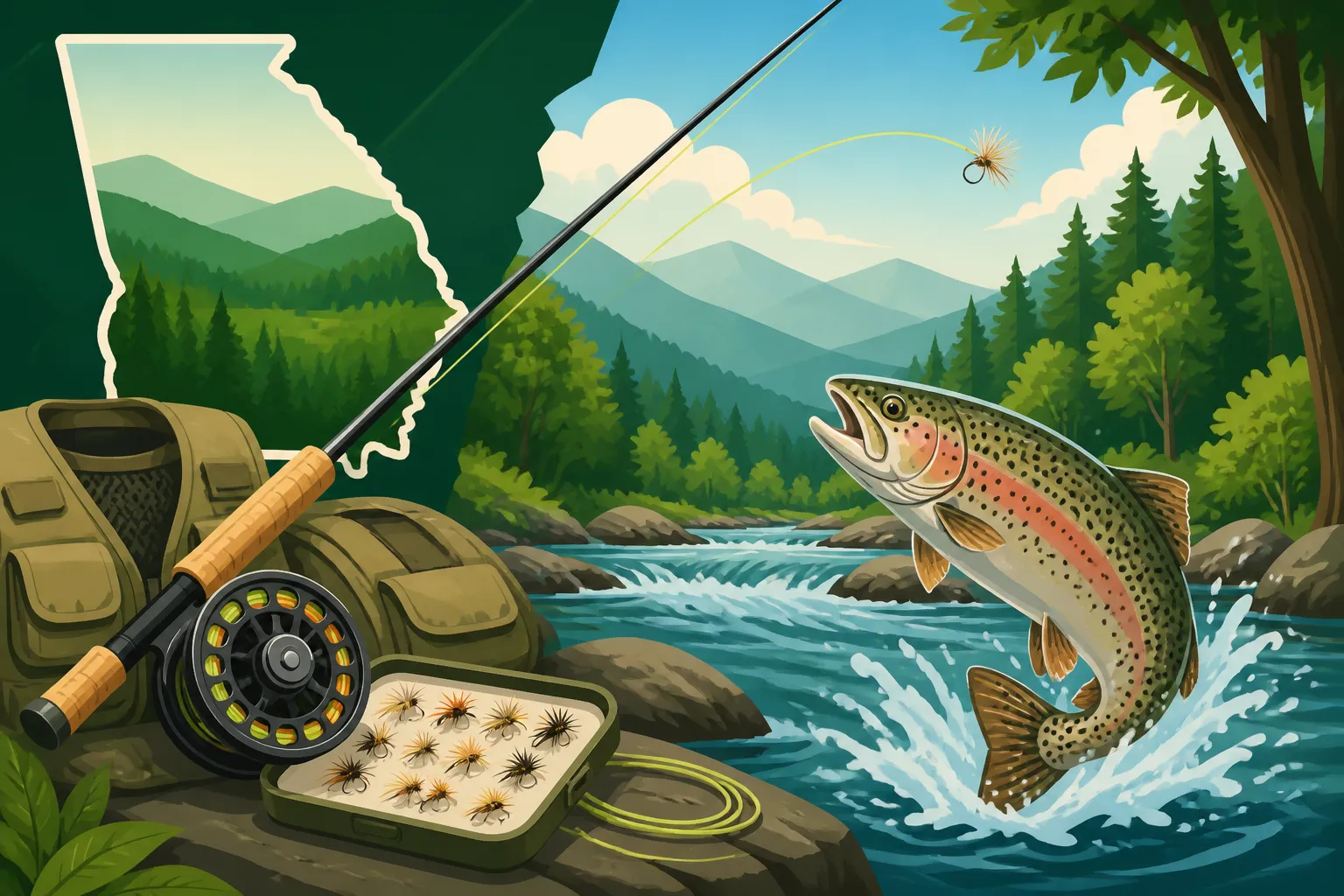
Oh, the allure of Georgia's trout streams! There's nothing quite like standing knee-deep in a crystal-clear mountain creek, the cool water rushing around your waders, and the promise of a beautiful rainbow, brown, or native brook trout rising to your carefully presented fly. But let's be honest, for many folks, the world of fly fishing gear can feel like navigating a foreign language, especially when you're just starting out or looking to upgrade. It's easy to get overwhelmed by all the options, the jargon, and the sheer volume of stuff out there. This guide is here to demystify the essential gear you need to confidently and comfortably pursue trout in our incredible Georgia waters, from tiny headwater streams to wider, more accessible rivers.
Understanding the Essentials of Fly Fishing Gear for Georgia Trout
Stepping into the world of fly fishing can feel a lot like trying to learn a new language while simultaneously planning a trip to a foreign country. You know you need a rod and reel, but then you hear terms like "leader," "tippet," "weight-forward line," "fast action," and your head starts to spin. Don't worry, you're not alone! Many seasoned anglers still scratch their heads over some of the minutiae. The good news is that for Georgia's trout streams, you don't need every piece of gear ever invented. What you do need is a well-matched system that works for our specific conditions.
The "System" Approach to Fly Fishing Gear
Think of your fly fishing setup not as individual pieces, but as a cohesive system, much like a finely tuned orchestra. Each component—the rod, the reel, the line, the leader, and the fly—needs to work in harmony with the others to achieve a smooth, efficient cast and a natural presentation. If one part is out of whack, the whole thing can feel clunky and frustrating. For instance, putting a line that's too heavy on a light rod makes it feel sluggish, while a line that's too light won't load the rod properly, leading to weak casts. It’s all about balance.
The beauty of this "system" concept is that once you understand the basic principles, you can mix and match components to suit different fishing situations or personal preferences. For instance, if you're targeting small brook trout in tight, overgrown streams, you'll want a lighter, shorter rod. If you're heading to a wider river like the Toccoa, where longer casts might be necessary, a slightly longer and heavier setup would be more appropriate. It's not about having the most expensive gear, but the right gear that complements your fishing style and the environment you're in. This integrated approach will make your time on the water much more enjoyable and productive.
Why Specialized Gear Matters for Trout Streams
You might be thinking, "Can't I just use my old spinning rod?" While technically you could try to flick a fly with a spinning rod, you'd quickly find yourself in a world of frustration. Fly fishing is fundamentally different because it's the line's weight, not the lure's weight, that carries your fly to its target. This requires a specific type of rod that flexes differently, a reel that balances that rod, and a specialized line designed for casting flies. The delicate nature of many trout presentations, whether it's dropping a tiny dry fly onto a glassy pool or drifting a nymph naturally along the bottom, demands a level of finesse that conventional gear just can't provide.
Furthermore, Georgia's trout streams present their own unique challenges. We have everything from small, brush-choked creeks where precision casting in tight quarters is key, to wider, more open rivers where longer casts and better line control are beneficial. Sometimes you're wading over slippery rocks, other times you're bushwhacking through dense rhododendron thickets. Your gear needs to stand up to these conditions. Durable waders, boots with excellent grip, and a rod that can handle a bit of abuse while still offering sensitivity are all critical for a successful and safe day on the water. Relying on purpose-built gear ensures you're equipped for both the subtle art of fly presentation and the rugged realities of the outdoors.
Setting a Realistic Budget for Your Fly Fishing Kit
Let's address the elephant in the room: fly fishing can be an expensive hobby if you let it. But it absolutely doesn't have to be. One of the biggest frustrations for newcomers is seeing those eye-watering price tags on high-end rods and reels, leading them to believe they can't afford to get started. I'm here to tell you that's simply not true! You can build a perfectly functional and enjoyable fly fishing kit without breaking the bank. Think of it as investing in an experience, not just individual items.
Many reputable brands offer excellent entry-level and mid-range fly fishing combos that include a rod, reel, and line, often at a significant discount compared to buying components separately. Stores like Bass Pro Shops and online retailers like Amazon often have great starter kits that are perfect for getting your feet wet. The key is to prioritize. A decent rod and reel combo, a quality fly line, and comfortable waders and boots should be your initial focus. You can always expand your collection of flies and accessories as you gain experience and figure out what you truly need. Remember, the fish don't care how much your gear cost; they care about a good presentation! Starting with a solid, affordable foundation allows you to learn the ropes without feeling pressured by a massive financial outlay.
Choosing the Right Fly Rod for Georgia's Waters
The fly rod is truly the extension of your arm, dictating how your line and fly perform. It’s more than just a stick; it’s a finely tuned instrument that allows for delicate presentations and powerful casts. When you’re standing by a bubbling North Georgia trout stream, the right rod in your hand can make all the difference between a frustrating tangle and a joyful hook-up. Don't rush this decision; consider what types of water you'll be fishing most often.
Rod Weight and Length for Different Stream Sizes
This is where many beginners get hung up, and it's totally understandable. Fly rods are categorized by "weight," which isn't about how heavy the physical rod is, but rather what weight of fly line it's designed to cast effectively. For trout fishing in Georgia, you'll primarily be looking at rod weights from 3-weight to 6-weight.
- 3-weight and 4-weight rods: These are your delicate instruments, perfect for smaller streams, clear water, and when you're targeting smaller trout like the native brookies in those tight, overgrown headwater creeks. They excel at presenting small dry flies and delicate nymphs, offering incredible feel and protecting light tippet. However, they can feel a bit underpowered in windy conditions or when trying to cast larger flies. Think of the stealthy, precise work needed on a small, shaded stream in the Most Remote Fishing Spots in the North Georgia Mountains.
- 5-weight rods: This is often considered the most versatile "all-around" trout rod. A 5-weight can handle small dry flies and heavier nymph rigs, cast in light to moderate wind, and manage larger trout. If you're only going to own one trout rod for Georgia, a 5-weight is almost always the recommendation. It's capable of fishing most of the Best Trout Streams in Georgia, from the Toccoa to the Chattahoochee headwaters.
- 6-weight rods: While still suitable for trout, a 6-weight starts to lean towards being a bit more powerful. It’s excellent for throwing larger streamers, fishing in windy conditions, or when you might encounter larger fish. If you plan to spend a lot of time on bigger rivers or enjoy casting weighted flies, a 6-weight could be a good choice. It also offers a bit more backbone for fighting strong fish.
As for length, rods typically range from 7.5 feet to 9.5 feet. Shorter rods (7.5-8.5 feet) are fantastic for tight casting spaces, overgrown banks, and smaller creeks where precision is more important than distance. Longer rods (9-9.5 feet) offer better line control, easier mending (adjusting your line’s drift), and more leverage for fighting fish, making them ideal for wider rivers or when fishing from a drift boat. For general trout fishing in Georgia, an 8.5-foot or 9-foot rod is a great sweet spot for a 4- or 5-weight setup.
Rod Action: Fast, Medium, or Slow for Trout
The "action" of a fly rod refers to where along the blank the rod bends when casting or fighting a fish. This characteristic significantly impacts how the rod feels and performs.
- Fast Action Rods: These rods bend primarily in the tip section. They are powerful, allowing for high line speeds and long, accurate casts, especially in windy conditions. Fast action rods are popular with experienced anglers and those who fish larger rivers or use heavier flies. However, they can be less forgiving for beginners, as they require precise timing to load properly, and can sometimes feel "stiff" when presenting delicate dry flies.
- Medium Action Rods: A medium action rod bends more into the middle section of the blank. These are often considered the most versatile and user-friendly rods. They offer a good balance of power for casting distance and finesse for delicate presentations. Medium action rods are generally more forgiving for learning casters and provide excellent feel for fighting fish. For most trout fishing scenarios in Georgia, a medium action rod will serve you very well, giving you the flexibility to fish various techniques.
- Slow Action Rods: These rods bend throughout the entire blank, offering a very soft, "full-flex" feel. Slow action rods are fantastic for short, accurate casts with small flies, and they excel at protecting light tippets because of their gentle nature. They load easily and provide a very "classic" fly casting feel, making them a joy for dry fly enthusiasts on smaller streams. The trade-off is that they are not ideal for long casts or casting in windy conditions, and can feel sluggish with heavier flies. Think of them as the classic choice for delicate presentations on a beautiful summer evening on a tiny creek.
When starting out, a medium-action rod in a 4- or 5-weight is a fantastic choice. It will allow you to learn casting mechanics more easily and be versatile enough to tackle most of Georgia's trout waters. As you gain experience, you might find yourself gravitating towards a faster rod for bigger water or a slower rod for specialized dry fly fishing.
Popular Fly Rod Brands for Georgia Anglers
Just like with any outdoor gear, there are many excellent fly rod manufacturers out there, each with their own loyal following and distinct rod philosophies. You'll find a range of options from entry-level to high-end, all designed to get you on the water.
Brands like Orvis, Redington, Fenwick, and Sage are incredibly popular and for good reason. Orvis, for example, has a long-standing reputation for quality and offers everything from robust starter combos to premium rods. Their Clearwater series is a favorite among many anglers for its reliable performance at a reasonable price point. Redington, known for its focus on value and modern designs, also produces some excellent entry-level and mid-range rods that are durable and perform well in Georgia's varied trout environments.
When you walk into a place like Bass Pro Shops or browse online at Amazon, you'll see these names prominently displayed. While it’s tempting to jump straight to the highest-priced options, don’t feel pressured. Many brands focus on providing excellent rods for anglers at every level. The most important thing is how the rod feels to you when you cast it. If you have the opportunity, try to test cast a few different rods at a local fly shop or a casting clinic. You might be surprised to find that a mid-range rod from a brand like Echo or TFO feels just as good, if not better, in your hands than a super-expensive option. Ultimately, the "best" rod is the one that you enjoy fishing with the most, the one that becomes an extension of yourself as you navigate the Toccoa River Trout Fishing in Georgia or any other favorite stream.
Selecting the Perfect Fly Reel and Line Combination
If the rod is the engine, the reel is your transmission and the line is your fuel. They work together seamlessly, and a mismatched combination can throw off the entire delicate balance of fly casting. Many beginners mistakenly think the reel's primary job is fighting fish; while it certainly does that, its more crucial role in fly fishing is balancing the rod and holding your line.
Matching Your Reel to Your Rod
When it comes to fly reels, balance is the keyword. The reel's weight should complement the weight of your rod. A reel that's too heavy will make your rod feel tip-heavy and cumbersome, leading to casting fatigue. A reel that's too light won't provide enough counterweight, making the rod feel unbalanced and awkward. Most reel manufacturers will clearly state the rod weights their reels are designed for (e.g., "for 4-6 weight rods"). This makes it relatively straightforward to find a good match.
Beyond balance, consider the reel's retrieve system. Most modern fly reels are "large arbor," meaning they have a wider core. This design helps retrieve line faster and reduces line memory (the coils that form in your line). For trout fishing, a standard disc drag system is usually more than sufficient. You don't need a super-powerful drag like you would for saltwater species, but a smooth, adjustable drag is important for protecting light tippets when a feisty trout makes a run. Think about those moments when you hook into a nice rainbow on the Chattahoochee River Headwaters Trout Fishing – a smooth drag is your best friend. Look for reels made from durable materials like machined aluminum or cast aluminum, which offer a good balance of strength and weight.
Decoding Fly Line Types: Weight Forward, Double Taper, and Level
The fly line is arguably the most critical component of your casting system. It's the engine that propels your fly through the air, and its design directly impacts your casting distance, accuracy, and presentation.
- Weight Forward (WF) Line: This is by far the most popular and versatile line type for trout fishing. A WF line has a heavier, thicker section (the "head") at the front, which tapers down to a thinner "running line." This design concentrates the weight at the front, making it easier to load the rod quickly and cast longer distances. The tapered head also helps turn over your leader and fly smoothly. WF lines are excellent for a wide range of situations, from casting dry flies to nymphing with indicators and throwing small streamers. If you're buying your first line, a weight-forward floating line is almost certainly the way to go.
- Double Taper (DT) Line: A DT line is tapered on both ends, with a long, level belly in the middle. This design allows for extremely delicate presentations, as the energy transfer is very smooth. DT lines are favored by dry fly purists who prioritize soft landings and short to medium-range casting. When one end wears out, you can simply reverse the line on your reel, essentially getting two lines in one. However, DT lines generally don't cast as far or as easily as WF lines, and they are less ideal for heavier rigs.
- Level (L) Line: These lines have a uniform diameter throughout their entire length. They are typically the least expensive option but offer poor casting performance and turnover. You won't commonly see level lines used for trout fishing; they are generally reserved for specialized situations, like certain cane pole setups or specific short-distance applications where presentation isn't a primary concern.
For Georgia's trout streams, a weight-forward floating line is almost always the best starting point. You'll use it for dry flies, nymphs, and even small streamers. As you become more advanced, you might explore sink-tip or full-sinking lines for deeper nymphing or streamer fishing, but start with floating. Also, pay attention to the line's color; brighter colors are easier for you to see, while subtler shades might be preferred by some for stealth.
The Importance of Backing and Leader/Tippet
Beyond the fly line itself, there are a couple of other crucial components that connect your line to your fly.
- Backing: This is a strong, thin line (often braided dacron) that you spool onto your reel before your fly line. Why? Most fly lines are only 90-100 feet long. While a typical Georgia trout probably won't peel off more than that, having 50-100 yards of backing ensures that if you hook into a true lunker, you won't run out of line. It also fills up the arbor of your reel, which helps prevent excessive line memory and allows the fly line to sit properly. It’s cheap insurance for when you get that surprise trophy fish.
- Leader: This is a clear, tapered monofilament or fluorocarbon line that connects the end of your fly line to your tippet. It's designed to gradually transfer the casting energy from the heavy fly line to the delicate fly, ensuring a smooth turnover and a natural presentation. Leaders come in various lengths (typically 7.5 to 12 feet) and different "X" ratings, which indicate their strength and diameter at the tippet end. A 9-foot leader is a good all-around choice for most trout fishing.
- Tippet: This is the thinnest, last section of your fishing line, tied to the end of your leader, and then directly to your fly. The tippet material is crucial for stealth, as it's the least visible part of your rig to the fish. It also acts as a "fuse"; if your fly gets snagged, the tippet is designed to break before your more expensive leader or fly line. Tippet comes in spools with various "X" ratings, matching the butt end of your leader. For typical Georgia trout fishing, you'll commonly use tippet in the 4X to 6X range, depending on fly size and water clarity. Having a few spools of different tippet sizes is always a good idea, as you'll be constantly tying on new flies and replacing sections.
Choosing the right leader and tippet is just as important as your rod and reel. A leader that's too short for your conditions, or a tippet that's too heavy for your fly, can result in unnatural drifts and spooked fish. Understanding the "X" rating system is key here: higher X numbers mean thinner diameter and lighter breaking strength. For example, 6X tippet is much finer than 3X.
| Rod Weight | Recommended Line Weight | Common Leader Length | Common Tippet Size (X) | Ideal for |
|---|---|---|---|---|
| 3-weight | WF3F | 7.5 – 9 feet | 5X – 7X | Small streams, delicate dry flies, tiny nymphs, native brook trout, very clear water. |
| 4-weight | WF4F | 7.5 – 9 feet | 4X – 6X | Small to medium streams, versatile for dry flies and nymphs, good balance of delicacy and power. |
| 5-weight | WF5F | 9 feet | 3X – 5X | All-around trout rod, medium to large streams/rivers, handles dry flies, nymphs, and small streamers. |
| 6-weight | WF6F | 9 feet | 2X – 4X | Larger rivers, streamers, windy conditions, bigger trout, smallmouth bass. |
Note: "WF" stands for Weight Forward, "F" for Floating line.
Essential Terminal Tackle for Georgia Trout Fishing
Once you’ve got your rod, reel, and line sorted, it's time to talk about the business end of things – the terminal tackle. This includes your flies, the tiny bits of weight, and those nearly invisible connections that make all the difference in convincing a trout to bite. This is where the true artistry of fly fishing comes alive, and trust me, you'll soon develop strong opinions on what works and what doesn't in Georgia's waters.
Must-Have Fly Patterns for Georgia Streams
This is where things get fun (and a little addictive!). You could fill several tackle boxes with all the fly patterns available, but for Georgia's trout streams, there's a core set of flies that consistently produce. Remember, trout are opportunistic, and often, a well-presented "generalist" pattern will outperform a poorly presented exact imitation. When choosing your flies, consider what insects are typically hatching, what's available in the stream, and the time of year. For a more comprehensive look, check out Best Flies for Trout Fishing in Georgia.
- Dry Flies: These float on the surface, mimicking adult insects. Essential patterns include Elk Hair Caddis (versatile, durable, mimics many caddis species), Adams (a great generalist for various mayfly hatches), Parachute Adams (even more versatile as it sits lower in the water, looking crippled), and Stimulator (a larger, bushy fly great for larger streams and mimicking stoneflies or terrestrials). Having a few different sizes of each is key.
- Nymphs: These flies imitate the aquatic immature stages of insects that live on the bottom of the stream. Trout spend a huge percentage of their feeding time eating nymphs, so these are incredibly effective. Favorites for Georgia include the Pheasant Tail Nymph (super versatile, mimics many mayfly nymphs), Hare's Ear Nymph (buggy, natural looking), and Squirmy Wormy or San Juan Worm (effective for pressured or newly stocked trout, especially after rain). Pat's Rubber Legs or a Stonefly Nymph are great for larger waters.
- Streamers: These flies imitate baitfish, leeches, or larger aquatic invertebrates. They are often fished by stripping them through the water to mimic movement, provoking an aggressive strike. Woolly Buggers (black, olive, brown) are the undisputed kings of streamers and will catch just about anything that swims. Clouser Minnows in smaller sizes can also be effective. Streamers are fantastic when the fish aren't rising to dry flies or when you're targeting larger, more aggressive trout.
Don't forget Terrestrials during warmer months, especially late summer and fall. Ants, beetles, and grasshoppers falling into the water are easy meals. Having a few foam ant or beetle patterns can be deadly on a hot afternoon. The beauty of places like Bass Pro Shops or even local fly shops is that they usually have "local favorites" sections, making it easier to pick out proven patterns for our specific streams.
Indicators, Split Shot, and Other Rigging Necessities
Successful fly fishing isn't just about the fly itself; it's about getting that fly to the fish in a convincing manner. For sub-surface fishing (nymphing), you'll often need a few extra rigging components.
- Strike Indicators: These are essentially small, buoyant bobbers that attach to your leader. Their purpose is twofold: they suspend your nymphs at a specific depth, and more importantly, they act as a visual cue when a fish takes your fly. A subtle twitch, dip, or pause of the indicator often signals a bite. There are various types, from small yarn indicators that are very sensitive, to larger foam indicators that float heavier rigs. Having a variety on hand is wise.
- Split Shot: These are small, lead-free weights that you crimp onto your leader, usually a foot or so above your nymph. They help get your fly down to the strike zone quickly, especially in faster currents or deeper pools. Carry an assortment of sizes, from tiny "BB" size to larger "AB" or "0" weights. Be careful not to crimp them too hard, as this can damage your leader.
- Fly Floatant: For dry fly fishing, floatant is essential. It's a paste, gel, or powder that you apply to your dry flies to keep them buoyant and floating high on the water. Without it, your beautiful dry fly will quickly become waterlogged and sink, defeating its purpose.
- Forceps or Hemostats: These are invaluable for quickly and safely removing hooks from a fish's mouth, especially when practicing How to Catch and Release Trout Properly. They also double as a tool for crimping split shot.
- Nippers: Small clippers or scissors for cleanly cutting tippet and leader material. A good, sharp pair is a must-have. Many nippers also come with a small needle for clearing the eyes of tiny flies.
These little bits and pieces might seem minor, but they are critical for effective fly fishing, particularly when you're fishing nymphs in varying depths and currents.
Leader and Tippet Materials and Sizes
We touched on leaders and tippet earlier, but let's dive a little deeper into the materials and why it matters for Georgia trout. The general rule is: use the heaviest tippet you can get away with that won't spook the fish or hinder your fly's movement.
- Monofilament: This is the traditional material for leaders and tippet. It's cost-effective, stretches a bit (which can be good for cushioning strikes and protecting light tippets), and has a decent knot strength. However, it's more visible in water and can absorb water over time.
- Fluorocarbon: This material has gained immense popularity for a reason. Fluorocarbon is nearly invisible underwater because it refracts light similar to water. It's also much more abrasion-resistant than mono, has less stretch, and sinks faster. The downsides? It's typically more expensive and can be a bit stiffer, sometimes making knot tying trickier for beginners. For nymphing, especially in clear, low-water conditions, fluorocarbon tippet is a game-changer.
For Georgia trout, having both mono and fluoro tippet can be beneficial. Many anglers use a monofilament leader, then attach a fluorocarbon tippet for the final connection to the fly. This gives you the best of both worlds.
Regarding sizes, remember the "X" rating:
- 7X, 6X: For tiny dry flies (size 20-24) or very spooky fish in ultra-clear, low water.
- 5X: A common size for small to medium dry flies (size 16-20) and nymphs (size 16-20). Very versatile.
- 4X: Good for larger dry flies (size 12-16), nymphs (size 12-16), and small streamers. Often a good choice for slightly off-color water or when targeting larger trout.
- 3X, 2X: Primarily for streamers or when targeting bigger fish aggressively. Also used as the mid-section of a custom-tied leader.
Always carry spools of 4X, 5X, and 6X tippet. This range will cover the vast majority of your trout fishing needs in Georgia. Having the right size ensures your fly drifts naturally and helps you land those beautiful fish.
Waders, Boots, and Apparel: Staying Comfortable and Safe
Fishing Georgia's trout streams means getting wet, stepping on slippery rocks, and often dealing with fluctuating temperatures. Your waders, boots, and layered clothing are not just about comfort; they're about safety and enabling you to focus on fishing, not on being cold, wet, or slipping. Trust me, nothing ruins a day faster than soaked feet or a painful fall.
Choosing the Right Waders for Georgia's Climate and Terrain
Waders are a crucial piece of gear that allows you to safely and comfortably enter the water, access prime fishing spots, and stay dry. For Georgia, you'll primarily be looking at breathable chest waders.
- Breathable Chest Waders: These are the most versatile and highly recommended type for our climate. Made from Gore-Tex or similar breathable synthetic fabrics, they allow perspiration to escape while preventing water from entering. This is a game-changer, especially during our warmer months, as it keeps you from getting clammy and uncomfortable. Chest waders offer maximum protection, allowing you to wade deeper and providing an extra layer against brush and thorns on the bank. They come in both stockingfoot (requiring separate wading boots) and bootfoot (boots are attached) styles. For Georgia, stockingfoot waders with separate boots are generally preferred for better ankle support and interchangeable boot options.
- Neoprene Waders: While very warm, neoprene waders are generally too hot for most of Georgia's trout season, especially from spring through fall. They are excellent for very cold water conditions, perhaps deep winter fishing, but their lack of breathability can make you sweat profusely, ultimately making you cold when that sweat cools down.
- Hip Waders/Wading Pants: These are lighter alternatives that only come up to your waist or hips. They can be great for very shallow wading on hot days, but they limit your mobility in deeper water. Given that many of Georgia's best trout spots require navigating varying depths, chest waders offer more flexibility and safety.
When choosing waders, fit is paramount. They should allow for a full range of motion without being excessively baggy or too tight. Consider features like reinforced knees and seat for durability, a fleece-lined handwarmer pocket for cold days, and a waterproof inner pocket for your phone or car keys. Brands like Orvis, Simms, Redington, and Frogg Toggs offer excellent breathable waders at various price points. Investing in a good pair of waders is an investment in your comfort and enjoyment on the water.
Fly Fishing Boots: Traction and Support are Key
Your wading boots are arguably one of the most important safety items you'll purchase. Georgia's trout streams often have slippery, algae-covered rocks, slick riverbeds, and uneven terrain. Good boots mean the difference between confidently navigating the stream and taking an unexpected, bone-jarring swim.
- Felt Soles: For decades, felt soles were the gold standard for traction on slippery, algae-covered rocks. They provide excellent grip. However, felt can potentially transport invasive species between waterways if not properly cleaned and dried, and some states have banned them.
- Rubber Soles: Modern rubber-soled wading boots have come a long way. Many feature specialized sticky rubber compounds and aggressive lug patterns designed for superior grip on wet surfaces. Some rubber soles also allow for the addition of screw-in studs or cleats, which can significantly enhance traction on extremely slick terrain. These are generally more versatile for hiking to and from the stream.
- Ankle Support: Look for boots that provide ample ankle support. This is critical for preventing sprains and twists when walking on uneven river bottoms. Lace-up designs are common and allow for a customizable, secure fit.
- Durability: Wading boots take a beating. Choose boots with strong stitching, durable uppers (often synthetic leather or heavy-duty fabric), and robust toe and heel caps.
Many anglers prefer rubber soles with the option to add studs, as this offers a good balance of versatility and grip, especially for covering varied ground. Try on boots with your waders to ensure a comfortable and snug fit, allowing for the thickness of your wader socks. Having secure footing allows you to focus on reading the water and presenting your fly, rather than worrying about every step.
Layering for Success: Apparel Considerations
Beyond waders and boots, your clothing choices underneath and on top can make a huge difference in your comfort. Georgia's weather can be unpredictable, with chilly mornings giving way to warm afternoons, or sudden rain showers appearing out of nowhere. Layering is your best friend.
- Base Layer: This is the layer directly against your skin, worn under your waders. Opt for moisture-wicking materials like merino wool or synthetic fabrics (polyester, polypropylene). Avoid cotton, as it retains moisture and will make you cold when wet. In colder weather, a thicker thermal base layer is essential. In warmer weather, thin athletic shorts or leggings might suffice.
- Mid-Layer: This layer provides insulation. A fleece jacket, vest, or a lightweight down jacket can be worn over your base layer, especially on cooler days. It's easy to shed or add this layer as temperatures change.
- Outer Layer (Jacket): A waterproof and breathable rain jacket is a must-have for fishing in Georgia. Even on sunny days, pop-up showers are common, especially in the mountains. Look for jackets with good hood adjustability, waterproof zippers, and enough pockets for essentials. Having a compact, packable rain jacket that can be easily stored in your pack is ideal.
- Headwear: A brimmed hat (baseball cap or wide-brimmed hat) is crucial for sun protection, reducing glare on the water (helping you spot fish or your indicator), and keeping rain out of your eyes. In colder weather, a warm beanie or fleece cap is also a good idea.
- Gloves: In colder conditions, fingerless gloves or full gloves can help keep your hands warm while still allowing for dexterity to tie knots and handle flies.
- Socks: Wear good quality wool or synthetic socks that wick moisture. Avoid cotton! You'll be wearing these under your wader booties, so choose a pair that's comfortable and provides some cushioning.
The key to layering is adaptability. You want to be able to add or subtract layers easily as the day progresses. This thoughtful approach to apparel ensures that you stay comfortable whether you're fishing in the crisp air of a fall morning or under the warm sun of a late spring afternoon.
Accessories That Make a Difference on the Water
Once you have your core gear, it’s the thoughtful accessories that truly enhance your fishing experience. These aren't just gadgets; they're tools that improve efficiency, comfort, and sometimes even safety. It’s the little things that often save the day when you’re out on the Best Rivers for Fishing in Georgia or exploring a new stream.
Vests, Packs, and Slings for Organization
Where do you keep all those flies, extra tippet spools, floatant, and other necessities? Having a well-organized system for carrying your gear is essential, allowing you quick access to what you need without fumbling.
- Fishing Vests: The classic choice, vests offer a plethora of pockets for organizing everything. They distribute weight evenly across your shoulders and chest, keeping your back free. Modern vests are often breathable and designed for comfort. The downside for some is that they can feel a bit bulky or hot on warmer days, and some pockets might be difficult to access when wading deep.
- Chest Packs: These are smaller than vests and sit on your chest, providing immediate access to your most-used items. They’re excellent for lighter loads or when you want maximum freedom of movement. Many anglers combine a chest pack with a small backpack for extra layers or water.
- Sling Packs: Worn over one shoulder and resting on your back, sling packs can be easily swung around to your front for access to gear. They offer a good balance of storage capacity and accessibility, keeping most of the weight off your chest and allowing for easier casting. Many find these a comfortable and efficient option.
- Backpacks: For longer hikes, carrying more water, or when you need to bring extra clothing layers, a small, waterproof backpack is invaluable. Some anglers pair a backpack with a minimalist chest pack or lanyard for their immediate necessities.
Consider how much gear you typically bring, the distance you hike to your fishing spots, and your personal preference for weight distribution. Many choose a sling pack or a combination of a small chest pack and a backpack for maximum versatility on Georgia's diverse waterways. Stores like Bass Pro Shops offer a wide array of options for carrying your tackle.
Landing Nets: Protecting Your Catch
A good landing net is not just a convenience; it's a vital tool for ensuring the health and survival of the fish you catch, especially if you practice catch and release. Landing a fish by hand can be stressful for both you and the trout, potentially removing protective slime or causing injury.
- Rubberized or Knotless Mesh: This is the most important feature. Nets with rubberized or knotless mesh are far gentler on fish scales and slime coats. They also reduce tangles with your hooks and flies, making it easier to quickly release the fish. Avoid old-school knotted nylon nets at all costs, as they can seriously damage a trout.
- Handle Length: For wading, a short-handled net (often with a lanyard or magnetic clip for attachment to your vest/pack) is ideal. For fishing from a boat or bank, a longer handled net can be more practical.
- Net Size: A net with a hoop size appropriate for the size of trout you expect to catch is best. For general trout fishing in Georgia, a medium-sized net (hoop around 10-15 inches wide) is perfect.
Quickly and efficiently netting a fish, especially if you're alone, allows you to minimize its time out of water, making for a healthier release. This is especially important when dealing with the delicate Georgia Trout Fishing: Rainbow, Brown, and Brook Trout Explained.
Tools and Gadgets Every Fly Angler Needs
Beyond the major components, a few smaller tools can significantly improve your time on the water. These are the unsung heroes of your fly fishing kit.
- Line Nippers: As mentioned earlier, sharp nippers are indispensable for cutting tippet and leader cleanly. Many have a small point for cleaning out hook eyes.
- Forceps/Hemostats: Essential for safely and easily removing hooks from fish, especially when dealing with barbed hooks (though many anglers crimp their barbs for easier release). They can also be used for crimping split shot.
- Zingers/Retractors: These handy devices attach to your vest or pack and keep your nippers, forceps, or floatant attached on a retractable cord, ensuring they're always within reach and don't get lost.
- Fly Boxes: You'll need at least a couple of fly boxes to organize your precious flies. Clear lid boxes are great for quickly seeing your patterns. Foam inserts keep flies secure and prevent crushing. Have one for dry flies, one for nymphs/streamers.
- Thermometer: A small stream thermometer can be very useful for gauging water temperature, which heavily influences trout activity. Knowing the temperature helps you choose the right fishing approach.
- Sunscreen and Insect Repellent: Don't underestimate these! Georgia's sun can be intense, and insects (especially gnats and mosquitoes) can be relentless, particularly during the warmer months or near still water.
- Polarized Sunglasses: These are a game-changer. Polarized lenses cut glare on the water, allowing you to see into the stream, spot fish, discern structure, and most importantly, protect your eyes from stray hooks and UV rays.
- Water Bottle/Hydration Pack: Staying hydrated is critical, especially when you're exerting yourself in the sun.
While it might seem like a lot of small items, each one serves a purpose. Many of these small but mighty tools can be found easily and affordably on Amazon or at your local outdoor retailer, making sure you're well-prepared for any situation the stream throws at you.
Maintaining Your Fly Fishing Gear for Longevity
You've invested your hard-earned money and time into building your fly fishing kit. Now, to make sure it lasts and performs well trip after trip, proper care and maintenance are absolutely essential. Neglecting your gear is a sure way to find yourself with a broken rod, a seized reel, or leaky waders when you least expect it. A little effort after each outing goes a long way.
Rod and Reel Care After Each Outing
Your rod and reel are the heart of your system, and they deserve a little TLC after every adventure.
- Rod Care: After each trip, especially if you've been in saltwater (though less common for Georgia trout), it's a good habit to gently wipe down your rod with a damp cloth to remove any dirt, grime, or fish slime. Pay attention to the ferrules (the joints where the rod sections connect) to ensure they are clean. Dirt in the ferrules can cause wear and potentially lead to breakage. Store your rod in its cloth sack and rigid rod tube to protect it from damage during transport and storage. Never leave a strung-up rod leaning against a wall where it can easily tip over. Before your next trip, check all the guides for any damage or rough spots that could fray your line.
- Reel Care: Your reel generally requires less frequent maintenance than your rod, but a quick rinse with fresh water (especially if it got submerged or splashed with muddy water) is always a good idea. Allow it to air dry completely before putting it away to prevent corrosion. Periodically, you should remove the spool and check for any debris, sand, or grit that might have worked its way into the drag system. Consult your reel's manual for specific lubrication instructions; most modern reels are fairly low maintenance, but a tiny drop of appropriate oil on moving parts once or twice a season can keep things running smoothly. This will ensure your drag is always performing as it should when you're battling a nice fish on the Flint River Shoal Bass Fishing Guide or any other Georgia river.
Wader and Boot Maintenance
Waders and boots are prone to getting dirty and smelly, and proper care will extend their life and keep you dry.
- Wader Care: After each use, hang your waders upside down in a well-ventilated area, out of direct sunlight, to allow them to dry thoroughly, both inside and out. Never store wet waders in a crumpled heap, as this can encourage mildew growth and fabric degradation. If your waders get particularly dirty, you can rinse them with cool, fresh water. Periodically, you might want to wash them according to the manufacturer's instructions, often with a specialized wader wash, to maintain their breathable properties. If you notice a leak, don't despair! Most small leaks can be easily patched with a wader repair kit.
- Boot Care: Clean your wading boots thoroughly after each trip, removing any mud, debris, or gravel from the soles and crevices. This is incredibly important for preventing the spread of invasive species. Use a stiff brush and water to scrub them clean. Allow them to air dry completely. Storing wet boots in a dark, confined space will quickly lead to unpleasant odors and mildew. If your felt soles start to wear down or lose grip, consider replacing them or adding studs to rubber-soled boots. Proper drying and cleaning of your boots will not only make them last longer but also ensure you're a responsible angler protecting Georgia's aquatic ecosystems.
Organizing and Storing Your Flies and Terminal Tackle
A disorganized tackle box or bag can lead to frustration on the water and damage to your flies.
- Fly Boxes: After each outing, take a moment to inspect your flies. Dry any wet flies, gently brush off any debris, and replace any bent or dull hooks. This is also a good time to restock any patterns you used up. Keep your flies neatly organized in dedicated fly boxes; separating dry flies from nymphs and streamers prevents crushing and allows for quick selection.
- Tippet and Leader: Store your tippet spools away from direct sunlight and extreme temperatures, as UV light and heat can degrade monofilament and fluorocarbon. Leaders should also be stored flat or gently coiled to prevent kinking. Check the end of your leader for any nicks or abrasions before your next trip, and trim or replace as necessary.
- Other Accessories: Keep small tools like nippers, forceps, and floatant in designated pockets in your vest or pack. This prevents them from getting lost and ensures they're always accessible.
A little bit of post-trip discipline goes a long way in ensuring your gear is ready and reliable for your next adventure on the water. It saves you money in the long run by extending the life of your equipment and prevents those annoying moments when you realize a crucial piece of gear is missing or broken.
Building Your First Fly Fishing Kit: A Step-by-Step Approach
Embarking on your fly fishing journey is exciting, but the sheer volume of gear can feel daunting. You don't need to buy everything at once. Think of it as a marathon, not a sprint. The goal is to get you on the water comfortably and effectively without breaking the bank. This step-by-step approach focuses on prioritizing your initial purchases and building your kit wisely, especially for How to Fly Fish for Trout as a Beginner.
Prioritizing Your Purchases
When you're first getting into fly fishing for Georgia trout, it's easy to get caught up in all the shiny new gadgets. However, some items are absolutely essential, while others can wait. Here’s a prioritized list for your first kit:
- Rod, Reel, and Line Combo: This is your core. Many manufacturers (like Orvis, Redington, Fenwick) offer excellent starter combos that include a rod, a pre-spooled reel with backing and a floating weight-forward line, and sometimes even a leader. These combos are often priced very competitively and ensure all components are matched correctly. A 5-weight, 9-foot, medium-action combo is an outstanding starting point for Georgia trout.
- Waders and Wading Boots: As discussed, comfort and safety are paramount. Breathable chest waders and sturdy wading boots with good traction are a must for most trout fishing scenarios. Don't skimp too much here, as wet and cold feet will quickly ruin your day.
- Basic Terminal Tackle:
- Leaders: A couple of 9-foot, 4X or 5X tapered leaders.
- Tippet: Spools of 4X, 5X, and 6X fluorocarbon or monofilament tippet.
- Essential Flies: A small selection of proven dry flies (Elk Hair Caddis, Adams, Parachute Adams), nymphs (Pheasant Tail, Hare's Ear, Squirmy Wormy), and a couple of Woolly Buggers. Maybe 2-3 of each pattern in varying sizes.
- Strike Indicators & Split Shot: A small assortment of each.
- Fly Floatant: For your dry flies.
- Essential Tools:
- Nippers: For cutting line.
- Forceps/Hemostats: For hook removal.
- Fly Box: A small, simple one to hold your initial fly selection.
- Polarized Sunglasses: Eye protection and vision enhancement are crucial.
- Hat: For sun protection and glare reduction.
You can get by with these essentials for many, many enjoyable trips. You don't need a fancy vest, a dozen fly boxes, or an expensive landing net right out of the gate. Focus on the core components that let you cast, present a fly, and stay comfortable.
Finding Deals and Building Over Time
One of the great joys of fly fishing is the gradual accumulation of gear that makes your time on the water more efficient and enjoyable. You don't need to mortgage your house to get started.
- Starter Combos: As mentioned, these are fantastic value. Check out retailers like Bass Pro Shops or online stores like Amazon for sales on these kits. They're designed specifically for beginners and are usually well-suited for typical trout fishing.
- Used Gear: Don't overlook the used market! Check local consignment shops, online forums, or even ask around at fly fishing clubs. You can often find quality rods, reels, and even waders that have plenty of life left in them at a fraction of the cost. Just be sure to inspect used waders carefully for leaks.
- Sales and Off-Season Deals: Keep an eye out for end-of-season sales or holiday promotions. This is a great time to snag a deal on a new piece of gear you've been eyeing.
- Borrow or Rent: If you're really unsure, see if a friend will let you borrow some gear for an afternoon, or check if local fly shops offer rental options. This lets you try before you buy.
Remember, building your kit is a journey. Start with the basics, learn what you like, what you need, and what works for the specific Georgia Fishing Spots for Every Angler you frequent. Over time, you can add more specialized rods, larger fly selections, and convenient accessories.
Learning to Use Your New Gear
Acquiring the gear is only half the battle; learning to use it effectively is the true key to success and enjoyment. Don't be discouraged if your first casts aren't perfect; fly casting is a learned skill that improves with practice.
- Practice Casting: Head to a local park or an open field with your new rod, reel, and line. Practice casting without a fly. Focus on the smooth, rhythmic motion, learning to "load" the rod (feeling the line bend the rod) and making clean, controlled loops. Watch videos, read articles, and consider taking a beginner's casting lesson if available. Many fly shops offer introductory courses that can shave months off your learning curve.
- Start Simple: When you get on the water, don't try to master every technique at once. Start with a simple dry fly presentation in an easy-to-access area. Focus on observing the water, making accurate short casts, and practicing good line management.
- Observe and Adapt: Pay attention to what the fish are doing, what insects are around, and how your fly is drifting. Are fish rising? Try a dry fly. Are they hugging the bottom? Nymphing might be more effective. The more you observe and adapt, the more successful you'll become.
- Read Up: Dive into resources like Georgia Fishing Regulations Explained to ensure you're compliant with local rules. Learn about different fish species by checking out guides like Georgia Fish Species: A Complete Guide to What's Swimming in Your Lakes. The more you know, the more confident you'll be.
Building your fly fishing kit and learning to use it is an incredibly rewarding process. Each piece of gear becomes a trusted companion on your adventures. Embrace the learning curve, celebrate the small victories, and most importantly, enjoy every moment you spend exploring the beautiful trout streams of Georgia.
Disclaimer
This article is for general informational purposes only and does not constitute professional advice. Laws, prices and regulations vary by location and change over time. Consult a qualified professional for guidance on your specific situation.