Do Adults Have to Wear a Life Jacket in Georgia?
One common concern for adult anglers heading out onto Georgia's beautiful lakes and rivers is figuring out what exactly the law says about life jackets. It's easy to get confused with all the different rules for kids and specific types of watercraft, leaving many of us wondering if we really need to strap one on ourselves. This guide is here to untangle those regulations and help you understand when an adult absolutely needs to wear a life jacket, when it's just a good idea, and why making the right choice could literally be a lifesaver.
The Core Question: Do Adults Really Need to Wear a Life Jacket in Georgia?
Let's get right to it, because this is often where the confusion begins. When you're an adult out on the water in Georgia, the rules around life jacket wear aren't always as cut-and-dry as they are for younger passengers. However, there's a huge difference between what's legally required and what's undeniably safe and smart. Many experienced anglers have learned the hard way that an unexpected turn of events can make even the calmest waters dangerous.
The General Rule: When It's Not Required (But Recommended)
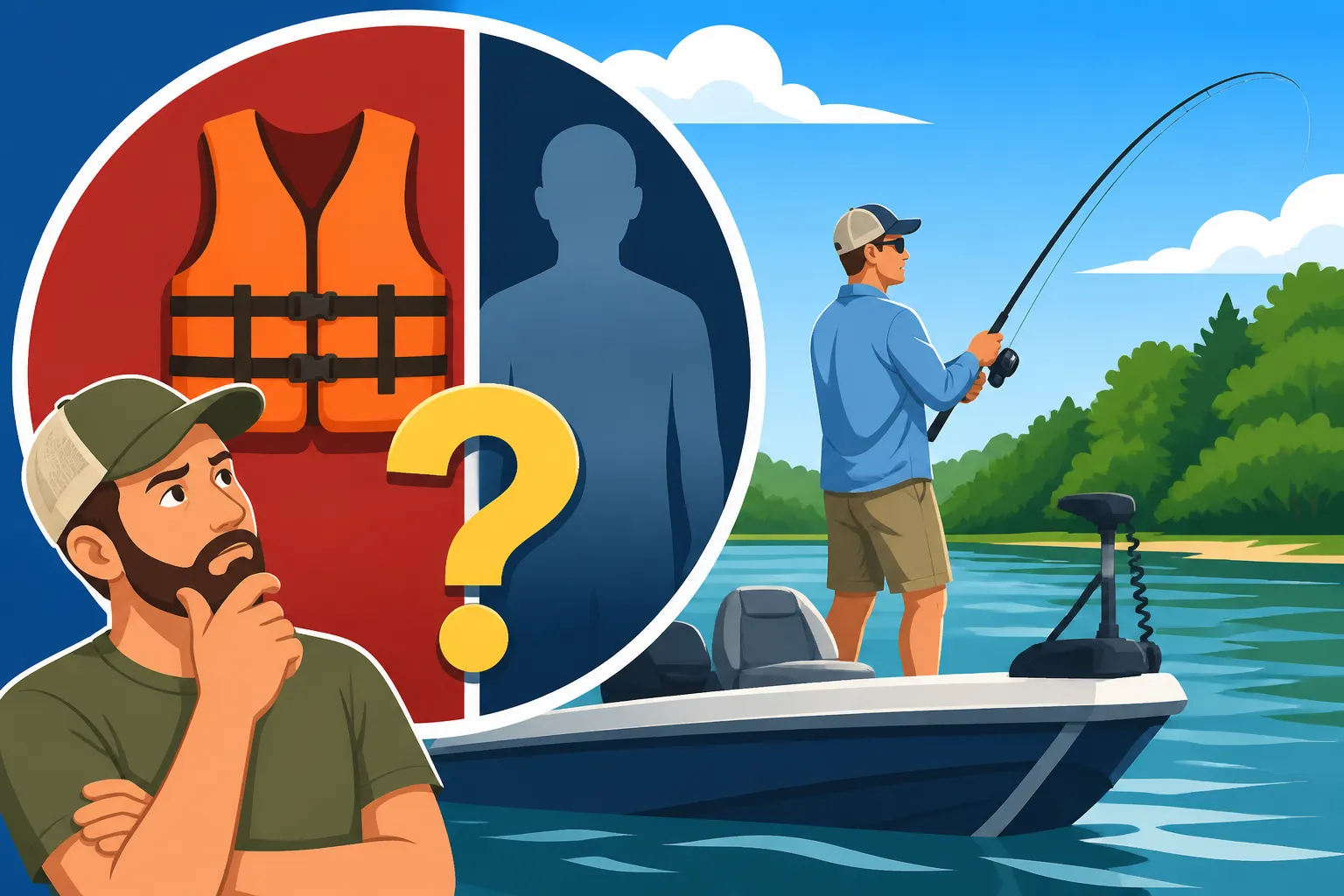
For most adult recreational boaters and anglers in Georgia, the law states that you must have a Coast Guard-approved life jacket readily accessible for each person on board your vessel. "Readily accessible" means it shouldn't be stowed away in a locked compartment under a pile of gear. It needs to be easy to grab in an emergency. This general rule applies to the vast majority of motorboats, sailboats, and larger vessels. So, if you're out on Lake Lanier in a bass boat, you and your adult buddies technically don't have to wear your life jackets the entire time, as long as there's one available for everyone. But is that truly the safest approach? Probably not, especially if you're the one operating the boat.
Think about it: an unexpected wave, a sudden mechanical failure, or even just stumbling on a slippery deck can send you overboard in an instant. If your life jacket is tucked away, even if it's "readily accessible," can you realistically get it on in those precious seconds? Studies consistently show that most drowning victims weren't wearing a life jacket, even when one was present on the boat. It's that critical moment between falling in and getting the jacket on that makes all the difference. That's why, even when not legally mandated, wearing one is always the best practice.
Specific Scenarios Where It IS Required for Adults
Now, while the general rule offers some leeway, there are specific circumstances in Georgia where adults are legally required to wear a Coast Guard-approved life jacket. These rules are in place for a good reason, as these activities inherently carry a higher risk. Ignoring them can lead to hefty fines, or worse, a tragic accident. It’s vital to be aware of these mandates before you head out, as ignorance of the law is no excuse.
First off, if you're on a personal watercraft (PWC), like a Jet Ski or WaveRunner, everyone on board, regardless of age, must wear a life jacket. These crafts are fast, agile, and can throw riders off without warning, making a life jacket an absolute necessity. Secondly, anyone being towed behind a boat – whether water skiing, wakeboarding, tubing, or parasailing – must wear a life jacket. The forces involved in these activities and the potential for high-speed impacts demand constant flotation. Lastly, and this is crucial for many anglers who love the quiet solitude of smaller craft, if you're in a kayak, canoe, or stand-up paddleboard, and you're 13 years of age or older, you aren't legally required to wear it, but you must have one on board. However, for those under 13, wearing it is mandatory. This is a subtle but important distinction that often catches people off guard. For a comprehensive overview of age-specific rules, check out Georgia Life Jacket Laws for Boaters and Kids.
Consider the inherent instability of a kayak, for instance. Even on a calm lake, a rogue wake from a passing powerboat or an unexpected shift in weight can quickly capsize your vessel. If you're wearing your life jacket, you're immediately buoyant and can focus on righting your kayak or signaling for help. If it's merely stowed, even just behind your seat, precious seconds will be lost, and in cold water, those seconds are critical.
Understanding Georgia's Life Jacket Laws
Navigating the specifics of life jacket laws can feel like a maze, but it's important to understand the details, not just for compliance but for your own safety. Georgia's regulations are designed to align with federal standards set by the U.S. Coast Guard, ensuring a baseline of safety across different types of waterways and activities. It's not just about having a life jacket, but having the right kind.
Types of Life Jackets and Their Approval Status
Not all life jackets are created equal, and the U.S. Coast Guard classifies them into different types based on their design and the level of flotation they provide. Understanding these types is key to making sure you're compliant and safe.
Here's a quick rundown of the most common types you'll encounter, and what they're generally designed for:
| Type | Description | Best Use Cases |
|---|---|---|
| Type I | Offshore Life Jackets. Provides the most buoyancy, designed to turn an unconscious person face-up in the water. Bulky but highly effective in rough or remote waters. | Offshore fishing, extended voyages, situations where rescue may be delayed. |
| Type II | Near-Shore Buoyancy Vests. Good for calm, inland waters where a quick rescue is likely. Less bulky than Type I, may not turn an unconscious person face-up. | Recreational boating, inland lakes and rivers, designated swimming areas. |
| Type III | Flotation Aids. Designed for continuous wear, offering more comfort and range of motion. Users must actively tilt their head back to stay face-up in the water. | Water sports, kayaking, fishing, PWC use, situations where active participation is expected and quick rescue is probable. Includes many fishing vests and inflatable belts. |
| Type IV | Throwable Devices. Not designed to be worn. Examples include buoyant cushions or ring buoys. Must be readily accessible and used in conjunction with wearable life jackets. | Supplemental flotation for a person overboard, not a substitute for wearable life jackets. One Type IV is required on boats 16 feet or longer (excluding canoes/kayaks). |
| Type V | Special Use Devices. Designed for specific activities (e.g., kayaking vests, work vests). Must be worn and used according to its label for it to count as Coast Guard-approved. | Kayaking, rafting, certain commercial applications, where the specific design enhances performance for the activity. |
When you're shopping for a life jacket, always look for the U.S. Coast Guard approval stamp on the label. This is your assurance that it meets safety standards. You can find a great selection of these at reputable retailers like Bass Pro Shops, where you can often try them on to check the fit, or through online retailers like Amazon, which offers a wide variety of brands and styles. For more details on what counts, take a look at Coast Guard-Approved Life Jackets for Georgia Boaters.
The Importance of Fit and Condition
Even the best life jacket won't do its job if it doesn't fit properly or is in poor condition. This is a common oversight that can have serious consequences. A life jacket that is too loose can ride up around your ears, hindering your ability to breathe or stay upright. One that's too tight can be incredibly uncomfortable, making you less likely to wear it. The goal is a snug fit that allows for comfortable movement but won't slip off. For adults, this usually means straps that can be adjusted to create a secure fit around your chest and waist.
Before every outing, give your life jacket a quick inspection. Look for tears, rips, or punctures in the fabric, especially on inflatable models. Check the buckles, zippers, and straps to make sure they are fully functional and not frayed. Ensure there are no signs of waterlogging, mildew, or rot. Over time, exposure to sun and harsh conditions can degrade the flotation material, making it less effective. A waterlogged life jacket, for example, can be heavy and provide minimal buoyancy. If it's an inflatable type, make sure the CO2 cartridge is still intact and that it’s not expired. An annual check or even a quick test in shallow water can give you peace of mind. Remember, a damaged life jacket isn't just uncomfortable; it's a safety hazard.
Beyond the Law: Why Wearing a Life Jacket is Smart for Adults
While knowing the legal requirements is essential, focusing solely on what's mandated by law misses the bigger picture: personal safety. Many seasoned anglers will tell you that the most important piece of gear they own isn't their expensive rod and reel, but their life jacket. It’s an insurance policy you wear, and it's one you hope you never have to fully rely on, but you'll be eternally grateful if you do.
Unexpected Dangers on Georgia Waters
Georgia's waterways are beautiful and generally safe, but they can turn treacherous in an instant. Even experienced boaters can be caught off guard. Consider these common scenarios:
- Sudden Capsizing or Falls Overboard: A rogue wave from another boat, a collision with debris, or simply losing your balance while casting can send you into the water. If you're in cold water, the shock alone can quickly incapacitate you, making it impossible to swim or even grab a stowed life jacket.
- Mechanical Failure: Your boat might break down unexpectedly, leaving you stranded in dangerous currents or far from shore. If you have to enter the water for repairs or wait for rescue, a life jacket keeps you afloat and conserves energy.
- Medical Emergencies: A sudden heart attack, a stroke, or a severe allergic reaction can happen anywhere, including on the water. If you're alone or your companions are focused on medical aid, a life jacket ensures you stay afloat if you become unconscious.
- Cold Water Shock: Even on a warm day, Georgia's deeper lakes and rivers can have surprisingly cold water, especially in spring and fall. Immersion in cold water can trigger an involuntary gasp reflex, leading to aspiration (inhaling water) and rapid loss of muscle control. A life jacket helps keep your head above water during this critical phase.
- Unforeseen Weather Changes: Georgia weather can be notoriously unpredictable. A calm morning can quickly turn into a stormy afternoon with high winds and choppy water. Being caught in severe weather without a life jacket is an incredibly dangerous situation.
These aren't just hypothetical situations; they happen regularly. Wearing a life jacket mitigates many of these risks, giving you and your loved ones a much higher chance of survival and rescue. It's a fundamental part of a comprehensive Safety Gear Checklist for Georgia Boaters.
Choosing the Right Life Jacket for Adult Anglers
For anglers, comfort and functionality are paramount. You don't want a bulky life jacket hindering your casting or movement. Fortunately, manufacturers have made huge strides in designing comfortable, fishing-specific life jackets.
Many anglers prefer Type III flotation aids, which are designed for continuous wear and offer excellent mobility. These come in various styles, from traditional vest-style PFDs with multiple pockets for tackle (almost like a fishing vest with built-in flotation) to incredibly sleek inflatable models. Inflatable life jackets, often Type III or Type V, are especially popular because they are compact and lightweight. They either inflate automatically upon water immersion or can be manually activated by pulling a cord. Options like these are readily available at Bass Pro Shops and on Amazon, and you can often find reviews from other anglers that help guide your choice. For those who frequently fish from kayaks, a specialized Best Life Jackets for Kayak Fishing model can make a world of difference. When considering an inflatable, remember the importance of checking the CO2 cartridge and ensuring it's always ready for deployment.
Consider how you fish: do you cast aggressively? Do you spend hours sitting? Do you stand a lot? Find a life jacket that complements your style. Many modern fishing-specific PFDs include features like tackle pockets, tool attachment points, and even hydration systems, making them an integrated part of your fishing gear rather than just a safety item.
Where to Find Your Perfect Adult Life Jacket
Once you understand why and when to wear a life jacket, the next step is finding one that suits your needs. The market is full of options, and choosing can be a bit overwhelming. But focusing on comfort, type, and specific features for your angling style will help you narrow it down.
Shopping for Comfort and Compliance
When it comes to purchasing a life jacket, think of it as an investment in your safety and enjoyment on the water. You wouldn't buy a fishing rod without holding it, so don't buy a life jacket without considering its fit and feel.
Start by trying on different styles. A traditional vest PFD might be perfect if you want extra storage, while an inflatable belt pack or vest might be better if you prioritize minimal bulk. Look for adjustable straps that allow for a snug, yet comfortable, fit. You should be able to move your arms freely for casting and rowing without the jacket riding up or chafing. If you're a serious angler, you might even consider models designed specifically for fishing, which often incorporate features like gear loops, D-rings, and specialized pockets. Companies like Bass Pro Shops offer a wide array of life jackets, allowing you to try them on and speak with knowledgeable staff. If you prefer the convenience of online shopping, Amazon has an extensive selection, but be sure to check sizing charts carefully and read customer reviews for insights into comfort and fit. For those looking for something unobtrusive, exploring Best Inflatable Life Jackets for Georgia Anglers might yield a great solution.
Remember, the "best" life jacket is the one you will actually wear. A highly rated, technically superior life jacket that sits in the boat's storage locker is useless. Prioritize comfort and a style that you don't mind wearing for extended periods.
Maintaining Your Life Jacket for Longevity
A life jacket is a piece of safety equipment, and like all safety gear, it requires proper care and maintenance to ensure it performs when you need it most. Neglecting your life jacket can lead to a false sense of security.
After each outing, especially in saltwater or murky freshwater, rinse your life jacket thoroughly with fresh water. This removes salt, dirt, and any fish slime that could degrade the fabric or stitching. Hang it to air dry completely in a well-ventilated area, out of direct sunlight. Storing a damp life jacket can lead to mildew, which not only smells bad but can also weaken the material. Avoid storing it in extremely hot places, like the trunk of your car on a scorching summer day, as excessive heat can damage the flotation material. For inflatable models, pay close attention to the manufacturer’s instructions for checking and replacing CO2 cartridges. These cartridges typically have an expiration date or an indicator that tells you if they've been deployed. Make sure to have spare cartridges on hand if you plan on extended trips. Regular care ensures your life jacket remains effective for many seasons of fishing on Georgia's waters. It's a crucial part of What Safety Equipment Is Required on a Georgia Boat covers for prudent boaters.
Ultimately, while Georgia law outlines specific requirements, particularly for children and certain activities, the decision for adults to wear a life jacket often comes down to personal responsibility and understanding the risks. It's always a good idea to wear one, regardless of legal mandates, to ensure you can enjoy your time on the water safely.
Disclaimer
This article is for general informational purposes only and does not constitute professional advice. Laws, prices and regulations vary by location and change over time. Consult a qualified professional for guidance on your specific situation.