Most Remote Fishing Spots in the North Georgia Mountains
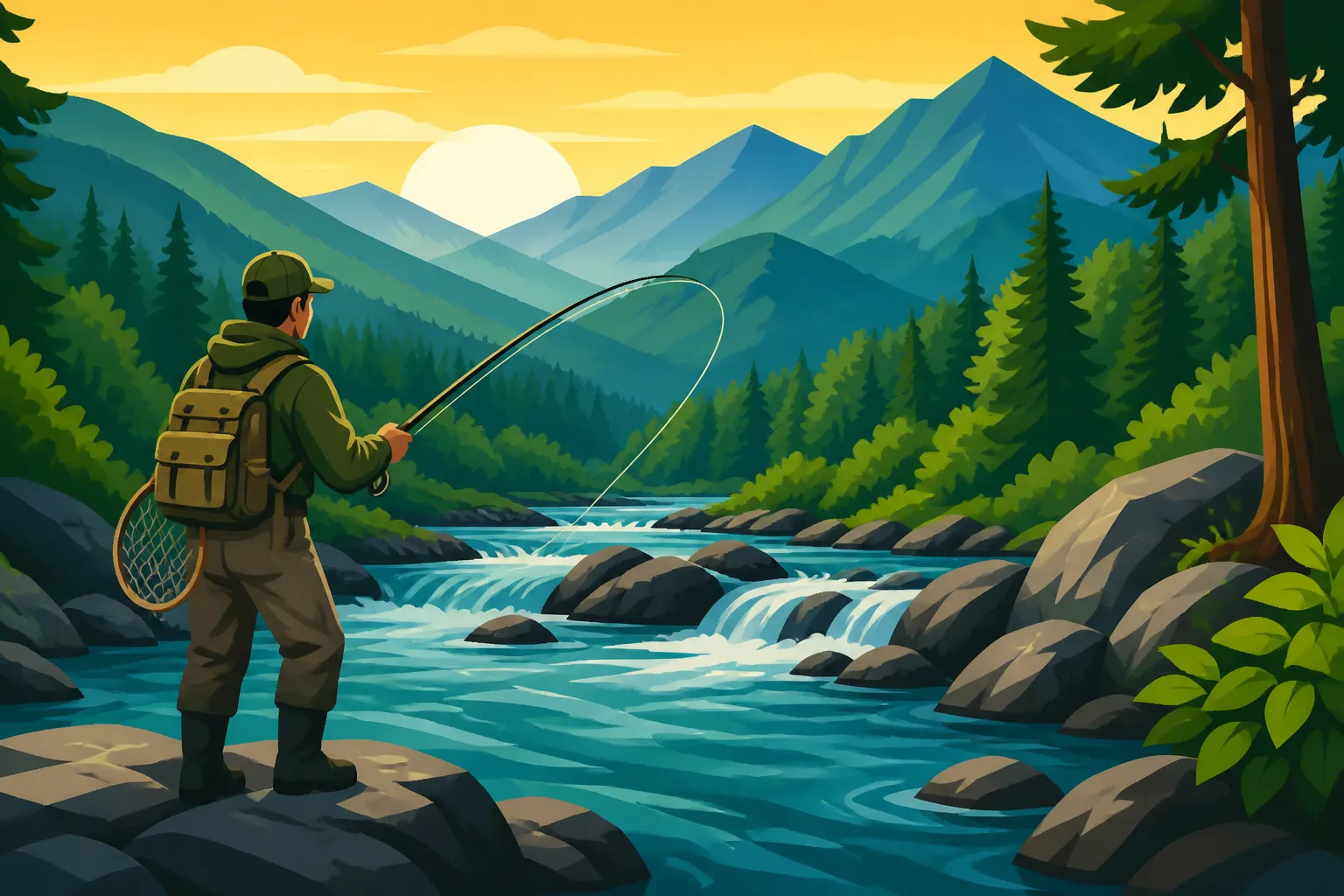
There’s a special kind of peace that settles over you when you’re deep in the North Georgia Mountains, far from the hum of traffic and the chatter of crowded trails. Many of us dream of escaping the noise, finding a tranquil stream where the fish are wild and the only competition is your own skill. This guide is your compass to unlocking those secluded havens, offering insights into some of the most remote fishing spots Georgia has to offer.
Why Seek Out Remote Fishing Spots in North Georgia?
For many anglers, the true magic of fishing isn't just in the catch, but in the journey and the experience. North Georgia offers an incredible escape, but you have to know where to look to truly leave the world behind.
Escaping the Crowds
Let's be real, showing up at a popular trout stream on a beautiful Saturday can feel more like a theme park than a wilderness escape. You're constantly dodging other anglers, watching someone else cast over "your" spot, and feeling the pressure to perform. It takes away from the whole point, doesn't it? The beauty of remote fishing is that it strips all that away. You're alone, or with a trusted companion, immersed in the quiet rhythm of the forest. The only sounds are the rustle of leaves, the babbling creek, and maybe the distant call of a bird. This solitude isn't just good for the soul; it’s often fantastic for the fishing, as less pressured fish are usually more willing to bite. It's about finding that connection with nature that so many of us crave, a feeling of genuine wildness that's increasingly hard to come by.
The Thrill of Wild Trout
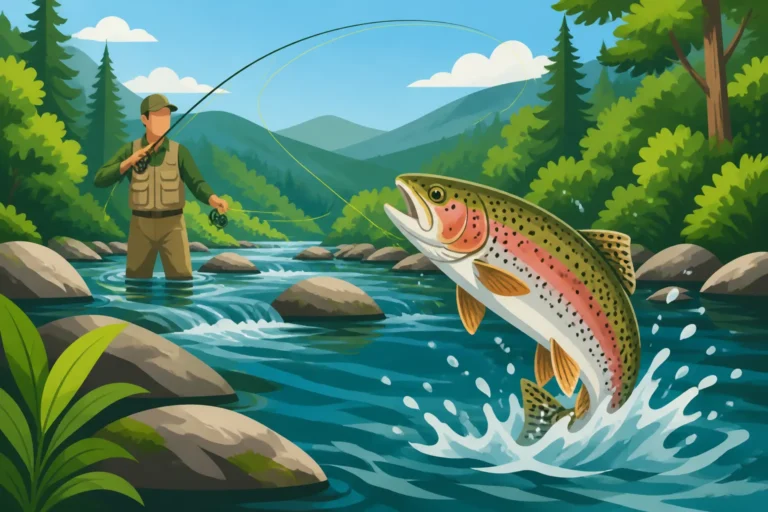
While stocked trout provide a great opportunity for many anglers, there’s an undeniable allure to catching a truly wild fish. In North Georgia's remote streams, you’re often chasing native brook trout, or hardy wild rainbow and brown trout that have spent their entire lives surviving and thriving in their natural environment. These fish are typically smaller, but their colors are more vibrant, their fins are pristine, and their fight is spirited, born of instinct rather than pellet-fed laziness. Each wild trout you coax from a hidden pocket of water feels like a significant accomplishment, a testament to your patience and skill. It’s a completely different challenge, demanding a more subtle approach and a deeper understanding of trout behavior. The reward isn't just a fish; it’s the satisfaction of connecting with a truly wild creature in its undisturbed home.
Untouched Natural Beauty
Beyond the fish, the North Georgia Mountains are simply breathtaking, and the remote areas amplify that beauty tenfold. Imagine crystal-clear streams tumbling over ancient rocks, moss-draped trees forming a verdant canopy, and wildflowers blooming in secluded clearings. When you venture off the beaten path, you’re treated to vistas and intimate natural scenes that most people will never witness. You might spot deer grazing peacefully, a black bear cub scampering up a tree, or a vibrant warbler flitting through the undergrowth. This isn't just a fishing trip; it's an immersive wilderness experience. It's about taking the time to appreciate the pristine environment, the clean air, and the sheer majesty of nature untamed. Every bend in the river, every sun-dappled glade, holds a new wonder, making the effort to reach these spots profoundly worthwhile.
Unveiling North Georgia's Secluded Trout Havens
While the exact coordinates of truly remote fishing spots are often guarded secrets among seasoned anglers, specific wilderness areas and river basins hold the key to finding your own slice of solitude. These are places where preparation, a good map, and a willingness to hike are your most important tools.
Exploring the Cohutta Wilderness Area
The Cohutta Wilderness Area, spanning over 35,000 acres across Fannin, Gilmer, and Murray counties, is Georgia's largest wilderness area and a prime destination for remote angling. Within its rugged boundaries lie numerous cold-water streams that harbor wild trout, particularly the coveted native brook trout. Access here is often challenging, requiring significant hiking over rough, sometimes poorly marked trails. The Jacks River, famous for its waterfalls, has incredibly remote headwaters that demand a multi-day backpacking trip to reach. Similarly, the Conasauga River headwaters offer incredible opportunities, but getting there means traversing remote sections that see very little angler pressure.
Many smaller tributaries feeding these larger rivers are true gems, often holding small, feisty brookies. These streams are usually overgrown, requiring bushwhacking and careful navigation. Before heading into Cohutta, make sure you have detailed topographic maps, a reliable compass or GPS, and a plan for emergencies, as cell service is non-existent. The payoff is immense: pristine waters, abundant wildlife, and trout that have likely never seen an artificial lure. Remember, the deeper you’re willing to hike, the wilder the experience and the less competition you'll face. These waters are where you'll find some of Georgia's only native trout species.
The Hidden Gems of the Chattahoochee National Forest
The Chattahoochee National Forest encompasses a vast portion of North Georgia, and while many of its streams are popular, countless tributaries and upper reaches remain largely overlooked. Think beyond the easily accessible sections of the Toccoa or the Chattahoochee itself. Instead, focus on the headwater streams feeding into these larger rivers, particularly those within designated wilderness or roadless areas. For instance, sections of the upper Toccoa River and its feeder creeks, often requiring miles of hiking from the nearest forest service road, can offer superb fishing for wild rainbow and brown trout. Streams like Mill Creek, Noontootla Creek, and Waters Creek, while known, have extremely remote upper sections that are difficult to access.
Exploring the upper reaches of the Chattooga River basin, especially on the Georgia side, can also reveal stunning, untouched stretches of water. The Tallulah River and its numerous feeder creeks, particularly those requiring steep descents or long hikes, hold excellent populations of wild trout. These areas demand not only physical endurance but also keen observational skills to identify fish-holding pockets in fast-moving water. While some sections of the Toccoa River are well-fished, its upper reaches can offer true solitude and wild trout fishing opportunities.
Backcountry Streams in the Chestatee and Etowah Basins
While the Chestatee and Etowah River basins are perhaps more famous for their bass and warm-water species in their lower sections, their upper headwater tributaries, high in the mountains, are surprisingly productive trout streams that often fly under the radar. These are typically smaller creeks, often steep and overgrown, but they provide that remote, intimate fishing experience many anglers crave. For example, some of the tiny feeder creeks flowing into the Chestatee in Lumpkin County, or the secluded tributaries of the Etowah in Dawson and Pickens counties, offer challenging but rewarding opportunities for small stream wild trout.
Access to these streams often involves parking on forest service roads and then navigating through dense woods, sometimes with no established trails. This is where your best bet is often to consult detailed topographic maps or even satellite imagery to identify potential access points and stretches of water that are far from any road. These spots might not yield trophy-sized trout, but they guarantee solitude and the satisfaction of discovering a truly hidden gem. They are excellent examples of where to fish in North Georgia when you really want to get away from it all.
Essential Gear and Preparation for Remote Mountain Fishing
Venturing into remote North Georgia waters isn't like a quick trip to the local pond. It requires careful planning, the right gear, and a mindset of self-reliance. Your success and safety depend heavily on what you bring and how you prepare.
Lightweight Tackle and Stealth Techniques
When you're hiking miles into the wilderness, every ounce matters. For remote mountain trout fishing, light tackle is your best friend. A small, ultra-light spinning rod, perhaps 5 to 6 feet in length, paired with a small spinning reel spooled with 4-pound test monofilament or fluorocarbon line, is ideal. This setup allows for precise casts in tight quarters, protects lighter lines, and makes even a 10-inch wild trout feel like a powerhouse. If you're a fly angler, a 2-weight or 3-weight fly rod, 6 to 7.5 feet long, is perfect for the small streams and brushy banks you'll encounter.
As for lures and baits, simplicity and effectiveness are key. Small inline spinners (like Panther Martins or Mepps), tiny spoons, or micro jigs are excellent choices. For fly fishing, bring a selection of dry flies (Parachute Adams, Elk Hair Caddis), nymphs (Pheasant Tail, Hare's Ear), and perhaps a few small streamers. Live worms or crickets can also be incredibly effective on wild fish. Beyond the gear, stealth is paramount. Approach the stream quietly, use the bankside vegetation for cover, and avoid making sudden movements or casting long shadows over the water. Remember, these fish aren't used to seeing humans, and they'll spook easily. Your ability to move silently and present your offering subtly will greatly increase your chances of success. If you're looking to get into fly fishing for these conditions, a specialized fly fishing gear for Georgia's trout streams guide can offer more specific recommendations.
Safety and Navigation
Safety should always be your top priority when venturing into remote areas. Never go alone if possible, and always inform someone of your exact itinerary, including your planned route and expected return time. A detailed topographical map of the area is non-negotiable, along with a compass that you know how to use. Don't rely solely on your phone's GPS; batteries die, and signals disappear. A dedicated GPS unit or a satellite communication device (like a Garmin inReach or Zoleo) can be a lifesaver for emergencies, allowing you to send messages or call for help even without cell service.
Pack a comprehensive first-aid kit that includes supplies for cuts, blisters, snake bites (though prevention is better), and allergic reactions. A small, lightweight emergency shelter or tarp, along with a fire starter, can be critical if you get unexpectedly stuck overnight. Be aware of stream conditions; rapid water can be dangerous, especially after heavy rains. Always have a plan for crossing safely or avoid crossing altogether if conditions are too risky. While you might not find a guide to hike you into these truly remote spots, resources like FishingBooker can be excellent for getting a broader sense of Georgia's fishing opportunities, perhaps even finding local outfitters who know the general lay of the land near these remote zones, even if they aren't guiding into the deepest backcountry.
The Right Clothing and Supplies
Comfort and preparedness go hand in hand in the backcountry. Dress in layers, as mountain weather can change rapidly. Moisture-wicking base layers, an insulating fleece or puffy jacket, and a waterproof/breathable outer shell are essential, even on sunny days. Sturdy, broken-in hiking boots with good ankle support are crucial for navigating uneven terrain and stream crossings. Gaiters can help keep debris out of your boots and prevent your pants from getting soaked.
Carry enough water for your entire trip, or bring a reliable water filter or purification tablets. High-energy snacks and meals are important to maintain your stamina. Don't forget bug spray, sunscreen, and a headlamp with extra batteries. For food storage, consider a bear-resistant food canister or a bear bag system, as black bears are common in these areas. Always remember the "Leave No Trace" principles: pack out everything you pack in, and leave the wilderness as pristine as you found it.
Navigating the Regulations and Respecting the Wild
Part of being a responsible angler in these untouched areas is understanding and adhering to the specific rules designed to protect these fragile ecosystems. Ignorance of the law is never an excuse, especially when dealing with precious wild fisheries.
Understanding Georgia's Trout Fishing Regulations
Before you even tie on a fly, you absolutely must be familiar with Georgia's fishing regulations, especially those pertaining to trout. A standard Georgia fishing license is always required, and if you plan to fish for trout, you'll also need a separate mountain trout license add-on. Don't skip this, as game wardens patrol even the most remote areas. Beyond the licenses, pay close attention to specific stream regulations. Many remote mountain streams, particularly those holding native brook trout, have special restrictions, such as catch-and-release only, artificial lures only (often with single, barbless hooks), or specific size limits that differ from general regulations.
These rules are put in place to protect the delicate balance of wild trout populations and ensure future generations can enjoy these fisheries. Check the Georgia Department of Natural Resources (DNR) current fishing regulations guide before every trip, as rules can change seasonally or annually. Knowing the daily creel limits for trout in Georgia, and whether they apply to your specific stream, is vital. Remember, the goal is not just to catch fish, but to preserve the opportunity for others to do the same.
Practicing Leave No Trace Principles
The "Leave No Trace" philosophy is more than just a catchy phrase; it's a critical ethical framework for anyone enjoying the wilderness. When you venture into remote fishing spots, your impact can be significant due to the sensitive nature of these environments. This means packing out everything you pack in – and we mean everything, including food scraps and fishing line. Human waste needs to be properly buried well away from water sources. Minimize your impact on vegetation by staying on established trails where they exist, and treading lightly when bushwhacking.
When it comes to fishing itself, practice proper catch and release techniques. Wet your hands before handling fish, support them gently, and release them quickly. Avoid dragging fish onto dry ground or rock. Use barbless hooks to minimize injury. Platforms like FishingBooker often promote responsible angling practices and connecting with ethical guides, reinforcing the importance of these principles across all types of fisheries. By being mindful of your footprint, you help ensure these remote havens remain wild and productive for years to come.
The Role of Conservation
Every angler who enjoys the pristine waters of North Georgia has a role to play in conservation. These remote areas and their wild trout populations are delicate ecosystems that face pressures from habitat loss, pollution, and climate change. By adhering to regulations, practicing Leave No Trace, and educating yourself and others, you become a steward of these natural resources. Supporting conservation organizations and even volunteering for stream cleanup efforts can make a tangible difference.
Consider the long-term health of the fishery with every decision you make on the water. The small, often overlooked creeks and their tenacious trout are a testament to nature's resilience, but they rely on our respect and protection. The thrill of catching a wild trout in a truly remote setting is a privilege, one that comes with the responsibility of ensuring that these opportunities endure. It’s about celebrating the wildness and actively working to keep it that way.
| Remote Fishing Challenge | Common Solution | Essential Gear | Safety Consideration |
|---|---|---|---|
| Difficult Access / Long Hikes | Detailed topo maps, GPS/satellite communicator, pre-scouting | Sturdy hiking boots, trekking poles, appropriate pack | Inform someone of itinerary, emergency contact info |
| Lack of Cell Service | Satellite messenger (Garmin inReach), whistle, mirror | Offline maps on phone (backup battery), compass | First-aid kit, emergency shelter |
| Spooky, Wild Fish | Stealthy approach, small presentations, careful movements | Ultralight rod/reel, light line, small lures/flies | Quiet demeanor, observe surroundings |
| Changing Weather Conditions | Layered clothing, waterproof outerwear, weather forecasts | Rain gear, insulating layers, sun protection | Hypothermia/heatstroke awareness, seek shelter |
| Wildlife Encounters | Bear spray (if legal), bear-resistant food container/bag | Food storage, make noise while hiking | Understand animal behavior, give space, carry a knife |
| Stream Crossings | Wading staff, sturdy boots, good judgment | Waders (if appropriate), quick-dry clothing | Check water depth/current, unbuckle pack hip belt |
Disclaimer
Please note that fishing regulations and conditions can change. Always consult the latest Georgia Department of Natural Resources (DNR) guidelines before heading out. Safety in remote areas is paramount; be prepared for all eventualities and inform others of your plans. This guide is for informational purposes only and does not endorse illegal or unsafe fishing practices.