Georgia Boat Registration Fees by Boat Length
One of the most common frustrations for new boat owners or those moving to our beautiful state is trying to figure out how much it actually costs to get your boat legal and out on the water. The fees for registering your vessel in Georgia aren't a flat rate; they depend on the length of your boat. This guide is here to walk you through exactly what you can expect to pay for Georgia boat registration, broken down by boat length, so you can budget properly and hit the water without any surprises.
Understanding Georgia's Boat Registration System
Navigating the world of boat registration can feel a bit like trying to read a fish finder screen upside down at first glance. It's not just about paying a fee; it's about understanding the "why" and "how" behind the process, which ultimately keeps our waterways safer and more enjoyable for everyone.
Why Boat Registration is Required
You might wonder why you need to jump through these hoops just to enjoy a peaceful day on Lake Lanier or a spirited run down the Flint River. The primary reason for boat registration in Georgia, much like vehicle registration, is identification and accountability. Every registered vessel gets a unique hull identification number (HIN) and specific registration numbers and decals. This makes it possible for law enforcement to identify boats, especially in emergencies, accidents, or if a vessel is stolen. Imagine a serious boating accident where a boat leaves the scene; registration numbers are crucial for investigation.
Beyond identification, these fees also play a vital role in funding. The money collected from boat registrations directly supports the Georgia Department of Natural Resources (DNR) efforts. This includes things like maintaining public boat ramps, improving waterway access, supporting boating safety education programs, and even helping to manage our fisheries. So, while it might feel like just another fee, it's actually contributing to the very infrastructure and resources that make boating in Georgia so fantastic. It's about protecting our natural resources and ensuring that future generations can enjoy the same incredible fishing and boating experiences we do today.
Who Needs to Register a Boat in Georgia
This is where some folks get a little confused, especially if they own smaller vessels. In Georgia, any vessel principally used in Georgia and equipped with propulsion machinery (that means a motor of any kind, electric or gas, even if it's just a tiny trolling motor) must be registered. This applies whether you're talking about a massive cruiser, a bass boat, a jet ski, or even a small johnboat with an outboard. If it has an engine, it needs to be registered.
However, there are some important exceptions. Generally, non-motorized vessels like canoes, kayaks, rowboats, and paddleboards are exempt from registration requirements. This is a huge relief for many outdoor enthusiasts who love to paddle our state's beautiful rivers and lakes. So, if your kayak or canoe doesn't have an electric motor, you're likely in the clear on the registration front, though it's always smart to double-check local regulations. For a deeper dive into this, check out our guide on Do Kayaks Need to Be Registered in Georgia?. Sailboats also have specific rules; those over 12 feet in length need to be registered, even without a motor. It’s always best to be sure, so if you're on the fence, a quick call to the Georgia DNR or checking their official website can clear up any lingering doubts.
The Registration Period
Unlike some states that might operate on a yearly cycle from the date of purchase, Georgia boat registrations are generally valid for a three-year period. This is a nice perk, as it means you're not constantly thinking about renewal every single year. However, it also means you need to mark your calendar carefully for when that three-year window is closing!
When you initially register your boat, you'll pay the fee for this three-year period. The registration then expires on the last day of the month, three years from the date of issuance. For example, if you register your boat on May 15th, 2024, it would expire on May 31st, 2027. It’s not about the specific day, but the end of the month. The Georgia DNR usually sends out renewal notices as your expiration date approaches, but don't rely solely on that. Life gets busy, and sometimes those notices get lost in the shuffle or email spam folders. Knowing your expiration date and proactively planning your renewal is key to avoiding any lapse in registration and potential penalties. We have a whole article dedicated to this topic, so be sure to read How Long Does a Georgia Boat Registration Last for more details.
Breaking Down Registration Fees by Boat Length
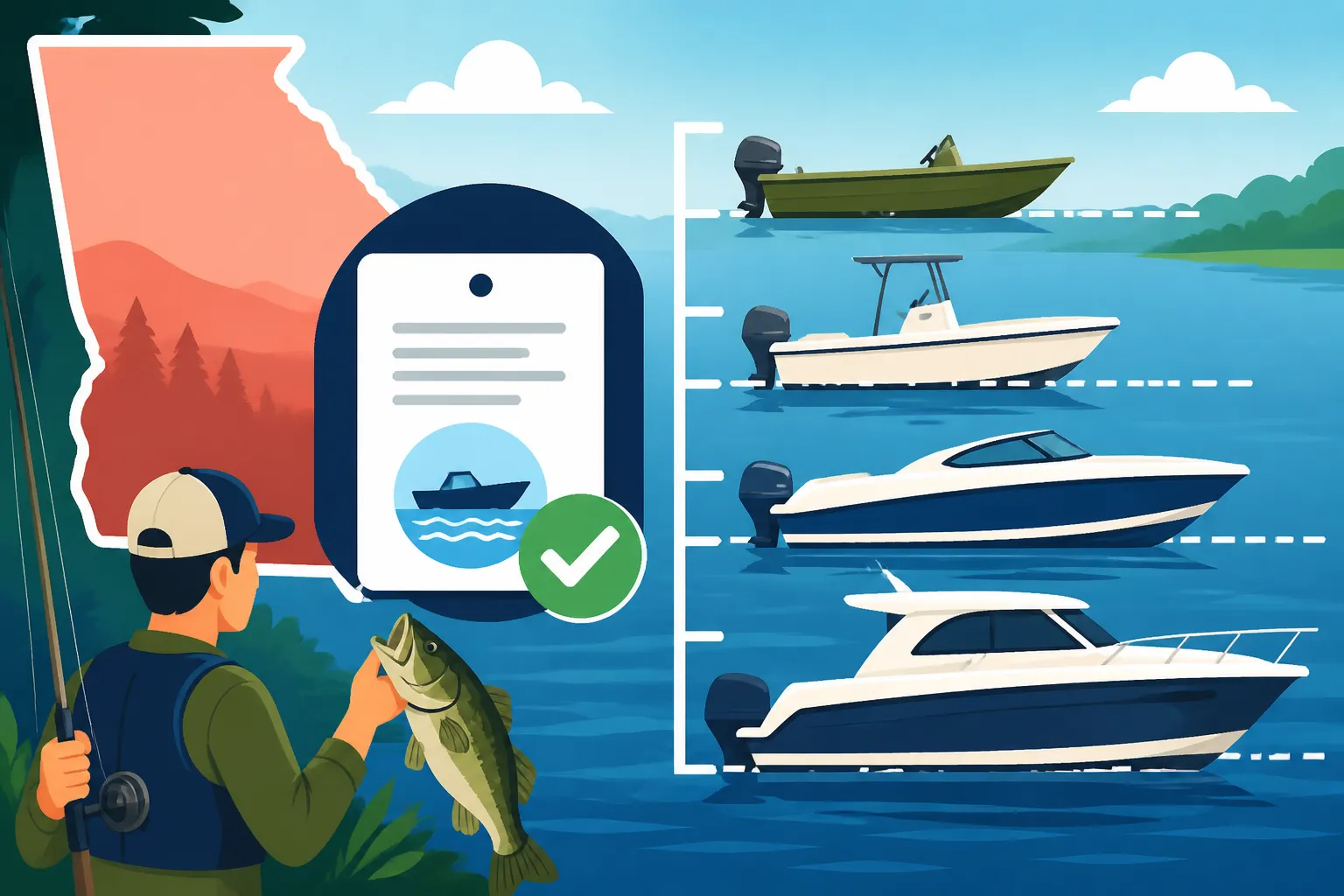
Alright, let's get down to brass tacks: what are you actually going to pay? As we mentioned, the fee structure in Georgia is based on the physical length of your boat. This is typically measured from the bow to the stern, excluding any detachable parts like swim platforms or bowsprits. It's straightforward, but crucial to measure accurately before you start the process.
Boats Under 16 Feet
For many of us who enjoy smaller, more nimble vessels, this is your category. Think of your smaller johnboats, fishing skiffs, personal watercraft (like jet skis), or even canoes and kayaks that you’ve decided to put a small trolling motor on. These vessels are fantastic for exploring shallow creeks, smaller ponds, or just having quick access to the water without the hassle of a larger rig.
The registration fee for boats in this category (under 16 feet in length) is generally the most affordable tier. While the exact figure can fluctuate over time, it's designed to be accessible for those getting into boating with smaller, often less expensive vessels. This fee covers the three-year registration period we discussed earlier. It’s a great entry point into legal boating, allowing you to enjoy your craft without a huge financial burden for registration. If you're specifically looking at the numbers for this size, our detailed post Georgia Boat Registration Cost for a Boat Under 16 Feet breaks it down even further.
Mid-Sized Vessels (16 to 26 Feet)
This is probably the most common category you'll see on Georgia's larger lakes like Lanier, Oconee, or Thurmond. This range includes many popular bass boats, pontoon boats, bay boats, and medium-sized pleasure craft. These boats offer a great balance of space, comfort, and capability, making them ideal for family outings, serious fishing trips, or watersports.
Naturally, as boats get larger, the registration fees tend to increase proportionally. This reflects the greater impact larger vessels can have on waterways and the associated administrative costs. The fee for boats between 16 feet and 26 feet will be higher than for the smaller vessels, but still represents a good value for a three-year registration period. When you're considering a new or used boat in this size range, remember to factor this registration cost into your overall budget. It's often overlooked, but it's a necessary part of getting on the water legally and safely. For the precise cost breakdown, take a look at our guide Georgia Boat Registration Cost for a 16 to 26 Foot Boat.
Larger Boats (26 to 40 Feet)
Now we're moving into the realm of more substantial cruisers, larger cabin boats, and some of the bigger offshore fishing vessels you might see heading out from the Georgia coast. These boats offer amenities, stability, and speed that smaller craft simply can't match, allowing for longer trips, more comfortable overnight stays, and tackling rougher waters.
Given their size and complexity, vessels ranging from 26 feet up to 40 feet in length come with a higher registration fee. This tier acknowledges the increased scale of these boats. If you're fortunate enough to own a boat in this class, the registration fee is a relatively minor expense compared to maintenance, fuel, and storage, but it's important to be aware of it. Always confirm your boat's exact length, as even being an inch over a threshold could put you into a higher fee bracket. If you're considering a boat in this class, you'll want to review Georgia Boat Registration Cost for a 26 to 40 Foot Boat for the latest figures.
Vessels Over 40 Feet
Finally, we have the largest recreational vessels that ply Georgia's waters – yachts, large sportfishing boats, and substantial cruisers. These are often luxurious, highly capable vessels designed for extended trips, offshore adventures, or simply making a statement on the water.
Unsurprisingly, the registration fees for boats over 40 feet in length represent the highest tier. These vessels demand significant resources and infrastructure, and their registration fees reflect that. While this category makes up a smaller percentage of registered boats, it's crucial for owners of these magnificent machines to understand their obligations. Just like with any other size, this fee covers the standard three-year registration period. For comprehensive details on the costs associated with these impressive vessels, our article Georgia Boat Registration Cost for Boats Over 40 Feet provides all the information you need.
Here's a quick summary table of the fee structure by boat length. Please remember these are general categories and it's always best to check the official Georgia DNR website for the most current fee schedule, as these figures can change.
| Boat Length Category | General Fee Tier | Registration Period | Common Examples |
|---|---|---|---|
| Under 16 feet | Entry Level | 3 Years | PWC, small johnboats, motor-equipped canoes/kayaks |
| 16 to 26 feet | Mid-Range | 3 Years | Bass boats, pontoon boats, bay boats |
| 26 to 40 feet | Higher Tier | 3 Years | Cruisers, larger offshore fishing boats |
| Over 40 feet | Premium Tier | 3 Years | Yachts, large sportfishing vessels |
Beyond the Basic Fees: Additional Costs and Considerations
While the length-based registration fee is the main event, there are a few other financial aspects you need to be aware of when getting your boat legal in Georgia. It's like buying a new fishing rod from Bass Pro Shops – you get the rod, but then you need line, lures, and a tackle box. The same goes for boat ownership; there are often related costs.
Titling Fees
This is a point of confusion for many new boat owners: the difference between titling and registration. Think of it this way: your boat's title is proof of ownership, much like the title for your car. It legally establishes who owns the vessel. Registration, on the other hand, is simply permission from the state to operate that vessel on its waterways. While all motorized boats (and sailboats over 12 feet) need to be registered, only some need to be titled.
In Georgia, motorized vessels and sailboats over 12 feet in length generally also require a title. There's a separate, one-time fee for titling your boat. This is typically paid when you first acquire the vessel and apply for its initial registration. It's a critical document, especially if you ever plan to sell your boat or use it as collateral for a loan. You wouldn't want to buy a boat without a clear title, just like you wouldn't buy a car that way. For a clearer understanding of these two separate but related processes, we recommend reading our post Georgia Boat Title vs Registration, What's the Difference.
Renewal Fees
As we covered, Georgia boat registrations are good for three years. When that period is up, you'll need to renew your registration. The good news is that the renewal fees are typically the same as the initial registration fees for your boat's length category. There aren't usually any hidden charges that pop up just for renewing, assuming you do it on time.
The key here is timeliness. The Georgia DNR will usually send out reminders, but it's your responsibility to ensure your registration is current. Mark your calendar, set a reminder on your phone, or even consider creating a recurring event in your digital planner. Renewing your registration means you continue to receive your updated decals and registration card, ensuring you stay legal on the water. Proactive renewal is also generally easier and less stressful than dealing with an expired registration. Our article Georgia Boat Registration Renewal Deadline Explained goes into detail about ensuring you don't miss that crucial date.
Late Penalties and Transfers
Life happens, and sometimes a renewal deadline slips through the cracks. However, having an expired boat registration in Georgia can lead to penalties. If you're caught operating a boat with an expired registration, you could face fines. These penalties are designed to encourage compliance and ensure all vessels on the water are properly identified. It's always cheaper and less hassle to renew on time than to pay a fine and then still have to renew your registration!
Another common scenario involves buying a used boat. When you purchase a boat from another individual, you'll need to transfer the title into your name and register the vessel under your ownership. There are fees associated with both the title transfer and the new registration. It's essential to complete these steps promptly after purchase to avoid any legal issues or fines. Always get a bill of sale and ensure the previous owner has properly endorsed the title before you finalize the purchase. You can learn more about the specifics of transferring ownership in our dedicated article, Transferring a Boat Title After Buying Used in Georgia.
How to Pay and What You'll Receive
Once you've figured out the fees, the next step is actually completing the transaction and getting your boat properly registered. The Georgia DNR has made this process fairly accessible, with several options to suit different preferences.
Online, Phone, and In-Person Options
Gone are the days when you might have had to drive to a specific office and stand in a long line just to register your boat. Today, Georgia offers a variety of convenient ways to handle your boat registration:
- Online: This is often the quickest and easiest method for many people. The Georgia DNR's online portal allows you to complete new registrations, renew existing ones, and even manage your boat's title information from the comfort of your home. You'll typically need your boat's HIN, any previous registration numbers, and a payment method. It's a streamlined process that can save you a lot of time. To get started, you can visit the official Georgia DNR website. Our guide on Can You Register a Boat Online in Georgia? provides a step-by-step walkthrough.
- By Phone: If you prefer to speak to a person or have questions during the process, you can usually complete your registration or renewal over the phone. The Georgia DNR provides a customer service number for these types of transactions. Have all your boat information and payment details ready, and they can walk you through it.
- In-Person: For those who prefer face-to-face interaction or need assistance with specific documents, you can visit a local DNR office or an authorized license agent. These agents are often located in sporting goods stores, bait and tackle shops, or government offices across the state. They can help you fill out forms, process payments, and provide immediate proof of registration (though decals are typically mailed). This option is great if you have complex questions or need to ensure everything is perfect. When looking for gear or just browsing, stores like Bass Pro Shops might have information or even assist with finding local agents.
What You Get: Decals, Registration Card, and Where to Display Them
Once your registration is complete and your fees are paid, you'll receive a few key items that prove your boat is legal to operate. These aren't just pieces of paper or stickers; they're your official proof of compliance and need to be handled correctly.
- Registration Decals: These are stickers that display your current registration year. You'll receive two of these decals, and they must be affixed to each side of the forward half of your boat. The specific placement is important: they generally go on either side of your boat's registration numbers (the big letters and numbers that identify your vessel). They need to be clearly visible and permanently attached. Trying to reuse old decals or not displaying the current ones can lead to fines.
- Registration Card: This is a small, typically laminated or sturdy card that contains all your boat's registration information, including the hull identification number, registration numbers, and expiration date. This card must be on board your vessel whenever it is in operation. It's your proof of registration if a game warden or law enforcement officer ever asks for it. Store it in a waterproof bag or compartment, so it stays protected and accessible.
- Official Registration Numbers: While not something you "receive" in the mail, your unique registration numbers (like GA-1234-AB) are assigned during the registration process. These numbers must be permanently displayed on both sides of the forward half of your boat. They must be block characters, at least three inches high, and in a color that contrasts sharply with the background. For example, if your boat is light-colored, use dark numbers. If it's dark, use light numbers. Many boat owners opt for vinyl lettering, which you can often find custom-made at marine stores or even through online retailers like Amazon. For detailed instructions on placement, consult our guide Where to Put Your Georgia Boat Registration Decal.
Proper display of your registration numbers and decals, along with carrying your registration card, are not merely suggestions; they are legal requirements. Following these guidelines ensures smooth sailing and helps you avoid any unnecessary issues while enjoying Georgia's beautiful waters.
Smart Tips for Saving Money and Avoiding Headaches
Nobody wants to deal with extra fees or unexpected problems when they're supposed to be relaxing on the water. With a little foresight and understanding, you can ensure your boat registration process is as smooth and cost-effective as possible.
Planning Ahead for Renewals
This might sound like a broken record, but it truly is one of the easiest ways to save yourself both money and stress. Because Georgia's boat registrations are valid for three years, it's easy for that renewal date to sneak up on you. Missing the deadline can lead to late fees or even fines if you're caught operating with an expired registration. Imagine getting pulled over by the DNR on a beautiful Saturday morning for an expired decal – not exactly the start to a fishing trip you envisioned!
To avoid this, treat your boat registration renewal like any other important recurring bill. Set multiple reminders: a calendar alert for six months out, another for three months out, and a final one for a month before expiration. This gives you ample time to gather any necessary documents and complete the renewal process, whether it's online, by phone, or in person. Proactive planning ensures you don't incur avoidable penalties and that your time on the water remains truly worry-free.
Non-Motorized Exemptions
For those who love to explore Georgia's waterways without the roar of an engine, remember the significant advantage of non-motorized vessels: most are exempt from registration. This is a fantastic way to enjoy kayaking, canoeing, or paddleboarding on our lakes and rivers without the added cost and paperwork of registration fees. If your canoe is purely paddle-powered, you don't need to register it. Check out our resource, Is a Canoe Exempt From Registration in Georgia?, for more specific details.
However, a critical point here is the "non-motorized" part. As soon as you attach even a small electric trolling motor to your canoe or kayak, it becomes a motorized vessel in the eyes of the law and will require registration. This is a common pitfall for anglers who want a little extra help moving around their fishing spots. If you plan to add a motor, factor in that registration fee from the start. Weigh the convenience of a motor against the added cost and paperwork. For many, the simplicity and cost savings of a truly non-motorized vessel are a big draw.
Checking for Fee Updates and Discounts
While the fee structure based on boat length is generally consistent, it's not set in stone forever. Like most government fees, boat registration costs can change over time due to legislative updates or adjustments by the Georgia DNR. Before you begin the registration process or plan your budget for a new boat, always make it a habit to check the most current fee schedule directly on the official Georgia Department of Natural Resources website. This ensures you're working with the most up-to-date information and avoids any surprises at the payment screen.
Additionally, keep an eye out for any potential discounts or special programs. While full registration fee discounts are rare, sometimes there are specific initiatives or exceptions for certain types of vessels or situations. For instance, some states offer reduced fees for antique boats or specific conservation-related exemptions, though these vary widely. The DNR website is your best resource for any official announcements regarding fee changes or special considerations. It's like checking the specials before you head to Bass Pro Shops for a big purchase – you want to know you're getting the best and most accurate information available.
Disclaimer
This article is for general informational purposes only and does not constitute professional advice. Laws, prices and regulations vary by location and change over time. Consult a qualified professional for guidance on your specific situation.