Crappie Fishing Ponds and Streams Across Georgia
Finding the perfect spot to land some delicious crappie in Georgia can feel like hunting for hidden treasure sometimes, especially if you're looking beyond the well-known big reservoirs. Many anglers get frustrated sticking to the same popular lakes, missing out on the fantastic crappie action hiding in smaller, more intimate ponds and winding streams. This guide is all about shining a light on these often-overlooked crappie havens, giving you the insider scoop on where to find them and how to fish them effectively across our beautiful state.
Understanding Crappie and Their Preferred Hangouts in Georgia
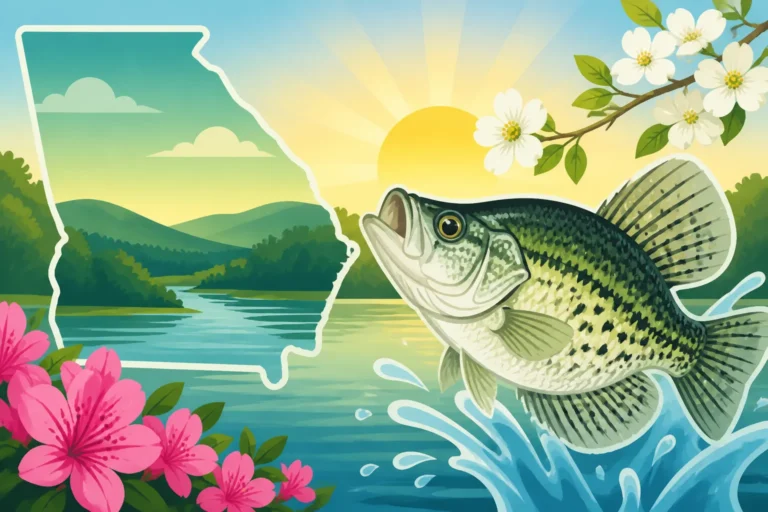
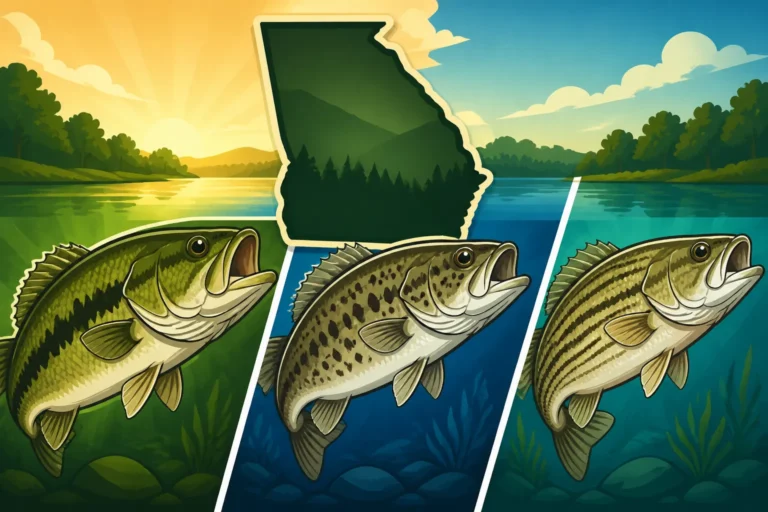
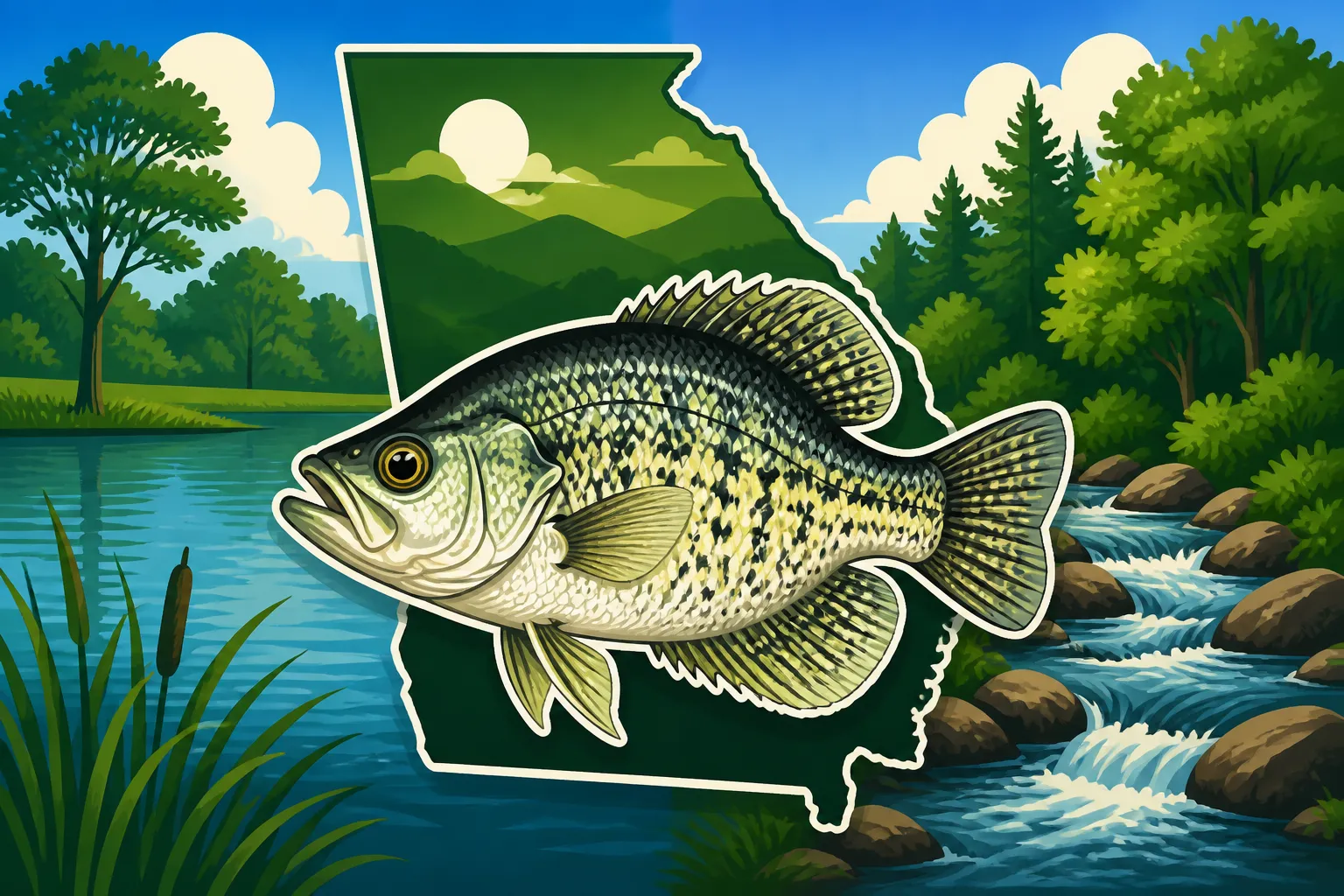
Before we dive into specific locations, let's talk a little about crappie themselves. Georgia is home to both black crappie and white crappie, and while they share many similarities, understanding their subtle differences can make you a more successful angler. Both species are panfish, meaning they're generally smaller, disk-shaped fish highly sought after for their delicate, flaky white meat. They're also incredibly fun to catch, offering a spirited fight on light tackle.
The Crappie's Ideal Home Environment
Crappie are true lovers of structure and cover. Think about it: they're ambush predators, waiting for smaller baitfish or insects to swim by. This means they'll often be found near anything that offers protection and a place to hide. This includes submerged timber, brush piles, docks, bridge pilings, rock formations, weed beds, and even subtle changes in bottom contour. They prefer water that isn't too fast-moving, and they often relate to deeper water adjacent to shallower feeding areas.
When considering ponds versus streams, these preferences hold true, but the presentation of "structure" might look a bit different. In ponds, you're often looking at man-made structures or naturally fallen trees. In streams, the current sculpts the environment, creating eddies, deeper pools, and logjams that become crappie magnets. Knowing what to look for, whether you're staring at a placid farm pond or a gently flowing creek, is half the battle. If you want to dig deeper into identifying these species, check out Black Crappie Identification: A Georgia Angler's Guide and White Crappie Identification Guide.
Ponds: The Hidden Gems for Georgia Crappie Anglers
When many people think of crappie fishing in Georgia, their minds immediately jump to big reservoirs like Lanier, Oconee, or Clarks Hill. And while those lakes certainly hold plenty of slabs, there's a whole world of crappie waiting to be discovered in the state's countless ponds. These smaller, often overlooked bodies of water can provide incredible action, especially for anglers seeking a more peaceful experience or those fishing with kids.
Why Ponds are a Crappie Angler's Paradise
Ponds offer several distinct advantages when it comes to crappie fishing. First, they're often less pressured than the major lakes. This means the fish might be less wary and more willing to bite. Second, their smaller size makes them incredibly accessible. You often don't need a fancy bass boat or even a kayak to fish a pond effectively. Bank fishing is frequently productive, and if you do have a small Jon boat or a paddle craft, you can cover a lot of water quickly. Finally, ponds can be fantastic for families or beginner anglers. The excitement of consistent bites can quickly turn a casual outing into a lifelong passion. Many public fishing areas maintain well-stocked ponds, ensuring good opportunities.
Types of Ponds and How to Fish Them
Georgia has a wide variety of ponds, each with its own character and crappie potential.
- Public Fishing Areas (PFAs): The Georgia Department of Natural Resources manages numerous PFAs across the state, many of which include excellent crappie ponds. These areas are typically well-maintained, often have amenities like restrooms and fishing piers, and are regularly stocked. The crappie in PFAs tend to be managed for healthy populations, making them reliable spots. Look for areas with brush piles specifically placed by wildlife agencies or natural submerged timber.
- Community Ponds/Neighborhood Lakes: Many communities, subdivisions, and even golf courses have ponds that hold crappie. Access to these might be restricted, so always check local rules and permissions. These ponds often have docks, culverts, or bridge crossings that provide excellent cover.
- Private Farm Ponds: If you have a friend or know someone with a private pond, you've hit the jackpot. These waters are often lightly fished and can produce some truly impressive crappie. Always ask for permission before fishing private land, of course.
When fishing ponds, focus on the obvious structure. Docks, fallen trees, brush piles, and even thick weed edges are prime targets. In shallower ponds, crappie might be spread out more, especially during the spawn. In deeper ponds, look for drop-offs or humps. A simple bobber and minnow rig or a small jig worked slowly can be incredibly effective. For those essential crappie jigs and other tackle, a quick search on Amazon can yield a wide variety of options delivered right to your door, making preparation a breeze.
Navigating Streams and Smaller Rivers for Crappie in Georgia
While ponds offer a more contained fishing experience, Georgia's streams and smaller rivers present a different, yet equally rewarding, challenge for crappie anglers. Fishing these moving waters requires a slightly different approach, but the rewards can be plentiful, especially if you enjoy a bit of exploration and solitude.
The Challenges and Rewards of Stream Crappie
Fishing streams for crappie isn't always as straightforward as casting to a dock in a pond. You'll contend with current, potentially more obstructions, and sometimes tricky access points. However, the reward is often a more natural, wilder fishing experience. Stream crappie can be hard-fighting, and finding a honey hole away from the crowds feels like a true accomplishment. Plus, many streams offer beautiful scenery and a chance to truly connect with nature.
One common frustration for stream anglers is identifying crappie-holding structure that isn't immediately visible. Unlike a pond where a dock or a brush pile sticks out, streams often conceal their best spots beneath the surface or along less accessible banks. It requires a keen eye for subtle current breaks, changes in depth, and indications of submerged wood.
Identifying Prime Stream Habitats
Crappie in streams, like their pond-dwelling cousins, are still drawn to structure and cover, but the current plays a significant role in where they set up shop.
- Slow-Moving Bends and Eddies: These are absolute goldmines. Crappie will use these calmer pockets of water to escape the main current, conserving energy while still being in a position to ambush food washing by. Look for eddies behind large rocks, fallen trees, or along the inside bends of the river.
- Downed Trees and Logjams: Just like in lakes, fallen timber in streams provides excellent overhead cover and ambush points. Crappie will often stack up in the branches, especially on the downstream side where the current is less intense.
- Deeper Pools: Any natural depressions or deeper holes in the stream bed will attract crappie, particularly during colder months or when they're seeking refuge from bright sunlight. These pools are often found downstream of rapids or waterfalls, or where the river narrows.
- Undercut Banks: These provide natural overhead cover and often create a small pocket of slower water. Crappie will tuck themselves into these areas, waiting for an unsuspecting meal.
Techniques for Stream Crappie
When fishing streams, presentation is key. You generally want to present your bait or lure naturally with the current, allowing it to drift into the crappie's strike zone.
- Jigging: Small hair jigs or soft plastic jigs are incredibly effective. Cast upstream of suspected holding areas and let the jig drift naturally, imparting subtle twitches as it moves. The lighter the jig you can get away with, the better, as it will mimic natural prey more accurately. For more detailed tips, check out How to Jig for Crappie and Best Jig Colors for Crappie Fishing.
- Live Bait (Minnows): A small minnow suspended under a tiny float or even fished on a bare hook with a split shot can be deadly. Cast it into those eddies or behind cover and let the current do the work. The natural movement of the minnow is often irresistible. Learn more about rigging minnows with How to Rig a Minnow for Crappie.
- Casting and Retrieving Small Spinners/Crankbaits: In slightly wider or deeper sections of a stream, very small spinners or ultralight crankbaits can entice a strike. Focus on retrieving them slowly along current seams or near cover.
Consider bringing lightweight, portable gear for stream fishing. A small backpack to carry tackle, water, and snacks, along with a pair of comfortable, grippy wading boots, will make your exploration much more enjoyable. You can find excellent options for compact tackle boxes and ultralight spinning combos on Amazon that are perfect for stream-side adventures.
Gear, Techniques, and Seasonal Considerations for Crappie Across Georgia
No matter if you're targeting crappie in a quiet pond or a meandering stream, having the right gear and understanding seasonal patterns will significantly increase your success. Crappie, while often eager biters, can also be surprisingly finicky, so knowing how to adapt is crucial.
Essential Gear for Crappie Anglers
Crappie fishing doesn't require a huge investment in tackle, which is part of its charm. Light and sensitive gear is key to detecting their often subtle bites.
- Rods and Reels: An ultralight or light-action spinning rod, typically 5 to 7 feet long, paired with a small spinning reel (size 1000 or 2000) spooled with 4 to 6-pound monofilament or fluorocarbon line, is ideal. The sensitivity of the rod allows you to feel those gentle taps, while the light line ensures natural bait presentation. If you're wondering which rod is best, take a look at Best Rods for Crappie Fishing in Georgia.
- Terminal Tackle:
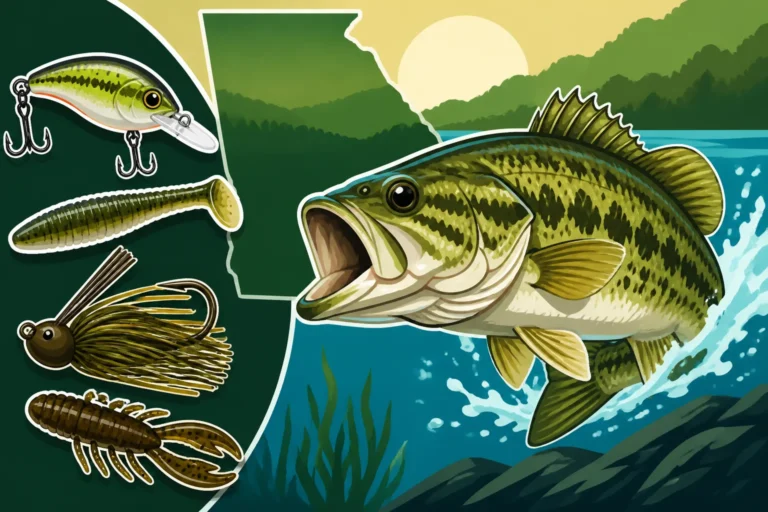
- Jigs: Small jigs are the bread and butter of crappie fishing. Think 1/32 to 1/16 ounce, sometimes even lighter. Soft plastic crappie jigs in various colors, especially chartreuse, white, pink, and black, are essential. Hair jigs and marabou jigs also work wonders.
- Hooks: Small, sharp hooks (size 4 to 8) are perfect for minnows. Keep them thin-wired to avoid harming the bait.
- Bobbers: Tiny slip bobbers or fixed bobbers are great for suspending bait at a specific depth, especially when Tightlining Techniques for Crappie.
- Sinkers: Small split shot sinkers for adding a little weight to your minnow rig.
- Line: As mentioned, 4-6 pound test is usually plenty. Fluorocarbon leaders can be beneficial for added stealth, especially in clear water.
- Tackle Box: A well-organized, compact tackle box is a must. For tips on what to include, refer to Best Tackle Box Setup for Crappie Fishing. When you're ready to stock up on a variety of jigs or specific crappie baits, check out the vast selection on Amazon to find exactly what you need.
Popular Baits and Lures
While crappie can be caught on a variety of offerings, some stand out as consistent producers:
- Live Minnows: These are arguably the most effective crappie bait, period. Their natural movement and scent are often irresistible. Hook them lightly through the lips or just behind the dorsal fin.
- Small Jigs: As discussed, soft plastic crappie jigs (Bobby Garland, Crappie Magnet, etc.) fished alone or tipped with a small piece of minnow or a crappie bite are fantastic.
- Spider Rigs: While more common on larger lakes, a scaled-down spider rig with multiple rods can be adapted for wider stream sections or larger ponds, allowing you to present several baits at different depths simultaneously.
- Small Spinners: Tiny inline spinners or Beetle Spins can be effective when crappie are aggressive, especially in stained water.
Seasonal Crappie Patterns in Georgia
Crappie behavior changes significantly with the seasons, mainly driven by water temperature and their spawning cycle. Understanding these patterns will help you locate them and choose the best tactics. To understand the best times overall, make sure to read Best Time of Year to Catch Crappie in Georgia.
| Season | Water Temperature Range | Crappie Behavior | Best Tactics |
|---|---|---|---|
| Spring | 50-68°F | Pre-Spawn: Moving from deeper wintering holes to shallower staging areas near spawning grounds. Actively feeding. Spawn: Moving into very shallow water (1-5 feet) to lay eggs, often around brush, docks, or weeds. | Pre-Spawn: Vertical jigging or slow-trolling minnows/jigs near creek channels, submerged timber. Focus on transition areas. Spawn: Cast small jigs or minnows under bobbers directly into cover in shallow bays and coves. Do Crappie Bite Better in Spring in Georgia? |
| Summer | 70-85°F | Retreating to deeper, cooler water during the day, often suspended over structure or in thermoclines. Feed early/late. | Day: Deep-water jigging, vertical presentations of minnows or jigs over submerged brush piles or humps. Evening/Night: Crappie may move shallower to feed. Consider night fishing near lighted docks. |
| Fall | 60-70°F | Becoming very active as water cools. Following baitfish schools that move shallower. Often feeding heavily to prepare for winter. | Focus on creek channels, main lake points, and areas where baitfish are abundant. Trolling small crankbaits or casting jigs and minnows can be very productive. Look for brush piles near these baitfish movements. |
| Winter | 35-50°F | Becoming sluggish and grouping tightly in deep water. Often found near creek channels, major drop-offs, or submerged standing timber. | Slow and Deep: Vertical jigging small spoons or jigs, or slowly presenting minnows directly to crappie found on sonar. Patience is key. Target specific How to Find Crappie Around Brush Piles in deep water. |
Spring is often considered peak season, especially during the spawn when crappie are concentrated and aggressive. However, with the right techniques, crappie can be caught year-round in Georgia's diverse waters. Always be prepared to adjust your depth and retrieve speed based on the conditions and the fish's activity level.
Crappie fishing, whether it's in a serene, hidden pond or a lively, winding stream, offers some of the most enjoyable and rewarding experiences for anglers in Georgia. It's a fantastic way to spend a day outdoors, connect with nature, and bring home some delicious table fare. So, next time you're planning a fishing trip, don't overlook these smaller, often intimate waters. Grab your ultralight gear, maybe a handful of minnows, and go explore – you might just discover your new favorite crappie hotspot!
Disclaimer
This article is for general informational purposes only and does not constitute professional advice. Laws, prices and regulations vary by location and change over time. Consult a qualified professional for guidance on your specific situation.